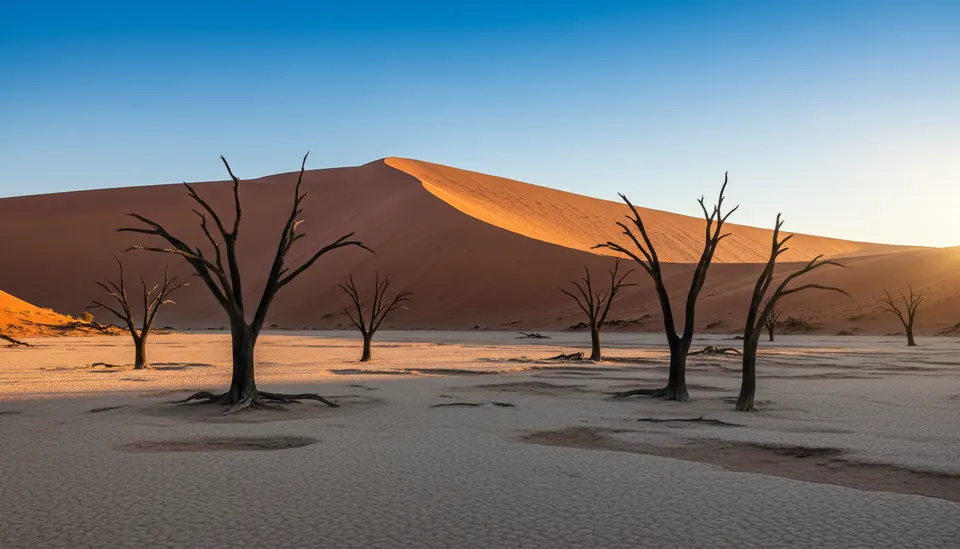
Travel destination Namibia
If you want to experience breathtaking landscapes, unique wildlife and vast, unspoilt wilderness, a holiday in Namibia is just the thing for you. This country in southern Africa is a very special destination.
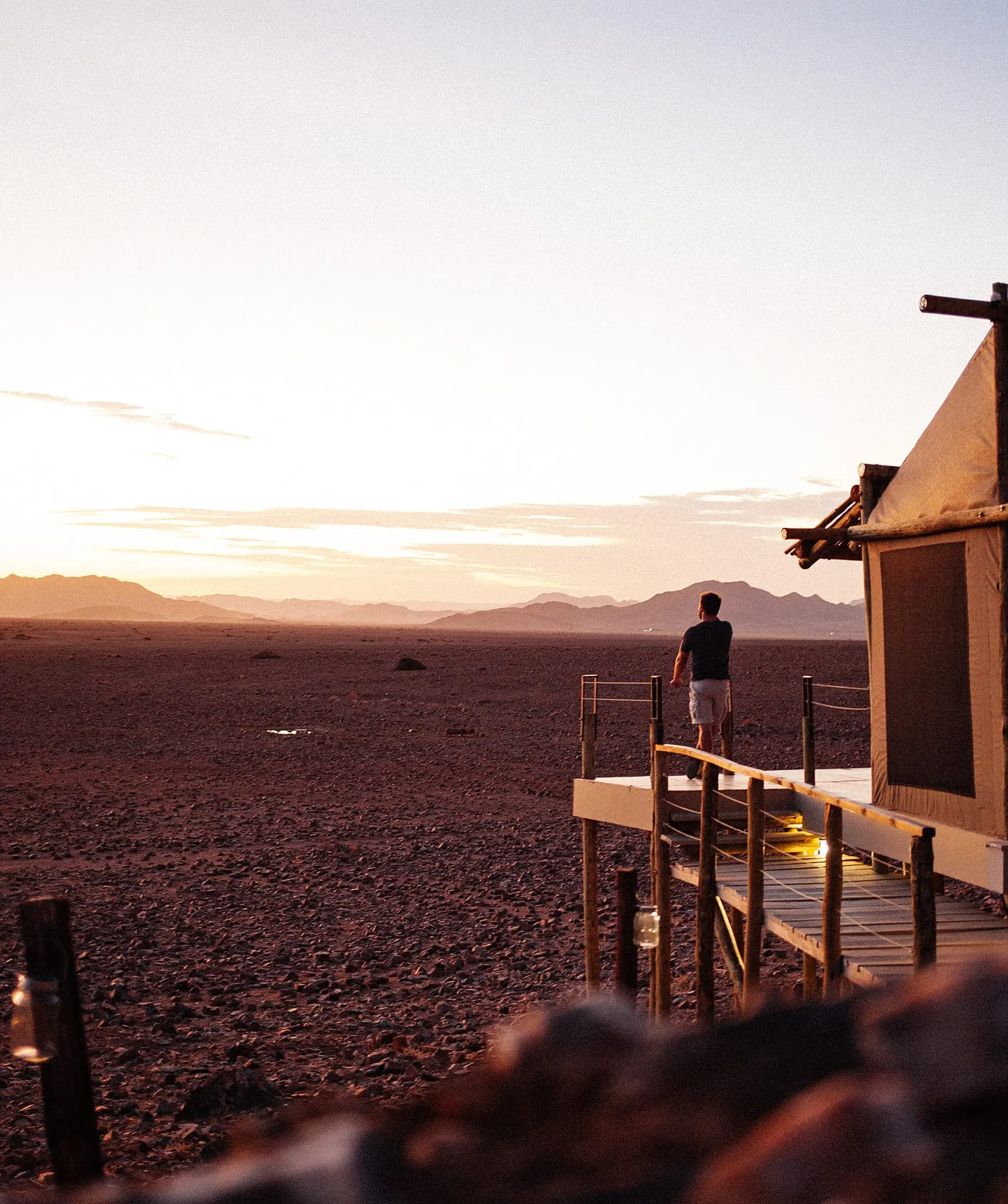
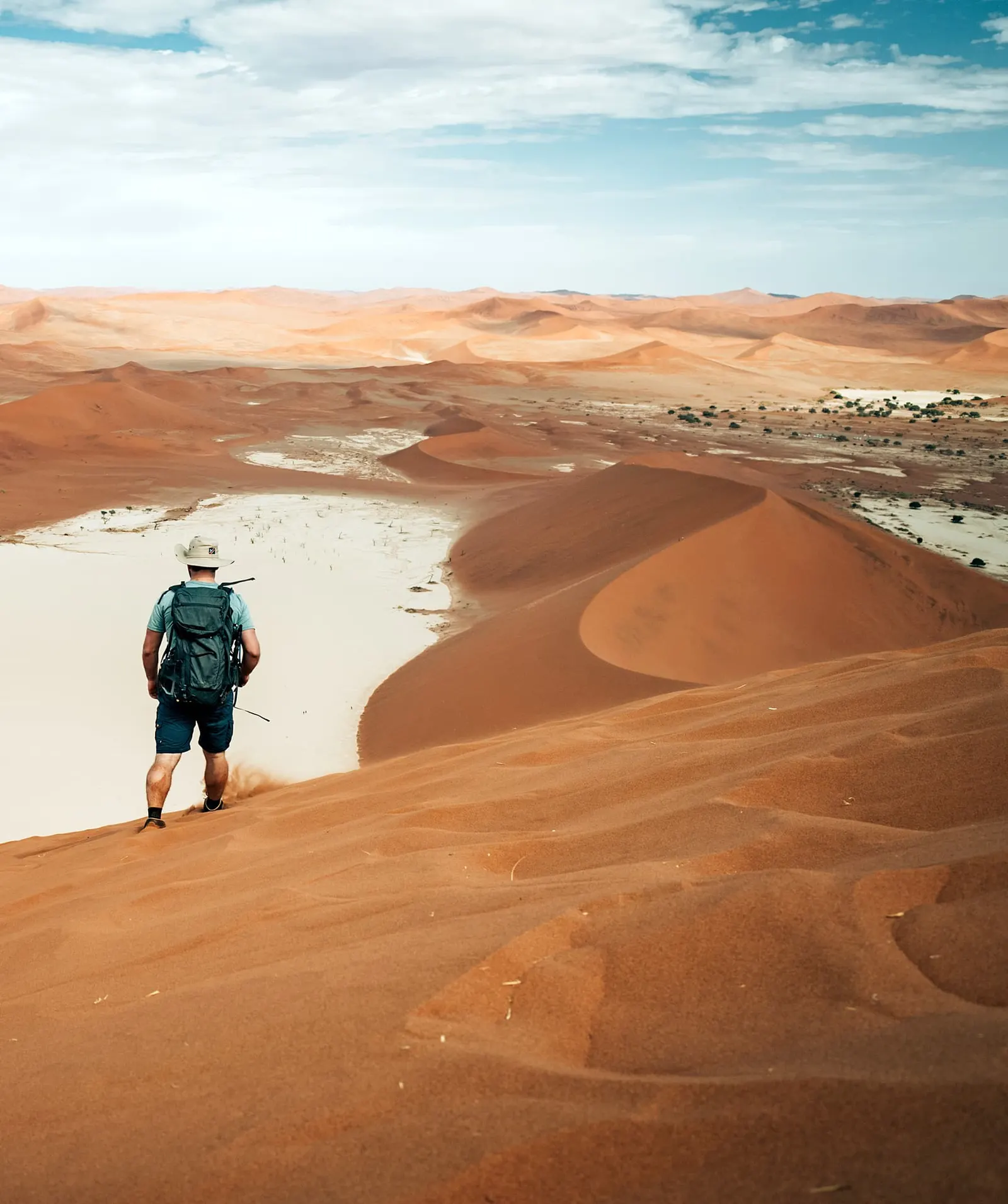
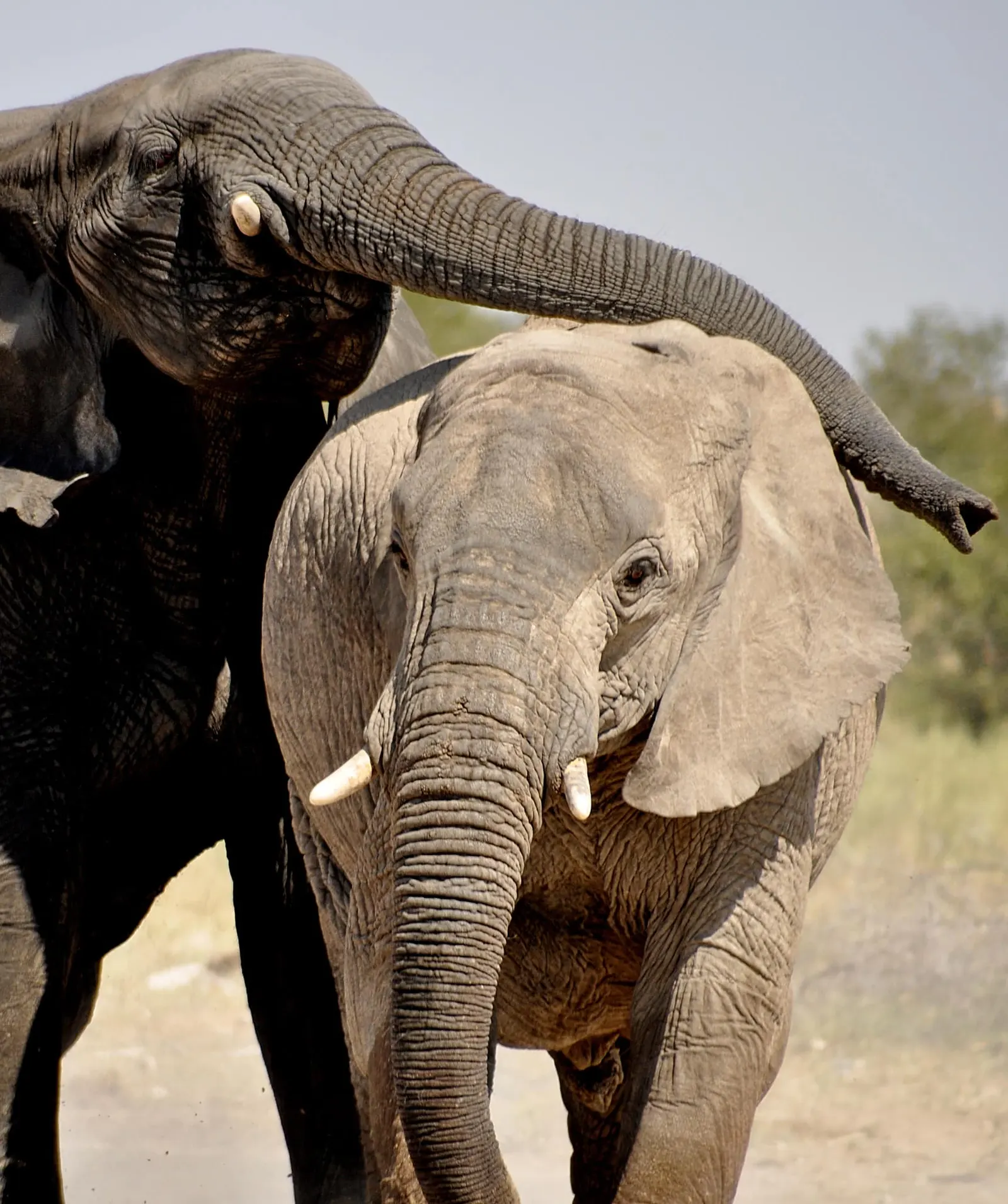
Climb the high dunes of the Namib Desert or watch the wildlife on a safari in Etosha National Park.
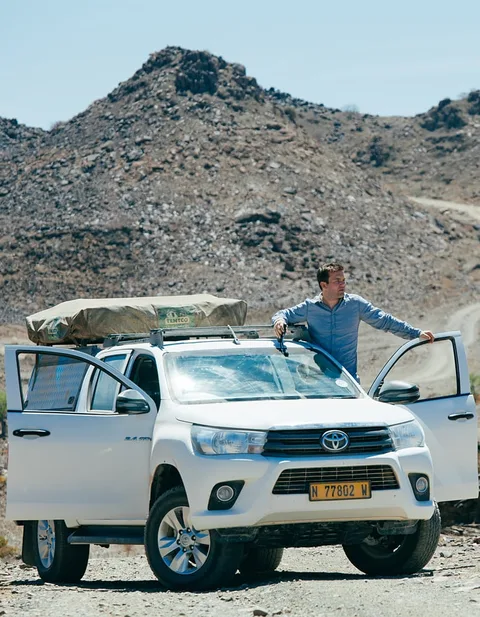
Namibia is one of the best countries for self-drivers and is therefore an excellent destination for independent travellers.
A guided Namibia trip, on the other hand, offers you a more relaxed and more intensive experience with experienced guides who know the wildlife and landscape well.
Our German-speaking travel experts at our branch in Swakopmund are on hand with insider tips and individual advice when you book your Namibia trip.
Travel styles in Namibia
Tours in Namibia
 Namibia, Zimbabwe, Botswana
16 days
Facets of Africa
from 4.850 € per person
 Namibia, Botswana, Zambia
21 days
Africa's Diversity: Round Trip through Namibia, Botswana & Victoria Falls
from 3.990 € per person
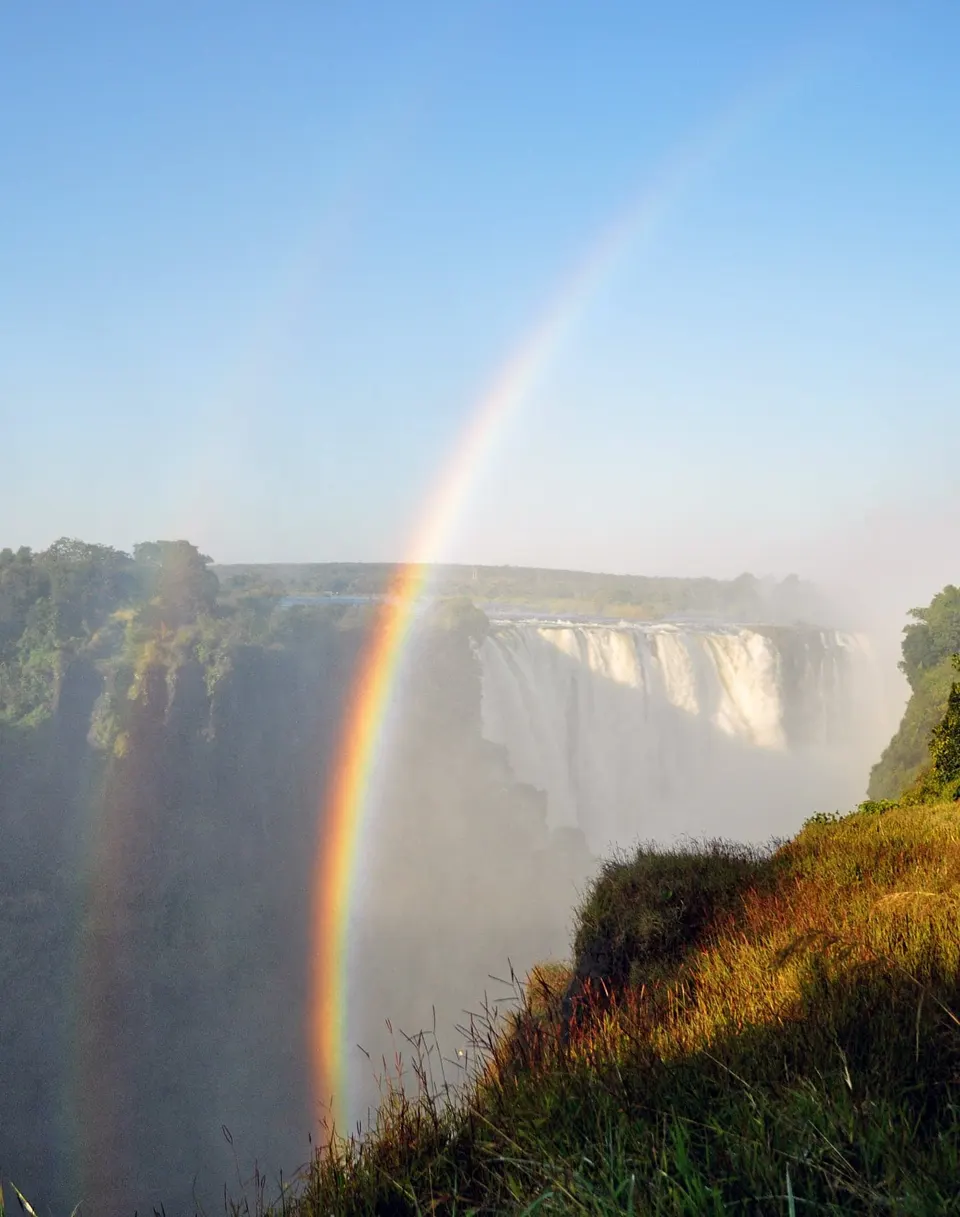 South Africa, Botswana, Namibia, Zimbabwe
21 days
In Comfort from the Cape to Victoria Falls
from 4.180 € per person
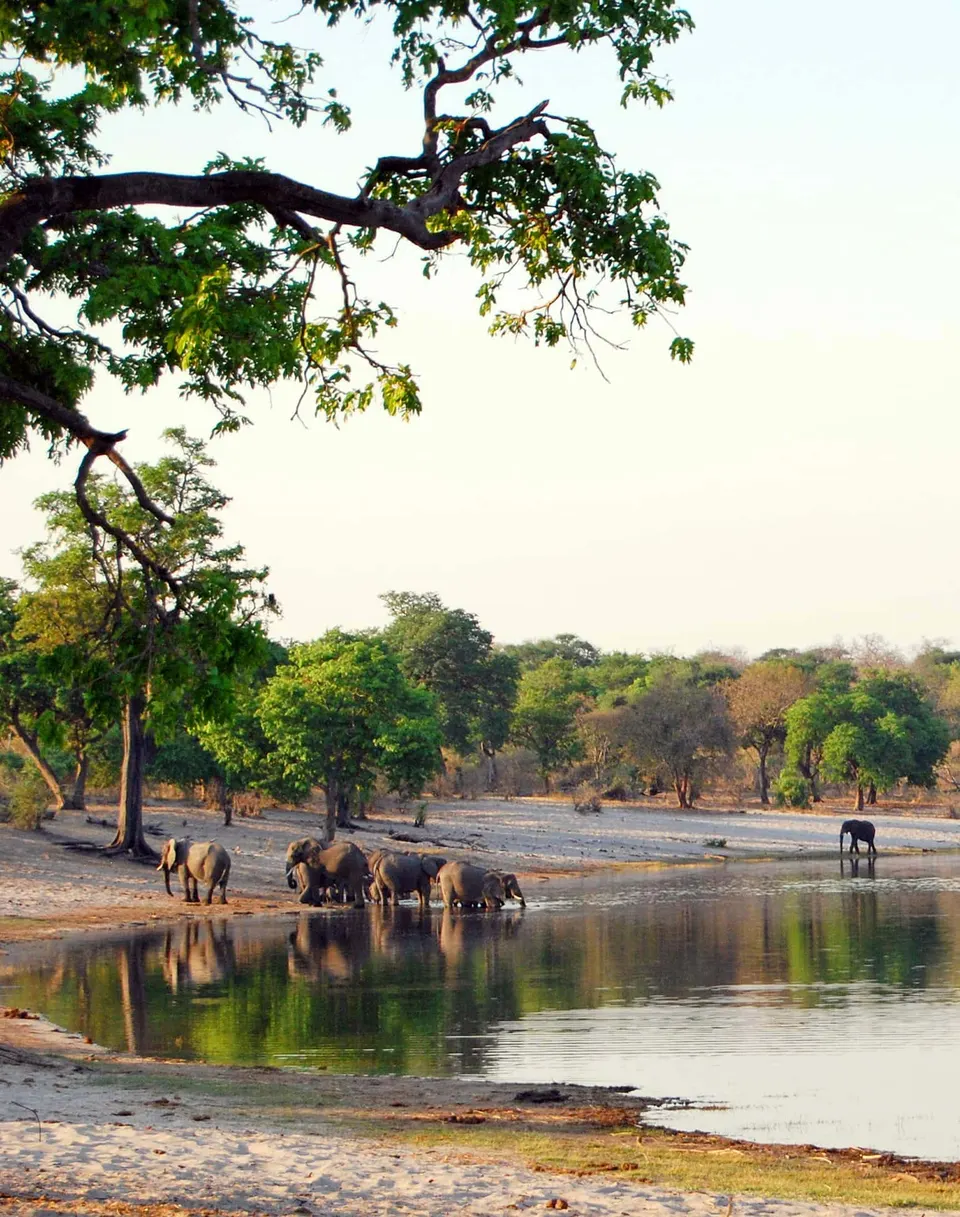 Namibia, Zambia
15 days
Victoria Falls & Namibia Highlights
from 3.170 € per person
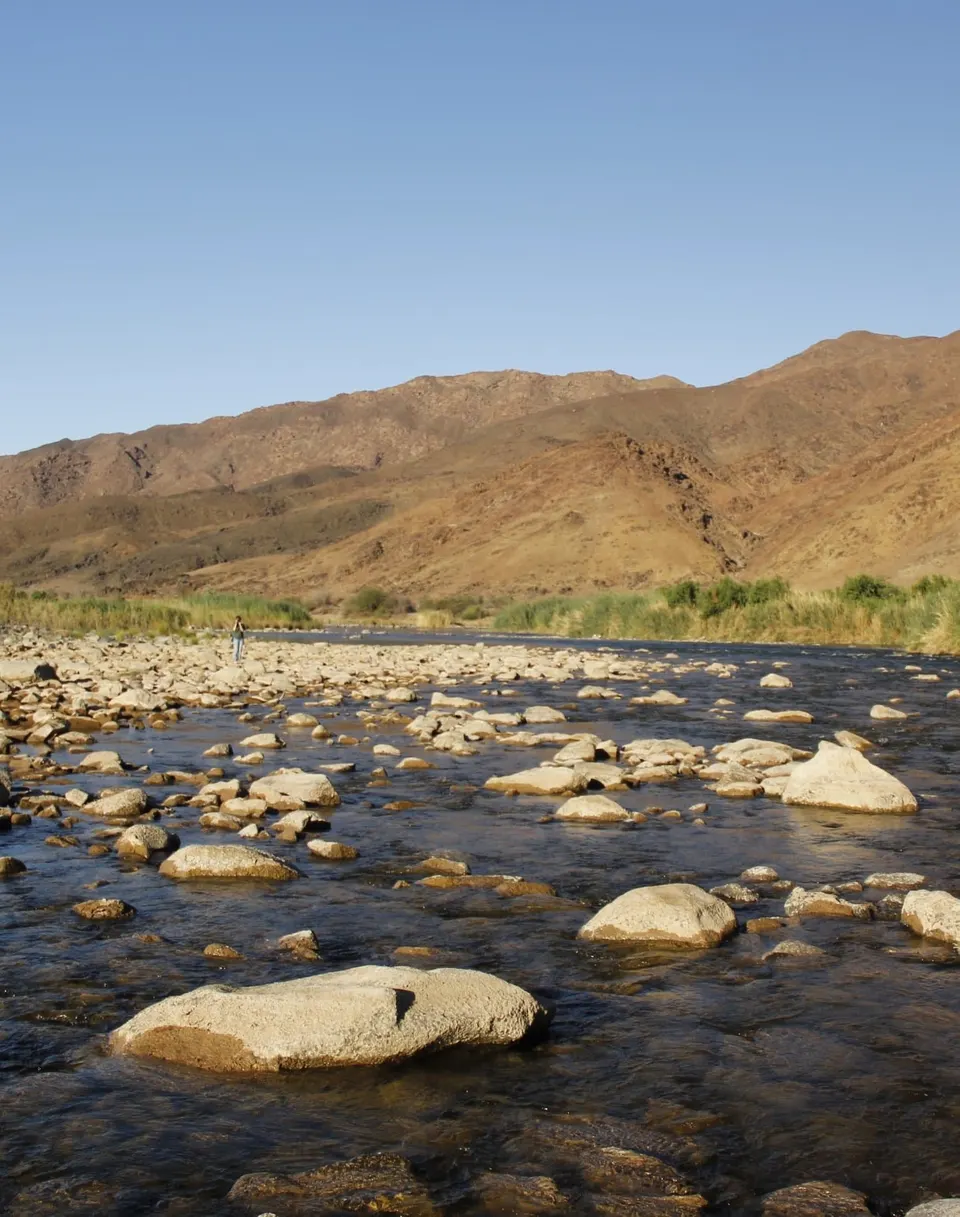 South Africa, Namibia
14 days
The West Coast – 4×4 Self-Drive Tour through South Africa & Namibia
from 7.470 € per person
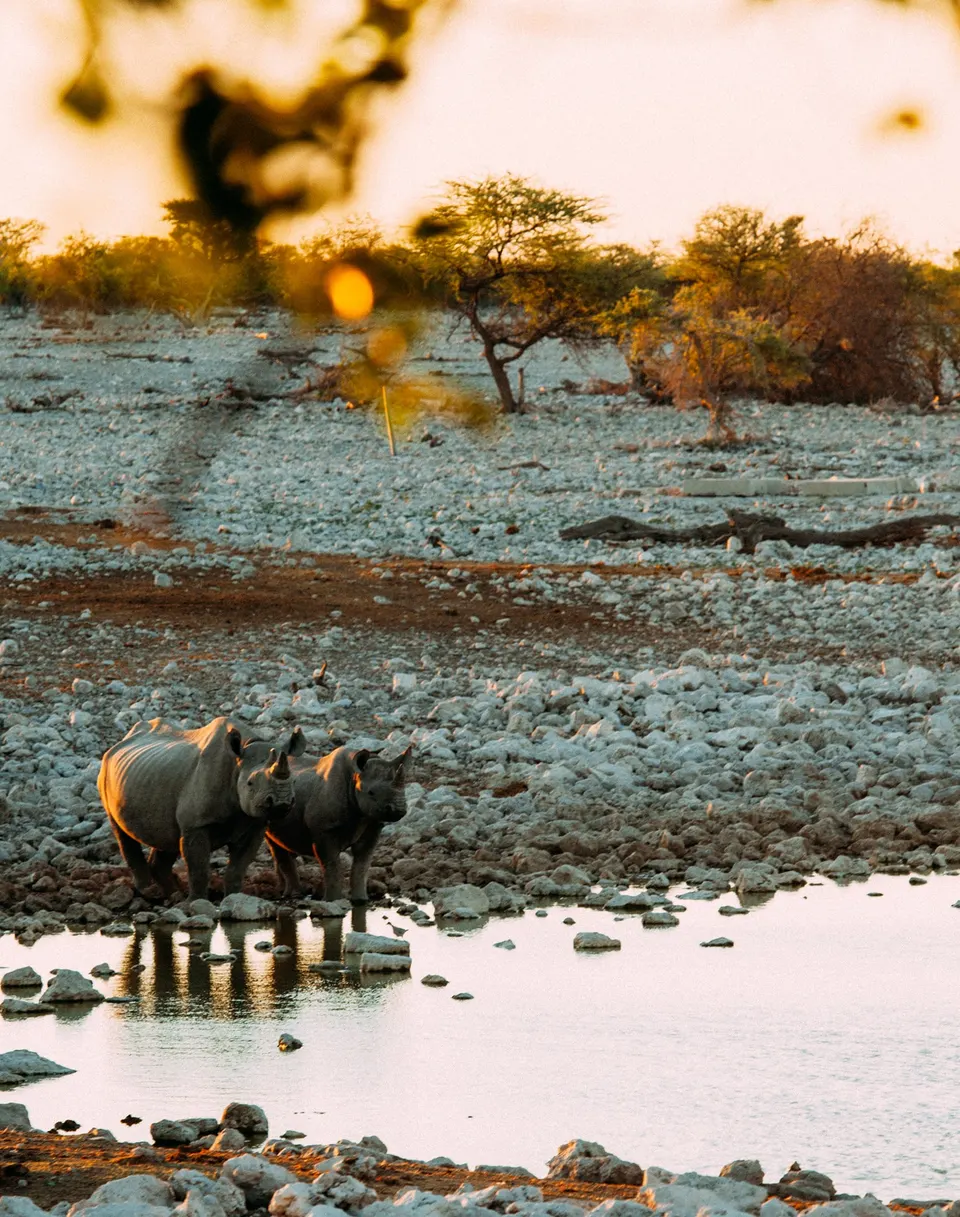 Botswana, Namibia, Zimbabwe
21 days
Highlights of Namibia and Botswana
from 5.980 € per person
 Namibia, Zimbabwe, Botswana
16 days
Highlights from Windhoek to Victoria Falls
from 3.110 € per person
 Namibia
20 days
The Best of Namibia
from 3.100 € per person
 Namibia
16 days
Northern Namibia
from 2.640 € per person
 Namibia
10 days
Exclusive Namibia – Fly-In Safari
from 7.430 € per person
 Namibia
13 days
Fascination Namibia
from 3.650 € per person
 Namibia, Zambia
15 days
From Victoria Falls to the Sand Dunes of Namibia
from 2.420 € per person
 Namibia
11 days
Discover Namibia
from 1.800 € per person
 Namibia, Botswana
16 days
Windhoek to Chobe – Spectacular Worlds of Wonder
from 6.040 € per person
 Namibia
14 days
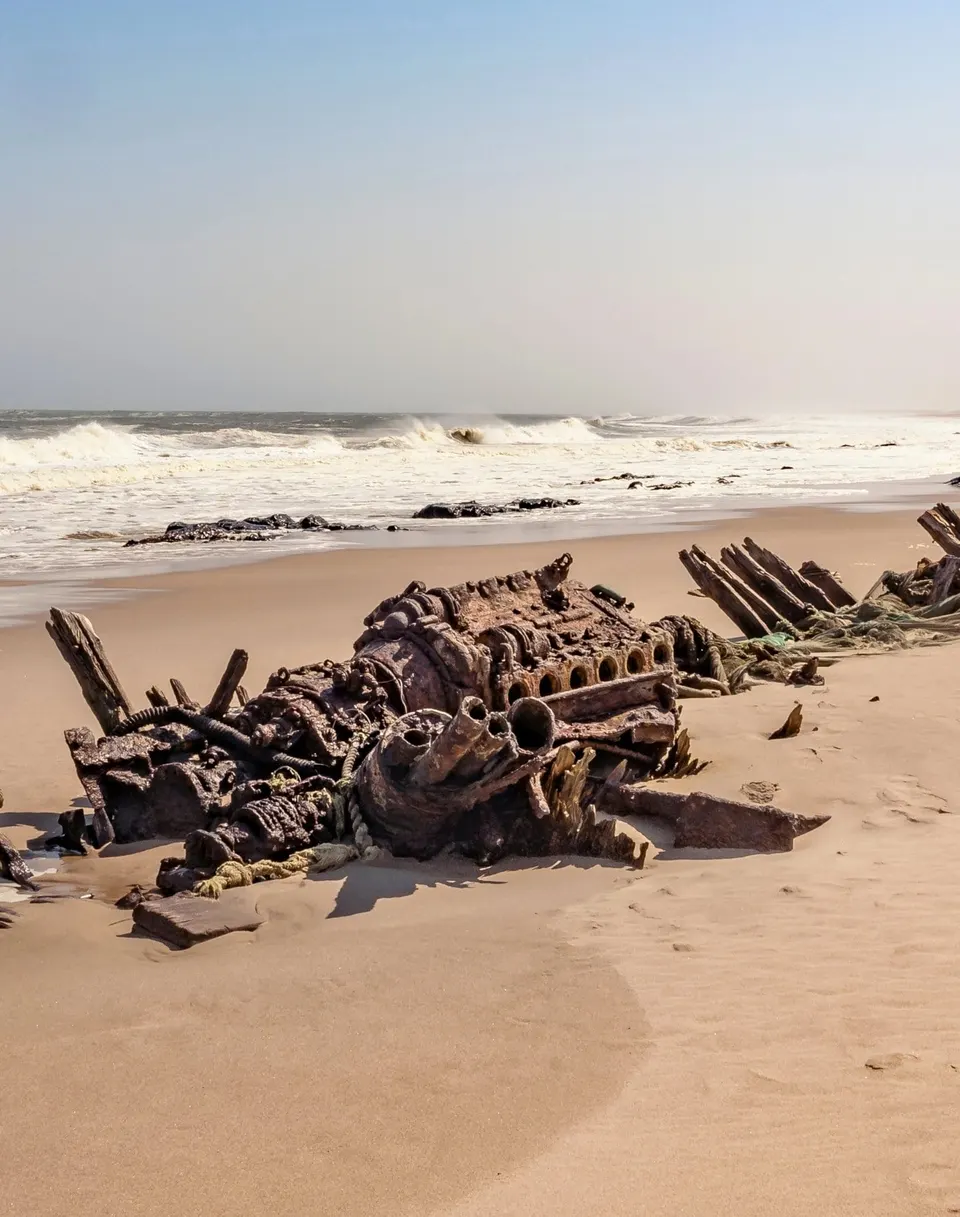
Off-Road Adventure – Kaokoveld & Skeleton Coast – 4×4 Guided Self-Drive Tour
from 4.890 € per person
 Namibia
15 days
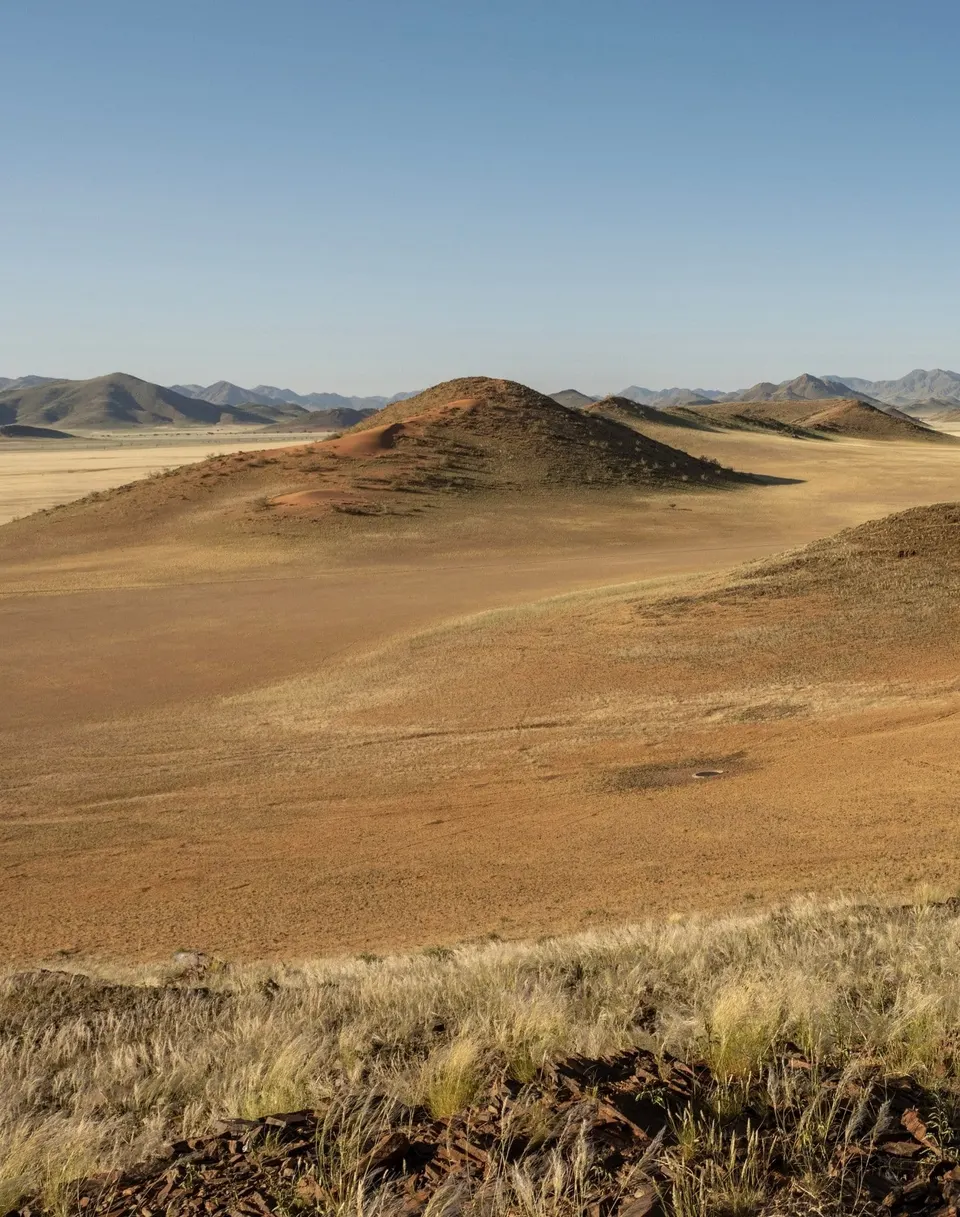
Untouched Namibia – 4×4 Self-Drive Tour to the Kaokoveld
from 4.550 € per person
 Namibia
15 days
Central Namibia Photo Tour
from 7.190 € per person
 Namibia
15 days
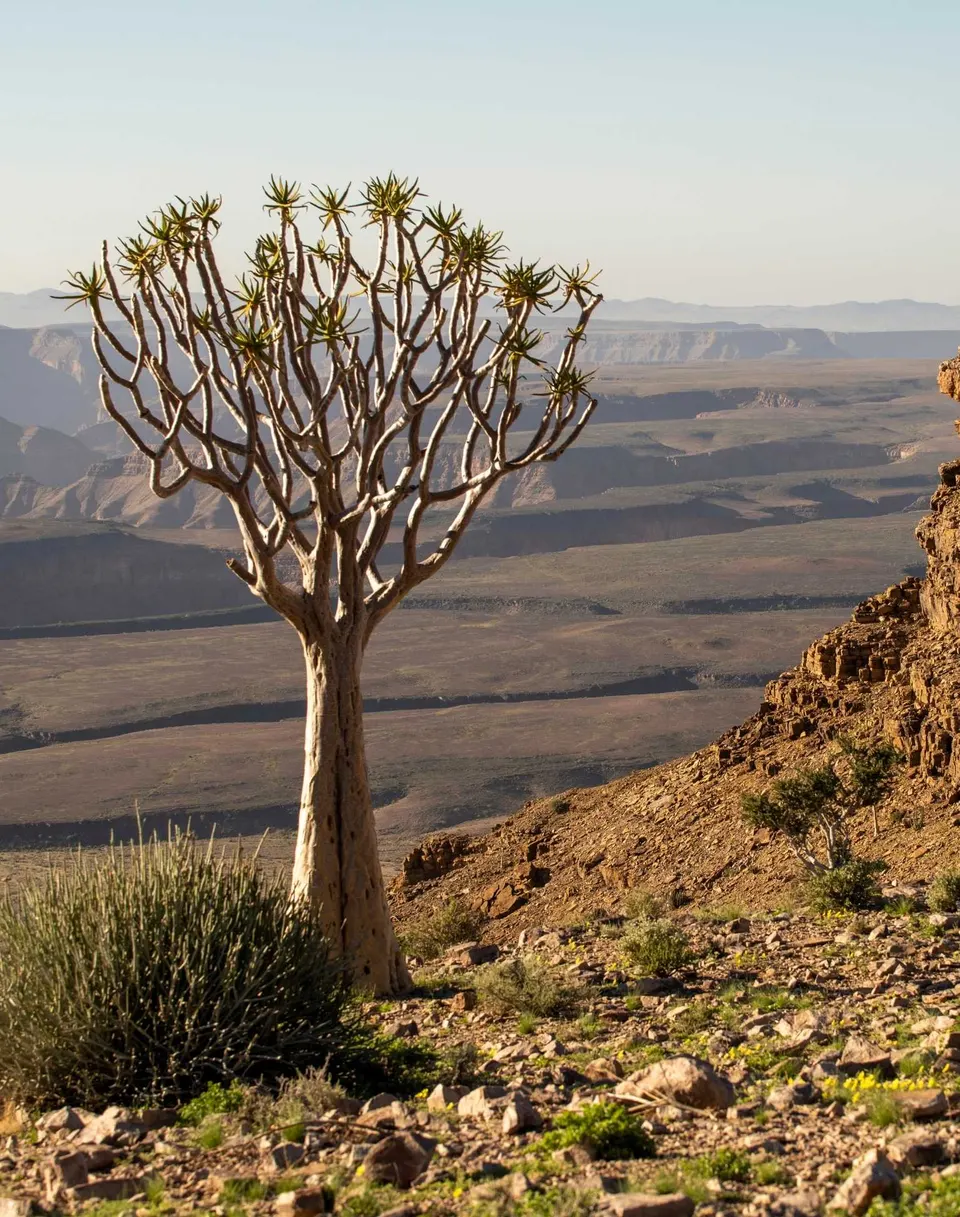
Northern Namibia Photo Safari
from 6.890 € per person
 Namibia
15 days
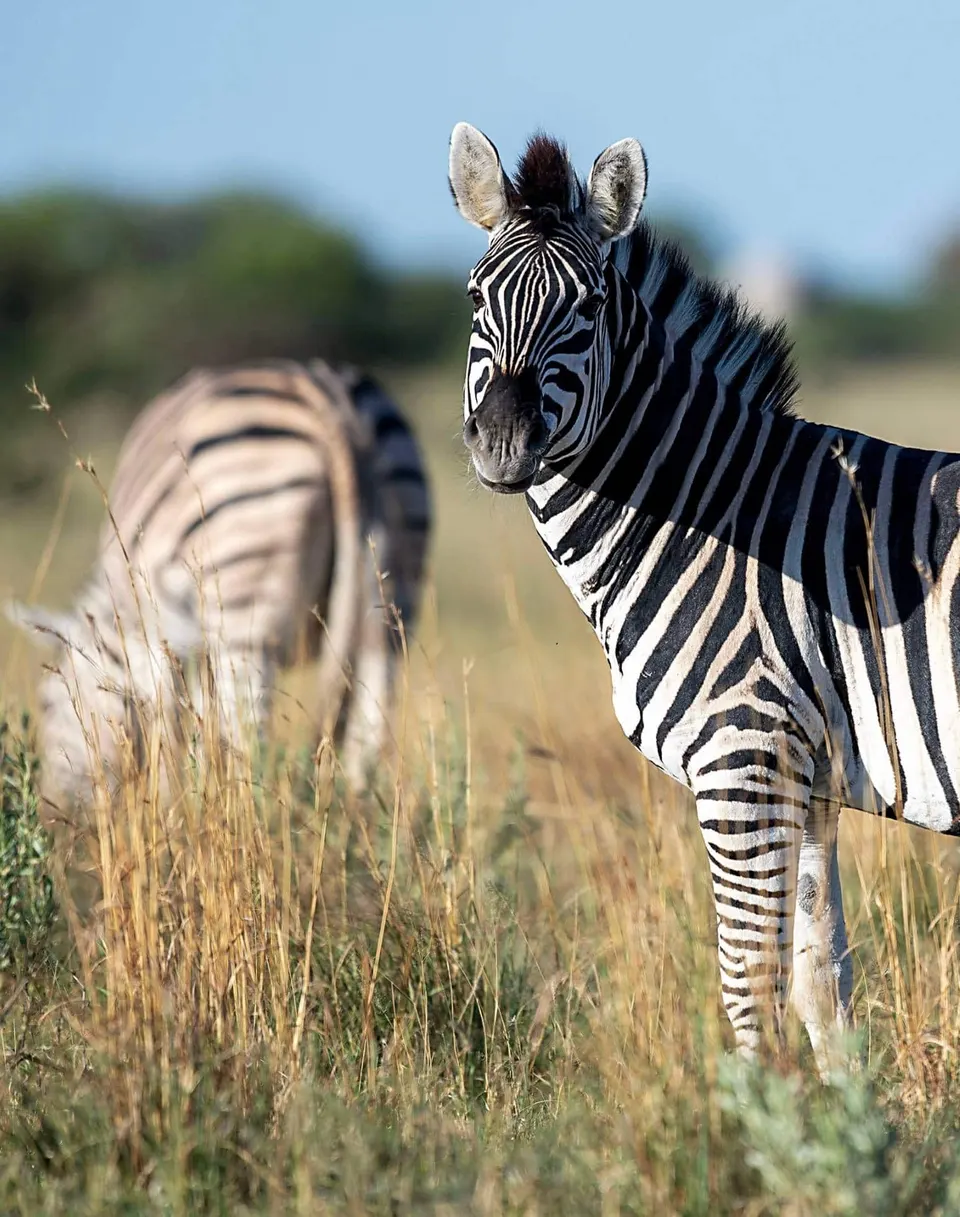
Southern Namibia Photo Tour
from 6.390 € per person
 Namibia, Botswana, Zimbabwe
14 days
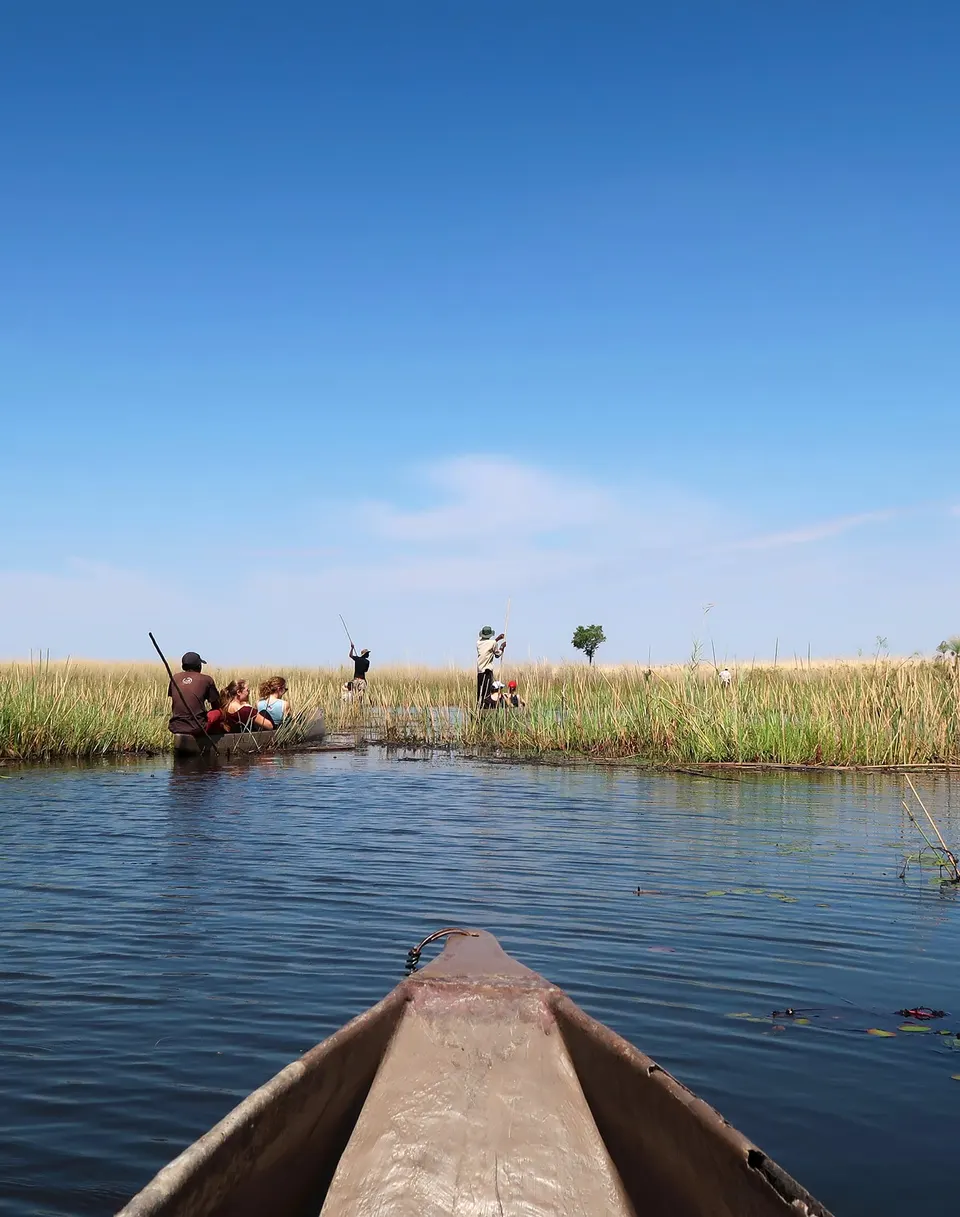
Namibia and Botswana Photo Safari
from 7.290 € per person
 South Africa, Namibia, Zimbabwe, Botswana
24 days
From Cape Town to Victoria Falls
from 3.700 € per person
 Namibia
12 days
Namibia Family Trip
Price: on request
 South Africa, Botswana, Namibia, Zimbabwe
21 days
Southern Africa Explorer
from 3.090 € per person
 Namibia
14 days
Namibia's Unspoilt North
from 3.590 € per person
 Namibia
21 days
Namibia’s Diversity
from 4.690 € per person
 Namibia
10 days
Namibia Nature Adventure
from 2.550 € per person
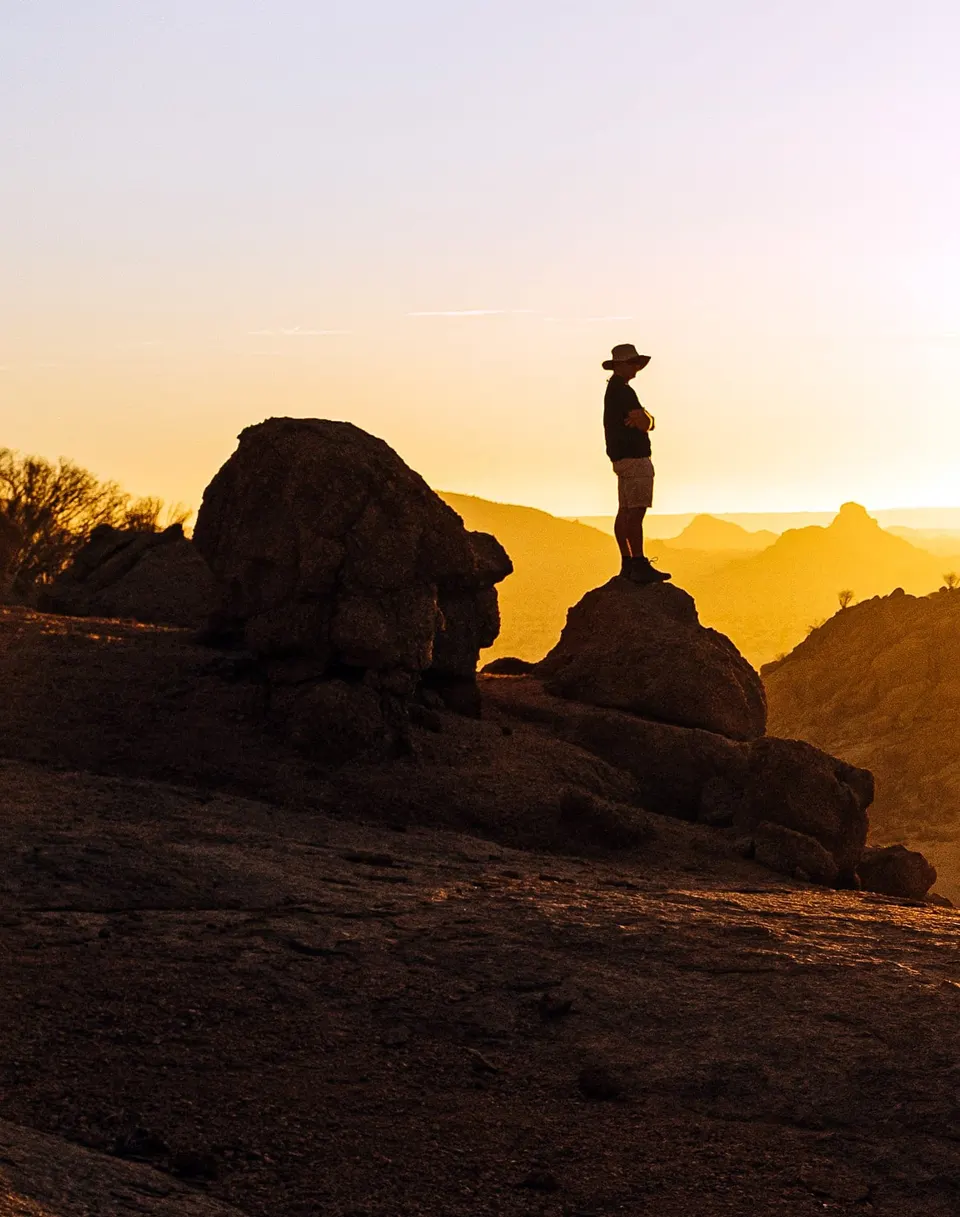 Namibia
14 days
Namibia Hiking Tour
from 4.080 € per person
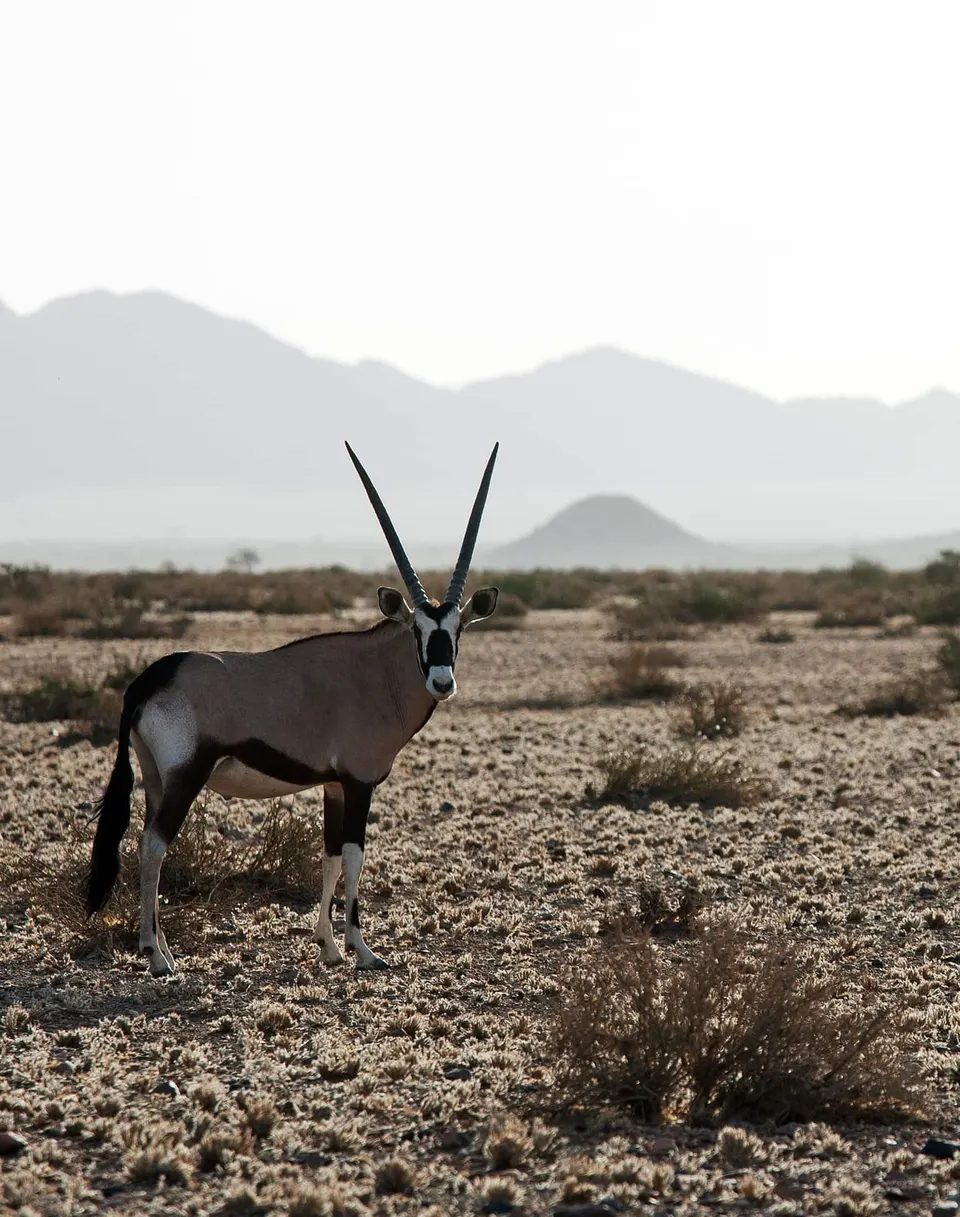 Namibia
15 days
Namibia Highlights “Comfort”
from 5.300 € per person
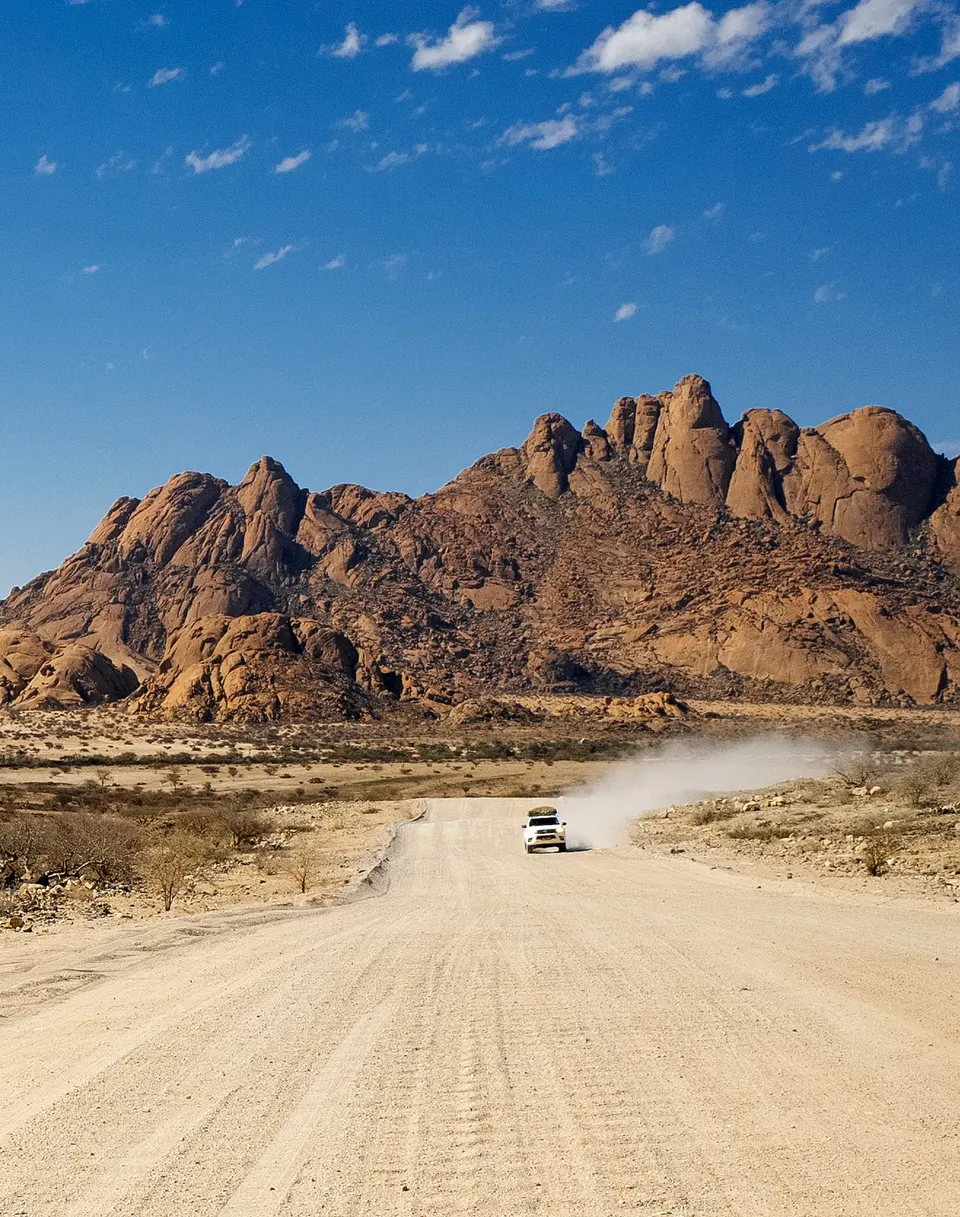 Namibia
13 days
Namibia Highlights
from 1.860 € per person
All prices exclude international flights.
Highlights of a Namibia trip
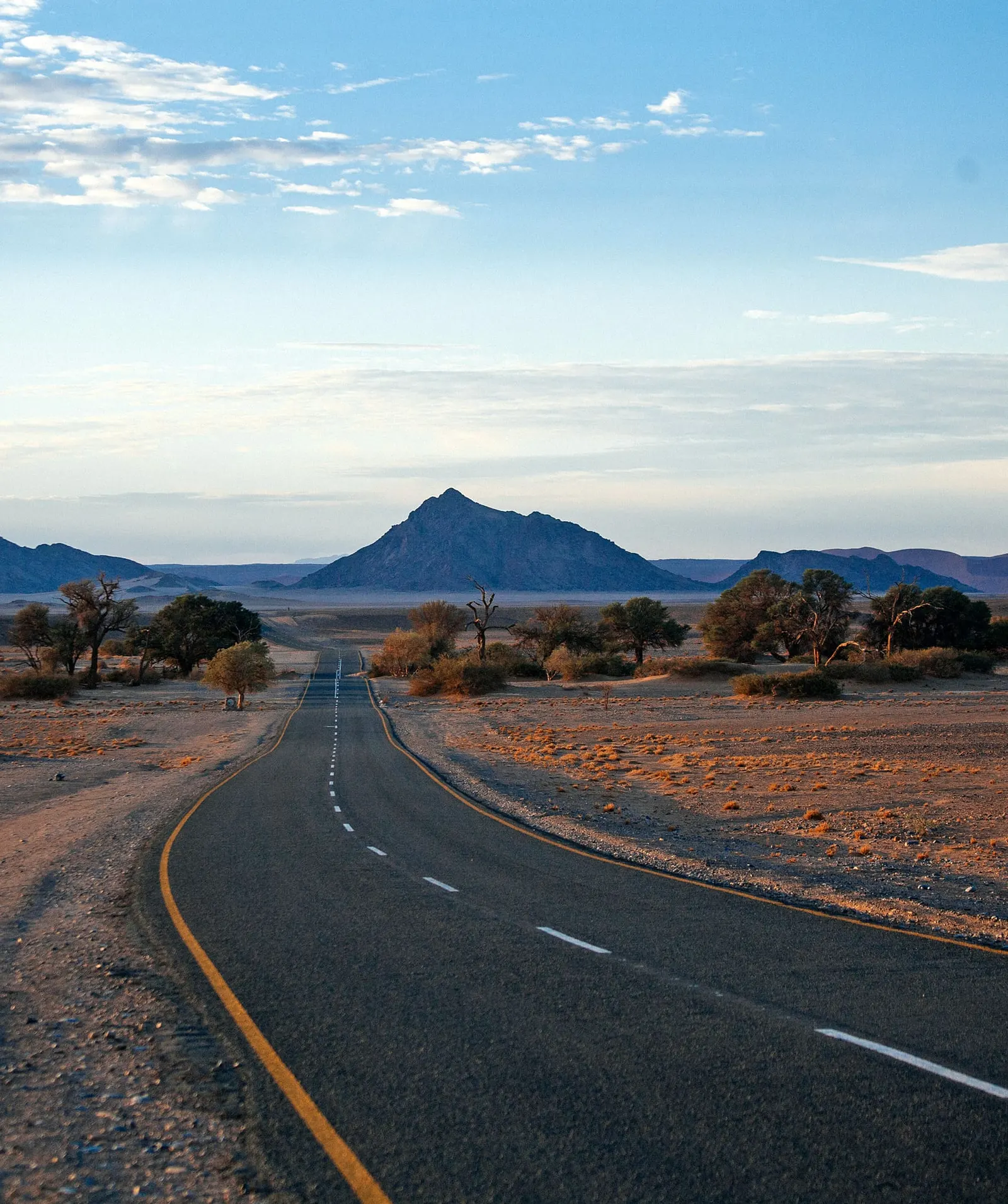
Travel information
Geographical location
Namibia is located in the south-western part of Africa. It borders South Africa to the south, Angola and Zambia to the north, and Botswana to the east.
In the centre of the country lies the capital Windhoek, home to almost 490,000 people. The almost 1,300-kilometre-long coastline is one of the most impressive in the world.
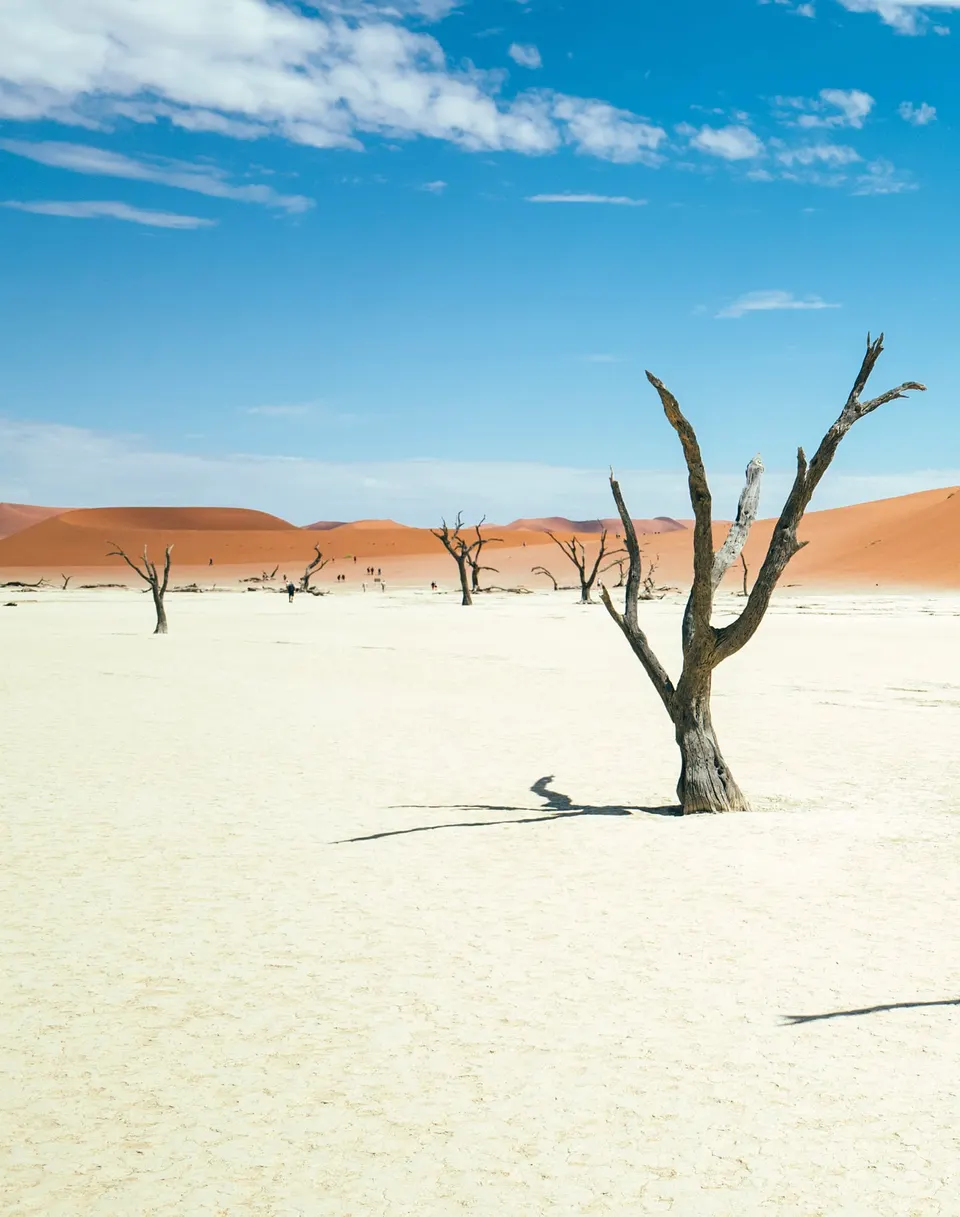
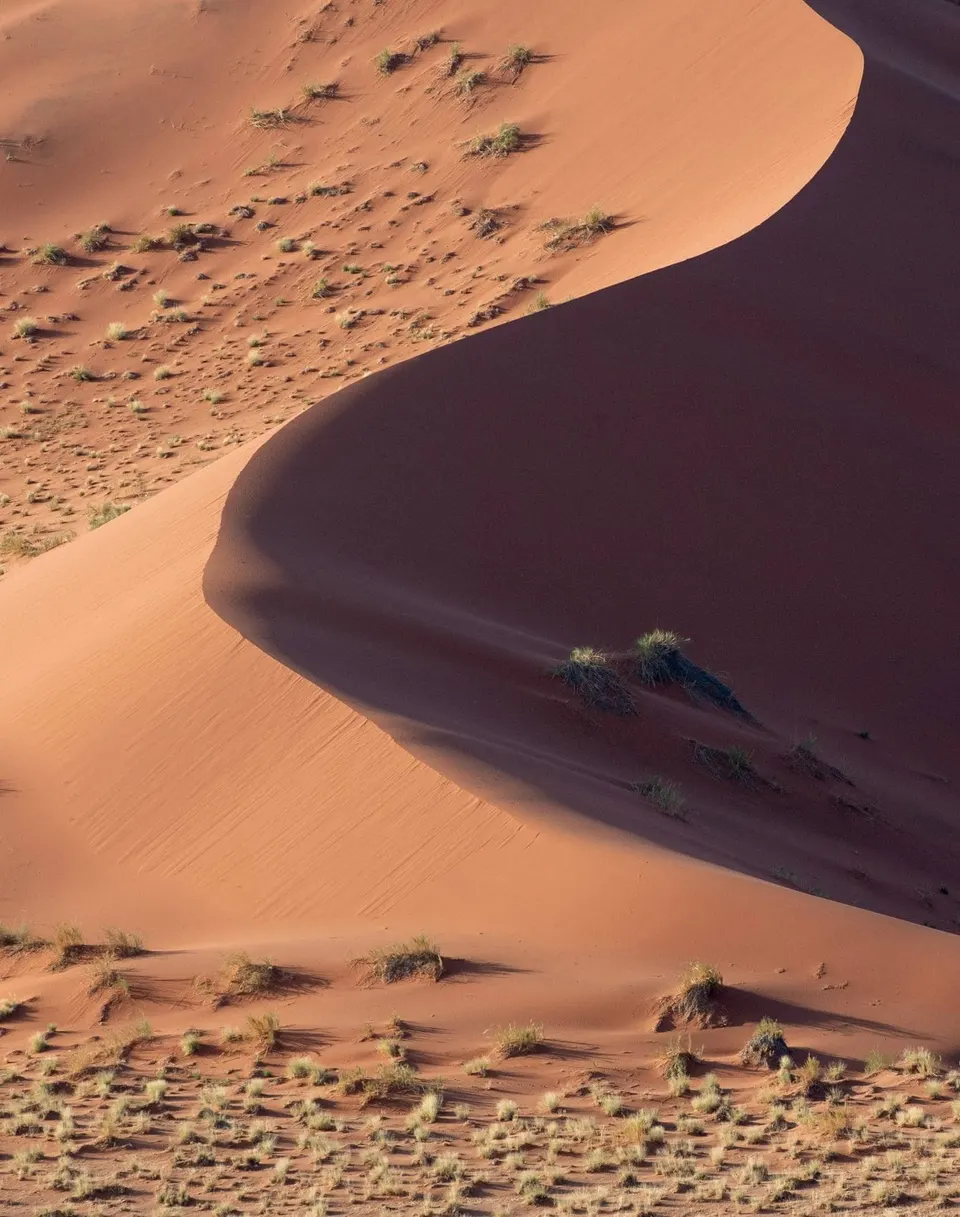
The huge dunes of the Namib Desert on the coast extend up to 130 kilometres inland. The famous “Sossusvlei” dunes are the highest in the world. Visiting them is a highlight of a Namibia trip.
The region is shaped by the foothills of a plateau that run completely from north to south and later descend in the east towards the Kalahari Desert.
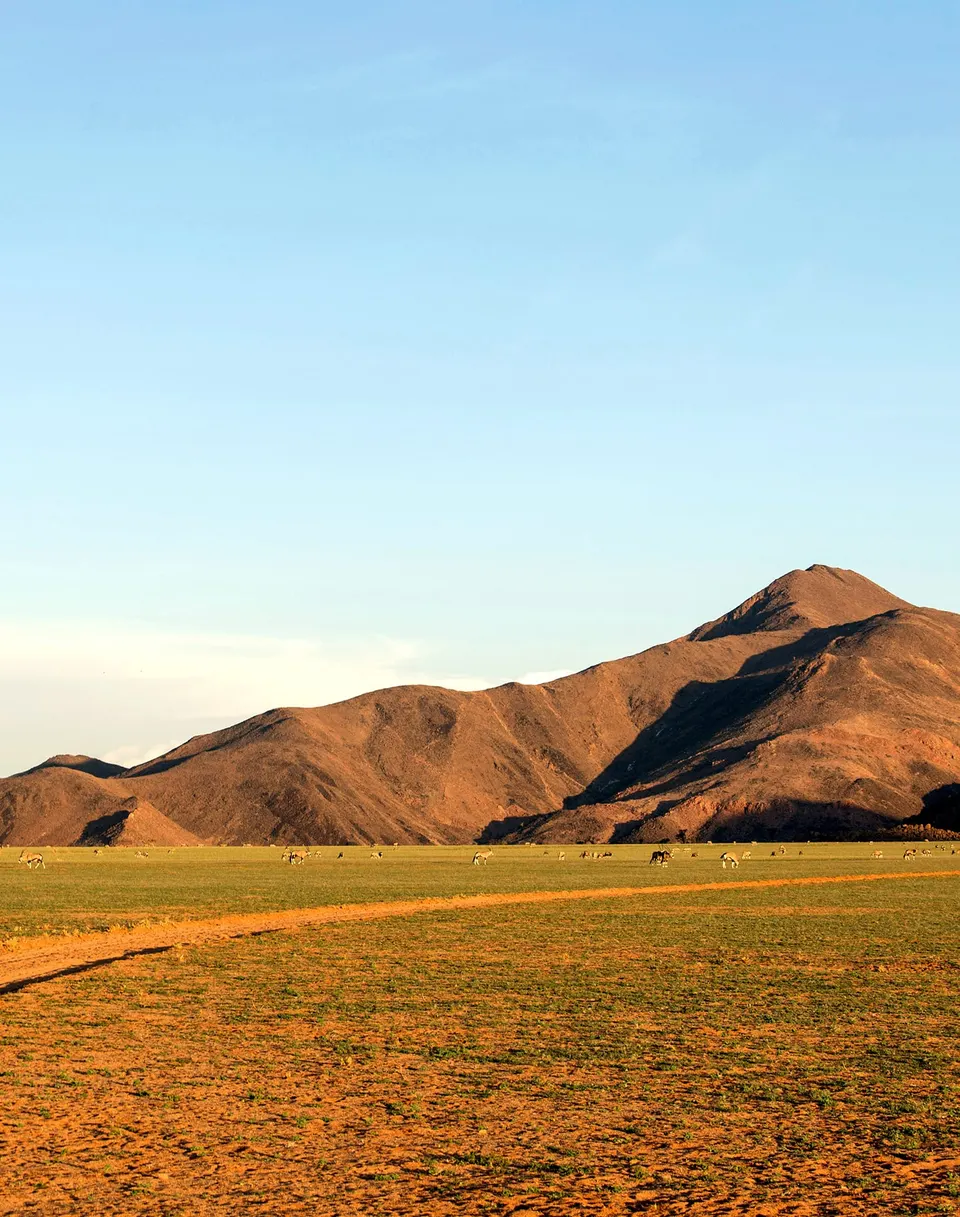
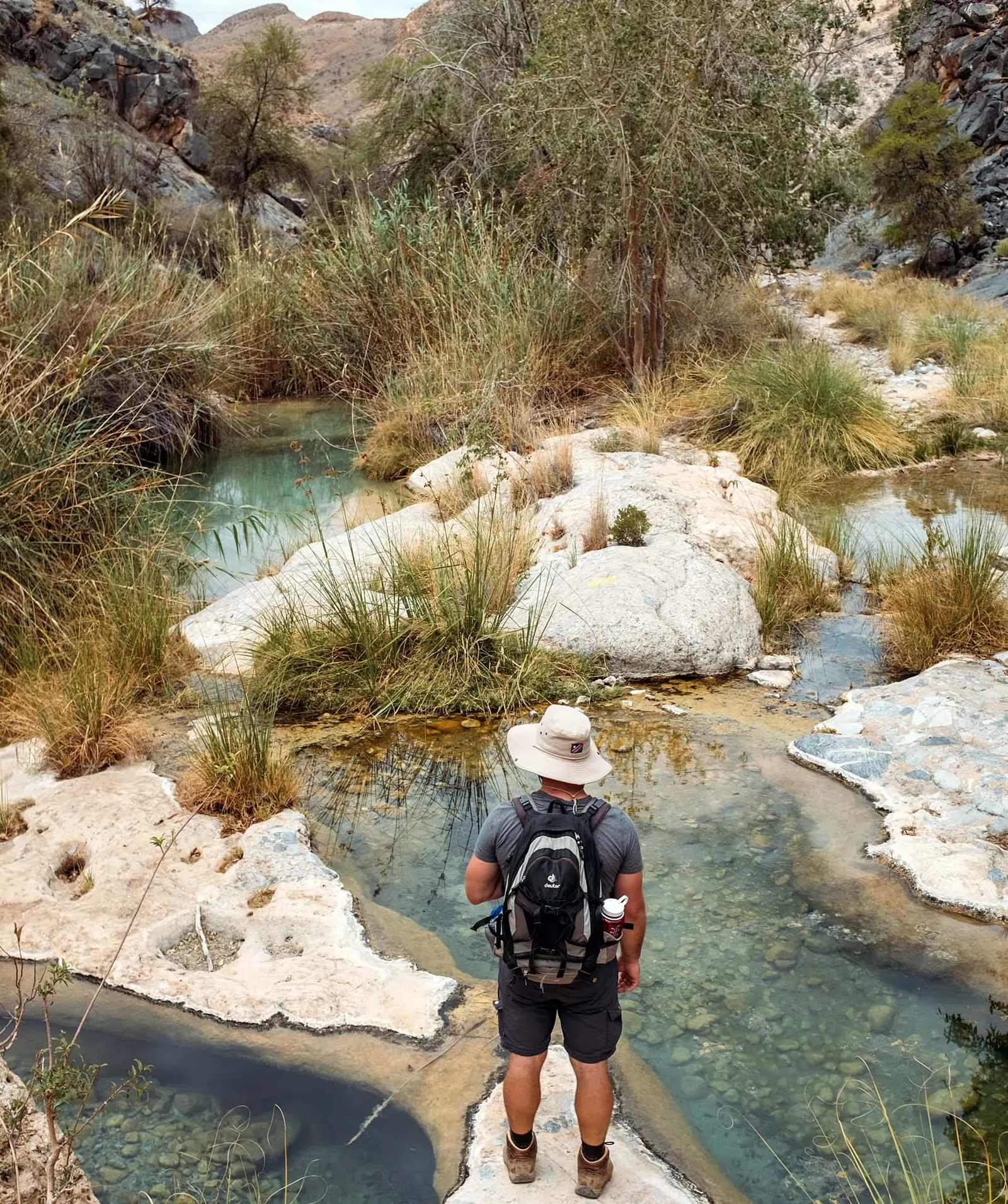
In the north-west rise the Hartmann Mountains in the Kaokoveld. These red-brown mountains offer a spectacular contrast to the green, vegetation-rich dry river valleys that run parallel to the mountains.
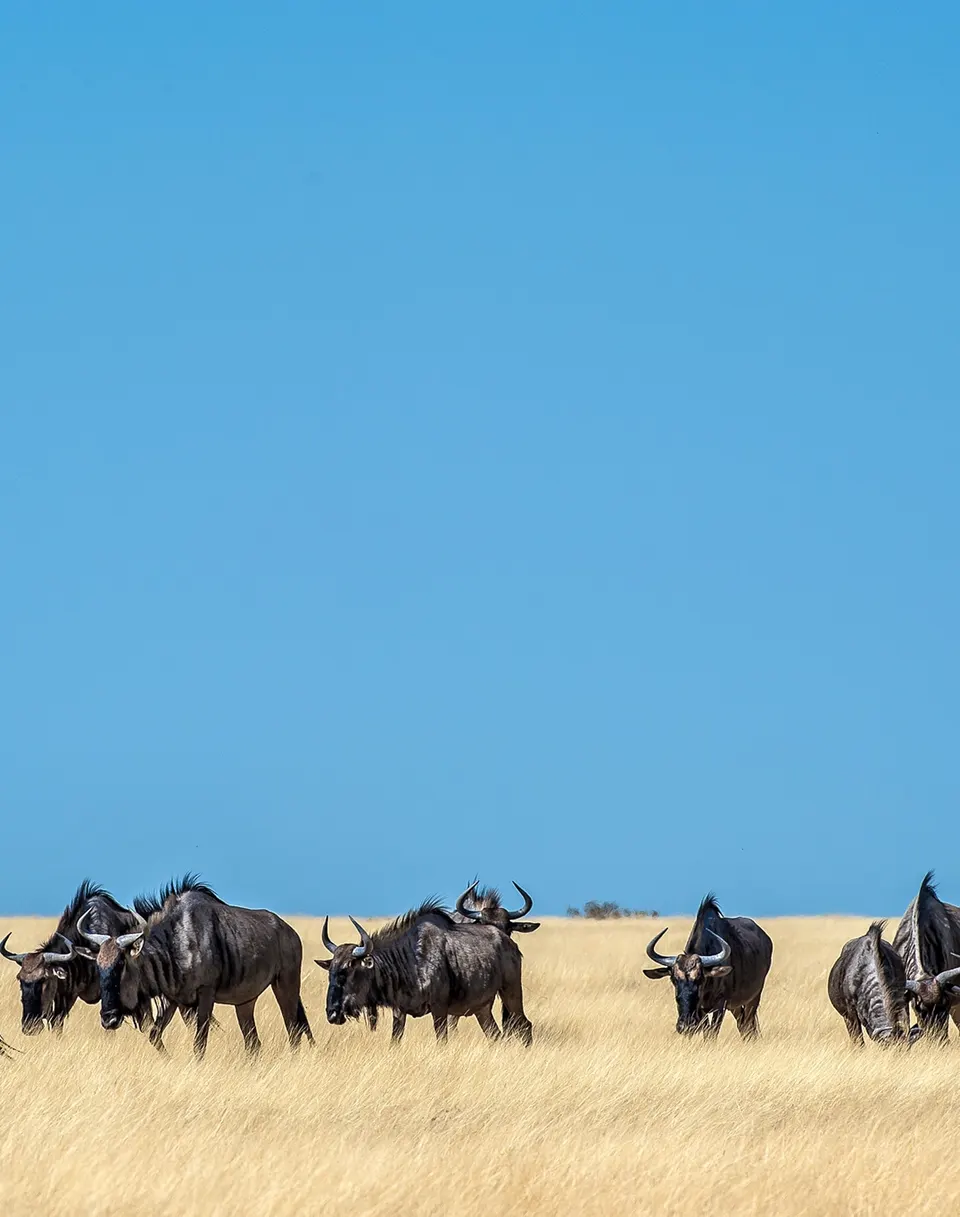
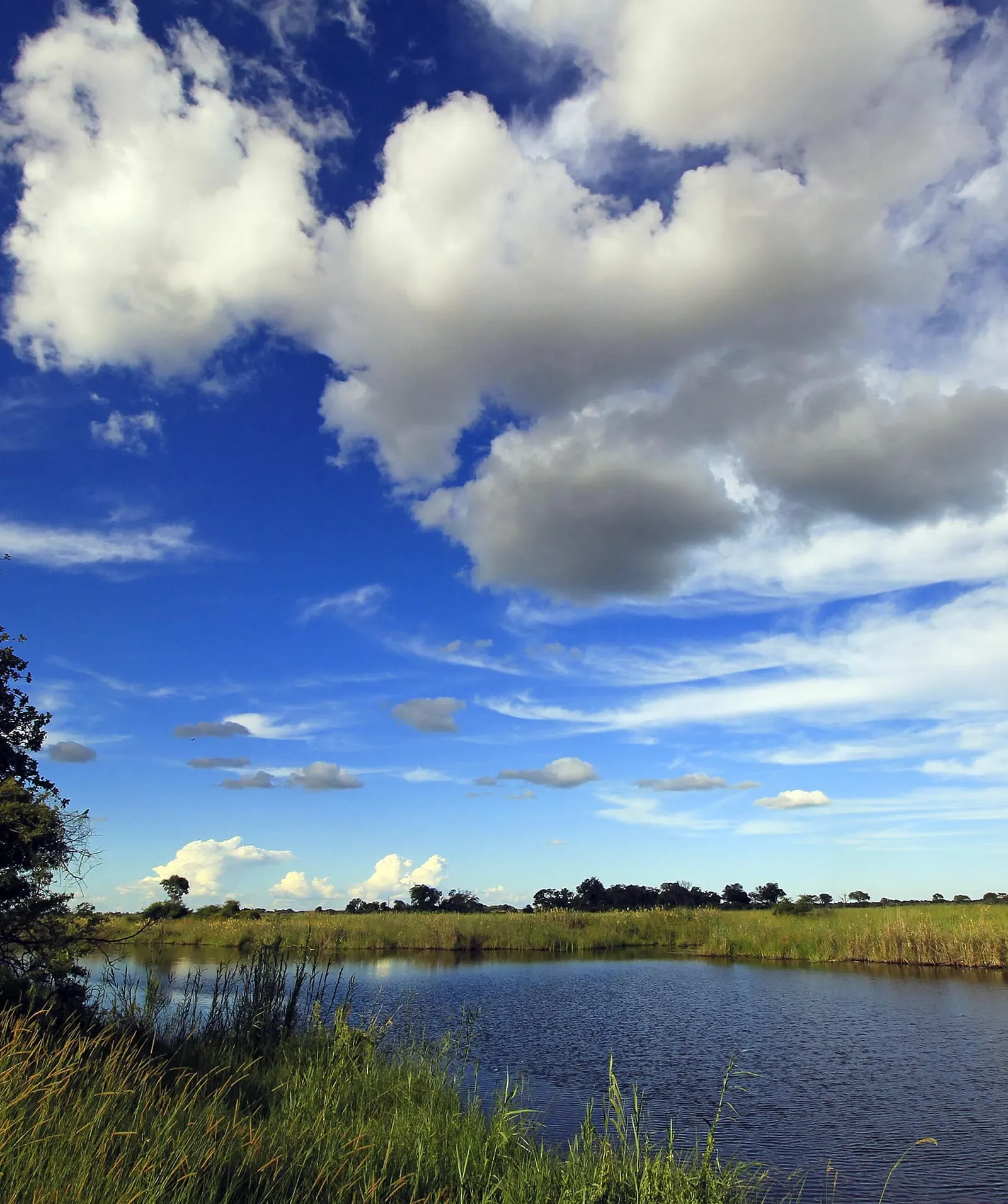
In the east of Etosha National Park, which lies in the north of the country, stretches a huge salt pan. This often dried-out salt lake is surrounded by grassland and bushland and is home to numerous wild animals and bird species.
Transport
Arrival/departure:
Hosea Kutako International Airport – Hosea Kutako International Airport is located about 40 kilometres east of Windhoek, and the drive to the city centre takes approx. 35 minutes. There are direct flights from Frankfurt with Lufthansa or its subsidiary Discover Airlines.
The flight time from Frankfurt to Windhoek is approx. 10.5 hours. Other connections, some with stopovers, are offered by airlines such as Swiss and Ethiopian Airlines.
Getting around in the country:
Road conditions: In Namibia, traffic drives on the left. The main routes are tarred; all other roads are gravel and sand roads – take care not to drive too fast on these.
Traffic in Namibia is not comparable to European standards, and your driving speed should be adapted to the road conditions.
Watch out for obstacles such as potholes, sand drifts, large stones or ruts. Because of the strong sunlight, you often only spot them at the last moment.
The speed limit in built-up areas is 60 km/h, on tarred roads 120 km/h and on gravel roads 80 km/h.
Rental cars: Rental cars can be booked at the airport and in the larger towns. If you want to rent a car, you need an international driving licence (which you can apply for at your local driving licence office).
A minimum age of 23 is often required. However, insurance conditions and age limits vary from rental company to rental company.
Overland driving after dark is strongly discouraged, as unlit vehicles are often parked at the roadside and there may be increased wildlife crossing the roads.
If you book your Namibia self-drive tour with us, we will send you a rental car offer from our reliable partner on site.
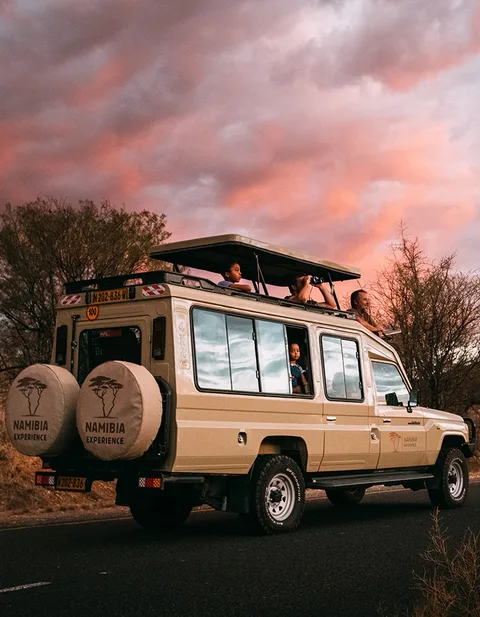
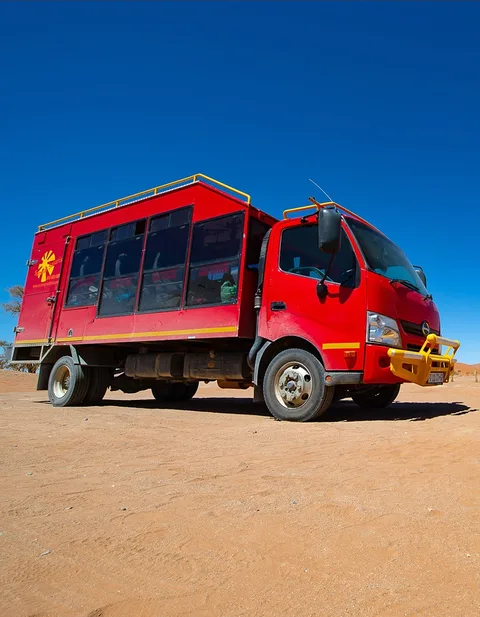
Guided tours: On most of our Namibia round trips, safari vehicles such as the Toyota Land Cruiser or Mercedes Sprinter are used, which have been converted to meet the requirements.
Large windows guarantee first-class wildlife and nature viewing, and a spacious interior provides the necessary travel comfort on a safari holiday.
These tours are run by our subsidiary on site, and our first-class guides share their knowledge of Namibia's culture and its impressive flora and fauna with you.
Money
The currency in Namibia is the Namibian dollar (NAD) (1 NAD = 0.05€). You can find a currency converter with up-to-date exchange rates for all currencies here.
- Card payment: In many restaurants, shops and accommodations you can pay by credit card.
- Cash: Outside towns or in smaller shops, you can often only pay in cash, so you should always carry some cash on a Namibia trip. Changing money is easy at numerous bureaux de change. At most ATMs you can also withdraw Namibian dollars with a Maestro card or credit card (e.g. Visa or Mastercard) and your PIN. Please check with your bank beforehand what fees will apply for using your cards in Namibia.
- Tipping: In restaurants, 10 % is an appropriate tip. Higher tips are at the guest's discretion. So if you were above-averagely satisfied with the service, you are welcome to give more than the usual 10 %. The guides always do their best to make your Namibia trip unforgettable and to fulfil your wishes. They, too, appreciate a tip at the end of the trip. The same applies to the staff at the accommodations, who are always pleased when you were happy with the service and show your appreciation. You will often find a tip box at reception.
Health & safety
Health:
- First-aid kit: It is generally recommended to always carry a well-stocked first-aid kit on longer trips. Medication for diarrhoea, fever and pain, travel sickness, vomiting and nausea, as well as nasal drops, disinfectant for skin injuries, burn ointments and insect repellent should not be missing. Your trusted pharmacy will be happy to advise you.
- Malaria: The north and north-east of Namibia are considered malaria risk areas. It is therefore important to contact your family doctor or a tropical medicine institute in good time before departure to discuss the details of possible malaria prophylaxis. You should also wear long trousers and long-sleeved tops in the morning and evening and apply mosquito repellent to avoid mosquito bites.
- Vaccination recommendations: In general, Namibia poses no greater health risks than other long-haul destinations. Nevertheless, consult your family doctor or a tropical medicine specialist before departure about any vaccinations.
- Health insurance: Please check whether your health insurer also covers services outside Europe. If not, we strongly recommend taking out international travel health insurance. Talk to us, we will be happy to advise you.
Safety:
Safety is important on all trips. As in other countries around the world, you should also be careful and vigilant in Namibia. Use your common sense and listen to the safety advice of your guide and your hosts.
- Areas: Avoid being out alone at night, especially in towns and secluded areas. Always tell someone about your travel plans, especially in remote areas.
- Valuables: In general, on a Namibia trip you should not display your cameras, mobile phones and the like, or jewellery and valuable items. It is better to leave flashy jewellery or expensive watches at home.
Preferably carry a rucksack or bag with you and stow your electronic items in it. It is also sensible not to leave valuables, suitcases or travel bags in plain view in the car.
It is advisable to keep cash in different places. It is also recommended to carry copies of your most important documents separately from the originals, and to upload copies to a cloud account or your email account. - ATMs: Particular vigilance is required at ATMs. Never let anyone “help” you there or let bystanders distract you.
- Transport: Use official taxis or private transfers instead of hailing a taxi on the street.
- Road safety: Many roads are made of gravel or sand and are therefore difficult to drive on – a 4x4 vehicle is highly recommended for safaris and remote areas. Always take enough fuel, water and snacks with you, as distances can be longer than you think. Avoid night driving, as wild animals regularly cross the roads and can get in your way.
Climate & best time to travel
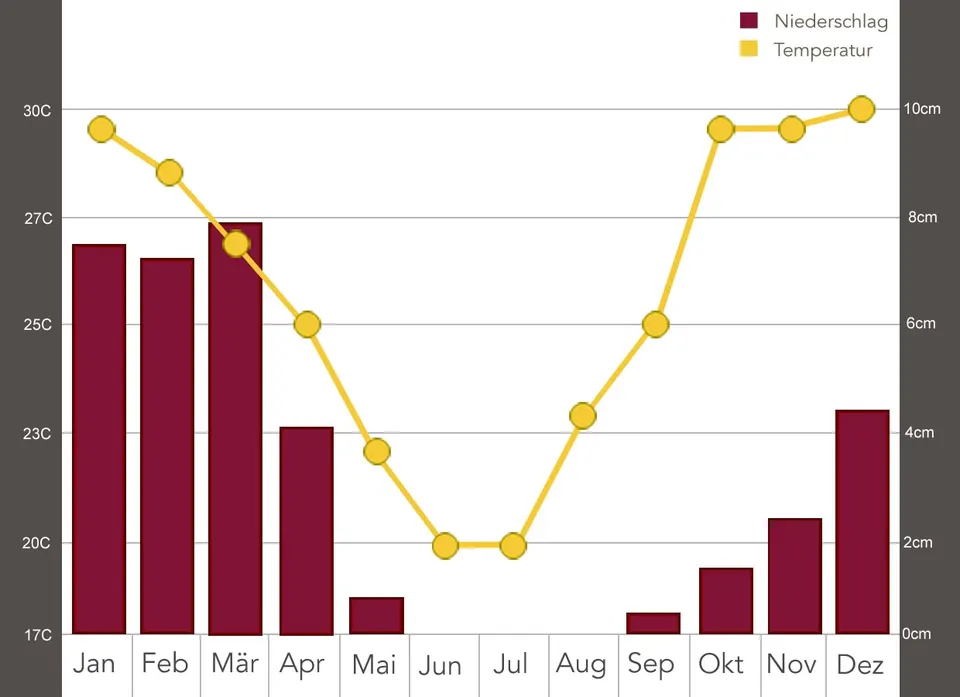
Namibia is an excellent destination all year round, and the best time to travel depends on the activities you want to do.
The weather in Namibia can be very extreme, and in the Namibian summer it can get up to 50°C in the desert. In general, the best time to travel to Namibia is May to October (winter/dry season) with pleasant temperatures and optimal conditions for wildlife viewing.
If you want to go on safari, you are best off in the months May to October, when it is dry and the animals gather at the water sources.
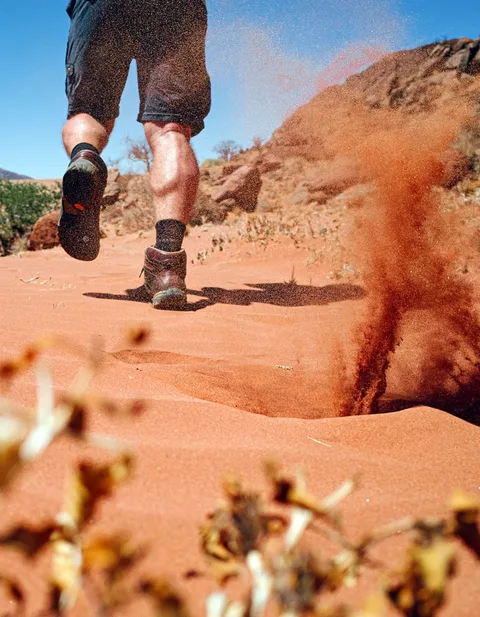
The Namib Desert and Sossusvlei are best visited from April to October with mild temperatures and clear visibility; this is also the best time for active holidaymakers who like to hike.
The best time for birdwatching is from November to March, and the Skeleton Coast is best visited from September to April, when it is warmer, as it is often foggy in the cooler months. In our blog “When is the best time to travel to Namibia” you can find out more on this topic.
Travel tips
Languages:
The official language in Namibia is English. Although only about 3.4 per cent speak English as their mother tongue, it is spreading more and more among the population through its constant presence in schools, the media, growing tourism and public authorities.
Oshiwambo is the most widespread mother tongue. Around 10% of the population speak Afrikaans. Other languages in Namibia include Damara, Ovambo, Herero as well as German and numerous regional dialects.
Customs and etiquette:
Western European customs reflect the German influence throughout the country. Namibians are generally very friendly people and gladly welcome tourists. Casual clothing is generally appropriate everywhere.
Religion:
The majority of Namibians are Christians (over 90 per cent), and there are also smaller Muslim and Hindu communities. Some of Namibia's ethnic groups, such as the San, also practise their traditional religions, sometimes in addition to Christianity.
Time difference:
Namibia observes CET +1 hour. The difference to German time is +1 hour in the European winter. As Namibia no longer changes between summer and winter time, the times are the same in the European summer.
Food and drink:
Namibian cuisine is a mixture of African and European cooking, as the German influence is still very strongly felt. For example, beer is brewed according to the German Purity Law.
A speciality of Namibia is the variously prepared game meats, which are often also made into biltong or smoked meat. It is very easy for Europeans to find their way around Namibian cuisine.
Electricity:
In Namibia, South African three-pin plugs and sockets (type M) are the most widespread. You can get adapter plugs from a well-stocked electronics shop or outdoor shops, but most easily on site in a supermarket. The mains voltage in Namibia is 220 V and is usually quite stable.
Internet:
Internet is available in most lodges and hotels. There is also the option of buying a local SIM card and using mobile data.
Entry requirements
Visa:
Since 1 April 2025, a visa has been subject to a fee of approx. €80 for German citizens. It is advisable to apply for the visa in advance online or to obtain it on arrival. It can also be applied for at the Namibian Embassy in Berlin. You can find out more in the fact sheet from the Namibian Ministry of Home Affairs.
Passport:
In general, all travellers need a valid passport that is valid for at least 30 days beyond the end of the trip and has at least two blank pages (for multi-country combinations, correspondingly more blank pages for stamps are required).
Special rules apply to minors:
If both biological parents travel with a child, they must present a certified, international, unabridged birth certificate of the child (in English) showing the personal details of the parents and the child.
If a minor travels with only one parent, proof must be provided that the parent who is not present consents to the trip. In this case, in addition to the certified, international, unabridged birth certificate, a declaration of consent (in the form of an affidavit in English), a certified copy of the passport and the contact details of the absent parent are required.
The affidavit must be signed by the parent in front of a notary, who notarises the signed document. This declaration must not be more than six months old on entry.
If one parent has sole custody, the court order on sole custody or the death certificate is required (in English). In this case, a certified, international, unabridged birth certificate is also required.
Furthermore, the child may only enter or transit with a valid children's passport. An extended children's passport is NOT valid.
Visa requirements can change at any time and at short notice. Please contact the responsible diplomatic mission in good time. Please make 100 per cent sure that you hold the required and valid documents. We cannot be held responsible if you are refused entry and cannot begin your booked tour as planned or complete it to the end. Refunds are not possible, and any additional costs must be borne solely by the traveller.
More sights on trips in Namibia
Namibia is known for its deserts and safaris, but not only. Besides the usual highlights such as a visit to the Namib Desert and Etosha National Park, Namibia has much more to offer.
Damaraland – an extraordinary rocky landscape with famous rock engravings, as well as desert elephants and black rhinos in the wild.
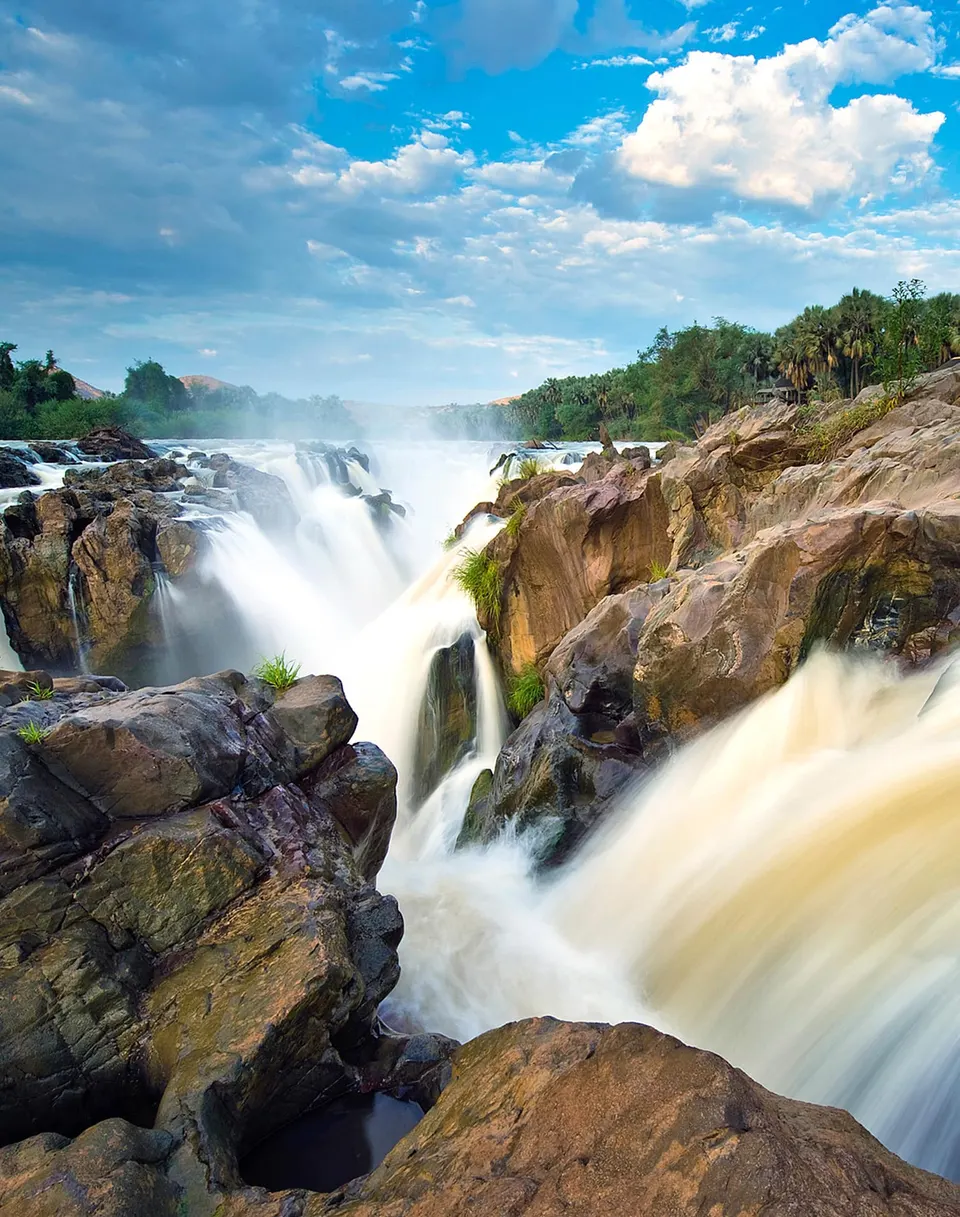
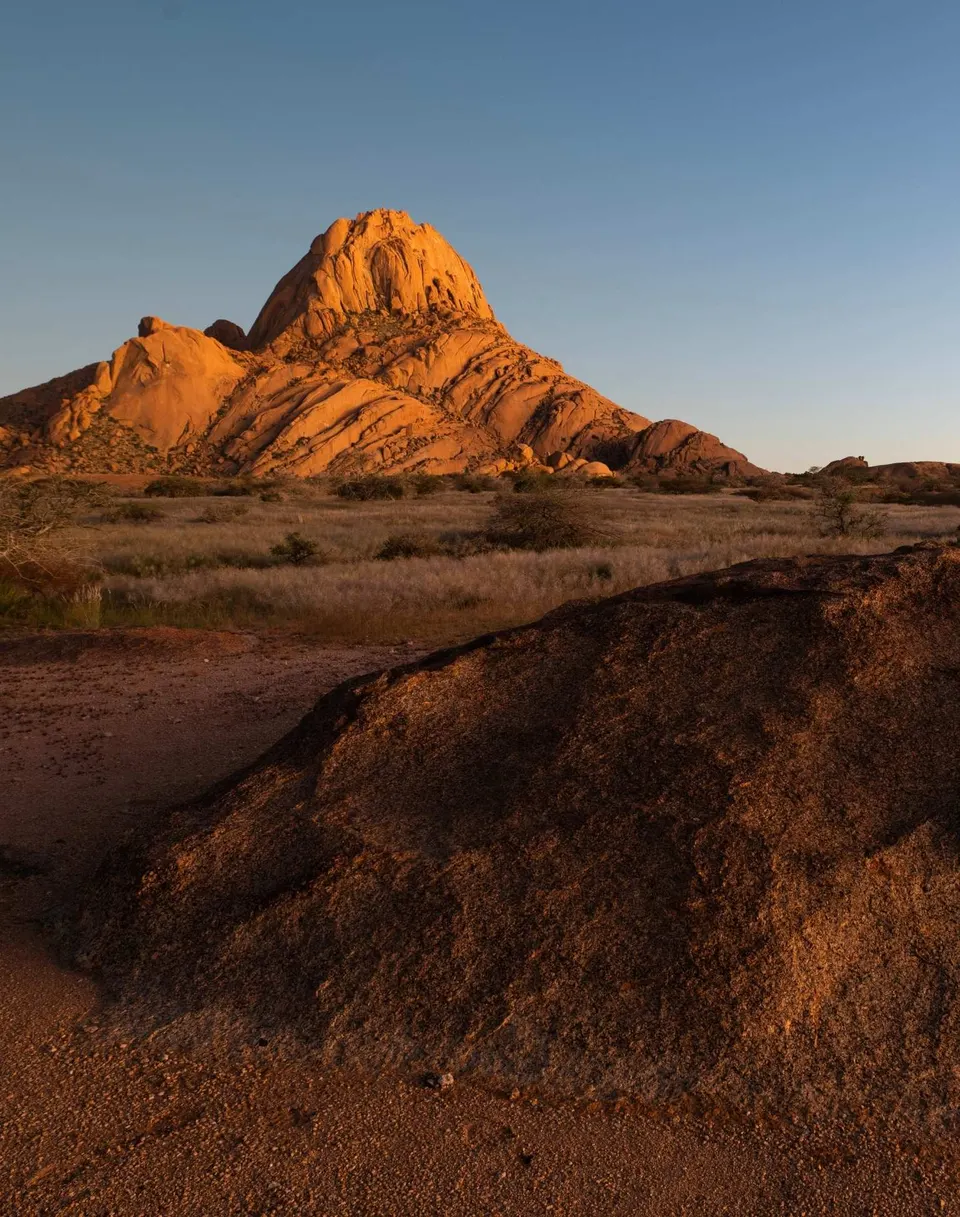
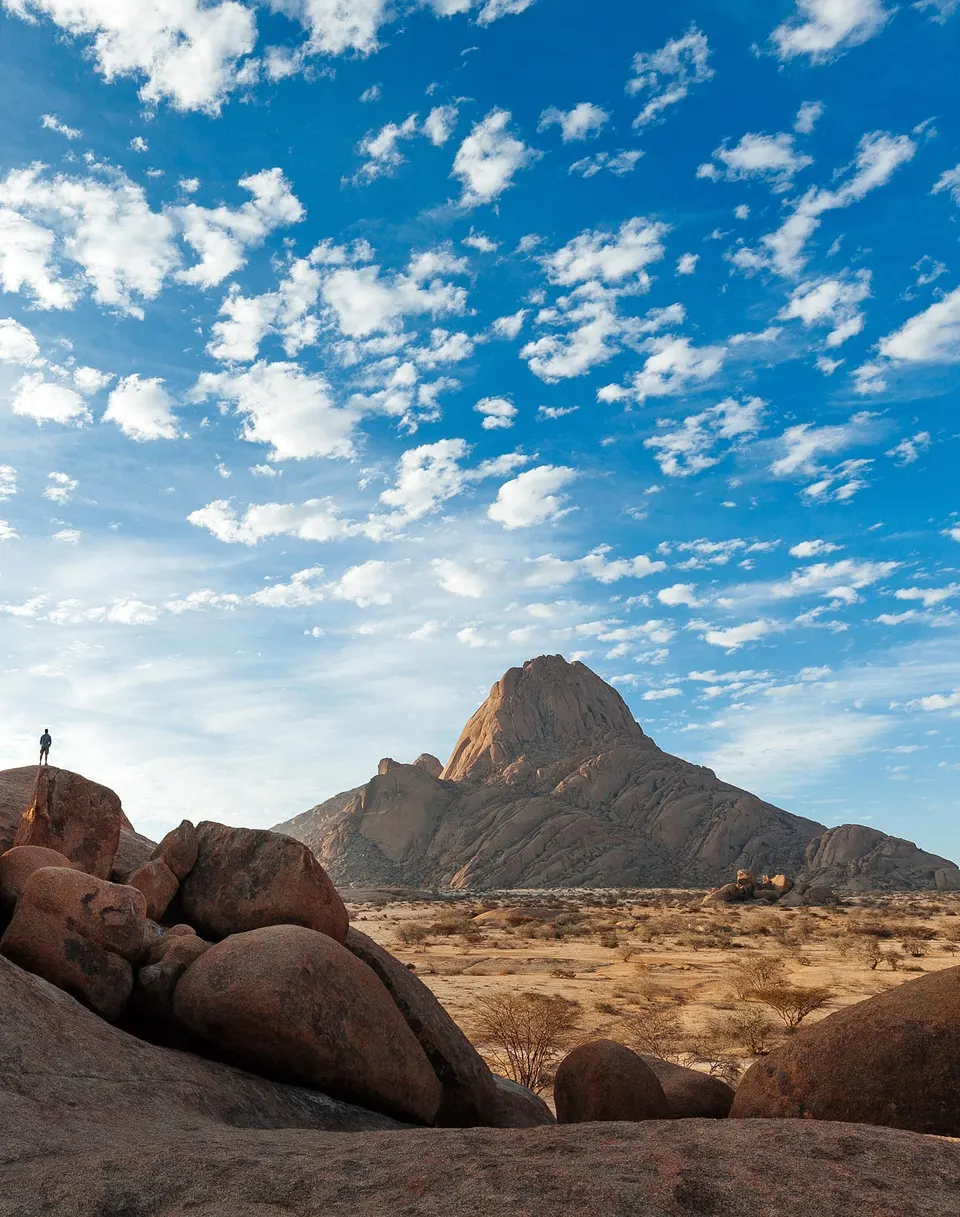
Visit Kaokoland and Epupa Falls, home of the Himba people, whom you can get to know here. Also worth seeing are the abandoned diamond towns of Lüderitz and Kolmanskop, known as “ghost towns” in the desert, or visit the Spitzkoppe.
Of course, the capital Windhoek is also worth a visit, where you can enjoy a cool beer brewed according to the German Purity Law in one or other of the restaurants.
If you would like to learn more about this topic, read our blogs “Where is the most beautiful place in Namibia? The South” and “Where is the most beautiful place in Namibia – The North”.
Whatever you decide, as one of the best tour operators for Namibia trips, with a subsidiary and German-speaking travel experts on site, we are happy to help you make your dream trip come true.
- Places on our tours
You might also like
Tipping in Namibia: what is customary and appropriate?
Whether in restaurants or hotels, or after guided tours with local guides, many tourists ask themselves: “What about tipping in Namibia: what is customary and appropriate?” Today's blog has the answers. Why tipping matters in Namibia First of all: tipping in Namibia is not compulsory but voluntary. At the same time,
Honeymoon in Namibia: unforgettable honeymoon in Africa
Honeymoon in Namibia: between breathtaking landscapes, unforgettable wildlife encounters, vibrant cultures and exciting experiences – a trip that brings you even closer together as a couple.
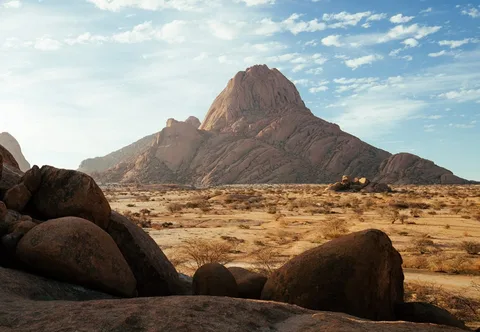
Damaraland in Namibia – Your Guide to Nature, Culture & Adventure
Discover fascinating Damaraland in Namibia – a place full of breathtaking nature, rich culture and exciting adventures!
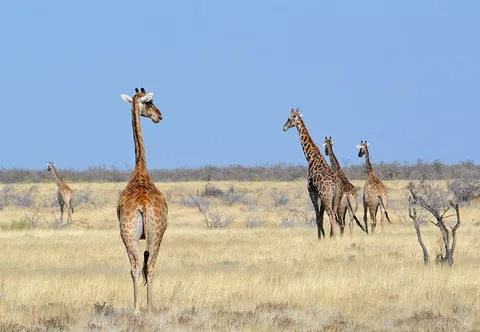
Which animals are there in Etosha National Park?
Which animals are there in Etosha National Park? Discover elephants, lions and many more species in this unique natural paradise!
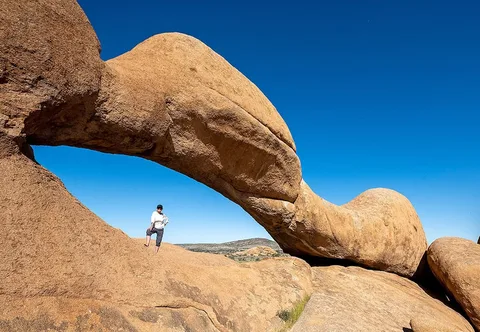
Namibia, how long should a trip last?
Round trips in Namibia – how long should the trip be? Our tips for relaxed trips and routes on which you see a lot!
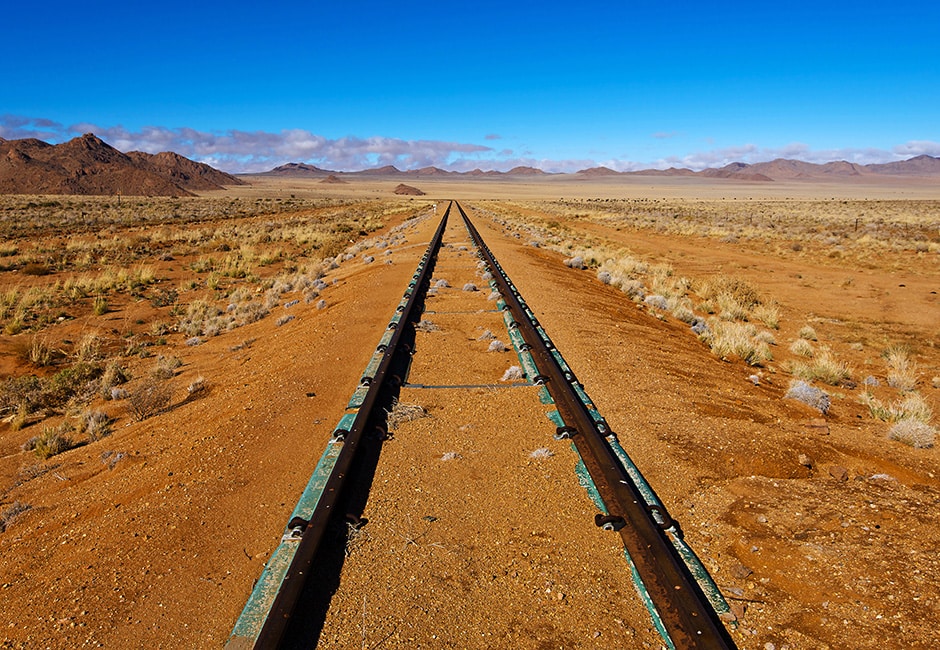
The best time to travel: Namibia in June
Why June is a very popular time to travel to Namibia and which destinations are especially worthwhile this month, you will learn in today's blog.