Destination Rwanda
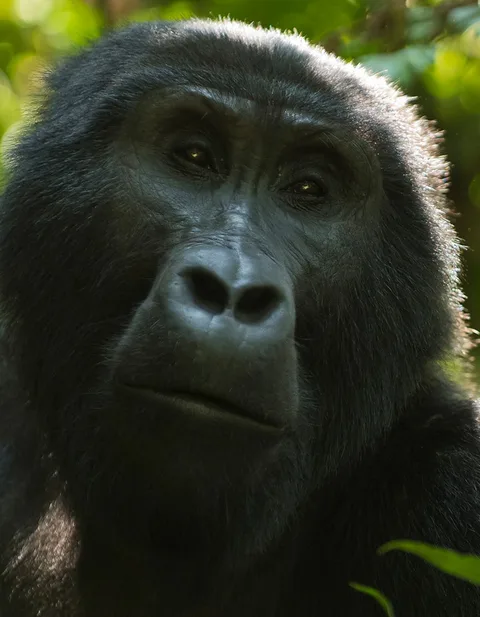
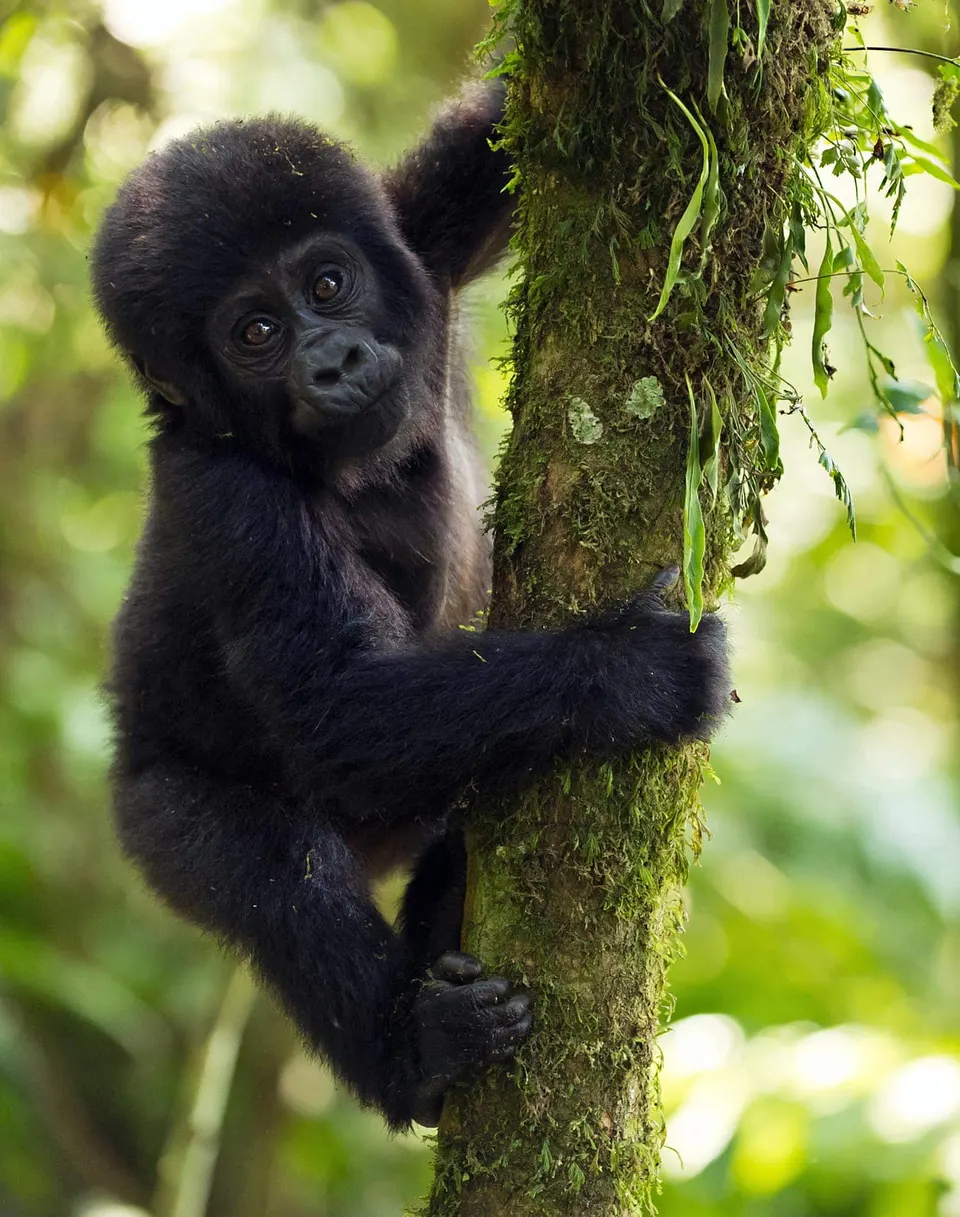
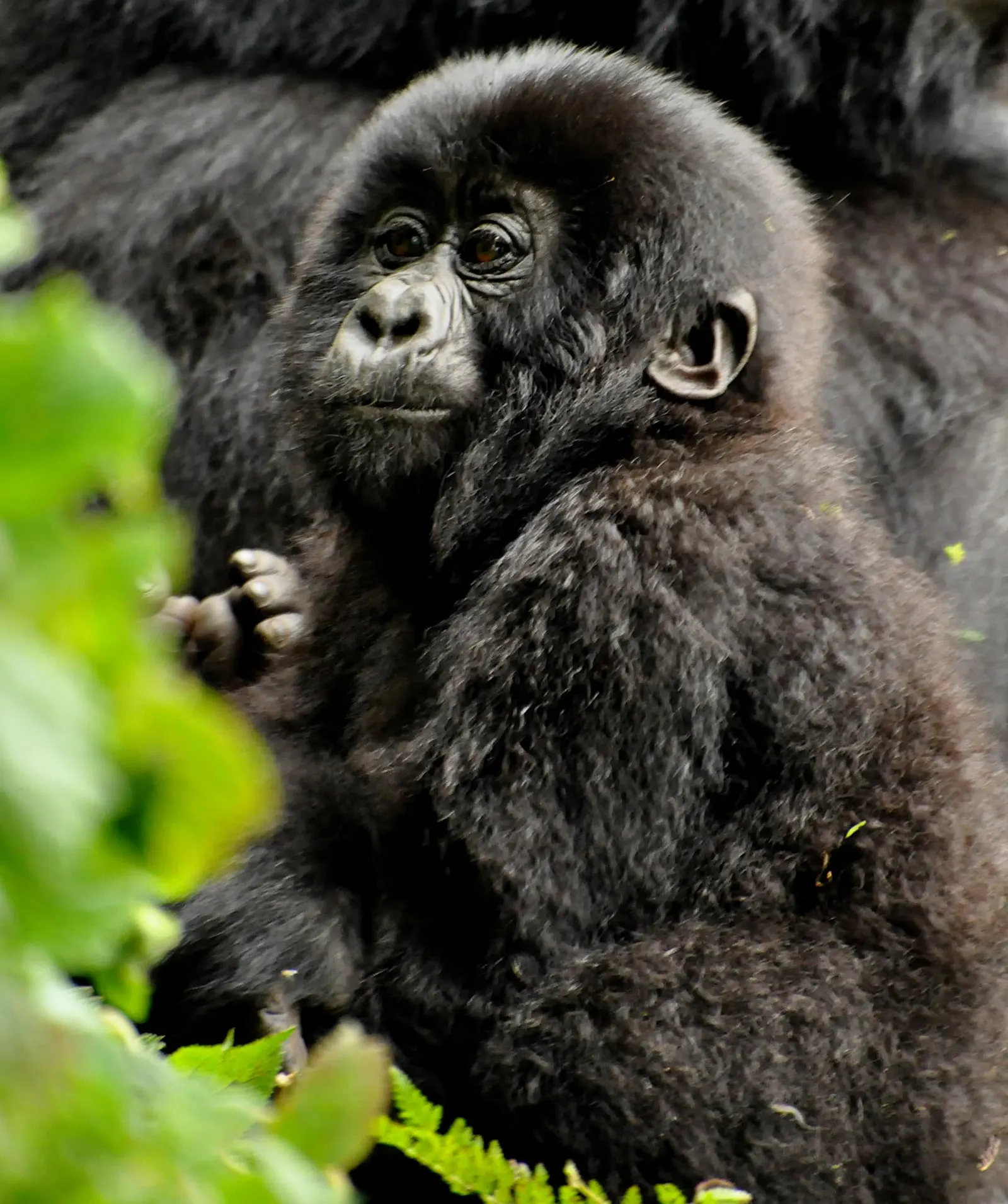
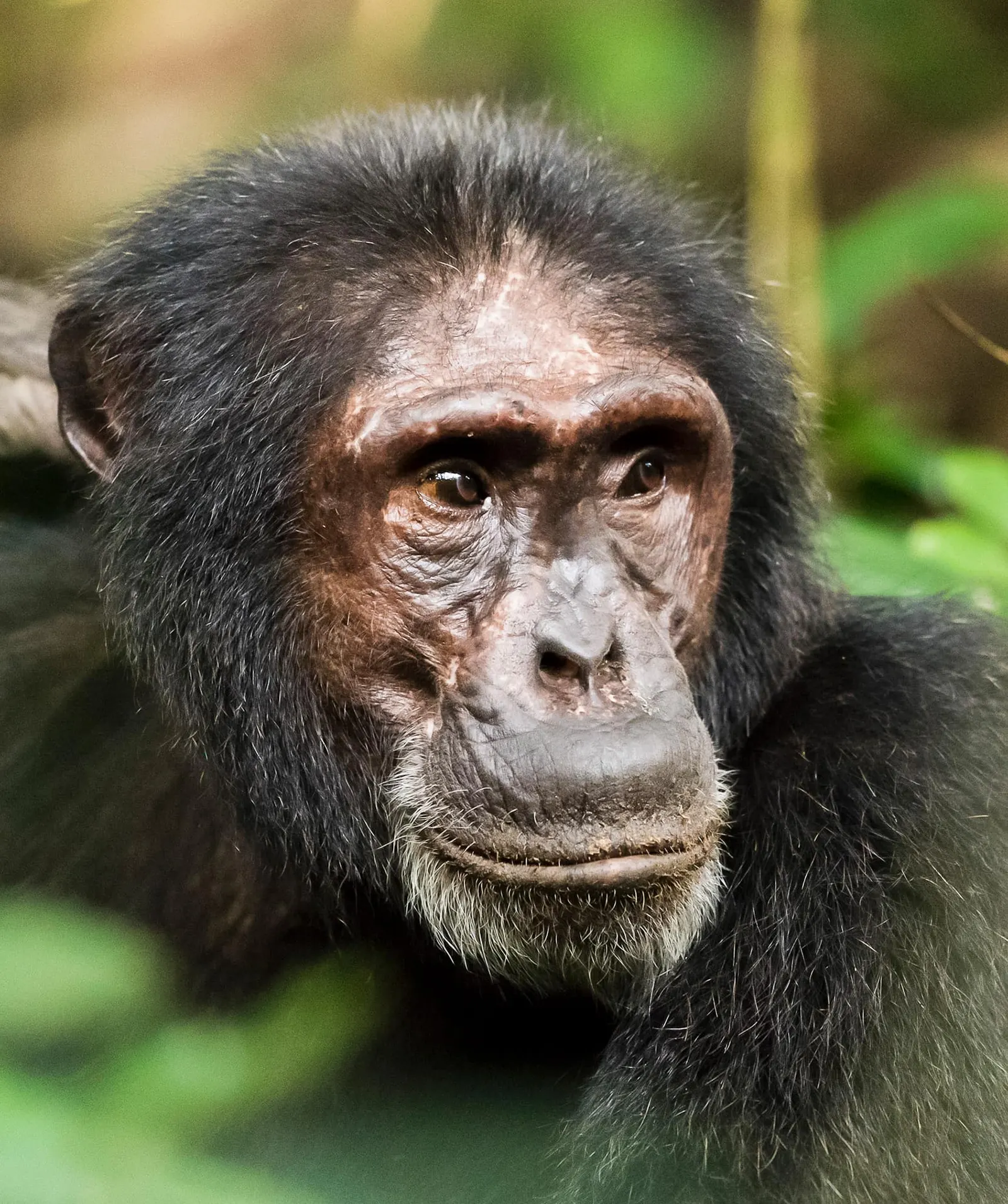
Probably the greatest highlight of a trip to Rwanda is a visit to the last free-living gorillas on our planet. Experiencing these gentle giants in their natural environment on a trek is a unique experience. Equally impressive is a hike through Nyungwe Forest, where chimpanzees live in large family groups and can be observed from close quarters.
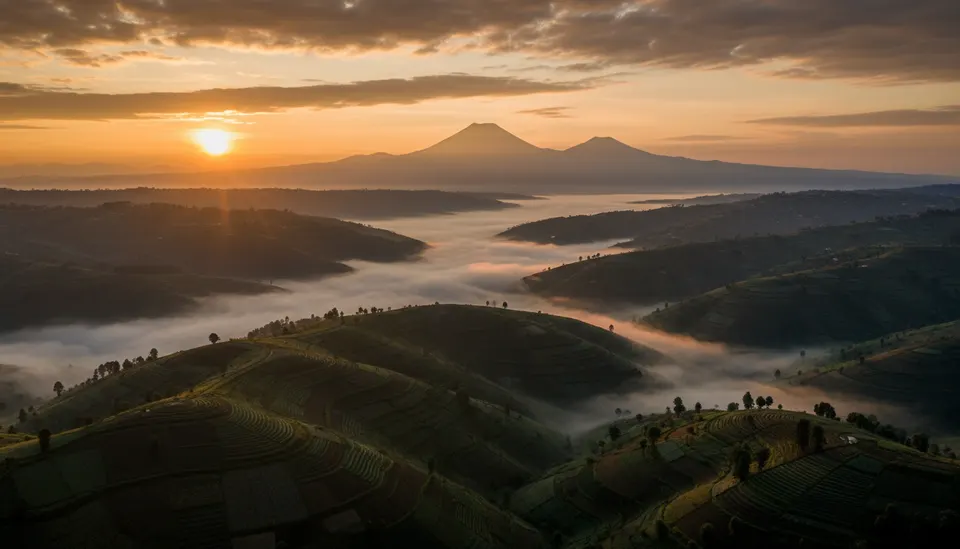
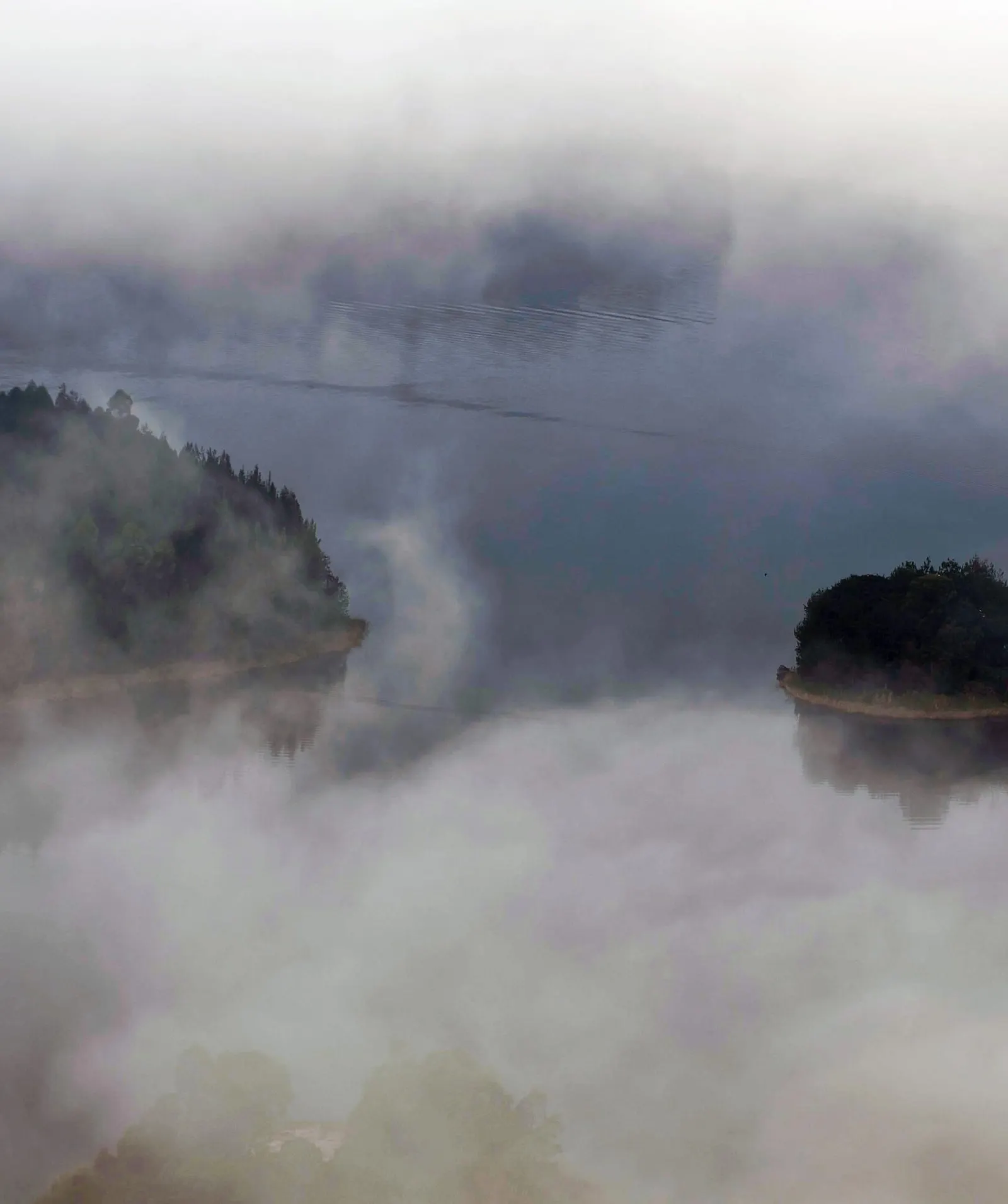
Despite its small size, though, Rwanda has even more to offer: Lake Kivu, the most scenic lake of the Central African Rift, mountainous cultural landscapes in the south-west and the savannah landscape of Akagera National Park in the east are a must on any holiday in Rwanda!
Travel styles in Rwanda
Tours in Rwanda
 Uganda, Rwanda
4 days
Mountain Gorilla Trekking in Rwanda / Uganda
from 1.590 € per person
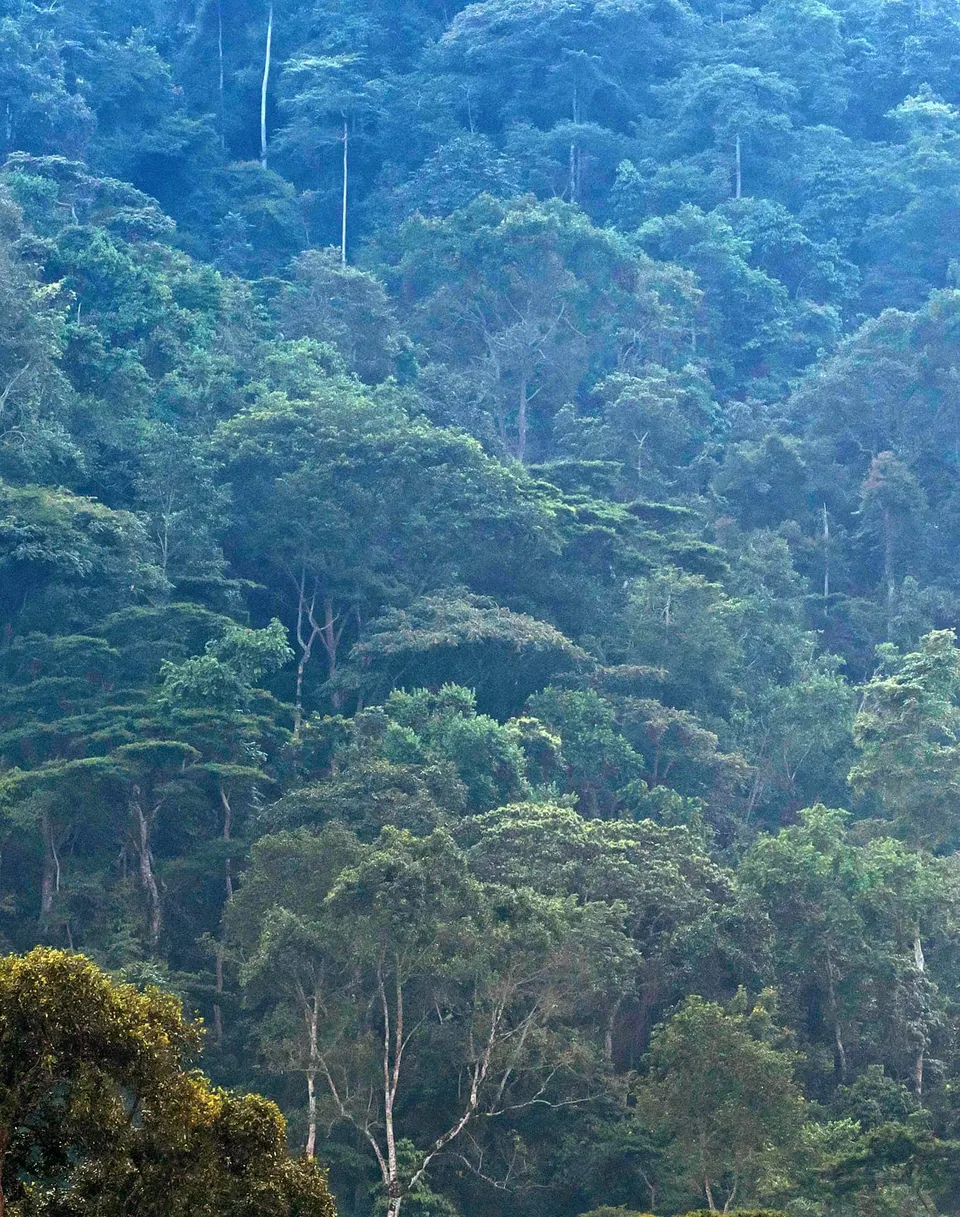 Uganda
10 days
Best of Uganda
from 3.630 € per person
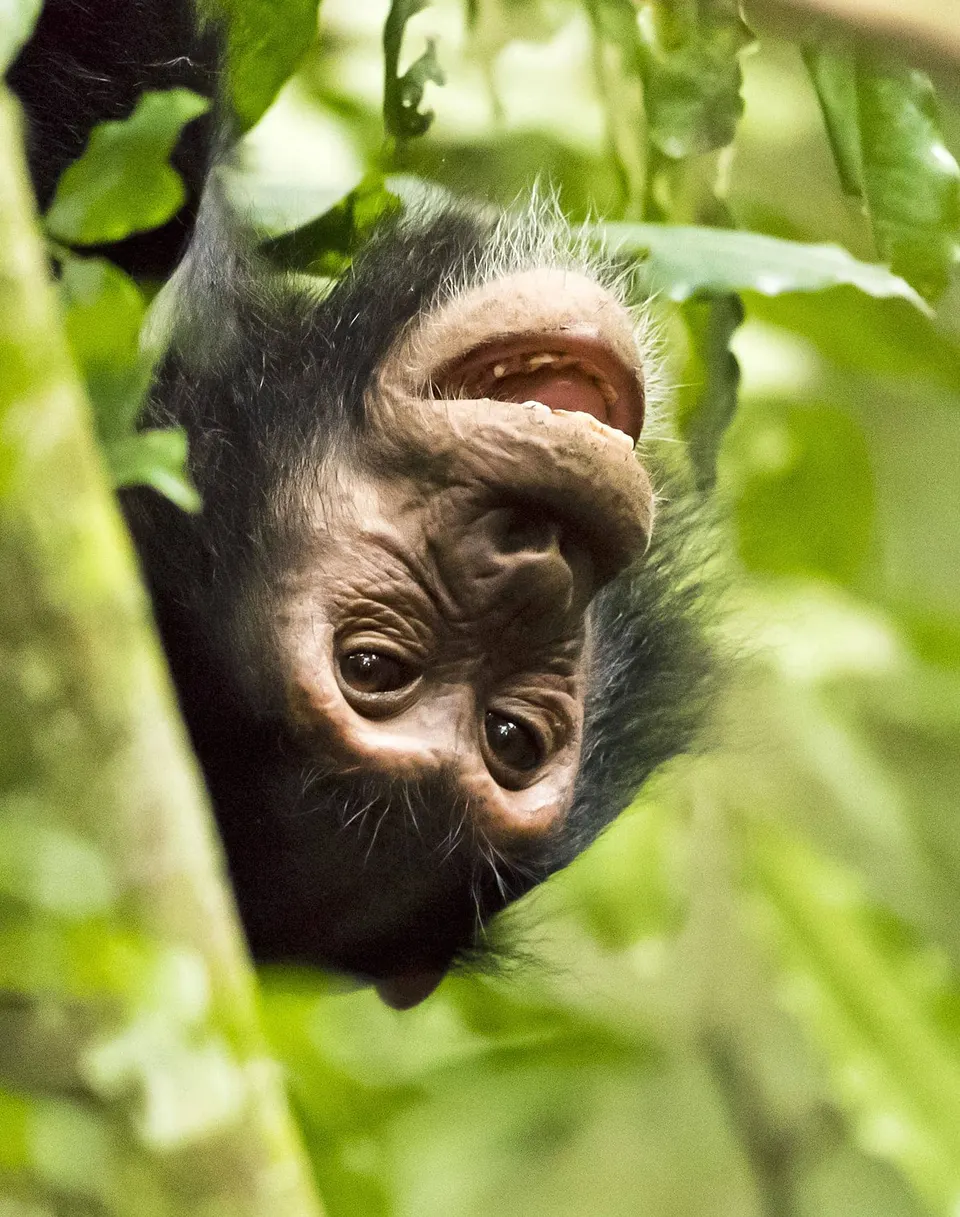 Uganda
7 days
Fascinating Uganda
from 2.870 € per person
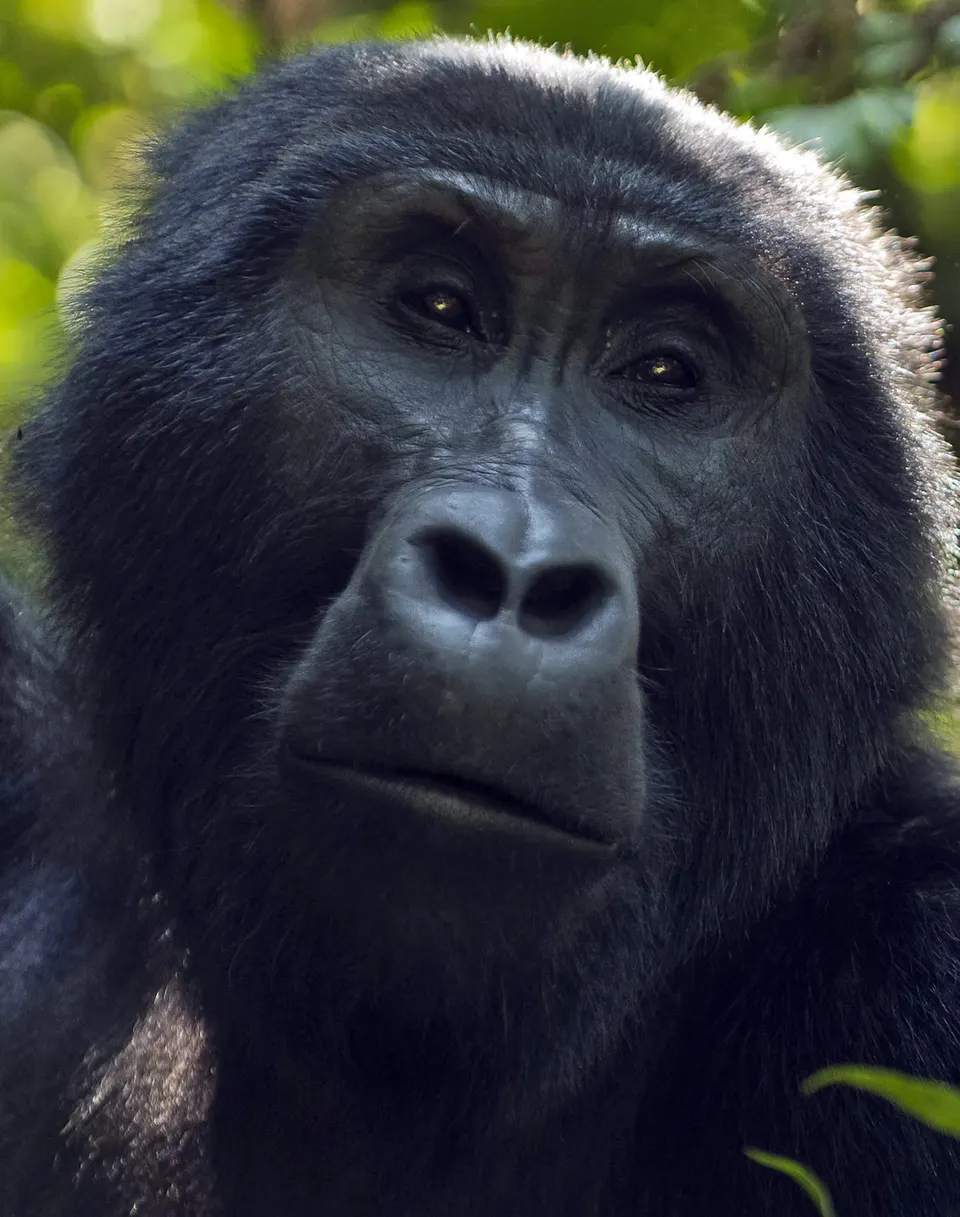 Uganda
4 days
Fly-In Gorilla Safari in Uganda
from 2.130 € per person
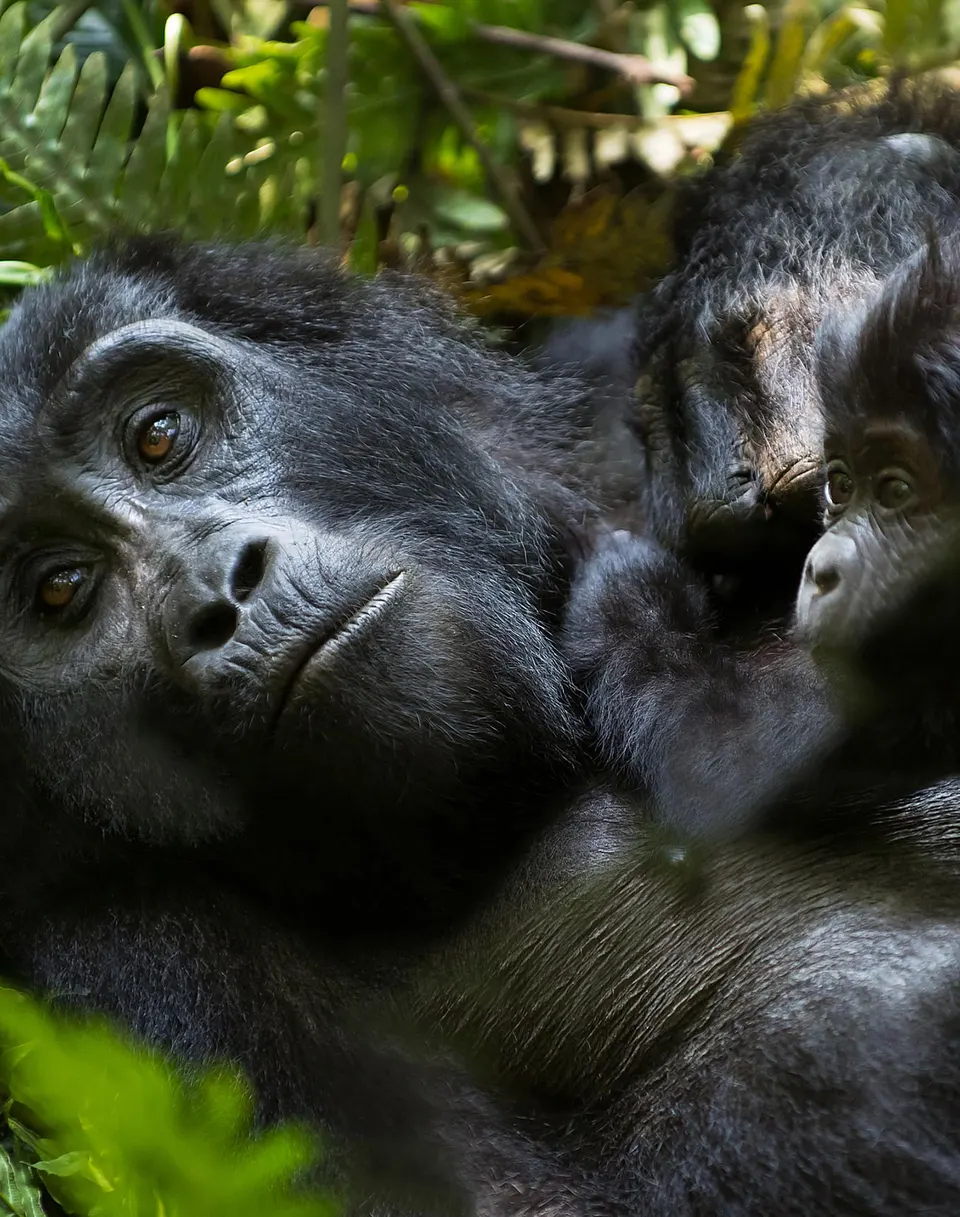 Uganda
13 days
Uganda – the Pearl of Africa
from 2.730 € per person
All prices exclude international flights.
Highlights of Rwanda trips
Travel information
Geographical location
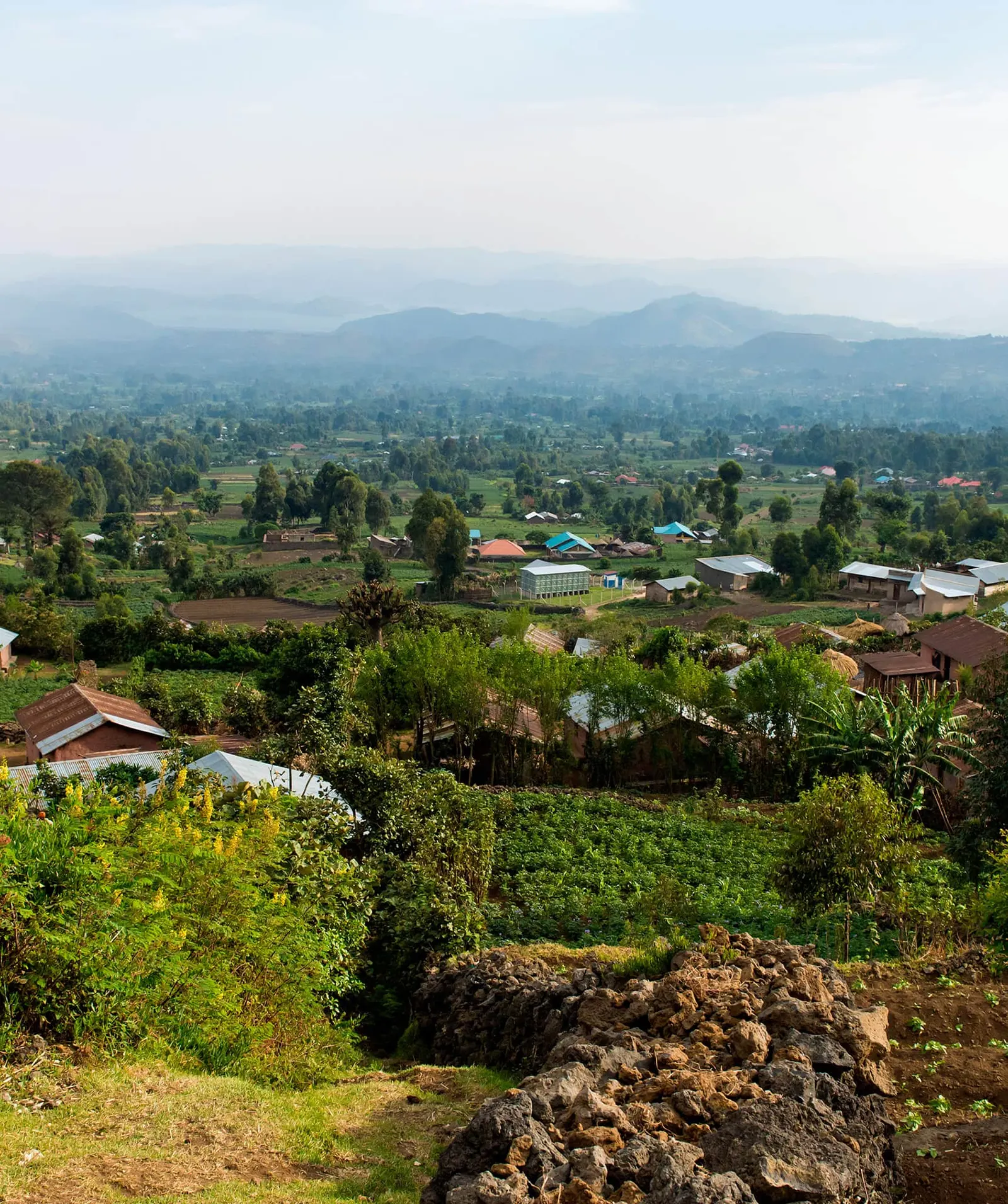
Rwanda is a small, mountainous landlocked country in Central Africa, bordering Uganda to the north, Tanzania to the east, Burundi to the south and the Democratic Republic of the Congo to the west. A mountain range up to 3,000 metres high stretches from north to south. The Virunga volcanoes rise steeply west of Lake Kivu and slope down towards the hilly central plateau. In the far west, on the upper reaches of the Kagera River, there is a region of marshland. The capital Kigali lies in the centre of the country and is home to around 1 million inhabitants.
Transport
Important airports for arrival / departure
The most important airport in Rwanda is Kigali International Airport. It is 12 kilometres east of the city, so you should allow about 25 minutes' driving time to get to the centre. Airport buses run daily from the city to the airport. Direct flights from Germany to Rwanda are not currently offered. Lufthansa, for example, flies as a so-called "code share" flight in cooperation with Brussels Airlines from some German airports via Brussels to Kigali. Rwanda is also served by KLM (via Amsterdam), Turkish Airlines (via Istanbul), Qatar (via Doha), Kenya Airways (via Nairobi) and Ethiopian Airlines (via Addis Ababa). Rwanda's national airline is RwandAir Express, which also offers flights within Rwanda and to other East African countries.
Getting around in Rwanda
By African standards the road network is well developed, which is why Rwanda is also frequently used as an export route for other African countries. A few important bridges were badly damaged by the former civil war, however. Only the country's main roads are in very good condition. It can happen, especially in summer and spring after heavy rainfall, that roads are impassable because of landslides.
As a travel style in Rwanda we recommend guided tours. You travel through the country in four-wheel-drive, specially converted safari jeeps, and your guide, who is also the driver, is generally a local and knows the country like the back of his hand.
There are taxis in Kigali and in the other larger towns. The fare should preferably be agreed in advance.
Money
Currency
Rwanda's currency is the Rwandan franc. 1 Rwandan franc is divided into 100 centimes. In the country's larger towns, however, the US dollar is for the most part accepted as a means of payment.
You can find an exchange rate calculator with current exchange rates for all currencies here.
Cash can be exchanged into the local currency on site. Taking US dollars is definitely recommended (the notes should not be older than 2006). In Kigali, Ruhengeri, Gisenyi and Butare there are also a few cash machines that dispense Rwandan francs. A Visa card is recommended for withdrawing cash.
When travelling in the interior, it can happen that only the local currency is accepted. You should carry enough cash in both Rwandan francs and US dollars. Credit cards are mostly only accepted in the higher-class hotels.
As traveller's cheques are used less and less, we advise against using them. Traveller's cheques can only be exchanged in the capital and often involve a lot of time and a poor exchange rate.
Costs of everyday items as a guide
To give you an overview of how much extra money you should budget for your expenses on site, we list here the approximate prices of some everyday items: a cup of coffee costs around 1–2 euros, a glass of wine approx. 4 euros. Entrance fees for the national parks are between 20 and 40 euros. A taxi from Kigali airport to the city centre costs approx. 18–23 euros.
Tipping
If no service charge is added in restaurants, a tip of 10 per cent is customary. Higher tips are at the guest's discretion. If you were more than averagely satisfied with the service, you are welcome to give more than 10 per cent. Our guides always make an effort to make your trip unforgettable and to fulfil your wishes. They, too, appreciate a small tip at the end of the trip. Tips are still voluntary. This also applies to your stay in the lodges. There you will often find a tip box at reception. The staff are always pleased when you were happy with the service and show your appreciation.
Health & safety
Safety
Travel within Rwanda is generally safe. Only in the border area with the Democratic Republic of the Congo is some caution advisable. As has happened in the past, the border crossings to the Democratic Republic of the Congo can be temporarily closed at short notice.
You can find current travel and safety information on the website of the German Federal Foreign Office.
No worrying situations should arise as long as you observe the following advice: use your common sense and listen to the safety advice of your guides. They are mostly locals and have completed professional training, so they know the local conditions extremely well. You should also avoid walking alone through the streets, especially at night. In general you should carry enough cash with you, but not too much. It is advisable to keep cash and your most important documents in a thin money belt under your clothing. It is best to leave conspicuous jewellery or expensive watches at home. You should always carry your cameras, mobile phones and similar items in a rucksack or bag. Please do not leave any items out in the open in the vehicle.
Health
A travel first-aid kit should not be missing from your luggage! We recommend medication for diarrhoea, fever and pain, travel sickness, vomiting and nausea, as well as nose drops, disinfectant for skin injuries among other things, ointments for burns and insect repellent. It is best to get detailed advice from your trusted pharmacy.
Please also note the medical information from the German Federal Foreign Office.
Malaria
Malaria protection is required year-round in all parts of the country. Malaria prophylaxis is strongly recommended, especially in the eastern parts of the country. Be sure to contact your GP in good time (4 to 6 weeks before departure) to discuss all the details. You should also always apply enough mosquito spray or cream to avoid bites in the first place. The best prevention is to wear long trousers and long-sleeved tops in the morning and evening hours.
Vaccination recommendations
Routine vaccinations such as tetanus, hepatitis A & B and polio should be checked and boosted if necessary. International regulations require effective yellow fever vaccination protection when crossing borders between yellow fever areas, which is also checked at the borders. Your tropical medicine institute or GP can give you further information.
Climate & best time to travel
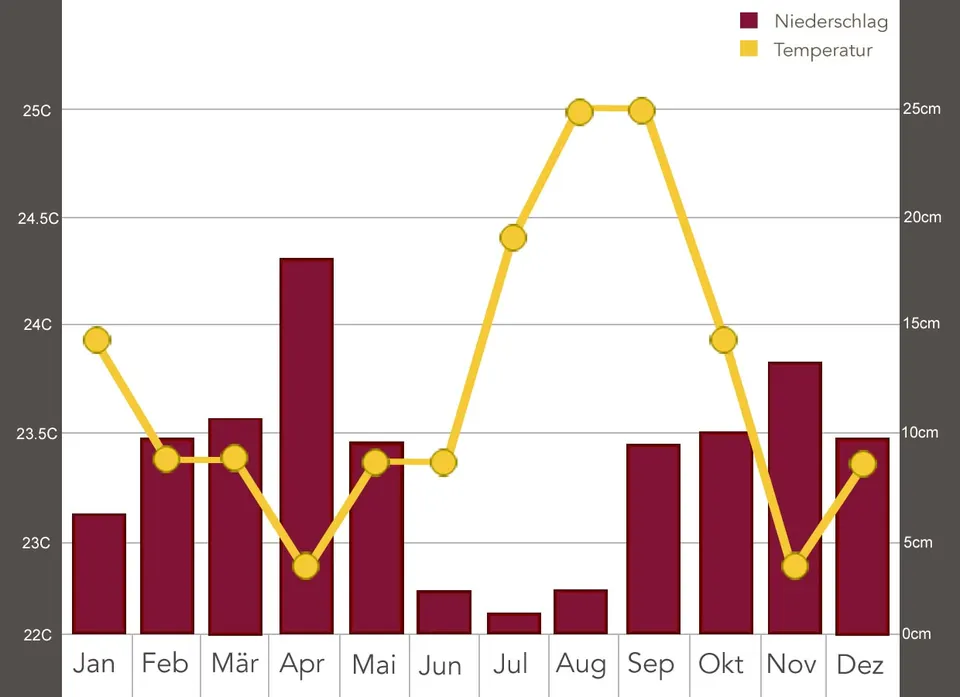
Despite being close to the equator, the climate is pleasant because of the altitude, and temperatures are mostly around 25°C. In the mountains, however, it can be noticeably cooler (especially at night). During the rainy seasons from mid-January to April and from mid-October to mid-December, humidity can rise to as much as 80 per cent.
Travel tips
Language
The official languages in Rwanda are French, Kinyarwanda and English. The language of business, on the other hand, is Swahili. As a traveller you will get along very well with English.
Religion
The majority of the population, around 83 per cent, are Christian. Around 5 per cent of inhabitants are Muslim. There are also many traditional and tribal religions.
Time difference
Rwanda is on CET +1 hour. The difference from Central European Time is +1 hour in the European winter and 0 hours in summer. There is no switch between summer and winter time in Rwanda.
Food & drink
It is by no means unusual for some visitors to struggle with a nervous stomach for the first few days of their Africa trip. This is often a physical reaction to the changes in climate and hygiene. Nevertheless: please take care with drinking water and food hygiene. Water should always be boiled or sterilised before you drink it, brush your teeth with it, etc. It is also possible to buy mineral water in bottles or 5-litre canisters. Milk is not pasteurised and should likewise be boiled. Dairy products made from unboiled milk should be avoided. Meat and fish dishes should only be eaten if well cooked and served hot. Raw salads and mayonnaise should be avoided. Fruit and vegetables should be peeled and cooked before eating. If you are not completely sure, do not hesitate to ask your guide or your host.
The restaurants of the lodges, hotels and camps mostly offer a selection of European dishes on the menu, mostly with a Belgian-French influence. Rwanda's everyday cuisine, on the other hand, consists of locally grown ingredients. Perhaps this will suit your taste too? It mostly involves plantains, beans and plenty of grain. Rwandans very rarely eat meat, as most keep animals for their own subsistence and do not have large herds of livestock. In addition, numerous tropical fruits such as pineapples, mangoes, bananas and passion fruit grow in Rwanda and are therefore available very cheaply at the market. The selection of spirits, wine and beer is good.
Electricity supply
The larger towns have a fairly well developed electricity network. As in Europe, the mains voltage is around 230 volts. An adapter (British system) is required, however. Power cuts or outages can occur from time to time.
Internet communication
Internet access via internet cafés is no problem in the large towns. In rural areas it is not necessarily 100 per cent guaranteed that the internet is available.
Shopping tips
The sale of souvenirs made from wildlife skins, reptile skins and furs is prohibited. Better to look at the animals in their natural environment and take the experiences home as a souvenir. Of course, it is possible to buy other beautiful souvenirs such as hand-carved items, jewellery, baskets with lace covers, ceramics and talismans. Anyone who is offered gorilla hands or skulls should not hesitate to contact the police.
For further information on Germany's import regulations, please visit the German customs website.
Customs & etiquette
The traditional way of life is based on agriculture and cattle farming. The population mostly lives in the fertile parts of the country. Most Rwandans belong to the Hutu ethnic group. The smallest minority are the Twa, a mixed Pygmy people and possibly the oldest inhabitants of the country.
The usual forms of politeness apply here too. When taking photographs you should always ask people for permission beforehand. Some locals are anxious if they do not know what will happen to their photo. It is also forbidden to photograph military installations, as well as bridges, Kigali airport and government buildings. It is also good to know that it is considered impolite to eat in public on the street.
Entry requirements
Entry regulations vary depending on the traveller's nationality. The following information applies to German, Swiss and Austrian citizens:
In general, to enter Rwanda you need a passport that is still valid for at least 6 months after you leave again. A visa is also required, which you can apply for online in advance. Please follow this link:
https://irembo.gov.rw/home/citizen/all_services
Alternatively, you can obtain your visa directly on arrival at the airport. The fee for a single-entry visa for a stay of 30 days is 50 US dollars. At the airport the fee can be paid in US dollars, euros or by credit card.
If you travel to one of the neighbouring countries of Uganda or Kenya on your safari, the East African Tourist Visa is worthwhile, which can also be applied for via the link above. It entitles you to multiple entries to Kenya, Uganda and Rwanda.
For entry from a yellow fever risk area (e.g. Kenya, Uganda) you need a yellow fever vaccination and, where applicable, must also document this with your vaccination certificate.
As visa requirements can change, please contact the Rwandan embassy in your home country in good time. Please make 100% sure that you hold a valid visa. We cannot be held responsible if you are refused entry and cannot complete your booked tour to the end as planned. Refunds are not possible and any additional costs must be borne solely by the traveller.
- Places on our tours