Destination Uganda
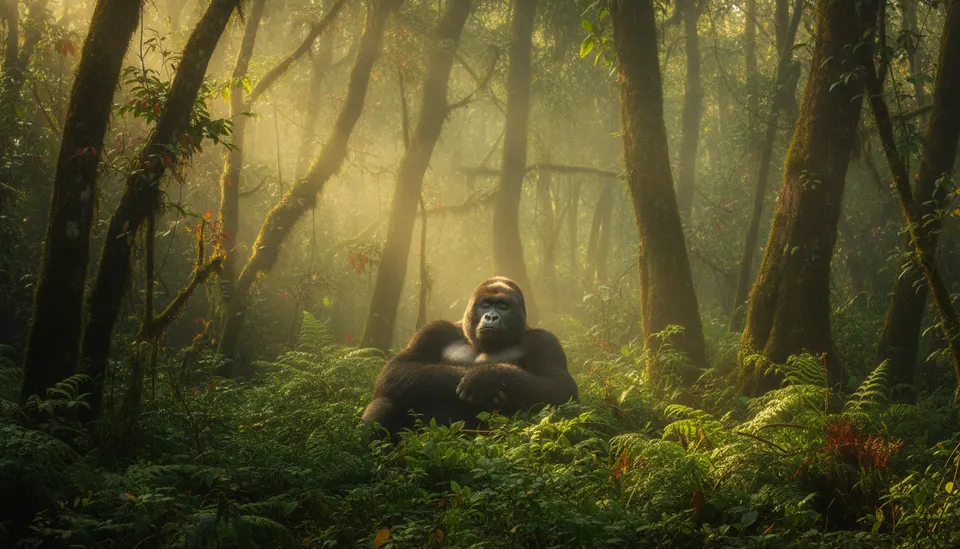
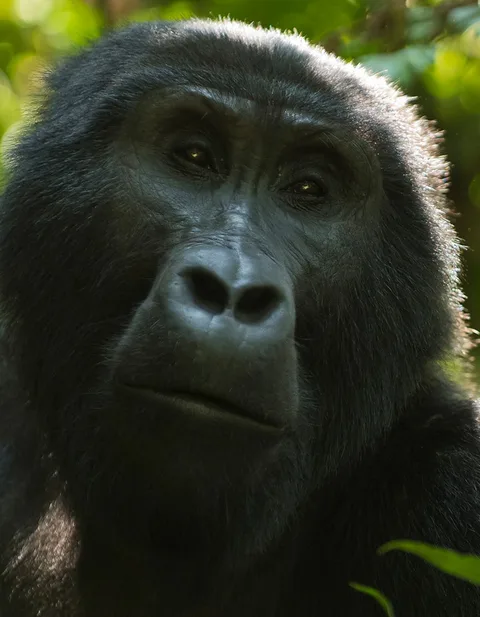
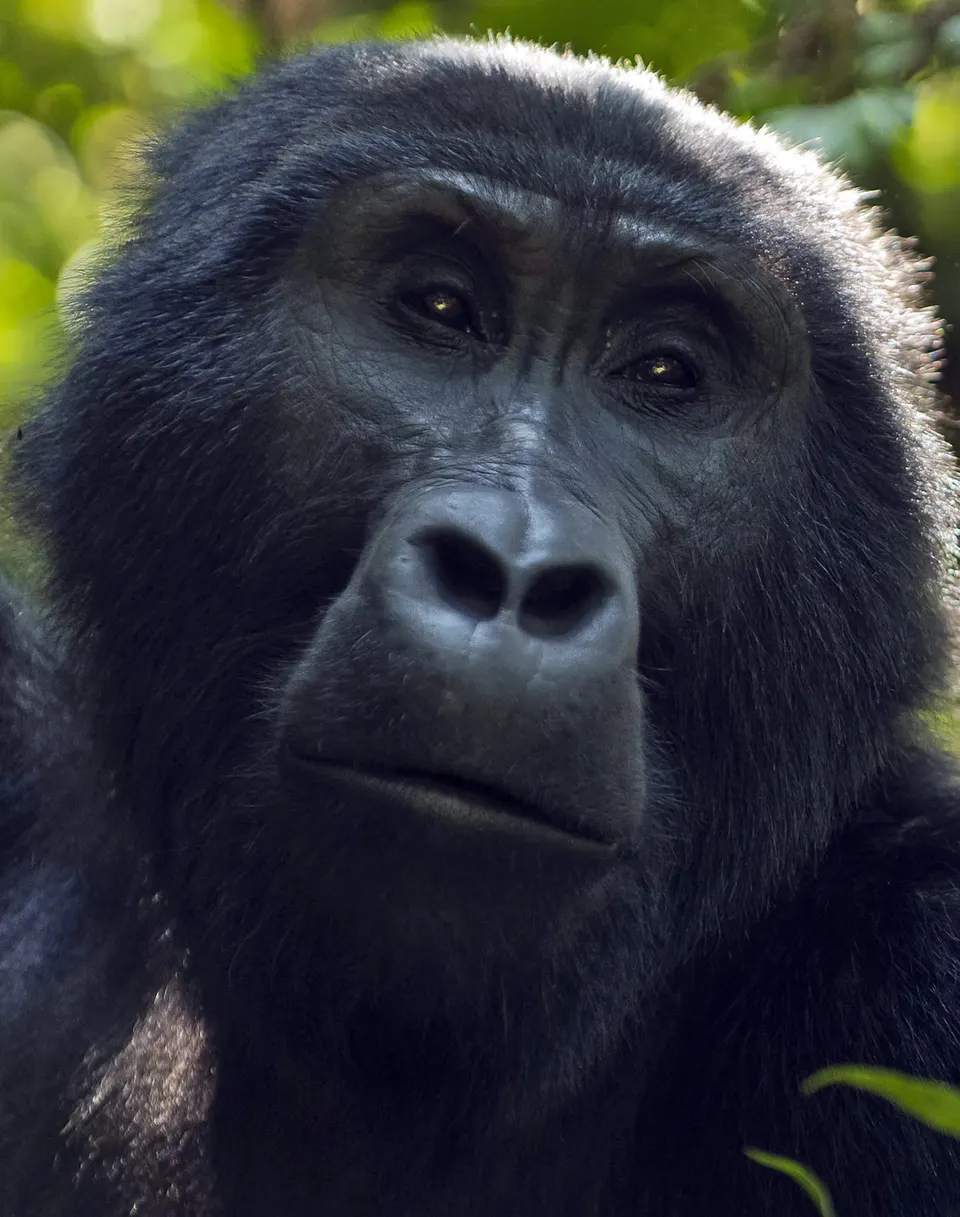
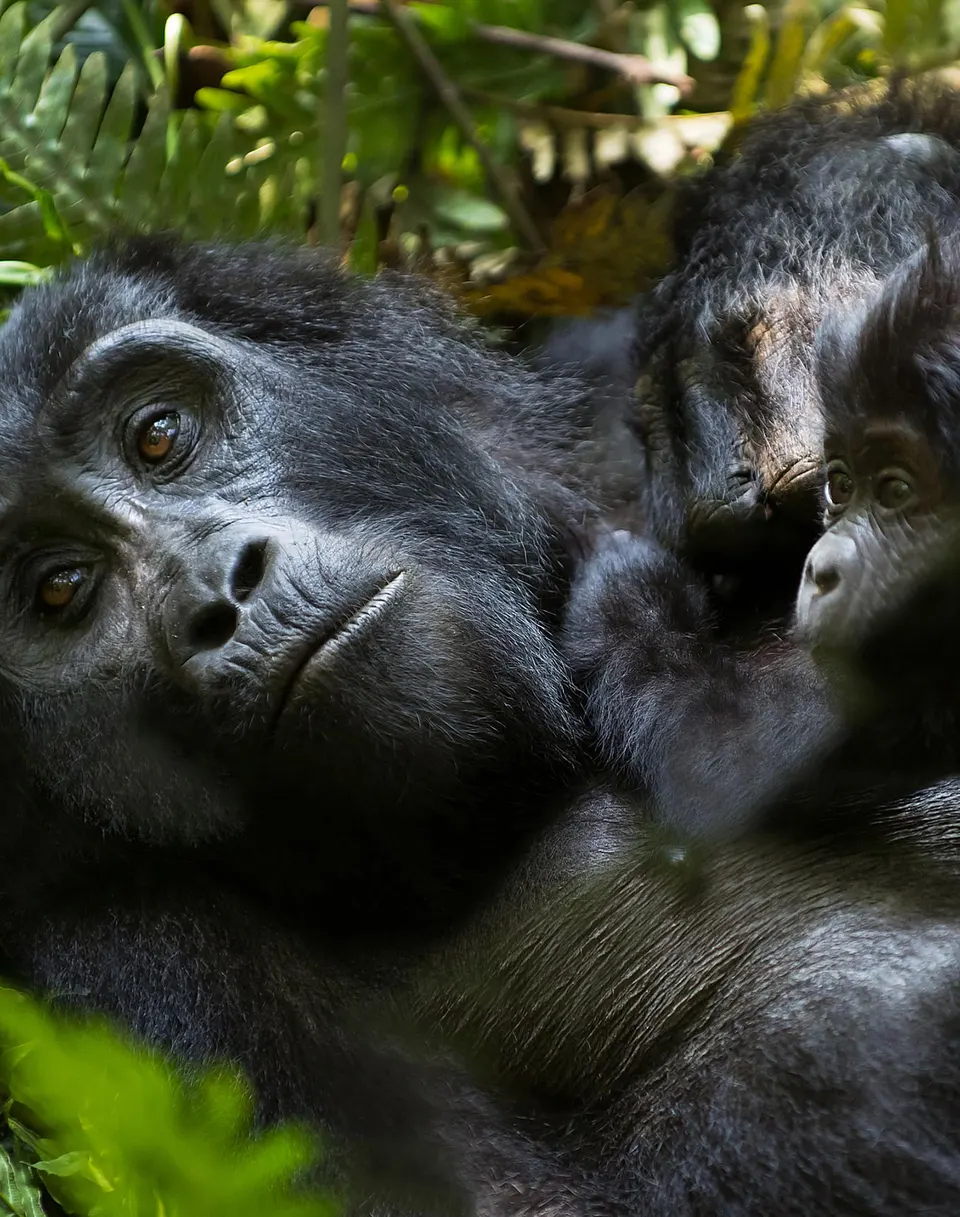
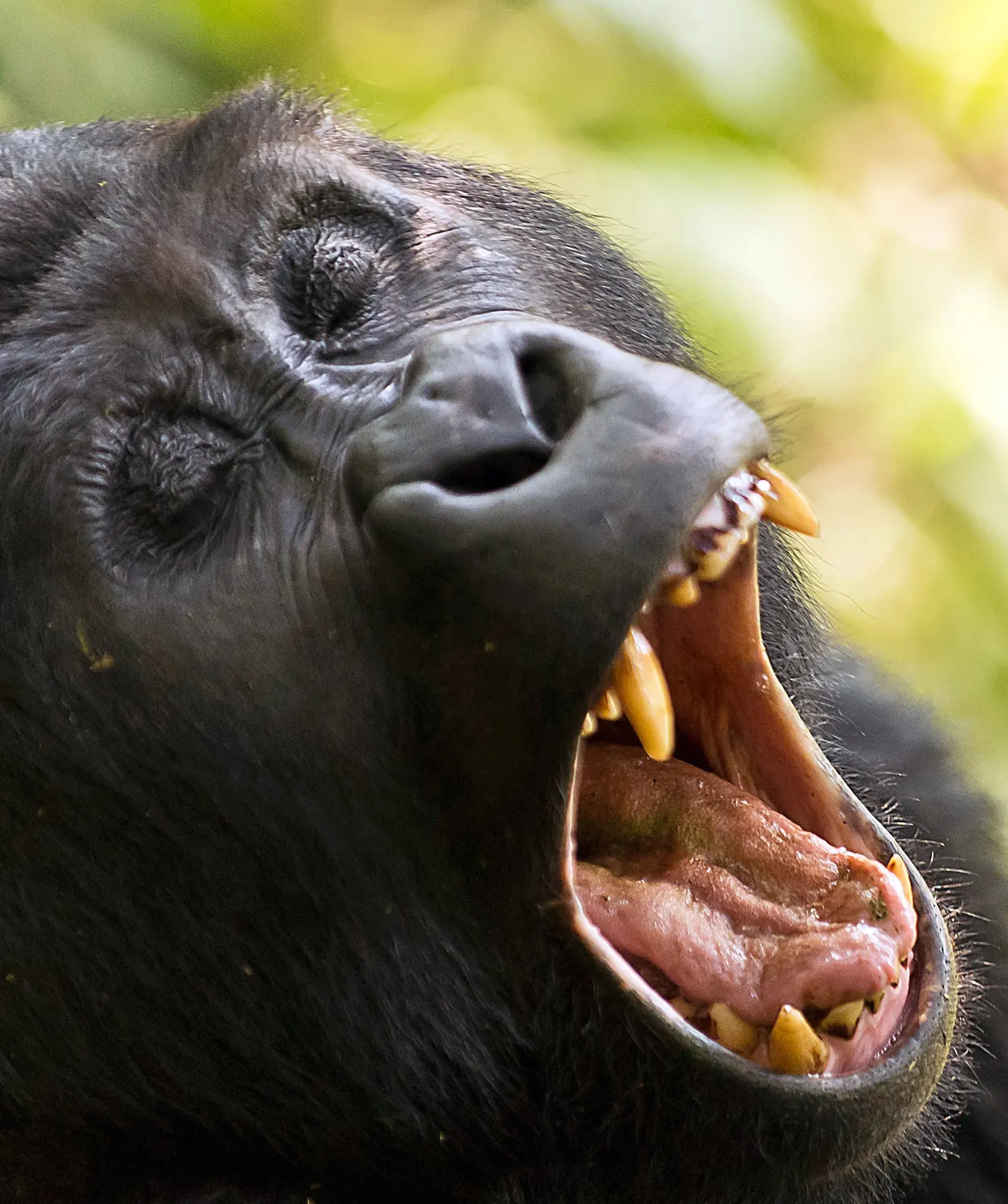
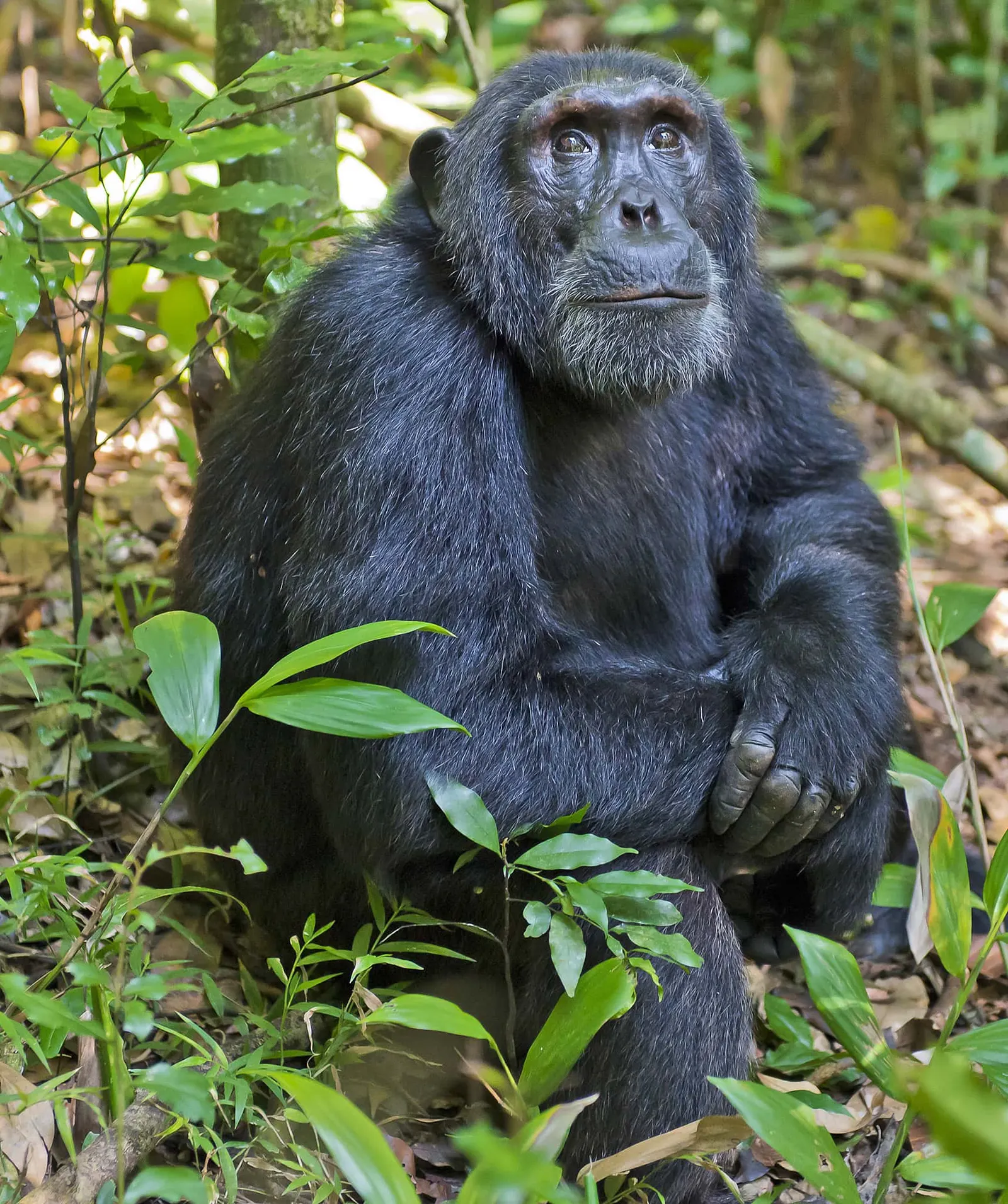
Uganda is also known as “the Pearl of Africa”. Anyone who has travelled this beautiful country will be able to confirm it. Besides the last mountain gorillas on earth, our Uganda trips have magnificent National Parks to offer, which are worth a visit above all for their beautiful, tropical scenery.
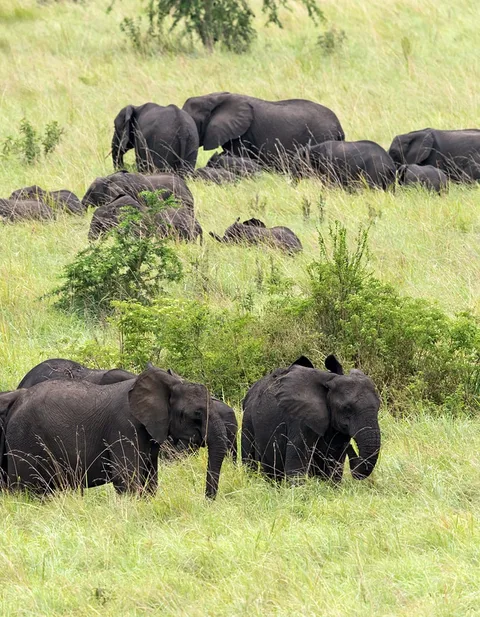
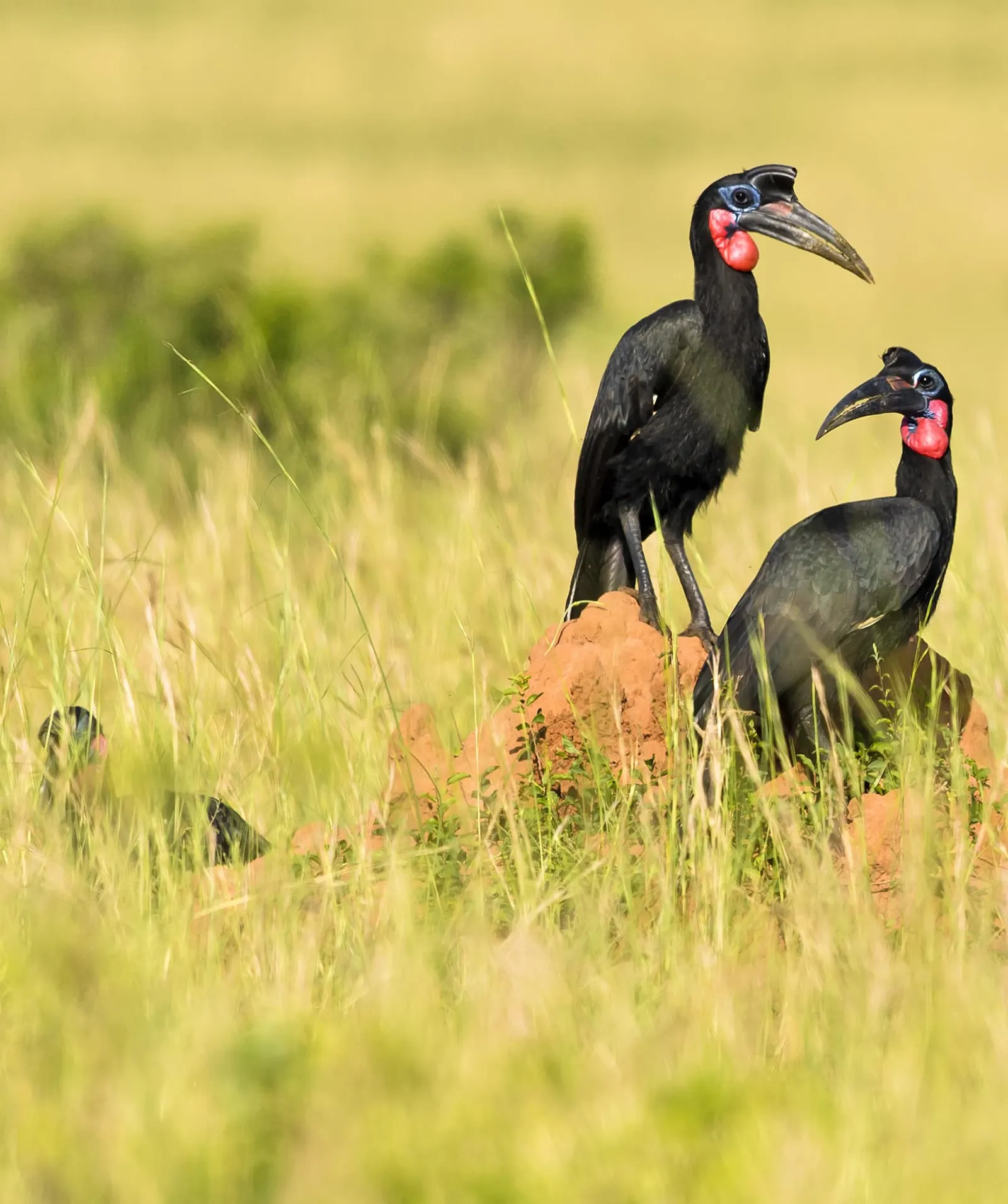
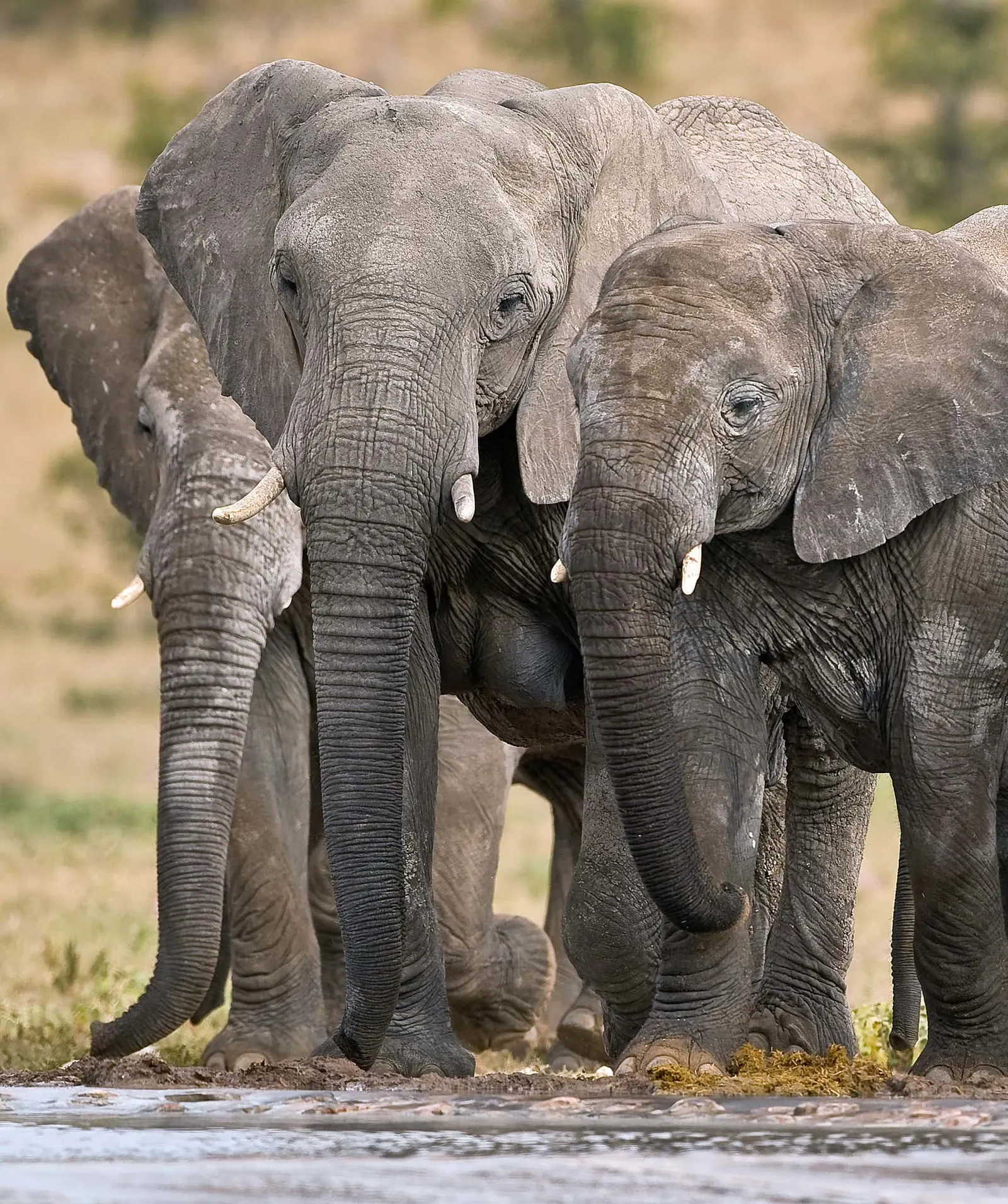
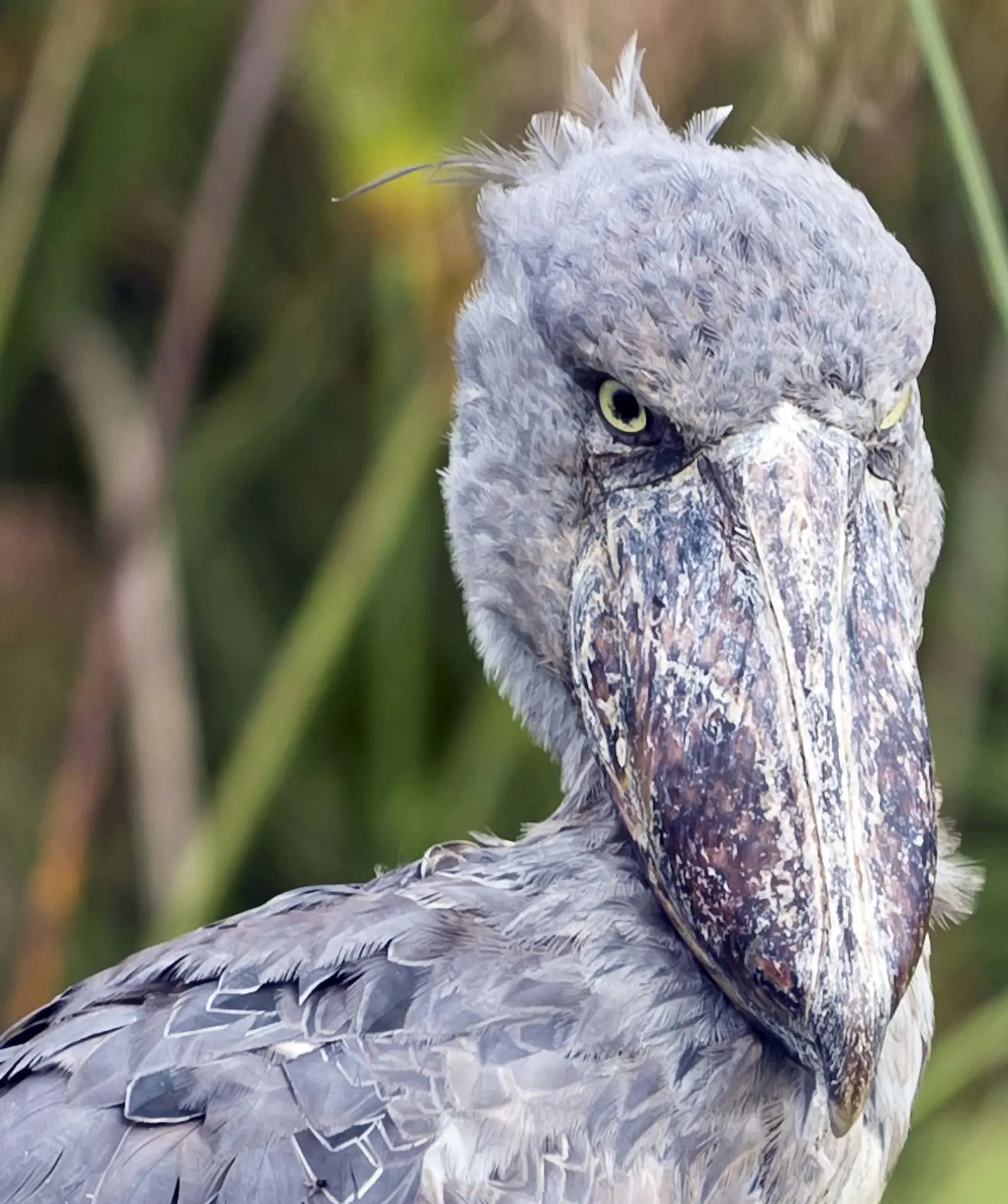
Trips through Uganda make the heart of every Africa connoisseur and independent traveller beat faster, because compared with other East African countries, Uganda is visited by significantly fewer travellers. On a Uganda holiday you can enjoy good wildlife viewing, an encounter with the last mountain gorillas and unique chimpanzee trekking, as well as discover remote and little-visited reserves.
Travel styles in Uganda
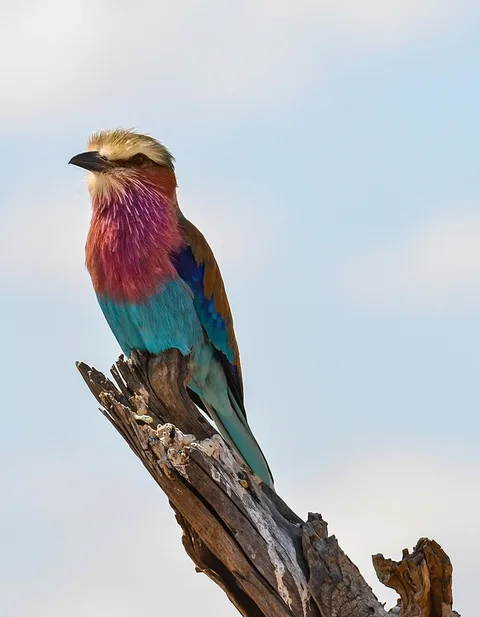
Tours in Uganda
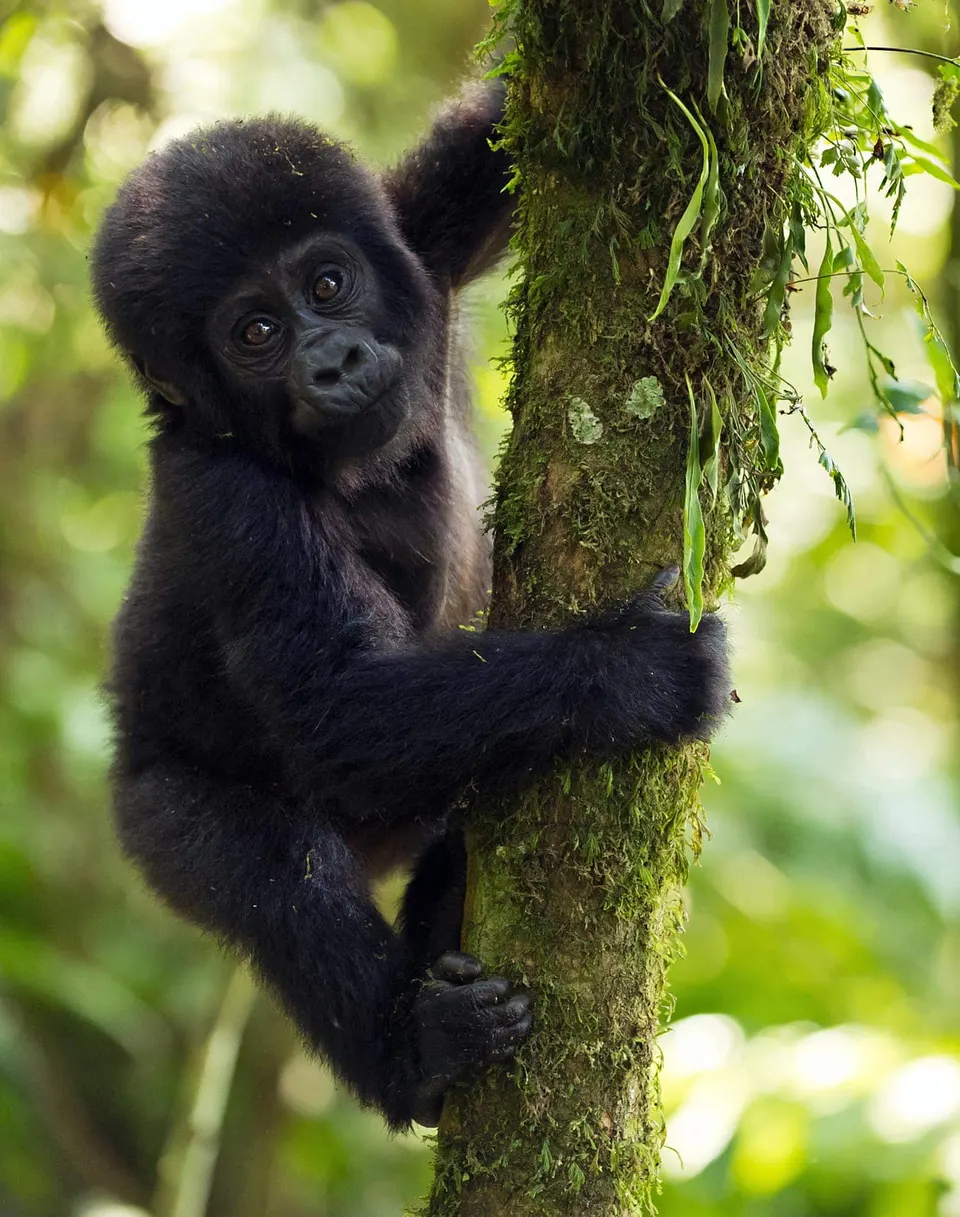 Uganda, Rwanda
4 days
Mountain Gorilla Trekking in Rwanda / Uganda
from 1.590 € per person
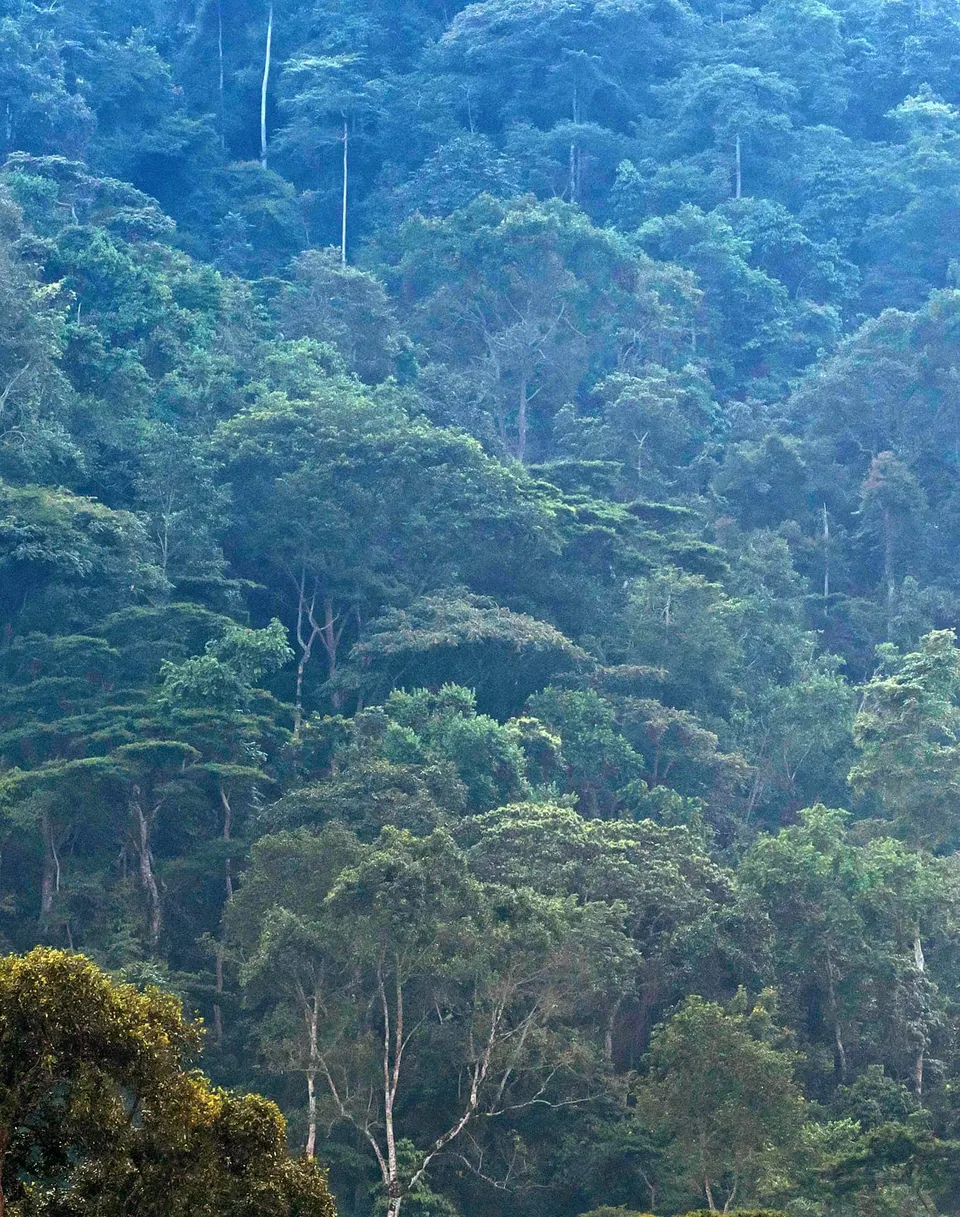 Uganda
10 days
Best of Uganda
from 3.630 € per person
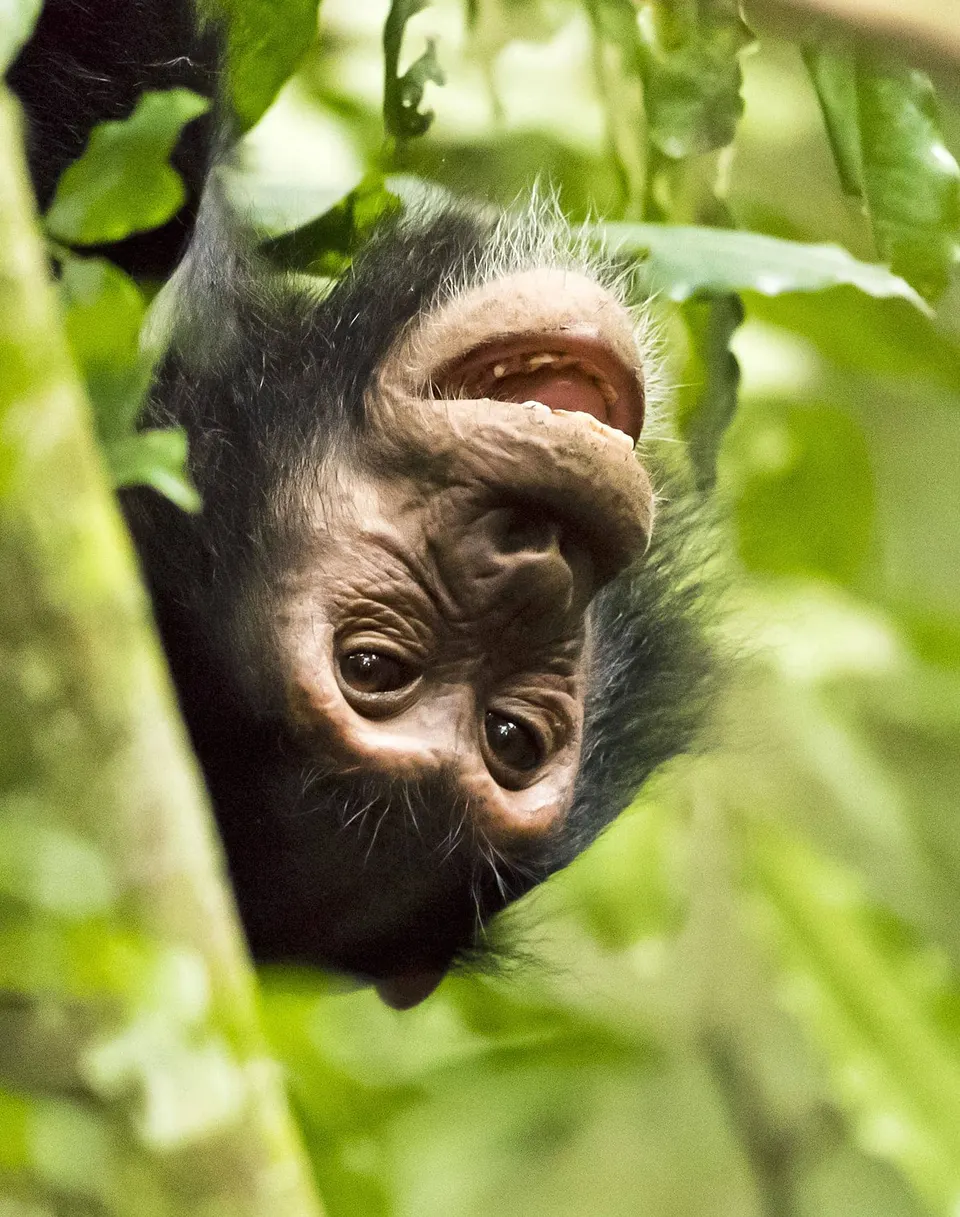 Uganda
7 days
Fascinating Uganda
from 2.870 € per person
 Uganda
4 days
Fly-In Gorilla Safari in Uganda
from 2.130 € per person
 Uganda
13 days
Uganda – the Pearl of Africa
from 2.730 € per person
All prices exclude international flights.
Highlights of Uganda trips
Travel information
Geographical location
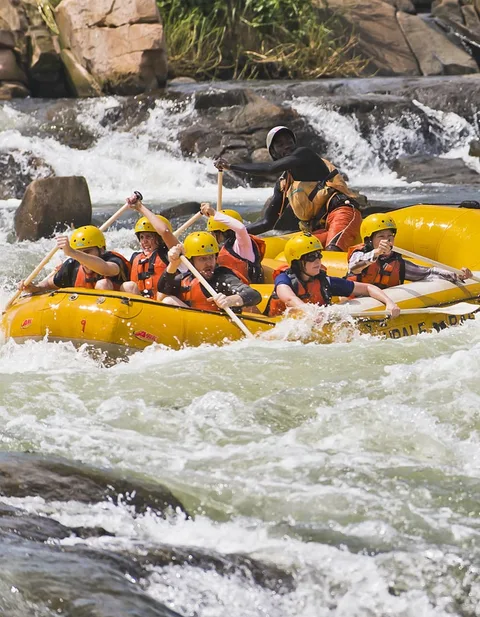
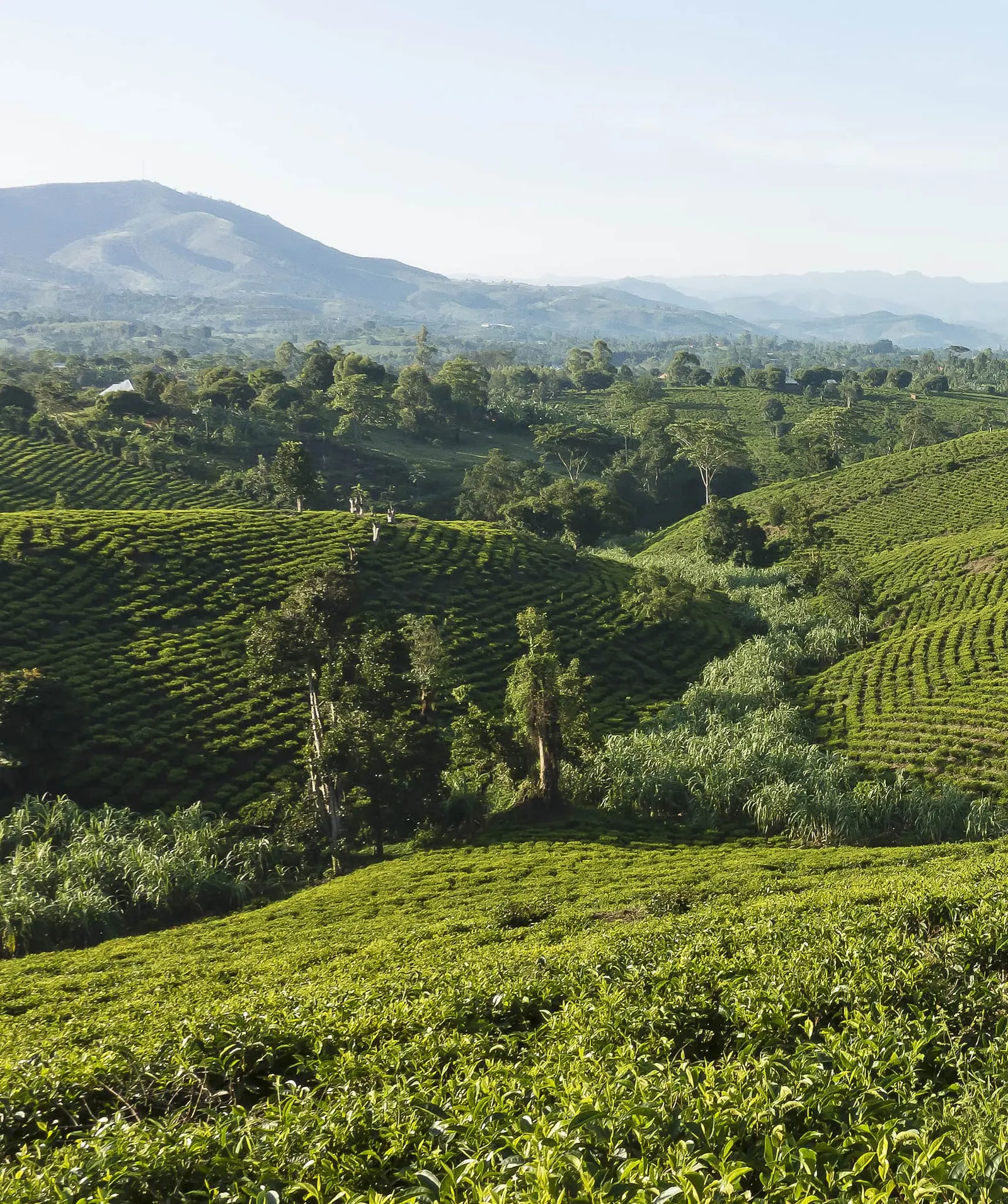
Uganda lies in East Africa and borders Sudan to the north, Kenya to the east, Lake Victoria to the south-east, Tanzania and Rwanda to the south and the Democratic Republic of the Congo to the west. The capital Kampala, home to around 1.5 million inhabitants, is located in the southern part of the country on the shore of Lake Victoria. Uganda’s most important river is the White Nile, which flows through a large part of the country. The landscape panorama is shaped above all by the multitude of tropical forests, the terraced hills of Kigezi and the tea plantations on the slopes of the Rwenzori Mountains, whose peaks can occasionally be covered in snow.
Transport
Important airports for arrival / departure
Entebbe International Airport is Uganda’s most important airport. It lies around 35 kilometres, about 40 minutes’ drive, south-west of Kampala. There are no direct flights from Germany. Airlines such as Brussels Airlines, KLM, Turkish Airlines, Ethiopian Airways and Qatar Airways offer good flight connections to Uganda via their respective hubs.
Getting around in Uganda
The road network in Uganda is generally well developed, though in the south of the country it is considerably better than in the north, where there are only a few roads. The paved main roads are mostly in good condition, whereas the condition of the gravel roads varies depending on the season. During the rainy seasons they are in some cases difficult to access, even for 4x4 vehicles. In Uganda, traffic drives on the left.
Uganda is not a typical self-drive country. Most tours are offered and carried out as guided round trips with a local driver or guide. The vehicles used are converted to suit the requirements. The safari jeeps have large windows and a pop-up roof and guarantee first-class wildlife and nature viewing.
Money
Currency
The national currency is the Ugandan shilling. One Ugandan shilling is divided into 100 cents. You can find a currency converter with current exchange rates for all currencies here.
It is advisable to exchange money on site, as Ugandan shillings are not available in Germany. Euros and US dollars are exchanged at banks in the larger cities or at bureaux de change, which often offer a better rate than banks. In parts of the tourism industry, US dollars are also accepted as direct payment, and are welcome as tips too.
Credit cards (mainly Visa) are accepted by some hotels and restaurants in Kampala. You can also withdraw cash from cash machines with a credit card (Visa or Mastercard) or debit card (with the Maestro symbol) at banks in Kampala, at Entebbe International Airport and in some larger cities. Please ask your bank in advance about the exact ways you can use your cards and any fees that may apply.
Because of the high fees and poor exchange rate, taking traveller’s cheques is not recommended.
Costs of everyday items as a guide
To give you a brief overview of how much extra money you should budget for on site, we list approximate prices of some everyday items: a cup of coffee costs approx. 1-2 euros, a glass of wine between 3 and 5 euros. Entry to the National Parks is between 25-30 euros, but on most guided tours it is already included in the trip price.
Tipping
If no service charge is added in restaurants, 10 per cent is appropriate. Higher tips are entirely at the guest’s discretion. If you were above-averagely satisfied with the service, you are of course welcome to give more than 10 per cent. It is also customary to give taxi drivers a 10 per cent tip. Your guides always strive to fulfil all your wishes and so make your trip unforgettable. They too appreciate a tip at the end of the trip. The same applies to your stay in the lodges. Here you will often find a tip box at reception. The staff are always pleased when you were happy with the service and reward it.
Health & safety
Safety
As on all trips, safety is always a concern. Nevertheless, there is no need to worry unnecessarily. If you follow the tips below, you should in principle not expect unexpected incidents: trust your common sense and follow your guides’ safety instructions. They are mostly locals and have completed professional guide training, so they know the local conditions extremely well. You should avoid walks after dark. In general you should carry enough cash, but not too much. It is advisable to keep cash and your most important documents, for example, in a thin money belt under your clothing. Too much flashy jewellery or expensive watches should also generally be avoided. You should always carry your cameras, mobile phones and the like in a rucksack or bag. Do not leave items in plain sight in the vehicle!
Current travel and safety advice can be found on the website of the German Federal Foreign Office.
Health
A travel first-aid kit should definitely be in your luggage. We recommend medication for diarrhoea, fever and pain, travel sickness, vomiting and nausea, as well as nose drops, disinfectant for skin injuries among other things, burn ointments and insect repellent. Your trusted pharmacy will certainly be happy to give you detailed advice.
Please also note the medical advice of the German Federal Foreign Office.
Malaria
There is a risk of malaria in Uganda all year round, so malaria prophylaxis is recommended. You should therefore contact your GP in good time (at least 4 to 6 weeks before departure) to discuss with them all the details of your trip and the possible malaria prophylaxis medication. On site you should also always apply enough mosquito spray or cream to avoid bites in advance. Another important precaution is wearing long trousers and long-sleeved tops in the morning and evening hours.
Vaccination recommendations
Routine vaccinations such as tetanus, hepatitis A & B and polio should be checked and, if necessary, boosted. A yellow fever vaccination is recommended for travel to Uganda. Please ask your GP or contact a tropical institute for detailed information.
Climate & best time to travel
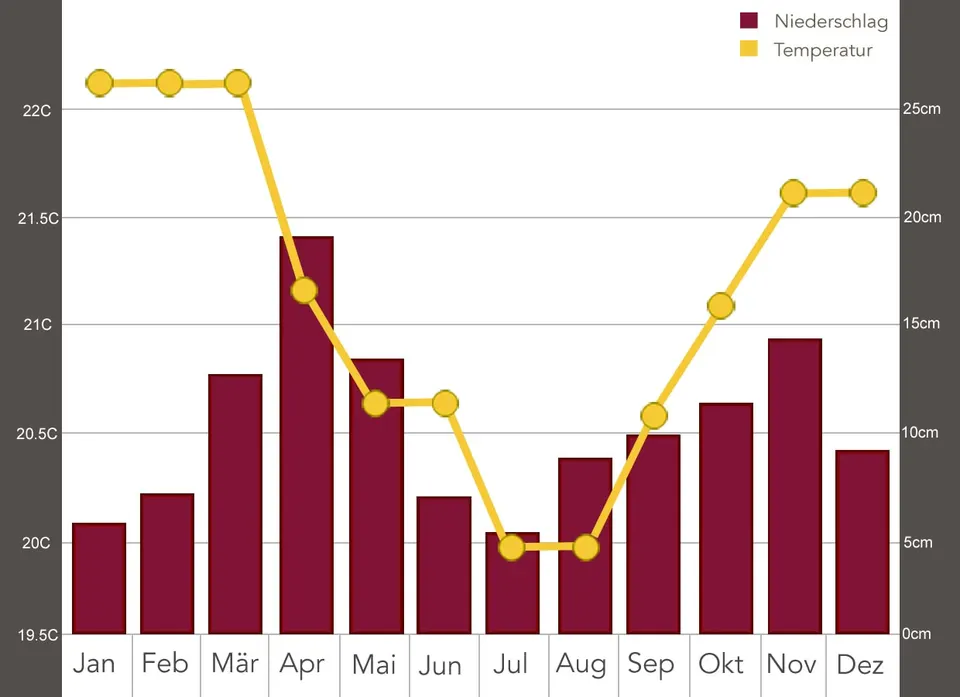
The climate in Uganda is tropical and warm, but owing to the altitude it can cool down considerably in the evenings and at night. Temperatures mostly range between a pleasant 25 and 30°C during the day. At night it is usually around 15°C, so it is best to pack some warmer clothing too. The dry periods, and therefore very well suited for travel, are the months December to February and June to September. Heavy rainfall is to be expected above all between March and May, but the months of October and November are also generally wetter than the rest of the year.
Travel tips
Language
The official languages in Uganda are English and Kiswahili. In addition, Ganda or Luganda is also widely spoken. Numerous Bantu languages and tribal dialects such as Buganda, Banyoro and West and East Nilotic languages are also spoken. As a traveller, however, you can get by very well with English in most parts of the country.
Religion
As in many African countries, most inhabitants of Uganda are Christians (around 65 per cent). Around 16 per cent are Muslim and more than 18 per cent of the inhabitants follow traditional religions.
Time difference
Uganda uses CET +2 hours. The time difference to Germany is +2 hours in the European winter and +1 hour in summer. There is no change from winter to summer time in Uganda.
Food & drink
It often happens that the climatic and hygiene changes upset the stomachs of some travellers in the first few days. This usually subsides quickly, however. You should bear the following in mind: drink tap water only from drinking-water supplies, or alternatively bottled water. It is best to avoid drinks with ice as well as raw meat or fish at places that do not give a particularly hygienic impression. Vegetables and fruit should be washed before eating, or better still peeled.
Especially in and around Kampala there are numerous restaurants for every taste. Many hotels offer both local and international dishes. Local specialities are above all matoke (a kind of mash made from cooking bananas), millet bread, cassava (a potato-like root) and sweet potatoes. In Uganda, chicken and beef stews are also very popular. During a stay in Uganda you should try the national drink Waragi once, a frequently home-brewed banana gin.
Health insurance cover
As you are travelling to a non-European country, taking out international travel health insurance for the duration of your stay is strongly recommended. Speak to your health insurer, who will certainly be happy to help. Alternatively, the Elefant-Tours team will be happy to offer you suitable international travel health insurance.
Electricity
Uganda has a mains voltage of 220 – 240 volts, so European appliances can be used. For the sockets you need a three-pin adaptor (British model).
Internet communication
Internet cafés are mainly found in Kampala. A very few accommodations also offer this service. Not everywhere in the country has a working internet connection.
Shopping tips
The sale of souvenirs made from wild animal hides, reptile skins and gorilla furs as well as the sale of gorilla paws or the like is prohibited. So the rule is: hands off! Rather, look at the animals in their natural environment and take the experiences home as a souvenir. Of course, you can buy other lovely souvenirs such as handmade carvings, jewellery, basketwork, tea, coffee and ceramics.
For further information on Germany’s import regulations, please visit the website of German customs.
Customs & etiquette
Politeness and respect are very important to the people of Uganda. Traditionally, people eat with their hands, but only with the right hand; the left is considered unclean. If you visit a market, you are expected to haggle over prices.
Homosexual relationships are taboo and punishable in Uganda. Discreet behaviour in public is therefore advisable for same-sex couples.
Entry requirements
In general, to enter Uganda you need a passport that is valid for at least 6 months after your departure. You also need a visa, which must be applied for and paid for online in advance. The cost is currently 50 US dollars. Furthermore, proof of yellow fever vaccination is mandatory for all travellers aged one year and over and is essential for the visa to be issued.
To apply for your visa, please follow this link: https://visas.immigration.go.ug/
After submitting the completed online form you will receive a confirmation email with the payment request and a corresponding link. Using the “Application ID”, your passport number and your date of birth, you can call up the application on the website under “Application / Manage Application” and pay by credit card. This procedure is mandatory, and the application will not be processed further without payment. If payment is not made within the period stated in the confirmation email, the application will be deleted. In the event of a trip cancellation, the visa is not refunded. We therefore recommend not applying for the visa too early, but at the latest approx. 14 days before arrival.
These regulations apply to German, Austrian and Swiss citizens; other regulations may apply to other nationalities.
As visa requirements can change, please contact the Ugandan embassy in your home country in good time. Please make 100% sure that you are in possession of a valid visa. We cannot be held responsible if you are refused entry and cannot complete your booked tour to the end as planned. Refunds are not possible and any extra costs must be borne solely by the traveller.
- Places on our tours