Gorilla trekking
Experience gorilla trekking in Uganda & Rwanda. Followed by a safari or beach holiday. Professionally planned and delivered. Book with the experts!
Trekking in Uganda and Rwanda
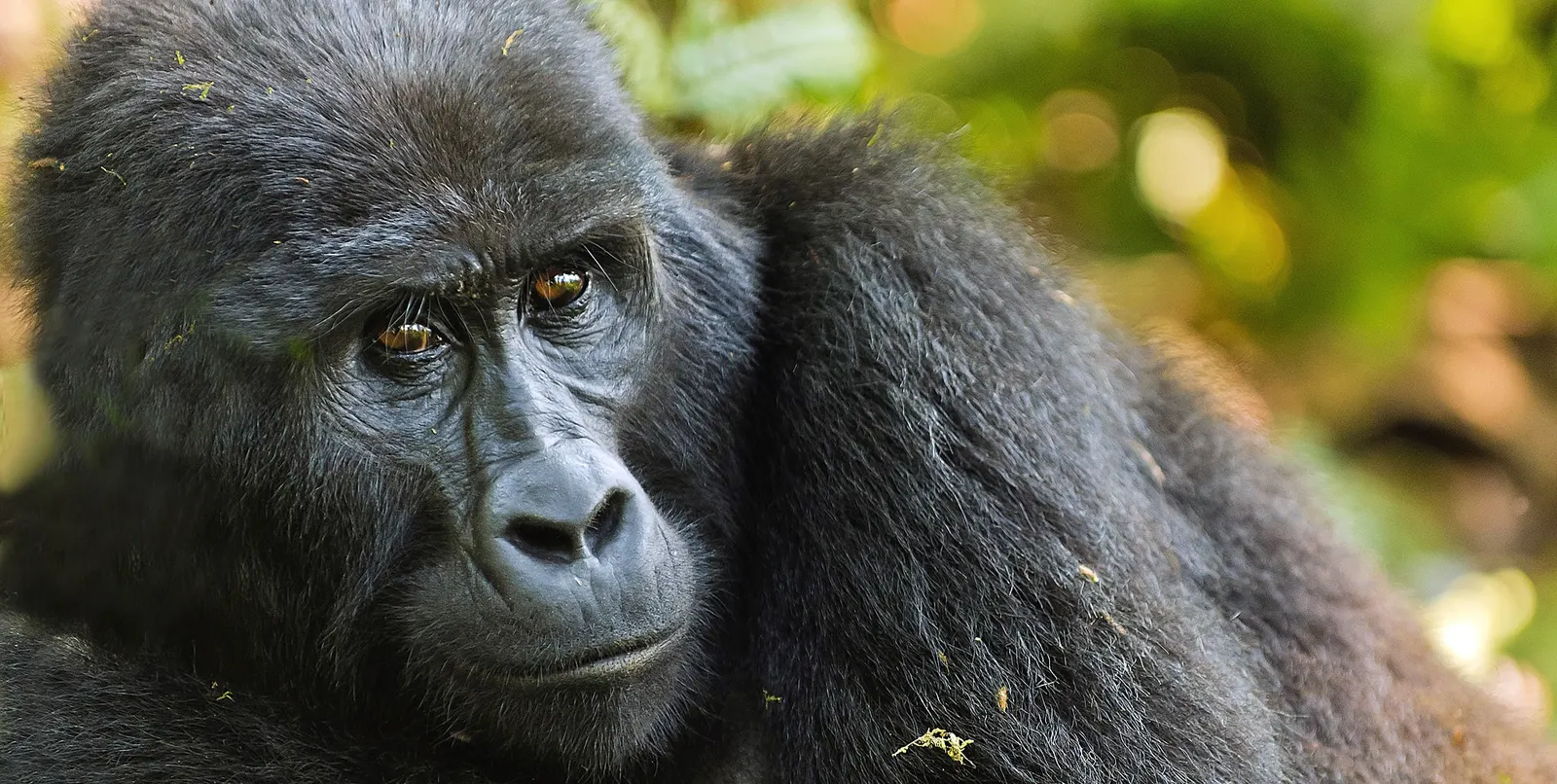
Observing gorillas in their natural habitat is a unique experience. In Uganda and Rwanda you set off on foot in search of the last free-living mountain gorillas.
The trekking tours are accompanied by experienced guides and lead through impressive landscapes. You stay overnight in comfort in selected hotels and lodges.
In Kibale National Park in Uganda you also have the chance to discover chimpanzees in the wild . Trekking times vary depending on the location of the animal families and make every trek unique.
Equipped with hiking boots and a camera, an intense nature experience full of unforgettable encounters and impressive moments awaits you.
Our most popular gorilla trekking tours
All prices exclude international flights.
Highlights of gorilla trekking
During the trek, with a bit of luck you will also discover golden monkeys, buffalo, small antelopes and numerous colourful bird species in the dense rainforest. The hikes lead through impressive landscapes and offer intense experiences of nature.
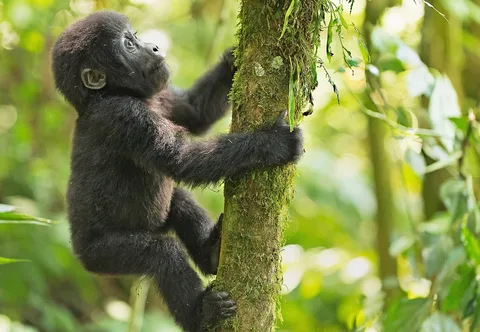
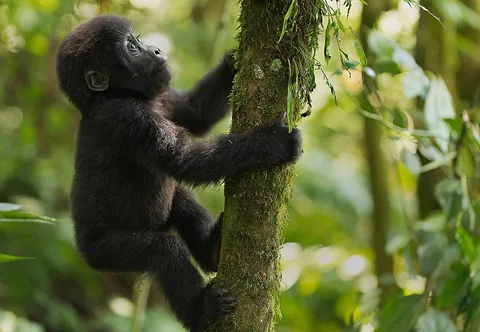
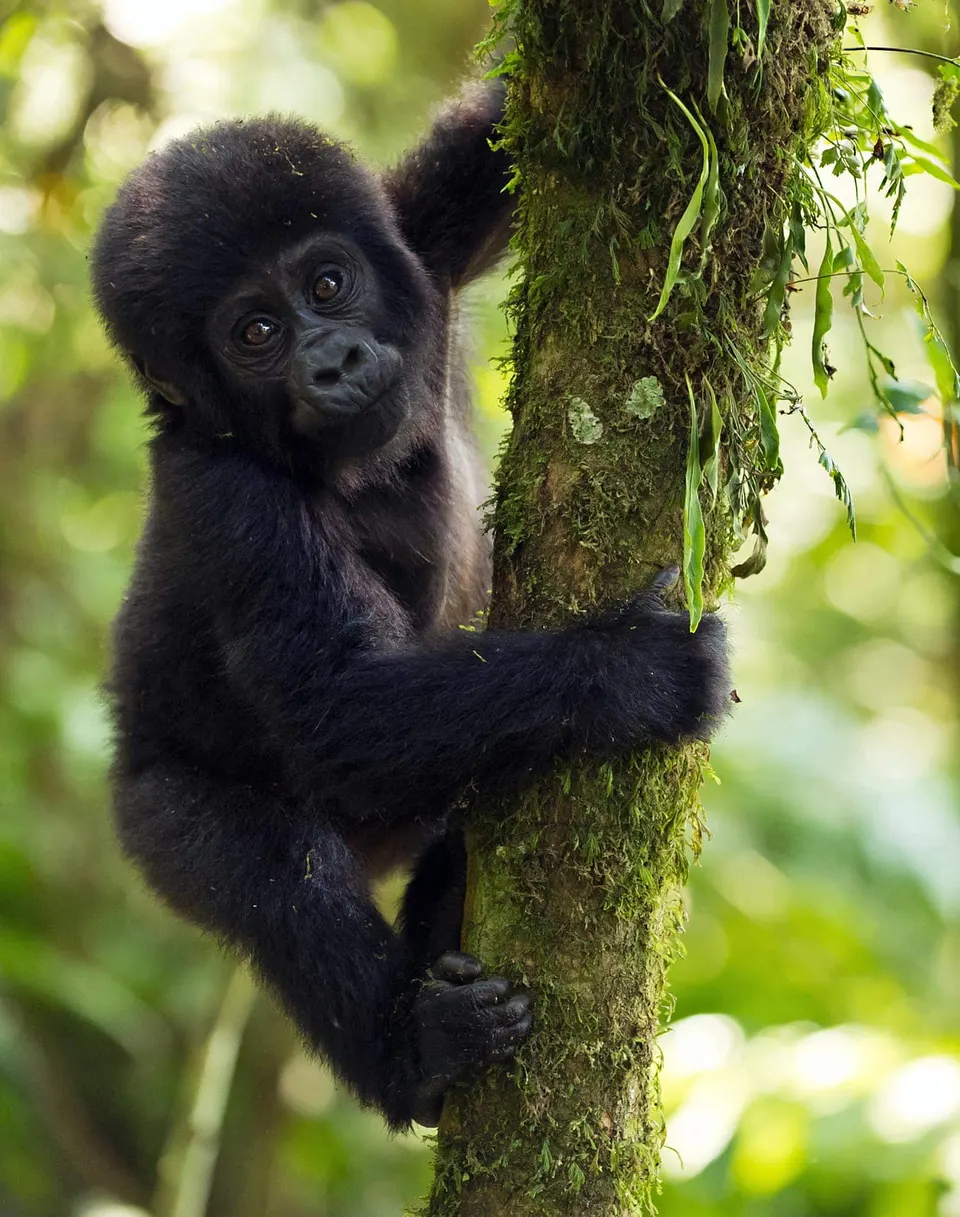
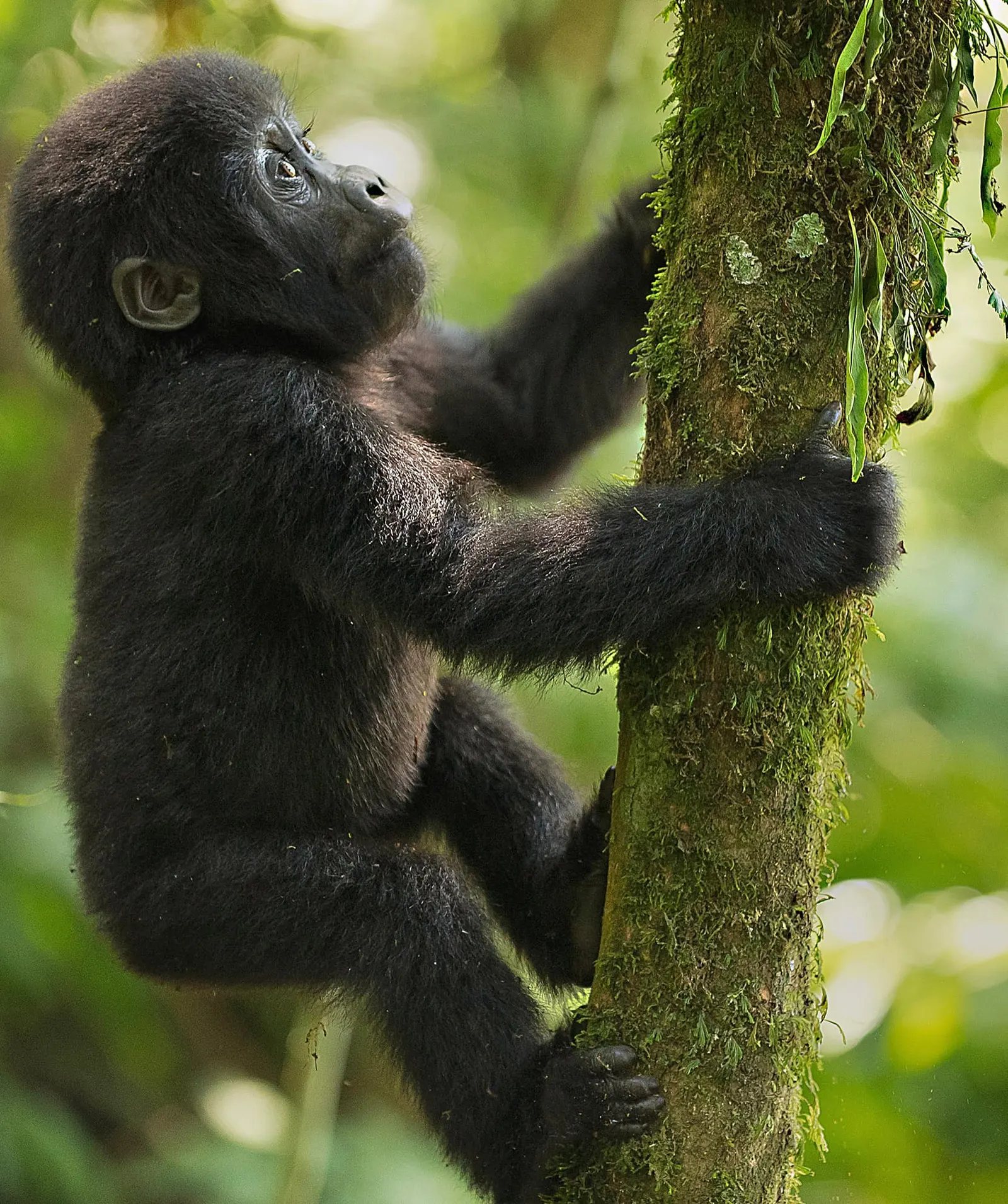
Nevertheless, the most spectacular experience is certainly the encounter with the gorillas. Watch these gentle giants in their natural surroundings, see how they eat, play and raise their young.
Look forward to these highlights on a gorilla trek:
A very personal experience
Accompanied by an experienced guide
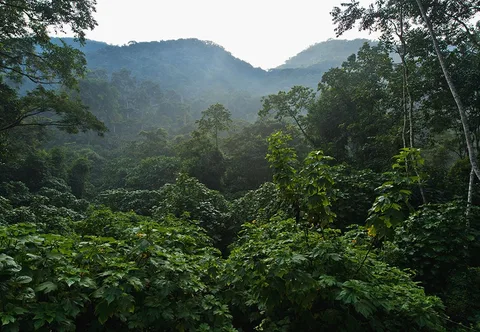
Hike through mountain rainforest
Individual tour planning & extension programme
Where can you see mountain gorillas
— Günter and Marikka
When is the best time for a gorilla tour?
The best time for gorilla trekking is the dry periods from June to September and from December to February. In these months the trails are mostly easy to walk, as they are less muddy. You also benefit from clearer visibility and better photo conditions – the trek is more pleasant overall and less strenuous.
In principle, however, gorilla trekking is possible all year round – for example in Bwindi Impenetrable National Park or Volcanoes National Park.
During the rainy seasons from March to May and from October to November, however, you must expect slippery trails and more demanding conditions.
At the same time, the rainy season also has advantages: there are fewer visitors overall, accommodation is sometimes cheaper and the chances of shorter hikes increase, as the gorillas are more often found in lower forest areas.
Please note that occasional rain is possible even in the dry season. As demand is particularly high in the dry months, we recommend booking gorilla trekking trips several months in advance.
You can find out more about the best time for gorilla trekking in our blog.
How much does gorilla trekking cost?
The cost of gorilla trekking is made up of the price of the trekking permit and the cost of the safari.
Gorilla permits cost (as of 2026):
- Uganda: 800 USD per person
- Rwanda: 1,500 USD per person
Permit prices are fixed all year round and are independent of the travel season.
Additional costs apply for accommodation, transfers, National Park visits and further safari activities. The total price depends on trip length, accommodation category and travel style.
A good example is our 13-day group tour “Uganda – the Pearl of Africa”. The adventure camping tour costs from 2,730 euros per person (excluding gorilla permit) and takes you to Uganda's most beautiful National Parks.
Besides the unforgettable gorilla trek in Bwindi Impenetrable National Park, you experience chimpanzee trekking in Murchison Falls National Park as well as game drives in Queen Elizabeth National Park and other game reserves.
Because accommodation and tourist services in the low season are often cheaper, the total price of a gorilla safari can be lower during the rainy seasons. The cost of the gorilla permit itself, however, remains unchanged all year round. Our experienced travel experts will be happy to advise you.
How do you prepare for gorilla trekking?
Gorilla trekking is one of the most intense nature experiences in Africa and at the same time places certain physical and organisational demands on you. If you start the experience well prepared, you can enjoy the encounter with the mountain gorillas all the more. The hike can last between one and six hours and often leads over steep, damp and uneven trails.
Physical preparation
You do not have to be an extreme athlete, but a solid basic level of fitness helps. Regular hikes, climbing stairs or mountain training and light endurance training (e.g. jogging or cycling) are useful.
The right clothing and equipment
In the rainforest it is often damp, slippery and densely overgrown. Waterproof hiking boots with good tread and long clothing to protect against thorns and insects are therefore recommended.
A rain jacket should not be missing either. For sensitive hands, gardening gloves can be useful, as you often hold on to plants along the way. A small rucksack with enough water and well-packed snacks is also recommended.
Health and documents
Before a trip you should check your vaccination protection and top it up if necessary. We also recommend consulting your GP or a tropical medicine specialist in good time about suitable malaria prophylaxis.
Comprehensive travel health insurance is also strongly advised, so that you are optimally covered in an emergency.
How many days do I need for a trip to see the mountain gorillas?
For a trip to the mountain gorillas in Uganda or Rwanda you should allow at least 3 to 5 days . If you want a more relaxed trip or would like to add a safari, a longer trip length is recommended.
A classic example is a 4-day overland round trip, for instance from Kigali to Bwindi Impenetrable National Park: after arrival, on the second day you drive to the protected area, followed by gorilla trekking on the third day and the return journey on the fourth day.
Alternatively, a more comfortable fly-in option is available. You start in Entebbe and fly directly to the vicinity of Bwindi National Park. This way you save time and also enjoy impressive views from the air. Here too, the trek takes place on the third day, before you head back to Entebbe.
Are gorillas in the wild dangerous?
Mountain gorillas in Uganda and Rwanda are generally considered calm and peaceful in the wild – provided you behave respectfully. Despite their enormous strength, they are not aggressive animals as long as they do not feel threatened.
Nevertheless, it remains important to be aware that these are wild animals .
In protected areas such as Bwindi Impenetrable National Park or Volcanoes National Park, the gorilla groups observed are habituated to humans. In addition, all encounters are accompanied by experienced rangers and clearly regulated, which ensures a high level of safety.
It can become dangerous above all if the rules of conduct are disregarded – for example if you go closer than the minimum distance, stare at the animals, make hectic movements or try to touch the young. In such situations the silverback, the dominant male, may react and protect his group with threatening gestures such as chest-beating or mock charges.
To stay safe, it is crucial to stay calm, avoid eye contact, behave as inconspicuously as possible and slowly withdraw if an animal comes closer.
Where can you see gorillas?
For travellers, Uganda and Rwanda in particular are the best destinations for experiencing mountain gorillas in their natural habitat. The animals live in the dense mountain rainforests of the Virunga Massif and Bwindi Impenetrable National Park, which extend across the border region of Uganda, Rwanda and the Democratic Republic of the Congo.
Uganda and Rwanda in particular have established themselves as safe and well-organised destinations for gorilla trekking. With experienced rangers and strictly regulated visitor numbers, both countries offer the chance to observe the endangered great apes up close while contributing to their protection.
Overall, gorillas today occur only in a few, very limited forest areas of Central Africa. An encounter with them is therefore one of the most extraordinary nature experiences in Africa.
You can find out more about where gorillas live in the wild in our blog.
Can you combine gorilla trekking in Uganda with a safari?
Yes, Uganda is perfectly suited to combining gorilla trekking with classic safaris. A great many travellers choose this combination, and so we have several tours on offer.
Our 7-day Fascinating Uganda safari visits the highlights of the country. Among other places, it takes you to the tree-climbing lions of Queen Elizabeth National Park, the chimpanzees in Kibale National Park and finally the last free-living mountain gorillas in Bwindi Impenetrable Forest National Park.
On our 10-day Best of Uganda safari you also visit Murchison Falls National Park, where, besides a game drive, you take a boat trip to the breathtaking waterfalls.
Our 13-day Uganda – the Pearl of Africa safari adds a further extra with a visit to the Rwenzori Mountains and the adventure capital Jinja.
Uganda is particularly well suited to such combinations of gorilla trekking and safari. Many different National Parks lie relatively close together and the scenery is very varied.
Is there a minimum age for gorilla trekking?
Yes, there really is a minimum age of 15 for gorilla trekking. Below that age you cannot take part, even accompanied by parents or guardians. This age rule applies in all protected areas for mountain gorillas in Rwanda and Uganda.
There is no exception to this rule. At the parks' information centres, the authorities check visitors' passports before they are assigned to the trekking groups. Anyone who does not meet the age requirement may not take part.
How fit do I need to be to do a gorilla trekking tour?
You do not need to be a top athlete, but good basic fitness is an advantage. Gorilla trekking can be physically demanding, as the length of the hike varies greatly – from about one to six hours, in individual cases even longer.
The trails lead through dense rainforest, over steep slopes and often slippery, muddy ground. There are frequently no clear paths, and you move at altitudes of up to about 2,500 metres or more. Sure-footedness, stamina and a certain agility are therefore important.
At the same time, the pace is adapted individually, and experienced guides and rangers accompany every group.
If you are unsure, you will benefit from light preparation before the trip – for example regular walks, hikes or moderate endurance training.
What does a day with the mountain gorillas look like?
The day begins early: between 6 and 7 am you drive to the National Park headquarters. There you first register with your gorilla permit and have a brief health check. Often you are also offered coffee or tea before the start.
This is followed by a detailed briefing by the rangers. You learn the most important rules of conduct for dealing with the gorillas, receive safety instructions and find out how the trek works.
You are also assigned to a gorilla family – a maximum of eight visitors may take part per group.
Between about 8 and 9 am the trek begins. Together with rangers and guides you set off through the dense mountain rainforest. Trackers have already gone ahead and locate the gorilla groups.
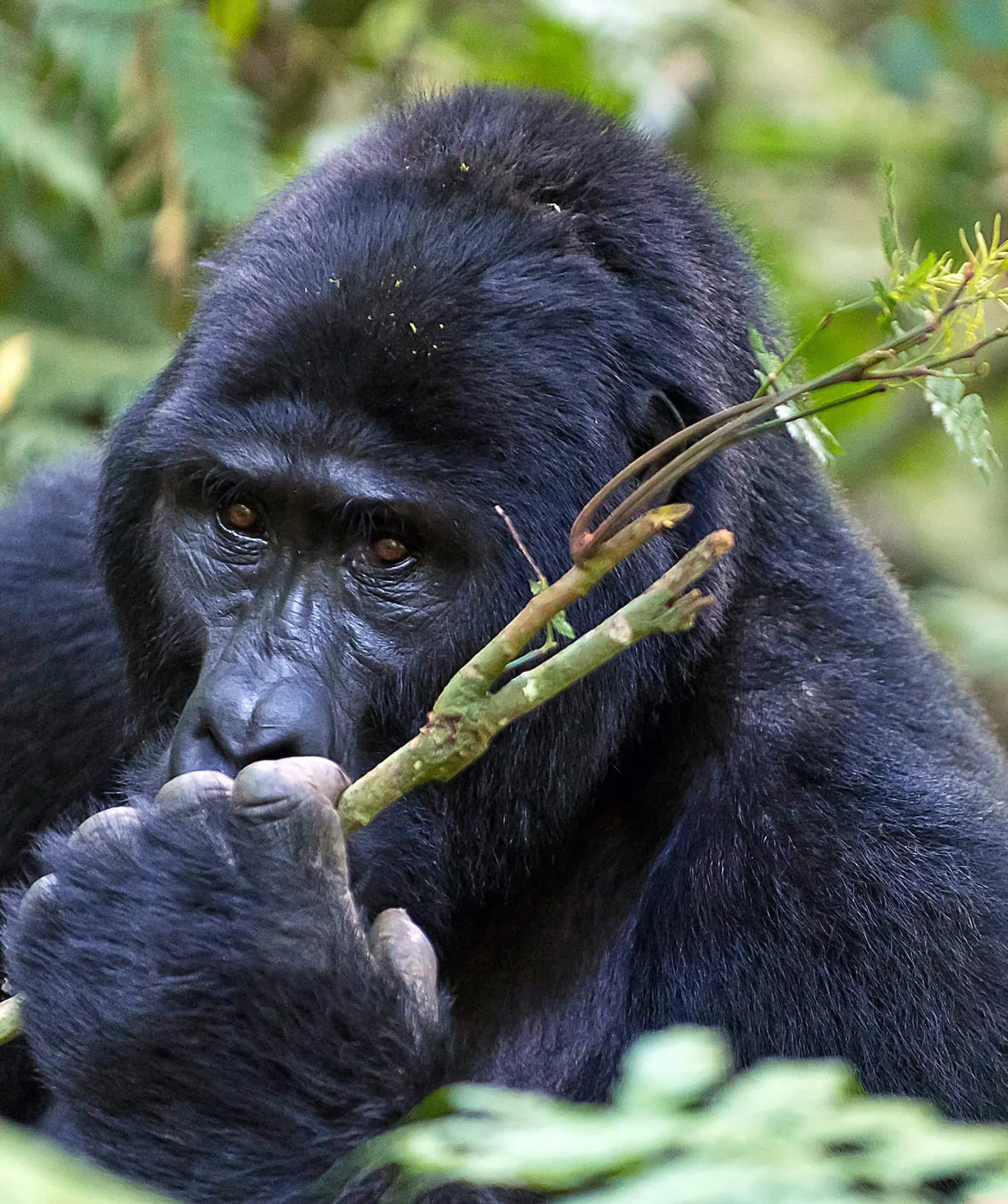
As soon as your assigned family is found, you approach carefully to within about seven metres. Then the highlight of the day begins: for one hour you watch the animals up close – eating, playing, climbing or resting, while the silverback keeps an eye on his group. Photography is allowed, but without flash.
After this intense encounter you make your way back. Back at the park office you usually receive a certificate, before continuing to the lodge, where you can let the day come to a relaxed close.
You might also be interested in: