Destination Malawi
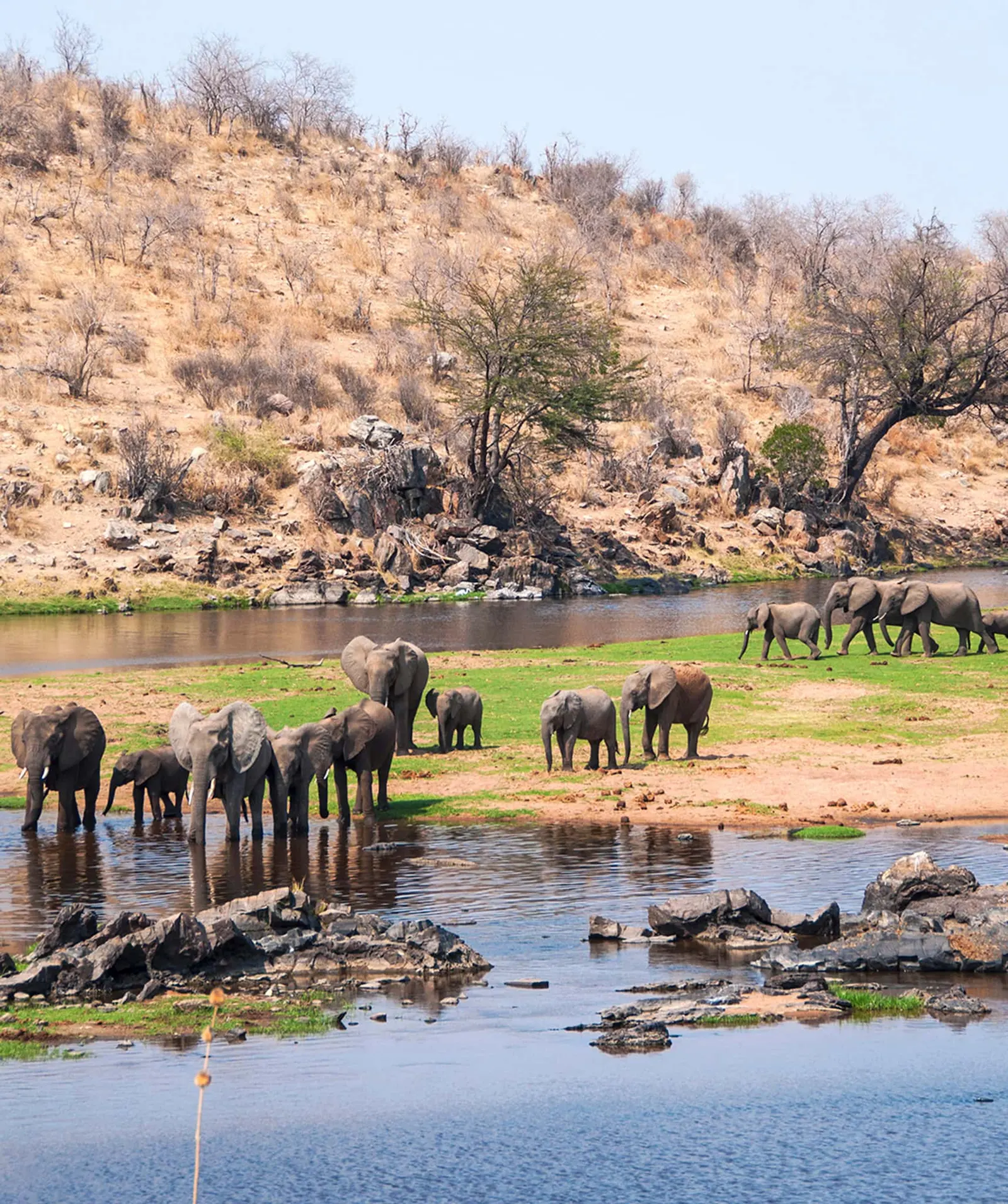
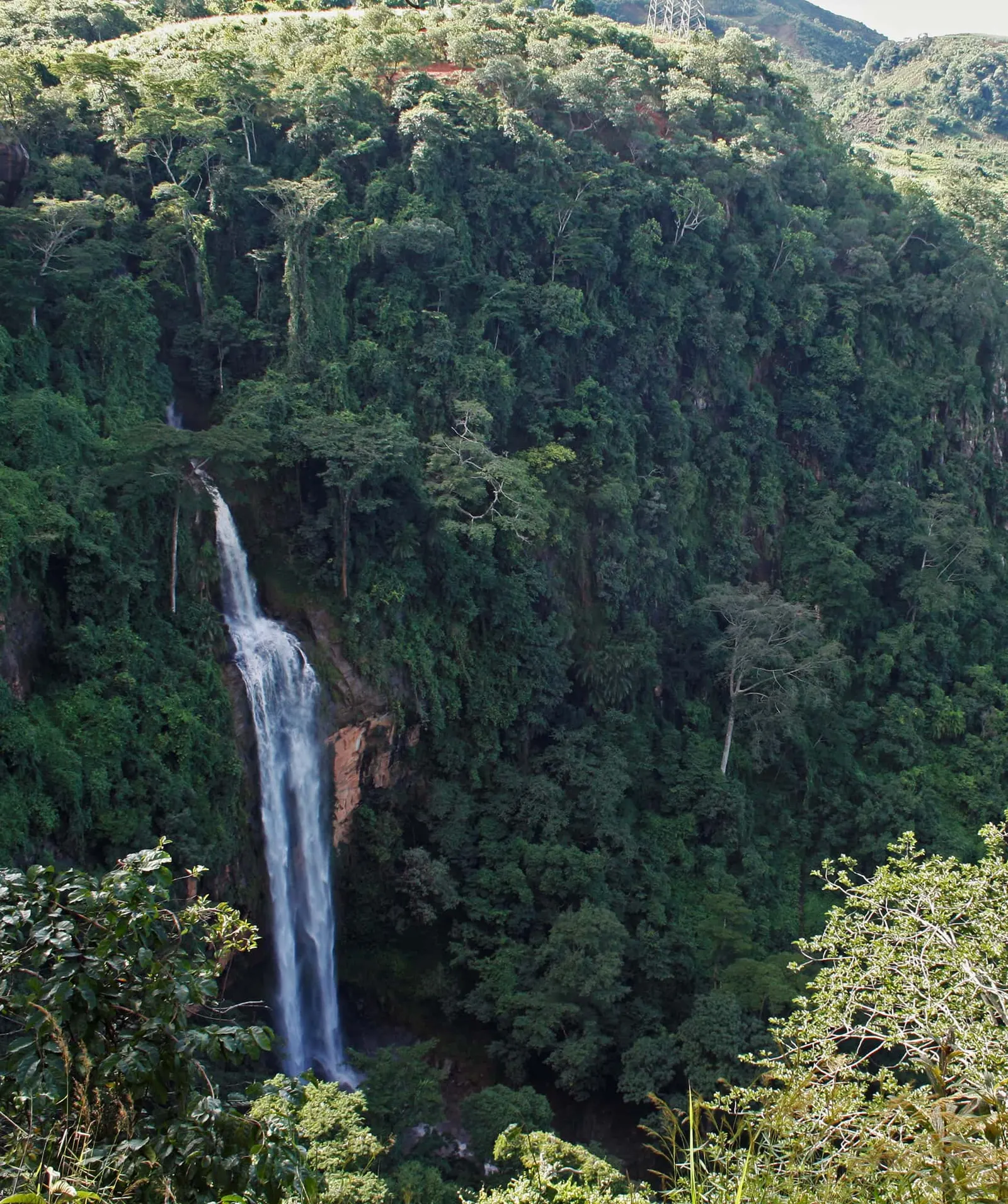
Compared with its neighbours, Malawi is one of the smaller countries in Africa. Despite its small size, Malawi still has plenty to offer: varied landscapes, impressive mountain ranges, small but characterful national parks and deep insights into the everyday life of the locals. Malawi trips particularly delight Africa connoisseurs and anyone who wants to travel off the beaten track.
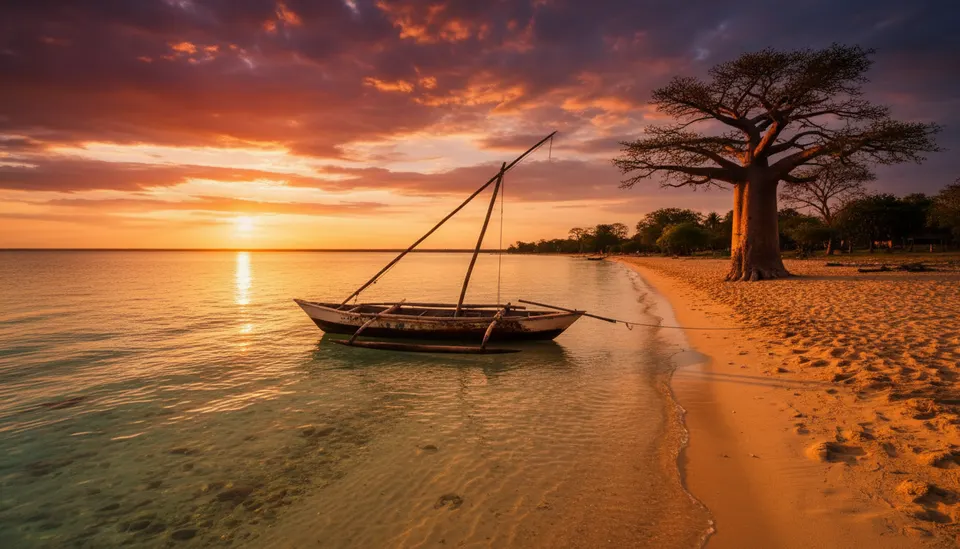
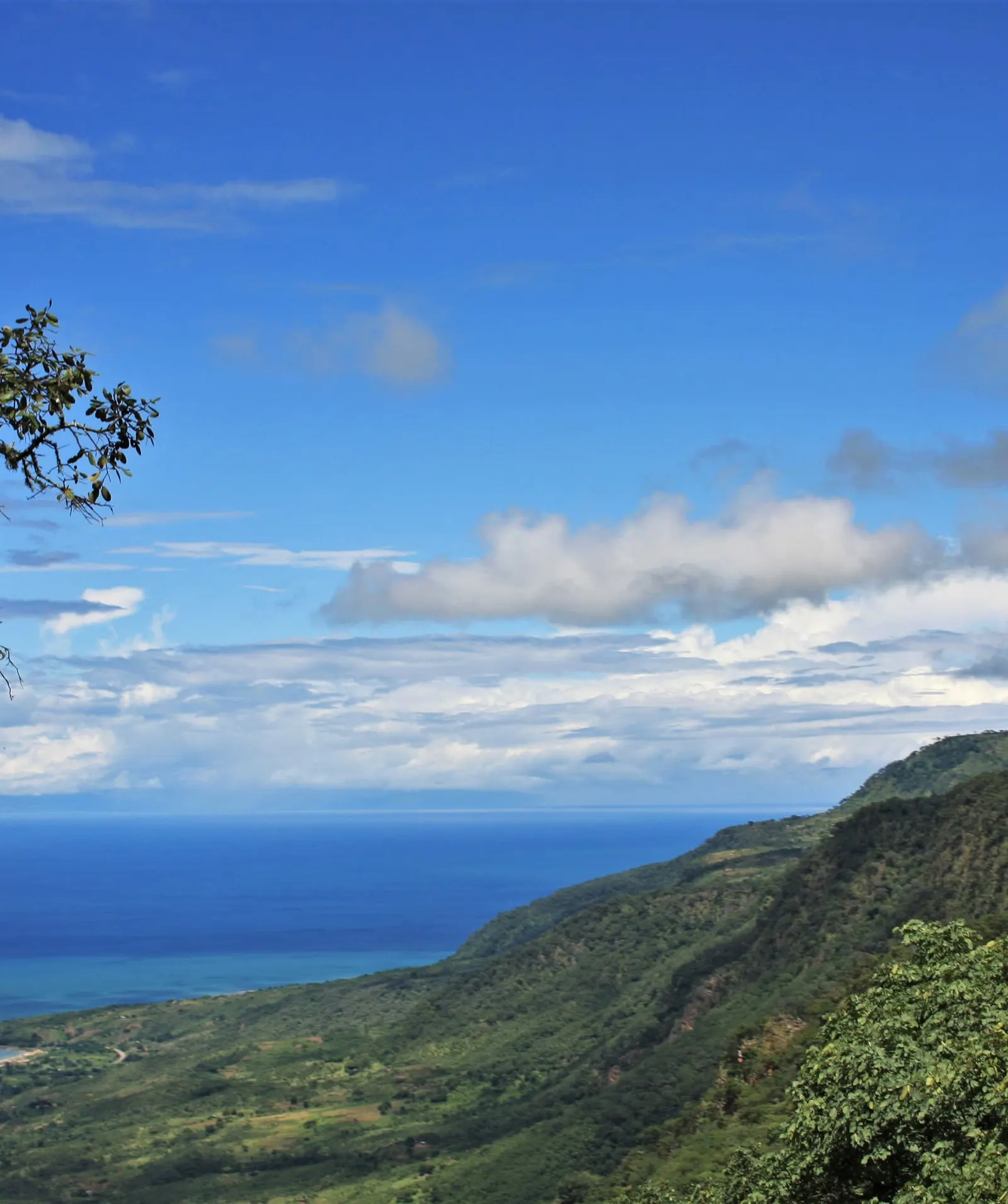
Alongside green hills, high mountains, smaller national parks and remote places such as Livingstonia, Malawi impresses above all with Lake Malawi. A large part of the country's area is taken up by Lake Malawi, which at approx. 30,000 square kilometres is the third-largest lake in Africa and the country's landmark. As a landlocked country, Malawi therefore also offers beautiful beaches and bays and a unique underwater world.
Travel styles in Malawi
Tours in Malawi
 Zambia, Malawi, Mozambique, South Africa
22 days
Wanderlust Africa – Camping between the Zambezi and Kruger
from 3.150 € per person
 Zambia, Malawi
16 days
Adventure Trip Zambia & Malawi
from 3.990 € per person
All prices exclude international flights.
Highlights of Malawi trips
Travel information
Geographical location
Malawi borders Tanzania to the north, Zambia to the north-west and Mozambique to the south and south-east. Because of the East African Rift, the elongated country is very varied in terms of landscape despite its small size and has plenty to offer active travellers. The landscape is shaped by forested mountain slopes, wide plains and Lake Malawi in the east, the third-largest lake in Africa. The northern region is characterised by the breathtaking Nyika Plateau with its gently rolling hills. In the south of Malawi lies Mulanje Mountain, at 3,002 metres the highest mountain in Central Africa. This region is particularly well suited to tea growing. The southern part of Lake Malawi is known above all for its fine-sand bays and wonderful bathing beaches. Besides the capital Lilongwe, which lies in the middle of the country, there is another large and important city in the south, Blantyre.
Transport
Important airports for arrival / departure
There is still no direct flight to Malawi from Europe. The following airlines fly to Malawi with a stopover: British Airways, KLM/Kenya Airways, Lufthansa/South African Airways, Ethiopian Airlines. Besides the two international airports in Lilongwe and Blantyre, Malawi also has a number of small airports for domestic flights.
Getting around in Malawi
In Malawi, traffic drives on the left. The roads cannot be compared with roads in Europe under any circumstances. Because of the heavy rainy season, road conditions can vary greatly. On tarmac roads in particular, watch out for potholes, as they are very easy to miss.
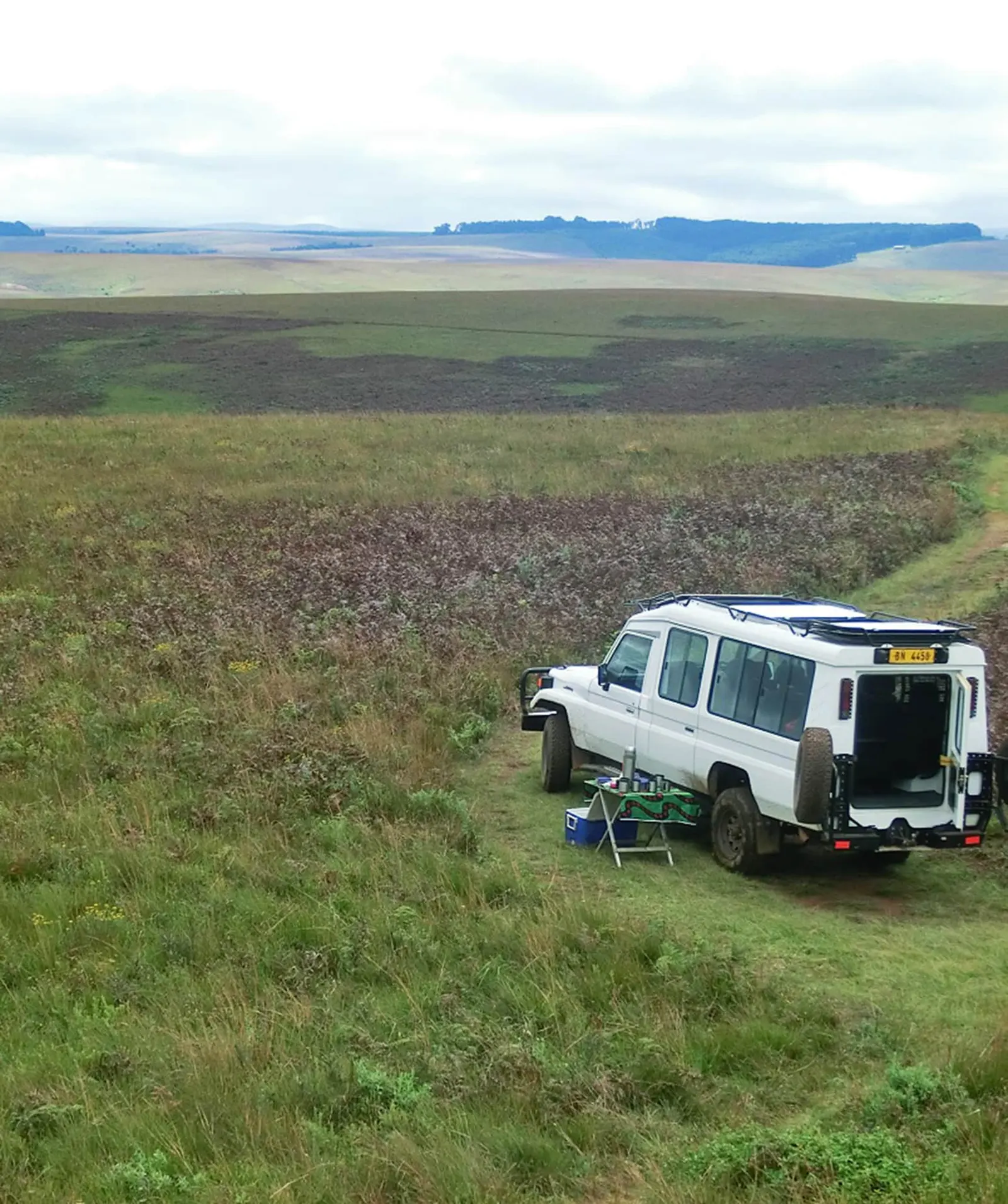
Converted safari trucks are used for overland tours. Large windows guarantee very good wildlife and nature viewing, and a spacious interior provides room to stow equipment, food and luggage.
Money
Currency
The currency unit in Malawi is the Malawian kwacha. One Malawian kwacha is divided into 100 tambala.
You can find an exchange rate calculator with current exchange rates for all currencies here.
You can often pay with US dollars too, but the exchange rates for small items such as drinks or small snacks are exorbitant!
Cash can be exchanged at a good exchange rate in the banks. In tourist regions there are also bureaux de change. We recommend that you find out the current exchange rate so that you are not ripped off when changing money. The country's largest commercial bank, the "National Bank of Malawi", can be found in almost every large town, but rarely in the surrounding countryside. Change money before starting your safari if possible.
In the capital, payment by credit card is now increasingly accepted in restaurants and in the large hotels. You will get along best with a Visa card; Mastercard or American Express are accepted rather rarely. A fee of approx. 5 per cent is often charged for credit card payments. Credit cards are not accepted at petrol stations, in national parks, supermarkets, restaurants or hotels in smaller towns.
The network of cash machines is gradually expanding. In the larger towns it is now quite possible to withdraw money from a cash machine. All travellers who want to withdraw money abroad with their debit card or credit card should find out about the usage options for their cards from their bank before departure. In some cases high fees are charged for use abroad.
Traveller's cheques are now only very rarely accepted in Malawi. Most bureaux de change no longer accept cheques at all. Banks very often apply a very poor exchange rate, and you usually have to present the purchase receipt in English. We therefore do not recommend taking traveller's cheques.
Tipping
In most hotels and restaurants a service charge of 10 per cent is added. Tipping is only customary for special services. If you were more than averagely satisfied with the service, you are welcome to give more than 10 per cent. Taxi drivers in Malawi generally receive a tip of around 10 per cent.
Your guides always make an effort to make your trip unforgettable and to fulfil your wishes. They, too, appreciate a small tip at the end of the trip. Here, of course, the tip also depends on the customer's satisfaction. The staff in the lodges and hotels also appreciate a small tip if you were happy with the service.
Health & safety
Safety
Even though Malawi is regarded as a safe and, above all, hospitable destination, you should always be careful. Never go out alone after dark in the larger towns such as Lilongwe or Blantyre, or in the tourist regions. In rural areas it is generally much safer than in town centres. Listen to the safety advice of the guides, who are mostly locals and know the local conditions extremely well.
Even though you should always carry enough cash with you, it is advisable not to show it and to keep it close to your body. Do not wear conspicuous jewellery or expensive watches, as this invites theft or other crime. You should always carry your cameras, mobile phones and similar items in a rucksack or bag. Do not leave valuables open and visible in the vehicle.
You can find current travel and safety information on the website of the German Federal Foreign Office.
Health
A travel first-aid kit should not be missing from your luggage! We recommend medication for diarrhoea, fever and pain, travel sickness, vomiting and nausea, as well as nose drops, disinfectant for skin injuries among other things, ointments for burns and insect repellent. It is best to get detailed advice from your trusted pharmacy.
Please also note the medical information from the German Federal Foreign Office.
Malaria
As Malawi lies in a malaria risk region, malaria prophylaxis is recommended. Please discuss this in good time and in detail with your GP or a tropical medicine institute. You can also protect yourself from mosquito bites by wearing long, light-coloured clothing at dusk and spraying yourself with mosquito repellent both morning and evening.
Bilharzia
Bilharzia can occur worldwide in tropical areas in standing or slow-flowing fresh water with bankside vegetation. For a long time Lake Malawi was considered bilharzia-free, but this statement can no longer be made in general. The rule is: the pathogen occurs only locally on certain stretches of shoreline, often near villages in reed-covered corners where the water does not circulate – not in open, deep water. Unfortunately, no binding statement can be made as to exactly which areas are safe and which are not.
Vaccination recommendations
Routine vaccinations such as tetanus, hepatitis A & B and polio should be checked in good time before departure and boosted if necessary. International regulations require effective yellow fever vaccination protection when crossing a border between two yellow fever areas. If you have previously visited a yellow fever region, you must therefore provide proof of the corresponding vaccination when entering Malawi. Your tropical medicine institute or GP can give you further information.
Climate & best time to travel
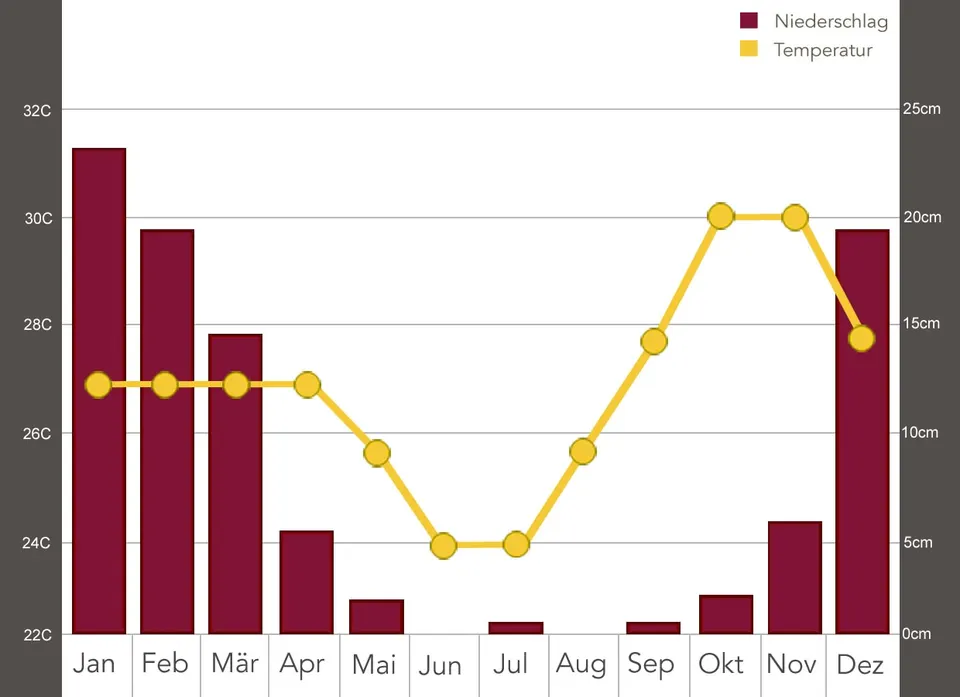
When the best time to travel to Malawi is depends on the preferences of the traveller. The climate in Malawi can be divided into three seasons. From December to April it is the rainy season, which is considerably more pronounced in the north of the country than in the south. During the rainy season travel is very restricted. There are two main reasons for this: some of the roads are impassable because of flooding even with a 4×4 vehicle, and many of the camps and lodges are closed during the rainy season. May to August is the cool dry season. At this time Malawi is particularly attractive in terms of scenery. After the long rainy season the land is lush green and temperatures are pleasantly warm during the day. Only at night can there be frost, especially at higher altitudes. September to November is the hot dry season. This time is very well suited to safaris and wildlife viewing. The land is dry and only a few waterholes are still filled. October and November are among the hottest months of the year.
Nevertheless, the climate within the country varies greatly because of the very different landscapes. As a general rule, it is always a few degrees cooler on the highlands than at Lake Malawi.
Travel tips
Language
The official language of Malawi is English; the actual national language is Chichewa. Many other local and tribal dialects are also spoken, however. As a traveller you will get along well with English.
Religion
Almost 80 per cent of the population profess Christianity. Around 18 per cent are Muslim. Only a small part of Malawi's population follows traditional religions. Many of the Christians living in Malawi combine this faith with their traditional nature religions.
Time difference
Malawi is on CET +1 hour. The difference from German time is +1 hour in the European winter and 0 hours in summer. There is no switch between summer and winter time in Malawi.
Health insurance cover
Travel health insurance for trips abroad is strongly recommended. There are many good providers; if needed, your health insurer will certainly be happy to help. Alternatively, the Elefant-Tours team will gladly offer you suitable travel health insurance.
Electricity supply
The voltage in Malawi is between 220 and 240 volts. For the sockets you need an English three-pin adapter. It is not guaranteed that all lodges have electricity. Often a generator is only switched on for a few hours a day. Be sure to take a torch.
Internet communication
In the larger towns such as Lilongwe, Blantyre and Mzuzu there are internet cafés. In the countryside, too, internet access is possible in some higher-class lodges and hotels. Nevertheless, it should not be forgotten that there is still no nationwide coverage in the country. There are still large areas without signal in rural areas and in the national parks.
Food & drink
It often happens that some visitors struggle with a nervous stomach for the first few days of their safari. This is a reaction of the body to the changes in climate and hygiene. The body gets used to the new situation relatively quickly. Nevertheless, the following applies:
Only drink tap water if you know it is drinking water. It is advisable not to eat raw or unrefrigerated meat or fish. Wash and peel vegetables and fruit before eating. Avoid drinks with ice where possible. If you are unsure, ask your guide or your hosts on site.
Cuisine in Malawi is relatively simple. Chicken, beef and, especially at Lake Malawi, fresh fish are often served with rice or potatoes. Pasta is rarely available. Nsima (maize porridge), dried kapenta fish and mopane worms are regarded as specialities of the country. Breakfast is usually an English breakfast with egg, bacon, beans and toast.
The hotel kitchens, lodges and restaurants make a great effort to adapt the food to the needs of European visitors and to meet every request.
Entry requirements
In general, to enter Malawi you need a passport that is still valid for at least 6 months after you leave again. You also need a visa, which can be applied for online in advance: https://www.evisa.gov.mw/
Alternatively, tourist visas are currently issued on arrival ("visa on arrival") at the airports in Lilongwe and Blantyre for a fee of 50 US dollars.
For entry from a yellow fever risk area you need a yellow fever vaccination and, where applicable, must also document this with your vaccination certificate.
As visa requirements can change, please contact the responsible diplomatic mission in good time. Please make 100% sure that you hold a valid visa. We cannot be held responsible if you are refused entry and cannot complete your booked tour to the end as planned. Refunds are not possible and any additional costs must be borne solely by the traveller.
- Places on our tours