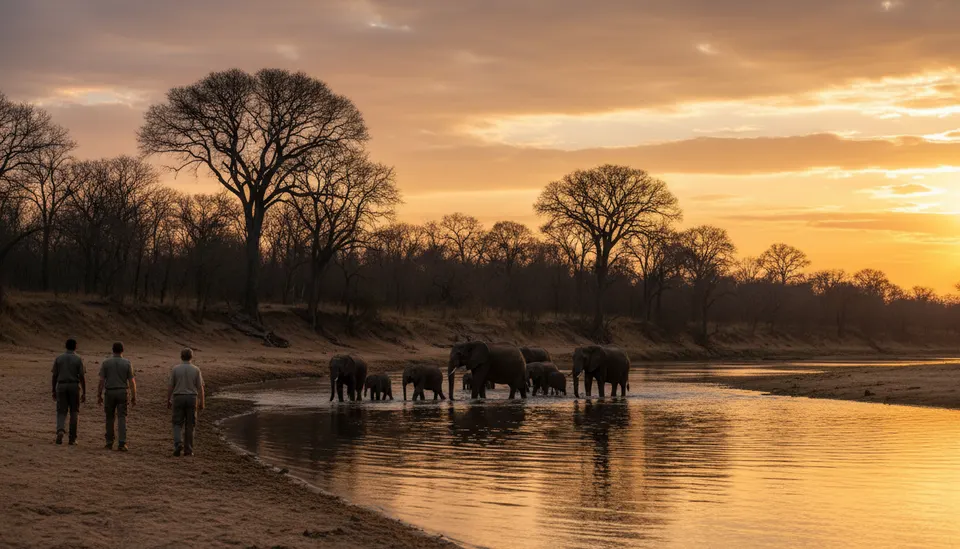
Destination Zambia
Of the countries in southern Africa, Zambia as a destination is by far the most underrated. Despite first-class National Parks that offer impressive wildlife and fascinating landscapes, and the famous Victoria Falls, only a few visitors travel to this wonderful country. Zambia trips inspire with their individuality and seclusion.
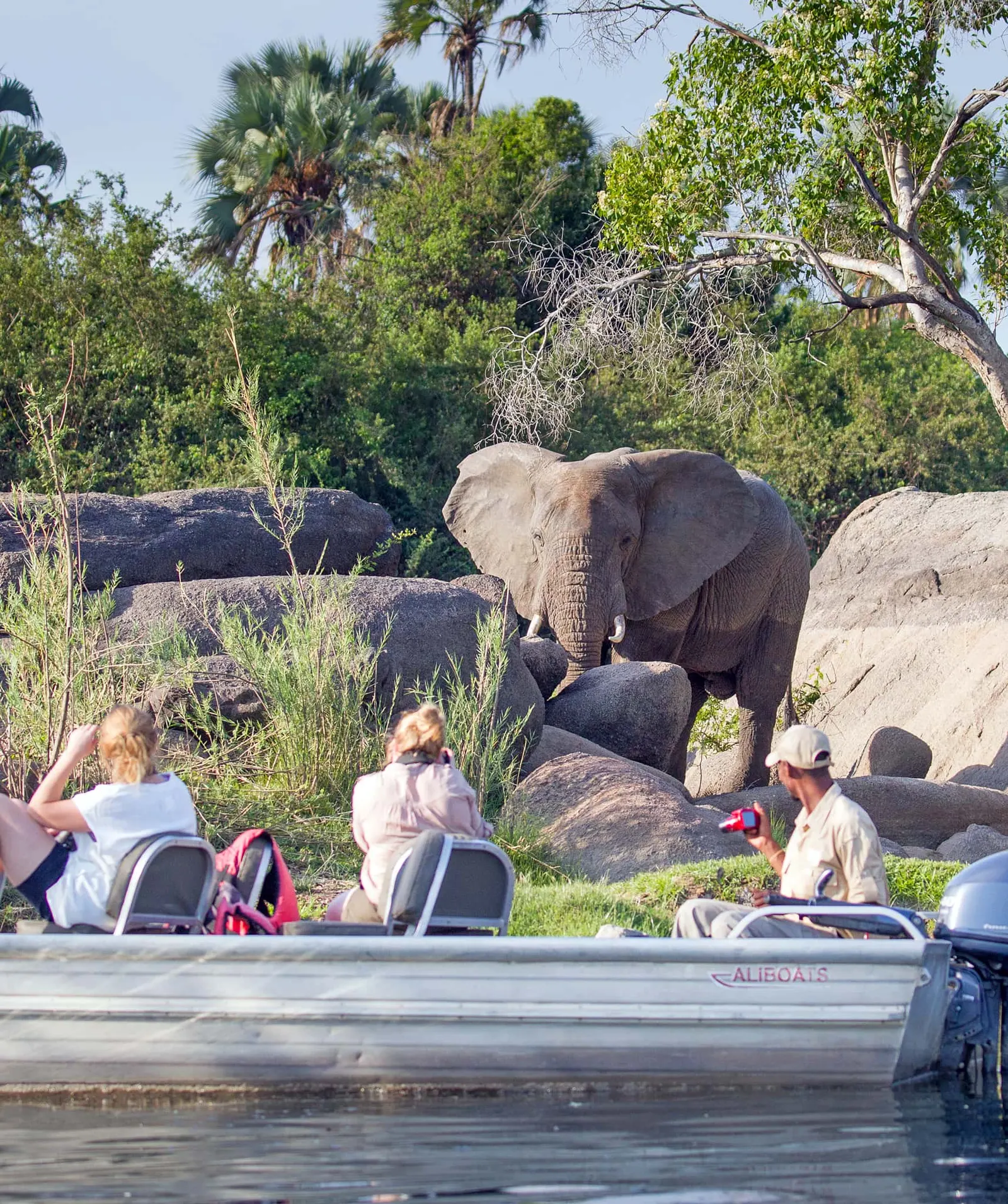
A Zambia trip is worth it! Thanks to the few visitors and the unspoilt National Parks, travellers experience an indescribable safari feeling. Typical of trips to Zambia are spectacular wildlife sightings, which can be made on foot, by vehicle, canoe or boat.
Travel styles in Zambia
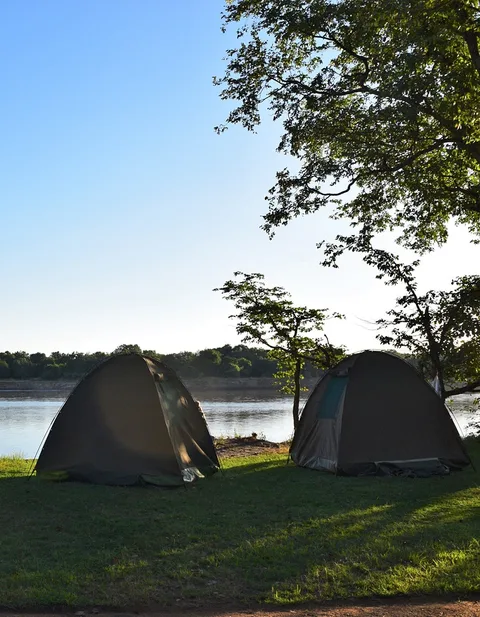
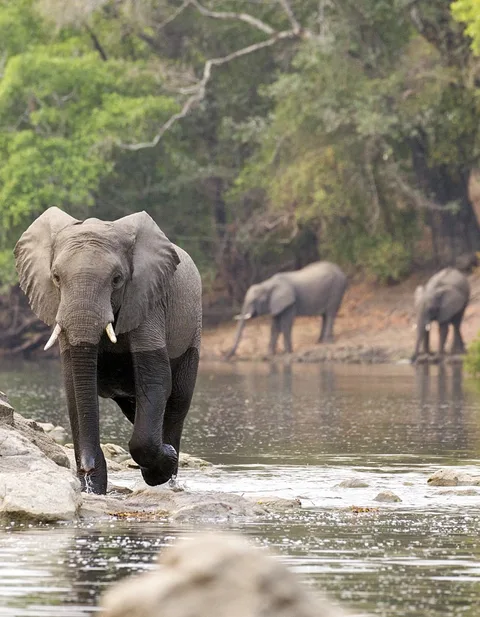
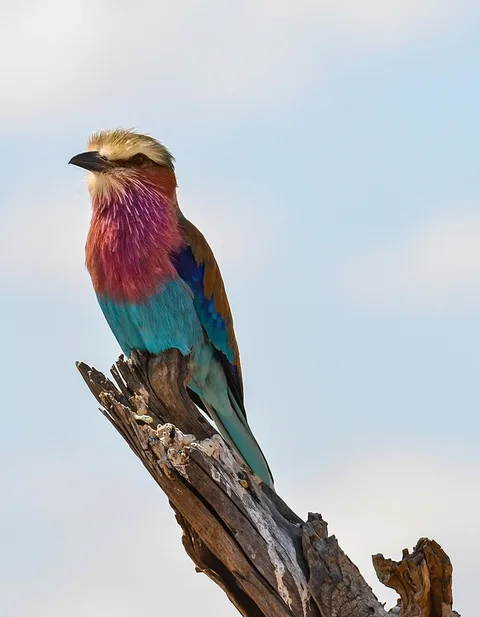
Tours in Zambia
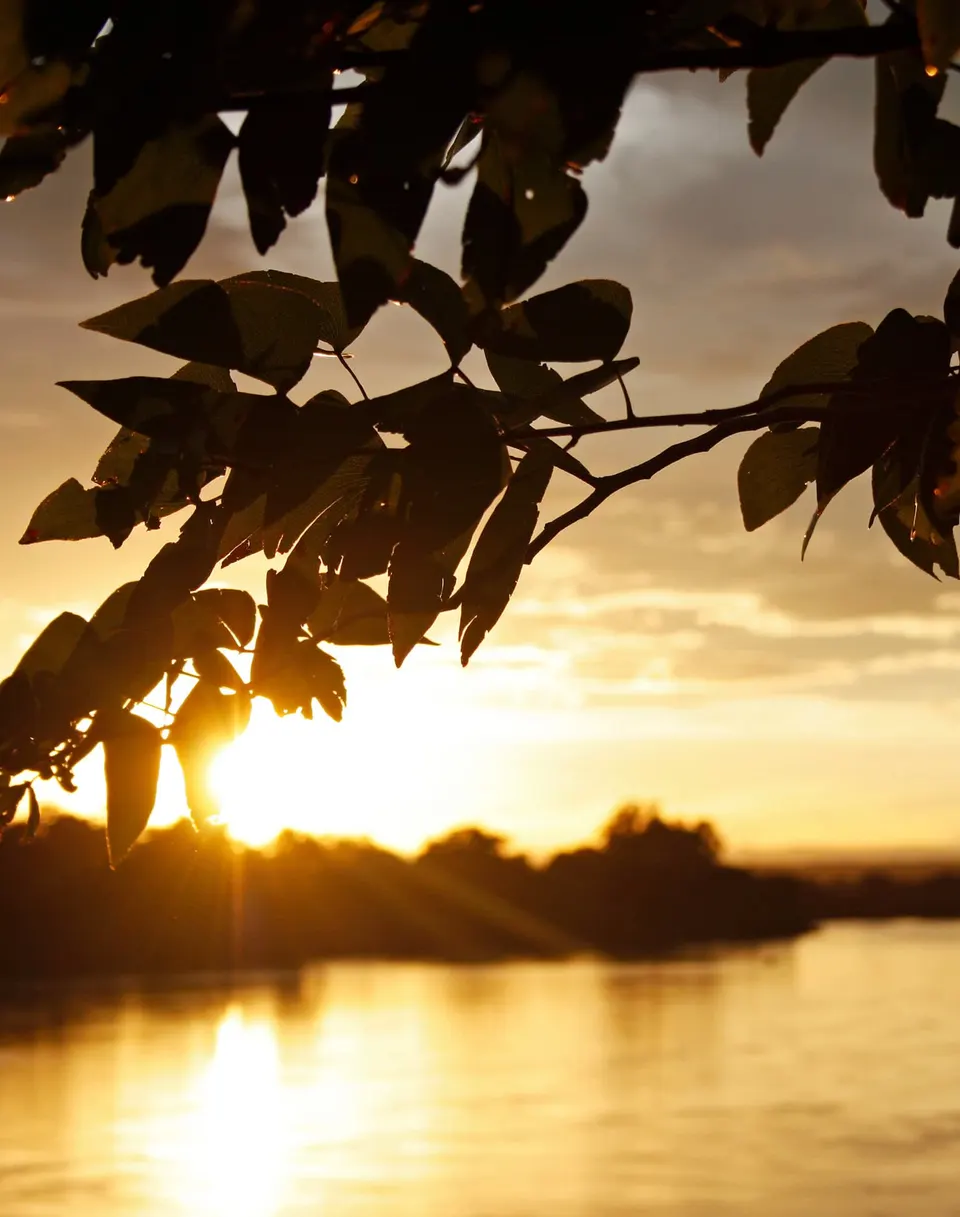 Zambia, Malawi, Mozambique, South Africa
22 days
Wanderlust Africa – Camping between the Zambezi and Kruger
from 3.150 € per person
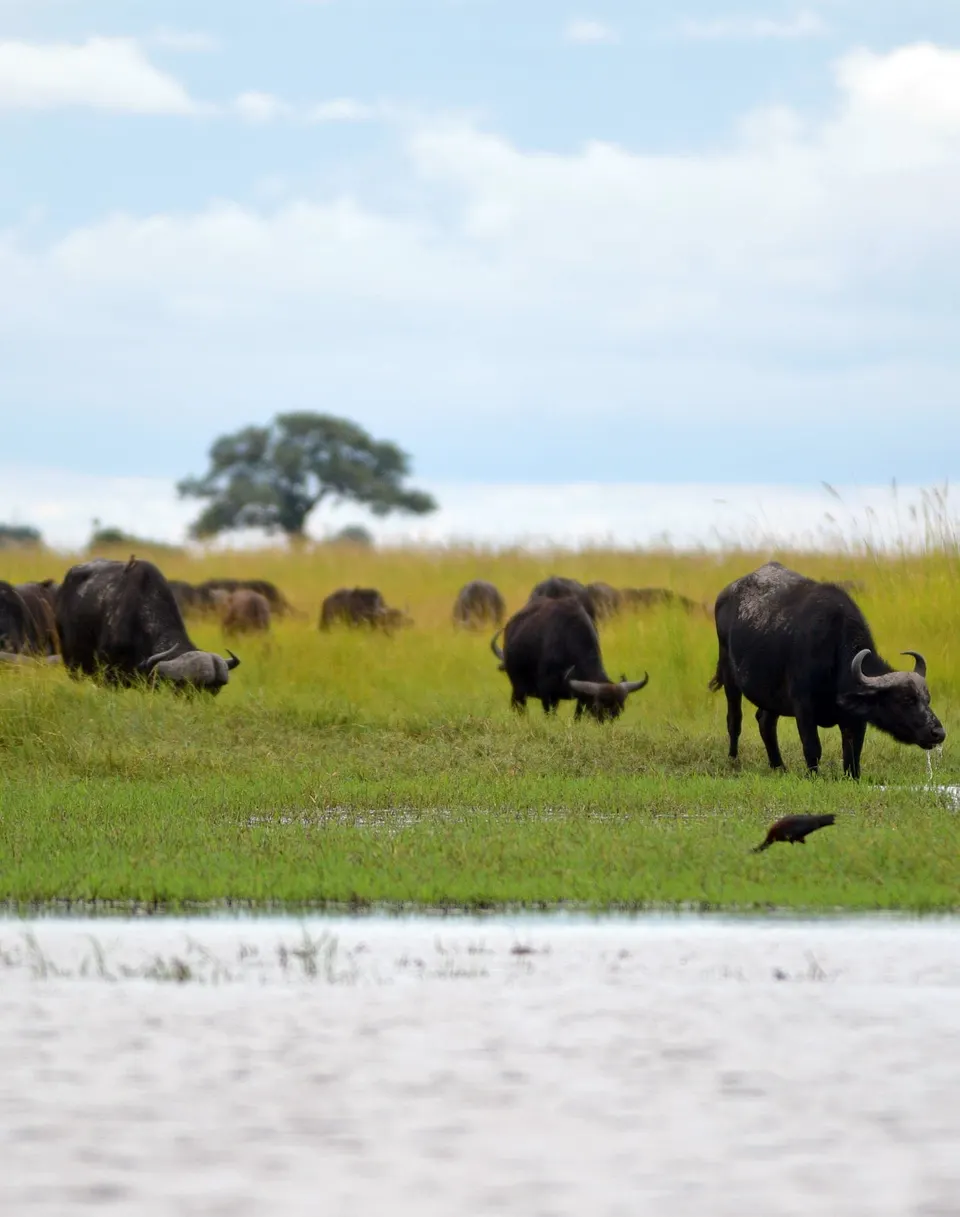 Namibia, Botswana, Zambia
21 days
Africa's Diversity: Round Trip through Namibia, Botswana & Victoria Falls
from 3.990 € per person
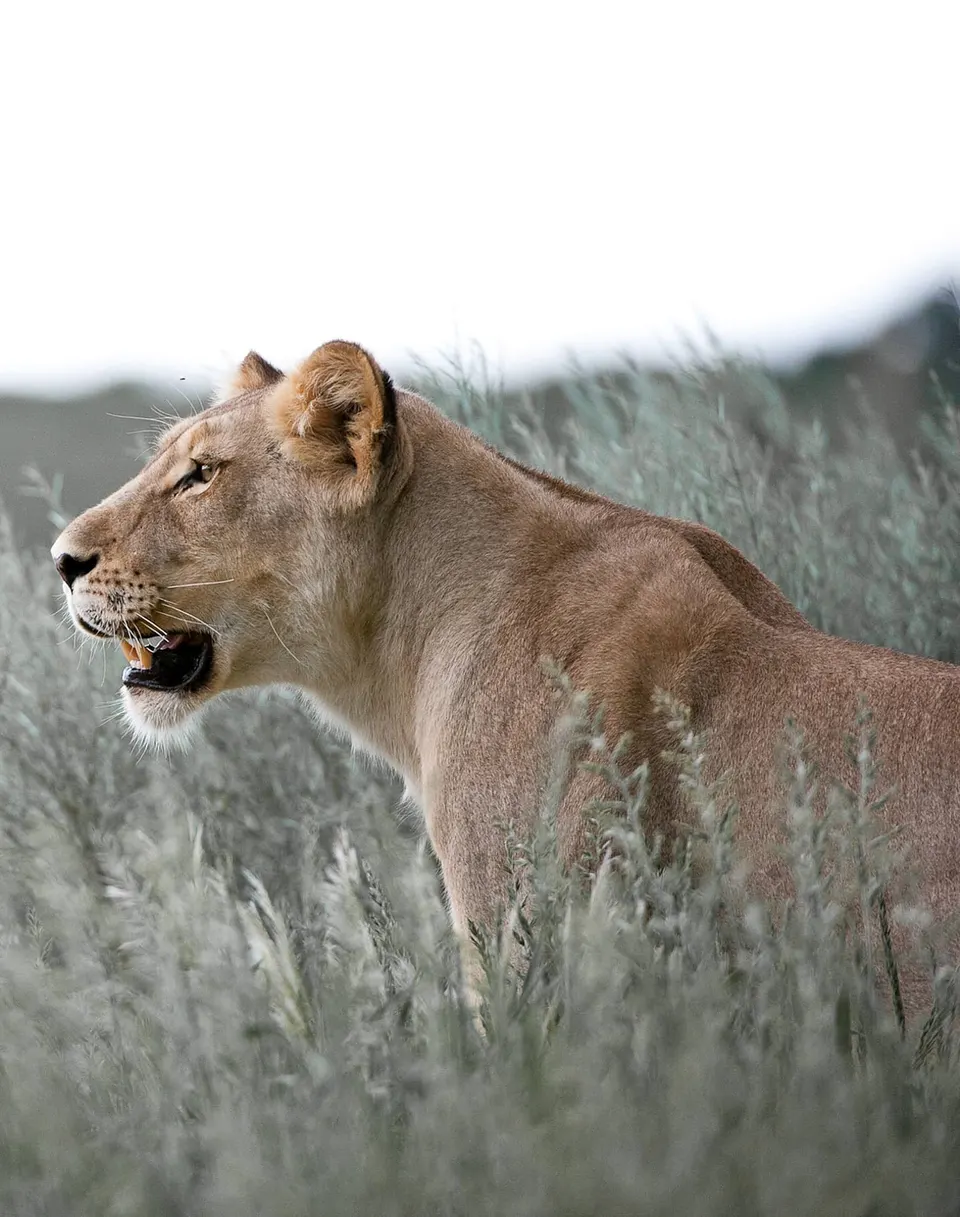 Botswana, South Africa, Zambia
14 days
Botswana's Wild Side
from 2.120 € per person
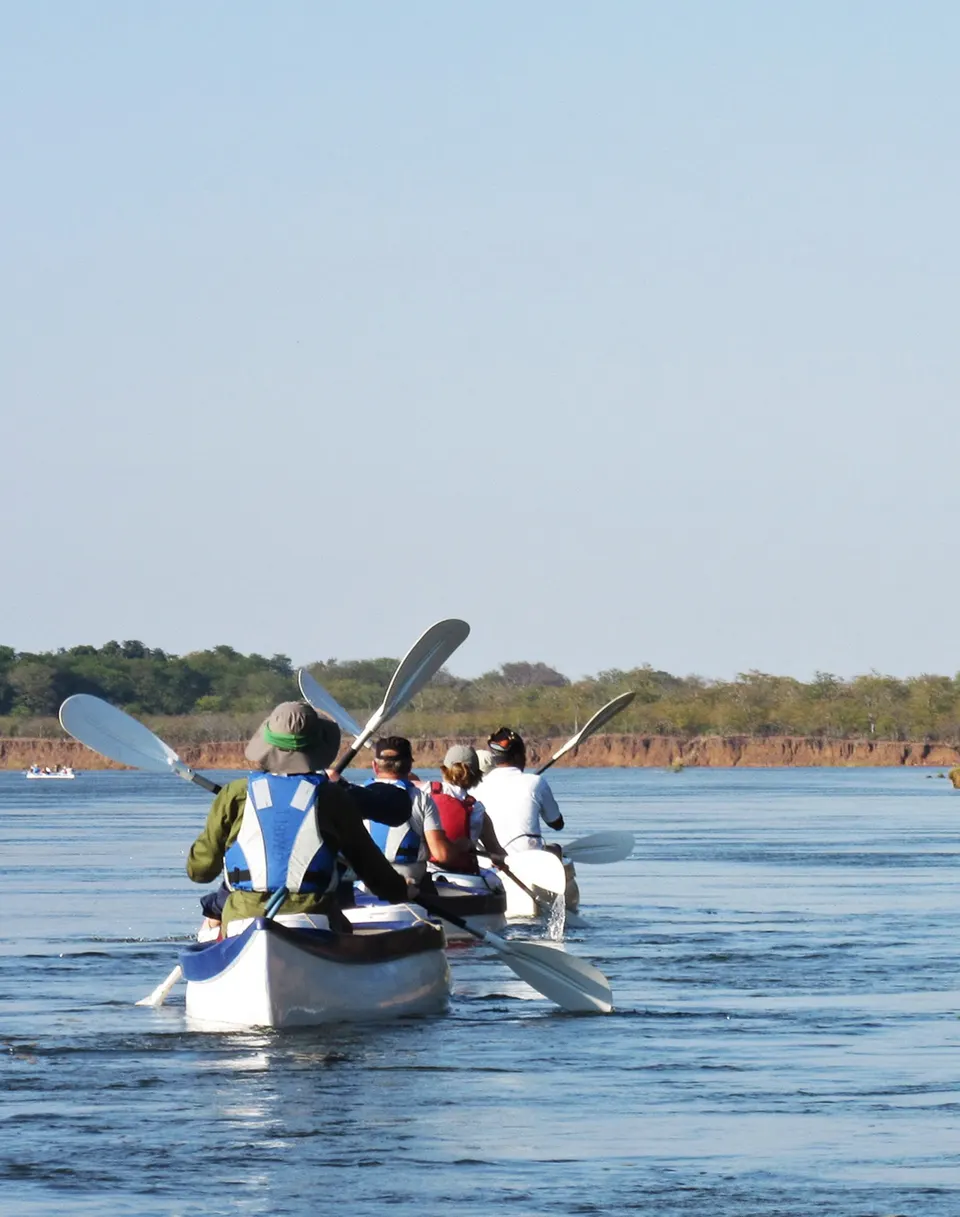 Zambia, Malawi
16 days
Adventure Trip Zambia & Malawi
from 3.990 € per person
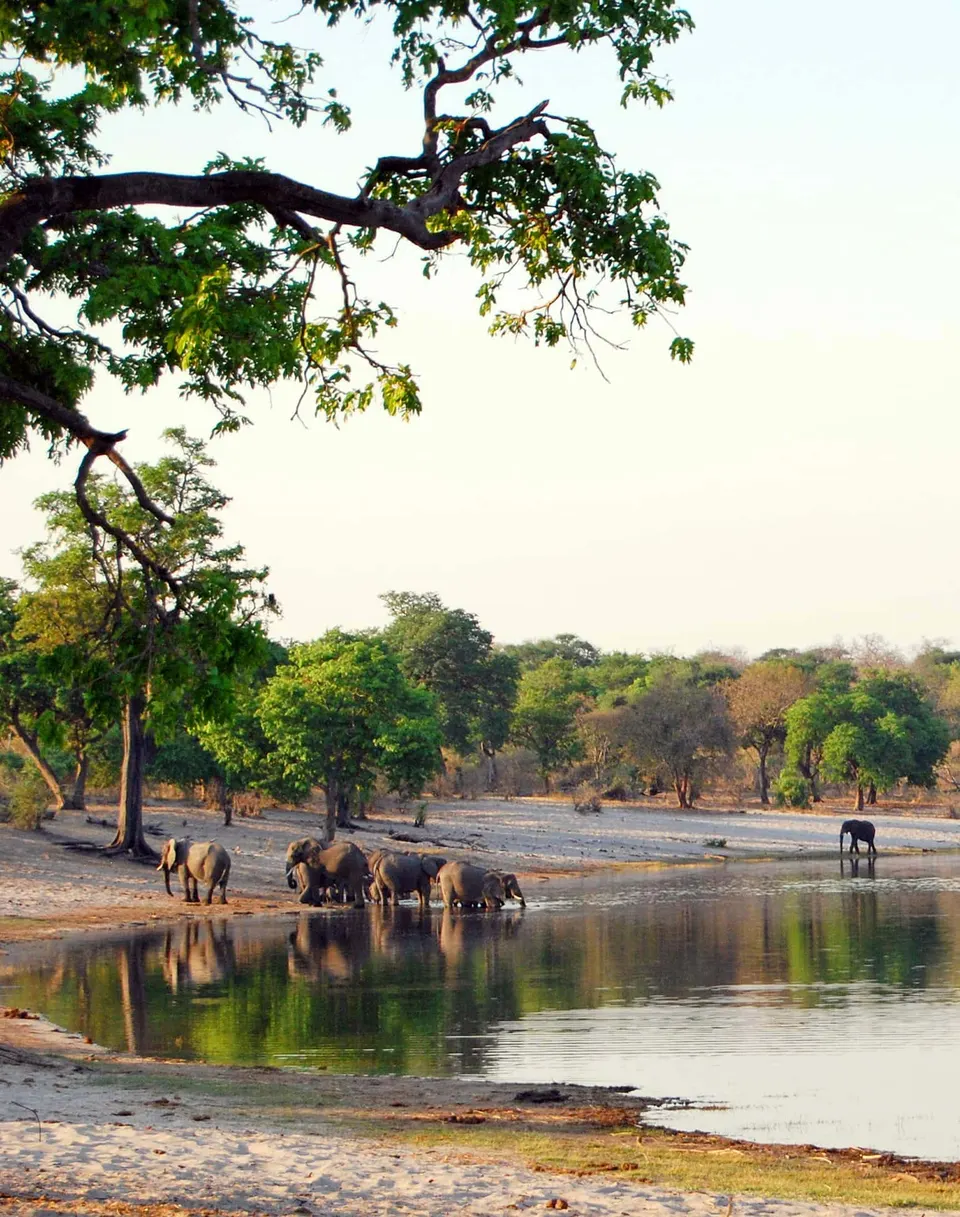 Namibia, Zambia
15 days
Victoria Falls & Namibia Highlights
from 3.170 € per person
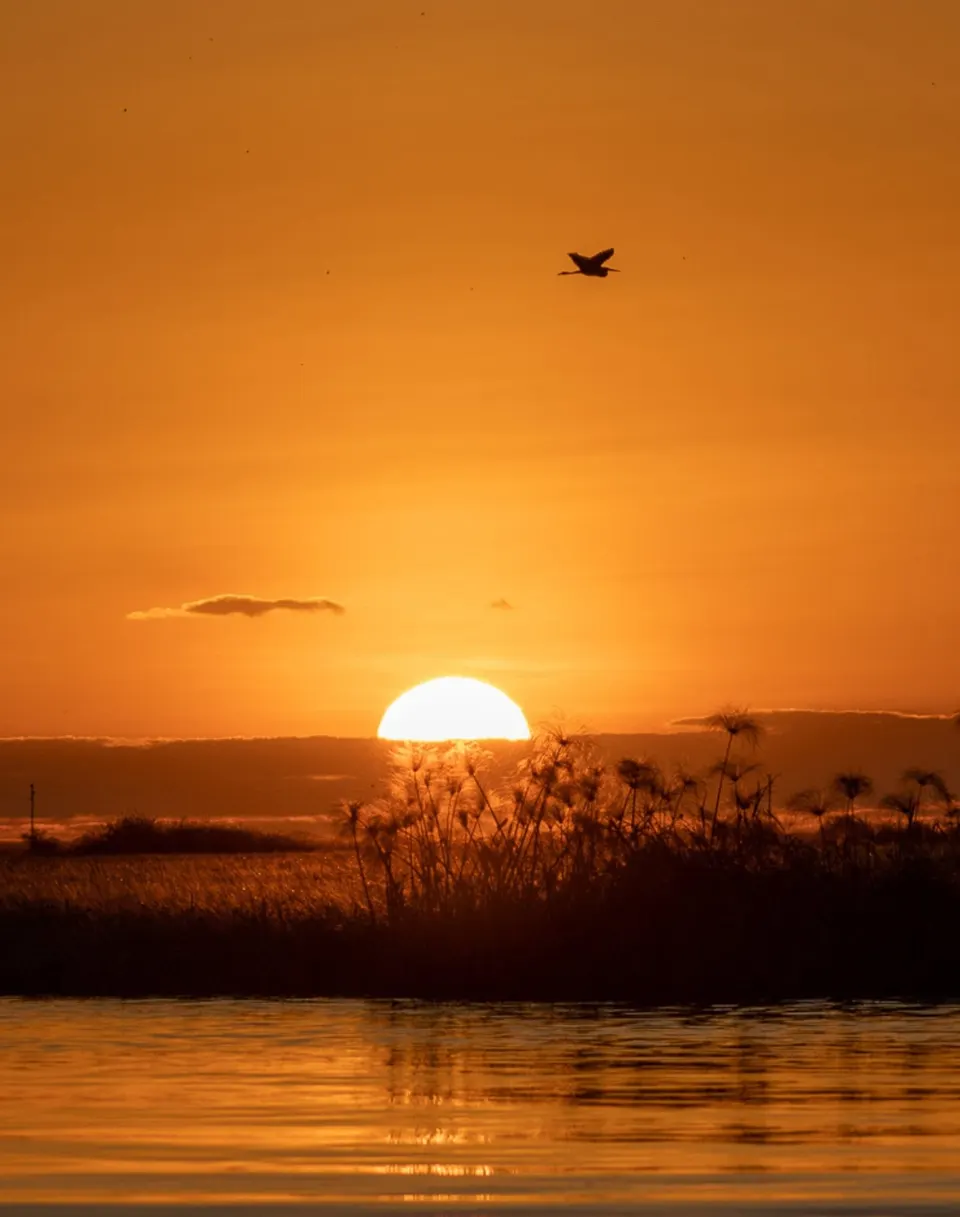 Botswana, Zambia
14 days
Liuwa and Kafue – Wilderness Adventure
from 5.570 € per person
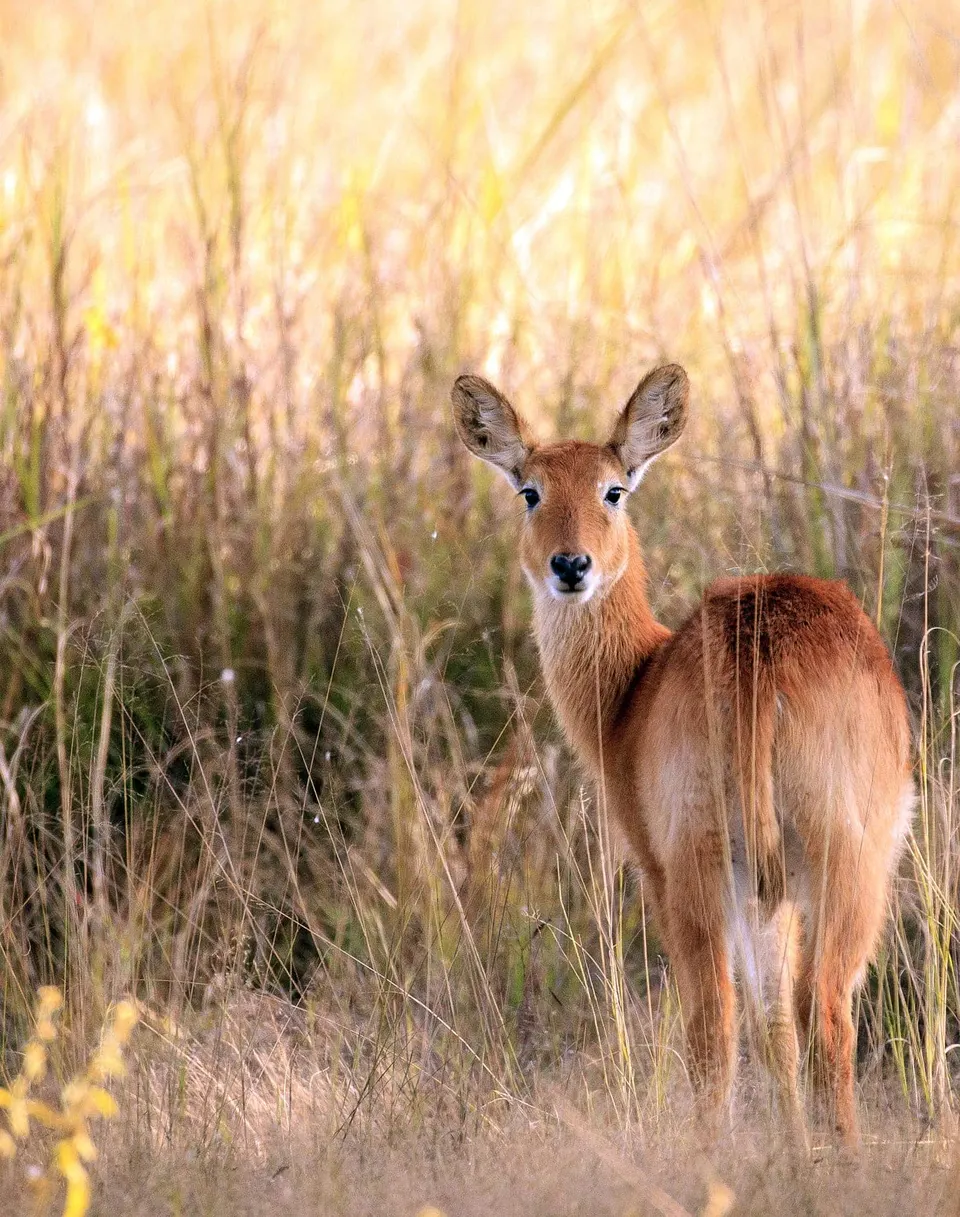 Zambia
9 days
Safari in Zambia – The Diversity of the South
from 4.290 € per person
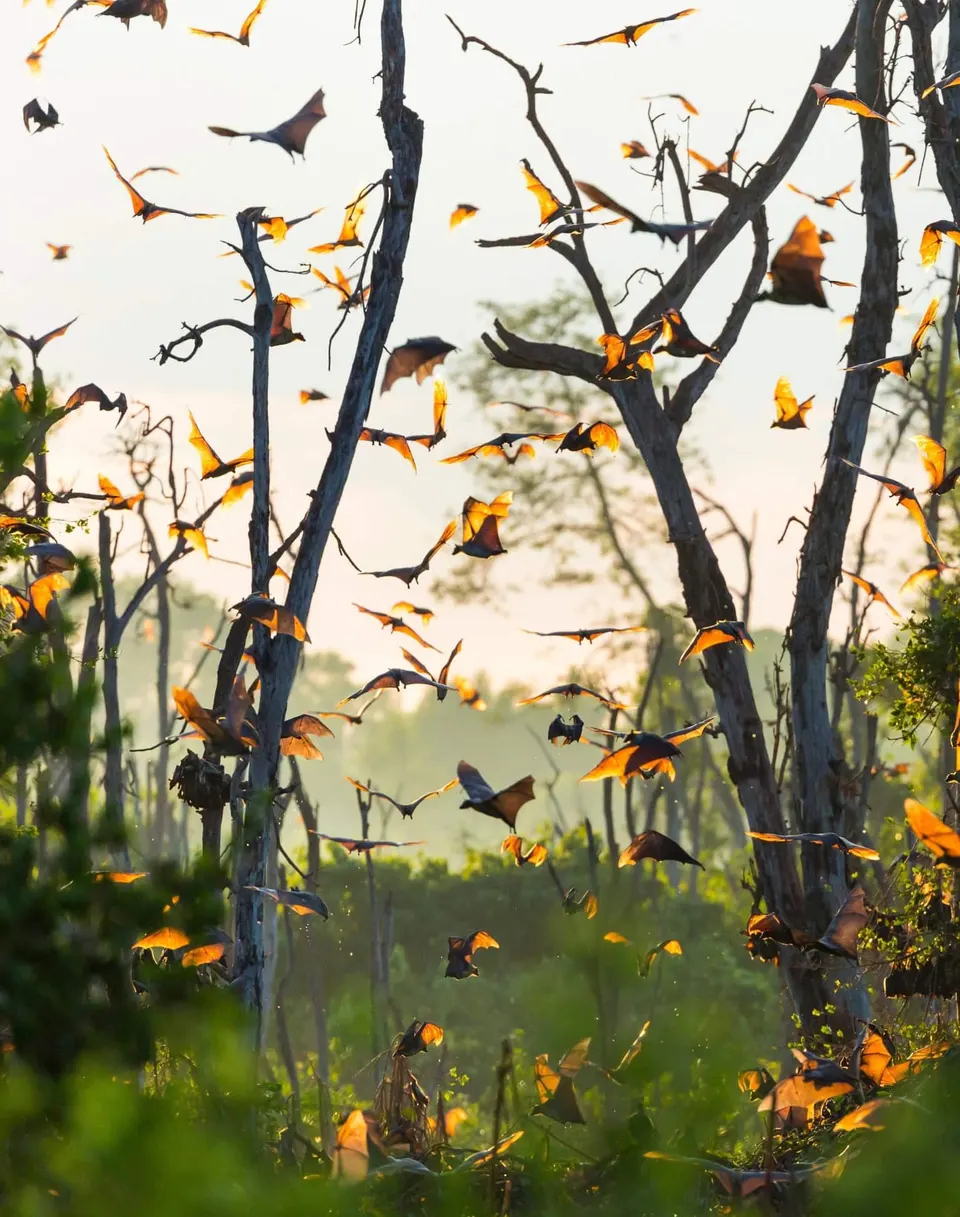 Zambia
12 days
Zambia's Flying Wonders – Kasanka Bat Safari
from 5.390 € per person
 Zambia
10 days
Authentic Zambia
from 6.390 € per person
 Namibia, Zambia
15 days
From Victoria Falls to the Sand Dunes of Namibia
from 2.420 € per person
All prices exclude international flights.
Highlights of Zambia trips
Travel information
Geographical location
Landlocked Zambia lies in the transition zone between central and southern Africa. It borders Angola to the west, the Democratic Republic of the Congo and Tanzania to the north, Malawi and Mozambique to the east, and Zimbabwe and Namibia to the south. With Botswana there is only a shared border point at Kazungula. The Katanga pedicle, which belongs to the Democratic Republic of the Congo, divides the country into a south-western and a north-eastern part. The capital Lusaka, with around 1.4 million inhabitants, lies in the south-western part, but is nevertheless central.
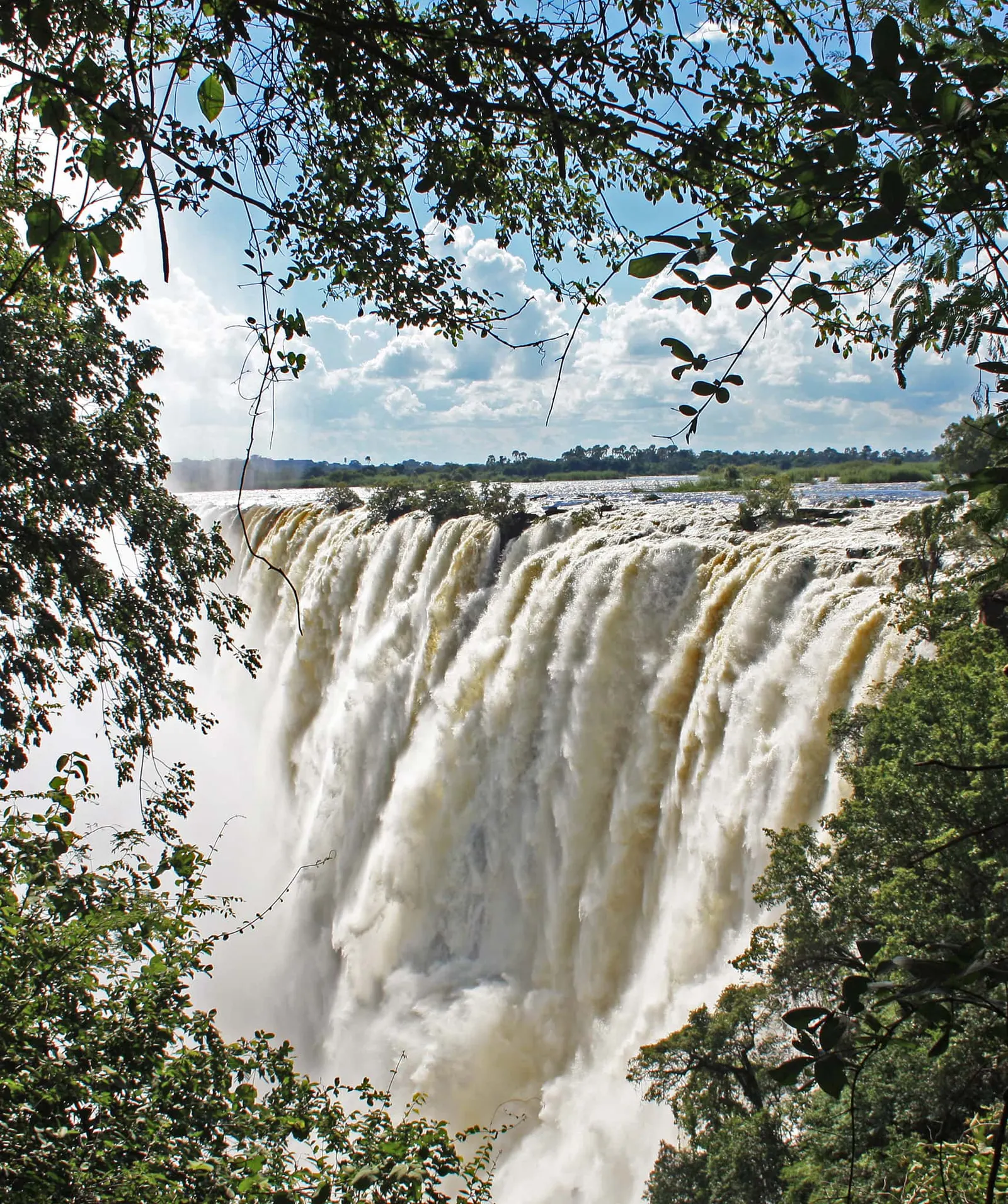
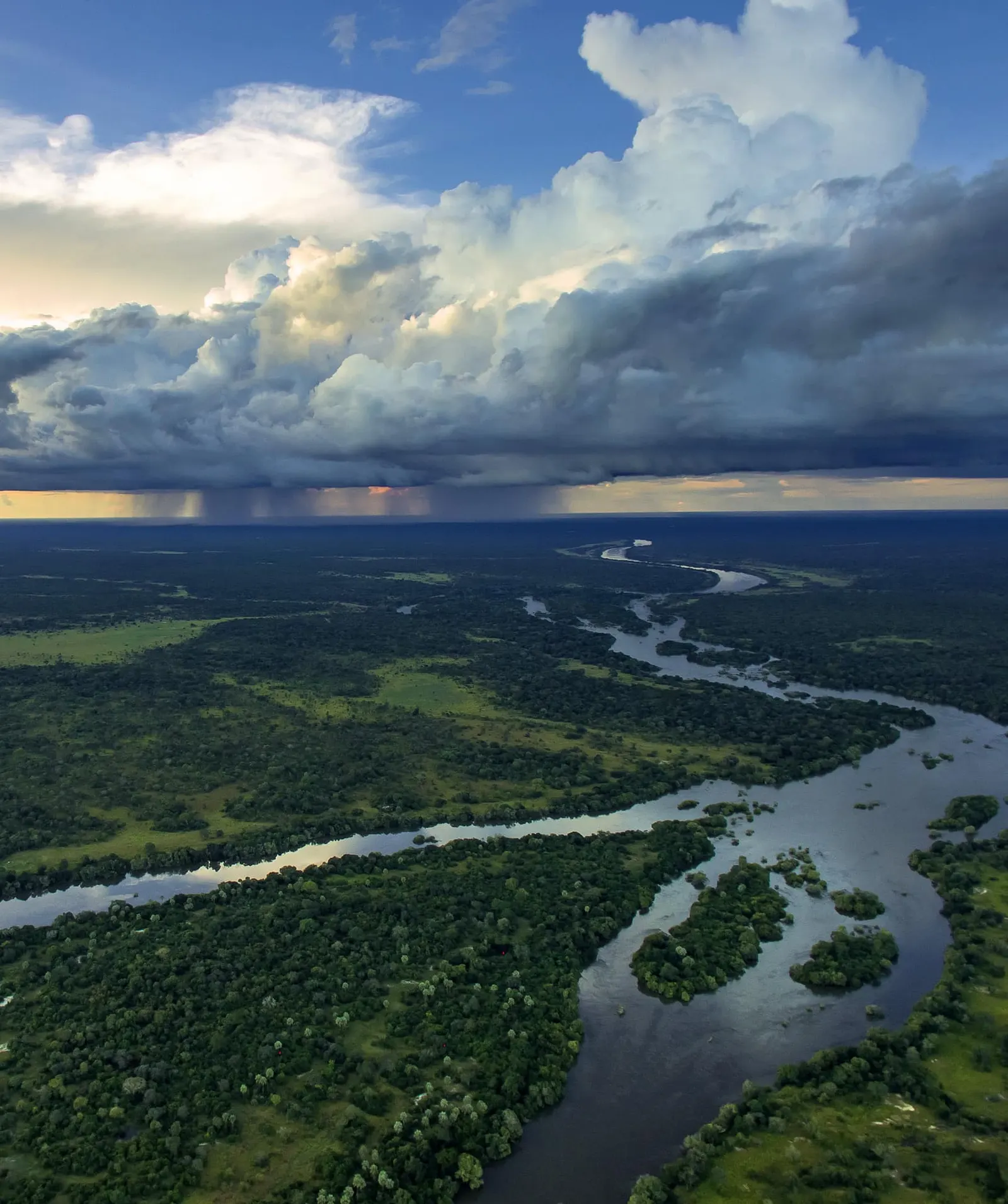
A large part of the country lies on the central African high plateau, between 1,000 and 1,500 metres above sea level, which rises from south to north and is crossed by deep valleys and mountain ranges. Numerous rivers and lakes shape the landscape. Zambia's most important river is the Zambezi. It gives the country its name and flows through Zambia for a length of approx. 1,550 kilometres. At Livingstone in the south, on the border with Zimbabwe, it plunges up to 110 metres over a width of approx. 1.7 kilometres, forming the famous Victoria Falls. Further downstream it is dammed at Lake Kariba before flowing through Lower Zambezi National Park. The Zambezi's most important tributaries are the Kafue in the south-west and the Luangwa in the north-east, which are the lifeblood of the National Parks of the same names, Kafue, South Luangwa and North Luangwa.
Transport
Important airports for arrival/departure
The most important international airports for tourism are in Lusaka and Livingstone. There are no direct flights from Germany. Airlines such as South African Airways (via Johannesburg), KLM (via Amsterdam), Ethiopian Airlines (via Addis Ababa), Emirates (via Dubai) and Air Namibia (via Windhoek) offer good connections to Lusaka. For Livingstone, flights with South African Airways or Lufthansa are particularly suitable, as on these connections you only have to change once (in Johannesburg).
There is also an international airport at Mfuwe in the north-east of the country. It is important above all for country combinations with Malawi, as there are regular flights between Mfuwe and Lilongwe, which makes quick, uncomplicated travel between Zambia and Malawi possible.
Getting around Zambia
Zambia is more than twice the size of Germany. Because of the great distances and moderate road conditions, it is advisable to take a fly-in safari in Zambia. The airline Proflight Zambia, for example, has a good route network and connects Zambia's most important sights via the Lusaka hub. There are also charter airlines that fly to smaller, remote destinations in Zambia.
Zambia is often also visited as part of an overland tour. However, very few overland operators focus on Zambia itself; they mostly combine it with other countries and pass through it, for example, on the way from Victoria Falls to Nairobi. For some travellers that may be too little.
Round trips by vehicle are also possible. We recommend guided round trips accompanied by an experienced guide. Because of the sometimes very poor road conditions, you should be prepared for long and bumpy journeys and bring enough time. Adventurers and experienced Africa travellers can also explore Zambia on their own by rental car; four-wheel-drive vehicles are strongly recommended.
Money
Currency
Zambia's currency is the Zambian kwacha. 1 Zambian kwacha is divided into 100 ngwee. You can find an exchange rate calculator with current rates for all currencies here.
In the tourism sector, however, the US dollar is the most practical and popular currency and is accepted at accommodation. Please take enough US dollar notes with you and make sure they were printed after 2004.
At the numerous bureaux de change at the airports and in the towns you can easily exchange euros for Zambian kwacha. At some ATMs in the big cities you can also withdraw Zambian kwacha with a credit card (VISA) and your PIN. Occasionally this is also possible with Maestro cards.
Credit cards (usually VISA) are increasingly but not universally accepted, especially not in the remote camps in the National Parks. It is advisable to take a credit card with you. However, you should always carry enough cash as well.
Taking traveller's cheques is not recommended, as they are becoming less and less important and exorbitant fees are usually charged for cashing them.
Costs of everyday items as a guide
So that you can estimate how much money to budget for expenses on the ground, we have listed the approximate prices of the most important everyday items: a soft drink such as cola costs about 1 – 2 euros. A beer (local brand such as Mosi) costs approx. 2 euros. For a multi-course dinner you can expect to pay approx. 15 – 25 euros.
Tipping
If no service charge is levied in restaurants, a tip of 10 per cent is appropriate. Your guides always do their best to fulfil all your wishes and give you an unforgettable experience. At the end of the trip they are always very pleased to receive a tip. The staff of the camps and lodges are also pleased when guests are satisfied with the service provided and reward this with a tip. For this purpose there is usually a tip box at reception.
Health & safety
Safety
Just as when travelling to other countries, you should always be vigilant in Zambia. If you observe certain safety precautions, there should be no unexpected incidents. Use your common sense and listen to the safety advice of your guide and your hosts. You should generally carry enough cash with you, but not too much. It is advisable to always carry cash and your most important documents close to your body. It is best to leave conspicuous jewellery and expensive watches at home. You should always carry your cameras, mobile phones and the like in a rucksack or bag. Do not leave any items in plain sight in the car.
Current travel and safety advice can be found on the website of the German Federal Foreign Office.
On safari, the following should also be observed: never feed animals and do not pick plants or flowers. Wild animals can always be dangerous, even if they do not look it. Do not try to get too close to animals just for a good photo, and always follow your guide's instructions.
Health
A travel first-aid kit should definitely not be missing from your luggage! We recommend medication for diarrhoea, fever and pain, travel sickness, vomiting and nausea, as well as nasal drops, disinfectant for skin injuries and the like, ointments for burns and insect protection. Your trusted pharmacy will certainly be happy to advise you in detail.
Please also note the medical advice of the German Federal Foreign Office.
Malaria
There is a risk of malaria infection in Zambia all year round. You should therefore definitely contact your GP in good time (approx. 4 to 6 weeks before departure) to discuss details of malaria prophylaxis with them. During your trip you should always use enough mosquito spray or cream to avoid bites in the first place. Wearing long trousers and long-sleeved tops in the morning and evening hours can also help prevent mosquito bites.
Vaccination recommendations
For trips to Zambia the general standard vaccinations are recommended. These include tetanus, diphtheria, whooping cough and polio as well as mumps, measles and rubella. In addition, you should discuss possible vaccination against hepatitis A & B with your doctor. A yellow fever vaccination is recommended.
Climate & best time to travel
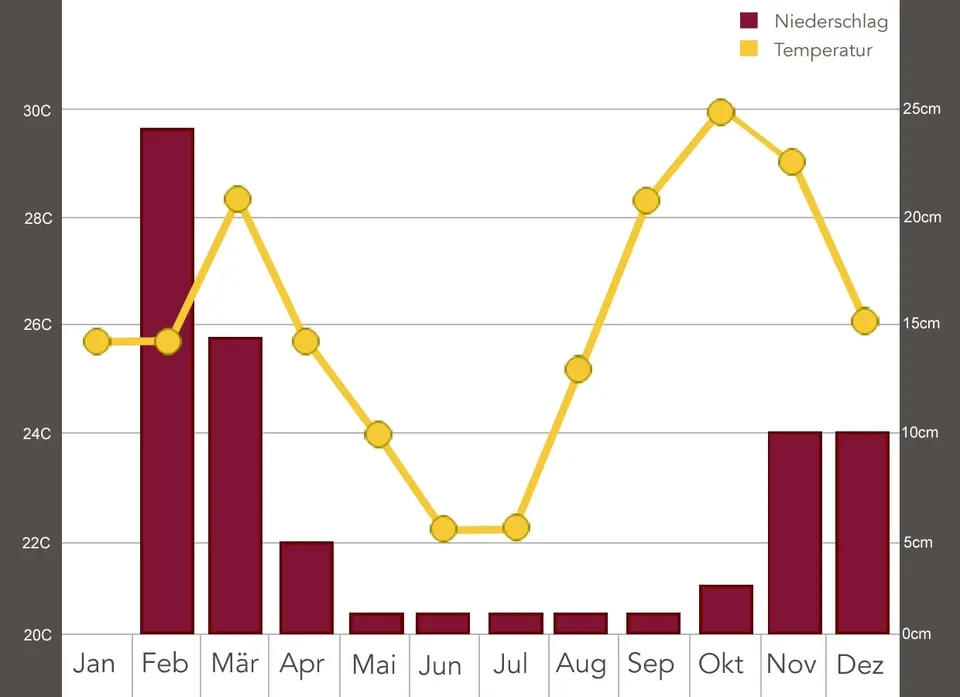
Zambia has a tropical climate. On the high plateau temperatures are generally lower than in the lower-lying river valleys. Three seasons are distinguished in Zambia. The cool dry season lasts from May to August with average temperatures between 15 and 28°C. At night, however, temperatures can drop sharply. The months of September and October fall in the hot dry season with average temperatures of 24 – 32°C. In the Luangwa river valley daytime temperatures above 40°C are not uncommon at this time. The dry seasons, especially the months August to October, are best suited to excellent wildlife viewing. From November to April there is a comparatively very long rainy season. Many areas are then difficult to access, which is why many camps and lodges are closed during the rainy season. Nevertheless, you can also travel to Zambia during the rainy season, and bird lovers in particular get their money's worth then.
Travel tips
Language
The official language in Zambia is English. In addition, there are seven officially recognised tribal languages, including Bemba (31 per cent) and Nyanja (16 per cent), as well as Tonga, Lozi, Luvale, Lunda and Kaonde. In total, around 80 languages and dialects are spoken in Zambia.
Religion
About two thirds of Zambia's inhabitants are Christian. For many Zambians, traditional religions play an important role, and different beliefs are often combined. Many Christians also believe in traditional religions. Hinduism and Islam are also present in Zambia, but only with a small number of followers.
Time difference
Zambia observes CET +1 hour. The difference to German time is therefore +1 hour in the European winter and 0 hours in summer. Zambia does not change its clocks between summer and winter time.
Food & drink
It is not at all unusual for some visitors on their Africa trip to struggle with a nervous stomach in the first few days because of the changes in climate and hygiene. As a general rule: do not drink tap water, only bottled drinking water. Avoid drinks with ice, as well as raw meat or fish that has been left unrefrigerated for a long time. Vegetables and fruit should always be washed before eating, or ideally peeled.
Local specialities are influenced by Zambia's many rivers and lakes. Fish such as bream, Nile perch and other freshwater fish is often served. Nsima (maize porridge) is also traditionally offered. Local beers such as Mosi are recommended, although imported beers are also available at any time.
Health insurance cover
As you are travelling to a non-European country, you should definitely take out international travel health insurance for the duration of your stay. Your health insurer will be happy to help and advise you. Alternatively, the Elefant-Tours team will gladly offer you suitable international travel health insurance.
Electricity
The mains voltage in Zambia is 220 – 240 volts. There are three different types of sockets: for two-pin round plugs (as are also common in Germany), for three-pin flat plugs (British system) and for three-pin round plugs (South African system).
Internet communication
There are now many internet cafés in Livingstone and Lusaka. Some lodges and hotels also offer internet access for their guests. Nevertheless, you should not rely on having internet access everywhere.
Shopping tips
The sale of souvenirs made from wild animal hides, reptile skins and furs is prohibited. So the rule is: hands off! It is better to admire the animals in their natural surroundings and take only the experiences home as a souvenir. Of course, you can buy other lovely souvenirs such as handmade carvings, jewellery, colourful textiles or ceramics.
There is also an import ban into Germany for ivory and animal trophies. This information serves as a guideline. As the regulations change frequently, please visit the German customs website.
Customs & etiquette
Anyone visiting remote regions should expect friendly curiosity from the locals. It can happen that female visitors in particular are envied for their long hair. As in Europe, people greet each other with a handshake. Be careful when choosing your subject: when taking photos, it is best to always ask for permission first. Military installations must not be photographed anywhere in the country.
Entry requirements
In general, to enter Zambia you need a passport that is valid for at least 6 months after your departure and has at least 3 blank pages.
Tourists from Germany and Austria are entitled to a free stay of 90 days within a period of 12 months from the date of first entry into Zambia. You do not need a visa.
Swiss citizens require a visa, which is available directly on arrival at the international airports and official border crossings. A single-entry visa, for example, costs 25 USD.
Alternatively, an e-visa can be applied for via the following website: https://evisa.zambiaimmigration.gov.zm/#/home
In addition, all travellers must hold a valid return flight ticket. If you are entering from a yellow fever region, you need a yellow fever vaccination and may have to document it with your vaccination certificate.
In general, visa requirements can change at any time. Please therefore contact the Zambian diplomatic mission responsible for your place of residence in good time. Please make 100% sure that you hold the required and valid documents. We cannot be held responsible if you are refused entry and cannot carry out your booked tour as planned. Refunds are not possible, and any additional costs must be borne solely by the traveller.
- Places on our tours