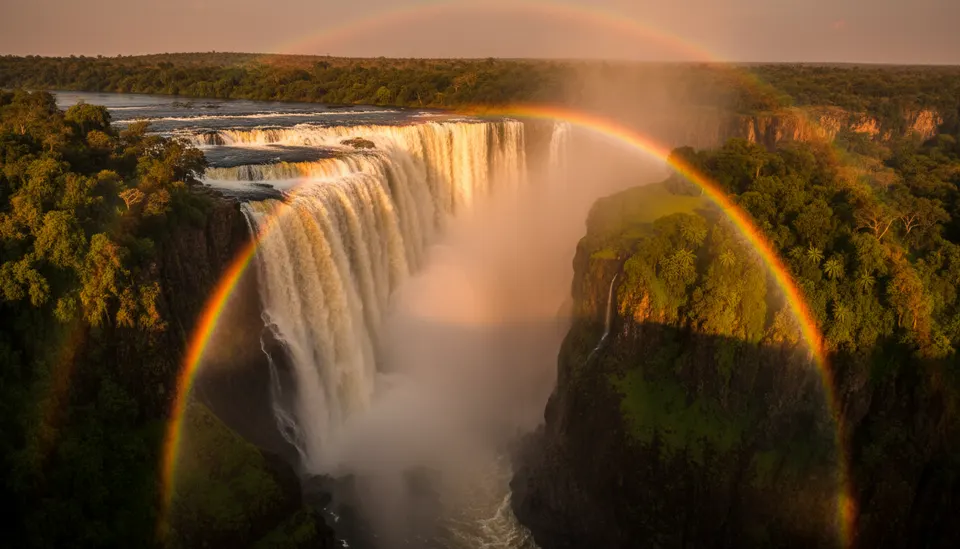
Travel destination Zimbabwe
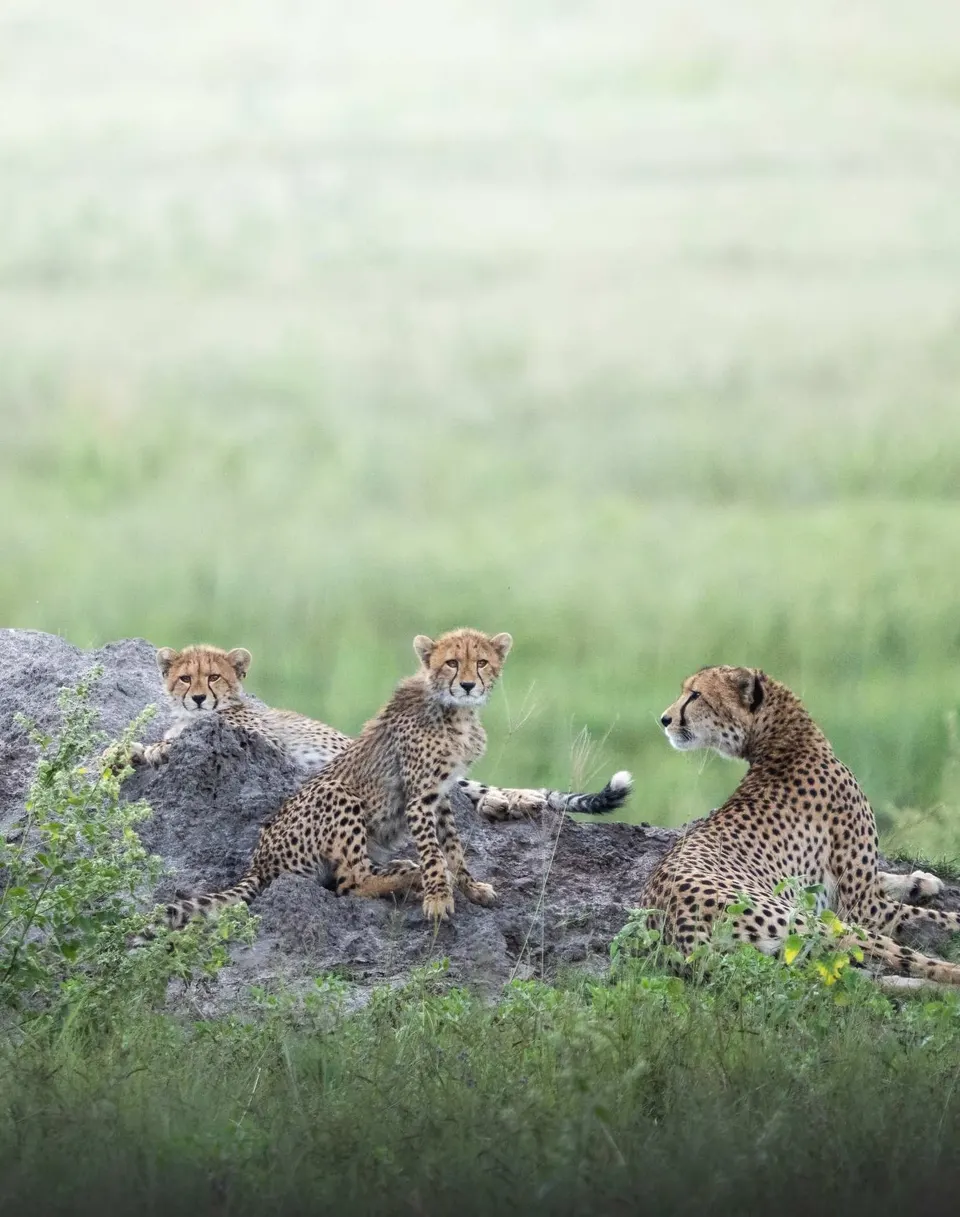
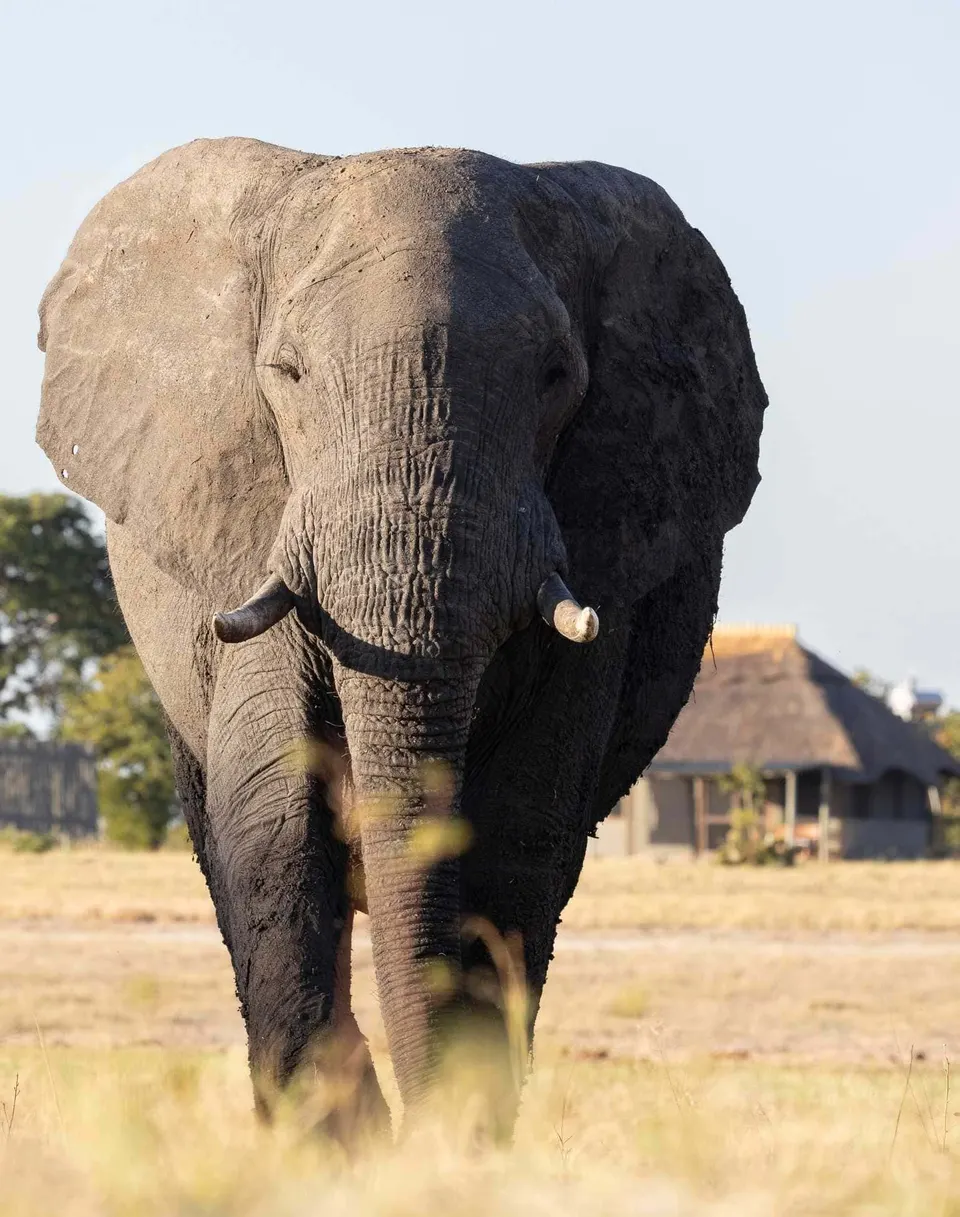
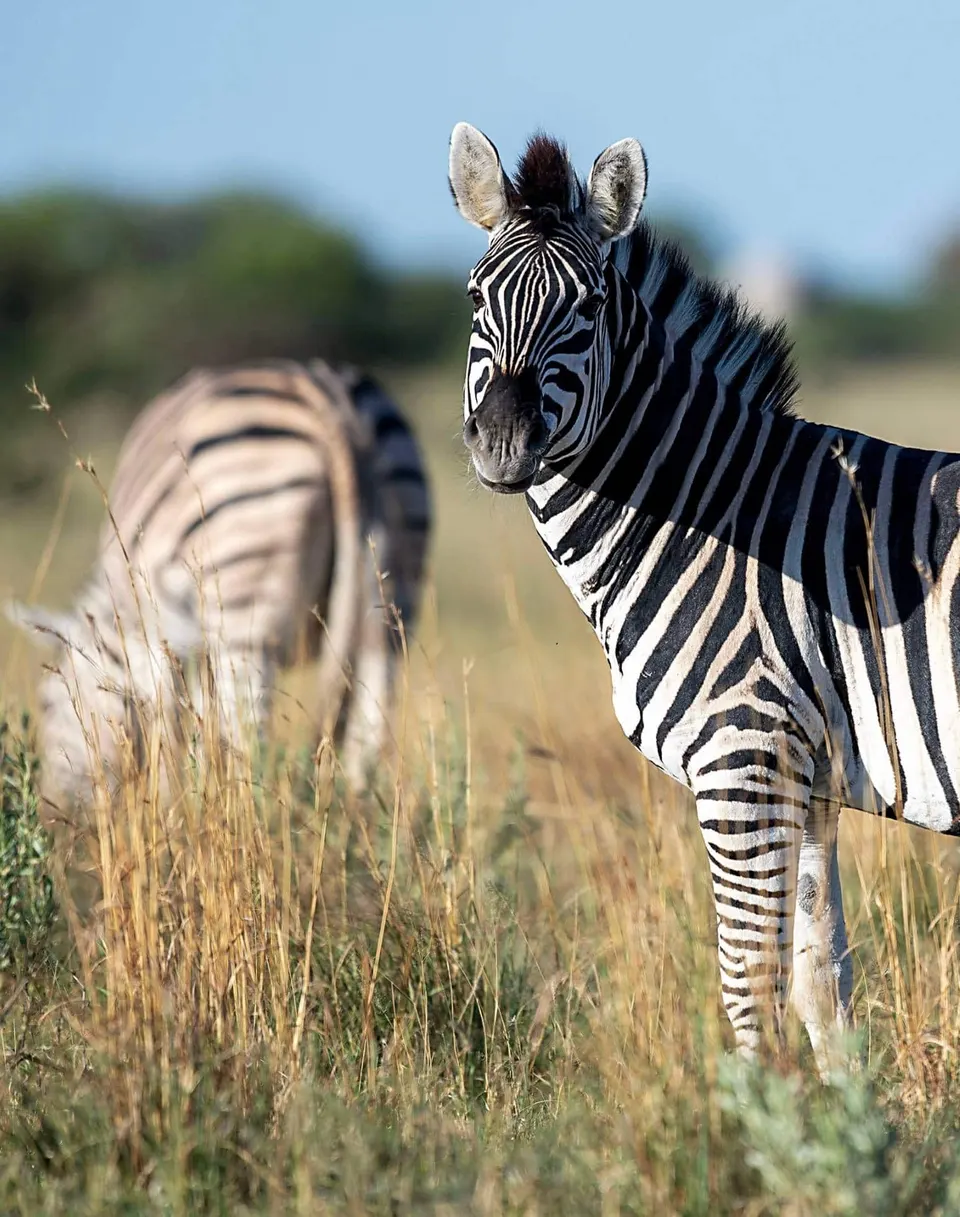
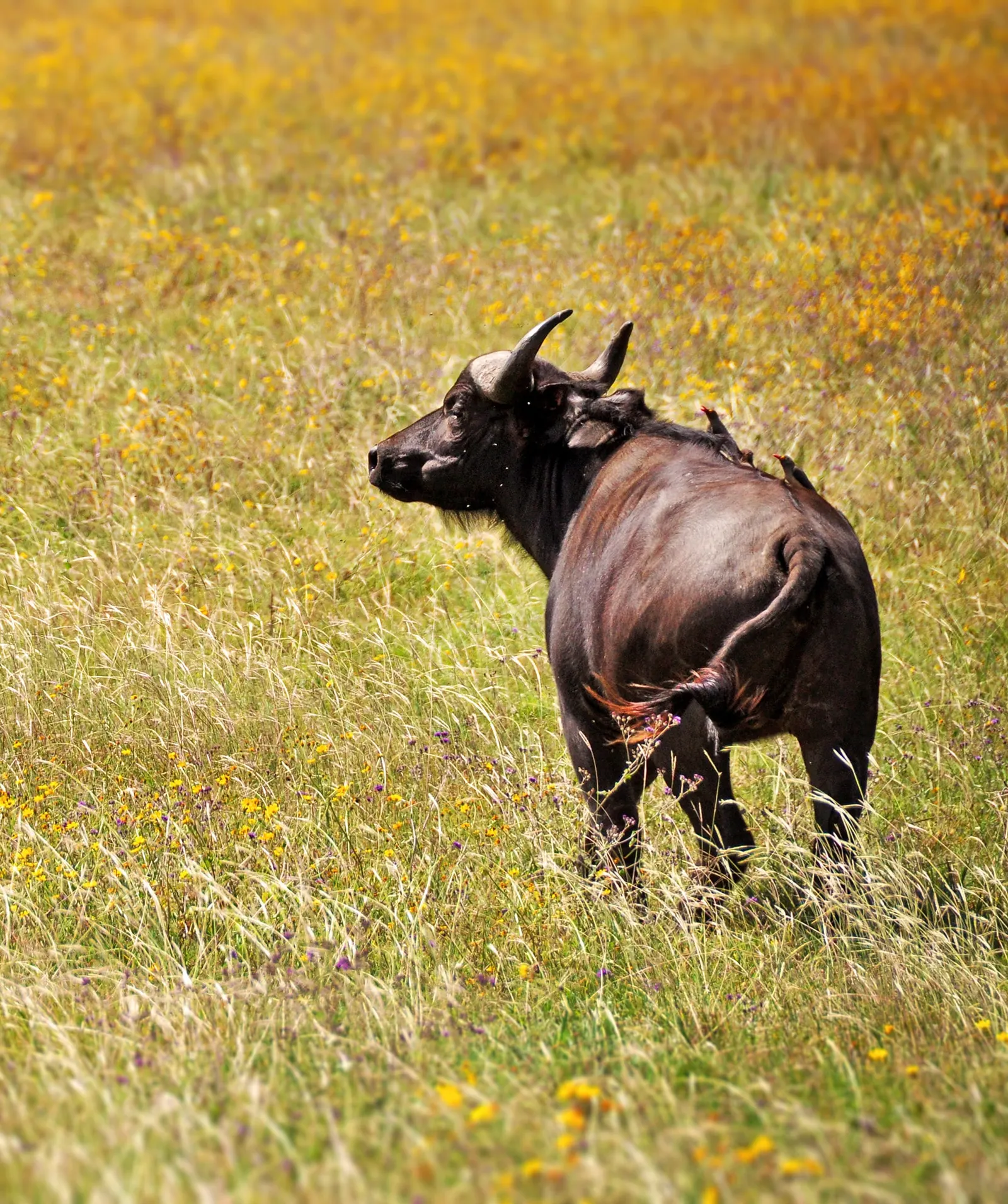
A true safari insider tip in southern Africa! Zimbabwe is back on the tourist map and is once again a sought-after destination for safari lovers and nature enthusiasts. Zimbabwe trips offer excellent value for money. Despite the political situation of recent years, wildlife numbers in the National Parks have fortunately remained constant.
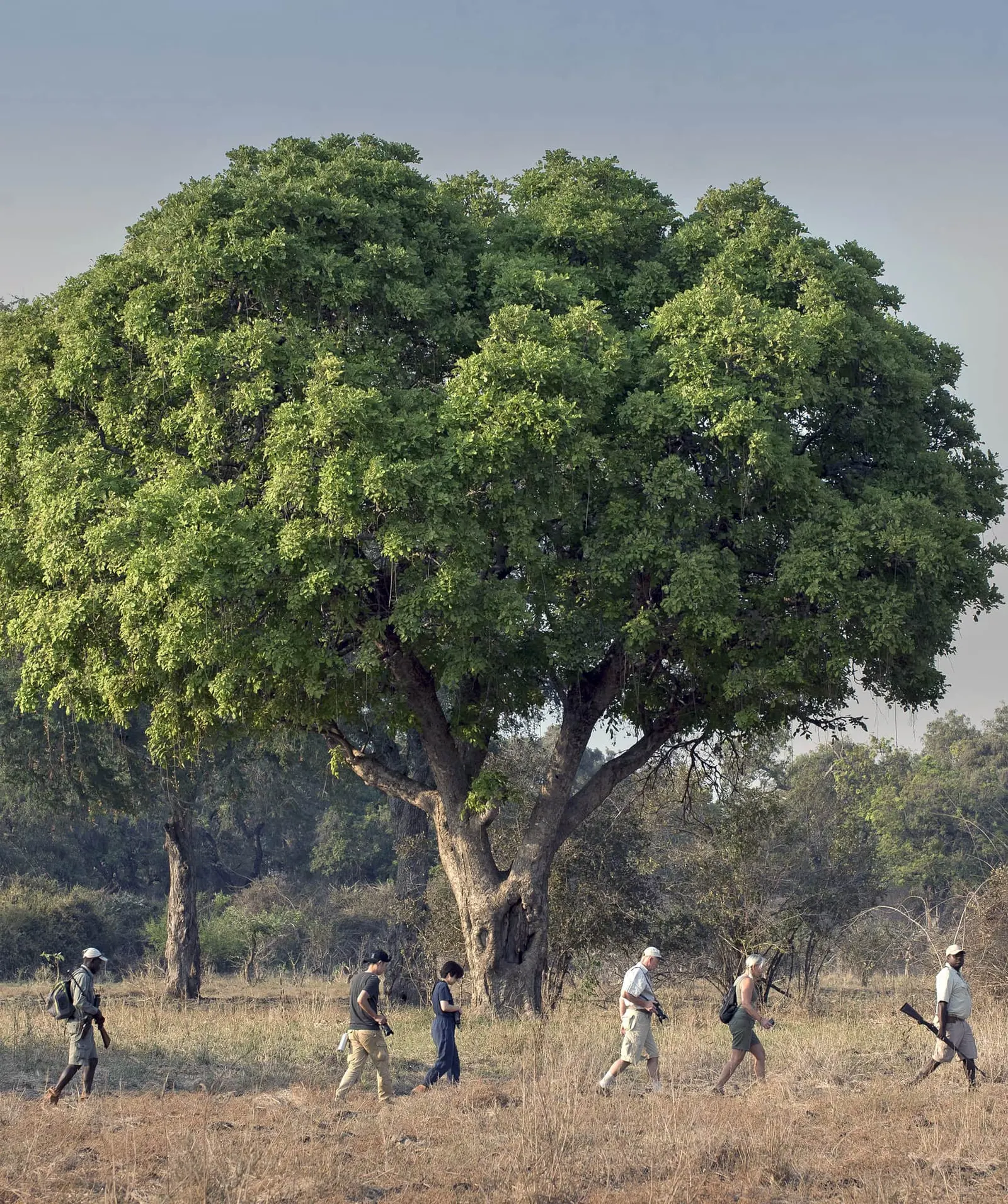
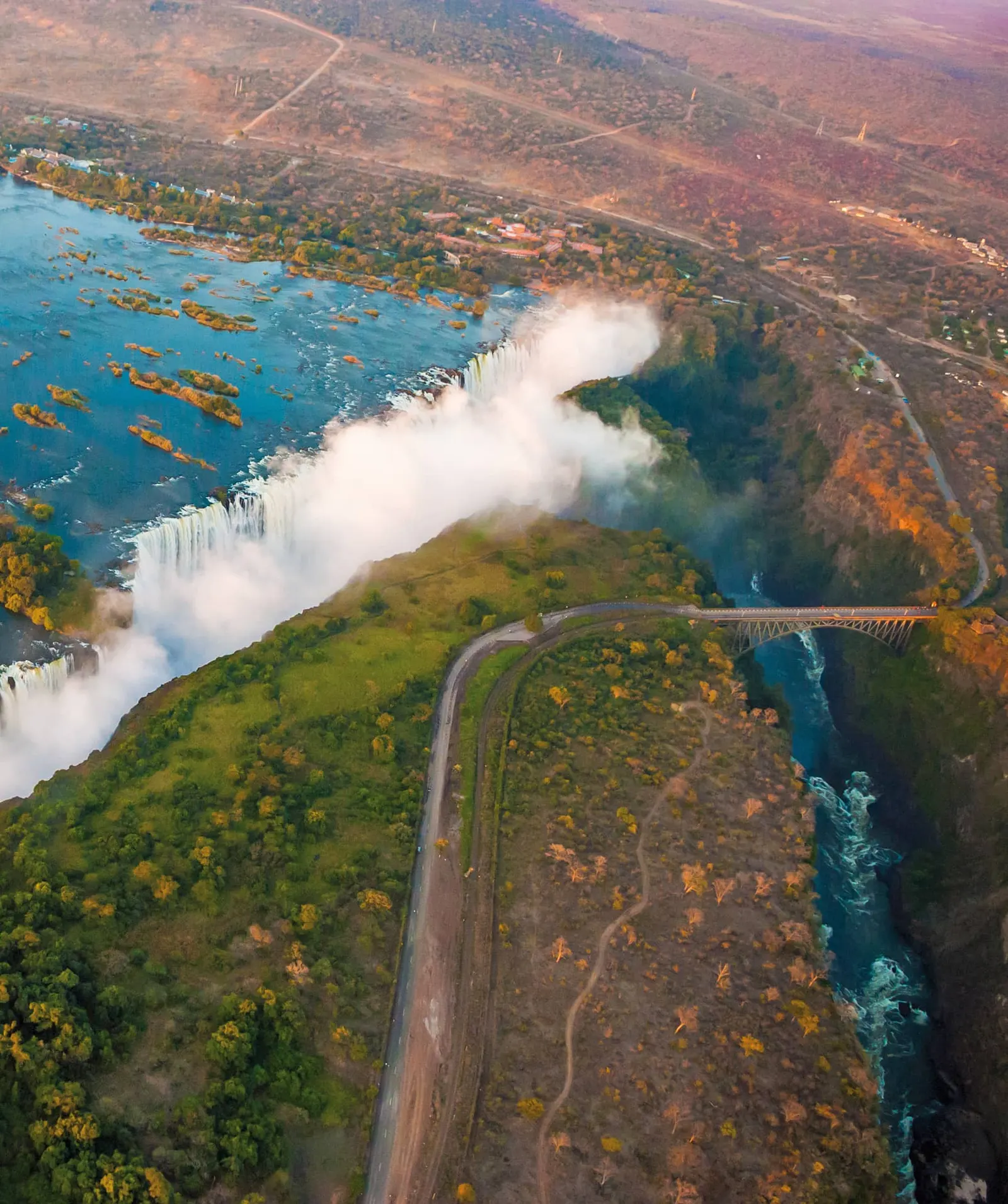
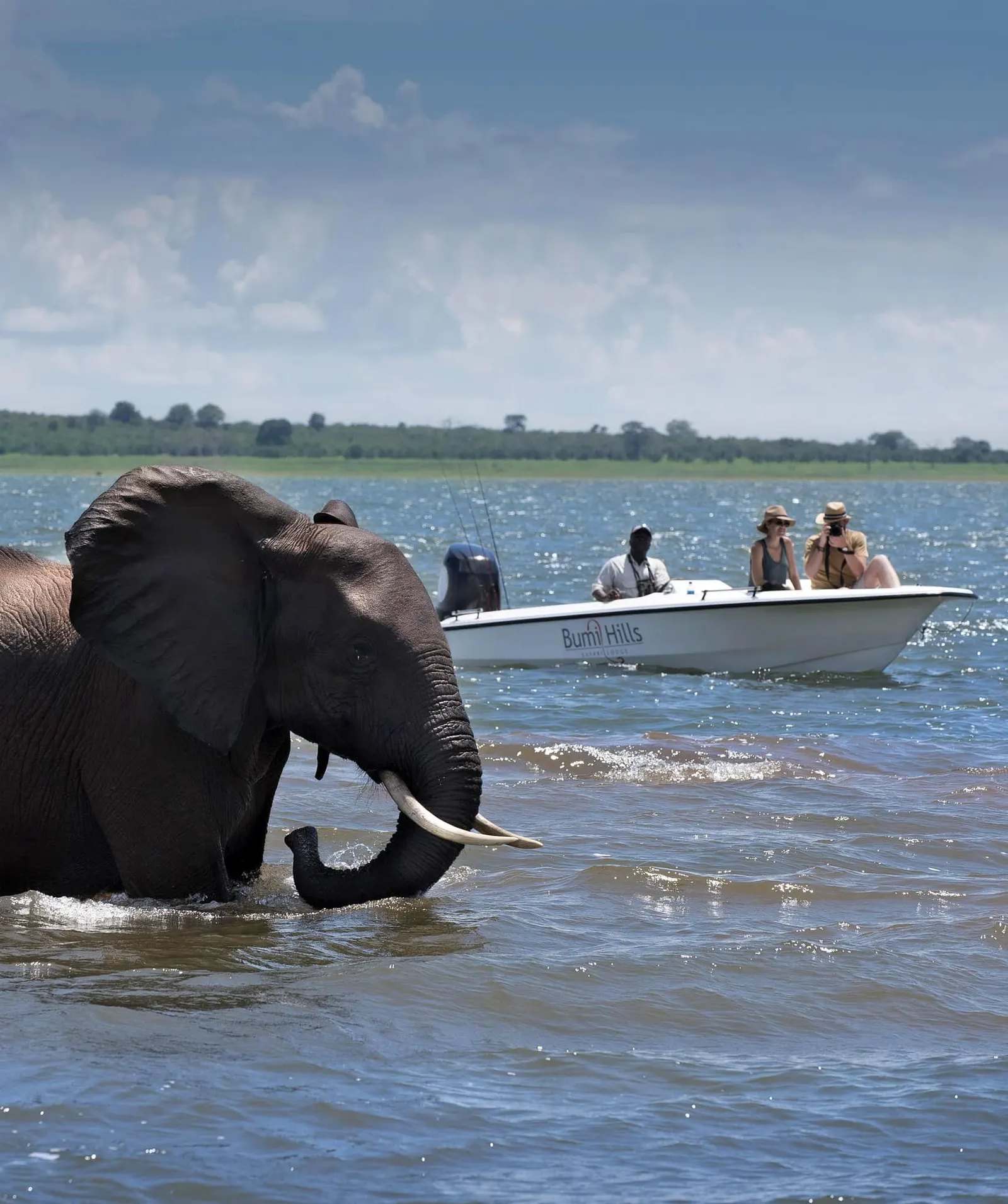
Travellers in Zimbabwe have excellent opportunities for unique wildlife viewing. The country can be explored on a variety of safari activities such as game drives, bush walks, canoe or boat trips. A Zimbabwe holiday is also distinguished by its exceptionally friendly people, who are happy to see tourists and welcome them to their country with a smile. Travellers can look forward to many unique highlights.
Travel styles in Zimbabwe
Tours in Zimbabwe
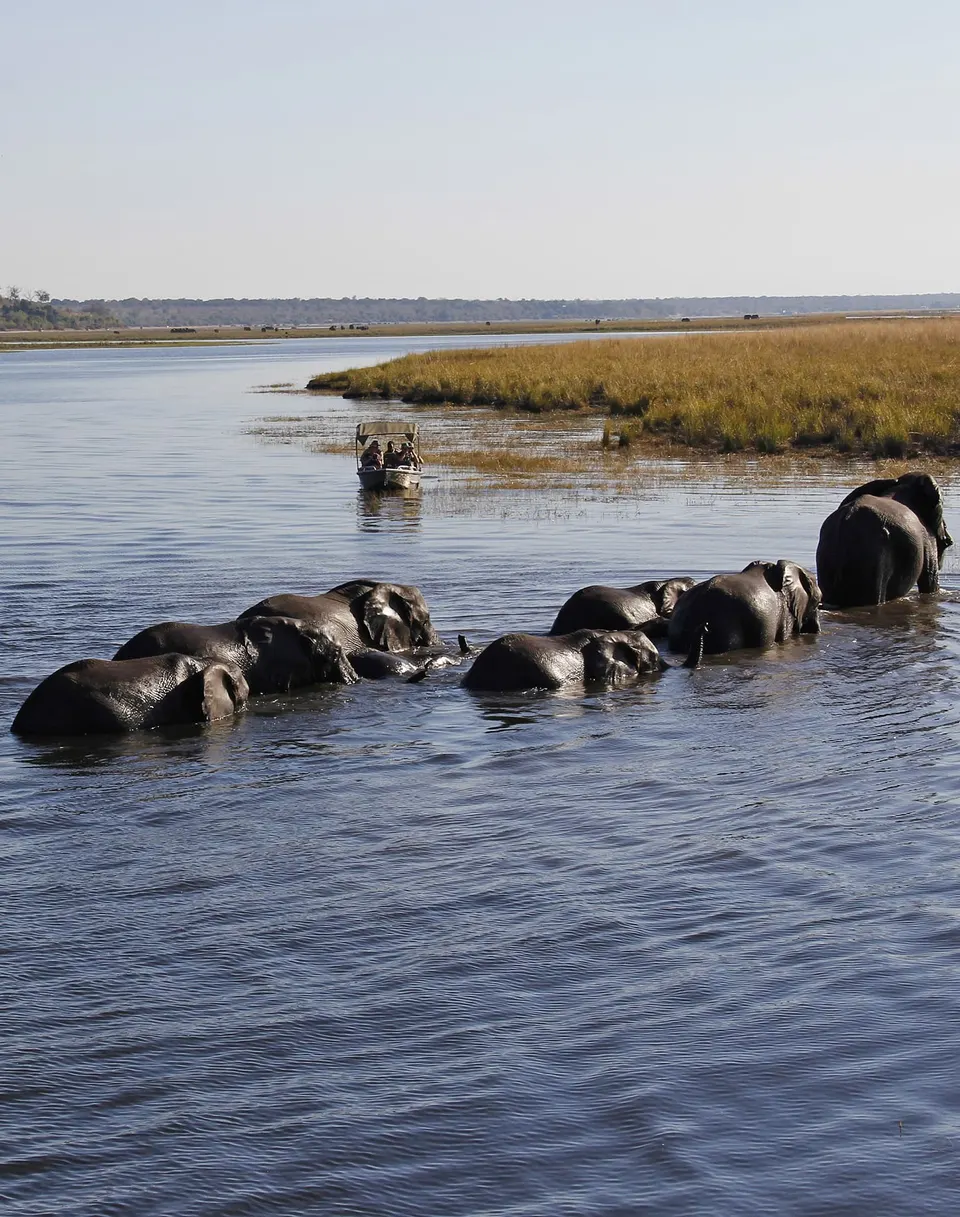 Namibia, Zimbabwe, Botswana
16 days
Facets of Africa
from 4.850 € per person
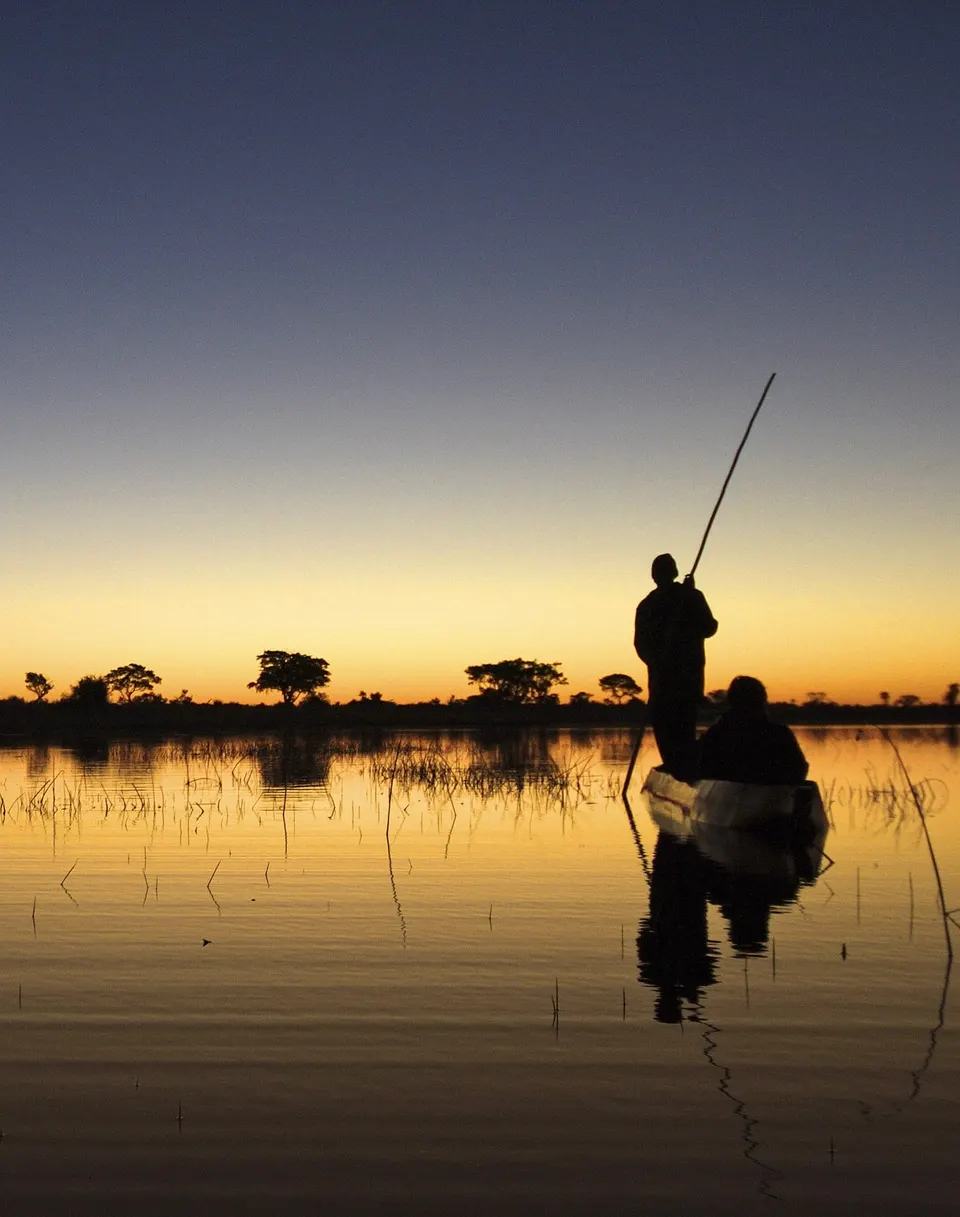 Botswana, Zimbabwe, South Africa
14 days
Botswana – Explore the Wild
from 3.490 € per person
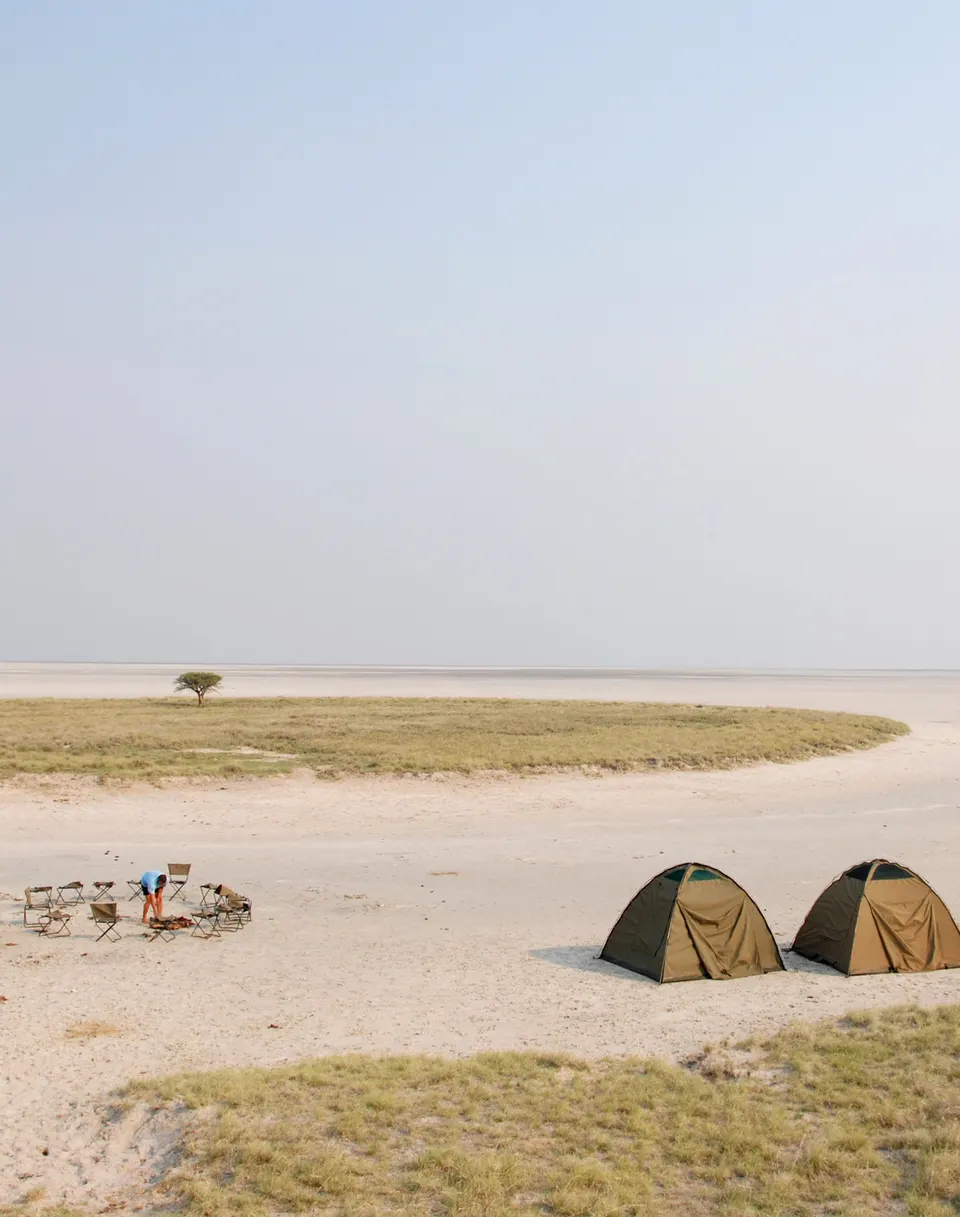 Botswana, Zimbabwe, South Africa
16 days
Discover Botswana
from 3.000 € per person
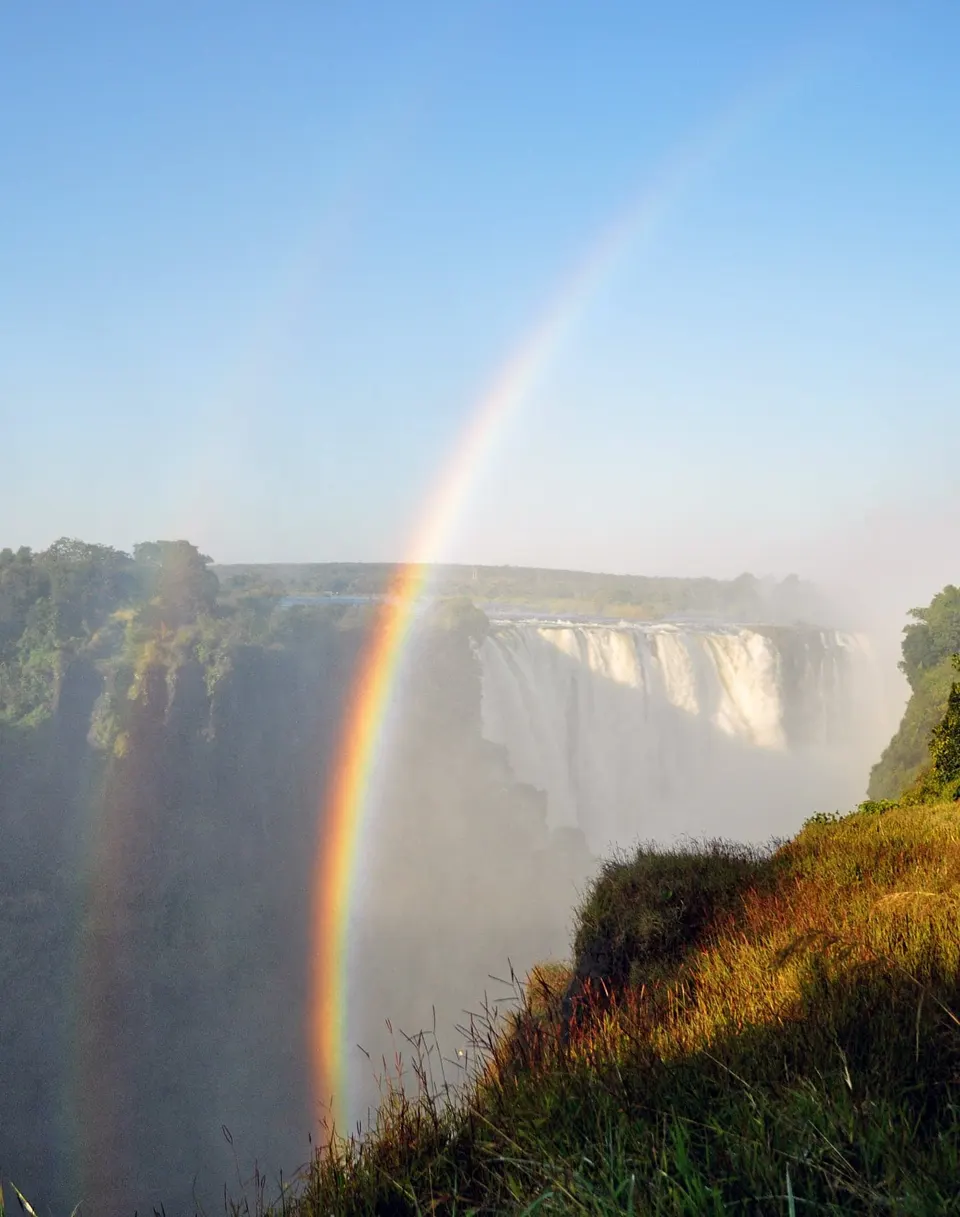 South Africa, Botswana, Namibia, Zimbabwe
21 days
In Comfort from the Cape to Victoria Falls
from 4.180 € per person
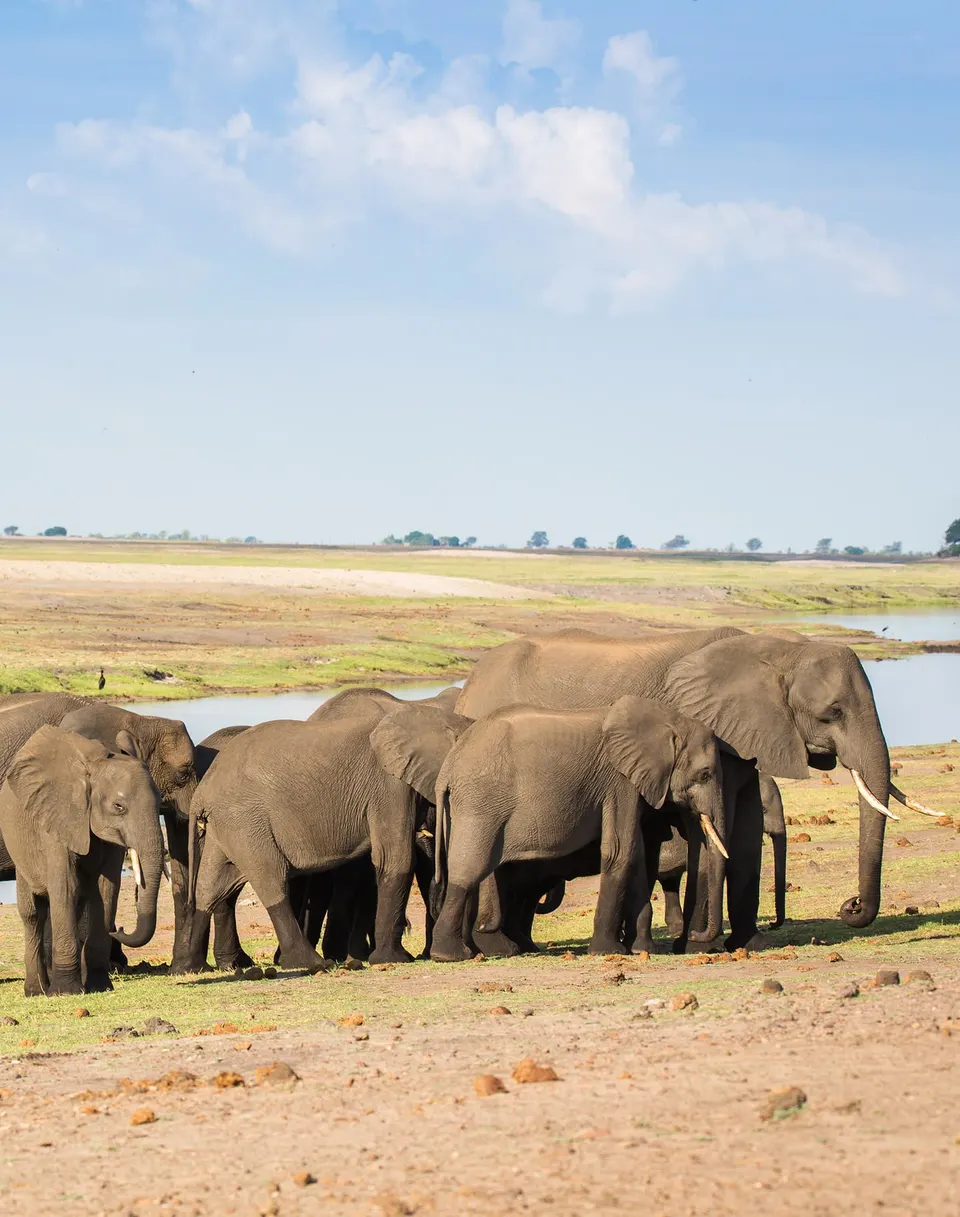 Botswana, Zimbabwe
8 days
Botswana – The Bush Experience
from 1.570 € per person
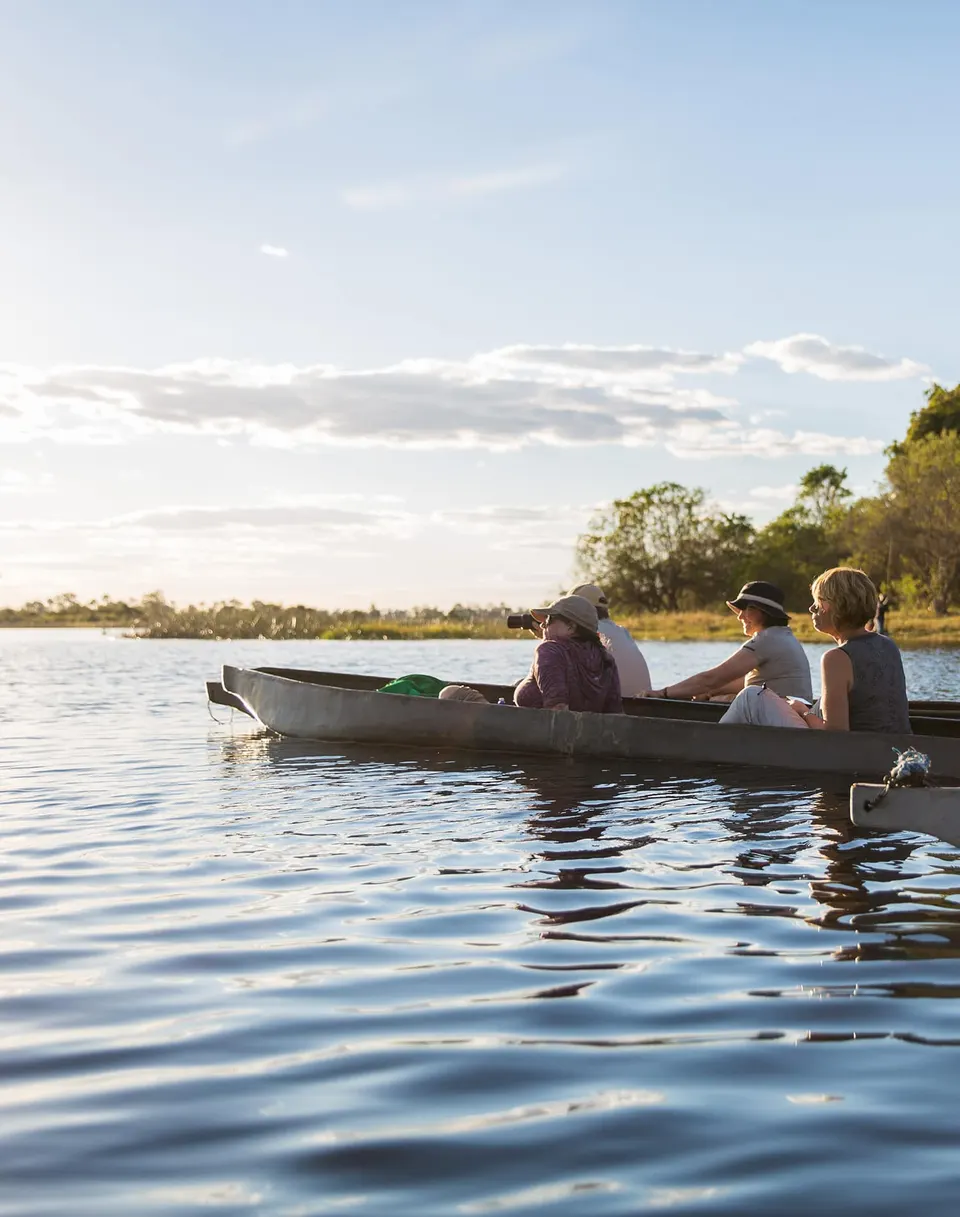 Botswana, Zimbabwe
15 days
Botswana Adventure
from 2.800 € per person
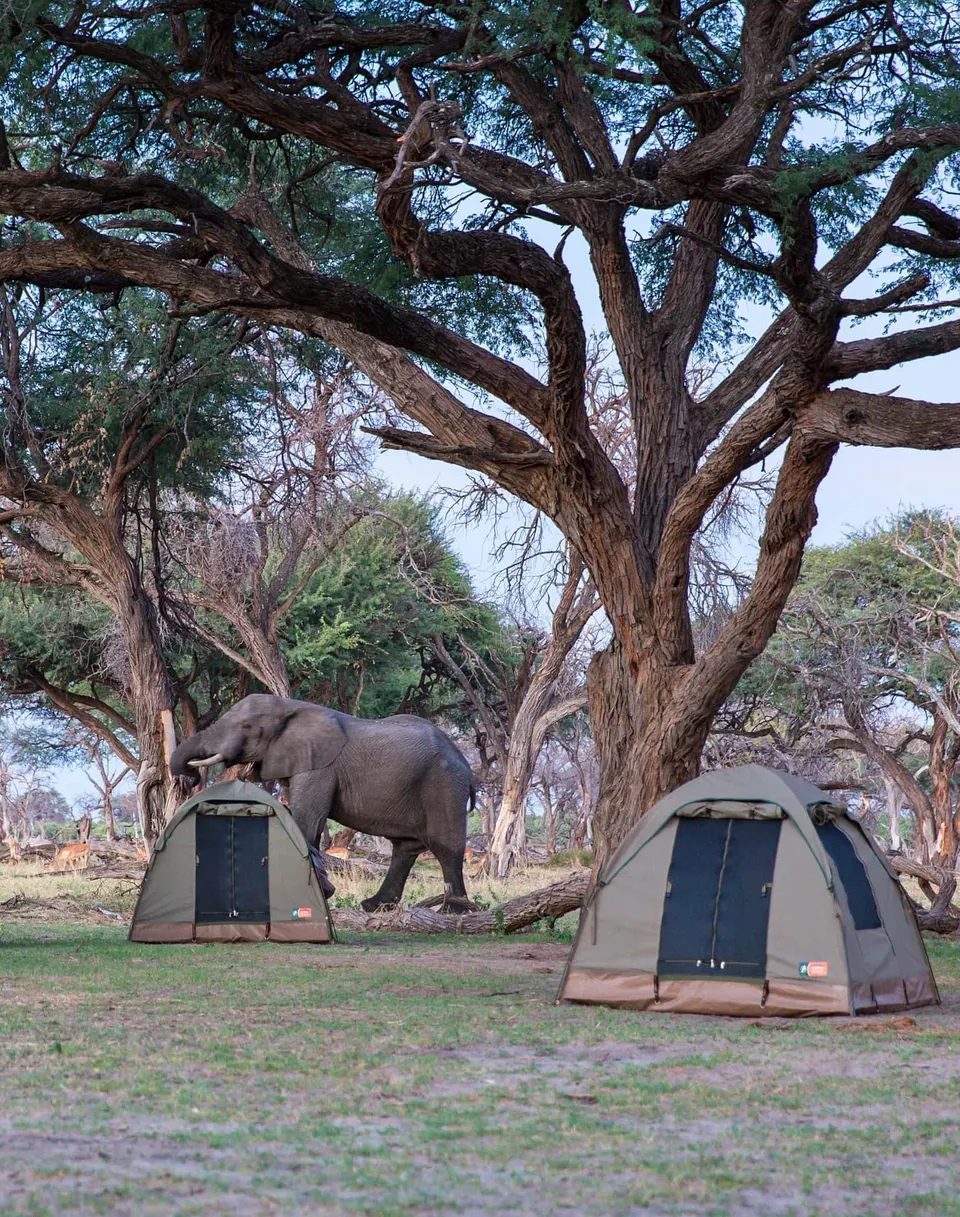 Botswana, Zimbabwe
11 days
Botswana Highlights
from 1.940 € per person
 Botswana, Namibia, Zimbabwe
21 days
Highlights of Namibia and Botswana
from 5.980 € per person
 Namibia, Zimbabwe, Botswana
16 days
Highlights from Windhoek to Victoria Falls
from 3.110 € per person
 Zimbabwe
18 days
The Best of Zimbabwe – Self-Drive Round Trip
from 5.330 € per person
 Botswana, Zimbabwe
9 days
Fascination Botswana
from 4.300 € per person
 Zimbabwe
12 days
Highlights of Zimbabwe
from 3.350 € per person
 Zimbabwe
4 days
Short Safari Zimbabwe
from 1.330 € per person
 Namibia, Botswana, Zimbabwe
14 days
Namibia and Botswana Photo Safari
from 7.290 € per person
 Botswana, Zimbabwe
11 days
Safari Highlights & Victoria Falls – Botswana and Zimbabwe Group Tour
from 5.860 € per person
 Botswana, Zimbabwe
10 days
Stylish Botswana
from 5.960 € per person
 Botswana, Zimbabwe
5 days
Short safari Victoria Falls & Chobe National Park
from 1.490 € per person
 South Africa, Namibia, Zimbabwe, Botswana
24 days
From Cape Town to Victoria Falls
from 3.700 € per person
 South Africa, Botswana, Namibia, Zimbabwe
21 days
Southern Africa Explorer
from 3.090 € per person
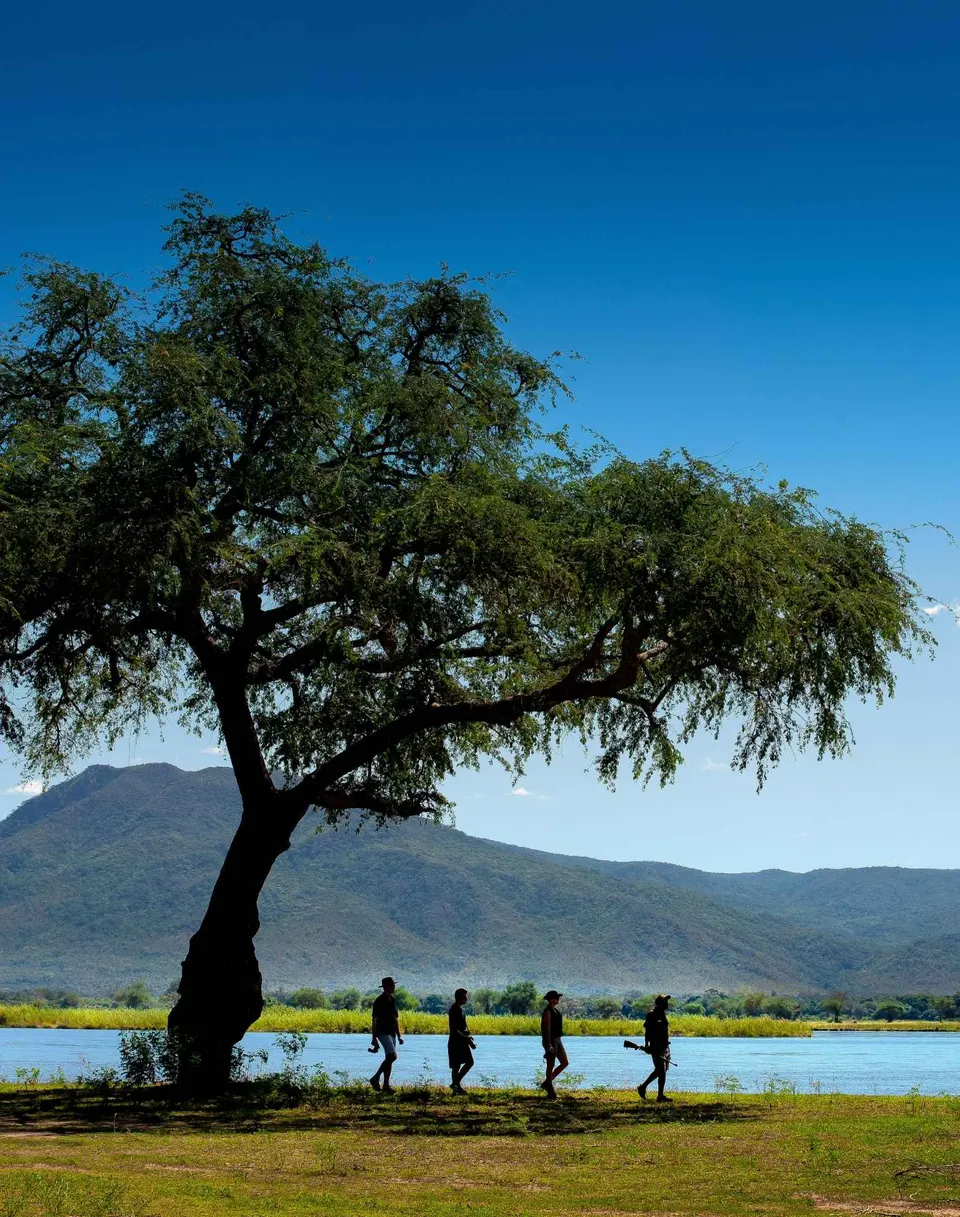 Zimbabwe
12 days
Zimbabwe Fly-In Safari
from 9.190 € per person
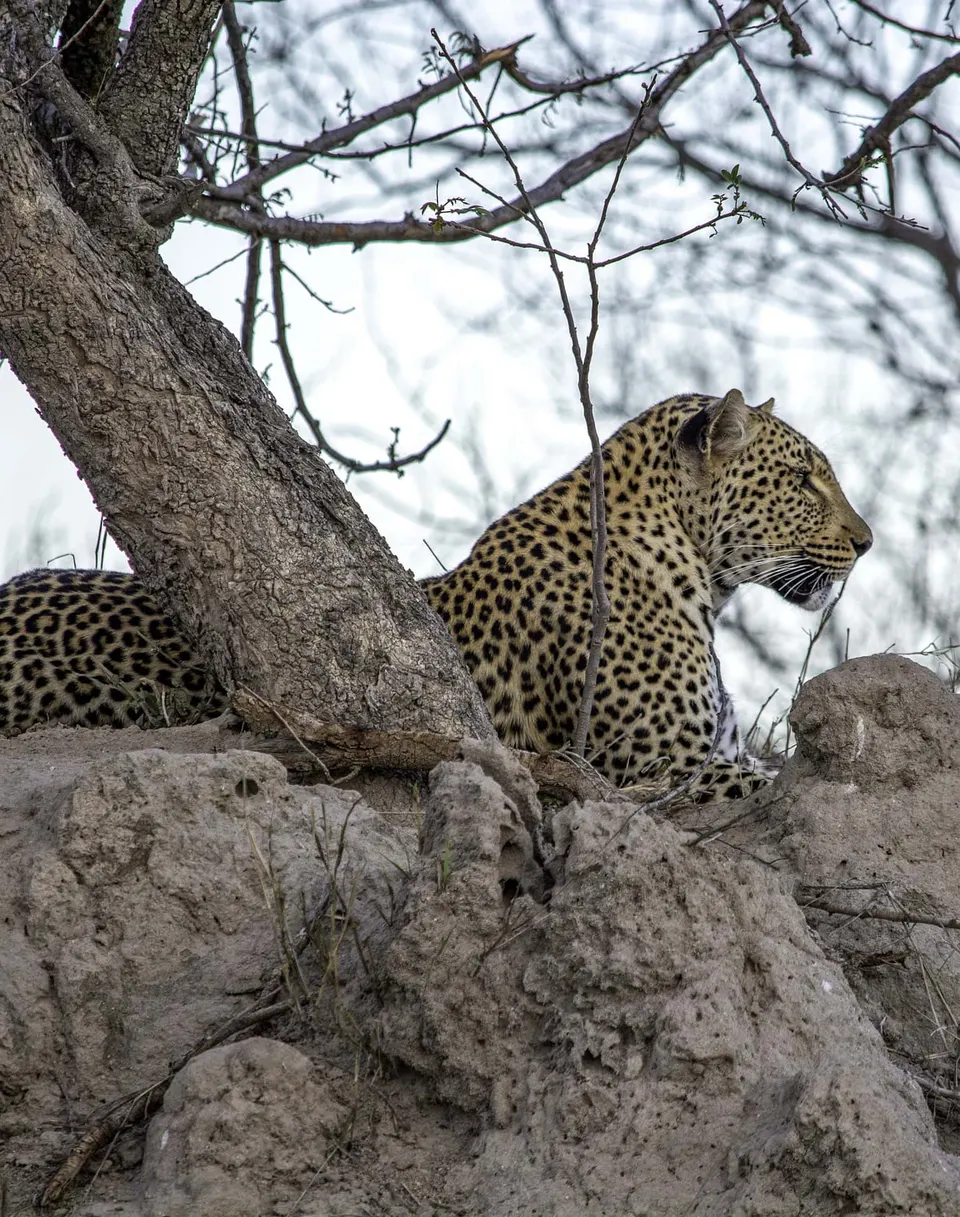 Zimbabwe, Botswana, South Africa
16 days
Zimbabwe and Botswana Game Trail
from 2.290 € per person
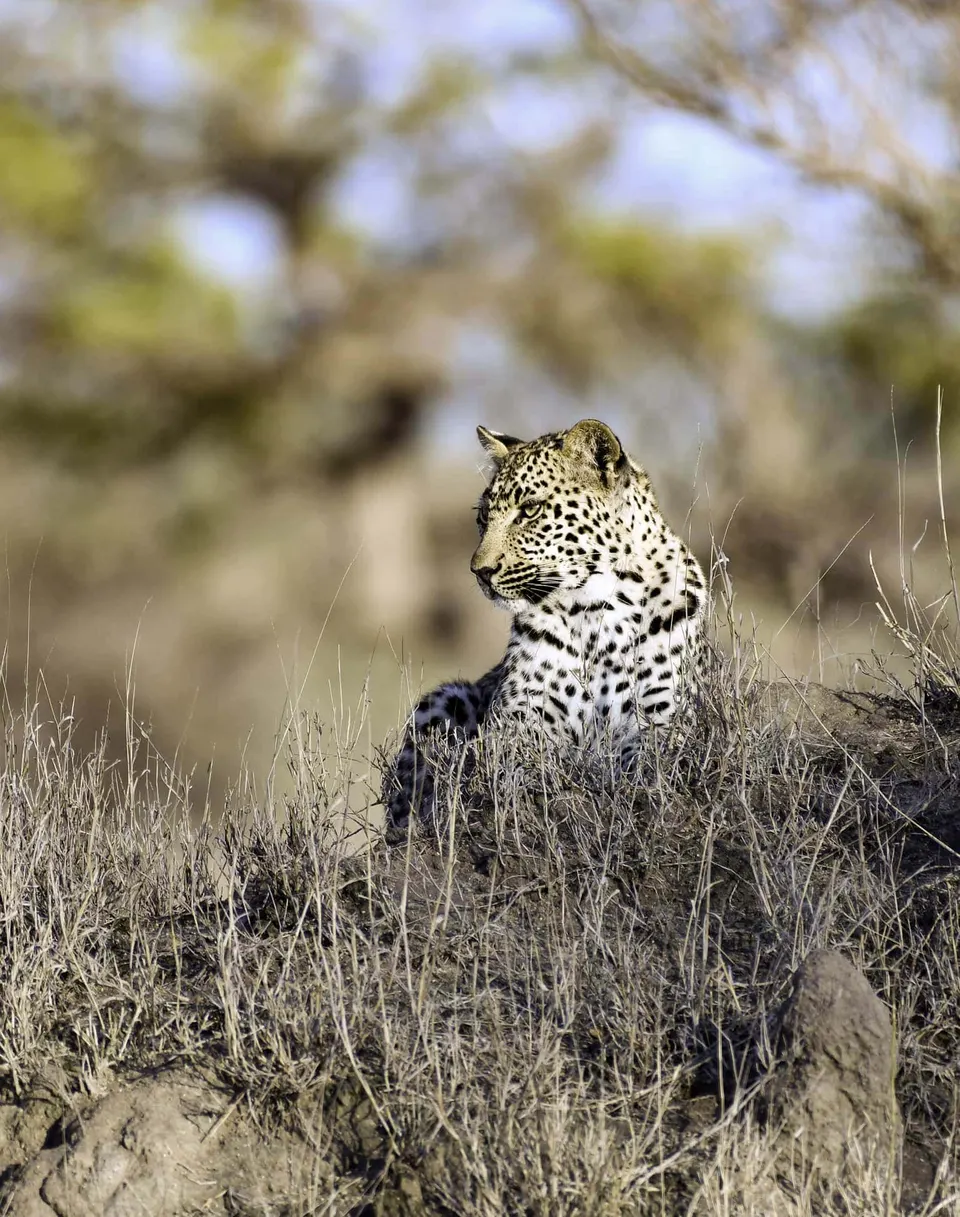 Zimbabwe, South Africa, Botswana
16 days
Zimbabwe and Botswana Game Tracker
from 3.180 € per person
All prices exclude international flights.
Highlights of Zimbabwe trips
Travel information
Geographical location
Zimbabwe borders Zambia to the north-west, Mozambique to the east, South Africa to the south and Botswana to the south-west. Besides some beautiful National Parks, such as Nyanga National Park in the east or Hwange National Park in the west of the country, Zimbabwe above all has an impressive landscape panorama to offer. The hilly highlands in the centre of the country, repeatedly interrupted by so-called kopjes (massive granite boulders), are a unique experience. Numerous rivers rise there, flowing into Lake Kariba in the north-west, the Zambezi River in the north-east, or crossing the border in the west and flowing into the wetlands of Botswana. The 350-kilometre-long mountain range that rises along the eastern border with Mozambique is also of interest to hikers; its highest peak is the 2,592-metre Mount Inyangani.
Getting around
Important airports for arrival and departure
There are currently no non-stop flights from Europe directly to Zimbabwe. The fastest connections are operated by Lufthansa, South African Airways or British Airways via Johannesburg. There are also connections with Air France, KLM, Air Namibia, Emirates or Ethiopian Airways, which fly to Zimbabwe via their hubs. Besides the airport of the capital Harare, Bulawayo and Victoria Falls also receive international flights. Further places and National Parks are served domestically by light aircraft.
Getting around Zimbabwe
Self-drive (rental car) round trips are trending again in Zimbabwe. The main roads are well developed and signposted. As a rule there is little traffic. Because of the increased risk of accidents, you should avoid driving across country after dark. Before departure, information should be obtained about the fuel supply situation. The speed limits are 60 km/h within built-up areas and 120 km/h on country roads.
The condition of rental vehicles cannot be compared with that in European countries. When renting, extreme care is needed to ensure that the best possible insurance has been taken out. An international driving licence should be presented when collecting the rental car. It can be applied for quickly and easily at the responsible driving licence office in Germany.
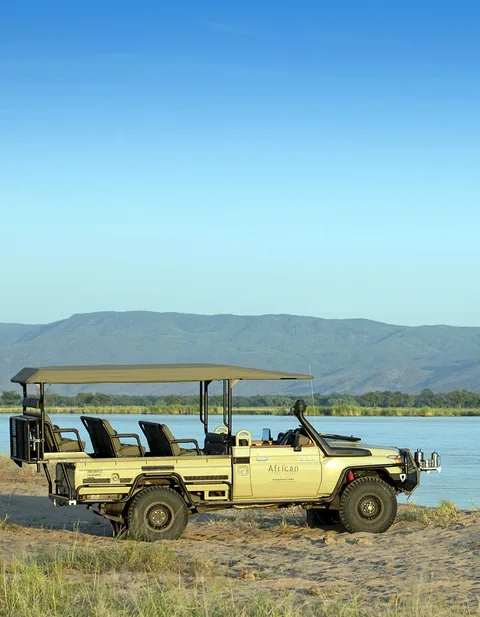
The safari trucks used on the standard round trips have been converted to meet the relevant requirements. Large windows guarantee first-class wildlife and nature viewing, and a spacious interior provides the necessary travel comfort.
Money
Currency
In 2009 the Zimbabwe dollar was withdrawn from circulation completely because of hyperinflation. The official means of payment are now the US dollar and the South African rand, with the US dollar in particular accepted as the main currency.
You can find an exchange rate calculator with current rates for all currencies here.
In Zimbabwe it is possible to change euros into US dollars at the banks. However, travellers get better exchange rates in their home country.
Acceptance of credit cards has improved significantly in recent years. Visa is preferred, Mastercard is also accepted, but American Express only in very rare cases. You can pay by credit card in the large luxury lodges, at travel and car rental agencies and in large shops in the big cities. A surcharge is often charged for credit card payments. At smaller supermarkets, accommodations, in the National Parks and at petrol stations, however, you can only pay in cash. Withdrawing cash with a credit card is also getting easier from year to year.
Travellers who want to withdraw money in Zimbabwe with a debit card should make sure the Maestro logo is on the card. You should also inform your bank about using the card in Zimbabwe before you travel.
Traveller's cheques are not recommended because of high fees when cashing them and lack of acceptance.
Long waiting times should be allowed for at the banks. Many banks now have ATMs that offer a 24-hour service. At the ATMs, however, you should note that there is a maximum withdrawal amount. The machines can also not always be relied on to work.
Costs of everyday items as a guide
To give you a brief overview of how much money you need to budget for your expenses, we have listed approximate prices for the most important things:
Entry to the National Parks is between 7 – 25 euros per person. A cup of coffee costs around 2 euros, a beer around 1.50 – 2.50 euros. A dinner costs approx. 15-25 euros per person.
Tipping
If no service charge is added in restaurants, 10 to 15 per cent is appropriate. Higher tips are at the guest's discretion. So if you were more than usually satisfied with the service, you are welcome to give more than the usual 10 per cent.
The tour guides always do their best to make the trip unforgettable for you and to fulfil your wishes. They, too, appreciate a small tip at the end of the trip. Tipping is still voluntary. This also applies to your stay in the lodges. Here you will often find a tip box at reception. The staff are always pleased when you were happy with the service and reward it.
Health & safety
Safety
The domestic political situation has calmed further and the range of goods has improved, although there may be occasional shortages in the supply of fuel (diesel and petrol). Foreigners should leave the immediate vicinity of demonstrations at once and not take photographs. Foreigners without state accreditation are also not permitted to report on current developments in the country. This includes any gathering of information, conversations with the local population or snapshots with a mobile phone camera, as this can be interpreted as illegal journalistic activity.
If you observe the following advice, you should not generally expect unexpected incidents, so the following applies: use your common sense and try to listen to the guides' safety instructions. The guides are for the most part local people and have completed professional training, so they know the local conditions extremely well. You should also avoid walking through the streets alone, especially after dark. In other words: stay in groups as far as possible. When travelling by car, the windows should always be closed and the doors locked from the inside. At night, make sure that no one approaches the vehicle. In general you should carry sufficient cash with you, but not an excessive amount. It is advisable to keep cash and your most important documents in a thin money belt under your clothing. Conspicuous jewellery or expensive watches should not be worn in public. Cameras, mobile phones or other electronic devices should always be carried in a rucksack or bag. Do not leave valuables in plain sight in the car.
You can find current travel and safety advice on the website of the German Federal Foreign Office.
Health
A first-aid kit should definitely be in your luggage. We recommend medication for diarrhoea, fever and pain, travel sickness, vomiting and nausea, as well as nose drops, disinfectant for skin injuries, burn ointment and insect repellent. It is best to get detailed advice from your trusted pharmacist.
Please also note the medical advice of the German Federal Foreign Office.
Malaria
Malaria occurs throughout Zimbabwe, especially at low altitudes. During and immediately after the rainy season the risk of contracting malaria is significantly greater than at the end of the dry season. It is recommended to arrange malaria prophylaxis before the start of your trip. You can get medical advice on the various medications from your GP or a tropical institute. The best protection against malaria is to avoid mosquito bites. In the morning and evening hours wear light-coloured clothing that covers the skin, sleep under a mosquito net and apply insect repellent to uncovered areas of skin.
Vaccination recommendations
Routine vaccinations such as tetanus, hepatitis A & B and polio should be checked and topped up if necessary. International regulations require effective yellow fever vaccination protection when crossing borders between yellow fever areas. In this case a vaccination certificate showing a valid yellow fever vaccination should be carried. If you enter from Europe without a stopover in a yellow fever area, proof of yellow fever vaccination is not required.
Climate & best time to travel
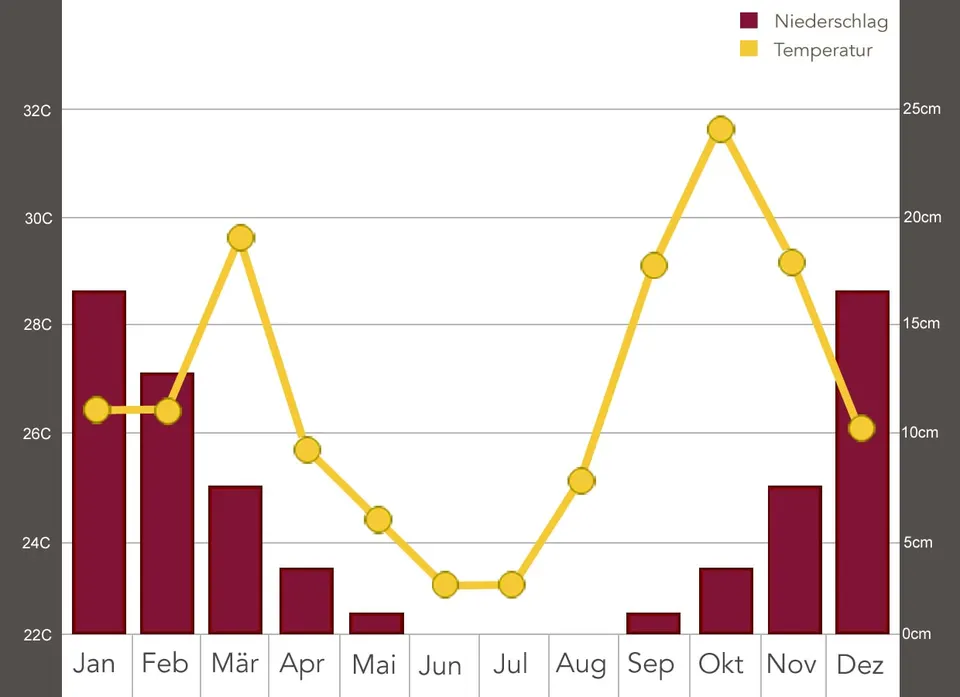
Zimbabwe has a subtropical to tropical climate with a humid, at times sultry and hot summer and a winter dry season with pleasant temperatures. An almost rainless dry period lasts from April/May to August, with sunny days and pleasant daytime temperatures between 15 – 25 °C. In June and July the nights can get quite cool, so be sure to pack warm clothing for cool nights. Between September and November daytime temperatures rise slowly. The rainy season begins in November and lasts until March/April. Daytime temperatures are around 30 – 40 °C.
Travel tips
Language
The official language in Zimbabwe is English, which is taught in schools and widely understood. Other African languages are nevertheless spoken in the country, such as the indigenous Bantu languages Chi-Shona and Si-Ndebele. As a tourist, however, you will get along very well with English.
Religion
Only vague figures are available on religious affiliation in Zimbabwe. The majority of inhabitants (approx. 80 per cent) follow a mixture of Christianity and traditional religions. In addition, approx. 25 per cent belong to Christianity alone and approx. 24 per cent follow traditional religions. About 1 per cent belong to the Muslim faith.
Time difference
Zimbabwe observes CET +1 hour. The difference to Germany is +1 hour in the European winter and 0 hours in summer. There is no switch between summer and winter time in Zimbabwe.
Electricity supply
The alternating current is 220/240 volts. For German electrical appliances you need a three-pin adapter, which is best organised before the trip. Many safari lodges have no mains electricity connection; a generator is often used there in the evening. Camera batteries and mobile phones can then be charged at that time. In Zimbabwe you must expect regular power cuts, so a torch belongs in your luggage.
Internet communication
There are now some internet cafés in Harare. The internet is also on the rise in some other larger towns. However, connections are mostly very slow. As power cuts can occur frequently, an internet connection is not always guaranteed.
Shopping tips
The sale of souvenirs made from wild animal hides, reptile skins and furs is prohibited. So the rule is: hands off! Rather watch the animals in their natural environment and take the experiences home as your souvenir. Copperware, carvings made of wood and soapstone, as well as ceramics and basketry make lovely gifts. An import ban into Germany applies to ivory, furs, coral, shells and animal trophies.
This information serves as a guideline. For exact information, please visit the website of German customs.
Customs & etiquette
In the cities the British influence is particularly noticeable, whereas in rural areas the old traditions and traditional crafts are still preserved. As in Europe, people shake hands to greet each other and otherwise behave according to the usual manners. If you are travelling on business in the country, return invitations are gladly accepted. Small gifts for your hosts are also often customary. Casual clothing is appropriate during the day. In better restaurants and hotel bars, smarter clothing is appropriate.
Health insurance cover
Zimbabwe is outside Europe. Travel health insurance for abroad should definitely be taken out for the duration of the trip. It is best to contact your own health insurer. Alternatively, the Elefant-Tours team will be happy to offer you suitable travel health insurance for abroad.
Entry requirements
A visa is required in Zimbabwe for Germans, Austrians and Swiss. The tourist visa for a single entry currently costs 30 US dollars, the visa for a double entry costs 45 US dollars. The tourist visa can be issued without problems in advance at the relevant diplomatic mission as well as directly on arrival at the airports in Harare, Bulawayo or Victoria Falls and at the border crossings.
When entering from a yellow fever risk area, proof of yellow fever vaccination is required.
A requirement for all travellers is a valid passport that remains valid for at least six months after departure and has at least two blank pages. Entries for children in a parent's passport are not valid; every child needs their own child's passport with a photo.
As visa requirements can change, please contact the diplomatic mission responsible for your place of residence in good time. Please make 100% sure that you are in possession of the required and valid documents. We cannot be held responsible if you are refused entry and cannot carry out your booked tour as planned. Refunds are not possible and any additional costs must be borne solely by the traveller.
- Places on our tours