Destination Tanzania
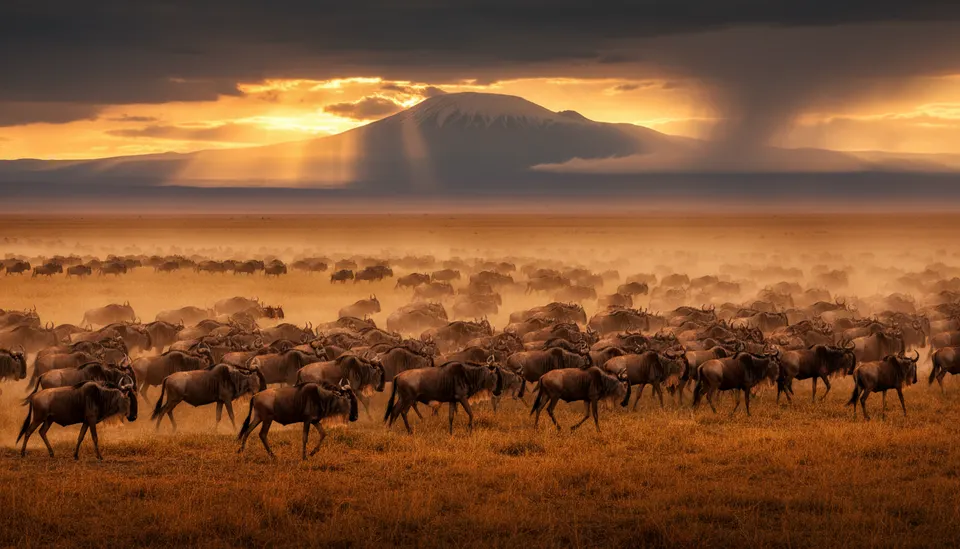
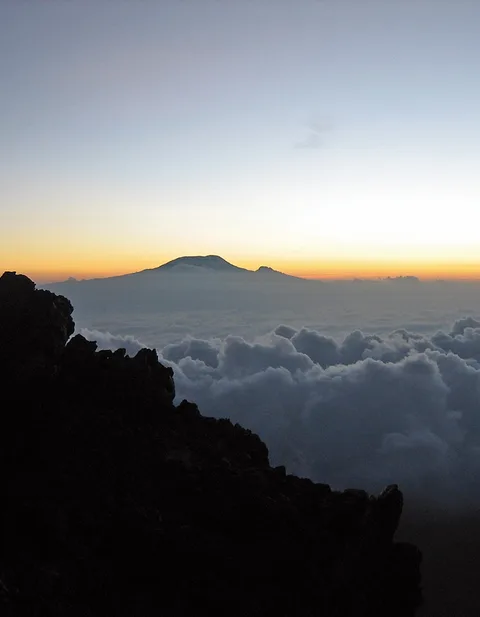
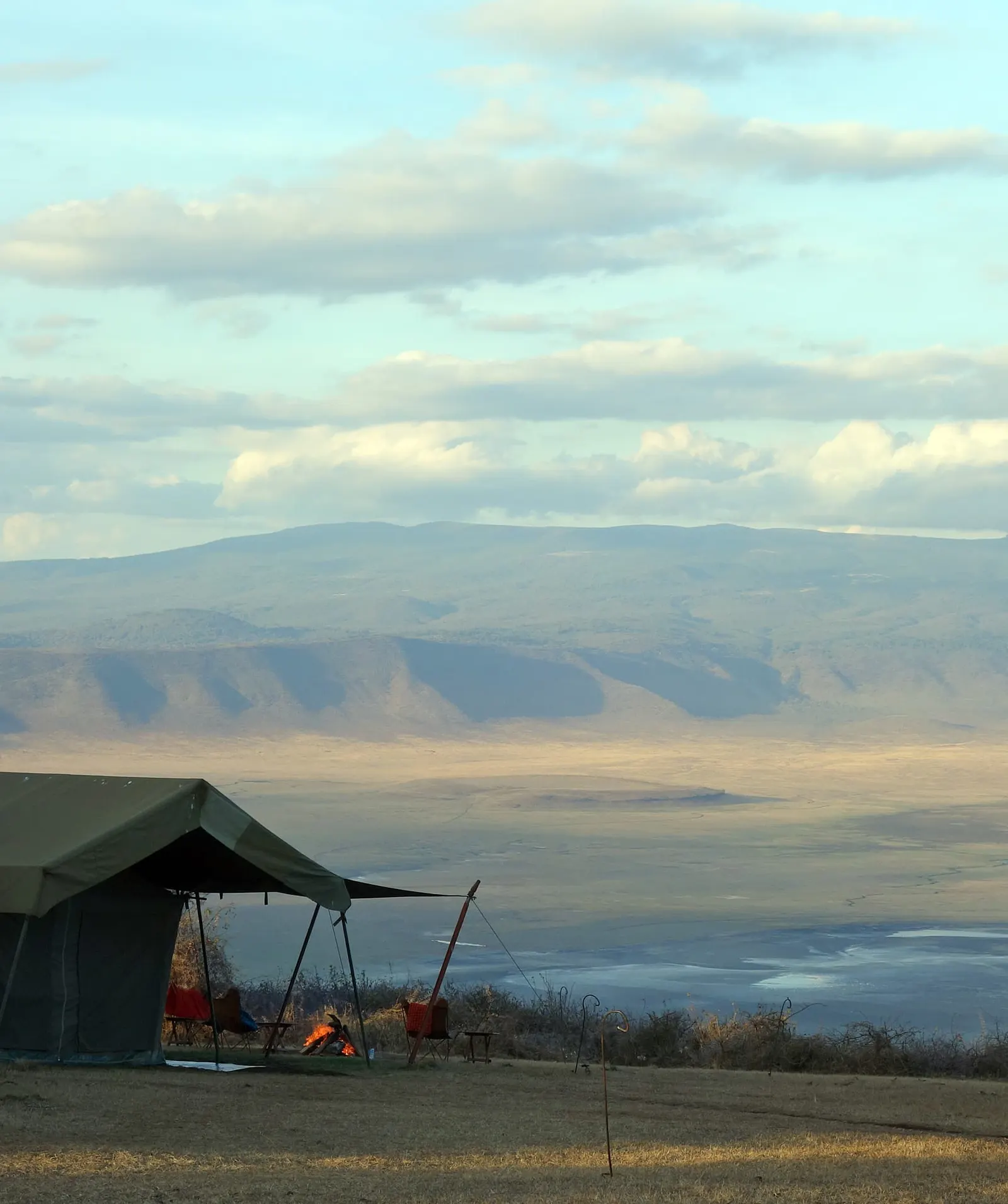
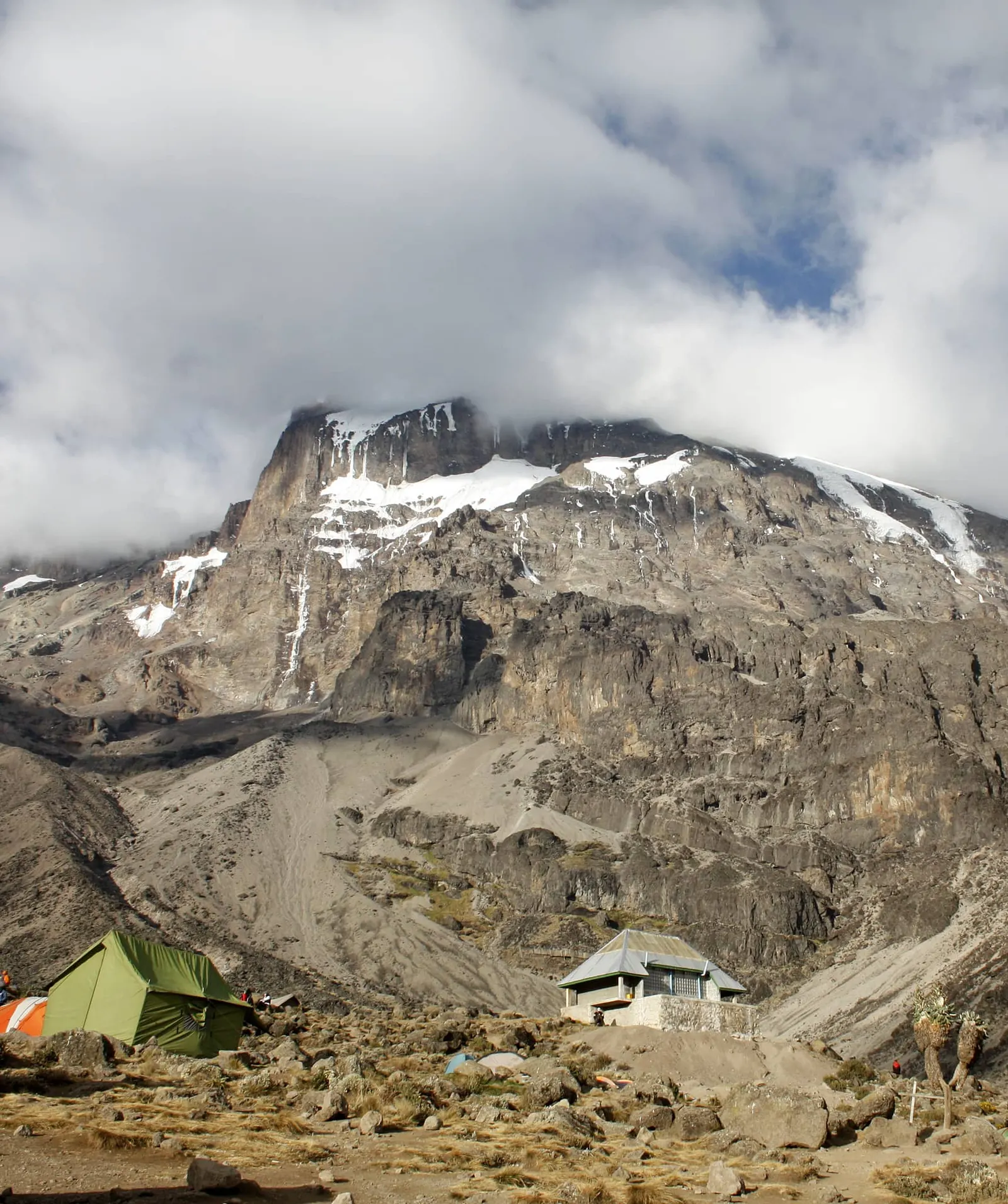
Safari, beach and mountains await you on a Tanzania trip. From the vast savannah of the Serengeti to the summit of Kilimanjaro and the dream beaches of Zanzibar. Whether nature, adventure or culture – a holiday in Tanzania is an unforgettable experience.
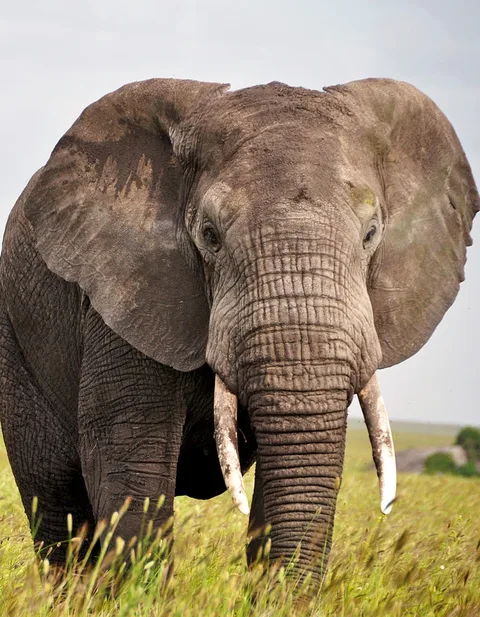
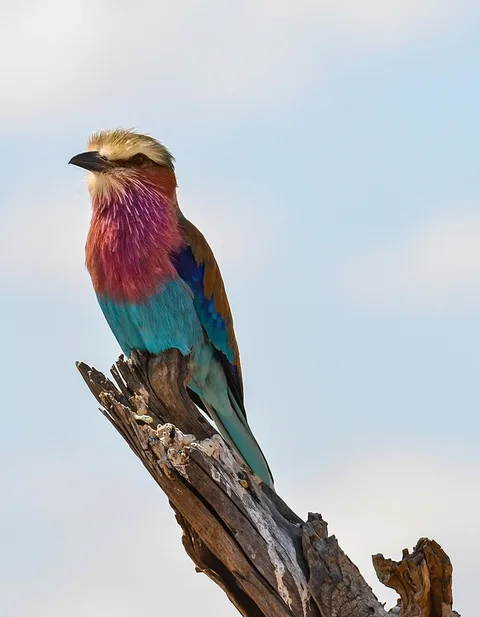
The high density of wildlife in the scenically diverse National Parks, paired with tropical island life, makes a trip to Tanzania the ideal combination of adventure and relaxation.
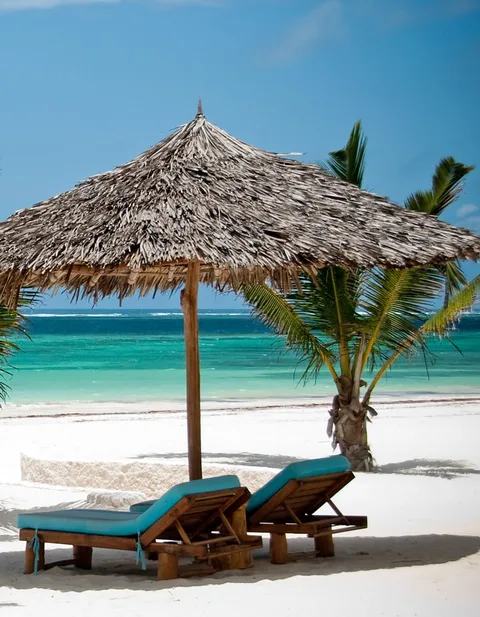
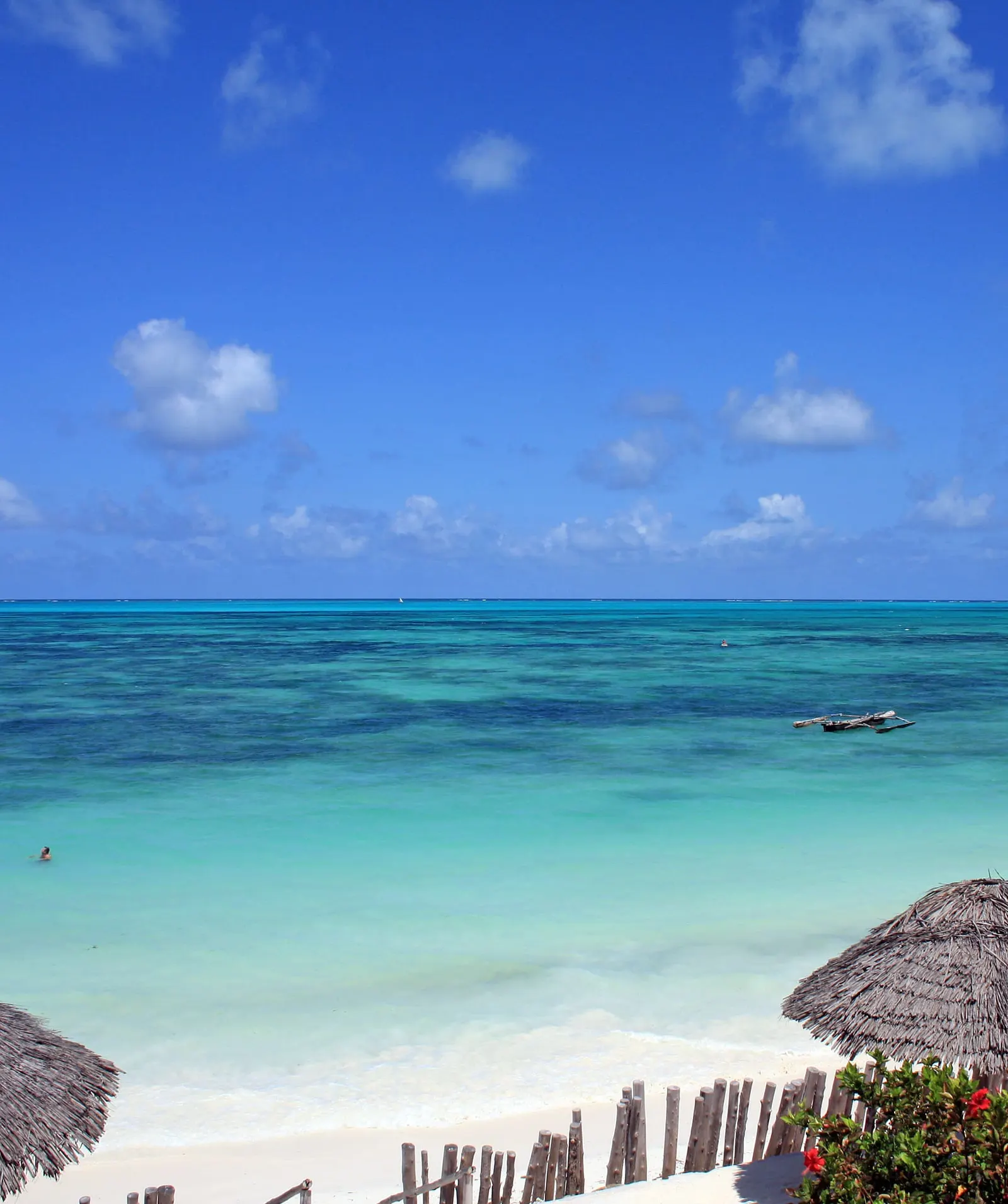
After exciting safari days, the white sandy beaches and turquoise sea of the Indian Ocean invite you to relax. In this way the wild beauty of Africa can be perfectly combined with relaxing days on the beach.
Our subsidiary on site in Tanzania has its own safari vehicles as well as equipment for mountain climbs and very well-trained guides. They also know the most beautiful spots for a dreamy beach holiday – whether on Zanzibar, Mafia, Pemba or the mainland.
The close contact with our colleagues in Arusha makes us one of the best travel providers for your well-thought-out Tanzania trip.
Travel styles in Tanzania
Tours in Tanzania
 Kenya, Tanzania
13 days
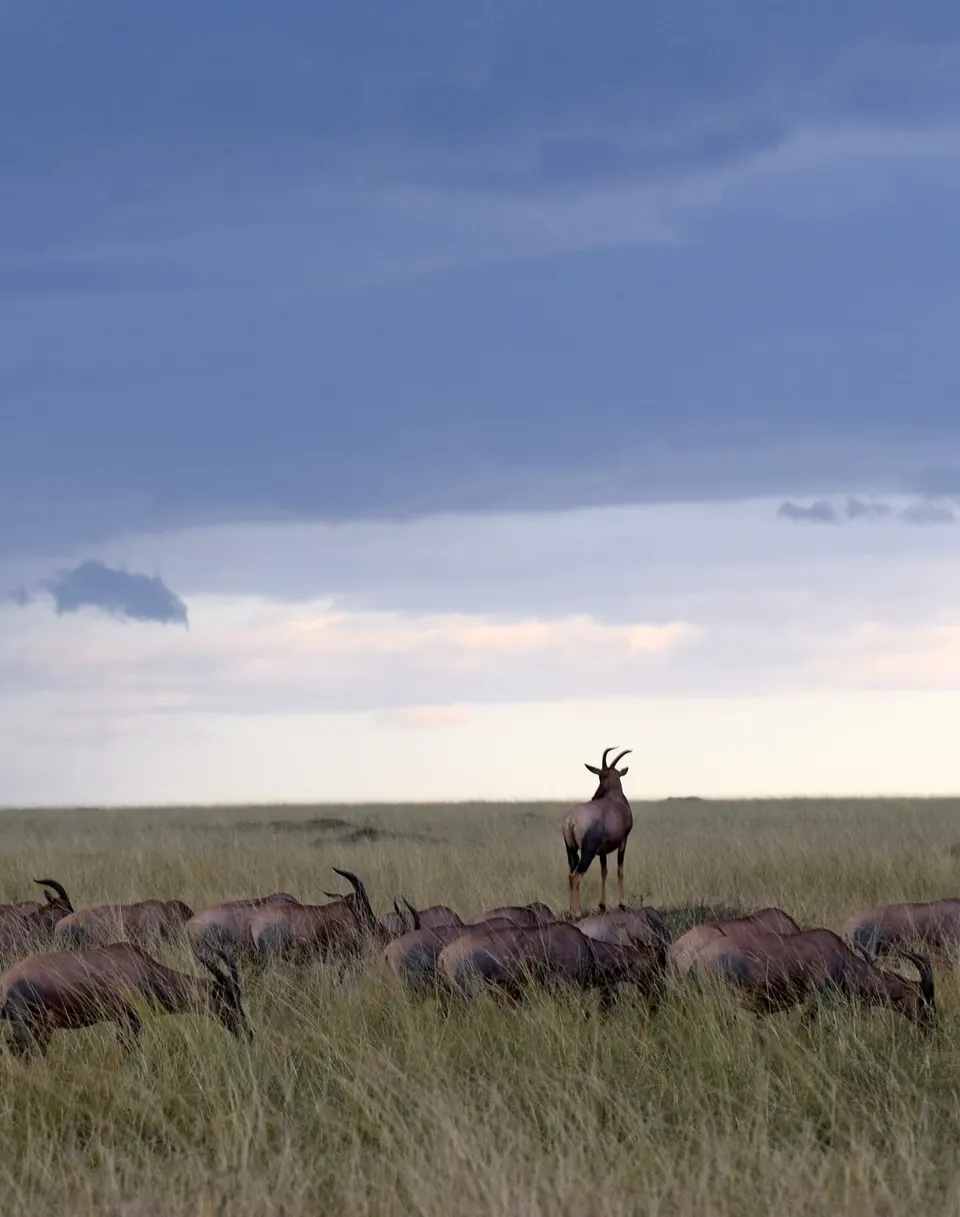
Best of Tanzania & Kenya – East Africa Safari
from 5.830 € per person
 Kenya, Tanzania
10 days
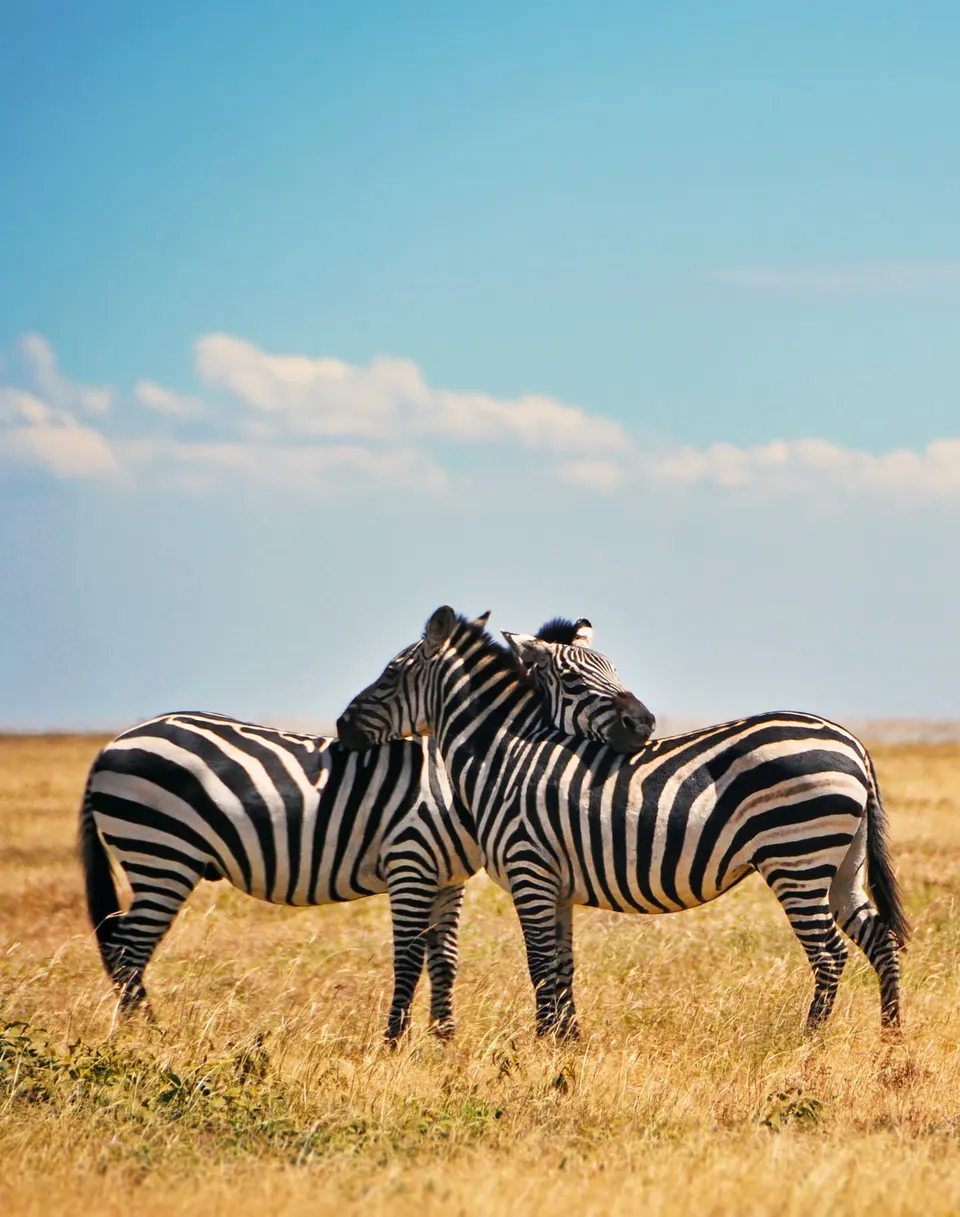
Kenya & Tanzania – Fascination East Africa
from 5.300 € per person
 Kenya, Tanzania
12 days
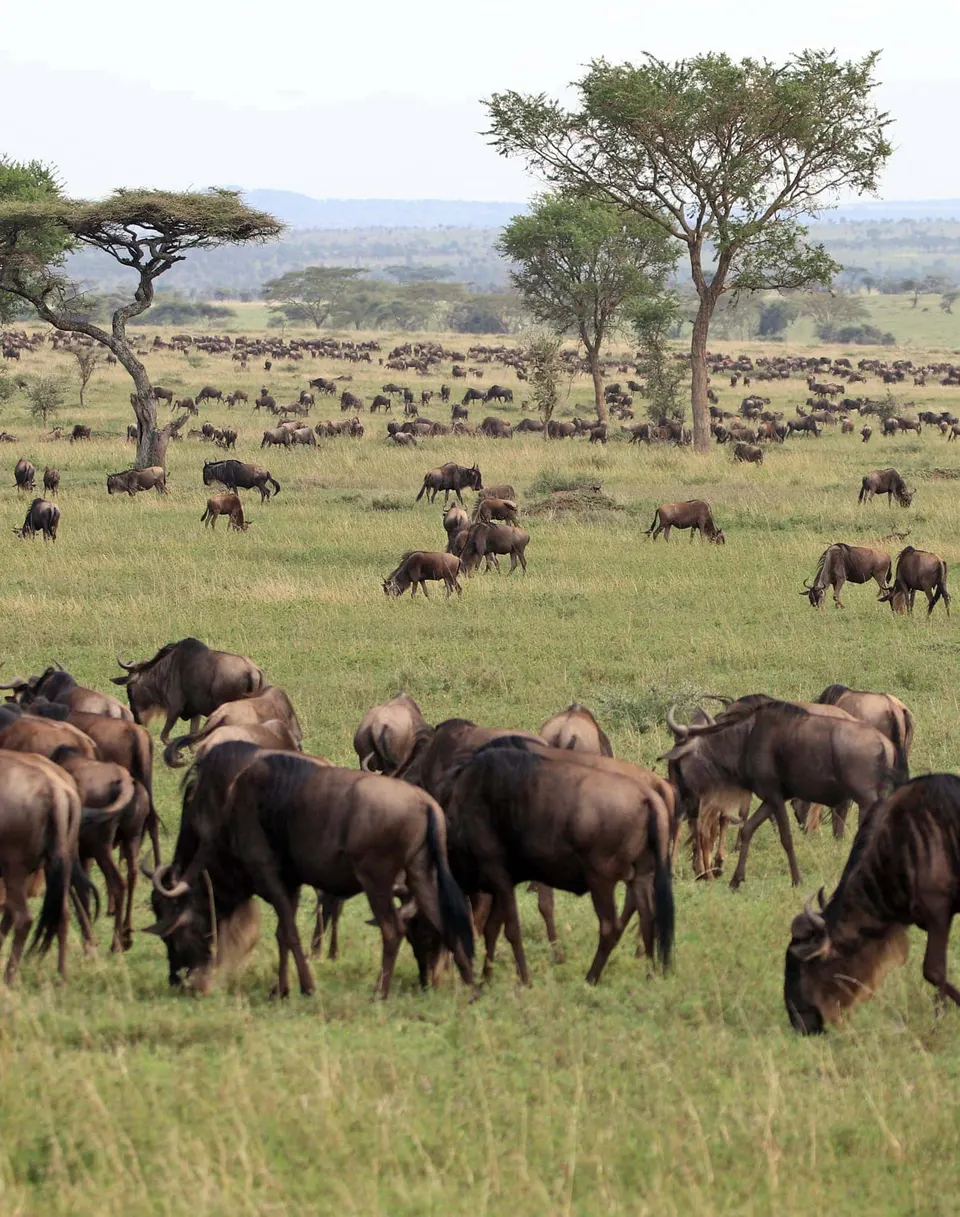
East Africa Overland
from 3.400 € per person
 Kenya, Tanzania
10 days
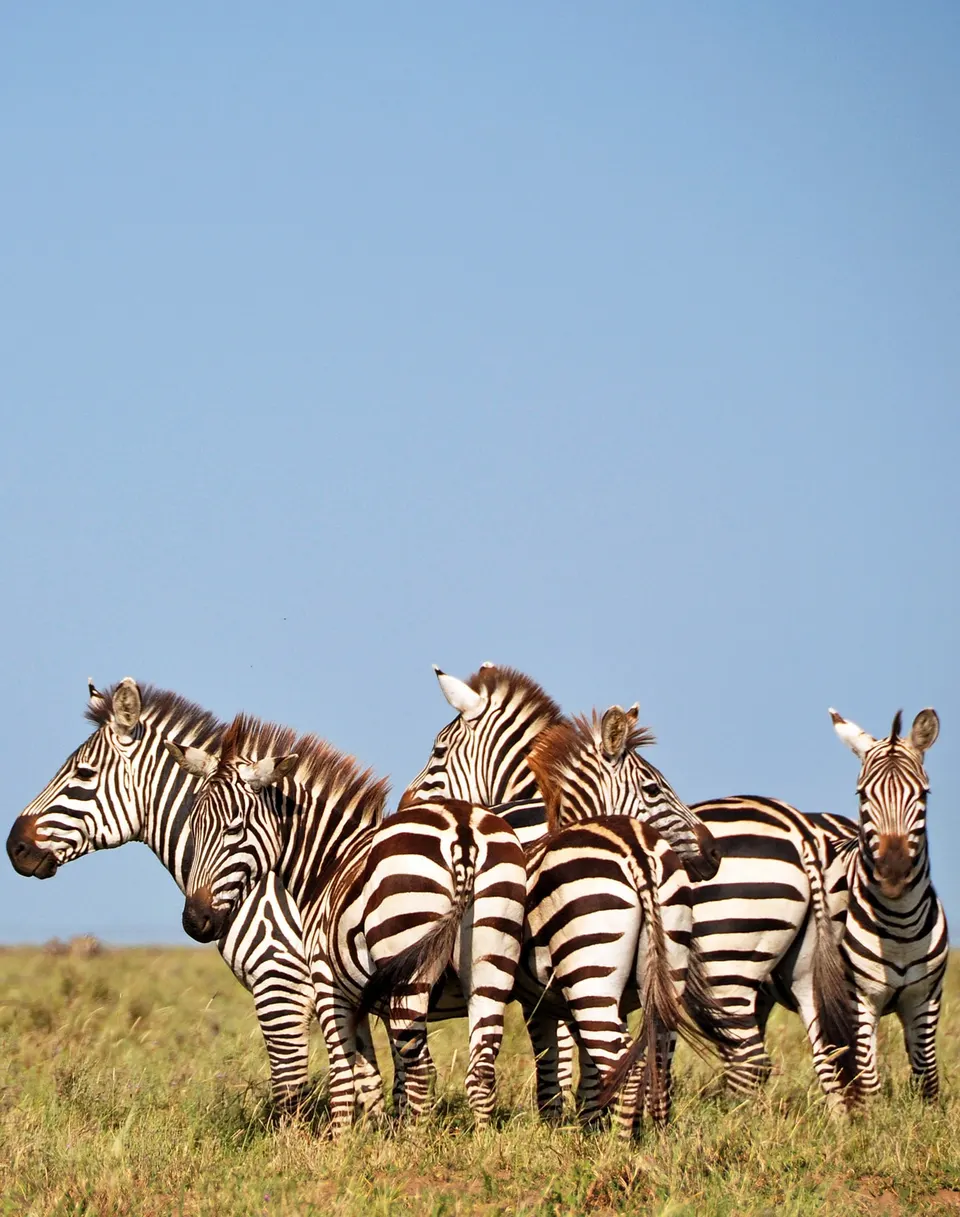
Tanzania & Kenya Highlights
from 5.040 € per person
 Tanzania
7 days
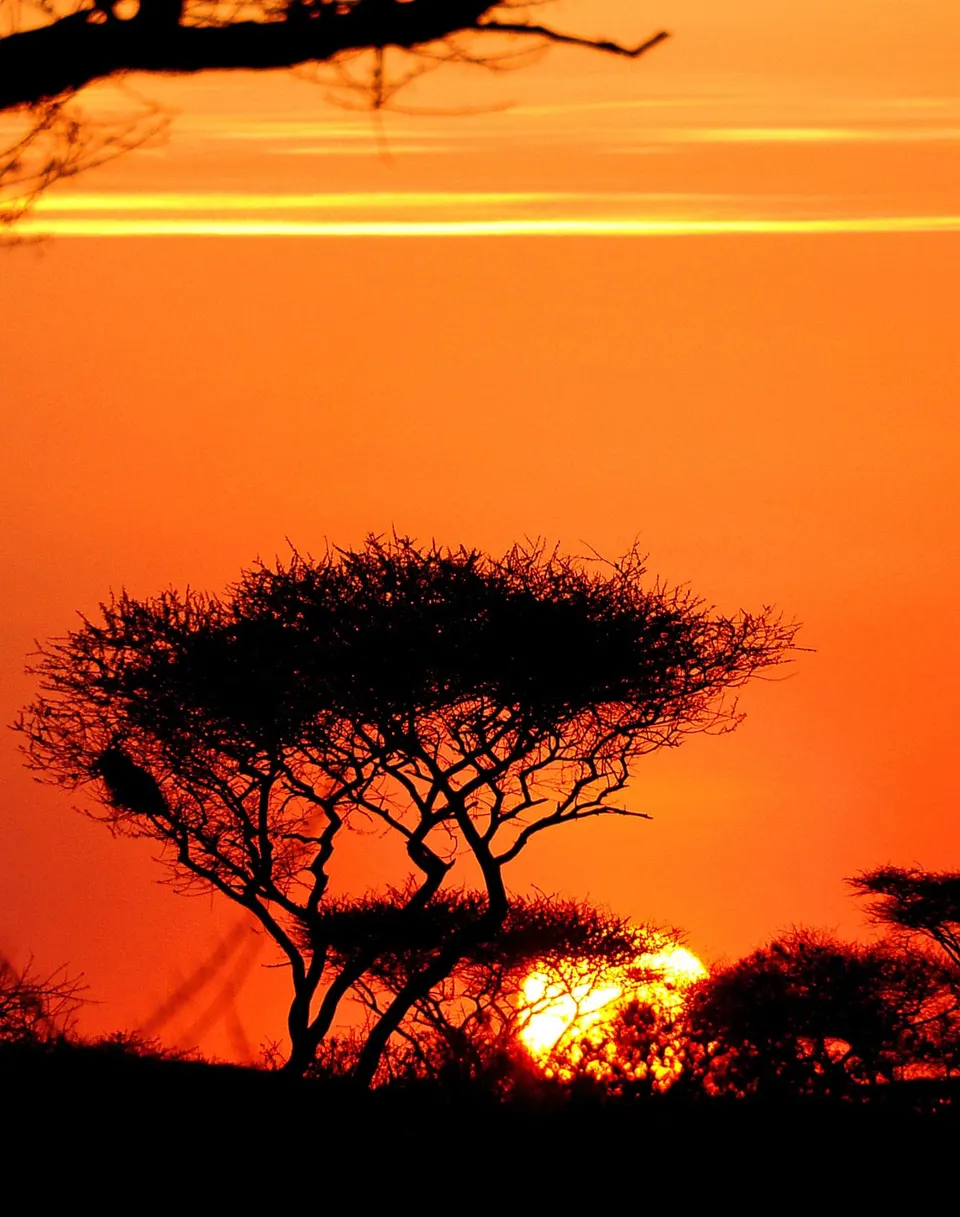
Best of Tanzania Safari: Serengeti, Ngorongoro Crater & more
from 2.660 € per person
 Tanzania
5 days
Fascinating Tanzania
from 1.940 € per person
 Tanzania
9 days
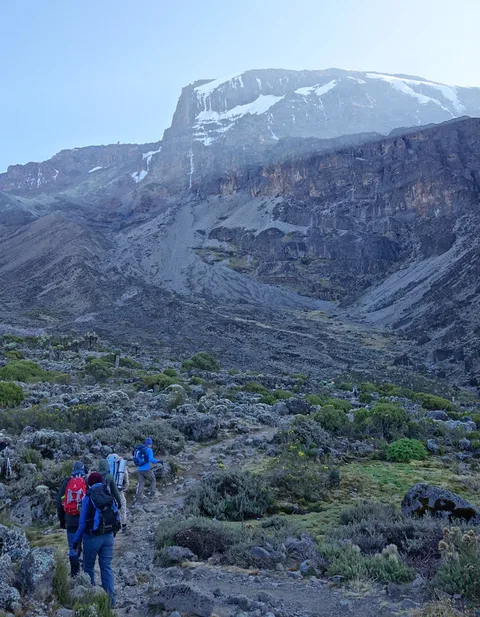
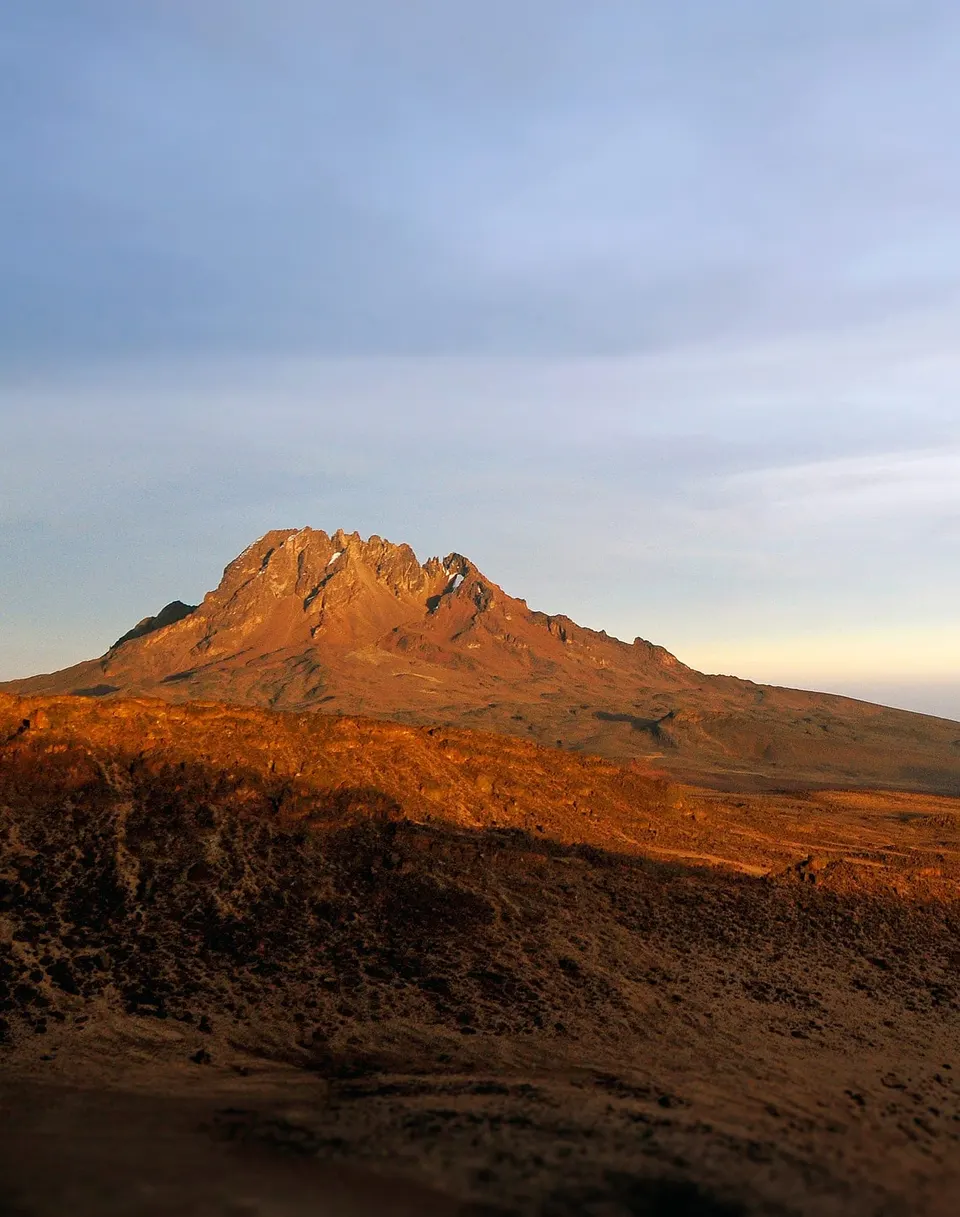
Kilimanjaro climb: Lemosho Route
from 2.480 € per person
 Tanzania
8 days
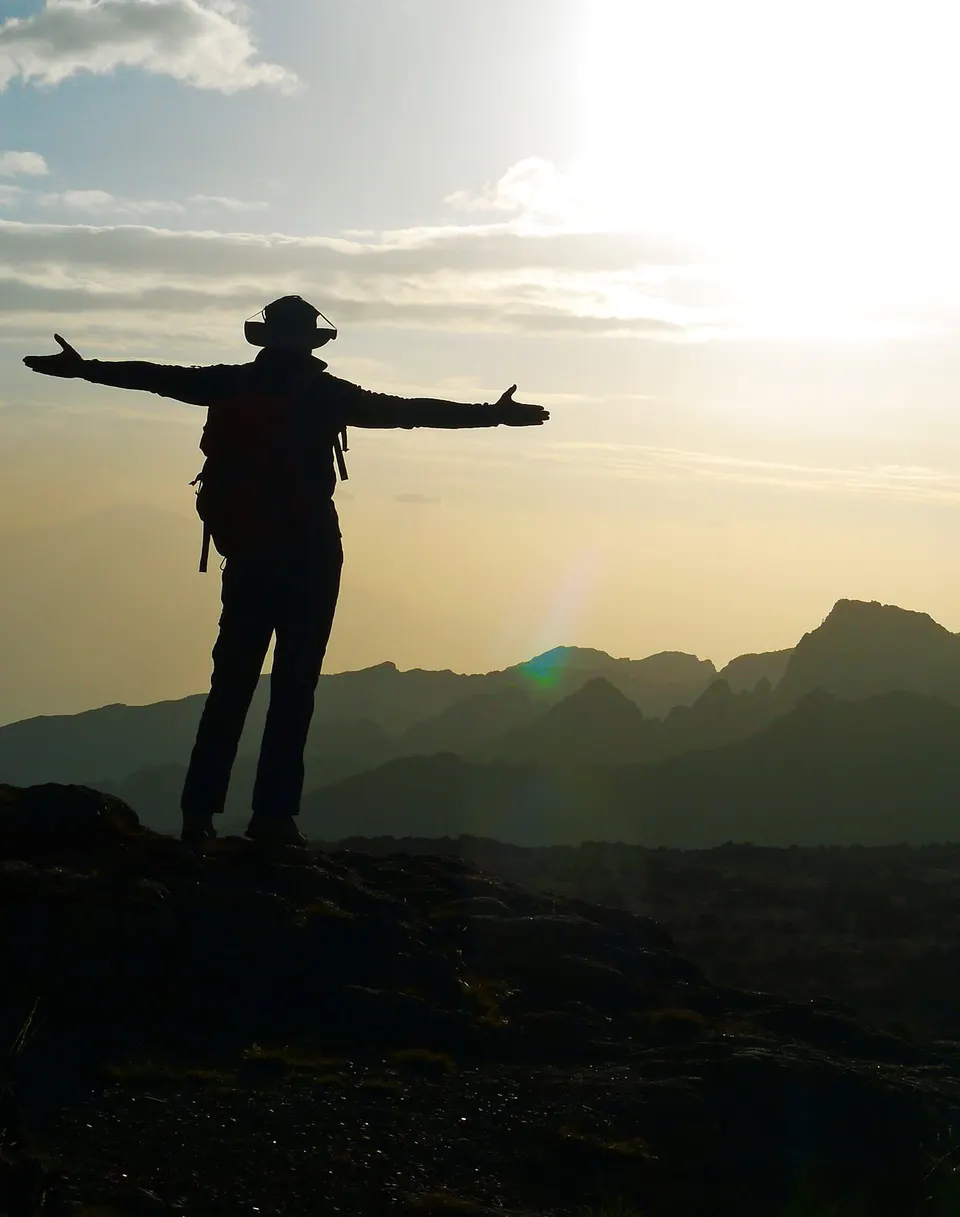
Kilimanjaro Trekking: Machame Route
from 2.000 € per person
 Tanzania
8 days
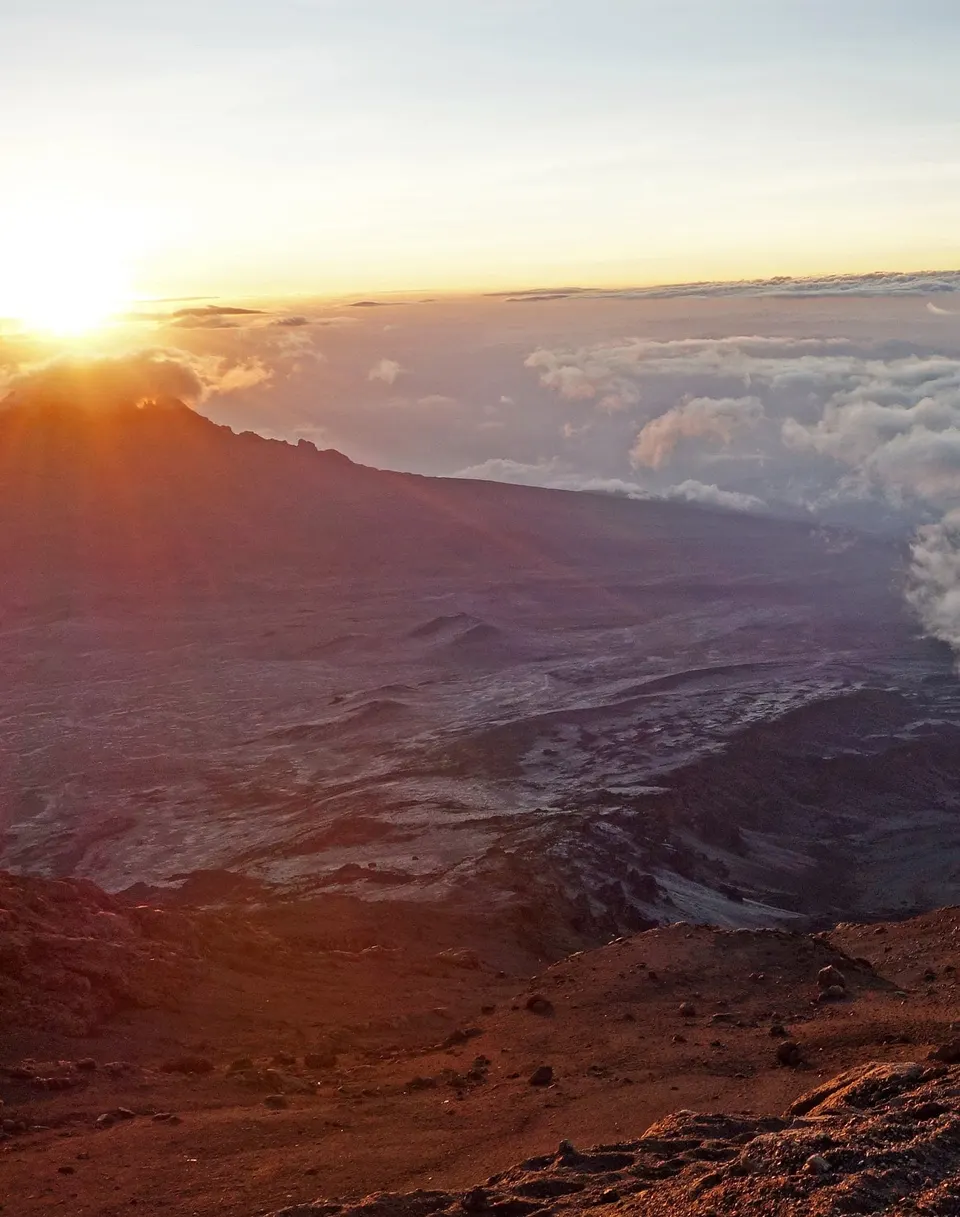
Kilimanjaro trekking: Marangu Route
from 1.760 € per person
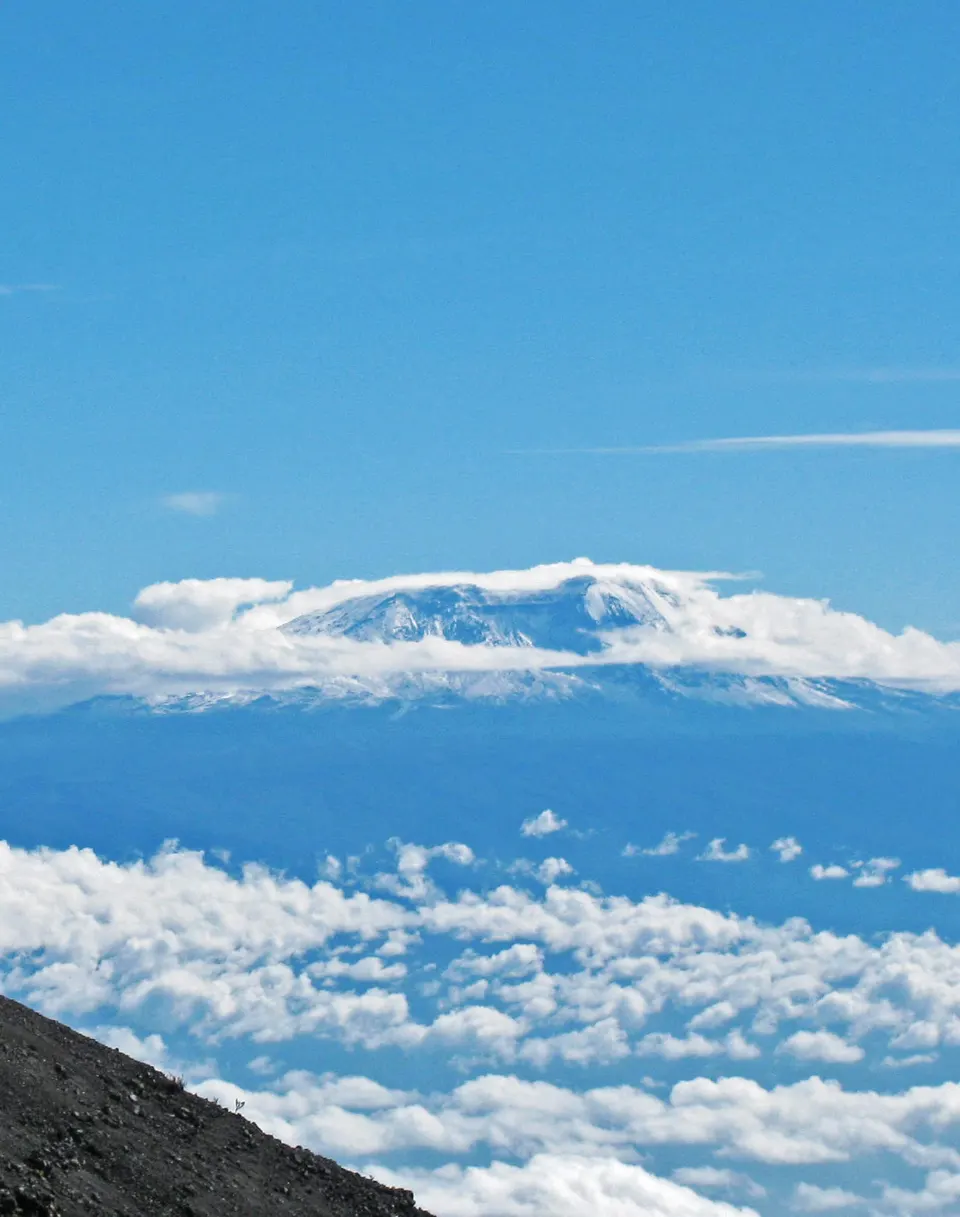 Tanzania
6 days
Mt Meru Trekking
from 1.020 € per person
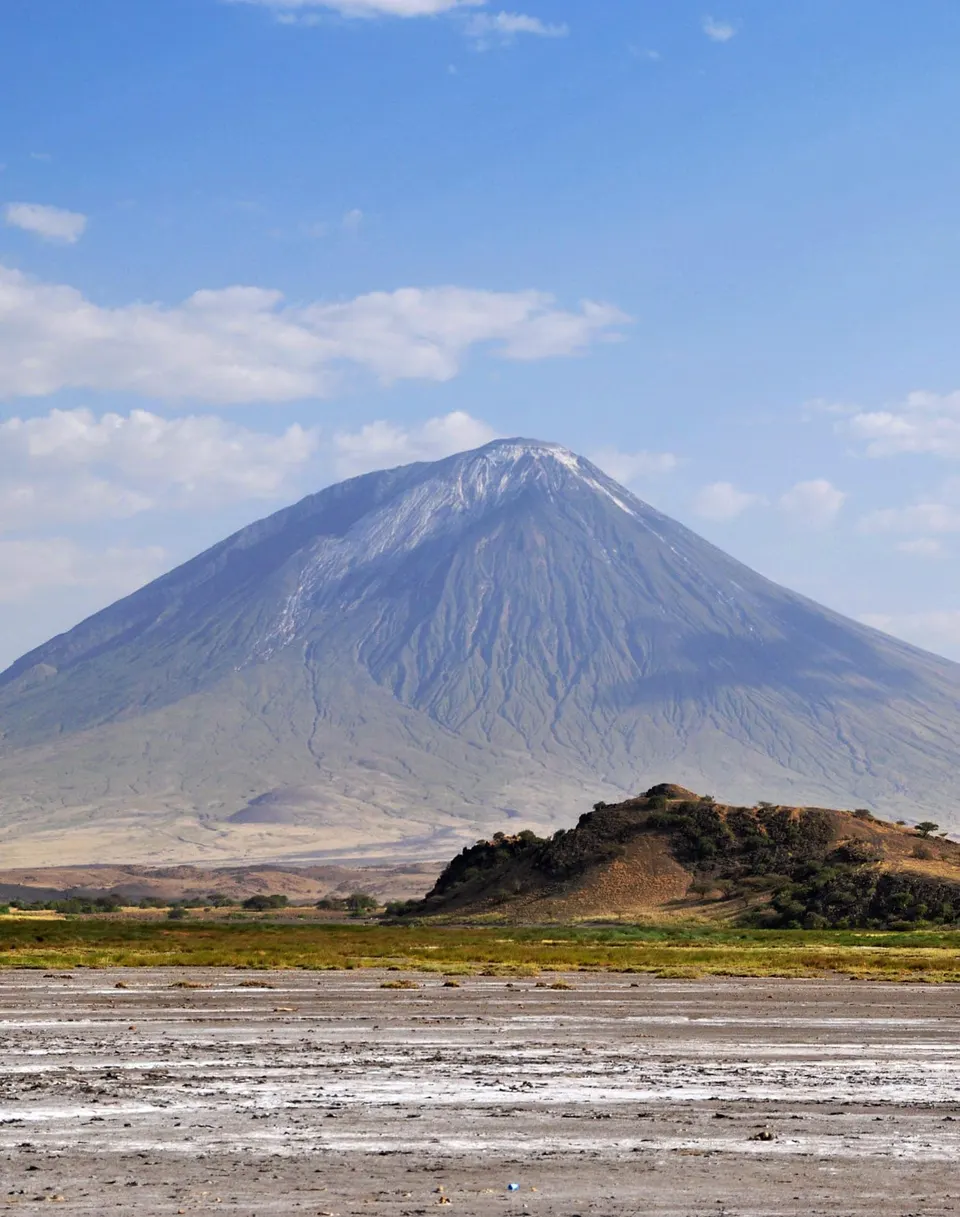 Tanzania
7 days
Tanzania – The Wild Side (Camping Safari)
from 2.010 € per person
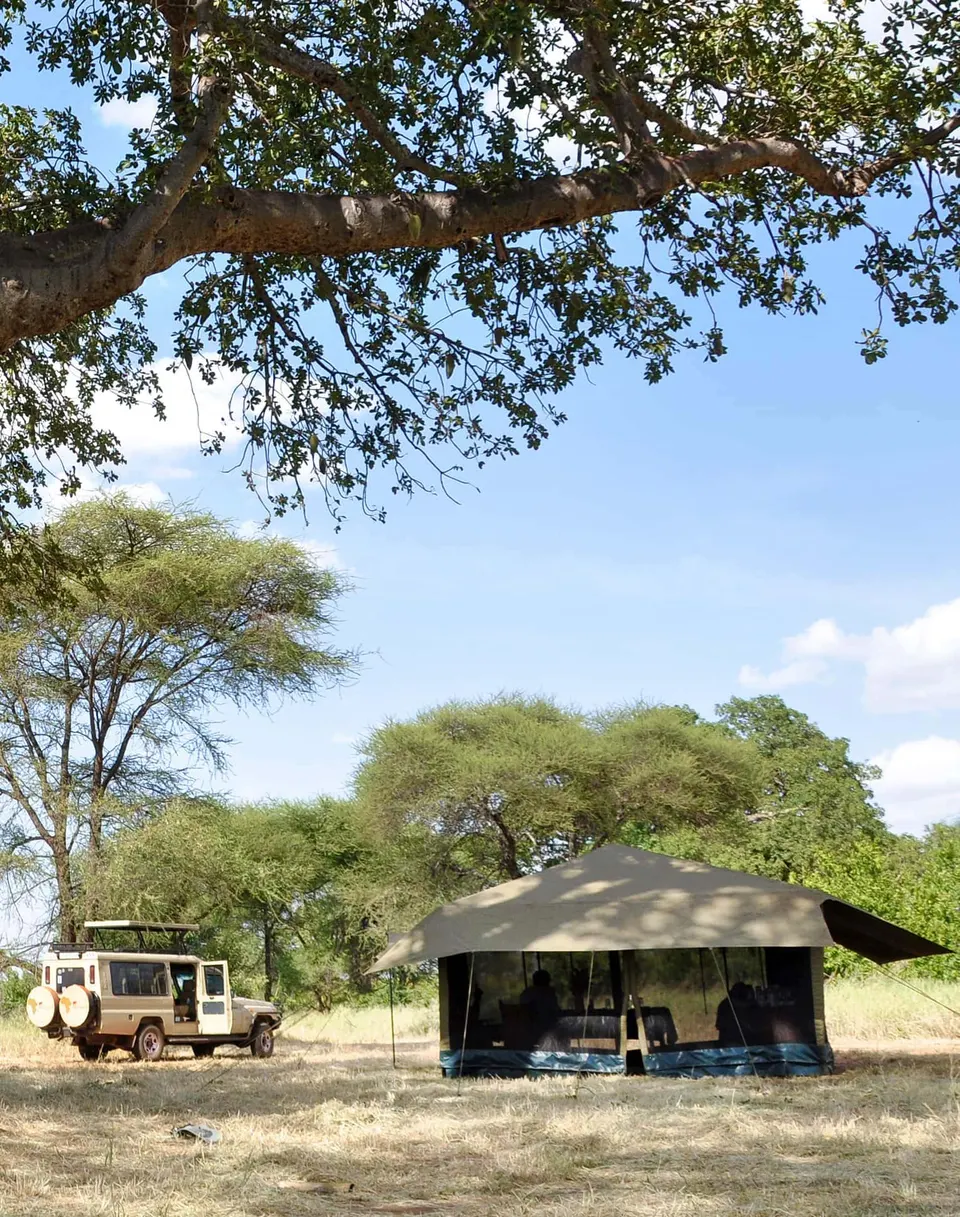 Tanzania
6 days
Untouched Wilderness
from 3.255 € per person
All prices exclude international flights.
Highlights of Tanzania trips
Travel information
Geographical location
Tanzania lies in East Africa and borders Kenya and Uganda to the north, Rwanda, Burundi and the Democratic Republic of the Congo to the west, and Zambia, Malawi and Mozambique to the south.
Tanzania is almost twice the size of Germany and the largest of the East African countries. It can be roughly divided into three regions: the coastal region, the hinterland and the islands.
The hinterland offers a great diversity of landscapes, vegetation and climate. Here you will find the lowest point in Africa – at the bottom of Lake Tanganyika – and at the same time the highest point in Africa: the summit of Kilimanjaro.
The coastline of the Indian Ocean, including the islands, measures approx. 1,424 km. The three largest islands are Unguja (Zanzibar), Pemba and Mafia.
The capital Dodoma, with around 765,000 inhabitants, lies in the middle of the country. The seat of government, however, is in Dar es Salaam, where about 5.38 million people live.
Tanzania has a great number of world-famous National Parks and protected areas – approx. 1/3 of the country is protected land.
Here you will find our recommendations for the 5 most beautiful National Parks in Tanzania.
Getting around
Tanzania's three most important airports are:
- Julius Nyerere International Airport (DAR) – The airport in Dar es Salaam is a good choice for onward travel to Zanzibar or the southern National Parks. Emirates and British Airways are among the airlines that fly to this airport from Germany on a regular basis.
- Kilimanjaro International Airport (JRO) – Kilimanjaro International Airport lies between Moshi and Arusha and is a good arrival airport for safari experiences in northern Tanzania, as well as for climbers who want to ascend Mt. Kilimanjaro or Mt. Meru. There are direct flights from Germany with Discover Airlines, as well as connections with KLM, Ethiopian Airways, Turkish Airlines, Qatar Airways or Swiss/Edelweiss, which involve a change of aircraft.
- Abeid Amani Karume International Airport (ZNZ) – Zanzibar has its own airport, from where you can start your holiday directly. Lufthansa and Discovery fly direct to Zanzibar from Germany, and you can also arrive here with a change of aircraft on Ethiopian Airways, Qatar Airways, Turkish Airlines, KLM and Emirates.
Getting around the country:
- Domestic flights: Several airlines such as Precision Air, Air Tanzania, Coastal Aviation, Air Excel and Auric Air offer flights between larger towns, safari destinations and islands such as Zanzibar.
- Road transport: We advise against using public transport on your Tanzania trip. In larger cities such as Dar es Salaam you can use providers such as Uber and Bolt. If you book your Tanzania trip with us, we will arrange all transfers for you with our reliable partners.
- Car rental and self-drive: Tanzania is not a classic self-drive country. The larger cities are connected by a good road network, but frequent routine police checks, which can occasionally be unpleasant due to communication difficulties, are a daily occurrence. You should not drive into the National Parks on your own during your Tanzania holiday.
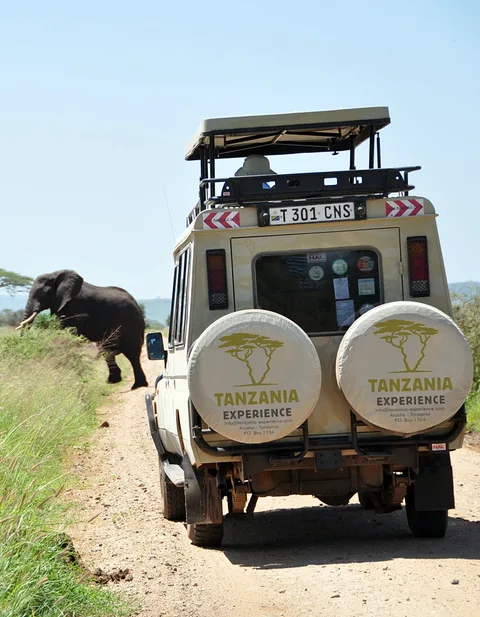
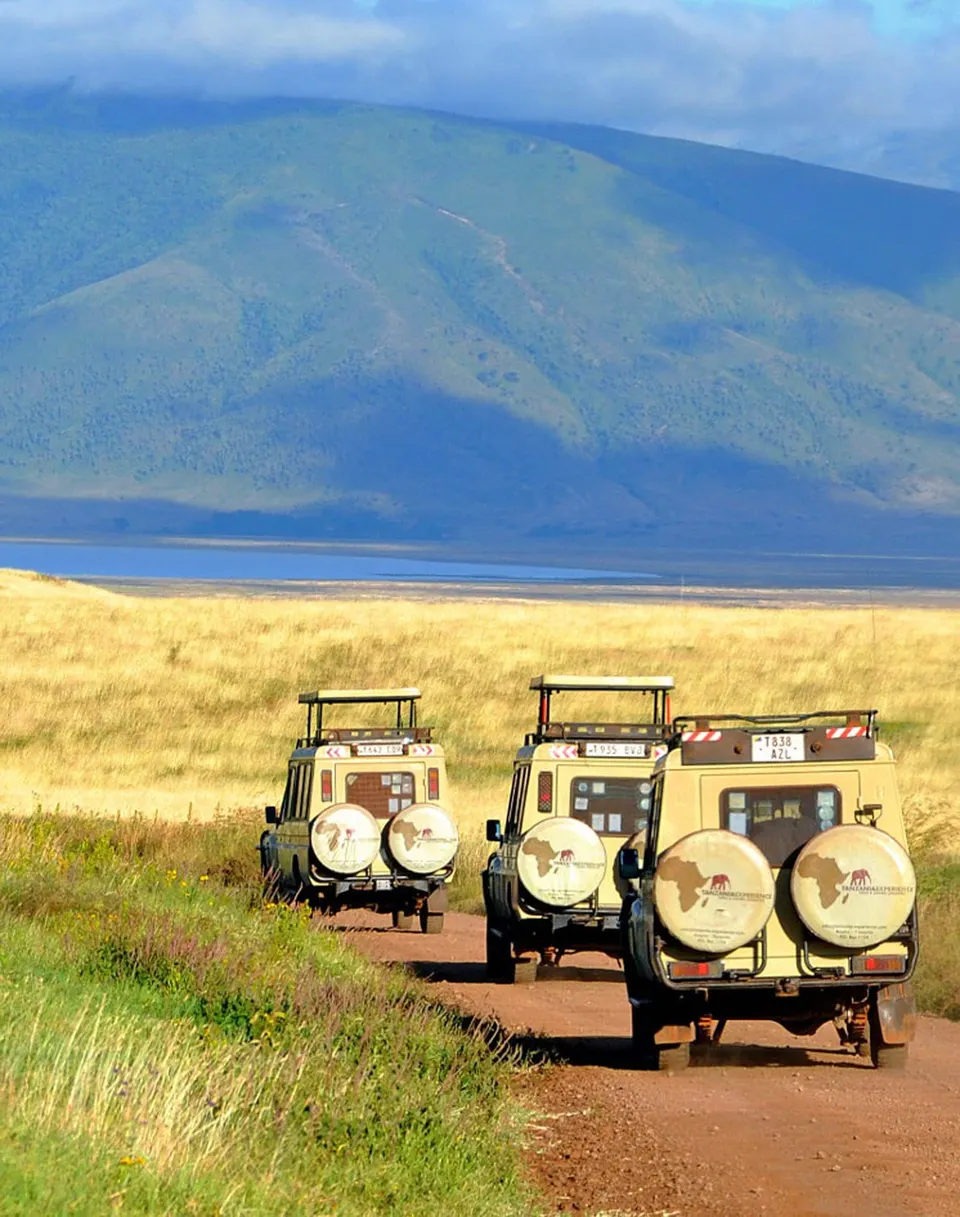
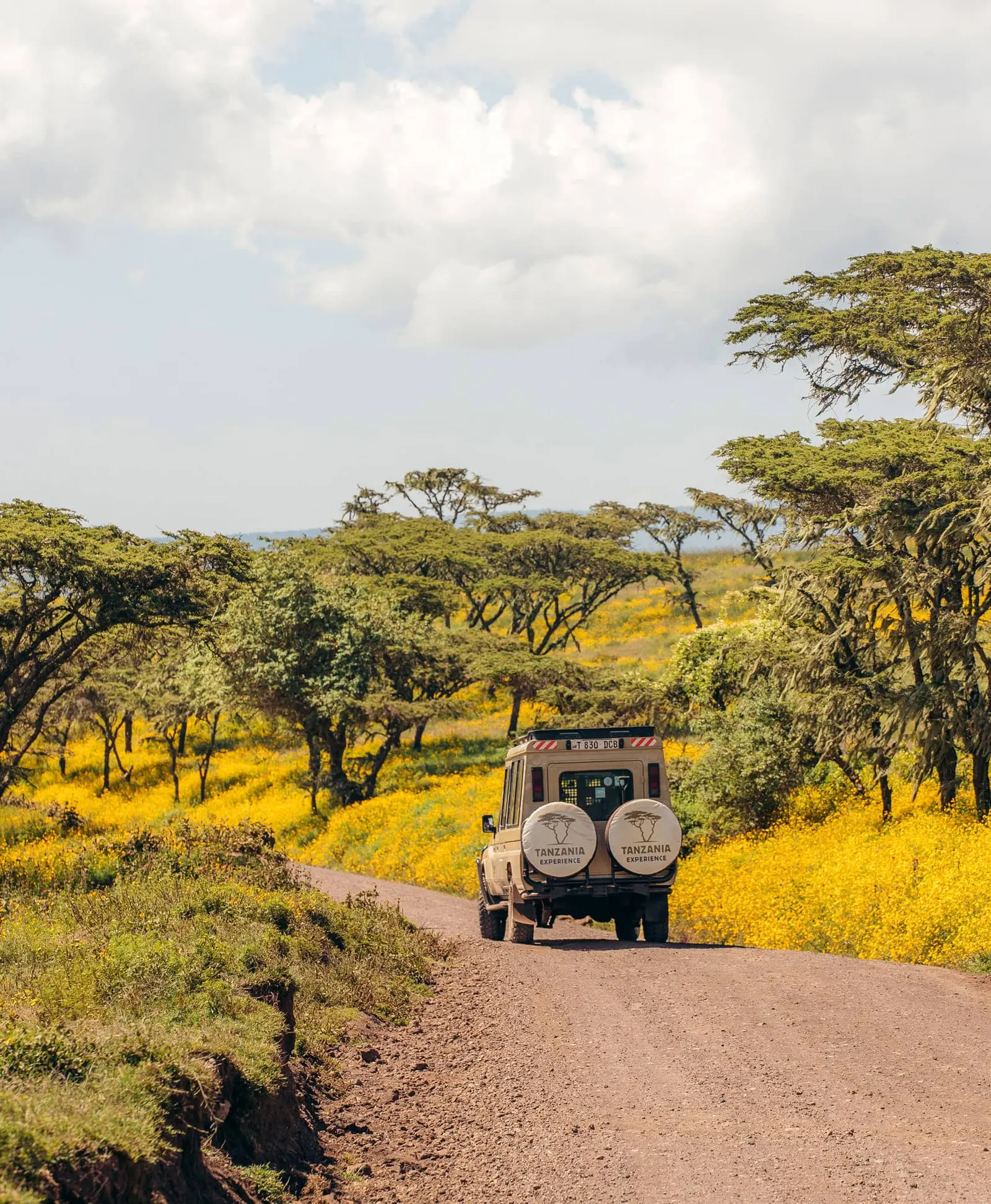
- Safari: The tours run by our local subsidiary use Toyota Land Cruiser safari vehicles. These have been converted to meet the requirements and have room for a maximum of seven guests plus guide. A window seat is guaranteed for every guest. Large windows and a pop-up roof allow first-class wildlife and nature viewing.
The safari trucks used on overland safaris are also specially converted and adapted to conditions in Tanzania.
Money
The currency in Tanzania is the Tanzanian shilling (TZS) (1 TZS = 100 senti/cents). 1 euro is approx. 2,900 TZS (as of March 2025). You can find an exchange rate calculator with current rates for all currencies here.
- US dollars are accepted in hotels, lodges and tourist facilities. Please note, however, that only notes printed after 2006 are accepted.
- Card payment: Larger hotels, lodges and upmarket restaurants accept payment by debit or credit card, although a fee of 3 to 5% may be charged for card transactions. VISA and Mastercard are the most widely accepted.
- Cash: In Tanzania cash is king, and it is advisable to carry enough cash with you, especially if you are heading to remote areas or going on safari. With a Maestro or credit card (e.g. VISA or Mastercard) and your PIN you can withdraw cash from ATMs during your Tanzania trip. ATMs are available in the larger towns.
- Tipping: The guides and your entire crew always do their best to fulfil your wishes and make your Tanzania holiday unforgettable. At the end of your Tanzania tour they will appreciate a reasonable tip, as is customary in Tanzania. In the accommodations there is often a tip box where you can leave your tip. It is customary to hand your guide his tip in person. Tips for guides and hotel staff can be paid in US dollars or euros. If you book a Kilimanjaro climb with us as part of your Tanzania trip, we will send you a detailed list of the recommended tip amounts.
Health & safety
Health:
- First-aid kit: On longer trips it is generally recommended to always carry a well-stocked first-aid kit. Medication for diarrhoea, fever and pain, travel sickness, vomiting and nausea, as well as nose drops, disinfectant for skin injuries, burn ointment and insect repellent should not be missing. Your trusted pharmacist will be happy to advise you.
- Malaria: Malaria is a concern all year round on a Tanzania trip. You should contact your GP or a tropical medicine specialist in good time before your trip to discuss malaria prophylaxis. To avoid mosquito bites, you should wear long trousers and long-sleeved tops in the morning and evening hours and apply mosquito repellent.
- Vaccination recommendations: The standard vaccinations recommended by the Standing Committee on Vaccination (STIKO) should be checked and topped up if necessary. Please speak to your GP or a tropical medicine specialist. Travellers from yellow fever risk areas, which include the neighbouring countries Kenya and Uganda, for example, need a yellow fever vaccination from the age of one. Travellers arriving from Europe only need proof of a yellow fever vaccination if they stop over in a yellow fever risk area and leave the airport, or have a stay of at least 12 hours.
- Health insurance: Please check whether your health insurer also covers services outside Europe. If this is not the case, we strongly recommend taking out travel health insurance for abroad. Speak to us when you book your Tanzania trip – we will be happy to advise you.
Safety:
Safety matters on all trips. Use your common sense and follow the safety instructions of your guide. Here are some of our best tips:
- Areas: Avoid wandering around alone at random, especially after dark. You should also avoid secluded areas and unguarded beaches during the day. This applies in particular to the beaches in the coastal towns.
- Valuables: Carry only as much cash as necessary and avoid displaying expensive jewellery or watches. Do not leave valuables (cameras, binoculars, etc.) in plain sight in the vehicle, but always take them with you.
- ATMs: Only use ATMs in banks or reputable hotels. Beware of street money changers who offer “better exchange rates”.
- Transport: Only use taxis from trustworthy and well-known companies or via platforms such as Uber and Bolt. Be careful when using public transport (“dala-dalas” and buses) – these can be overcrowded and unsafe.
- Road safety: Road conditions are in some cases poor and local drivers often do not follow the traffic rules, so be a little cautious. Street lighting is generally sparse or non-existent, which is why we advise against driving at night. In general, you must watch out for wildlife.
You can find current travel and safety advice on the website of the German Federal Foreign Office.
If you would like to find out more, we recommend our blog on the subject of safety in Tanzania.
If you have any questions, we are of course always at your side as one of the best Tanzania tour operators. You can send us your enquiry here.
Climate & best time to travel
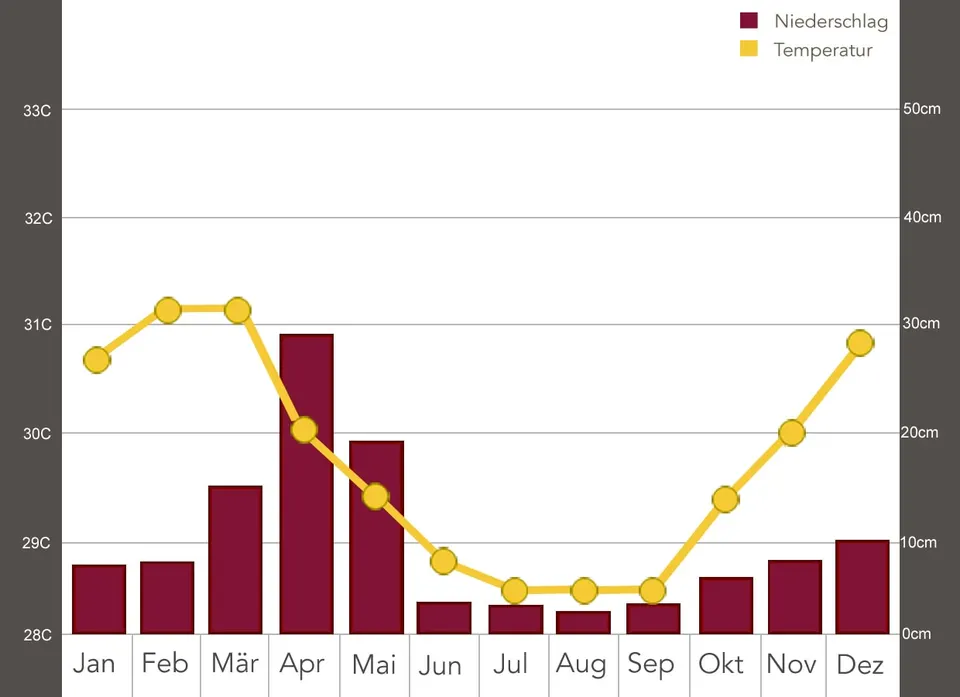
Tanzania has a tropical climate. On the coast it is often very hot and humid. The best time to travel for you depends on which activities you want to do during your Tanzania holiday or which regions you want to visit.
The best time for a Tanzania safari and for watching the diverse wildlife is considered to be the period between July and October. This is the driest time of the year and temperatures are pleasant. But the months December to March are also very good for safaris. It is then dry and in places very hot, with temperatures above 30°C.
The “Long Rains” in Tanzania begin in mid-March and last until May. It can get very wet and flooding can occur. November can also be very wet in places.
We will be happy to advise you on the best time to travel when you book your Tanzania trip with us.
Simply arrange a free consultation with our Tanzania expert.
Travel tips
Languages:
Besides Kiswahili, English is also recognised as an official language in Tanzania. Most people, however, grow up bilingual – with their own tribal language as well as Kiswahili.
On Tanzania tours you will often notice that not everyone speaks English. More English is spoken in urban and tourist centres, but it is not taught at all schools.
Customs and etiquette:
People shake hands on greeting and parting. A single person is greeted with “Jambo” (hello). In hotels and shops there are fixed prices; at markets or with street vendors you can haggle.
Especially on the island of Zanzibar, where 95 per cent of the population is Muslim, you should pay attention to “modest clothing” and ideally cover your shoulders and knees. On your Tanzania holiday, avoid nudism and going “topless”.
As a general rule, you should always ask permission before photographing anyone. It is strictly forbidden to photograph government buildings, military and security-related facilities, as well as police officers and military personnel.
Religion:
Since 1967, religious affiliation has no longer been asked about in censuses. However, it is estimated that approx. 56 per cent are Christian, 37 per cent Muslim and 6 per cent followers of other religions. In Zanzibar the distribution is somewhat different: approx. 98 per cent are Muslim, alongside a Christian and Hindu minority.
Time difference:
Tanzania observes CET +2 hours. The time difference to Central Europe is therefore +2 hours in the European winter and +1 hour in the summer. Tanzania does not change its clocks between summer and winter.
Tanzanians also have their own way of telling the time, the Swahili time system. In it, 6 pm is regarded as the end of the day and 6 am as the end of the night. Both times are called 12 o'clock in the Swahili time system.
Usually, however, tourists are given the international time – if in doubt, it is best to ask.
Food:
The food in Tanzania is a real highlight and the cultural diversity is reflected in the cuisine. Local cooking consists mainly of maize, beans, maize flour, fish and meat, and there is no shortage of vegetarian alternatives (such as plantains, lentils or peas).
On the coast and on islands such as Zanzibar, a lot of cooking is done with coconut, and of course you can also enjoy excellent fresh fish here.
Another highlight is the many sweet fruits, which make you wonder whether you have ever eaten fruit before.
Drinks:
Tanzanians themselves like to drink black, sweetened and spiced tea (“chai”) as well as a variety of soft drinks and fresh juices.
In many hotels and lodges instant coffee is served. Zanzibar is known for its “spiced coffee”, which you can enjoy in good company in some places.
The various beers (Kilimanjaro, Serengeti and Safari) are excellent.
Electricity:
The three-pin British plug (type G) is the most widespread in Tanzania; adapter plugs are available from outdoor shops or well-stocked electrical shops.
The mains voltage in Tanzania is 220-240 volts. Frequent power cuts and fluctuations should be expected. Some lodges and almost all tented camps run on generators, so electricity is not available around the clock there.
Internet:
Wi-Fi is generally available in hotels, cafés and areas developed for tourism. The easiest way is to buy a local SIM card to use mobile data cheaply. The network can be somewhat slow depending on the location, but in general you can receive mobile data everywhere.
Entry requirements
Visa:
You need a visa, which you can obtain directly on arrival at the international airports and official border crossings or apply for in advance via this link.
You can apply for an e-visa no earlier than four weeks and no later than two weeks before entry.
If you apply for a visa on arrival (“visa on arrival”), please note that this process can take some time. The visa fee is 50 US dollars, including for minor children.
Travelling to Zanzibar:
If you travel to Zanzibar, you must take out a “Mandatory Inbound Travel Insurance” before entry (new since 1 Oct 2024). This travel insurance costs 44 US dollars.
It is compulsory to take out the travel insurance, even if you have already taken out your own travel insurance. The insurance must be taken out via this website.
- Passport: In general, all travellers need a valid passport that remains valid for at least 6 months beyond the trip and has at least two blank pages (for multi-country combinations, correspondingly more blank pages for stamps are required).
- Travelling with children: Please also note that for Tanzania trips with children, an entry in a parent's passport is no longer sufficient. A machine-readable child's passport with a passport photo must be carried.
General:
In general, visa requirements can change at any time. Please therefore contact the Tanzanian diplomatic mission responsible for your place of residence in good time. Please make 100% sure that you are in possession of the required and valid documents.
If you have any further questions about our Tanzania trips, our friendly team will be happy to help. You can reach us by phone or via our email address.
More sights on trips in Tanzania
Tanzania is diverse, and besides the usual highlights such as safari, Kilimanjaro or Zanzibar, there is really a lot to discover.
If you want to travel off the beaten track, you can include places such as Tanga, Lushoto or lesser-visited islands of the Zanzibar Archipelago such as Mafia Island (popular for the whale sharks that can be seen here from October to March) or Pemba Island in your itinerary.
Further highlights are the Mahale Mountains National Park, known for chimpanzee trekking, and Lake Tanganyika, one of the deepest and oldest lakes in the world. But there is much more to discover.
Whatever you decide, as the best tour operator for Tanzania trips we will be happy to help you book your Tanzania trip.
Through our local subsidiary we are always well informed and happy to advise you – including on trips to remote areas.
Arrange a free consultation here.
- Places on our tours