Mount Meru climb: trekking tours in Tanzania
Experience the Mt Meru climb with a professional crew. Our own agency on site. Nights in mountain huts. Book here with the expert!
Mountain hike up Mt Meru
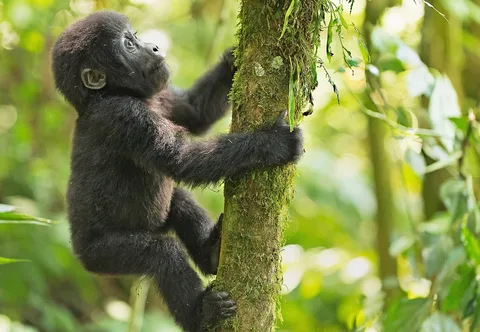
The Mt Meru climb takes you through varied landscapes and different vegetation zones. In the lower regions you may, with a little luck, encounter wildlife.
As Tanzania’s second-highest mountain, Mount Meru is an impressive alternative to Kilimanjaro and convinces with its special variety of landscapes.
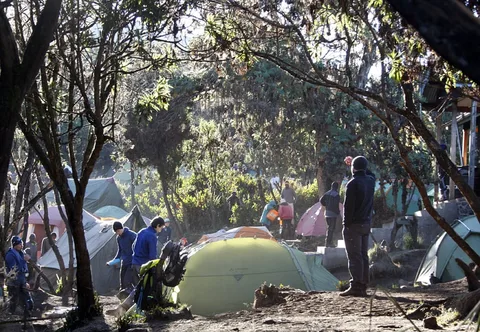
Accompanied by experienced guides and a National Park ranger, you reach higher altitudes step by step. Your luggage is carried by porters while a cook takes care of the meals.
You do not need any prior mountaineering experience, but you should bring good fitness and sure-footedness.
Our trekking tour up Mt Meru
All prices exclude international flights.
Trekking highlights
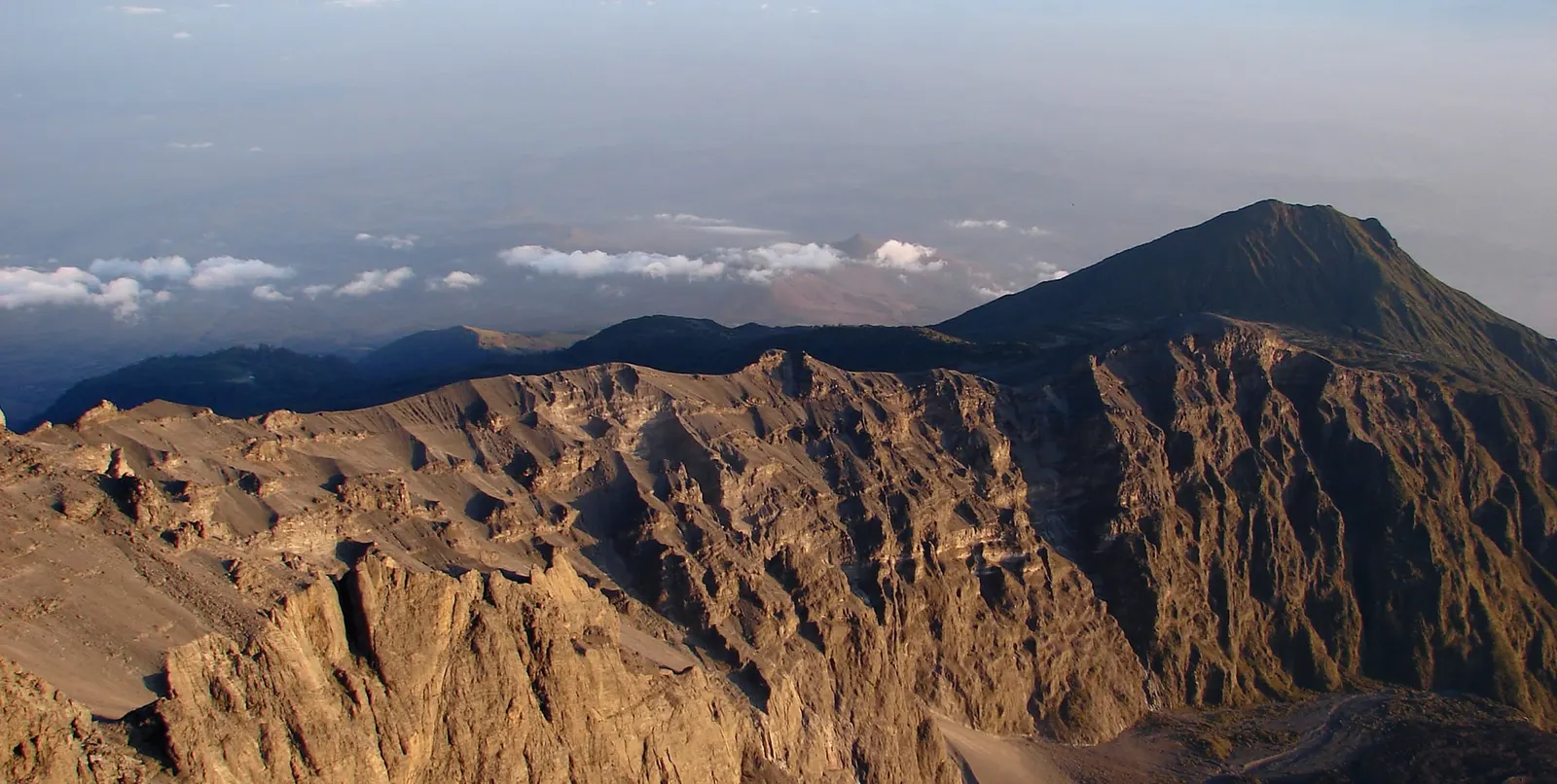
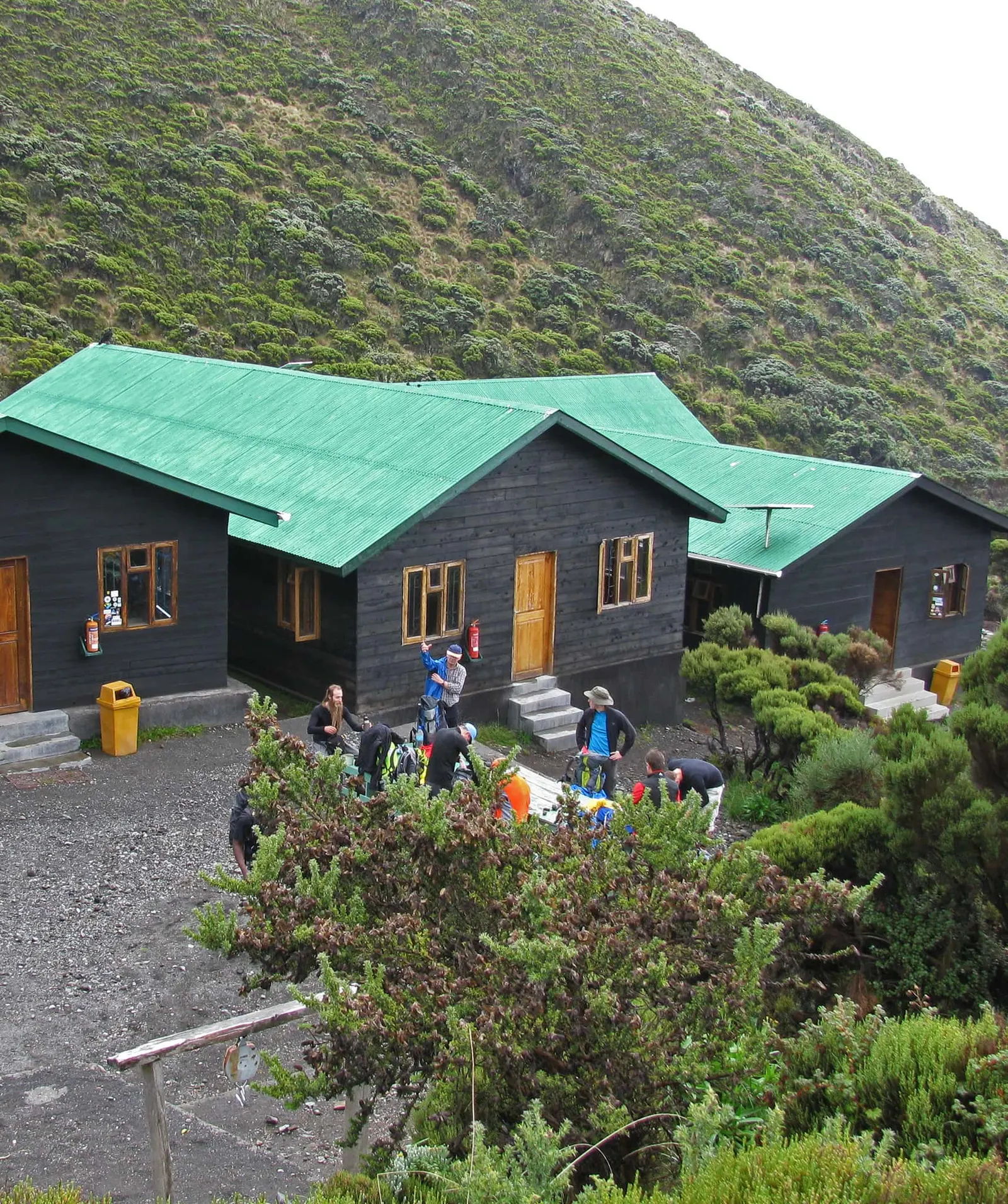
A particular highlight is the ascent along the narrow crater rim, which opens up spectacular views down into the crater. The nights in mountain huts also make for an intense experience of nature.
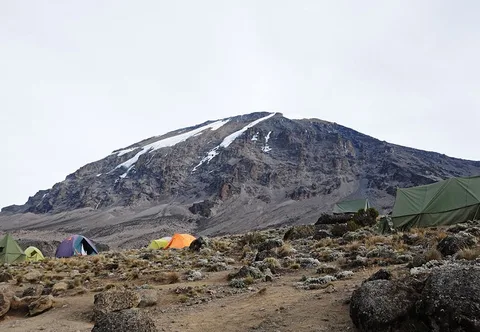
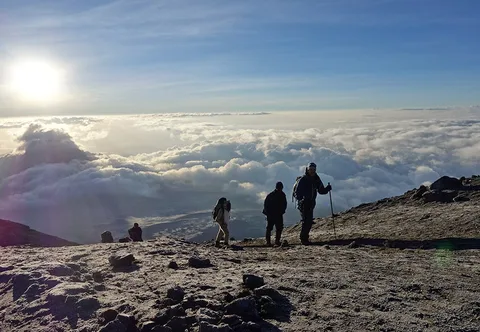
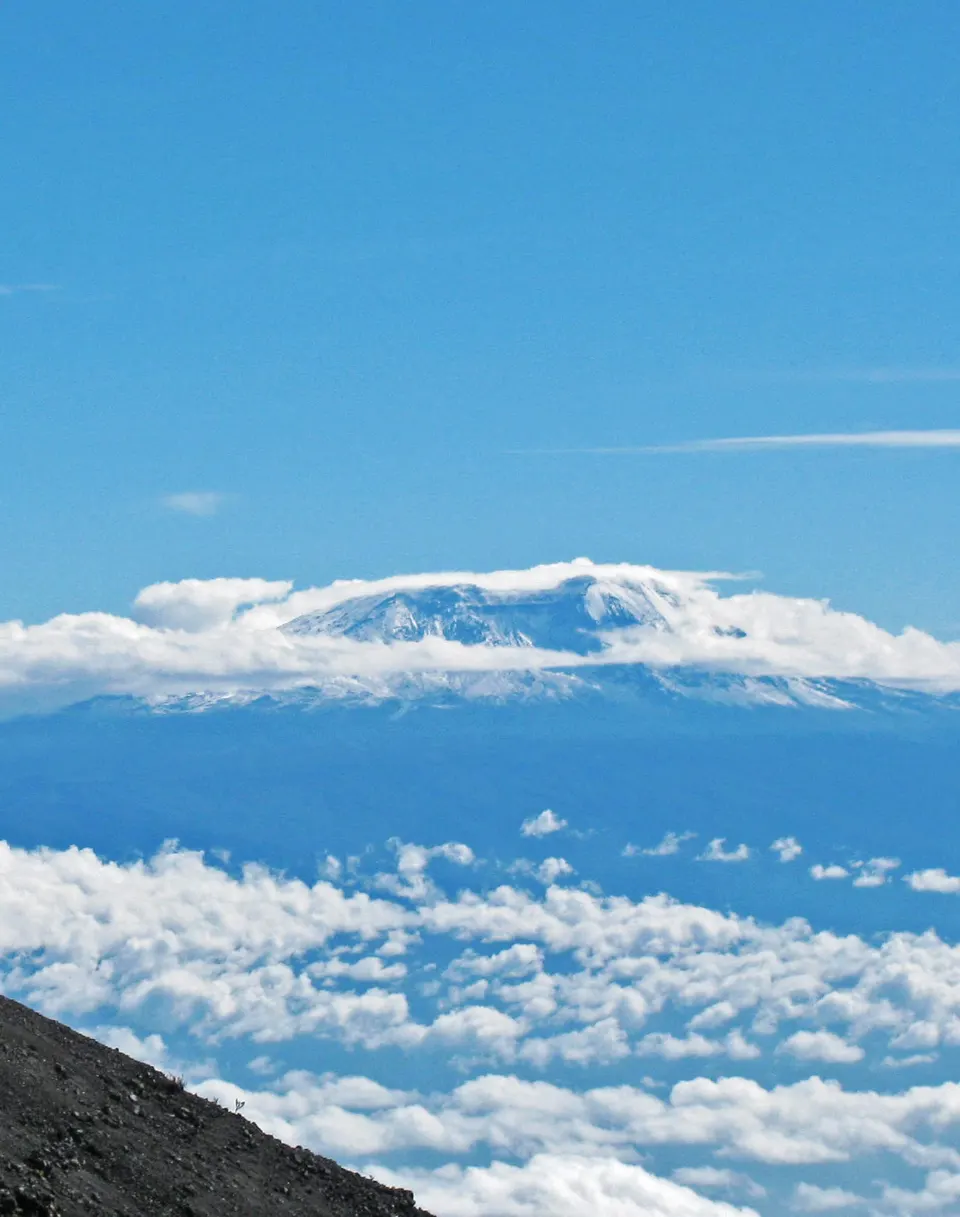
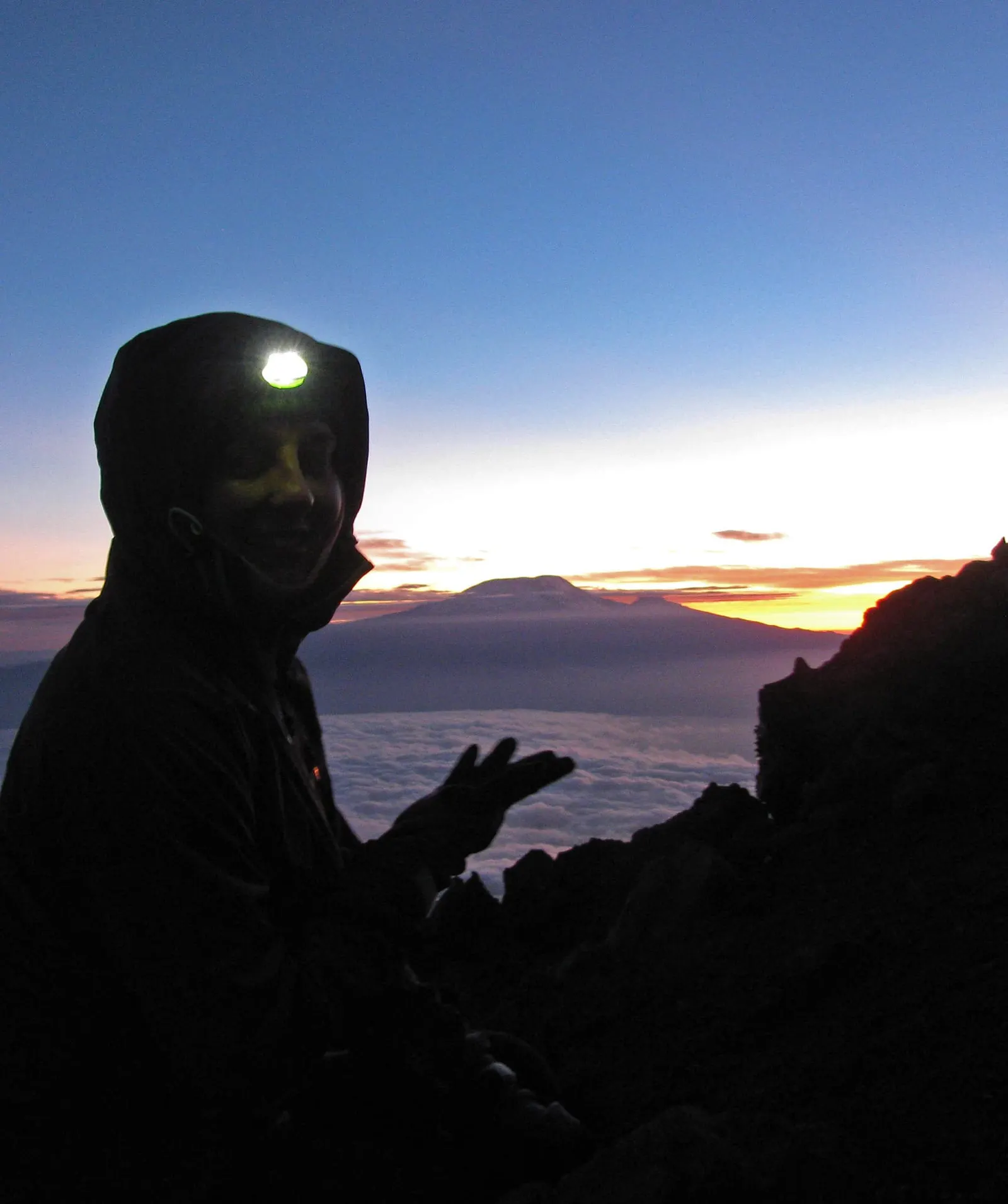
The early summit ascent in the dark makes the sunrise at Socialist Peak at 4,566 metres all the more impressive. In clear conditions you are rewarded with a wide view as far as Kilimanjaro and across the vast plains of Arusha National Park.
Well-thought-out tour planning
Professional mountain crew
Seclusion and time in nature
Impressive landscapes
Highlights of a Mount Meru climb
— Hedda Stegemann
When is the best time to travel for a Mount Meru trekking tour?
The best time to travel for a Mount Meru trekking tour is the dry season from January – March and June – October, when conditions are most stable and the chances of a clear summit day are highest.
Trekking is also possible during the rainy seasons, but it is technically more demanding and comes with more adverse conditions.
Best times to travel for Mount Meru trekking
Short dry season: January – February
- Warm, mostly dry
- Good views of the summit and often a view of Mount Kilimanjaro
- Fewer visitors than in the high season
Long dry season: June – October
- Cooler, very stable weather conditions
- Best long-distance views
- Ideal conditions for summit day
- Most popular time to travel
Less favourable times to travel
Long rainy season: March – May
- Frequent, heavy rainfall
- Trails muddy and slippery, visibility limited
- Poorer conditions for summit climbs
- Trekking is not recommended, especially in April and May
Short rainy season: November – December
- Less rain than in the long rainy season
- Changeable and often unsettled
- Paths can be wet and soft
Important notes
Even in the dry season the weather in the mountains remains unpredictable: rain is possible at any time, and clear mornings are often followed by cloudy afternoons.
Typical of high altitudes is also a much cooler to very cold climate – especially above about 3,500 metres, particularly during the long dry season, which is also the African winter.
How high is the risk of altitude sickness?
The risk of altitude sickness on Mount Meru is rather moderate to noticeable, but generally lower than on Kilimanjaro.
From an altitude of 2,500 m the risk increases and depends on the speed of ascent and individual predisposition.
Altitude sickness can occur from 2,500–3,000 m, and from 4,000 m it increases significantly. On summit climbs to Socialist Peak at around 4,562 m, there is therefore a possibility of developing symptoms of altitude sickness if you ascend too quickly.
Typical symptoms
- Headache (most common sign)
- Nausea / loss of appetite
- Dizziness
- Sleep problems
- Exhaustion
- Severe forms – are rare, but serious.
Warning signs:
- Coordination problems
- Confusion
- Shortness of breath at rest
Reducing the risk:
- Plan an extra day on the mountain for acclimatisation
- Walk slowly (“pole pole”)
- Drink plenty of fluids
- If you have symptoms, do not ascend any further
The experienced mountain team is specially trained to recognise symptoms of altitude sickness early and assess them correctly. In an emergency, all necessary safety measures are initiated immediately.
How do you prepare for a Mt. Meru climb and how difficult is it?
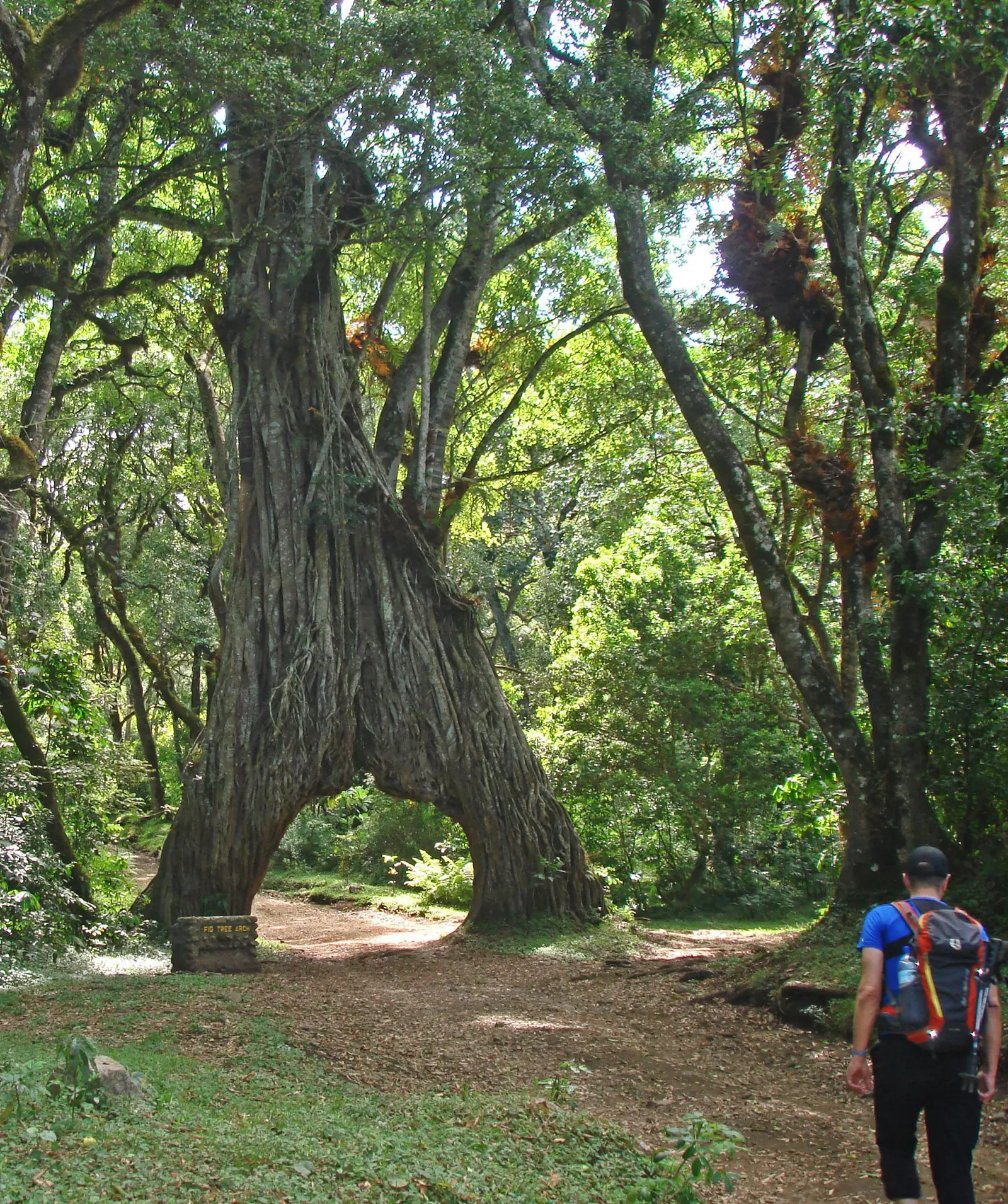
Climbing Mount Meru takes you through tropical dry forest, dense montane rainforest, bushland, heath and moorland and finally through breathtaking alpine desert.
Good physical preparation is crucial for a successful climb. Train your endurance with regular, longer hikes – ideally with a packed daypack. If possible, prepare in hilly terrain to get used to differences in altitude and steady ascents and descents.
Targeted strength training for legs and core also helps you tackle steeper sections confidently. Also pay attention to slow acclimatisation: walk slowly and drink enough.
For equipment, the layering principle applies: several light, breathable layers allow you to respond flexibly to changing conditions. A waterproof outer layer and warm clothing for cold nights are essential.
Sun protection is particularly important at high altitudes. Good, sturdy hiking boots and, optionally, trekking poles provide safety on demanding trails.
Besides physical preparation, mental preparation also plays a major role. Long days, changeable weather and the altitude require perseverance, patience and a willingness to listen to your own body.
How long do the ascent and descent take?
For Mount Meru you should allow at least three days for the ascent and one day for the descent.
Socialist Peak is the popular summit goal for Mount Meru trekkers. It is relatively easy to reach and requires no climbing skills. Our Mount Meru trekking offers a relaxed 6-day trip to enjoy.
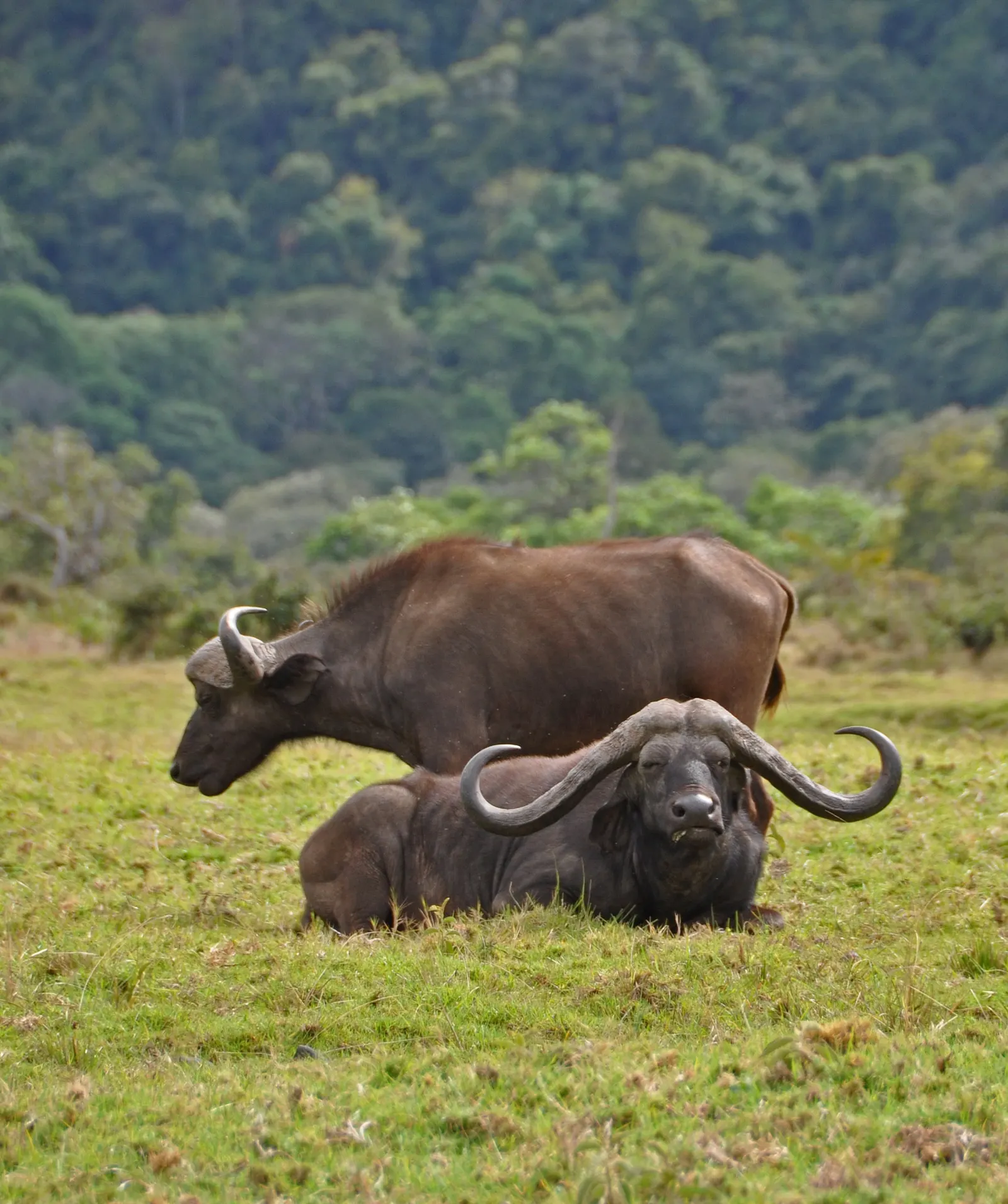
On the lower mountain slopes you may encounter elephants, buffalo and antelope. You then enter the tropical dry forest, later pass through dense montane rainforest, bushland and heath and moorland, before approaching the summit in the spectacular alpine deserts.
How large are the groups that climb the mountain?
The Mount Meru trekking tours organised by Elefant-Tours and its subsidiary are deliberately designed as private trips.
This means you travel exclusively with your own group – be it friends, family or trusted companions – and enjoy a very personal, intense experience away from anonymous group tours.
In this familiar atmosphere, very special shared memories are often created that go far beyond the climb itself. At the same time, the private concept allows a flexible tour that is based on your pace, your needs and your wishes.
Your group is accompanied by an experienced local team that is thoroughly familiar with conditions on the mountain. The guides not only know the area but are also specially trained to recognise possible signs of altitude sickness early and act accordingly.
They are supported by porters and cooks, who take care of transporting the luggage and of your meals – so that you can concentrate fully on the experience, nature and the climb.
What food is provided on the Mt. Meru mountain hike?
During your trekking tour on Mount Meru you will be provided throughout with nutritious, balanced meals that are specially tailored to the physical demands at altitude.
The food provides sufficient energy for long hiking days and at the same time supports good recovery. We make sure the diet is varied and easily digestible, so that it reliably strengthens you without weighing you down.
Of course, we also cater for individual dietary needs: whether vegetarian, vegan, gluten-free or with intolerances and allergies – we adapt the meals accordingly and make sure that all participants are optimally and healthily fed.
The meals are freshly prepared and planned to suit both the conditions on the mountain and your wellbeing.
In addition, we recommend taking a few personal snacks in your daypack, such as energy bars, special sports nutrition or even a small bag of gummy bears. These provide quick energy in between and can be especially helpful on longer stages or on summit day.
Do you have to carry your own things up the mountain?
No, you do not have to carry your personal belongings yourself on a Mount Meru trekking tour.
On our tours we employ porters who carry the heavy load, such as your main luggage (e.g. sleeping bag, clothing, food). The porters normally carry up to 15 kg per person. You can, however, check with us in advance how much you may take.
Your daypack, however, remains your own responsibility. You should keep it light, but fill it with water, snacks, a camera and a jacket. That way you can concentrate on the trek and the climb with little weight overall.
How much should you tip the local team on a Mount Meru trekking tour?
For the hard work and good service of the support team on a Mount Meru trekking tour, it is customary to give a tip in appreciation.
Here are some general guidelines for tipping:
Recommended tips:
- Guide: 15–18 USD per group per day
- Cook: 8–10 USD per group per day
- Waiter: 7-9 USD per group per day
- Porter: 6–7 USD per group per day
- Park ranger: 10-20 USD per group per day
If you were particularly happy with the services of your support crew, you can of course be more generous.
Can you combine a Mount Meru tour with a safari?
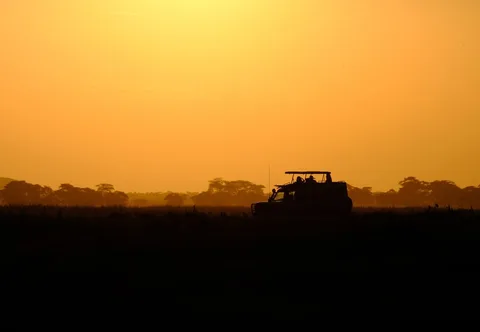
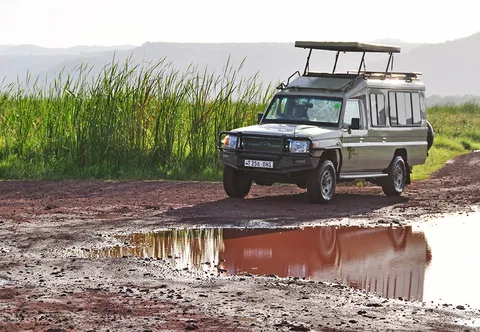
Yes, absolutely – Mount Meru trekking can be combined superbly with a safari. Many travellers first conquer the mountain summit and then relax for a few days on safari in Tanzania’s unique wildlife.
Famous safari destinations can be found nearby on the Northern Safari Circuit. These include Tarangire National Park with its huge elephant herds and fascinating baobab landscapes.
Further west follows Ngorongoro Crater. This little paradise is a UNESCO World Heritage Site and a world-class place for wildlife viewing in spectacular scenery outside, but especially inside, an inactive crater.
Serengeti National Park, also a UNESCO World Heritage Site, is within reach as well. It is famous for the Great Migration of millions of wildebeest and zebras, which roam the reserve all year round in search of freshly growing grass. But the Big Five and the Big Others also provide spectacular wildlife viewing at other times.
Elefant-Tours can offer you a whole range of exciting safaris. Our Best of Tanzania safari, for example, visits all three safari destinations mentioned.
Is Mount Meru trekking more difficult than climbing Kilimanjaro?
In short: No, Mount Meru is generally not more difficult than Kilimanjaro, but it is technically somewhat more demanding.
At 5,895 m, Mount Kilimanjaro is over 1,300 m higher, and the risk of altitude sickness is therefore significantly greater. Longer walking times and a very strenuous summit day (often 6-8 hours of ascent at high altitude) are also among its particular challenges. It is, however, considered technically easier.
Mount Meru has steeper sections here and there and a narrow ridge on summit day, but in terms of fitness and altitude it is the more relaxed challenge.
Our experienced team will be happy to advise you in a consultation on which mountain is right for you.
You might also be interested in: