Destination Kenya
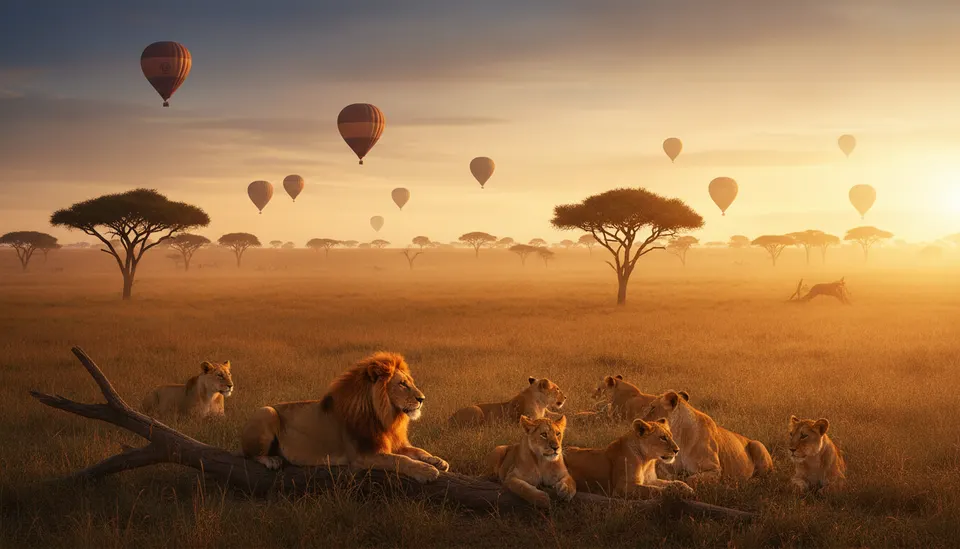
Kenya is the cradle of the modern safari – for decades, Kenya trips have fascinated nature lovers from all over the world.
This East African country offers an impressive diversity:
World-famous National Parks with spectacular wildlife viewing, fascinating insights into the culture of the Maasai, varied landscapes for unforgettable hikes and dreamy sandy beaches for relaxing.
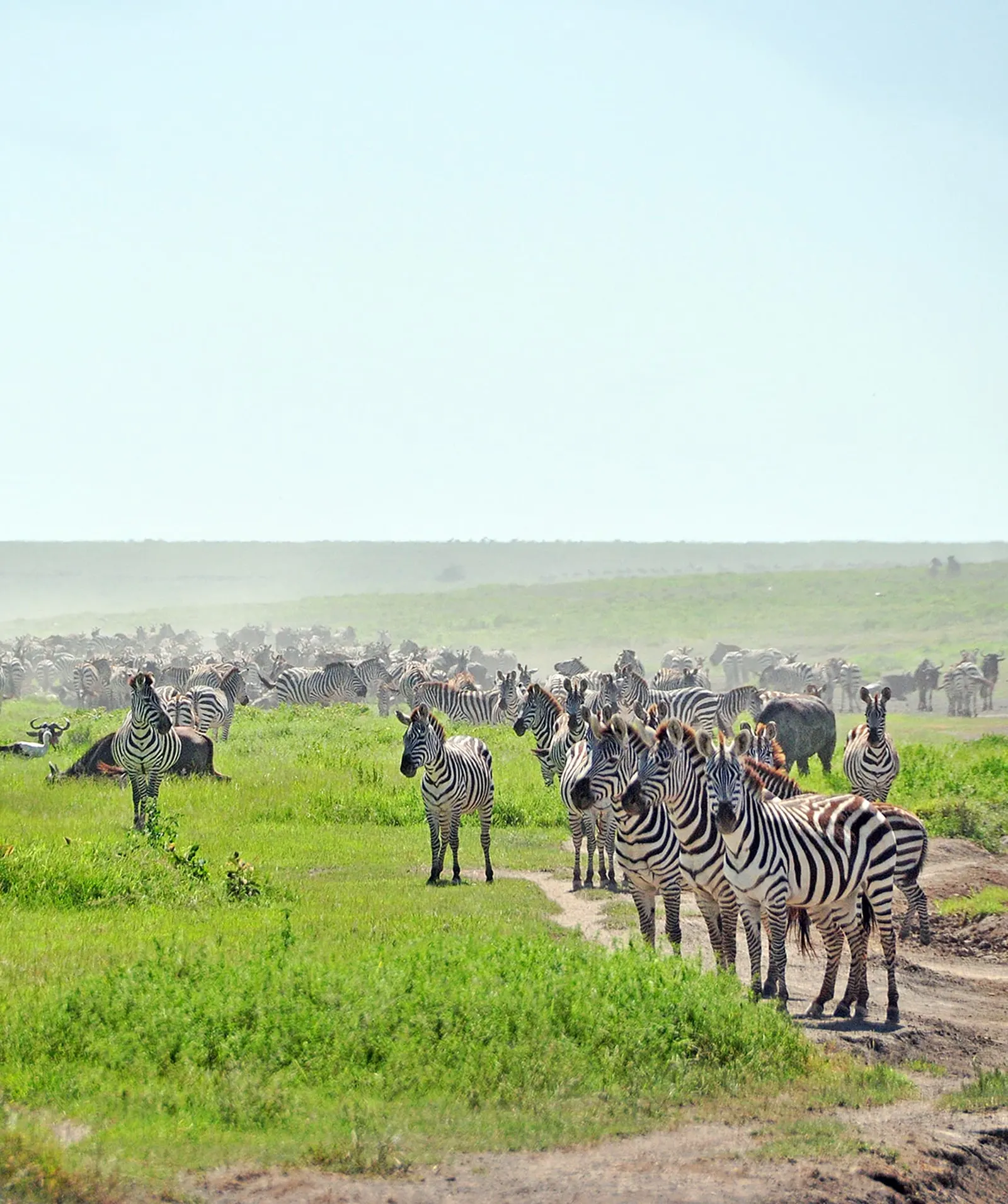
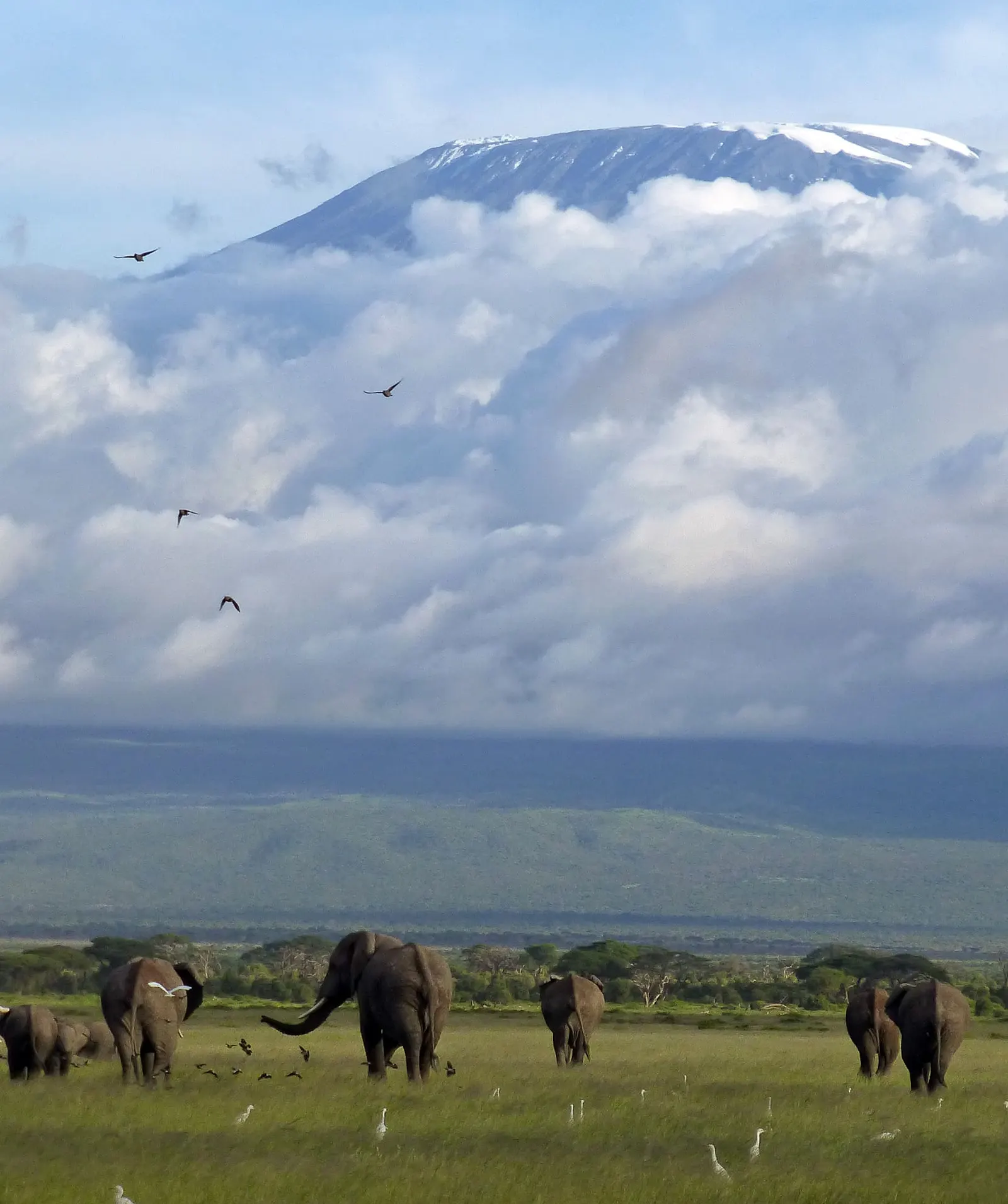
On a Kenya holiday, experience the spectacular “Great Migration” up close, immerse yourself in Swahili culture on a car-free island or climb majestic Mount Kenya.
Kenya delights with warm hospitality and unforgettable experiences: safari, beach & mountains.
As a leading Kenya tour operator with a subsidiary on site, we offer you a perfectly organised trip, tailored to your wishes.
Travel styles in Kenya
Tours in Kenya
 Kenya, Tanzania
13 days
Best of Tanzania & Kenya – East Africa Safari
from 5.830 € per person
 Kenya, Tanzania
10 days
Kenya & Tanzania – Fascination East Africa
from 5.300 € per person
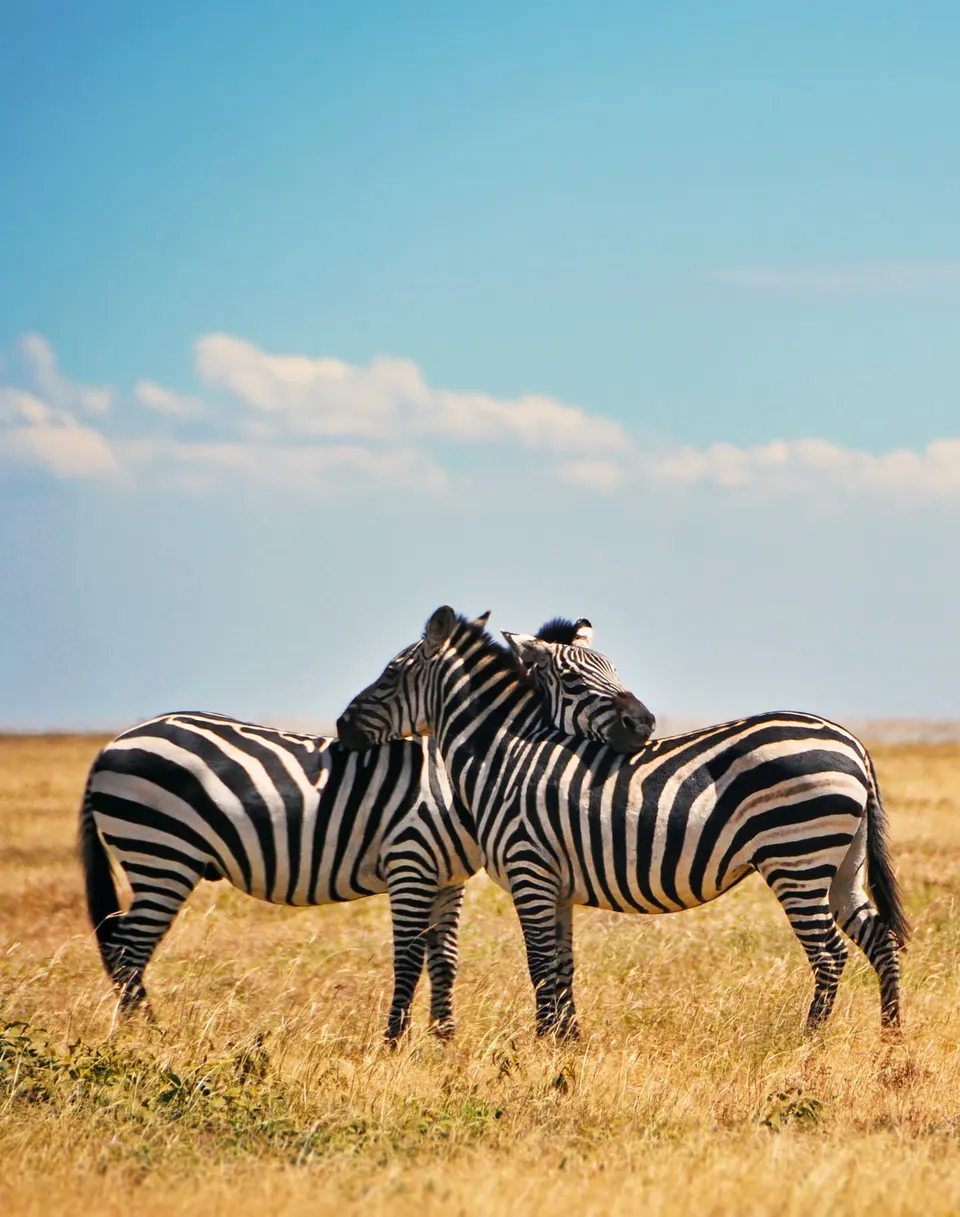 Kenya, Tanzania
12 days
East Africa Overland
from 3.400 € per person
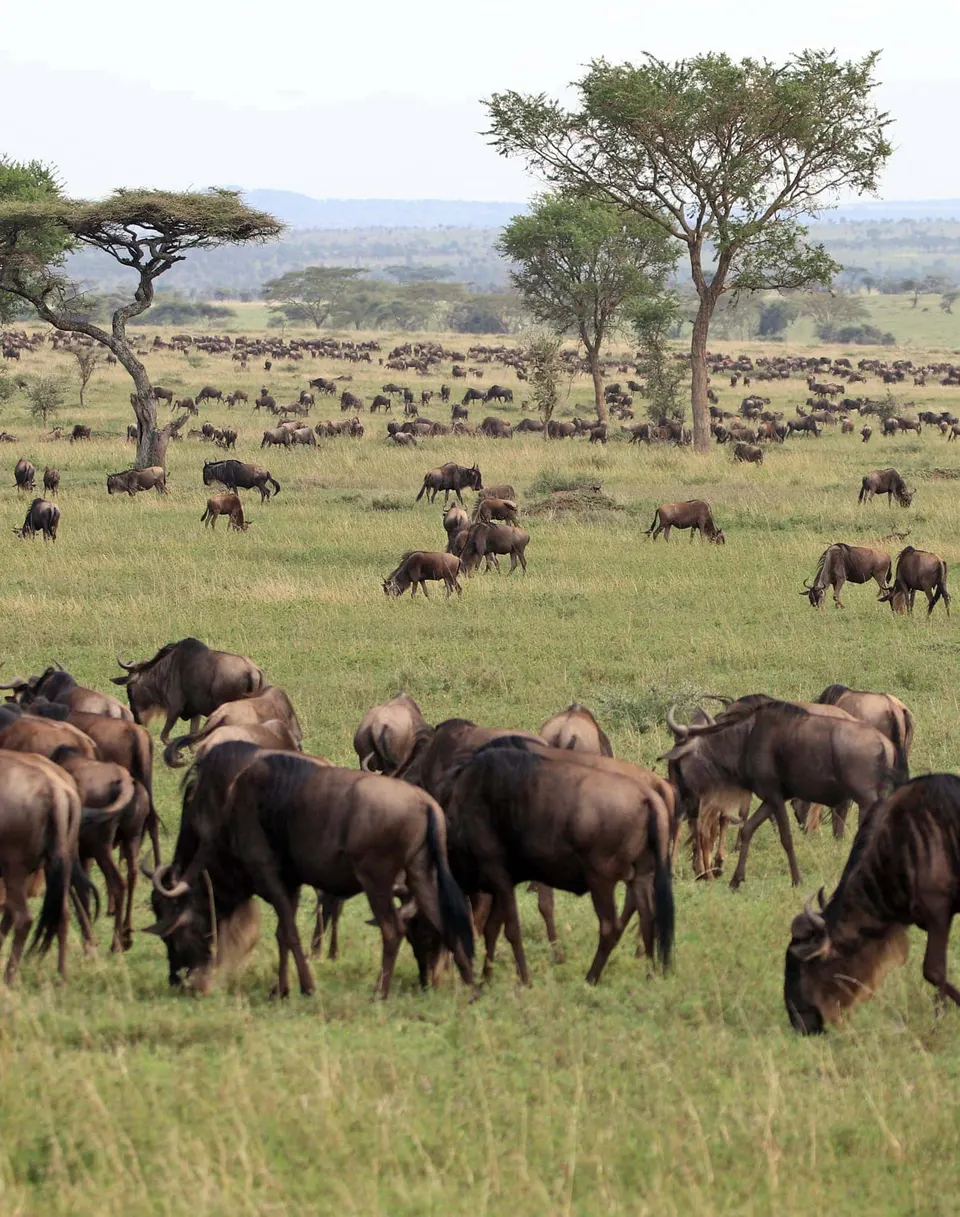 Kenya, Tanzania
10 days
Tanzania & Kenya Highlights
from 5.040 € per person
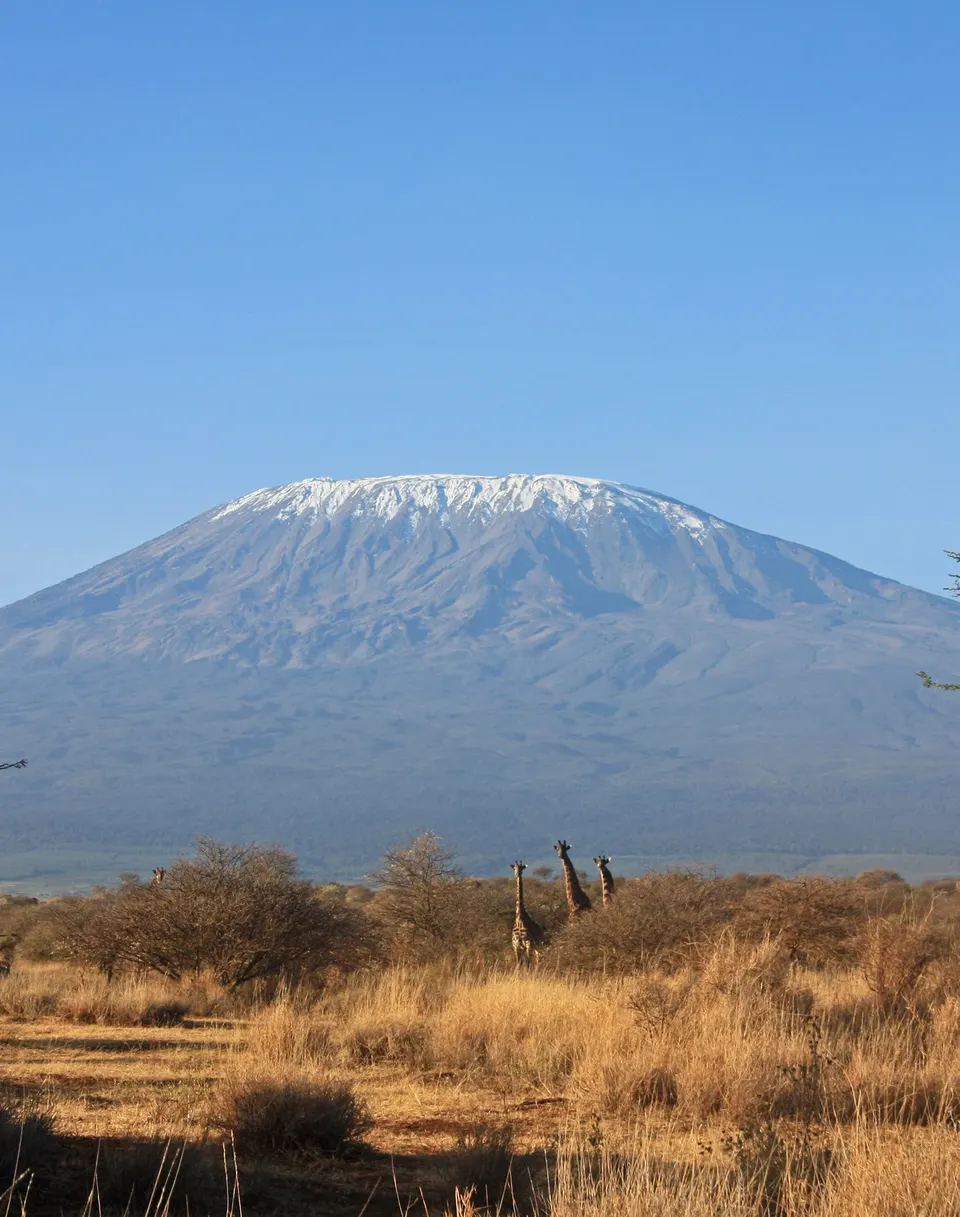 Kenya
8 days
“Best of Kenya” Safari
from 2.720 € per person
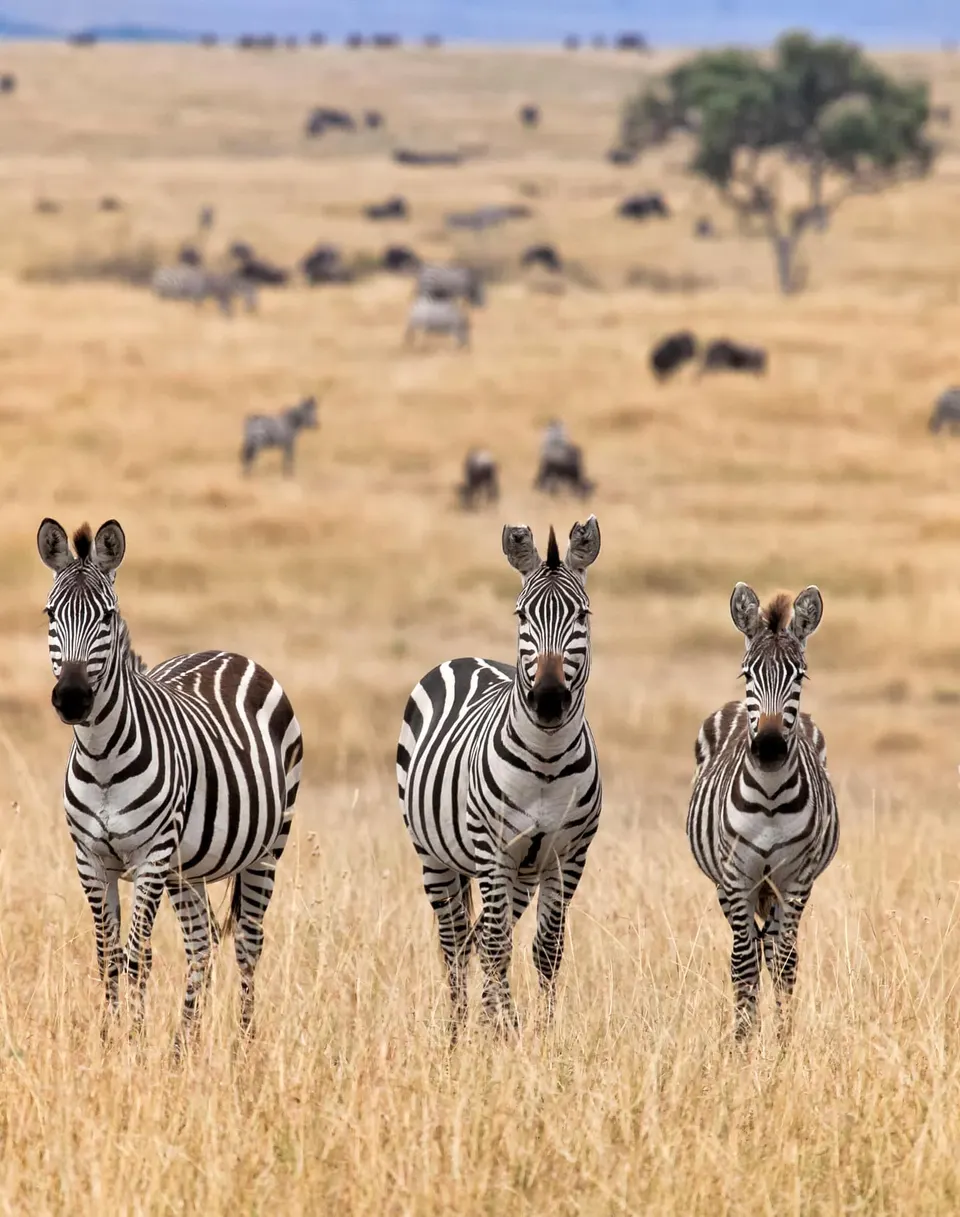 Kenya
4 days
Fascination Masai Mara Safari
from 1.100 € per person
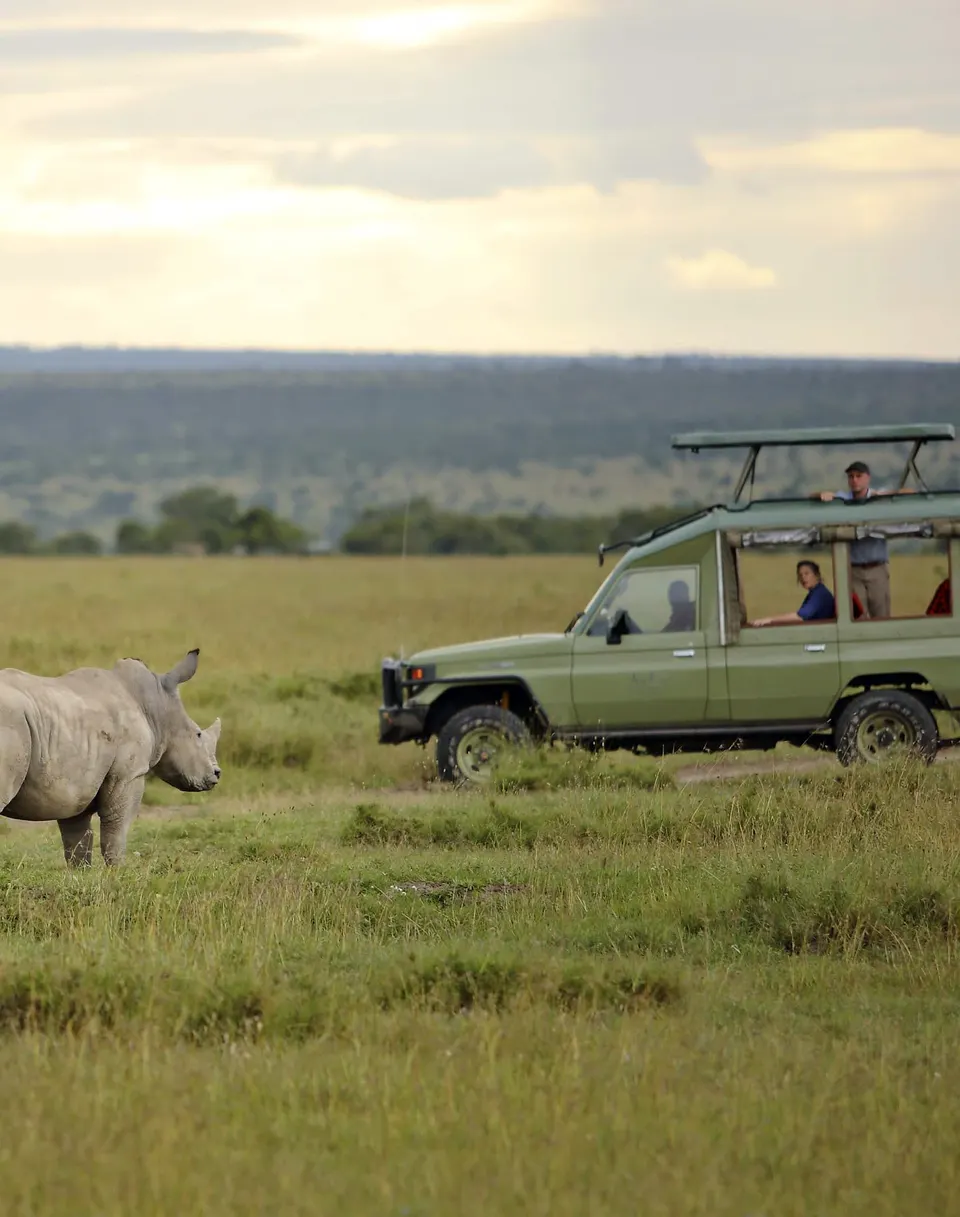 Kenya
7 days
Kenya fly-in safari with Masai Mara
from 6.080 € per person
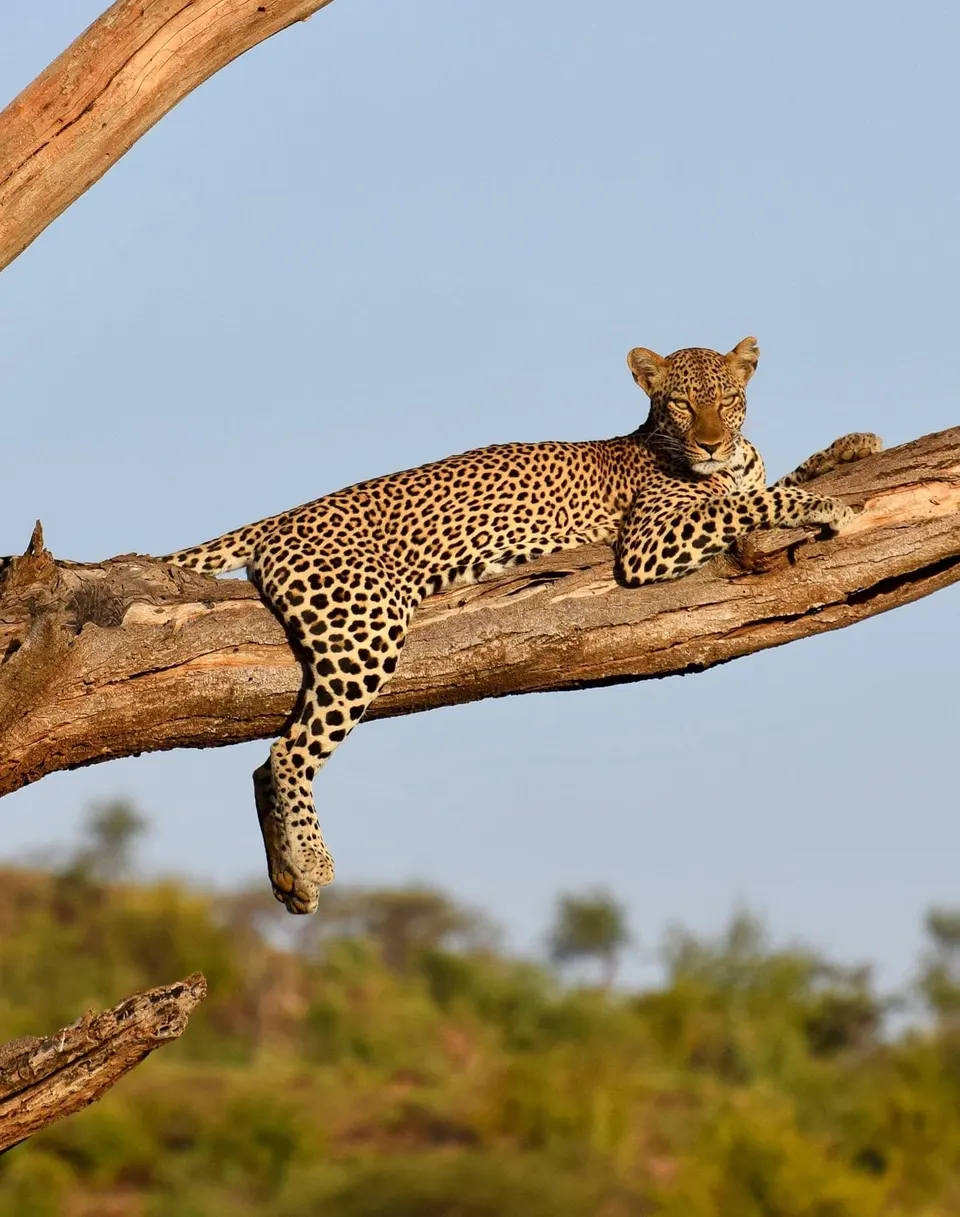 Kenya
5 days
Northern Kenya – Experience Remoteness
from 1.360 € per person
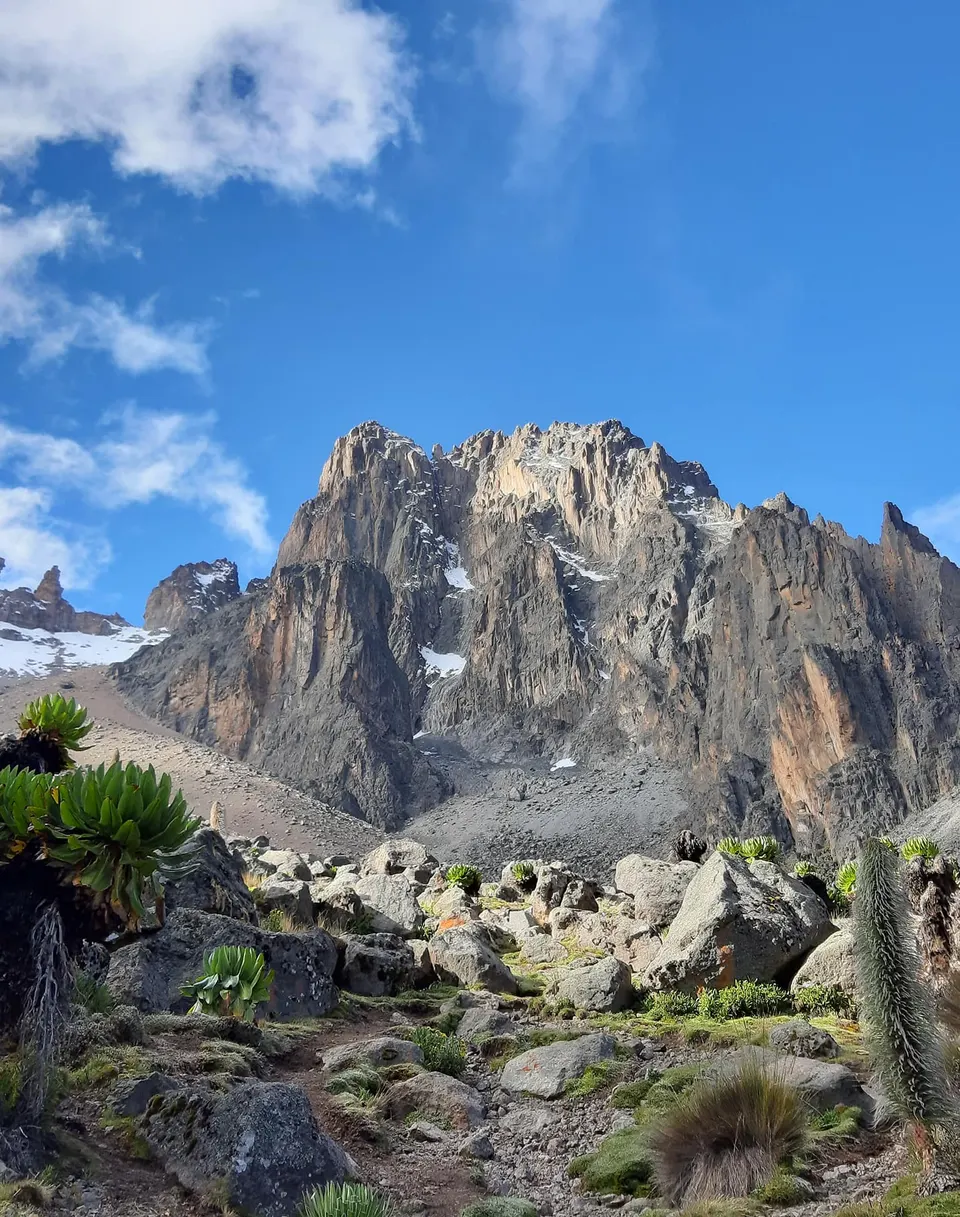 Kenya
5 days
Mt Kenya Trekking: Chogoria Route
from 1.175 € per person
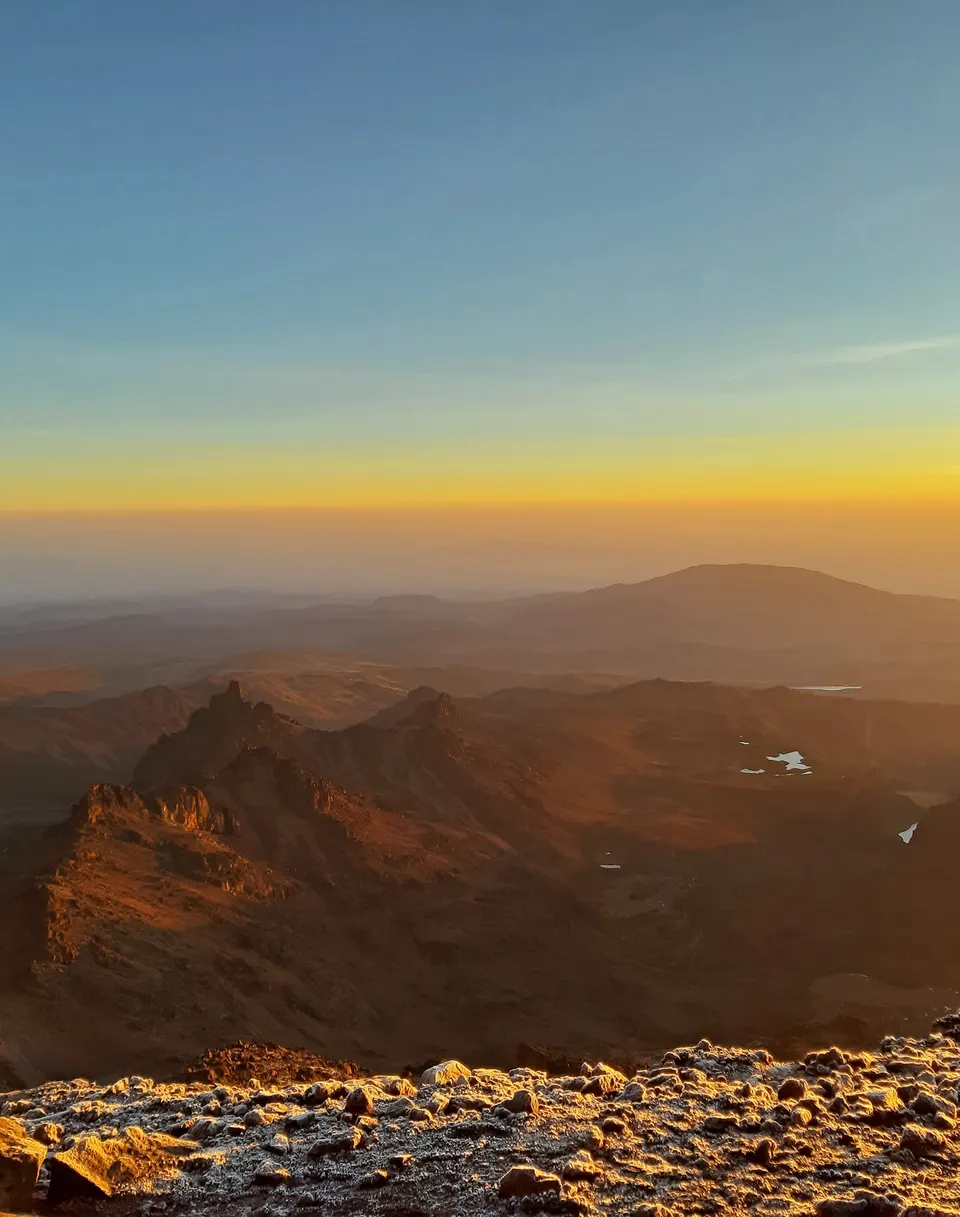 Kenya
4 days
Mt Kenya Trekking: Sirimon Route
from 980 € per person
All prices exclude international flights.
Highlights of Kenya trips
Travel information
Geographical location
Kenya lies in East Africa and borders Tanzania to the south, Uganda to the west, South Sudan to the north, the Indian Ocean to the east and Ethiopia to the north-west.
Anyone who has seen Disney’s “The Lion King” can easily picture Kenya’s vast, unspoilt landscape.
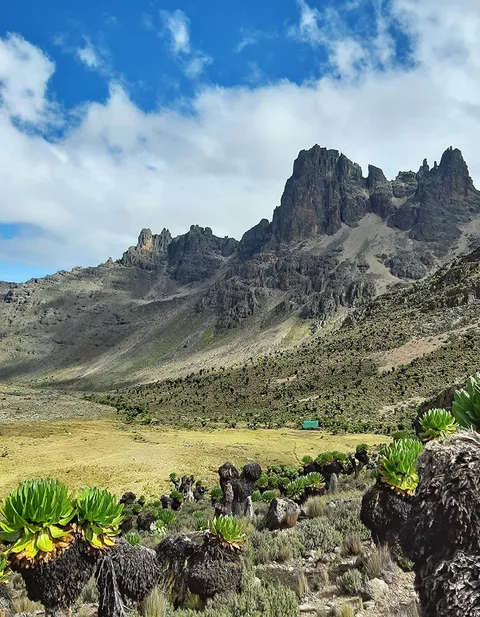
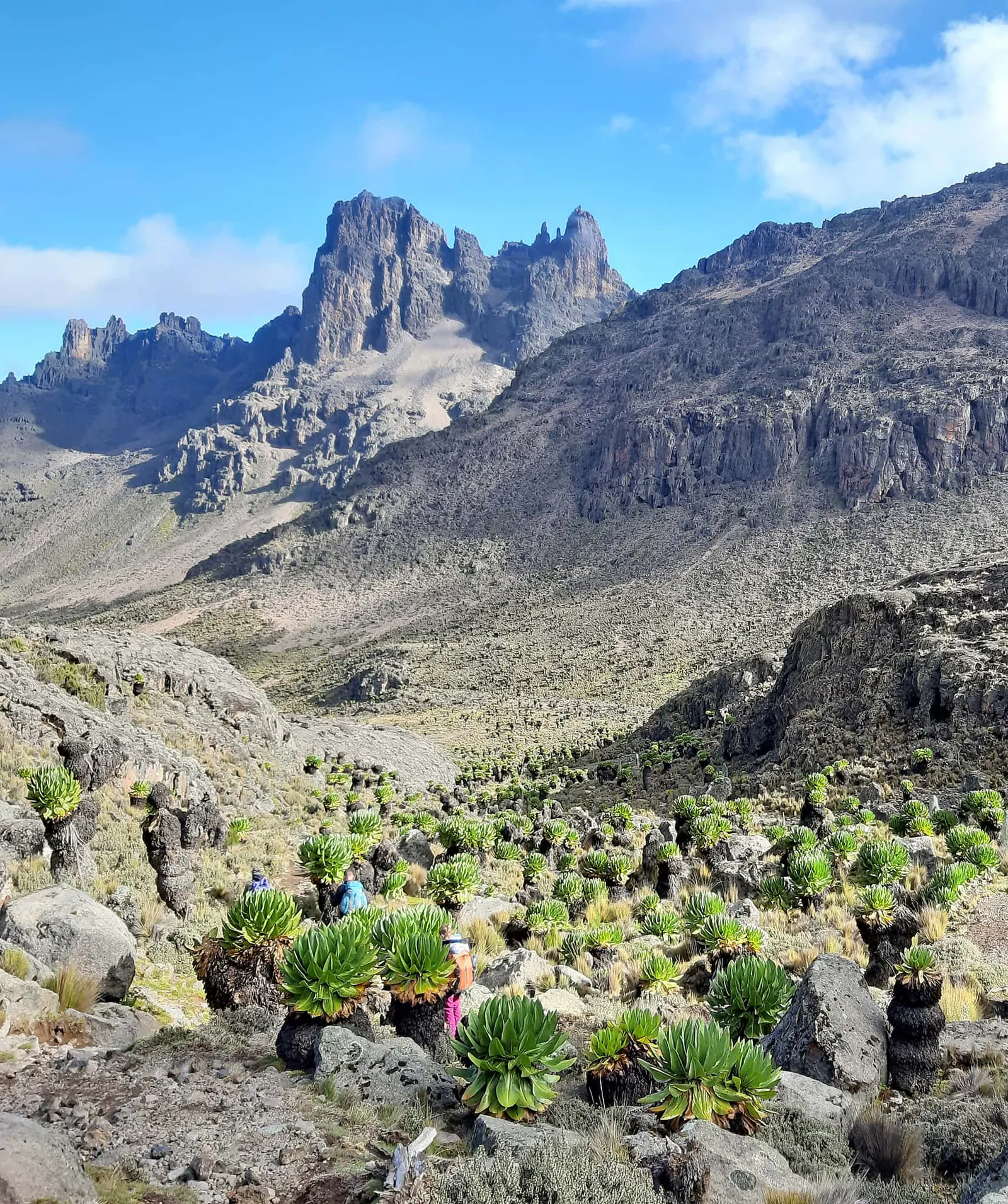
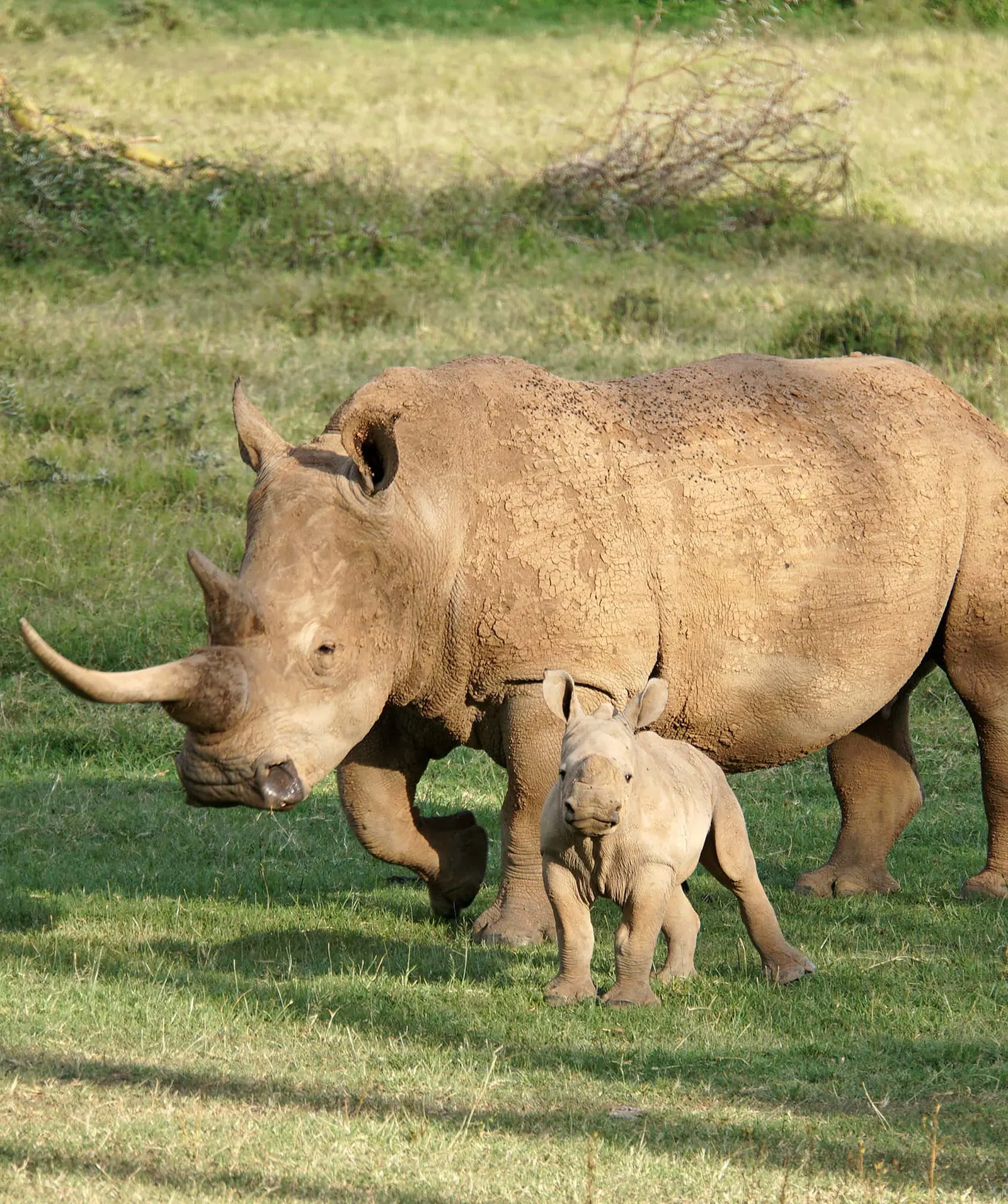
The country is famous for its impressive nature, which offers a high density of wildlife and numerous National Parks. Here you will find both paradise beaches for relaxing and, for the adventurous, Africa’s second-highest mountain, Mount Kenya.
In the vast savannahs you experience breathtaking sunsets and unforgettable photo safaris. Kenya trips offer a perfect combination of variety and diversity.
The country is geographically diverse and home to different vegetation zones. Part of Kenya lies on the equator, which results in heavy rainfall and impressive wet zones, especially in certain seasons.
The fertile plains of the coastal region and Lake Victoria are characterised by green, picturesque landscapes. In the west of the country stretches a dry desert that runs from the border with Tanzania in the south to the north of the country, bordering South Sudan and Ethiopia. This is also where you will find Lake Turkana, the largest soda lake in the world.
Through the desert runs the spectacular Rift Valley, part of the Great Rift Valley that extends from Jordan to Mozambique and is one of Kenya’s most dramatic landscapes. Numerous soda lakes that are home to large flamingo colonies characterise this region.
As a tour operator for Kenya with a subsidiary on site, we are happy to help you book the perfect Kenya holiday – simply contact us.
In our blog you can find out what to look out for when booking Tanzania and Kenya trips, and learn why it is important to book your Kenya trip with a specialist.
Transport
Important airports for arrival / departure
The most important airport in Kenya is Jomo Kenyatta International Airport (JKIA) near Nairobi. It is not only the entry point for most visitors to Kenya but also an important regional hub in Africa.
Lufthansa flies to this airport directly from Frankfurt. If you don’t want to fly from Frankfurt and have to make a stopover anyway, you can also choose from numerous other airlines.
Another important airport is Moi International Airport (MBA), located in Mombasa on Kenya’s coast. Flights from Europe are offered both direct (e.g. Condor and Discovery Airlines) and with a stopover (e.g. KLM, Ethiopian Airlines, Emirates, Kenya Airways, Qatar Airways etc.).
Getting around in Kenya
In Kenya, traffic drives on the left. The main roads between Nairobi, Mombasa and many safari destinations are mostly tarred and often in acceptable condition. But the further you go into rural areas, the more gravel roads there are. In the National Parks and private conservancies, a 4x4 vehicle is required.
Self-drive safaris are not recommended in Kenya. We recommend guided tours, especially if it is your first Kenya trip, as the traffic takes some getting used to.
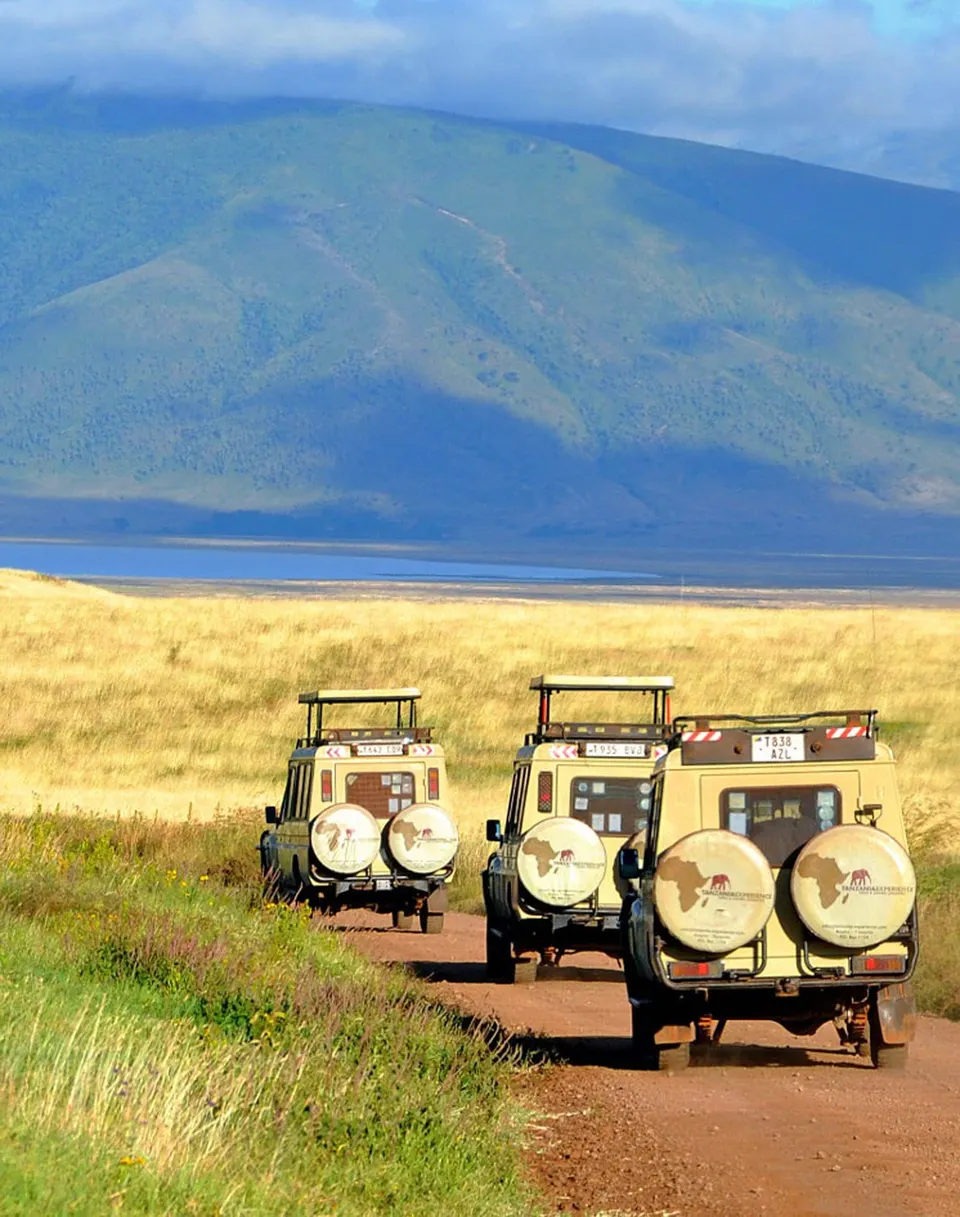
Most tours are carried out with safari Land Cruisers or safari trucks that have been converted accordingly.
Large windows guarantee first-class wildlife and nature viewing, a spacious interior provides the necessary travel comfort, a pop-up roof allows you to stand up and so enjoy good wildlife viewing, and most importantly – a knowledgeable local guide who makes your trip an unforgettable and carefree experience.
The Madaraka Express is a modern train that connects Nairobi with Mombasa (approx. 6 hours). Part of the route passes through Tsavo East National Park and with a little luck you can see elephants from the train.
In cities such as Nairobi and Mombasa we recommend professional taxi services from a trustworthy provider or platforms such as Little and Uber. In the coastal towns, tuk-tuks are a popular means of getting around.
If you are travelling to Kenya for the first time, we recommend our blog “Kenya for beginners: tips & info for your first Kenya trip”.
Money
Currency
Kenya’s currency is the Kenyan shilling. 1 Kenyan shilling is divided into 100 cents.
You can find a currency converter with current exchange rates for all currencies here.
Most larger hotels, lodges, shopping centres and restaurants accept debit or credit cards (e.g. Visa, Mastercard). In some places a fee of 3-5% may be charged. Contactless payment is becoming more and more normal but is not possible everywhere.
For the more rural areas of your Kenya tour, it is advisable to take cash with you. In the larger cities there are cash machines almost everywhere where you can withdraw cash with a debit card or a credit card (e.g. Visa, Mastercard) and your PIN.
Currency exchange is possible in many places in Kenya. Money can be exchanged at all banks in Kenya. There are also currency exchange counters at the airports in Nairobi and Mombasa. Bureaux de change in the cities often offer a better rate, but you should watch out for counterfeit money here.
The most widespread mobile money in Kenya (“M-Pesa”) makes it possible to pay anywhere without a credit card or cash, simply with your mobile phone. To use this service you need a local SIM card. Setting up M-Pesa is quick and fairly straightforward.
US dollars and euros are also accepted at many tourist facilities. Please note that only banknotes printed after 2006 are accepted.
Costs of everyday items as a guide
To give you a brief overview of how much money to budget for on site, here are some approximate prices of everyday items:
Entry to the National Parks is between 35-200 euros per person, but on our guided safaris it is already included in the trip price. Drinks such as water or cola cost 1.50 euros, a glass of beer between 2.70-4 euros and a glass of wine around 6-10 euros. For dinner in Nairobi you can expect to pay approx. 15-25 euros.
Tipping
If no service charge is added in restaurants, around 10% of the bill is an appropriate tip. Higher tips are at the guest’s discretion. If you were above-averagely satisfied with the service, you are of course welcome to tip more.
Your guides always strive to make your trip unforgettable and to fulfil your wishes. They too appreciate an appropriate tip at the end of the trip, which is customary in Kenya.
The same applies to your stay in the lodges. Here you will often find a tip box at reception. The staff are always pleased when you were happy with the service and reward it accordingly.
If you would like to learn more about tipping, you should read our blog “How much should you tip on safari? Tipping on Africa trips”.
Health & safety
Safety
Safety matters on every trip, and just as much on your Kenya holiday. As in other large cities worldwide, you should take particular care in Nairobi and Mombasa, as tourists can easily be distracted and quickly fall victim to pickpockets.
If you follow these tips on your Kenya trip, unexpected incidents should be avoidable:
Use your common sense. You should not necessarily walk through the streets alone, especially after dark. That means: stay in groups as far as possible. In general you should carry enough cash with you, but not too much.
It is advisable to keep cash and your most important documents close to your body or locked in the safe in your room (where available).
Do not show off flashy jewellery or expensive watches. Always carry your valuables, such as cameras and mobile phones, in a rucksack or bag. Do not leave items in plain sight in the vehicle.
Also try to listen to the safety instructions of your guide. They are Kenyan themselves and have completed professional training, so they know the local conditions extremely well.
Current travel and safety advice can be found on the website of the German Federal Foreign Office.
On safari, other safety instructions are of course also important.
In the middle of the bush, in the habitat of wild animals, their rules must also be observed.
Please never feed animals or pick plants or flowers.
Please also note that wild animals can always be dangerous, even if they don’t look it. So do not try to get too close to the animals just for a good photo. Please always stay in the vehicle unless your guide expressly permits otherwise!
Read more on this topic in our blog “Is Kenya safe for tourists? Safety on Kenya trips”.
Health
A travel first-aid kit should not be missing from your luggage. We recommend medication for diarrhoea, fever and pain, travel sickness, vomiting and nausea, as well as nose drops, disinfectant for skin injuries among other things, burn ointments and insect repellent. It is best to get detailed advice from your trusted pharmacy.
Please also note the medical advice of the German Federal Foreign Office.
Malaria
In Kenya there is a risk of malaria infection all year round, except at altitudes above approx. 1,500 metres. You should therefore contact your GP in good time to discuss all the details of malaria prophylaxis.
To avoid mosquito bites, you should wear long trousers and long-sleeved tops in the morning and evening hours and apply mosquito repellent.
Vaccination recommendations
The standard vaccinations recommended by the Standing Committee on Vaccination (STIKO) should be checked and, if necessary, boosted.
According to the World Health Organization (WHO), Kenya is considered a yellow fever risk area. A yellow fever vaccination is therefore recommended for travel to Kenya. Please consult your GP or a tropical medicine specialist about any vaccinations before departure.
Health insurance cover
Please check whether your health insurance also covers services outside Europe. If this is not the case, we strongly recommend taking out international travel health insurance.
As a Kenya tour operator, you can contact us at any time with questions.
Climate & best time to travel
The best time to travel for a Kenya trip depends on what you want to do during your Kenya holiday.
The climate in Kenya is tropical but varies depending on altitude.
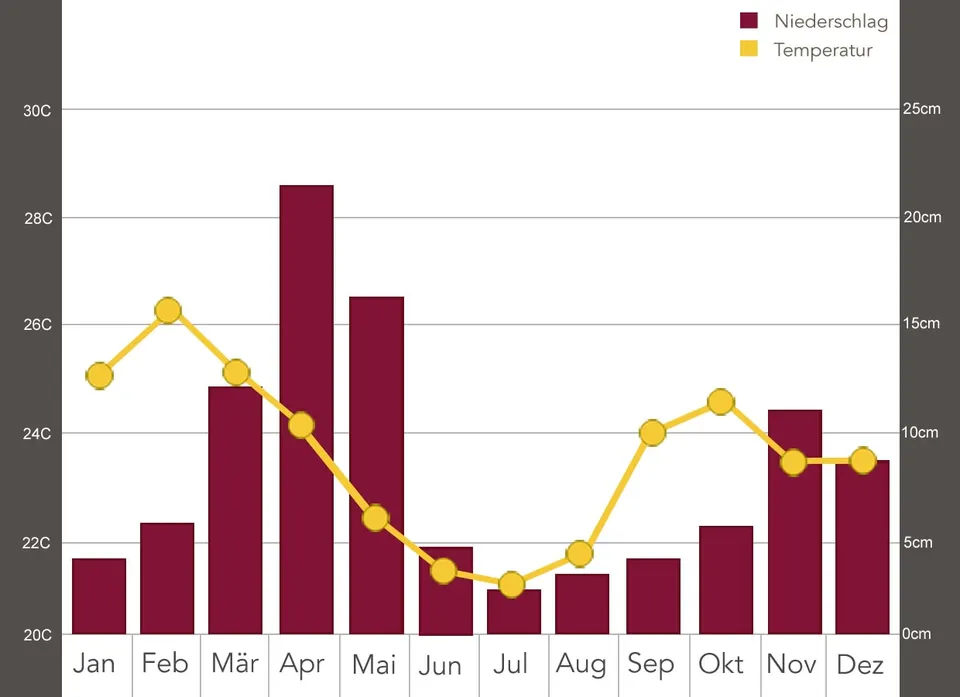
Kenya is a year-round destination, but the dry seasons (June to October and January to February) are ideal for most activities, especially safaris and beach holidays.
The sparse vegetation and the fact that wildlife gathers at waterholes at this time make it easier to see as many animals as possible. If you want to watch the “Great Migration”, you can do so between June and September.
From the end of March to mid-May and from November to early December, Kenya has its rainy season, during which travel restrictions may occur. Some regions such as the Aberdares, the north, Amboseli National Park and the Masai Mara game reserve cannot always be explored easily by car at that time.
For photographers and photography lovers, however, this is a beautiful and special time, as the landscape is then particularly green and lush and the sky is clear. In addition, fewer tourists are around, which can make the trip a special experience. It is also a good time for bird lovers, as migratory birds arrive from Europe and North Africa at this time.
For a beach holiday, the months of December to March and June to October are especially recommended, as it is particularly warm and sunny then. The average water temperature on the coast, however, never really falls below 25°C all year round.
If you would like to know more, you should read our blog “When is the best time to travel to Kenya? Safaris, beach & mountains”.
As a travel provider for Kenya, you can contact us at any time and we will be happy to help you find the best time to travel for you.
Travel tips
Language
Kenya’s population consists of many different ethnic groups. English and Kiswahili are the official, recognised languages.
In addition, more than 30 different languages and dialects are spoken, including Kikuyu, Luo and Maasai. However, you can get by with English in most parts of the country.
Religion
Around 85 per cent of the population in Kenya are Christians, who are divided into numerous subgroups including the Anglican Church, the Catholic Church, numerous African churches and many more.
A relatively large share, around 12 per cent of the population, is Muslim. Only approx. 0.7% of the population declared themselves adherents of traditional African religions in the last census.
Time difference
Kenya uses CET +2 hours. The difference to Germany is +2 hours in the European winter and +1 hour in summer.
There is no change between summer and winter time in Kenya.
Electricity
The mains voltage is 230 volts. The three-pin British plug (type G) is the most common in Kenya. You can get adaptor plugs from well-stocked electrical shops or outdoor stores.
Power cuts and fluctuations occur, and some lodges and almost all tented camps do not have electricity around the clock. By arrangement, however, charging batteries or other devices is usually possible.
Internet communication
Most hotels, cafés and restaurants have free Wi-Fi, so you can get online without any problem. There are over 30 internet providers, so Kenya has a good internet connection.
If you don’t want to depend on Wi-Fi, it is best to get a local SIM card (Safaricom and Airtel are the best providers) and buy mobile data. This can be done directly at the airport or later.
Shopping tips
The sale of souvenirs made from wild animal hides, reptile skins and wildlife furs is prohibited. Rather, look at the animals in their natural environment and take the experiences home as a souvenir.
Of course, you can buy other lovely souvenirs such as handmade carvings or jewellery. On the website of German customs you will find information on Germany’s import regulations.
On Bishara Street in Nairobi and in Mombasa as well as in the markets you can buy khanga, kitenge and kikoi clothing or fabrics.
Shop opening hours can vary depending on region and type of shop. In larger cities such as Nairobi, most shops are usually open Monday to Friday from 9:00 to 18:00, with some shops taking a lunch break between 12:00 and 14:00.
On Saturdays many shops are often only open until 12:00. Shopping centres, on the other hand, are usually open daily from 9:00 to 21:30. Most shops in Kenya are also open on Sundays.
Smaller shops, known as “dukas”, often stay open until late at night.
On the coast, especially in areas with a predominantly Muslim population such as Mombasa or Lamu, opening hours may differ. There, shops often close on Friday afternoon and only reopen on Sunday, which is linked to the region’s cultural and religious traditions. As opening hours may vary, it is advisable to check the exact times locally. Your guide is usually well informed or can make a call for you to find out the specific opening hours.
Customs & etiquette
In the cities, Western clothing is common. In rural and predominantly Muslim regions, such as parts of Mombasa and Lamu, it is advisable to cover shoulders and knees out of respect. Kenyans are generally very friendly.
Entry requirements
Entry requirements differ depending on the traveller’s nationality.
To enter Kenya you need a passport that is valid for at least six months after your departure.
Applying for the travel authorisation
In addition, EU citizens must apply for an Electronic Travel Authorisation (eTA) before travelling to Kenya.
For minors under 18, the eTA must be applied for by a guardian, parent or an accompanying adult.
Nationals of the following countries are exempt from applying for the eTA: Burundi, Democratic Republic of the Congo, Rwanda, South Sudan, Tanzania and Uganda.
The eTA replaces the tourist visa that was issued in the past. There is no longer a tourist visa.
Applying for the eTA is considered much simpler than the former tourist visa.
The eTA must be applied for via the following link before departure for Kenya: eTA application. You can find out more about applying for the eTA on our blog “How can you apply for the e-visa for Kenya online? Our guide – since 2024: applying for the eTA”
The eTA costs $30 and should be applied for at least 14 days before departure. However, it may be applied for no earlier than 3 months in advance and, once issued, is valid for 90 days, i.e. the traveller must enter Kenya within this period. From the date of entry it permits a stay of up to 3 months, which can be extended in Kenya if necessary.
Other useful information
If you travel on to neighbouring countries and then re-enter Kenya, the eTA may remain valid as long as it has not expired. However, there may be differences depending on the point of entry, so it is advisable to find out about the specific entry requirements and options in advance.
Proof of yellow fever vaccination (by means of a vaccination certificate) is only necessary if you are entering from a country designated as a yellow fever risk area.
Please also note that when travelling with children, entry in a parent’s passport is no longer sufficient. A machine-readable child’s passport with a passport photo must be carried.
Entry requirements can change at any time and at short notice. Please contact the responsible diplomatic mission in good time.
Please make 100 per cent sure that you are in possession of the required and valid documents. We cannot be held responsible if you are refused entry and cannot start your booked tour as planned or complete it to the end. Refunds are not possible and any extra costs must be borne solely by the traveller.
Further sights on trips in Kenya
Kenya trips offer an impressive diversity. Besides well-known highlights such as the Masai Mara or Amboseli National Park, there are numerous other, lesser-known natural treasures to discover.
Beach holiday
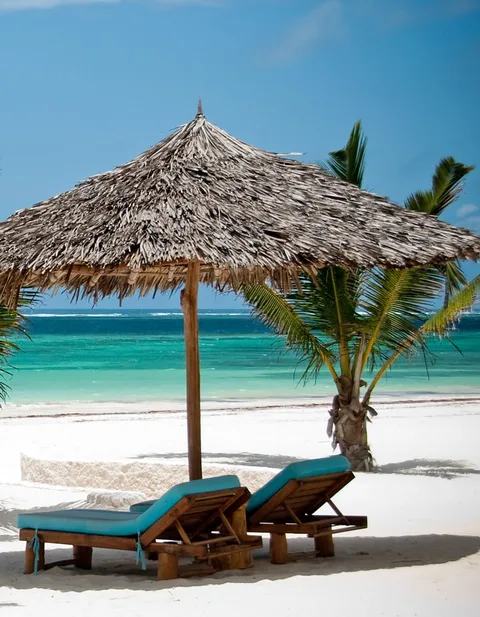
If you are drawn to the coast, you will find that far more is possible here than just relaxing in the sun. Discover the car-free island of Lamu and immerse yourself in traditional Swahili culture on a tour of the old town. Particularly impressive is the “Culture Fest” held every November, which delights with unique events such as a donkey race and a dhow boat race.
A large number of day trips to smaller islands off Kenya’s south coast, such as Wasini Island, can be booked on site with various providers. Excellent seafood barbecues and exciting water sports activities await you here.
For foodies, a culinary tour through the old town of Mombasa is recommended, on which you can get to know the diversity of Swahili cuisine and at the same time learn more about Kenya’s history.
Safaris
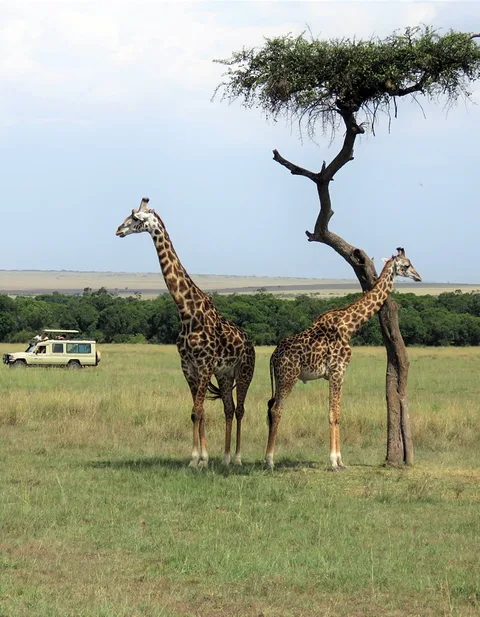
If you enter the country via Nairobi, you have the perfect opportunity to experience two special encounters right away: at the Giraffe Centre you feed majestic Rothschild’s giraffes up close, and at the Sheldrick Wildlife Trust you meet orphaned baby elephants who are lovingly raised.
Two moving experiences right at the start of your trip. Safaris of a different kind are also something very special, for example on horseback, which are possible in the private conservancies of Laikipia .
You can find out more about the region and what makes it one of the best safari destinations in Kenya in our blog “Safaris in Laikipia”
In Hell’s Gate National Park you can explore nature and wildlife on a cycling tour, and on a camel safari in northern Kenya you can enjoy a slow, nomad-style journey through Samburu or the Chalbi Desert.
Can’t decide? As the best tour operator for Kenya with a subsidiary on site, we are happy to help you book your Kenya holiday. Contact us and one of our East Africa experts will be happy to advise you.
- Places on our tours
You might also like
When is the best time to travel to Kenya? Kenya in October
The last month of the high season: a trip to Kenya in October is worthwhile for the excellent wildlife sightings with fewer tourists.
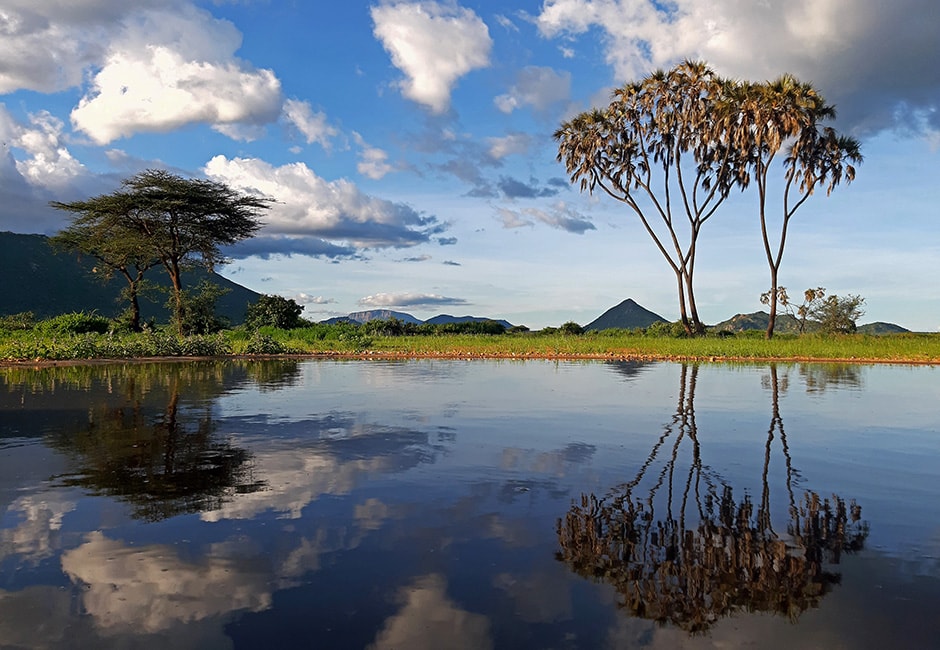
When is the best time to travel to Kenya? Kenya in November
In Kenya, November is low season. What advantages the rainy season has for your safari and what to expect at this time of year – on the blog!
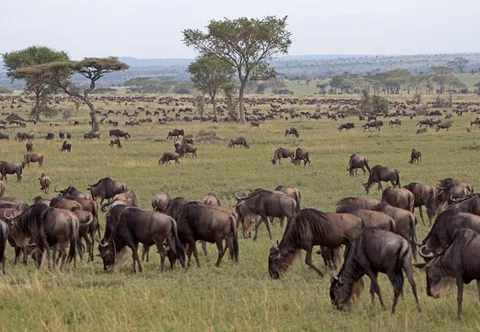
Where is the best place to see the Great Migration? Great Migration in the Maasai Mara and the Serengeti
Where do you see the "Great Migration"? In Kenya's Maasai Mara or in Tanzania's Serengeti? Today's blog explains.
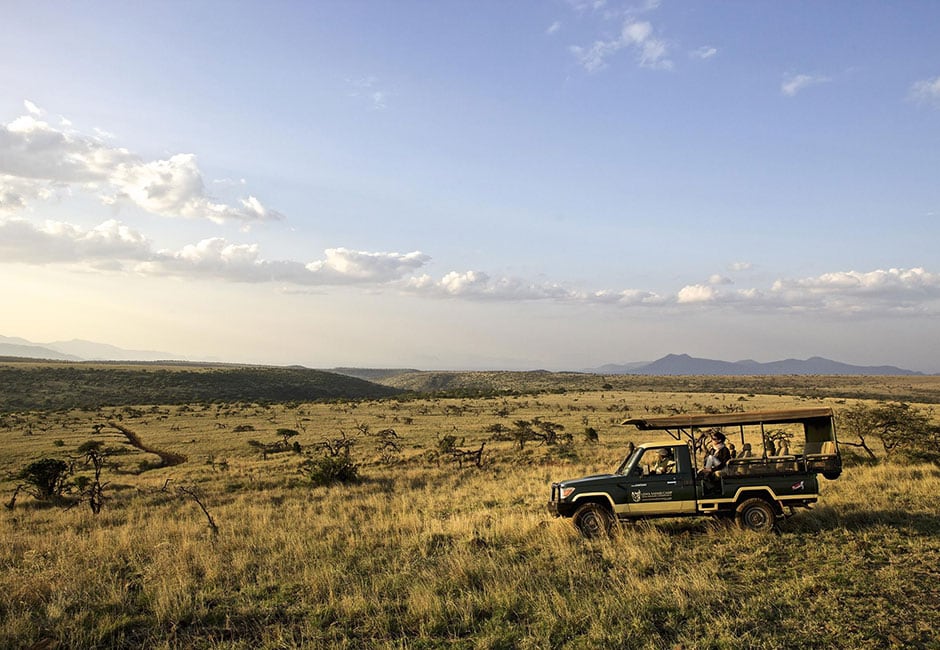
Safaris in Laikipia: what makes the region one of Kenya's best safari destinations?
Laikipia, once a patchwork of huge cattle ranches, is today not only a cattle-farming region but also a wildlife conservation area for Africa's unique wildlife and adventurous safaris. The region stands for exclusivity and special safari activities.
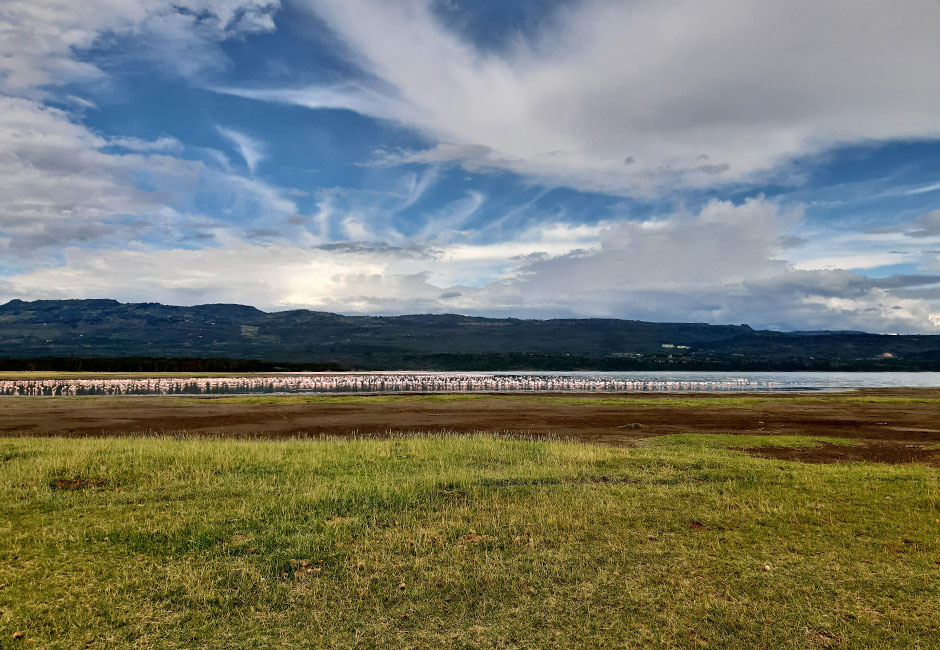
Which lakes are there in Kenya? UNESCO World Heritage Site: the Kenya Lake System
The Kenya Lake System in the East African Rift Valley is one of the country's 7 UNESCO World Heritage Sites. What makes this natural beauty so special is reported in today's blog.
Where can you hike in Kenya? Part 3 – Kenya's hiking routes in the Aberdares
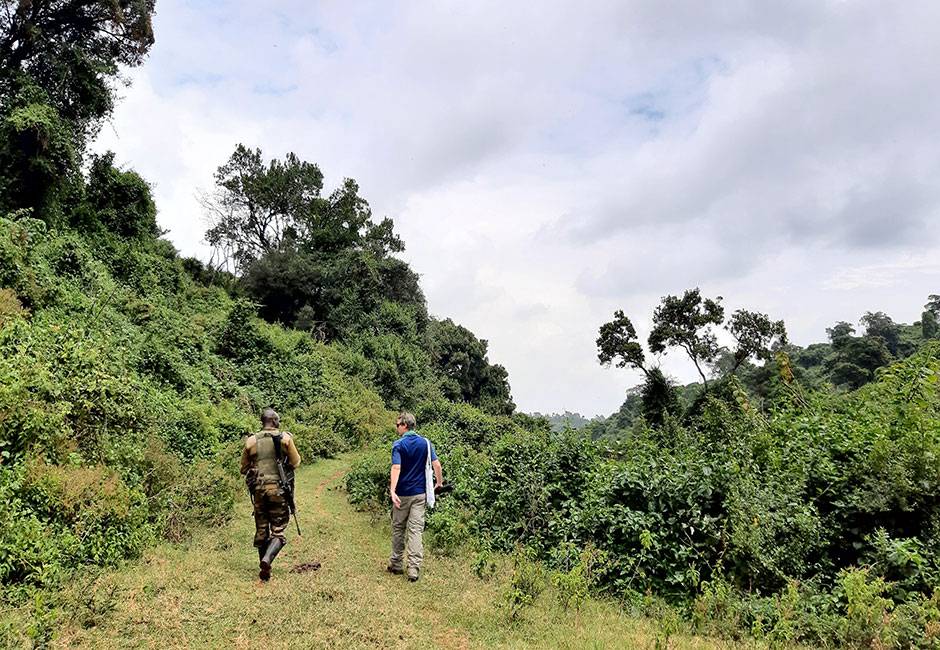
Because of its unique wildlife in landscapes rich in umbrella acacias, Kenya is a top safari destination. But you can hike well here too. For example in the Aberdare Mountains.