Safaris in Kenya
Safaris in Kenya: everything you dream of: lions, leopards, cheetahs, large elephant herds & rhinos. Book with the experts!
Safaris in Kenya
Kenya is the home of safaris – and will enchant you.
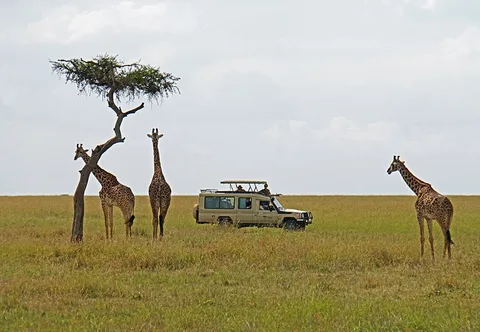
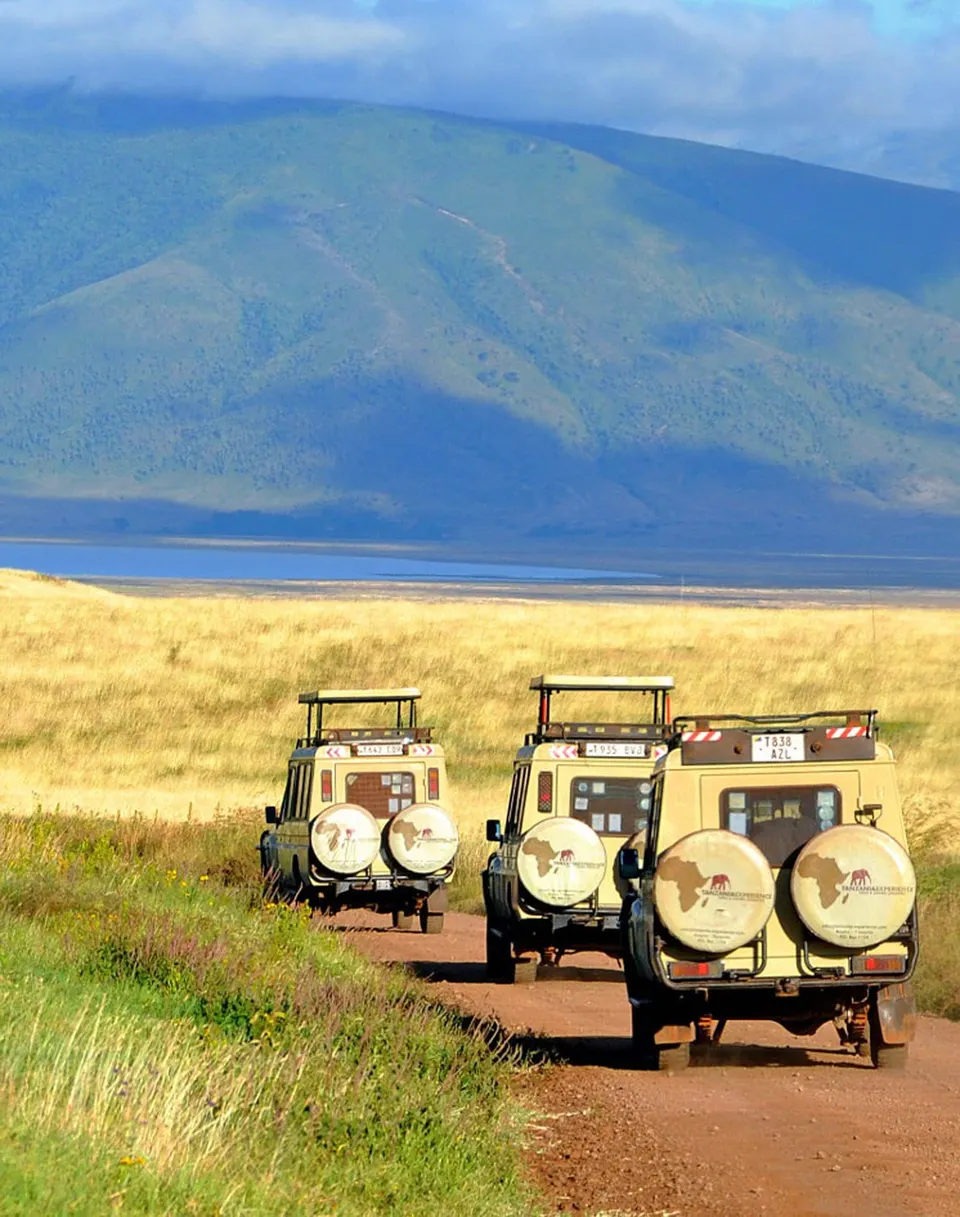
On your Kenya safari, explore wide savannahs and dense forests together with your experienced guide in a 4×4 off-road vehicle.
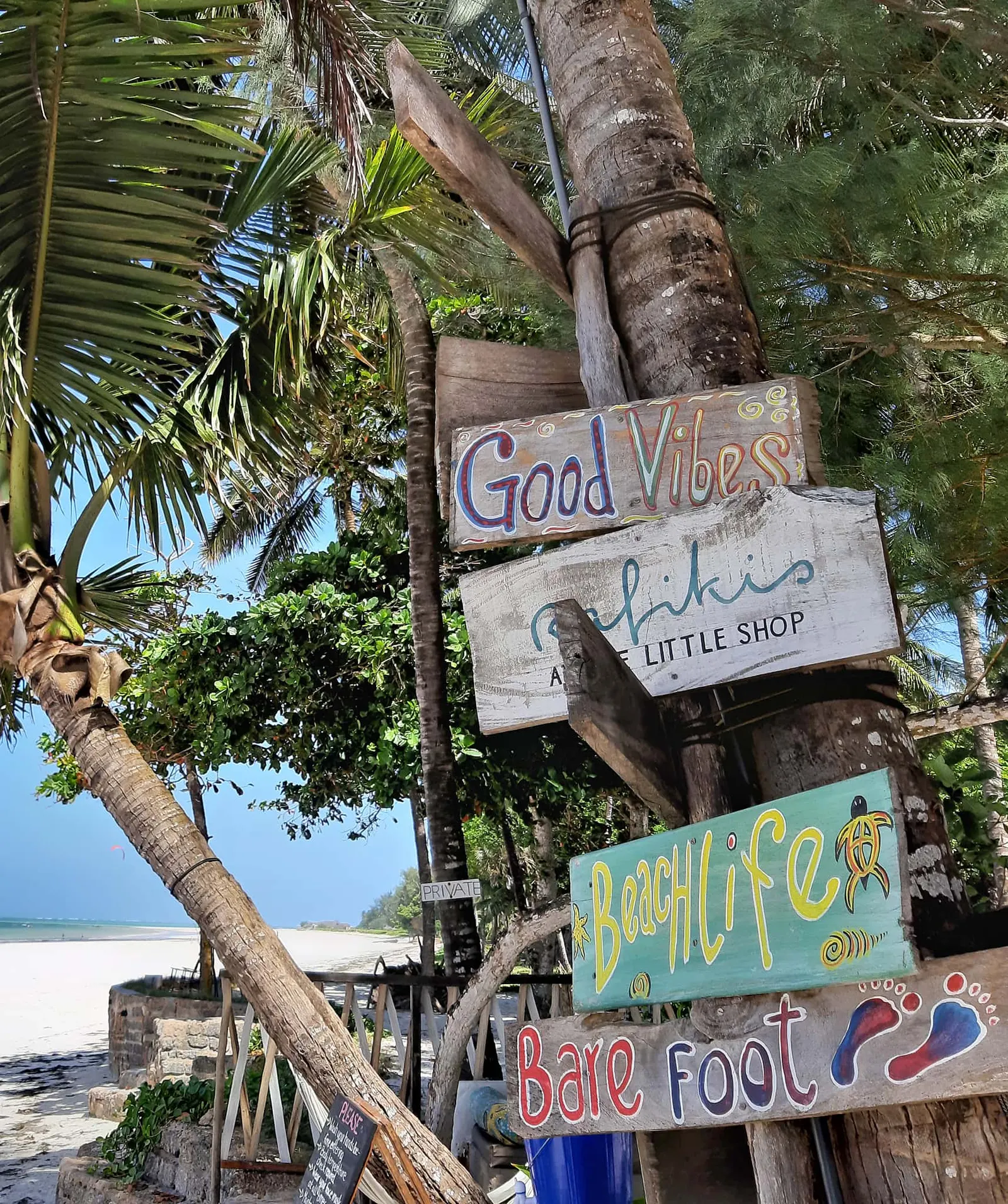
After the safari, head off to a dream beach, where life goes barefoot under coconut palms.
Highlights of a Kenya safari
Whether classic safaris in the wide savannahs of the Masai Mara, dense forests in the Aberdares or private conservation areas with high Big Five chances in Laikipia – Kenya is incredibly diverse.
With us you book with the leading Kenya safari provider. Our team has more than twenty years of experience organising tailor-made Kenya holidays with safari.
And with our local subsidiary in Nairobi you are in the best hands.
Our most popular Kenya safaris
 Kenya, Tanzania
13 days
Best of Tanzania & Kenya – East Africa Safari
from 5.830 € per person
 Kenya, Tanzania
10 days
Kenya & Tanzania – Fascination East Africa
from 5.300 € per person
 Kenya, Tanzania
10 days
Tanzania & Kenya Highlights
from 5.040 € per person
 Kenya
8 days
“Best of Kenya” Safari
from 2.720 € per person
 Kenya
5 days
Northern Kenya – Experience Remoteness
from 1.360 € per person
All prices exclude international flights.
Highlights of Kenya safaris
Our safaris in Kenya are everything you dream of from an Africa safari – and much more.
With the Masai Mara, the Tsavo National Parks, Amboseli and Lake Nakuru, a Kenya safari lets you explore classics among East Africa's conservation areas, in a mini-group or entirely privately.
Off the beaten track, smaller private conservation areas await you that celebrate great successes in species protection – exclusive, authentic safari destinations.
The following highlights await you on a Kenya holiday with safari:
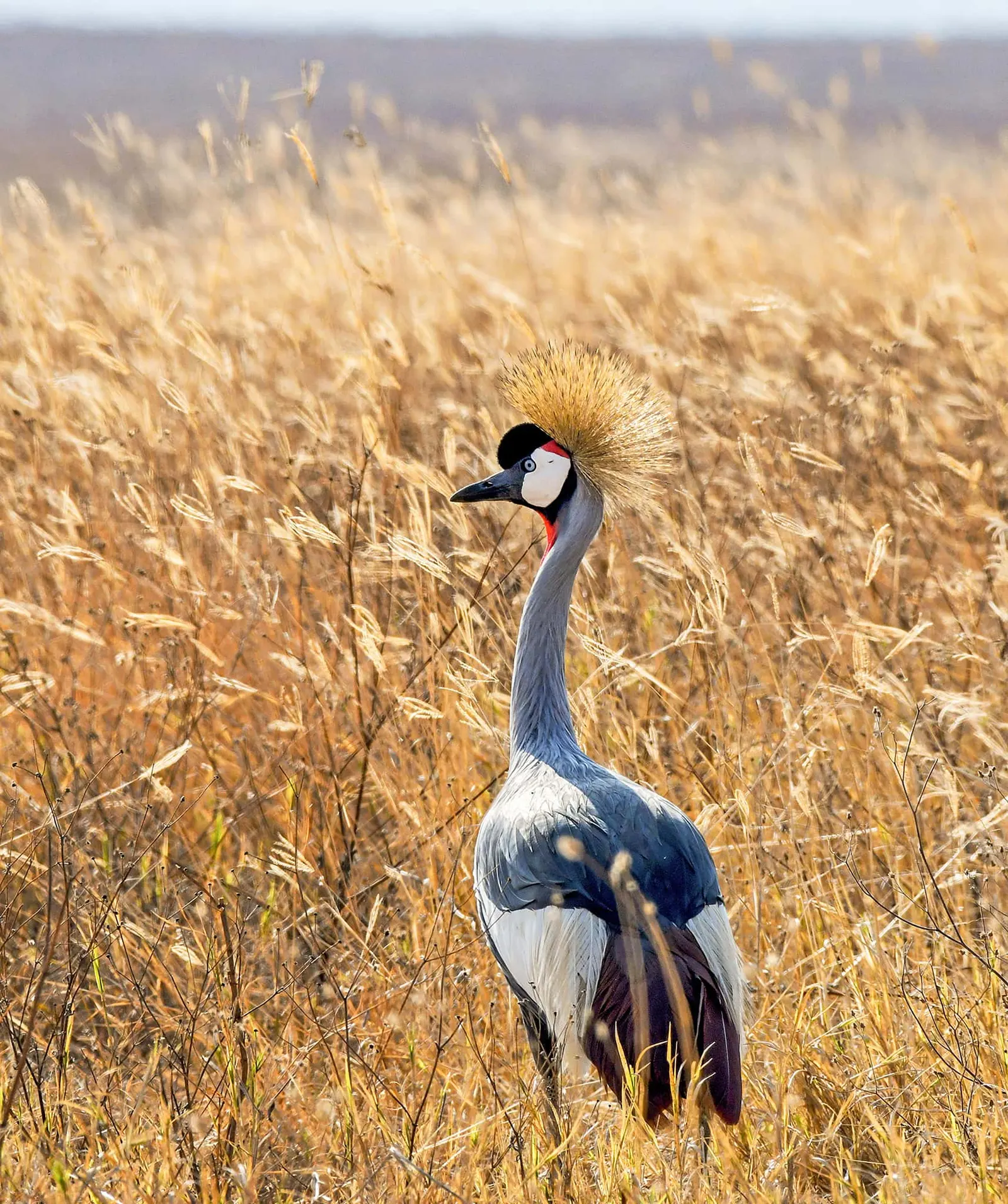
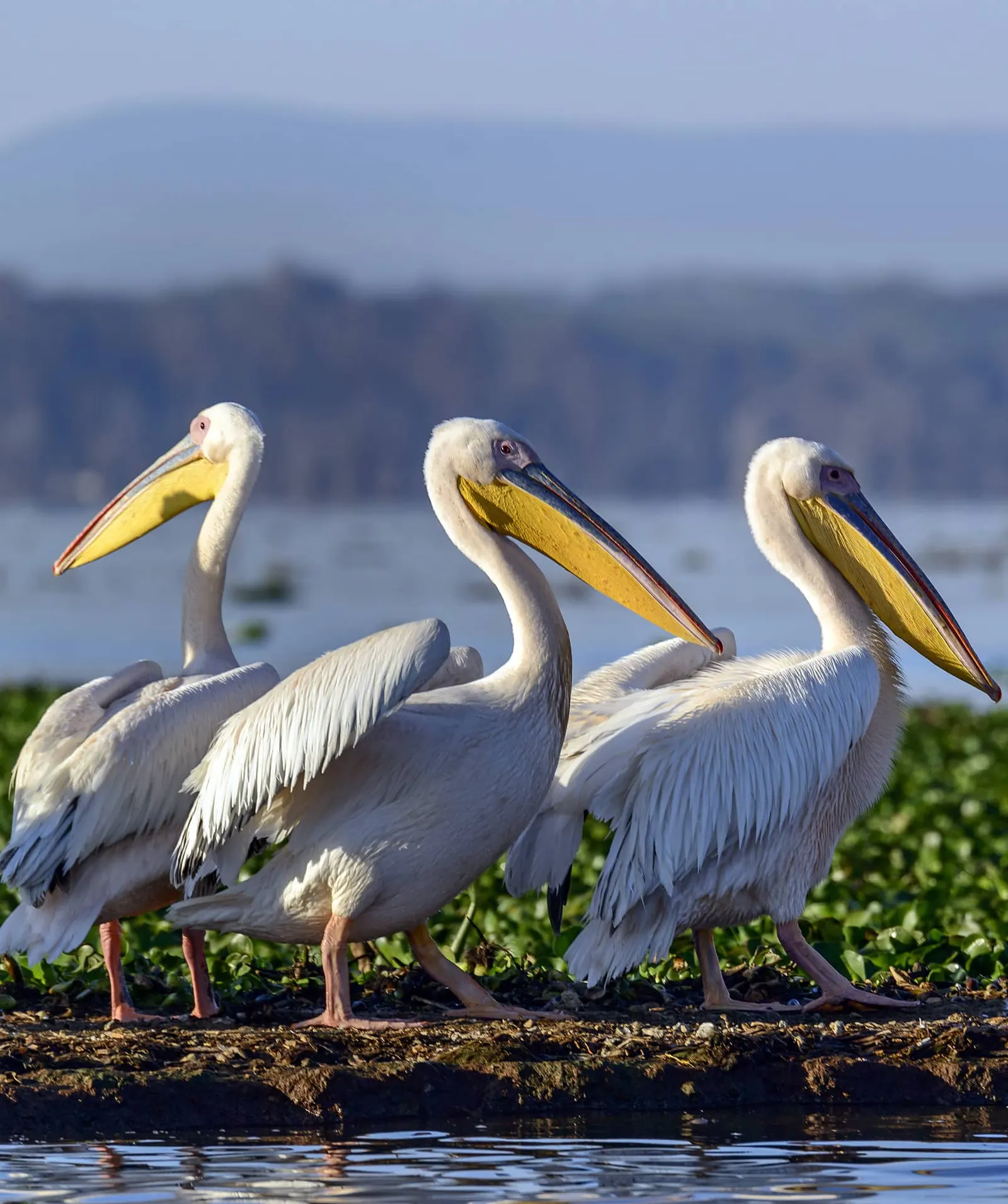
Impressive wildlife viewing
Local knowledge of animals, land & people
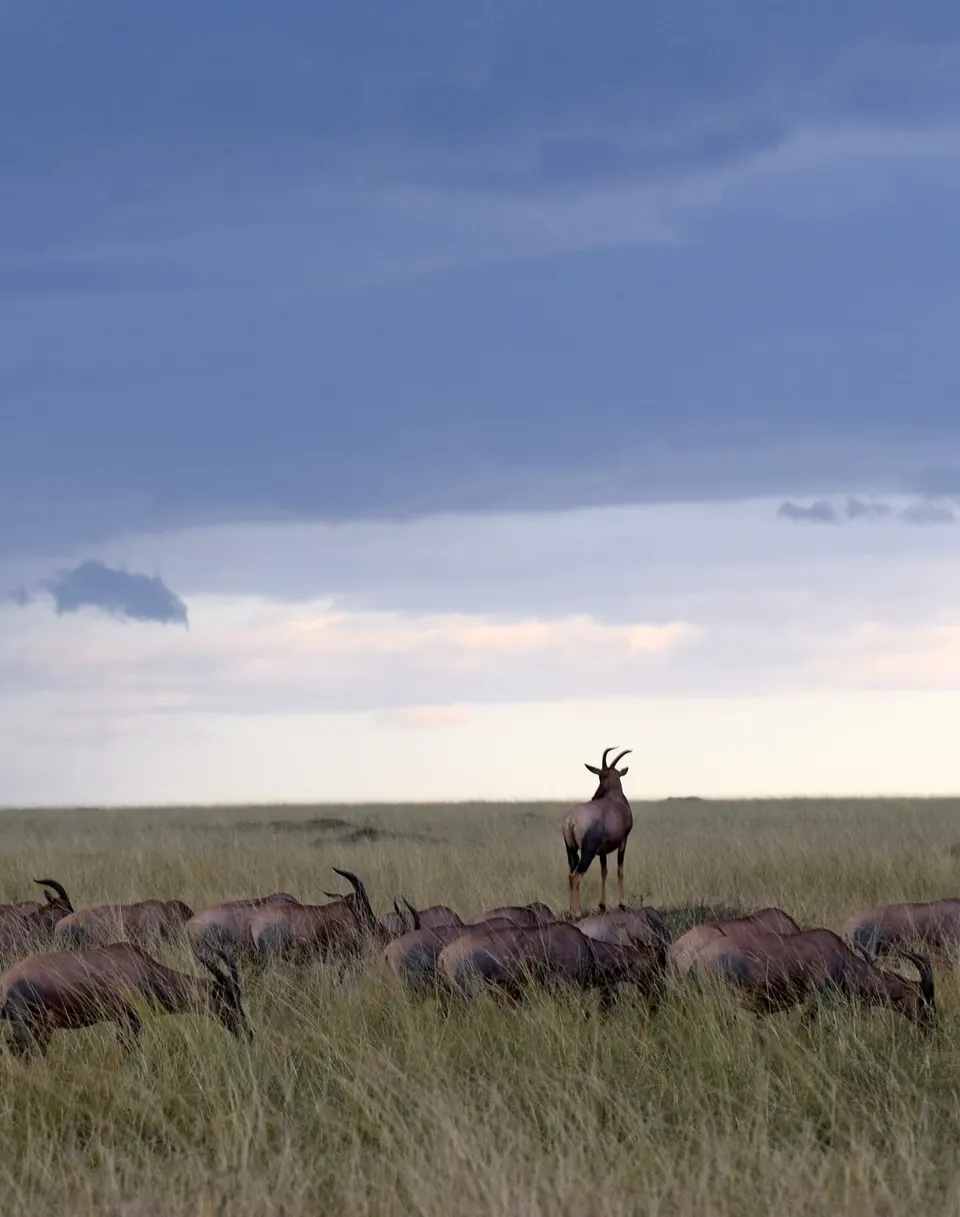
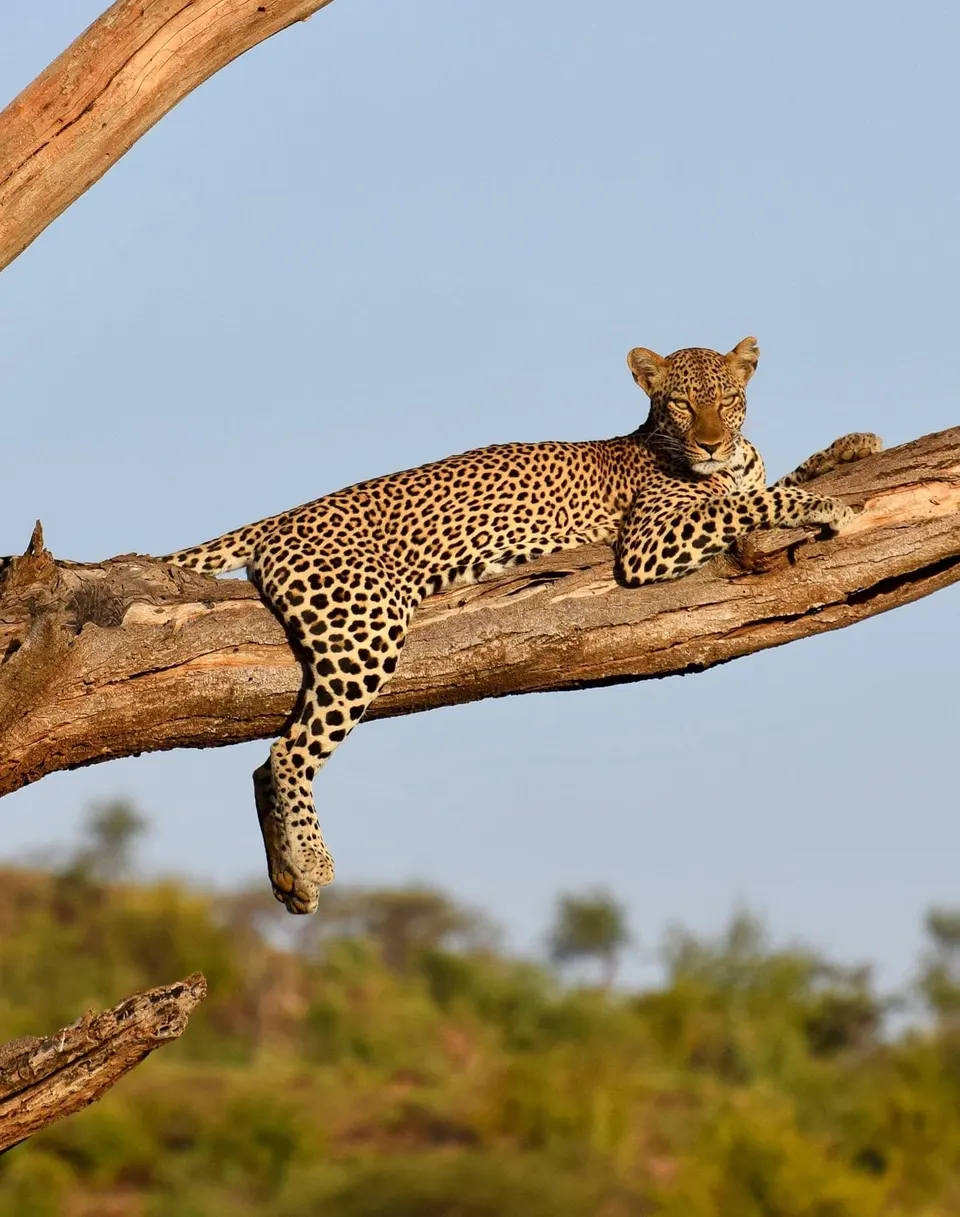
Many big cats
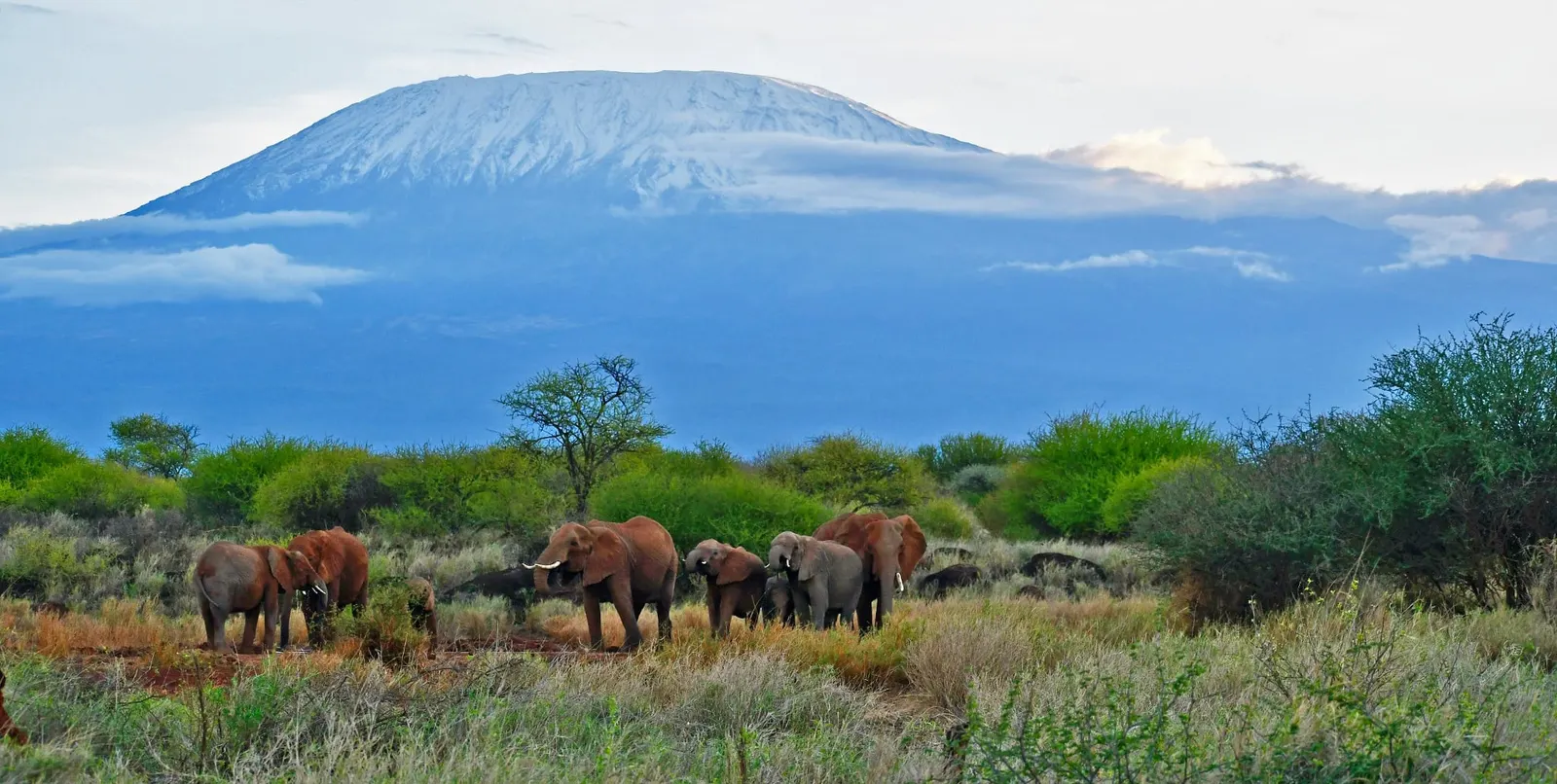
The grey giants
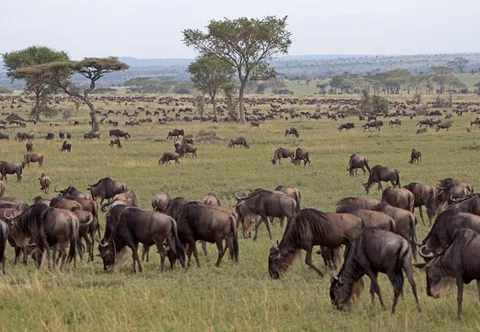
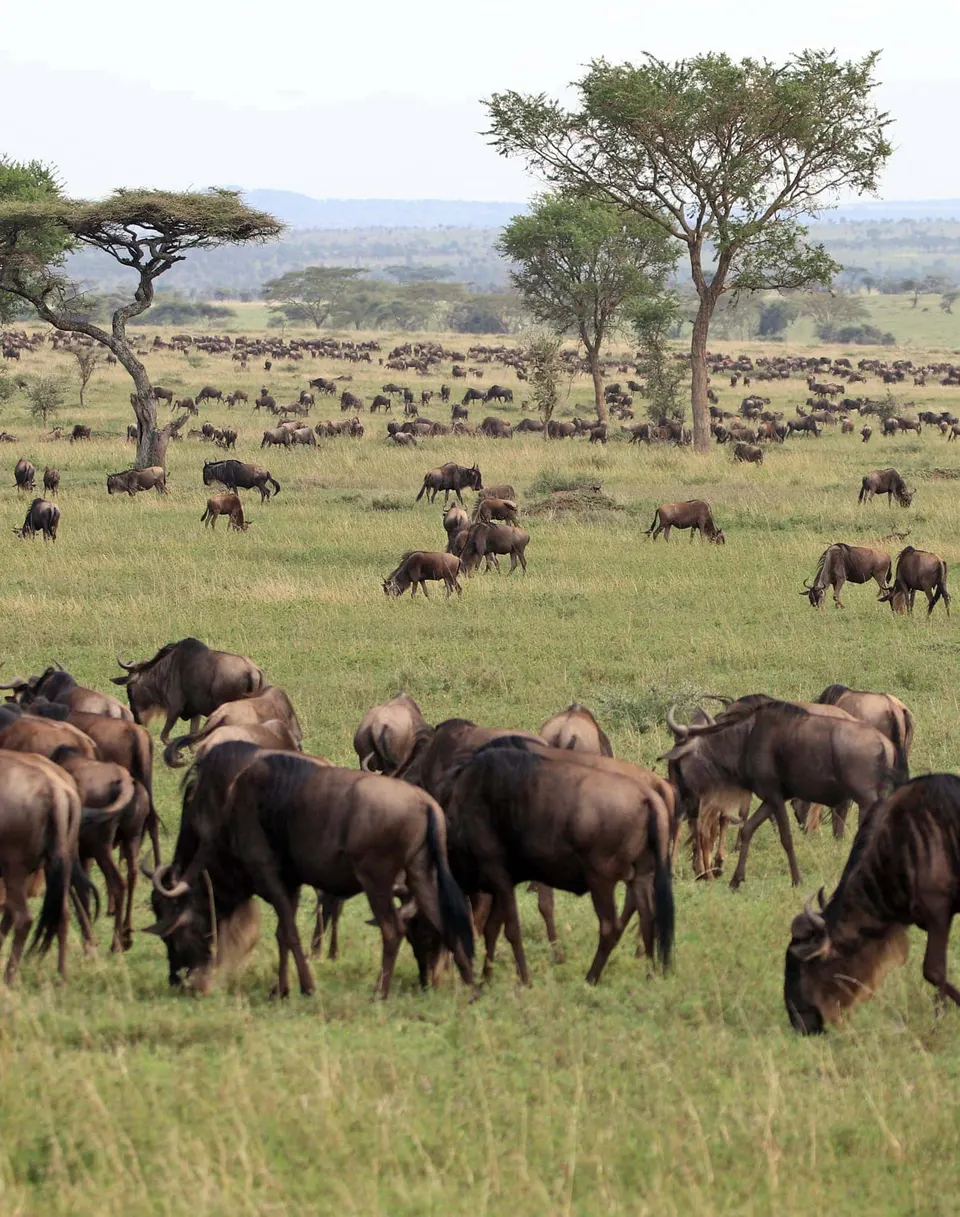
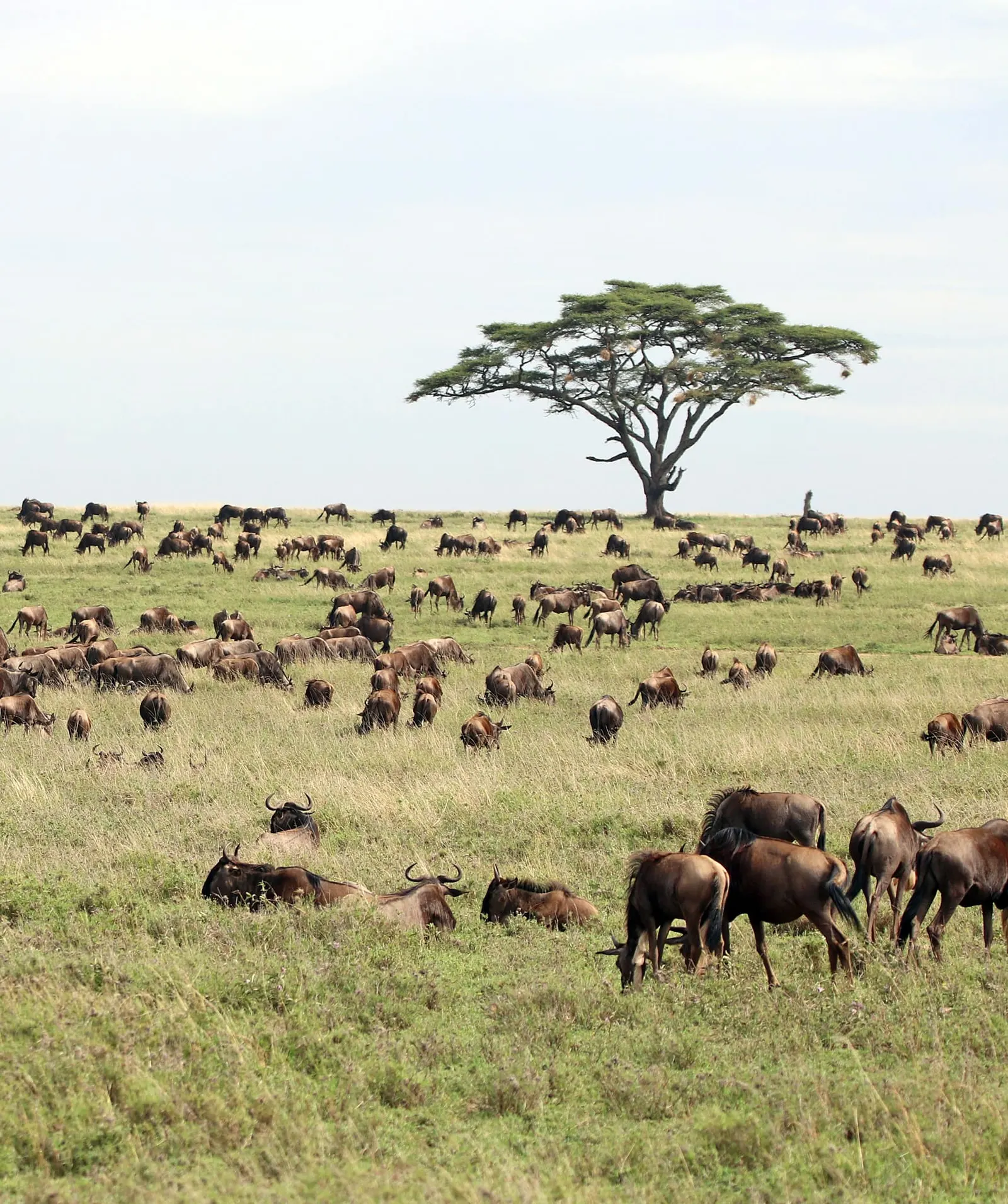
The Great Migration
Exclusive conservation areas
Sights on a Kenya safari
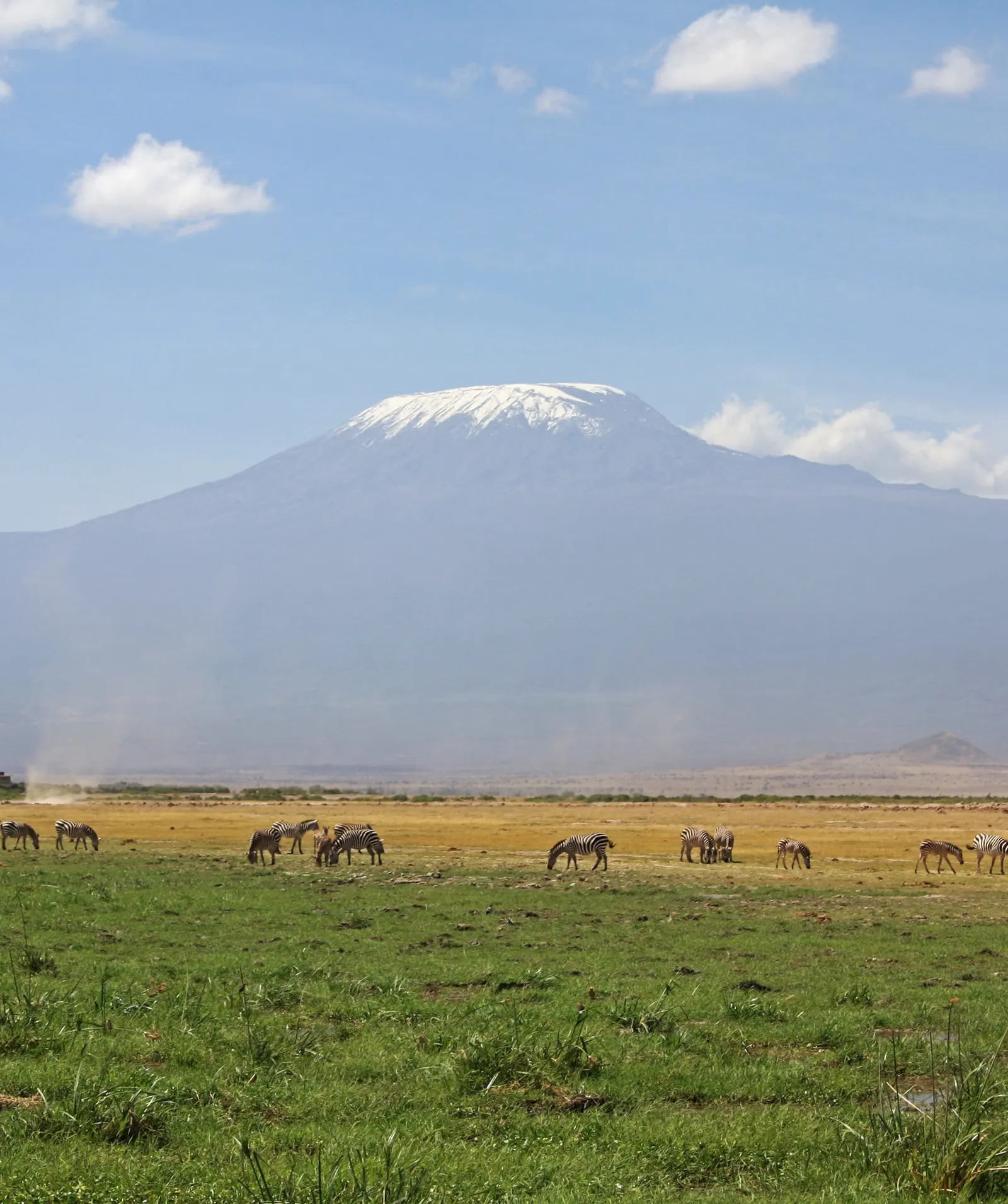
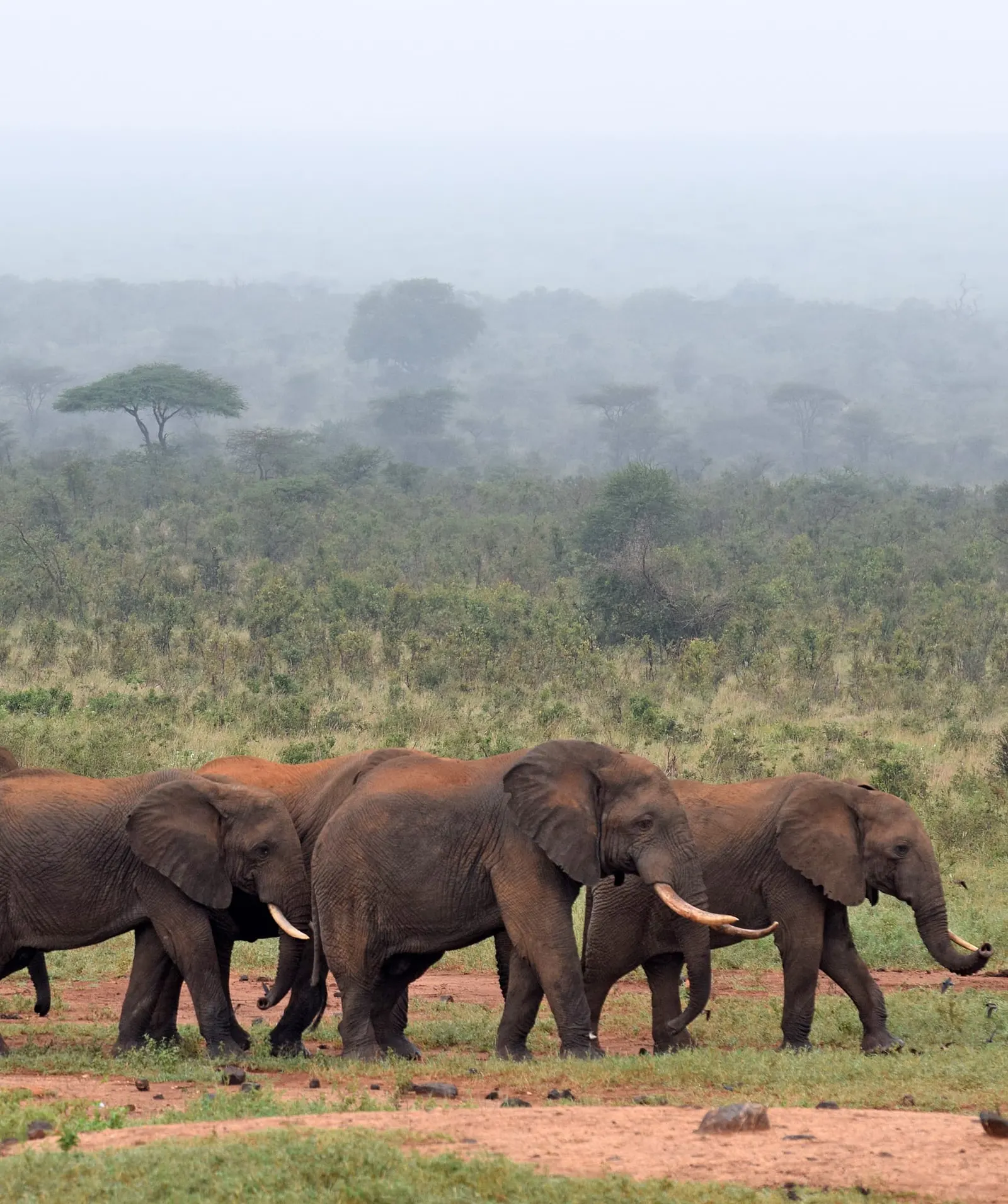
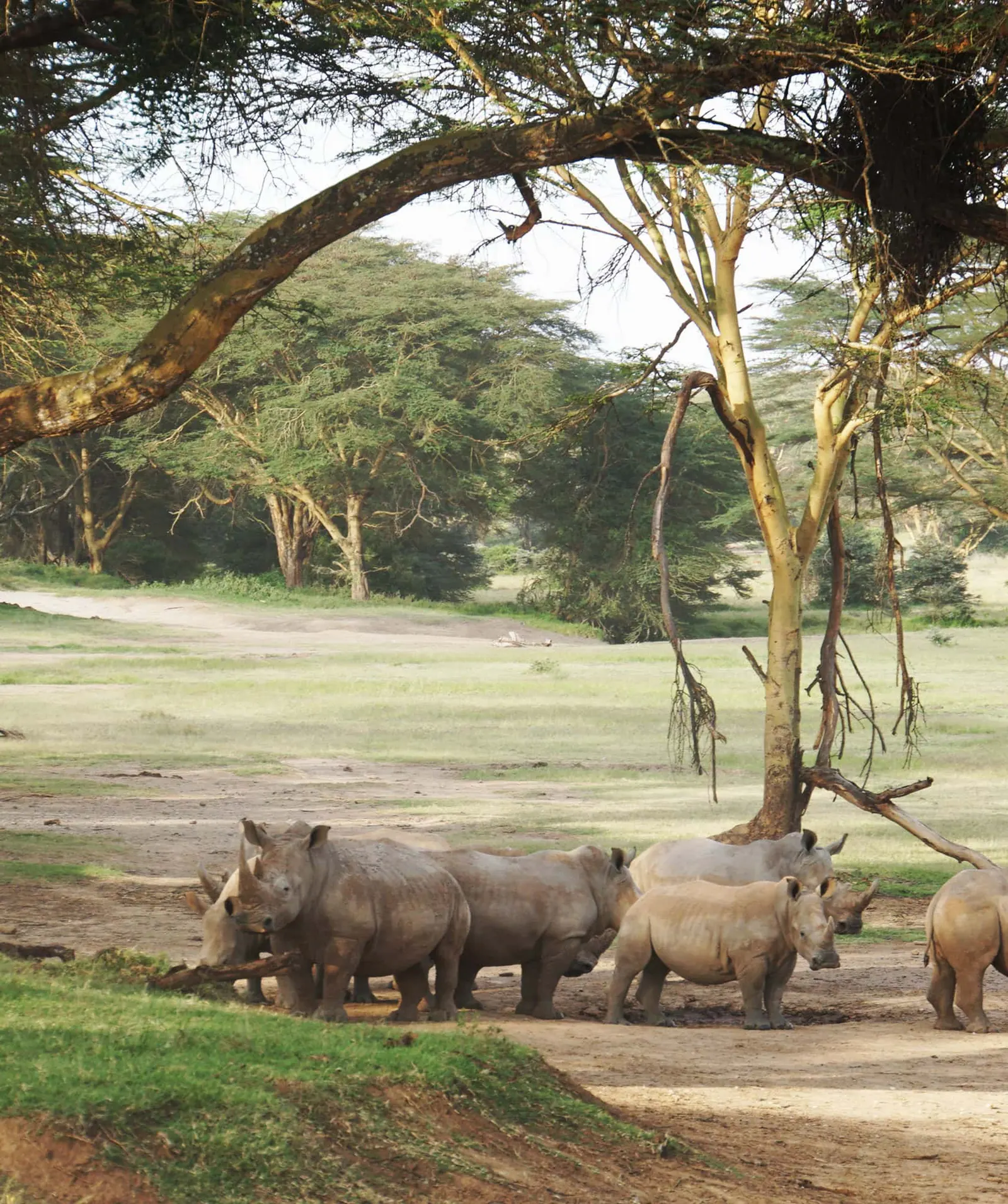
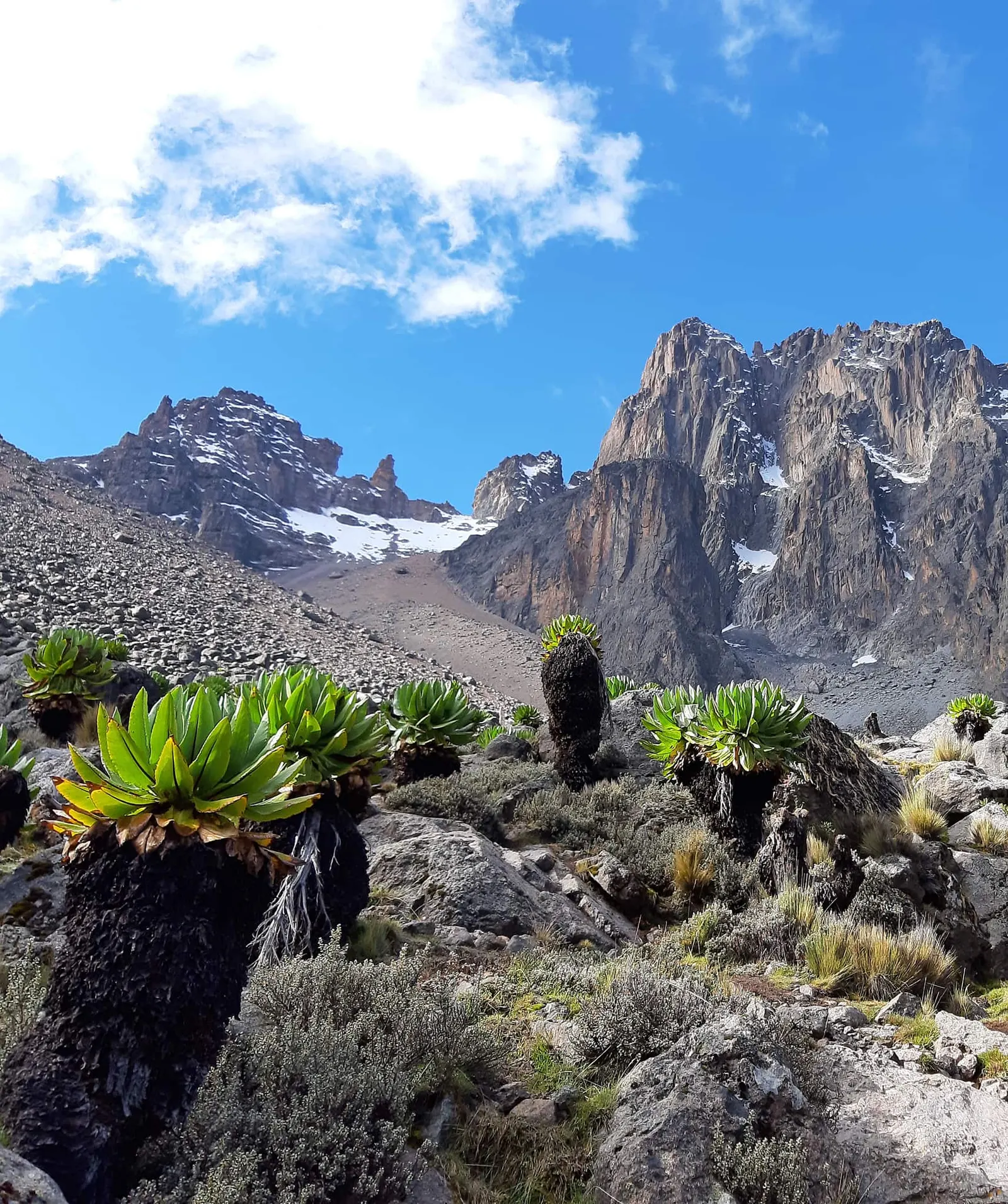
Whether Amboseli, Solio Game Reserve, Meru, Lake Nakuru or Masai Mara, everywhere we had great experiences and lots of fun thanks to our guide Emanuel.
The camps and lodges were dreamlike and the service and food very good."
— The Kriska family
How long should a Kenya safari last?
For a relaxed Kenya trip we recommend a total trip length of between 10 and 14 days.
You can split this, for example, into eight days of safari and two to six days at the beach.
In eight days on a Kenya safari you can, for example, experience the southern parks Masai Mara, Amboseli and one of the Tsavo National Parks, plus a stopover at Lake Naivasha. Just like on our Best of Kenya trip.
To visit some of the northern highlights such as Laikipia or Samburu, you should allow at least five days.
If you spend at least two nights in one place instead of moving on to the next place every day, you will experience your Kenya holiday with safari more relaxed and can really enjoy your surroundings and the beautiful accommodation.
We have broken down further details on how long a Kenya safari should last here for you.
Are safaris in Kenya safe?
All our safari tours are guided safaris, not self-drive tours. This means that an experienced safari guide drives the vehicle, both on game drives in the national parks and on the overland roads between the parks. Your guide is your direct contact along the way and takes care of safe travel arrangements on the ground.
As one of the leading providers of Kenya safaris, we can assure you that you are in the best hands with the colleagues at our local subsidiary in Nairobi. German-speaking contacts are also available there, so communication runs effortlessly.
Our safaris take place in areas that are classified as safe. These include the Laikipia region around Mt Kenya as well as the parks in southern Kenya down to the coast.
Your guide will also explain some safari rules of conduct that you must observe during game drives for safety reasons. For example, you are only allowed to leave the vehicle at designated places within the national parks.
At your accommodation you will receive a briefing at check-in on how you should behave there – especially in the dark from 7 pm – to minimise safety risks. These basic rules are generally easy to follow and quickly become habit.
We have summarised in detail what makes Kenya a safe travel destination in our blog.
What accommodation do you stay in on a Kenya safari trip?
On a safari in Kenya you can choose between two different types of accommodation: permanent accommodation (lodges) or camping in a tent.
Safari lodges
A lodge works similarly to a hotel, but usually on a smaller, more intimate scale. You do not have to worry about anything and can enjoy the service and hospitality of the staff on site.
Unlike a hotel, however, it is not a single large building. Instead, the setup consists of a central main building where you will find reception, a restaurant, possibly a pool and a terrace, and usually a cosy fire pit. These areas are shared by all guests.
Your room, which also has a private bathroom, is usually in a separate small building that resembles a cottage.
Lodges in Kenya are built from solid materials, with walls usually made of stone. They offer a reliable, often constant power supply.
Tented camps
Also widespread and very popular on Kenya safari tours are the so-called tented camps. In some respects these resemble a lodge, but should not be confused with traditional camping.
Tented camps can be very luxuriously equipped. They always have their own bathroom, comfortable beds and often a dreamlike view of nature.
Difference between a lodge and a tented camp
The main difference between a tented camp and a lodge: in a tented camp the walls and structures are made of sturdy canvas, i.e. tent material. This lets you experience the wonderful closeness to nature more directly and listen to the sounds of the wild at night too.
Camping safaris
On a camping safari you spend the night at public campsites in a two-person tent. You sleep on mattresses about 5 cm thick and in a sleeping bag on the ground. The team of our local subsidiary provides chairs, tables and crockery.
The camping crew takes care of all tasks such as putting up and taking down the tents, preparing meals and washing up.
How many people are usually on a safari?
Before you book a Kenya safari, you can decide whether you would like to take a private trip or a group tour.
Our mini-group tours consist of a maximum of seven guests and a safari guide. Every guest has a guaranteed window seat in the 4×4 off-road vehicle. Six guests sit in the interior of the vehicle, and the seventh guest, if any, sits in the front next to the safari guide. Our mini-group safaris are guaranteed from just two guests.
While you spend most of the day on game drives together with the other guests, in the evening you have the chance to withdraw and enjoy privacy.
If you book a private safari in Kenya, you decide who comes along on the trip. Only you and your family, friends or partner travel together. This gives you a private experience and the greatest possible flexibility. Our team has a lot of experience designing tailor-made Kenya holidays with safari.
For families with children we recommend booking a private safari to make the trip as flexible as possible.
What meals are provided on Kenya safaris?
As a rule, three meals a day – breakfast, lunch and dinner – are included in the price, so full board applies.
In the 4×4 safari vehicle there is also plenty of drinking water that you can fill into your water bottle. Other drinks, such as soft drinks or alcoholic drinks that you have at the accommodation, are usually charged extra.
Breakfast in lodges and camps in Kenya often resembles an English breakfast. That means there are usually eggs and fried bacon.
However, you can usually choose from a hearty buffet, including muesli, fresh fruit, yoghurt, toast and jam, and sometimes cheese. Only cold cuts are very rarely seen in Kenya.
Depending on the daily schedule, your lunch is either a lunch box that you eat on the way or a set lunch table at your accommodation. The lunch boxes are usually simple but tasty. A hot lunch at your accommodation usually consists of a salad, a soup and, for example, a pasta dish, vegetables and/or meat or fish.
Dinner is served in the restaurant of the lodge or camp. Here you can usually choose from several options and put together a 3-course menu. The cuisine is often European in style, and sometimes there is also curry or the chance to try local Kenyan cuisine.
When you book your Kenya safari with Elefant-Tours, we clarify any dietary requirements or allergies with you and pass this information on to our subsidiary in Nairobi. From vegetarian and vegan to gluten-free, the accommodations can thus implement individual requirements.
When is the best time to travel for a Kenya safari?
In Kenya the seasons are not divided into summer, winter, autumn and spring; instead people speak of the rainy season and the dry season. The dry season is generally the best time to travel for a safari in Kenya.
From June to October and from January to March it is the dry season in Kenya. July, August and September in particular are the most popular months for a safari. We recommend booking early.
When it is dry, the vegetation is less dense, the grass is shorter and there are fewer places for animals to find water. This makes it easier to spot animals, and many gather around well-known waterholes that supply water all year round.
Between the end of March and the end of May the Long Rains fall in East Africa. Heavy rainfall is common then. This leads to roads that are difficult to pass, which makes travelling harder at this time. As prices are lower in the rainy season, many budget-conscious visitors use this time to travel.
From the end of October to early December the Short Rains normally fall, although in some years they may not come at all. During this time it does not rain for days on end, but only for a few hours a day and often only at night. This time suits travellers who would like to see Kenya with fewer tourists and somewhat greener.
Best time to travel for a beach holiday in Kenya
Many visitors extend their safari with a beach holiday on Kenya's south coast or north coast. Here too, the months of June to October are among the most popular travel months.
If you would like to snorkel or dive, we recommend the months of October to mid-March for the best conditions.
Combining a Kenya and Tanzania holiday
A safari in Kenya can easily be combined with a visit to Tanzania. We have subsidiaries in both countries and can organise cross-border safaris for you. The best time to travel in Tanzania and Kenya is similar.
In our blog we have broken down in detail when the best time to travel to Kenya is.
Our Elefant-Tours team is happy to help you plan and book your trip to Kenya: please call us or send a message to our email address.
Is a Kenya safari suitable for families with children?
Safaris in Kenya are very well suited to families with children and offer an unforgettable adventure for the whole family. Before you decide on a Kenya safari, there are a few important points to bear in mind:
We recommend that families book several nights in one place at each accommodation. You spend a lot of time in the vehicle on a safari, both during game drives and on transfers between the different national parks or private conservancies. If you spend several nights in one place, this time in the car is reduced.
Many lodges and camps in Kenya offer family-friendly accommodation, such as connecting family tents. Many safari lodges also have a swimming pool, which offers a welcome change for young and old after a dusty morning game drive.
Kenya also has a large number of so-called "private conservancies", which are private nature reserves. These often offer families more flexibility and a variety of child-friendly activities, such as game viewing on horseback, tracking or even archery.
However, many accommodations in Kenya are unfenced and in the middle of the wilderness, so it is essential that your children are supervised at all times. If you only want to book fenced accommodation as a matter of principle, our travel experts can take this into account in the planning.
For families whose children do not yet speak English, we offer the option of booking a German-speaking guide for an additional charge. This allows the children to communicate directly with the guide.
If your children already have an affinity for animals and nature, a safari in Kenya is particularly well suited. You will experience an unforgettable adventure up close that you will talk about for a long time.
You might also be interested in: