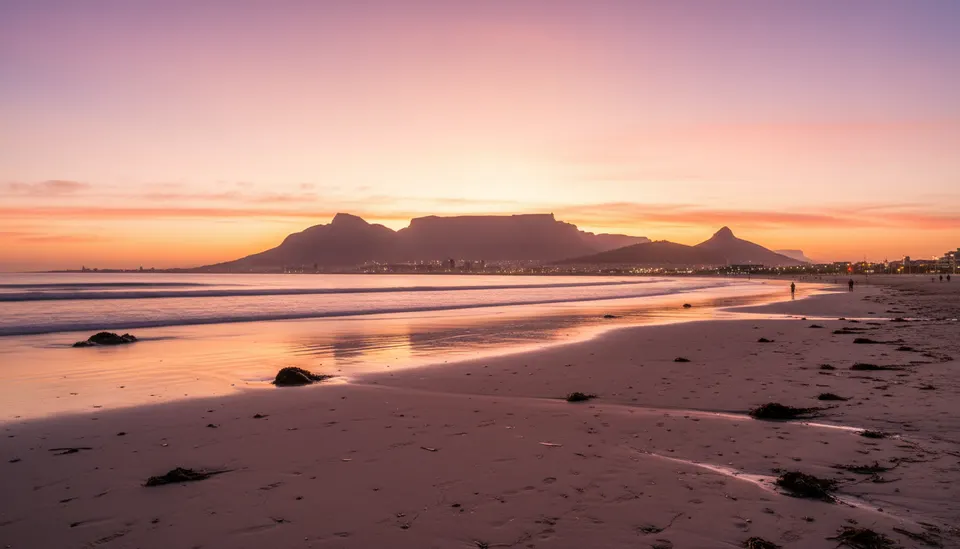
Destination South Africa
South Africa is an extraordinary country, and once you have fallen under its spell, you won’t easily let go: the people, the nature, the animals, the way of life.
A South Africa holiday is not just another holiday; a South Africa trip is an experience that stays with you forever.
South Africa combines urban life, nature and cultural diversity. From Johannesburg to popular Cape Town, where adventure and relaxation meet.
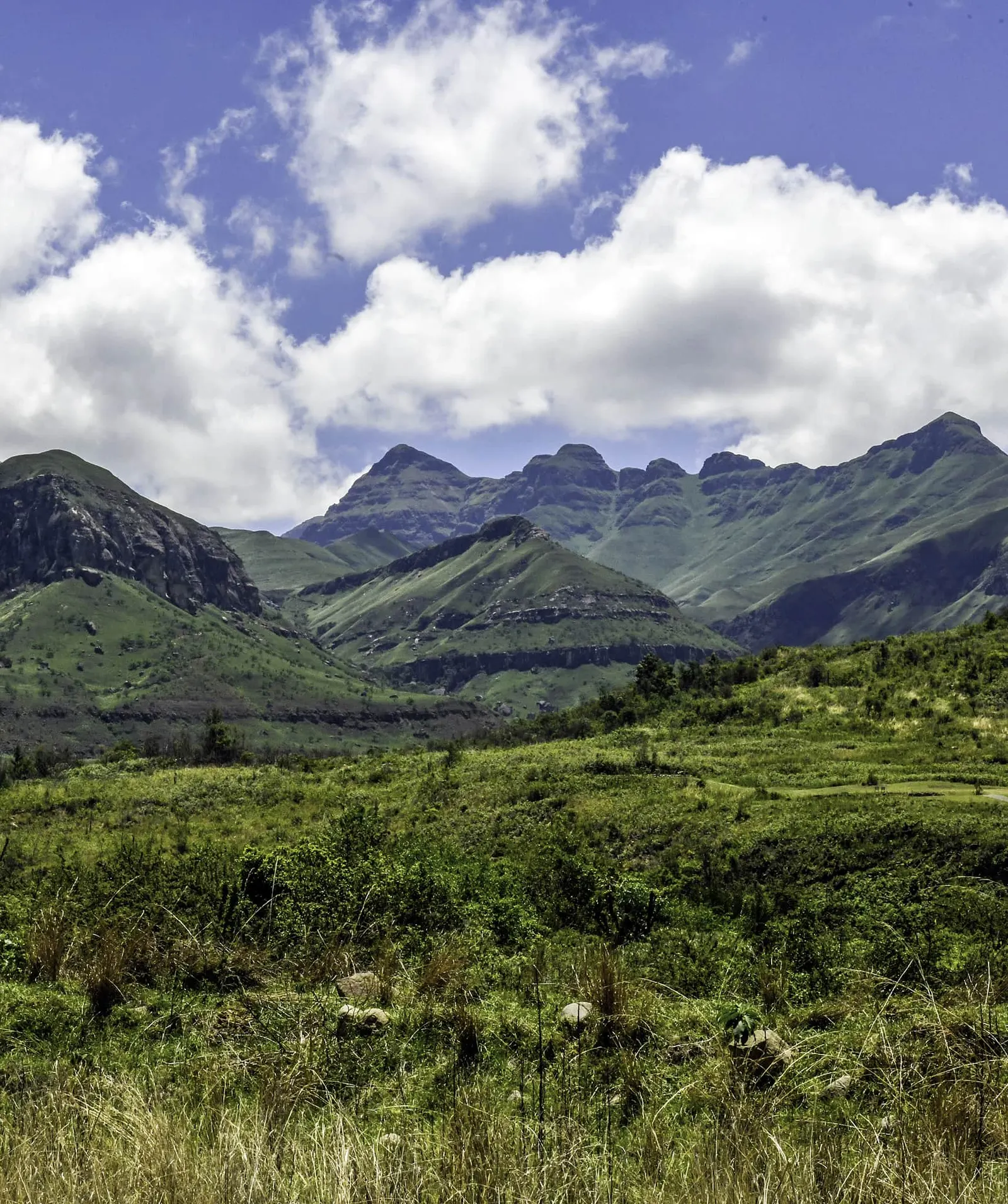
The hiking paradise of the Drakensberg, the safari highlight Kruger National Park and a coastline more than 5,000 kilometres long with the picturesque Garden Route – South Africa is a country for nature lovers.
With us you plan your South Africa trip with German-speaking experts who advise you from our Elefant-Tours branch in Cape Town. Insider tips and first-hand information!
Travel styles in South Africa
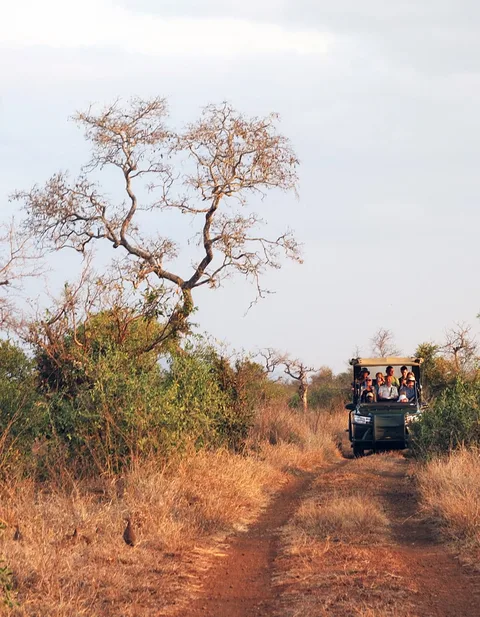
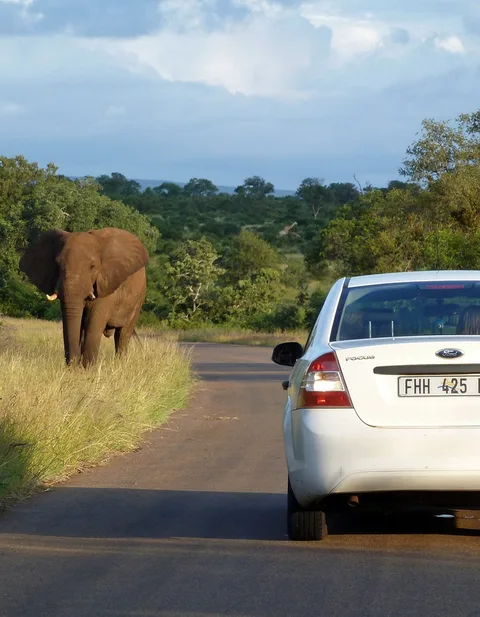
Tours in South Africa
 Zambia, Malawi, Mozambique, South Africa
22 days
Wanderlust Africa – Camping between the Zambezi and Kruger
from 3.150 € per person
 Botswana, Zimbabwe, South Africa
14 days
Botswana – Explore the Wild
from 3.490 € per person
 Botswana, Zimbabwe, South Africa
16 days
Discover Botswana
from 3.000 € per person
 Botswana, South Africa, Zambia
14 days
Botswana's Wild Side
from 2.120 € per person
 South Africa, Botswana, Namibia, Zimbabwe
21 days
In Comfort from the Cape to Victoria Falls
from 4.180 € per person
 South Africa, Eswatini
20 days
Fascinating South Africa
from 4.450 € per person
 South Africa, Eswatini
17 days
Comfortably Through South Africa
from 2.990 € per person
 South Africa, Namibia
14 days
The West Coast – 4×4 Self-Drive Tour through South Africa & Namibia
from 7.470 € per person
 South Africa
7 days
“Short Trip” Cape Town and the Cape Region
from 600 € per person
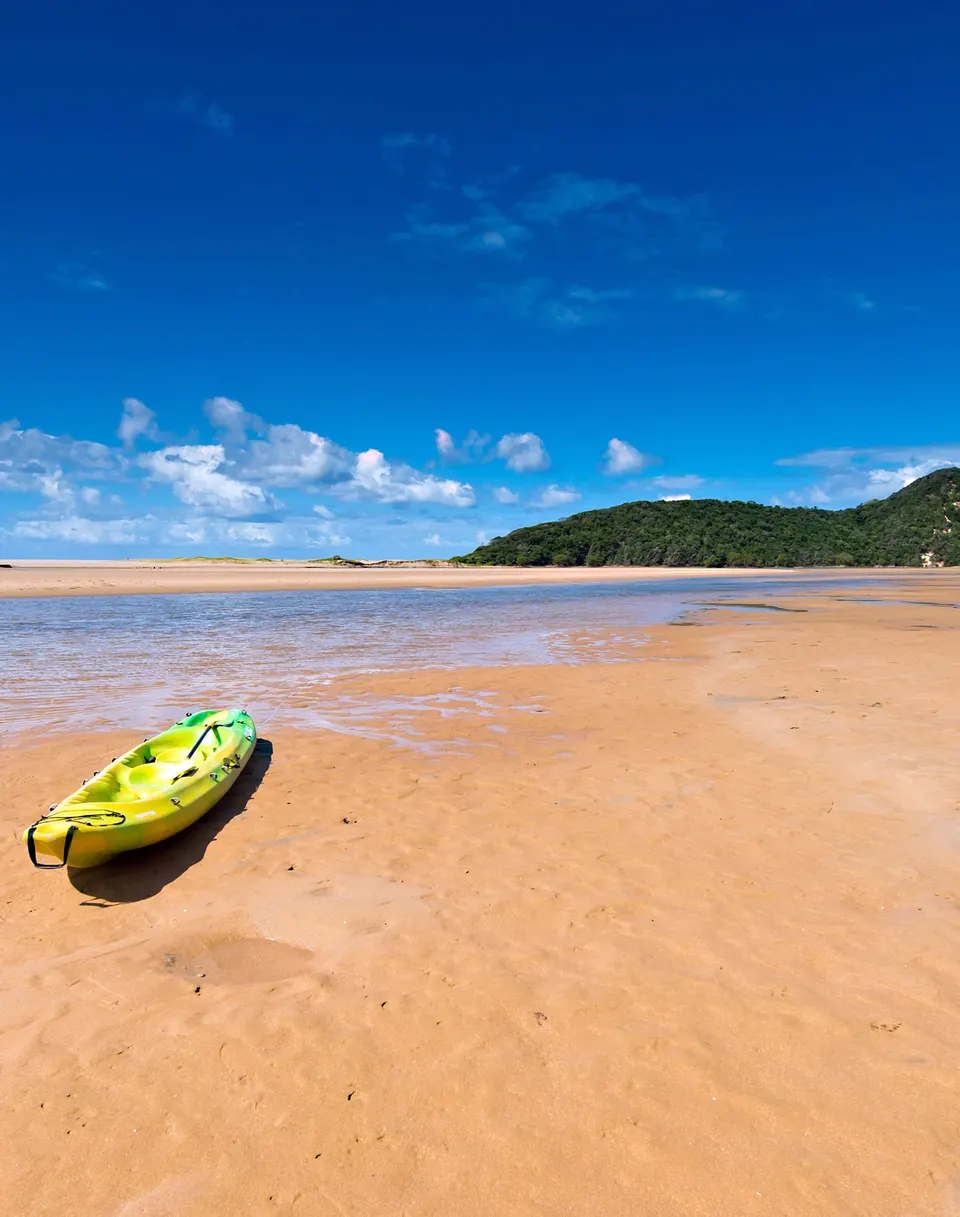 Mozambique, South Africa
14 days
Zululand & Mozambique
from 2.550 € per person
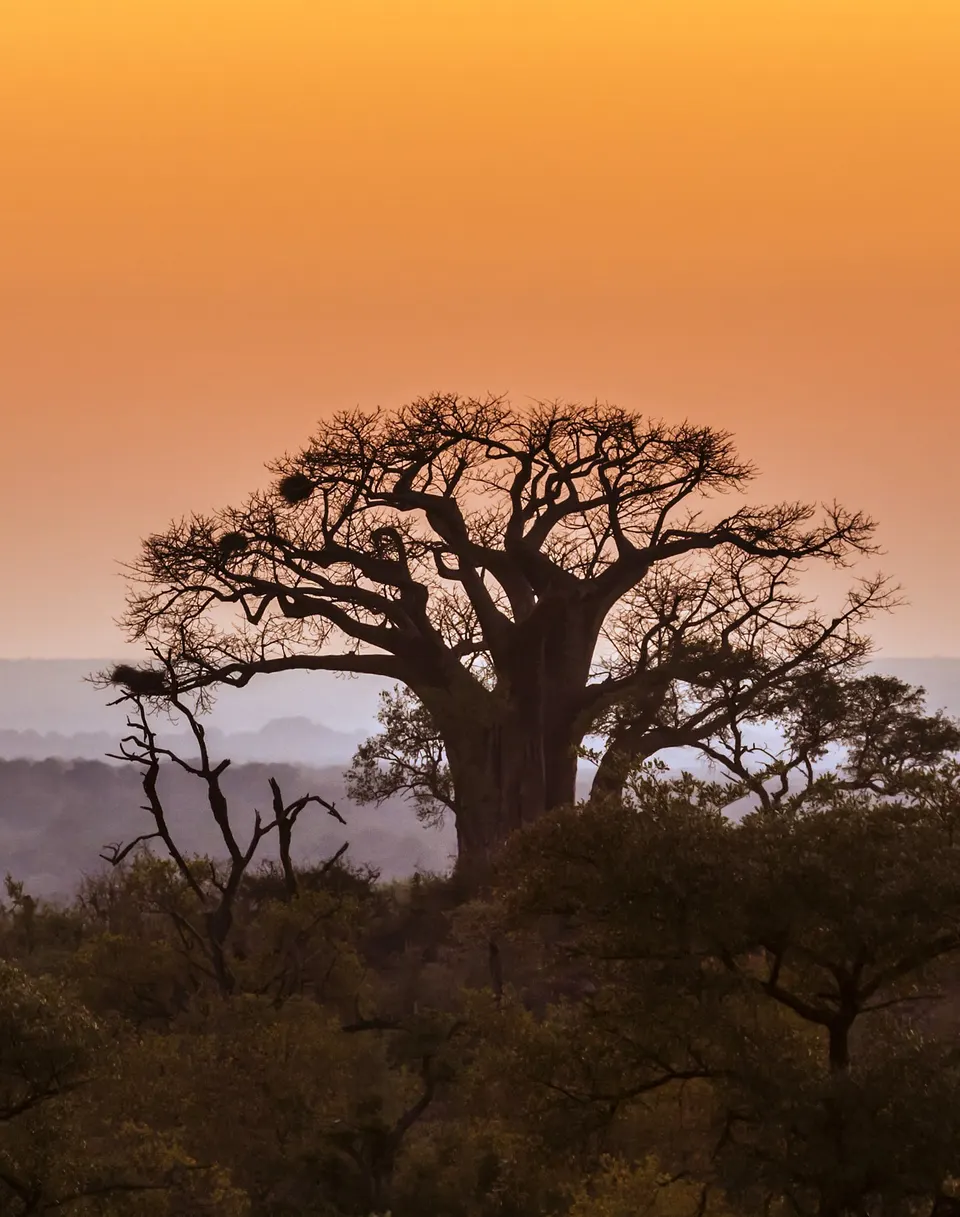 South Africa, Eswatini
18 days
Northern South Africa: North & East Coast in Depth
from 1.490 € per person
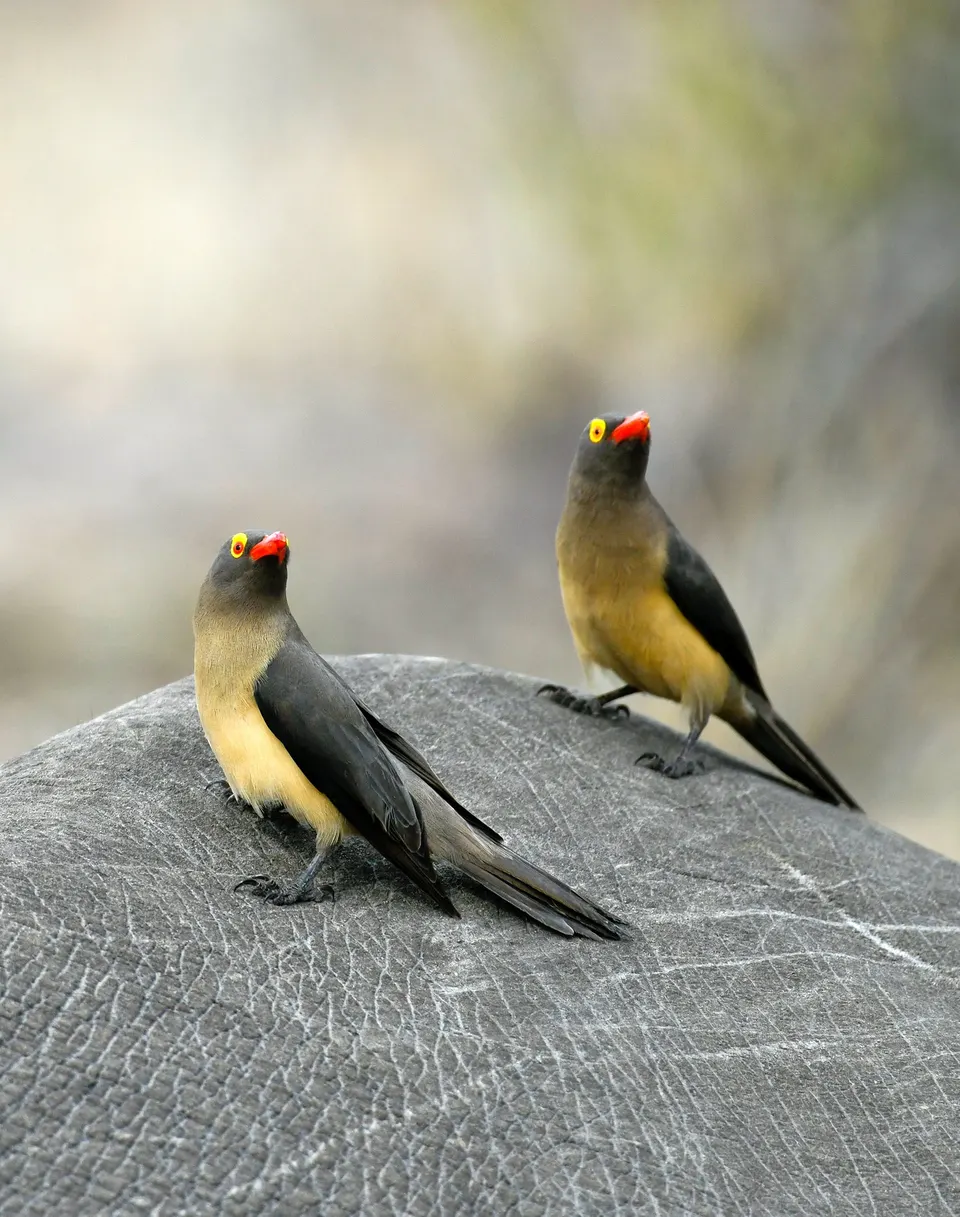 South Africa, Eswatini
13 days
South Africa – the North and East
from 2.950 € per person
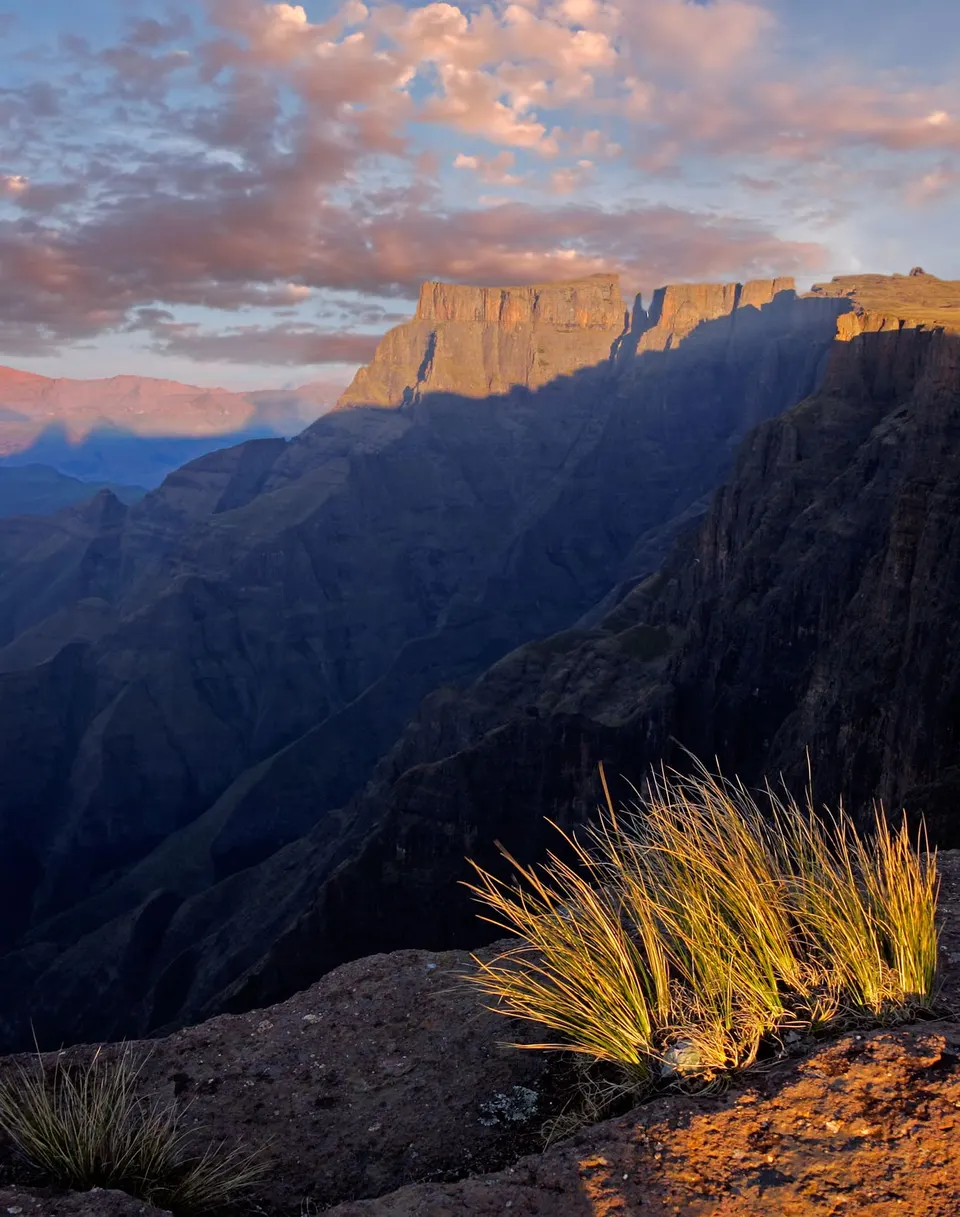 South Africa, Eswatini
18 days
Discover South Africa
from 3.100 € per person
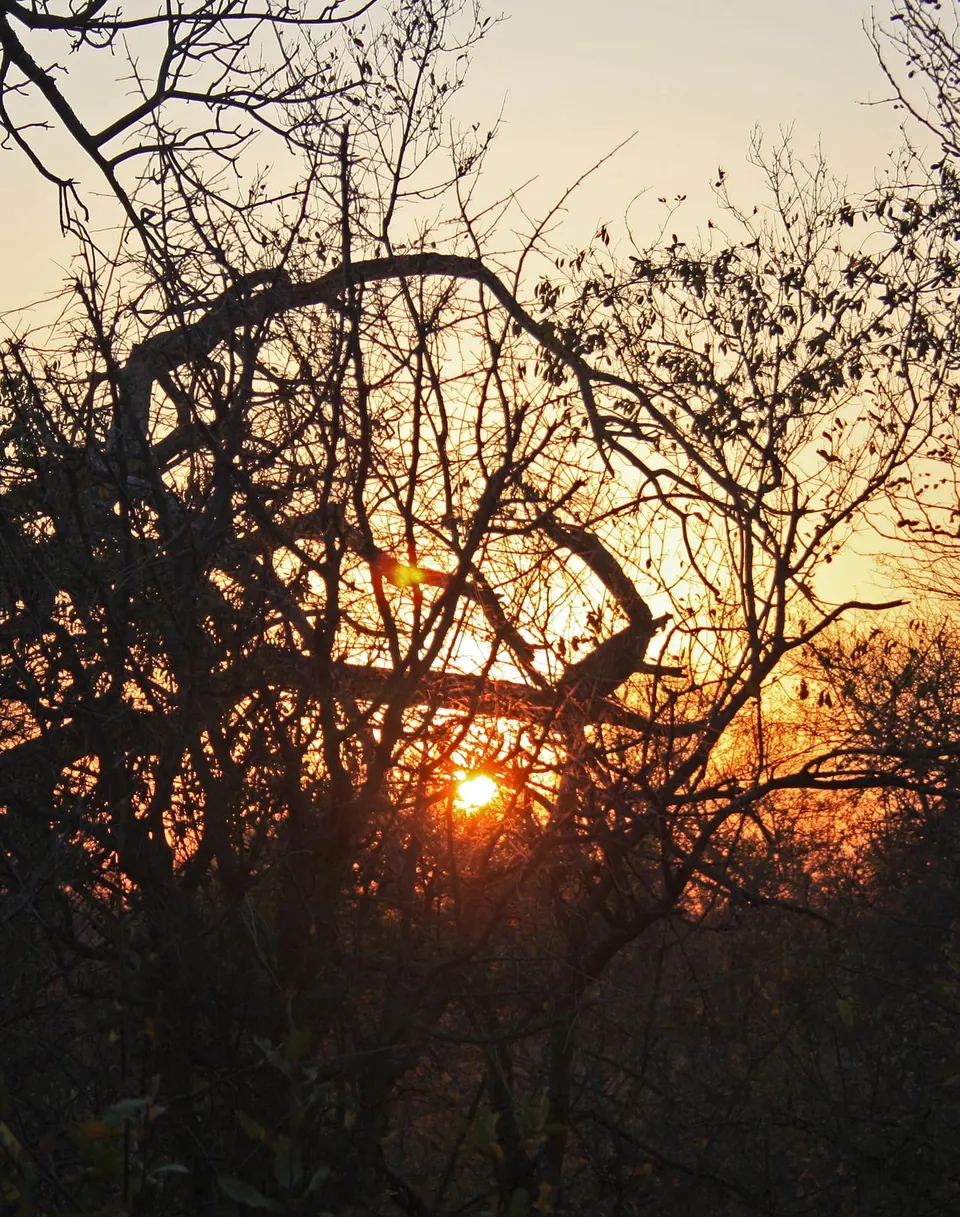 South Africa
5 days
Bushveld & Kruger National Park
from 930 € per person
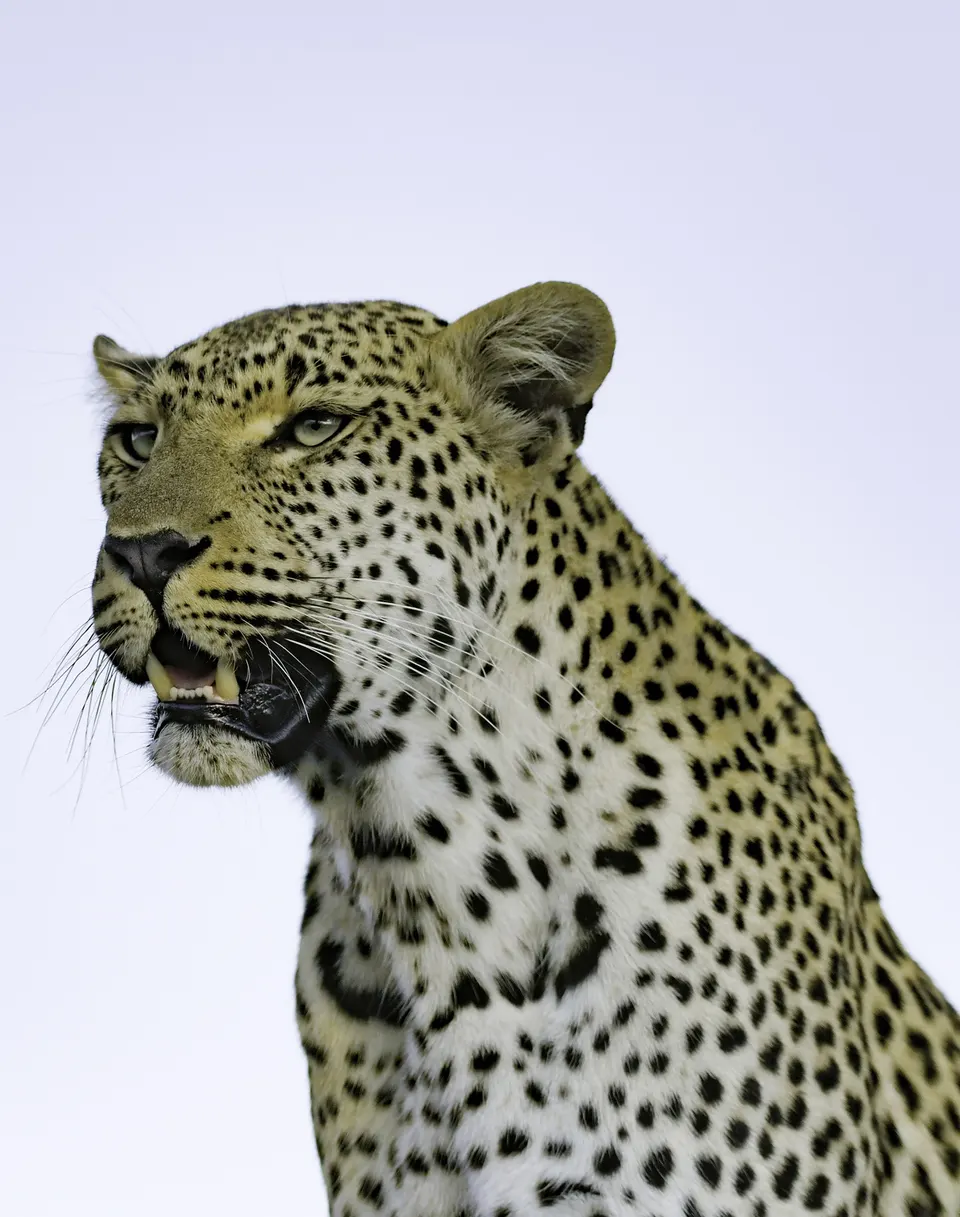 South Africa, Eswatini
18 days
South Africa Highlights “Comfort”
from 6.430 € per person
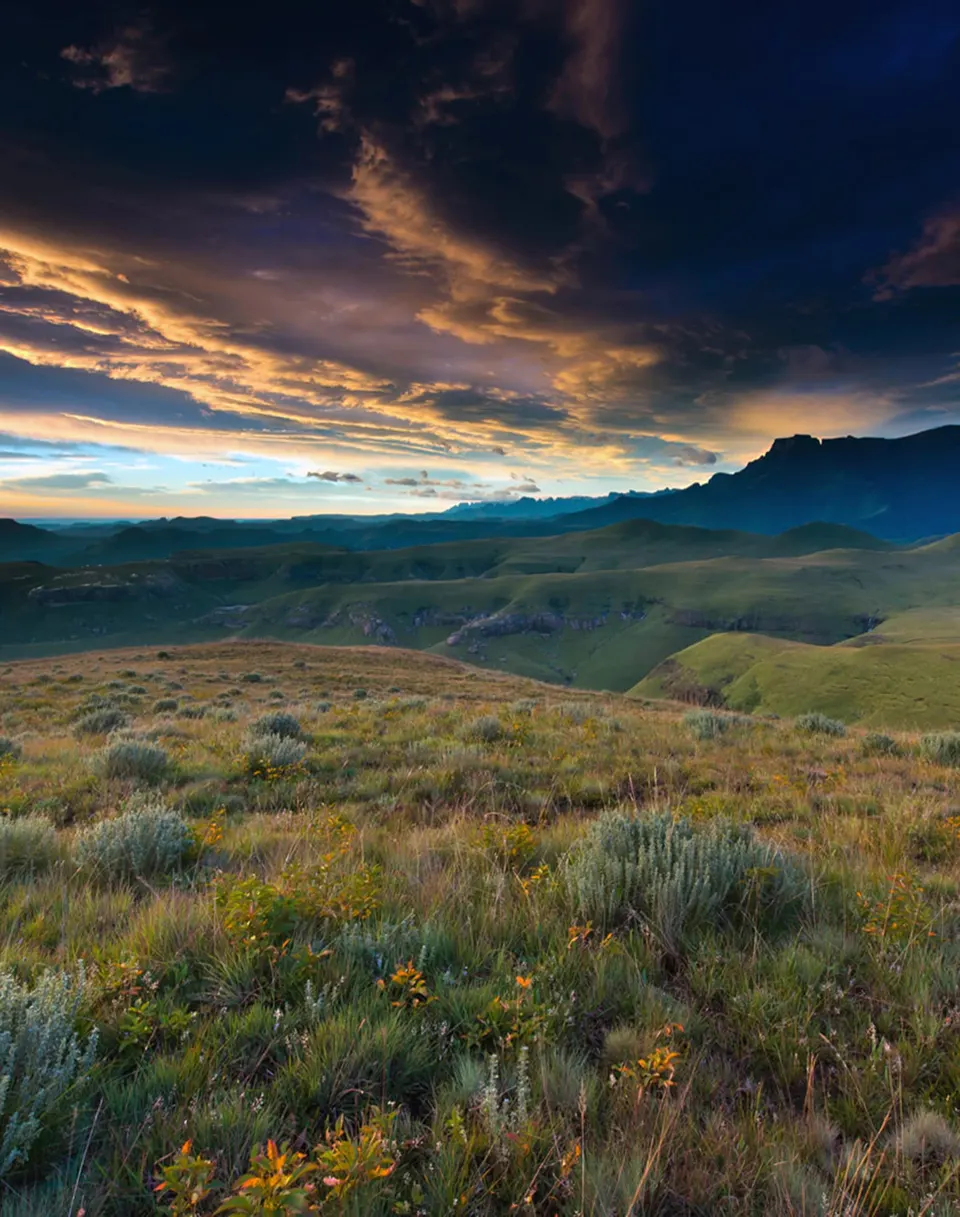 South Africa, Eswatini
30 days
South Africa Intensive
from 2.520 € per person
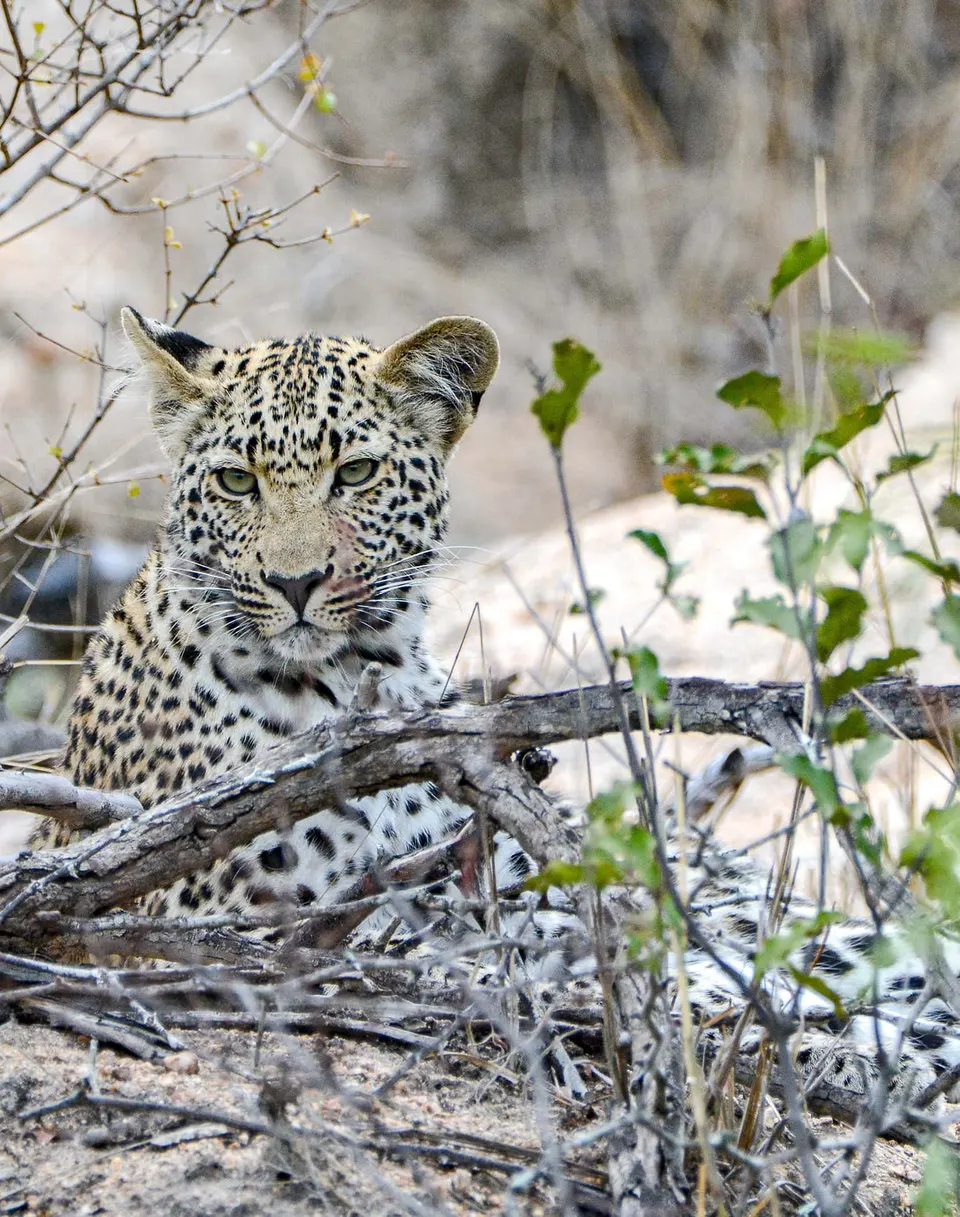 South Africa, Eswatini
21 days
South Africa’s Highlights
from 1.970 € per person
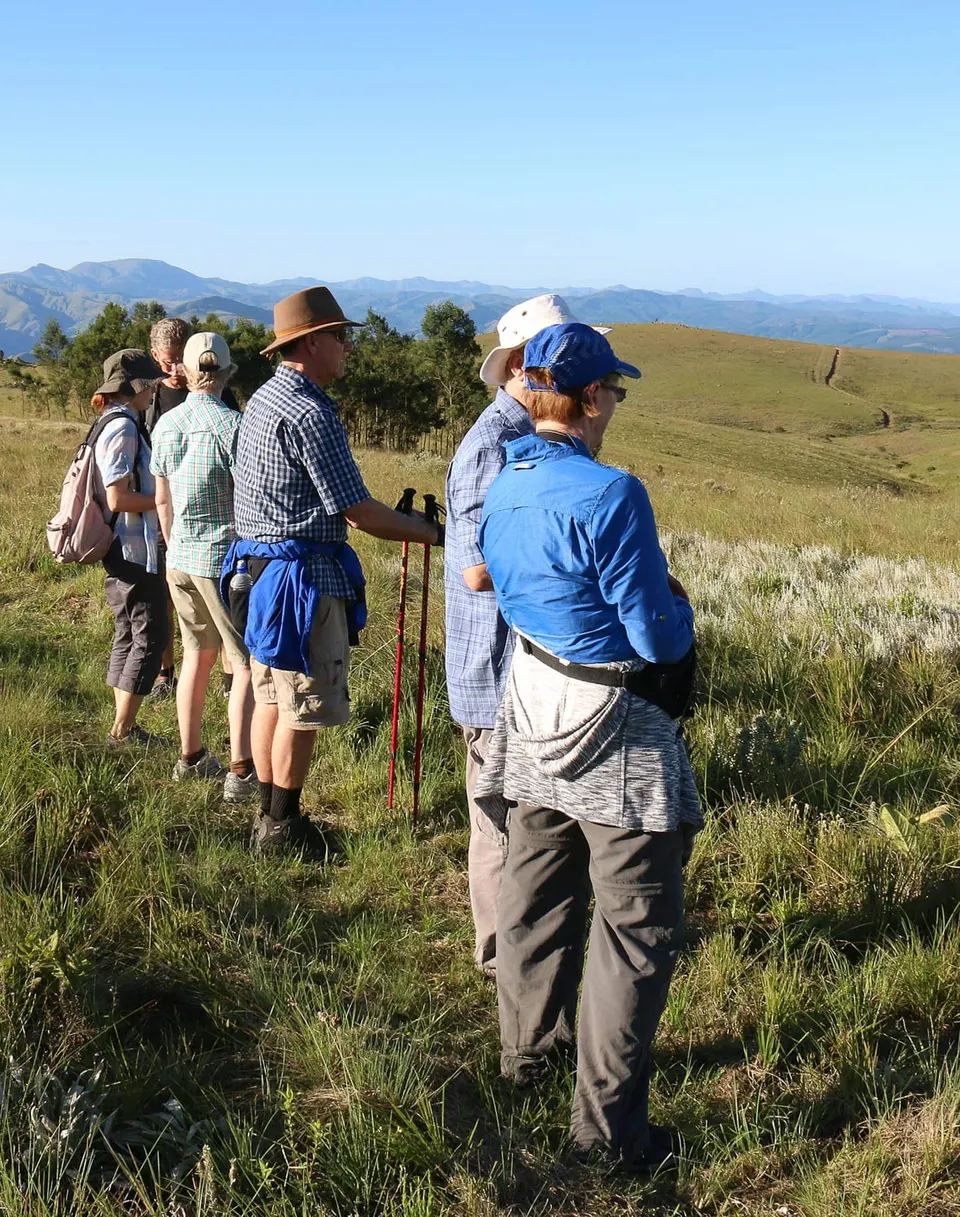 South Africa, Eswatini
14 days
Hiking in South Africa, Swaziland & more
from 2.450 € per person
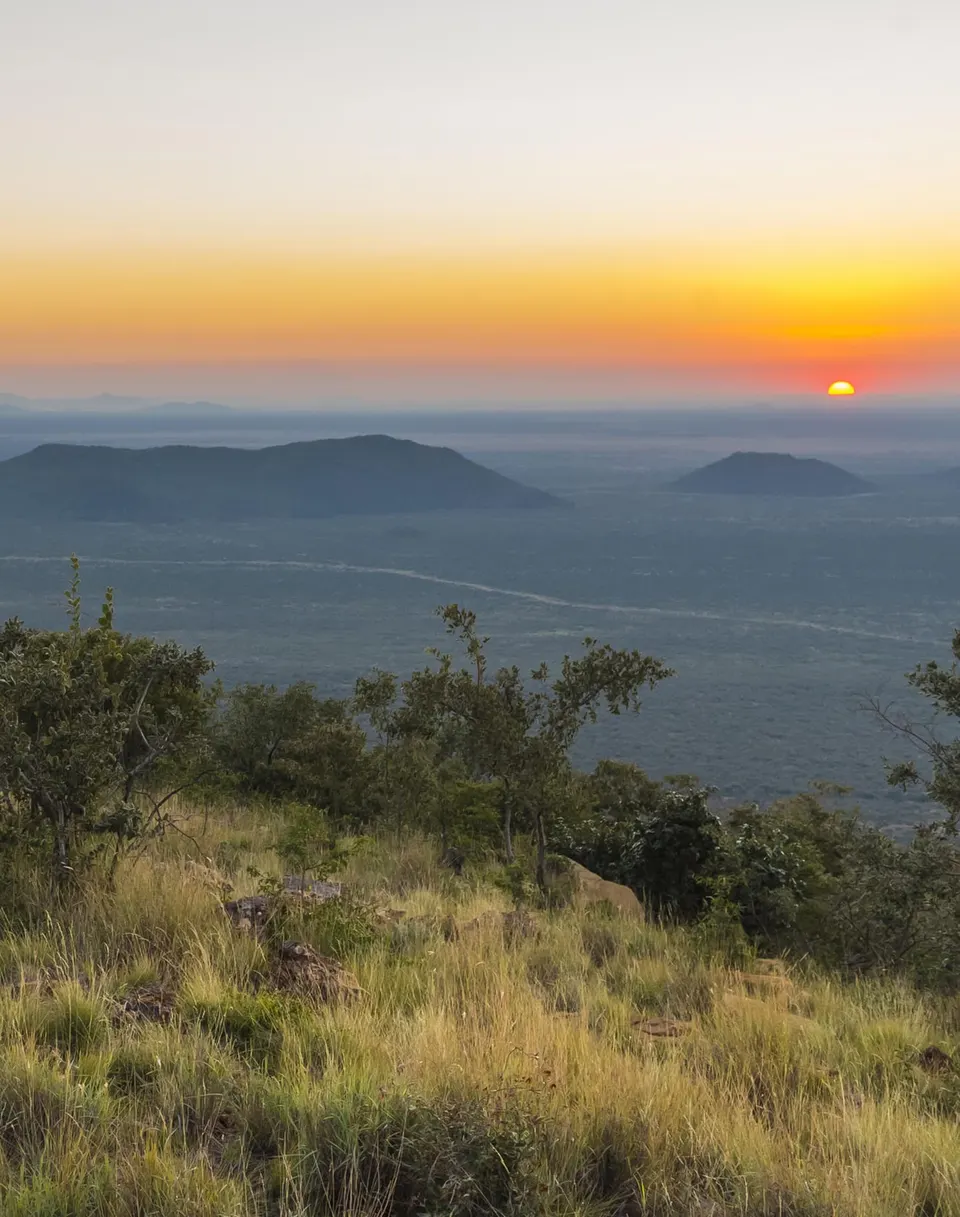 South Africa
4 days
Short safari in Madikwe Game Reserve
Price: on request
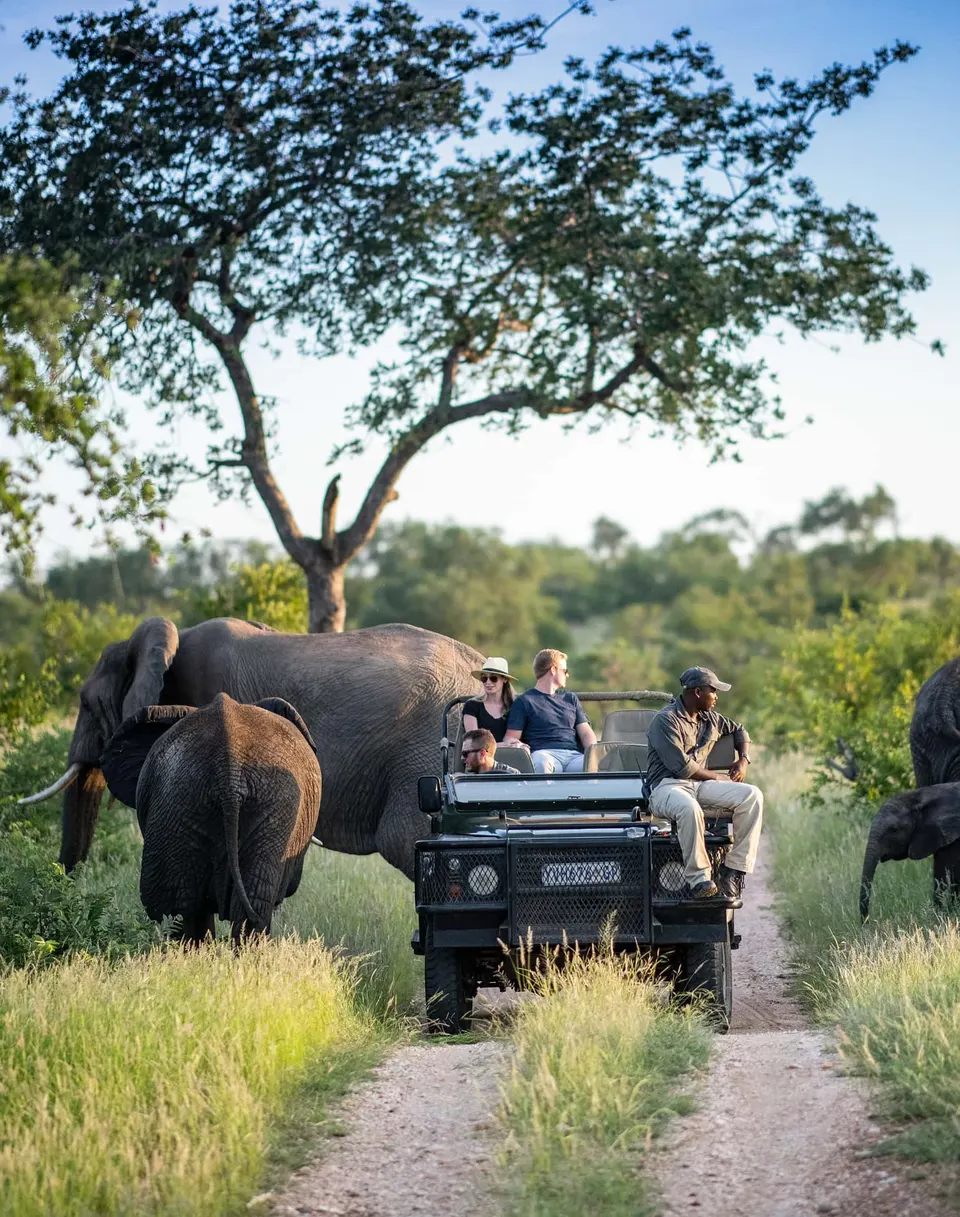 South Africa
4 days
Short Safari in Timbavati Game Reserve
Price: on request
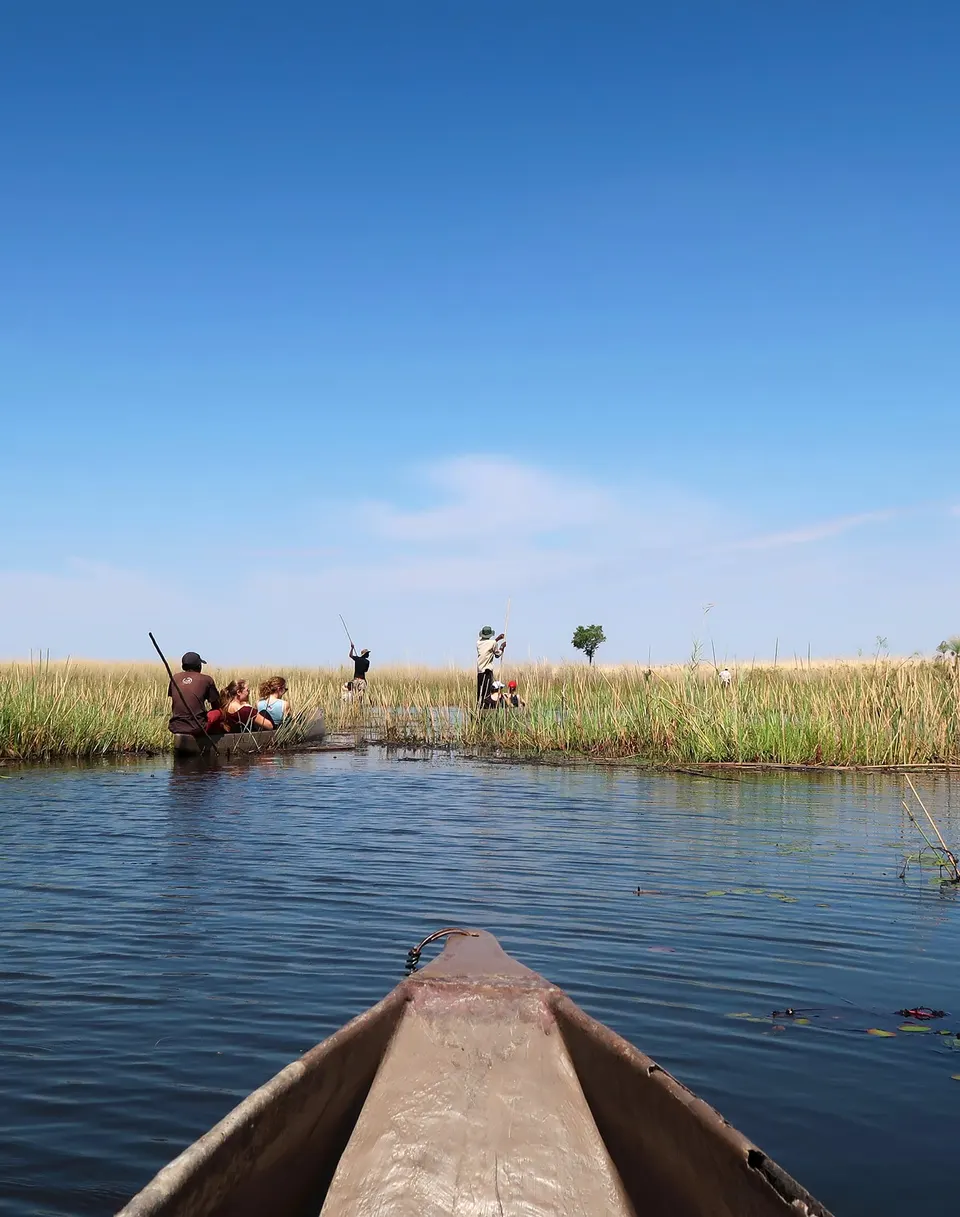 South Africa, Namibia, Zimbabwe, Botswana
24 days
From Cape Town to Victoria Falls
from 3.700 € per person
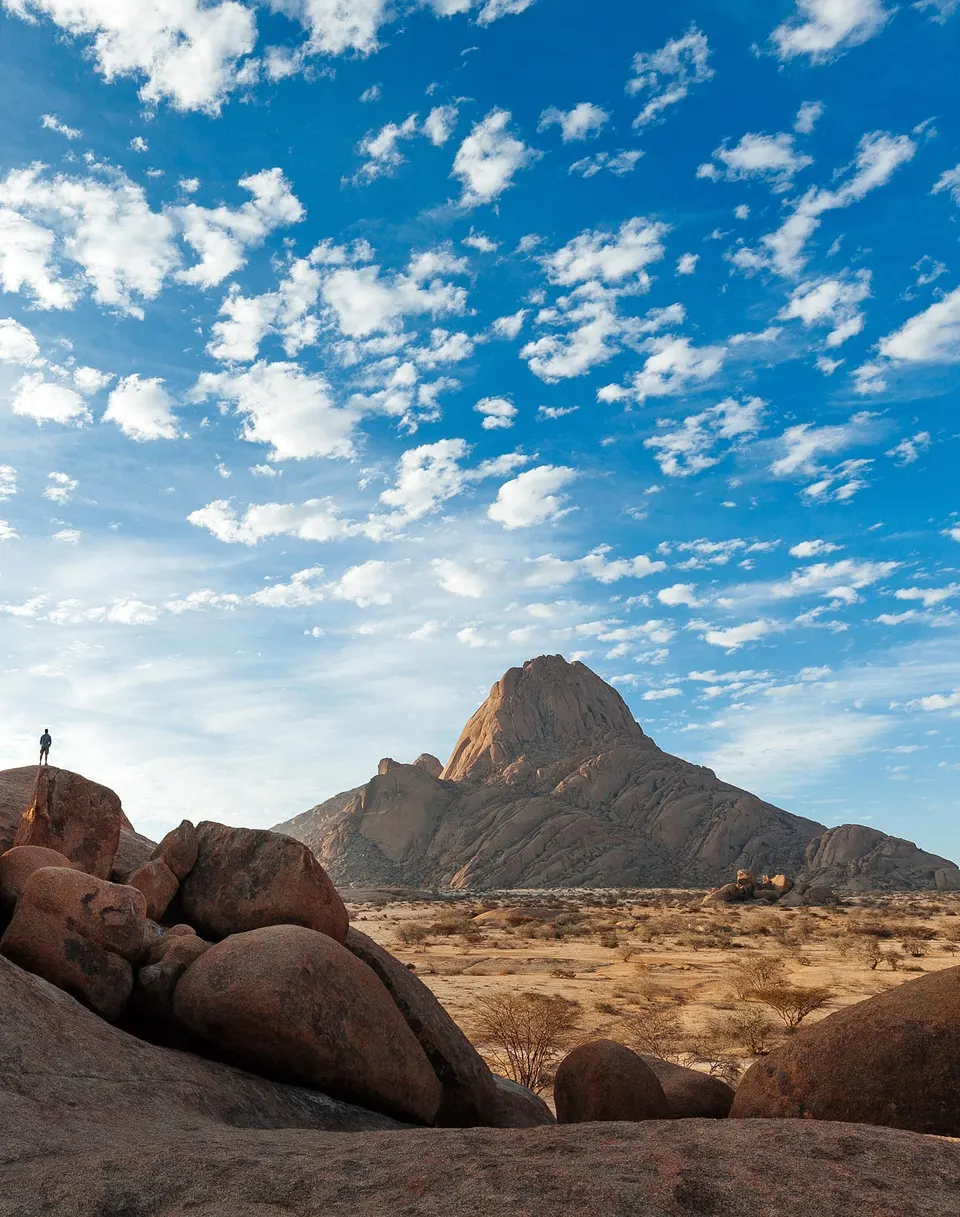 South Africa, Botswana, Namibia, Zimbabwe
21 days
Southern Africa Explorer
from 3.090 € per person
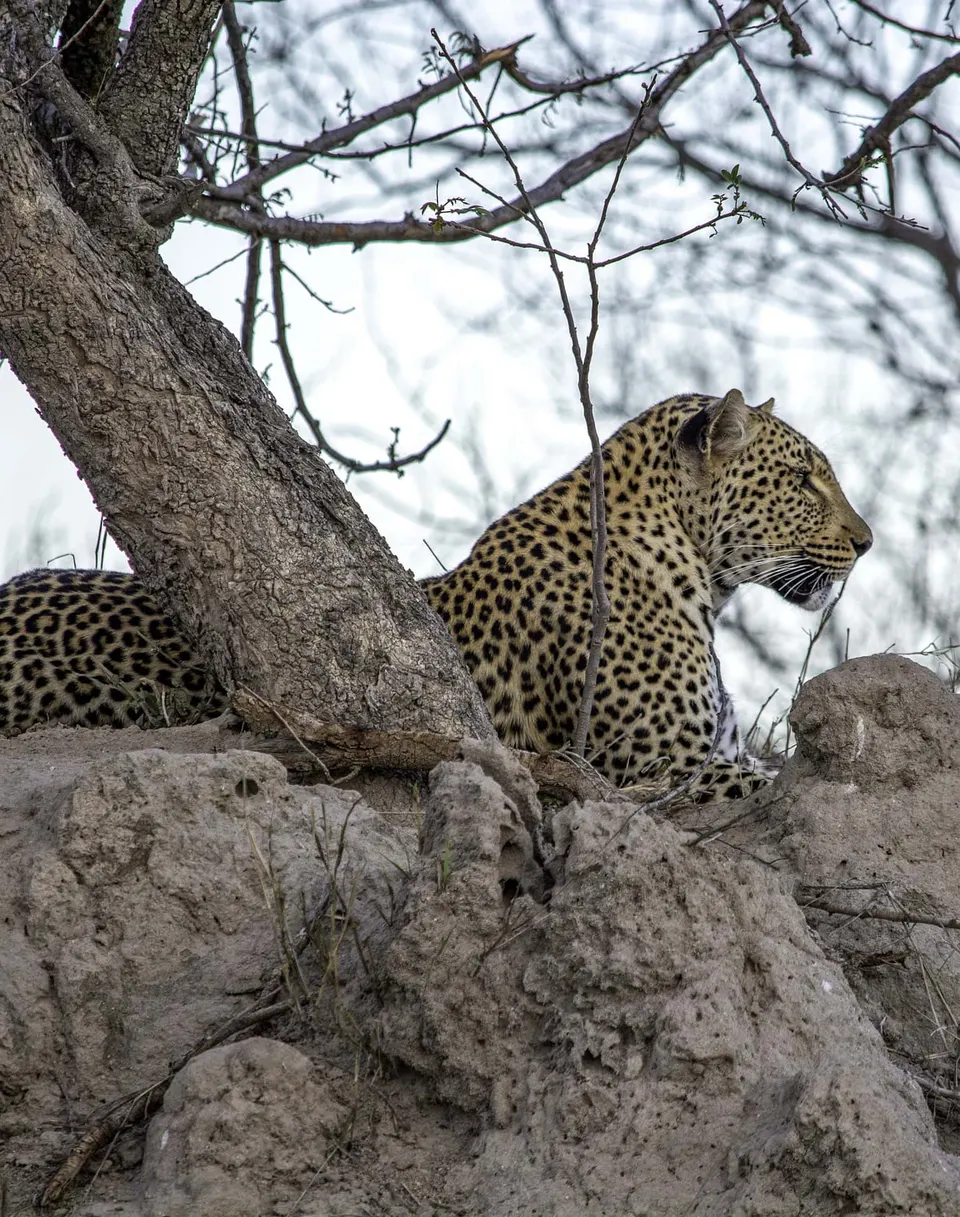 Zimbabwe, Botswana, South Africa
16 days
Zimbabwe and Botswana Game Trail
from 2.290 € per person
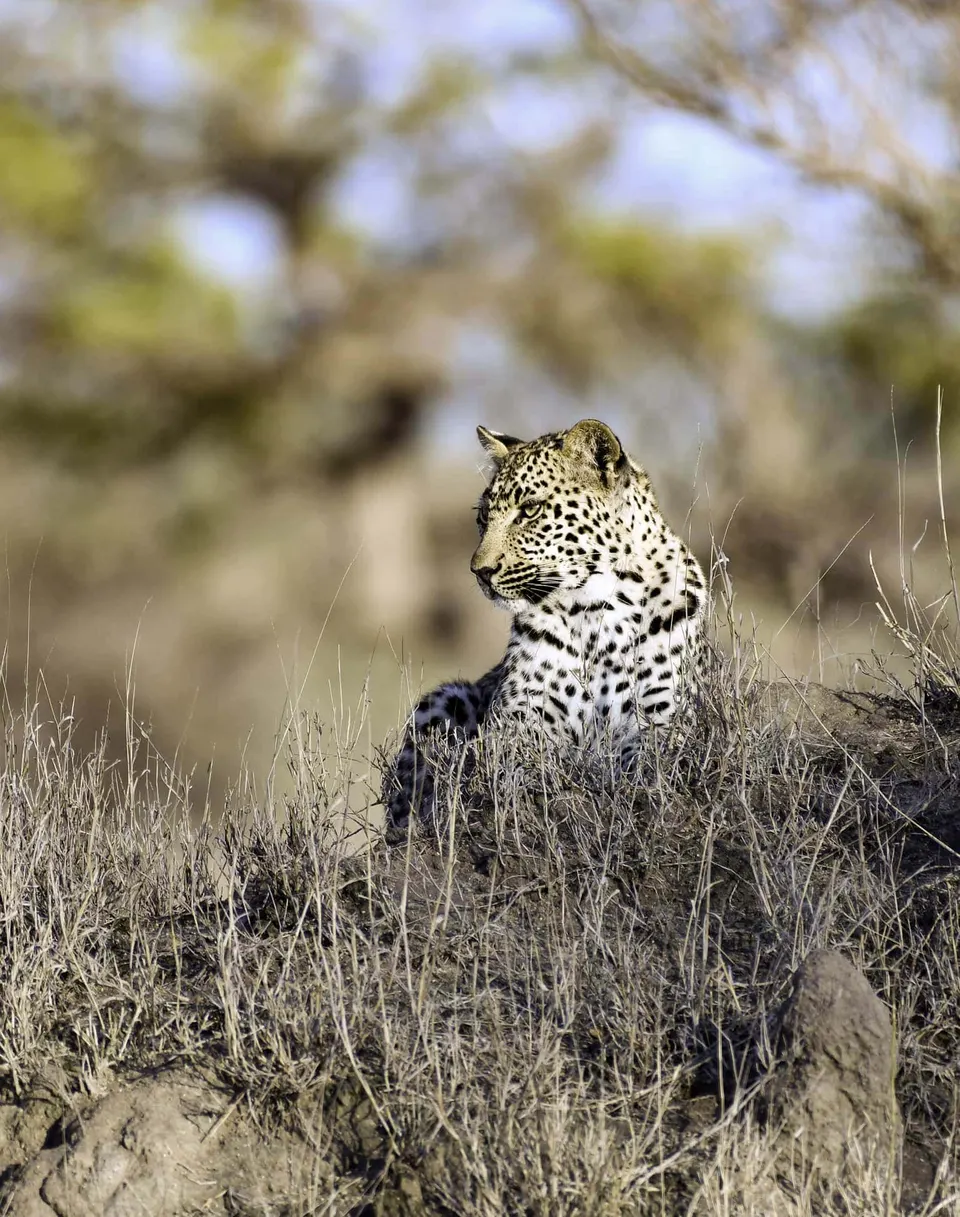 Zimbabwe, South Africa, Botswana
16 days
Zimbabwe and Botswana Game Tracker
from 3.180 € per person
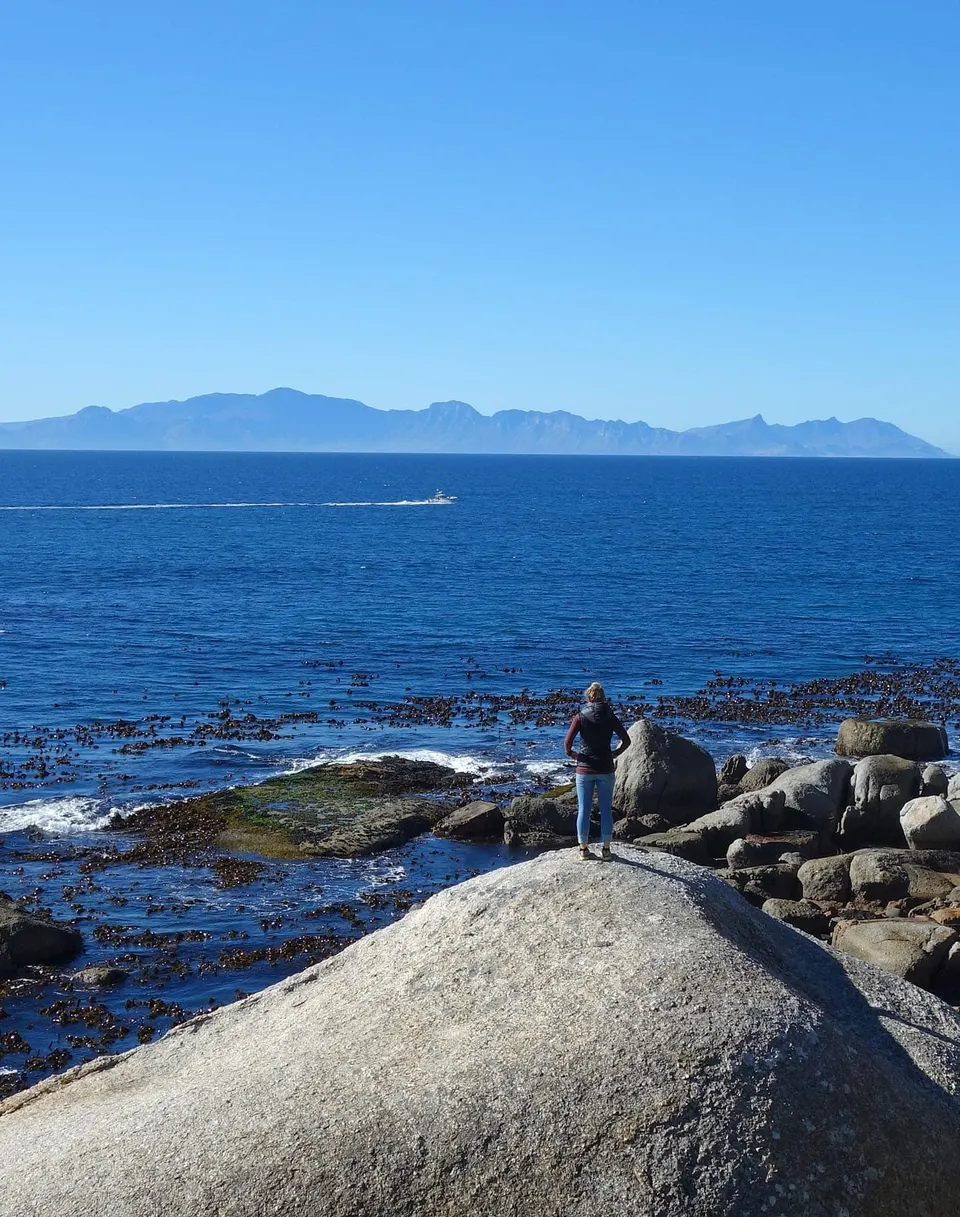 South Africa
8 days
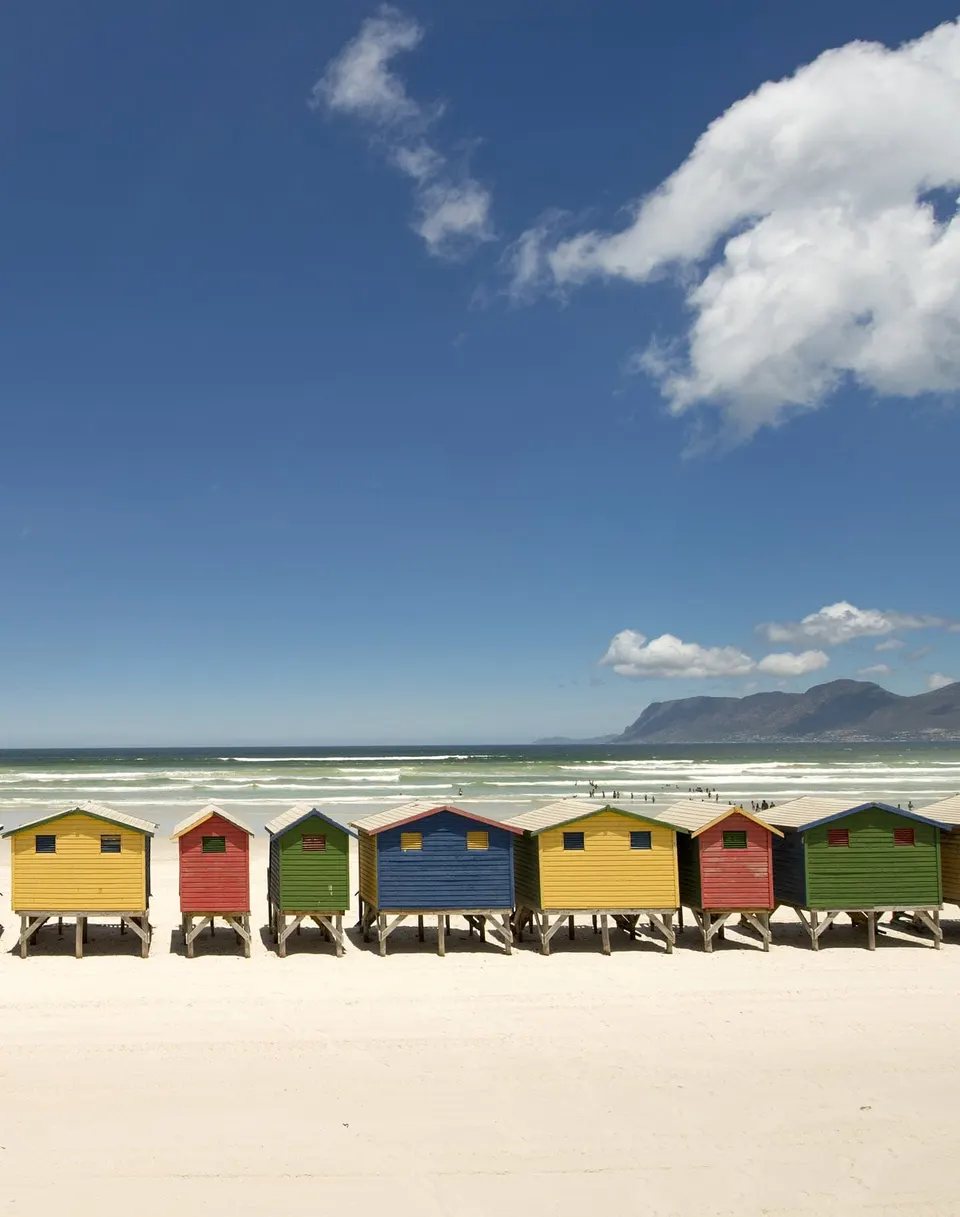
South Africa – Garden Route & Cape Town
from 1.650 € per person
 South Africa
14 days
Southern South Africa in Depth
from 2.790 € per person
 South Africa
11 days
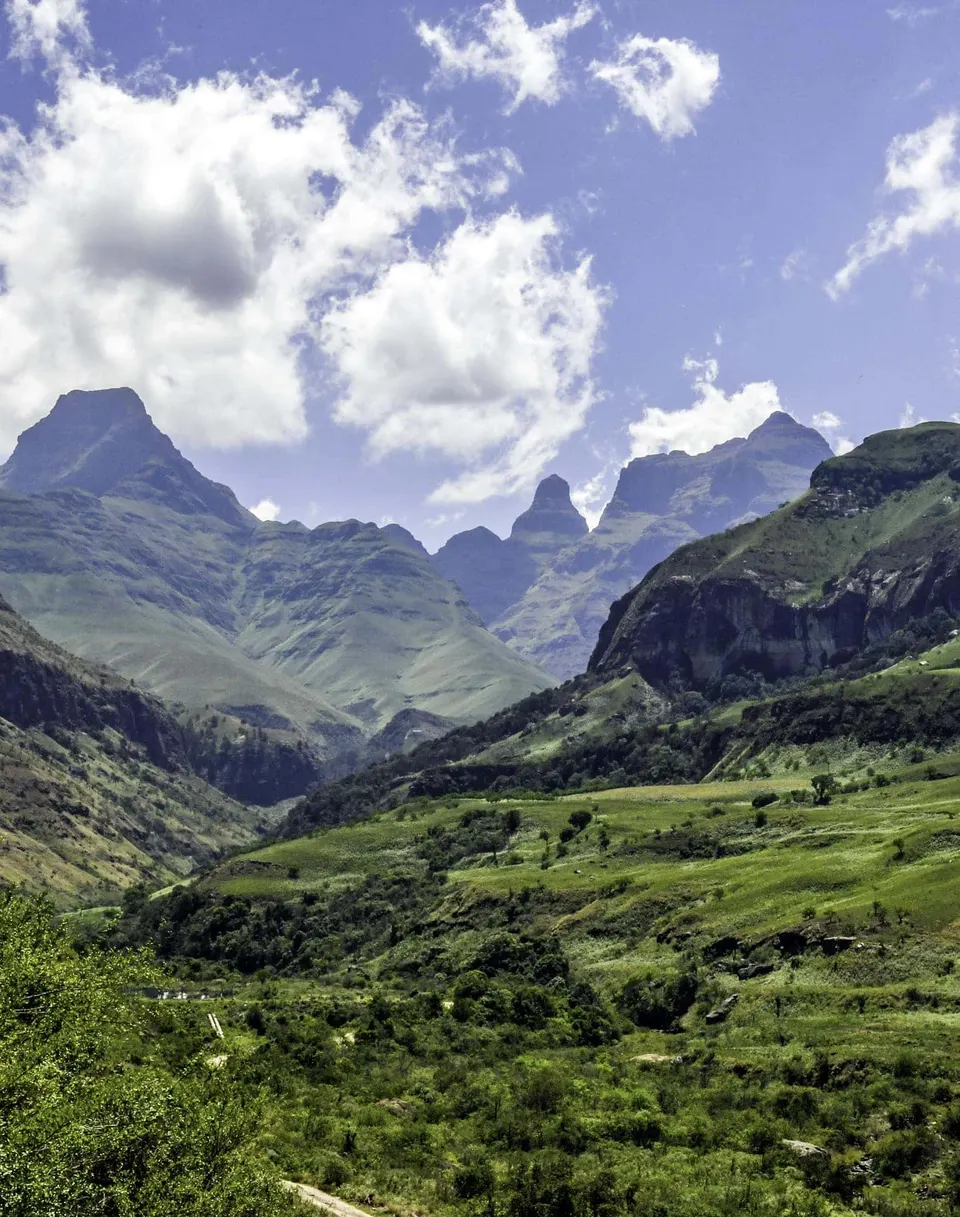
South Africa Hiking Tour: Mountains & Wildlife
Price: on request
 South Africa
14 days
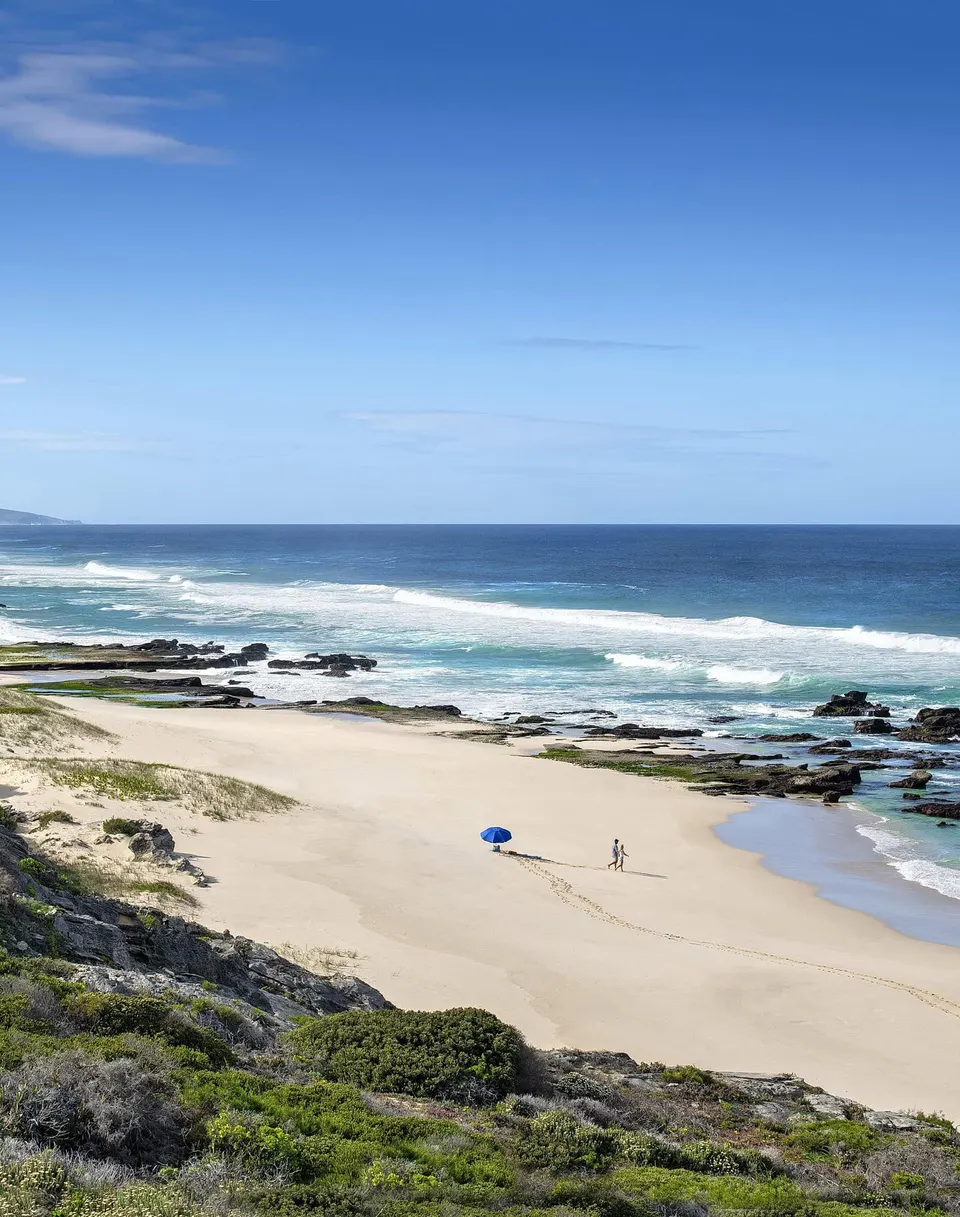
South Africa’s South and Garden Route “Comfort”
from 3.280 € per person
 South Africa
15 days
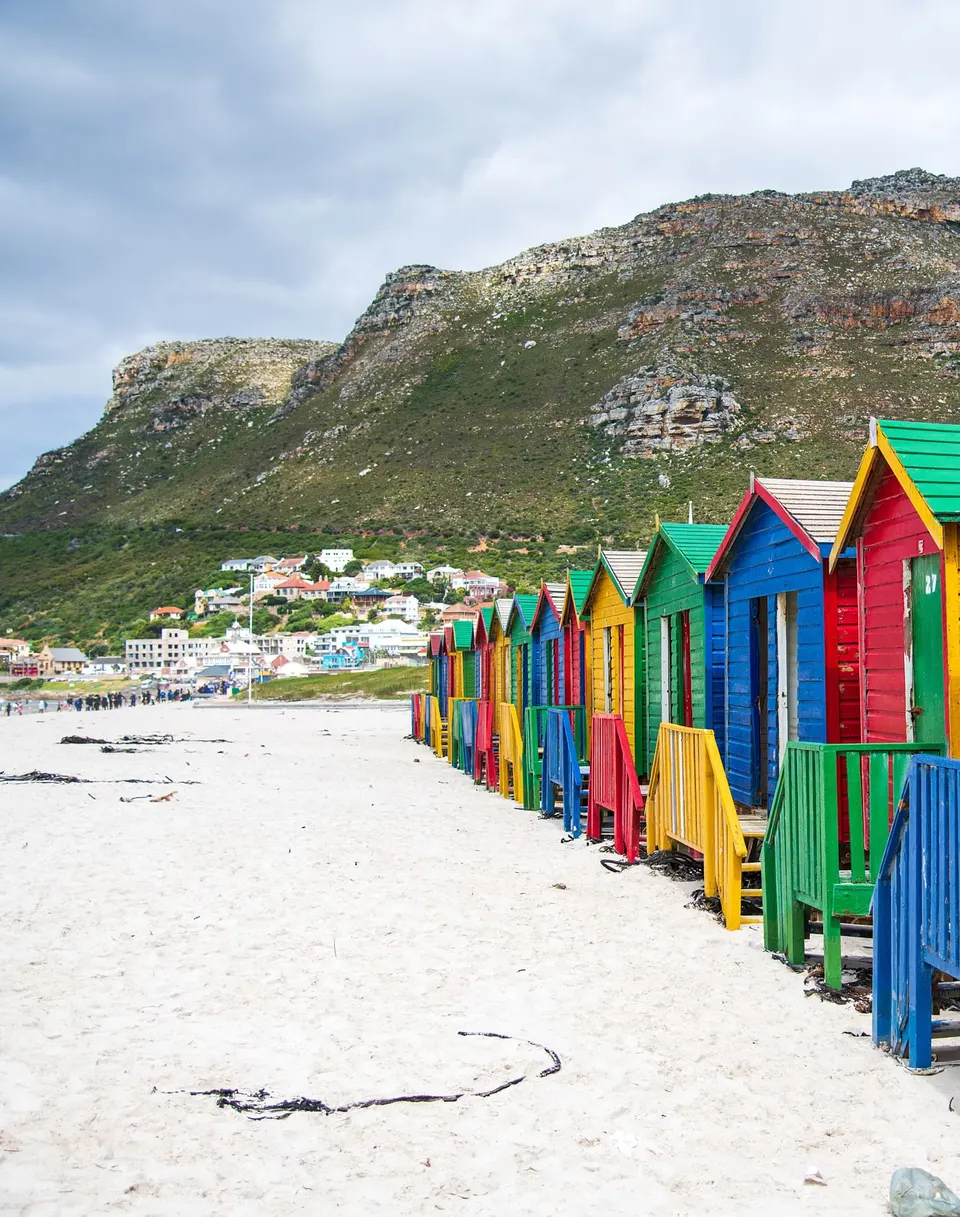
Self-Drive Round Trip: South Africa’s South & Garden Route
from 1.370 € per person
All prices exclude international flights.
Highlights of South Africa trips
Travel information
Geographical location
South Africa lies at the southern tip of the African continent, and here you can stand at “Cape Agulhas”, the southernmost point of Africa. This country is the only one in the world where two oceans meet: the warm Indian Ocean in the east and the cold Atlantic in the west.
To the north, South Africa borders Namibia, Botswana and Zimbabwe, and to the north-east Mozambique and Eswatini. A special feature is the independent Kingdom of Lesotho, which is completely surrounded by South Africa.
In total, South Africa covers an area of 1.22 million km² and is thus the 24th-largest country in the world. The seat of government is in Pretoria, South Africa’s capital. However, parliament is in Cape Town and the Supreme Court in Bloemfontein, in the middle of the country.
Scenically, South Africa is characterised by three geographical regions: the inland highlands with their mountain ranges, the partly semi-arid to arid desert in the north, and kilometres of coastline.
Because of this scenic diversity there is something for everyone: whether hiking, mountain biking or a relaxing day at the beach.
Transport
Arrival / departure
International air travel
O.R. Tambo International Airport in Johannesburg is South Africa’s most important airport and the hub for many international and domestic flights. Most international visitors arrive here.
But Cape Town and Durban also have airports served by international flights. Many international airlines bring visitors to South Africa’s coastal metropolises.
Domestic flights
From Johannesburg you can fly with domestic airlines to Cape Town, Gqeberha (formerly Port Elizabeth), Durban and elsewhere. There is also the option of flying to private reserves with smaller airlines.
Getting around the country
Self-drive tours
In South Africa, traffic drives on the left, but the roads are mostly in good condition. Many tourists therefore choose to explore the country independently on a self-drive tour with a rental car.
Routes such as the “Garden Route”, the “Panorama Route” or from Johannesburg to Kruger National Park are particularly popular.
Rural roads can, however, be in worse condition than motorways or main roads, and a 4x4 vehicle is recommended here.
Speed limits are generally 60 km/h in built-up areas and 120 km/h on motorways. In most National Parks a speed limit of 50 km/h applies on paved roads and 40 km/h on unpaved roads.
Guided tours with a guide
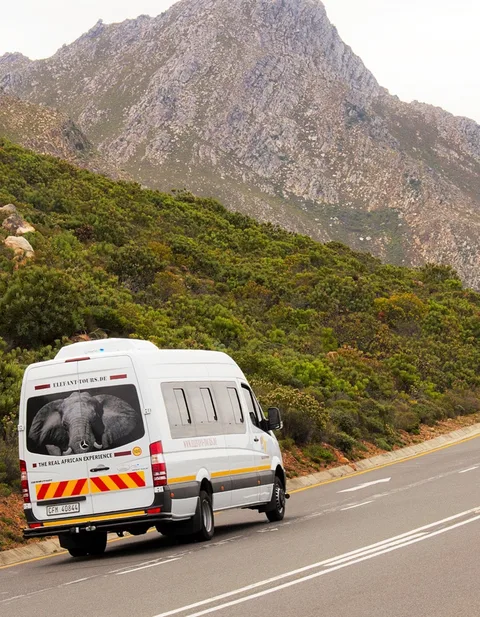
If you don’t want to travel independently, you can also book a guided tour in a Mercedes Sprinter with an experienced guide.
We gladly work with our subsidiary on site to plan a perfect tour for you.
On so-called “overland tours”, specially converted safari trucks are used, whose spacious interior provides the necessary travel comfort.
This type of South Africa round trip is aimed at budget-conscious travellers who like to travel in a group and meet new people.
Public transport
There are a few long-distance trains (Shosholoza Meyl), luxury trains (Rovos Rail, Blue Train) and intercity coaches such as Greyhound, Intercape and Baz Bus (for backpackers).
The taxi apps Uber and Bolt are common in the big cities (Johannesburg, Cape Town and Durban) and mostly reliable.
Money
The currency in South Africa is the South African rand (R): 1 ZAR = 100 cents. (As of February 2025: €1 = R19.34). You can find a currency converter with current exchange rates for all currencies here.
Card payment
In general, you can often pay by credit card in South Africa, and usually by Maestro card with PIN as well, with VISA and Mastercard being the most widespread.
Cash
Outside cities, in smaller shops and at some petrol stations, however, you can often only pay in cash. You should therefore always carry enough cash on your South Africa holiday. There are cash machines almost everywhere that are open around the clock. With VISA or Mastercard you can withdraw cash without any problem (possibly for a fee).
The best way to get precise information about where you can use your card and the fees involved is directly from your bank.
For safety reasons, use cash machines in banks or shopping centres. At bureaux de change (e.g. at the airport) you can also exchange euros, US dollars, Swiss francs etc. for South African rand.
Costs of everyday items as a guide
To give you a brief overview of how much money to budget for additional expenses on site, here are some approximate prices of everyday items:
- Entry to the National Parks is between 5 and 25 euros per person.
- Drinks such as water or cola cost 1-1.50 euros
- A bottle of beer around 2 euros and a glass of wine from 2.20 euros.
- For a dinner you can expect to pay approx. 12-18 euros.
Tipping
In South Africa it is customary to tip 10-15%. You can of course tip more if you were particularly happy with the service.
The tour guides always strive to fulfil your wishes and make your trip unforgettable. They too appreciate a small tip at the end of the trip. The staff at the accommodation also appreciate a token of recognition if you were happy with the service. A tip box is usually available at reception for this.
If you book your South Africa trip with us, our travel experts based in South Africa will be happy to advise you on this.
Health & safety
Travel first-aid kit
It is generally recommended to always carry a well-equipped travel first-aid kit on longer trips. Medication for diarrhoea, fever and pain, travel sickness, vomiting and nausea, as well as nose drops, disinfectant for skin injuries among other things, burn ointments and insect repellent should not be missing.
The pharmacy you trust will certainly be happy to advise you before your South Africa holiday.
Malaria
South Africa is malaria-free in many regions. The northern and north-eastern regions of South Africa (the provinces of Mpumalanga and Limpopo with the famous Kruger National Park, and KwaZulu-Natal) are, however, malaria risk areas.
So if you are travelling to these areas, be sure to contact your GP or a tropical medicine specialist in good time to discuss all the details of malaria prophylaxis.
In addition, in the morning and evening hours you should wear long trousers and long-sleeved tops and apply mosquito repellent to avoid mosquito bites.
We have put together a more detailed overview of malaria-free regions in South Africa for you in this blog.
You can find tips on how to protect yourself from malaria in general in this blog.
Medical care
The private hospitals in the big cities (Johannesburg, Cape Town and Durban) are well equipped and have a good reputation. In rural areas, medical care is rather limited. Make sure you take out travel health insurance.
Health insurance cover Please check whether your health insurance also covers services outside Europe. If this is not the case, we strongly recommend taking out international travel health insurance. Talk to us, we will be happy to advise you.
Vaccination recommendations
In general, South Africa poses no greater health risks than other long-haul destinations. Nevertheless, consult your GP or a tropical medicine specialist about any vaccinations before departure.
Safety
Crime and violence in South Africa occur mainly in the townships, in the poorer districts of the cities. The places visited by tourists and the sights are generally safe.
Nevertheless, it is important to take and observe basic safety precautions.
Here are some of our safety tips for South Africa:
- Neighbourhoods: In South Africa it is especially important to find out in advance about the neighbourhoods you want to visit, as the safety level can vary greatly even within neighbourhoods. Generally avoid walking around at night, especially in city centres and townships.
- Valuables: Do not leave valuables, suitcases or travel bags in plain sight in the vehicle, and generally remove all items from the vehicle overnight. Do not show off valuable jewellery or cameras.
- Cash machines: Be careful when withdrawing money from a cash machine. If possible, withdraw cash in banks or shopping centres.
- Transport: Only use taxis from trustworthy, well-known companies or via platforms such as Uber and Bolt.
- Township tours: Only visit townships with a trustworthy guide to ensure safety and cultural respect.
- Road safety: Be careful in traffic, do not stop for strangers and watch out for wildlife on country roads.
You can find current travel and safety advice on the website of the German Federal Foreign Office.
Our South Africa guide Juan gives a general assessment of safety for tourists in this blog.
Climate & best time to travel
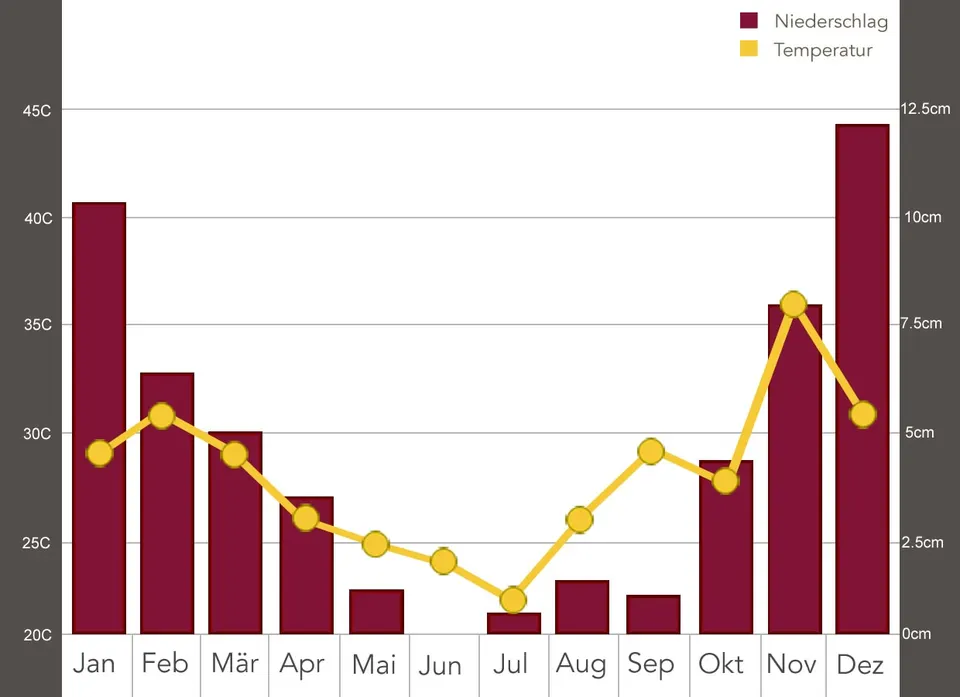
South Africa has something to offer in every season, and the best time to travel depends on which activities you want to do or which regions you want to visit. Basically, the seasons are the reverse of those in the Northern Hemisphere.
In general, the best time to travel to South Africa is from March to May (autumn) and from September to November (spring), with cooler temperatures, less rain and green landscapes. Because of the country’s enormous size, climate and weather vary regionally.
The best time to travel therefore depends, of course, on the places visited and the activities planned:
- Safari (Kruger, Madikwe, Addo, Pilanesberg): May to October (dry season, best wildlife viewing)
- Cape Town and Garden Route: November to March (sunny and warm, ideal for sightseeing and beach holidays)
- Whale watching (Hermanus, Western Cape): June to November (peak viewing time: September – October)
- Hiking in the Drakensberg and outdoor activities: April to October (cool, dry, good visibility)
- Wine tours (Cape Winelands): year-round, but March – May (autumn harvest) is particularly suitable
We have put together a detailed overview of the best time to travel in South Africa for you here in this blog.
Travel tips
Languages
South Africa has a total of eleven official languages, which are equally recognised. English has emerged as the leading language of communication. The official languages also include Afrikaans, Zulu, Xhosa, Ndebele, Northern Sotho, Sesotho, Siswati, Tsonga, Tswana and Venda.
Greetings
As in Europe, in South Africa people shake hands as a greeting. Small talk is common, and it is considered impolite to ignore questions such as “how are you”. The usual manners generally apply.
Casual clothing is generally appropriate everywhere. For special occasions, smart clothing is appropriate.
Religion
The majority of South Africans are Christian (various denominations), but Islam, Hinduism, Judaism and indigenous religions are also practised.
Religious tolerance is great and the various traditions coexist peacefully.
Time difference
South Africa uses CET +1 hour. The difference to German time is +1 hour in the European winter. As there is no change from summer to winter time in South Africa, the times are the same in the European summer.
Food & drink
South Africans love meat, and the chances of being invited to a “braai” (barbecue) are high. Dried meat snacks (biltong) are very popular, as is “bobotie”, a spiced meat dish topped with egg.
South Africa’s cultural diversity is also reflected in its cuisine, for example in dishes such as “bunny chow”, a hollowed-out loaf of bread filled with curry (popular in Durban).
South Africa is known for its rooibos tea, Amarula and first-class wines.
But good brandy is also produced in the country, and South African sparkling wines are of high quality.
Especially in Cape Town and also Johannesburg there are excellent restaurants that invite you to indulge.
Electricity
The mains voltage in South Africa is 220 to 230 volts. The most widespread are three-pin plugs and sockets (type M).
Adaptor plugs are available from well-stocked electrical shops or outdoor stores, but most easily on site in the supermarket.
Power interruptions (scheduled power cuts), known as “load shedding”, occur due to energy shortages – take a power bank with you and check the schedules via the EskomSePush app.
Internet
Wi-Fi is generally available in hotels, cafés and tourist areas. The easiest way is to buy a local SIM card from Vodacom, MTN or Telkom to use mobile data cheaply.
Entry requirements
Visa
German, Austrian and Swiss citizens currently (as of March 2025) need no visa for their South Africa holiday.
On entry you receive a visitor’s permit (“visitor‘s permit”), which is valid for 90 days.
Passport
In general, all travellers need a valid passport that is valid for at least 30 days beyond the trip and has at least two blank pages (for multi-country combinations, correspondingly more blank pages for stamps must be available).
In general, visa requirements can change at any time. Please therefore contact the South African diplomatic mission responsible for your place of residence in good time.
The following regulations apply to minors:
- Children (German, Austrian and Swiss citizens) may currently only enter or transit with a valid child’s passport. An extended child’s passport is NOT valid.
As the entry requirements for minors have changed several times in recent years for child protection reasons, we recommend that you find out about the current regulations before your departure.
Information is provided by the South African Ministry of Home Affairs and Immigration or the South African diplomatic mission.
We also recommend finding out which documents you currently need to leave your country / the EU with your child, especially if only one parent is travelling with the child.
Please make 100% sure that you are in possession of the required and valid documents.
Further sights on trips in South Africa
Cape Town and surroundings:
- Table Mountain: Table Mountain, 1,085 m high and the landmark of Cape Town, offers a magnificent view.
It can be climbed on foot or by cable car. From up here you have a fantastic panoramic view over the sea of houses and the harbour as far as Camps Bay.
- Cape of Good Hope: Round off your South Africa holiday in Cape Town with an excursion to the famous Cape of Good Hope.
Enjoy the magnificent view of the sea at Africa’s south-westernmost point and visit the lighthouse at Cape Point, a 250 m high cliff that you can reach on foot or by the “Flying Dutchman” funicular.
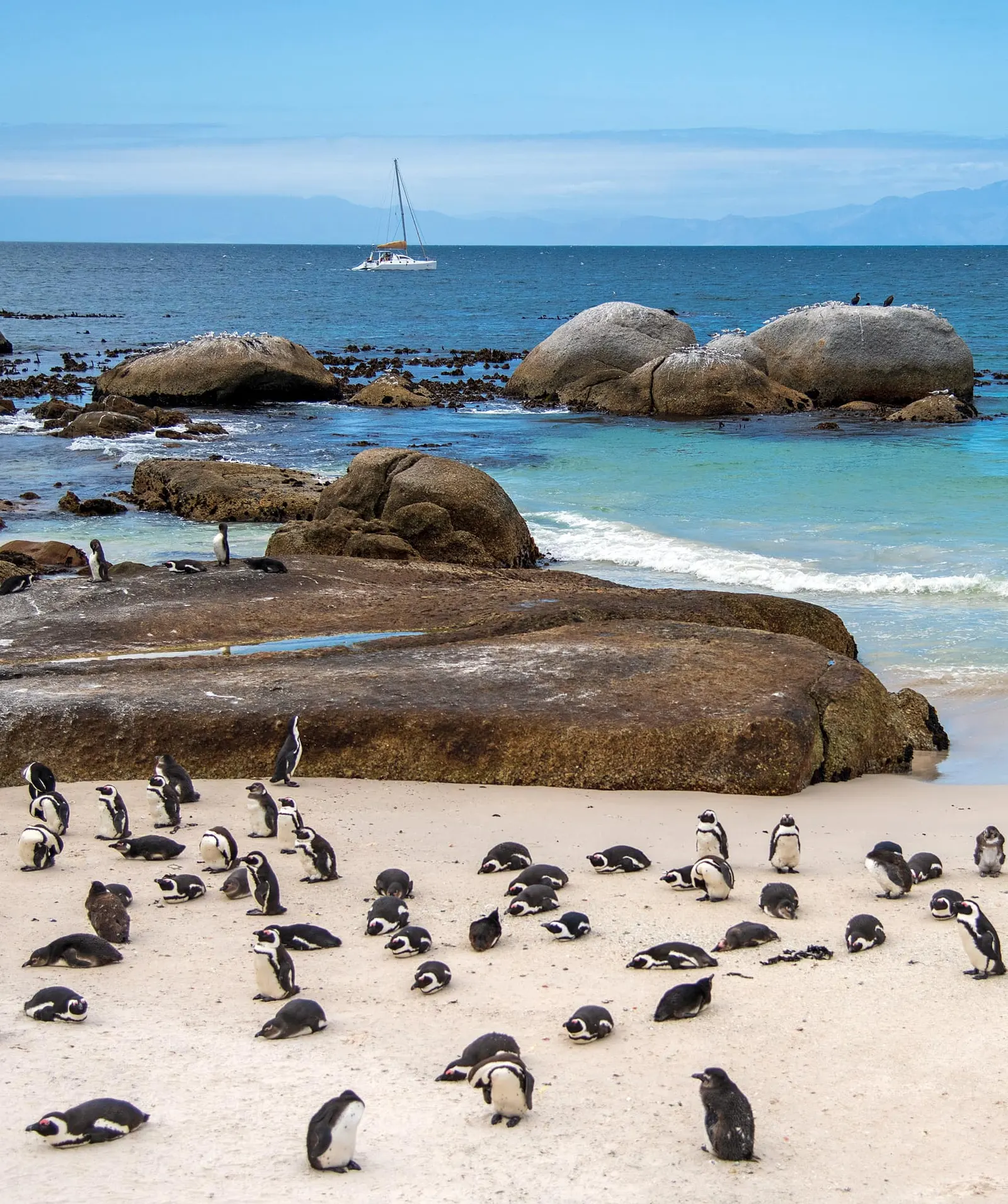
- More: We recommend Boulders Beach on the Cape Peninsula and the former prison island of Robben Island.
The best places for safaris
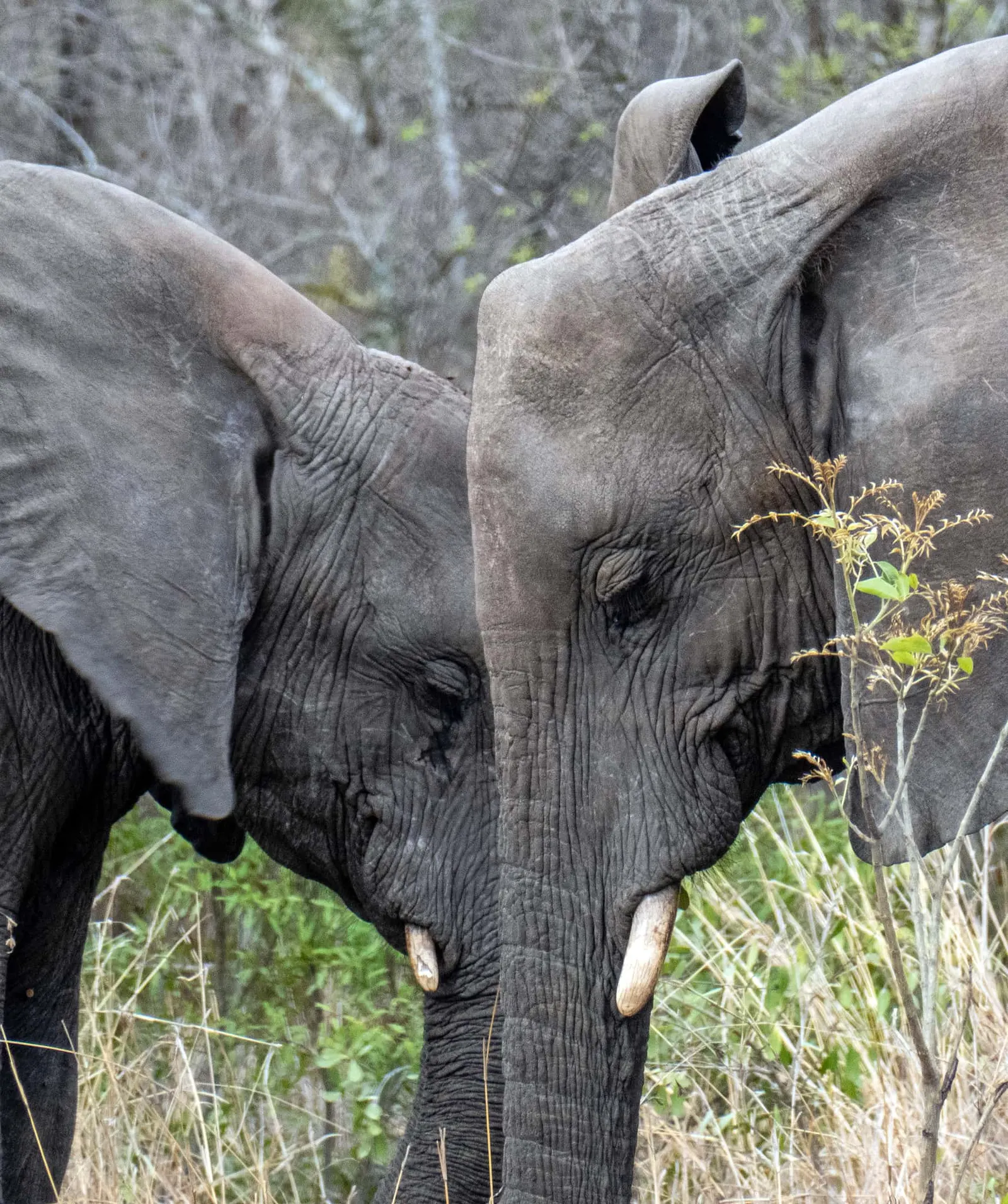
- Kruger National Park: One of South Africa’s best-known safari areas and home to the “Big Five”.
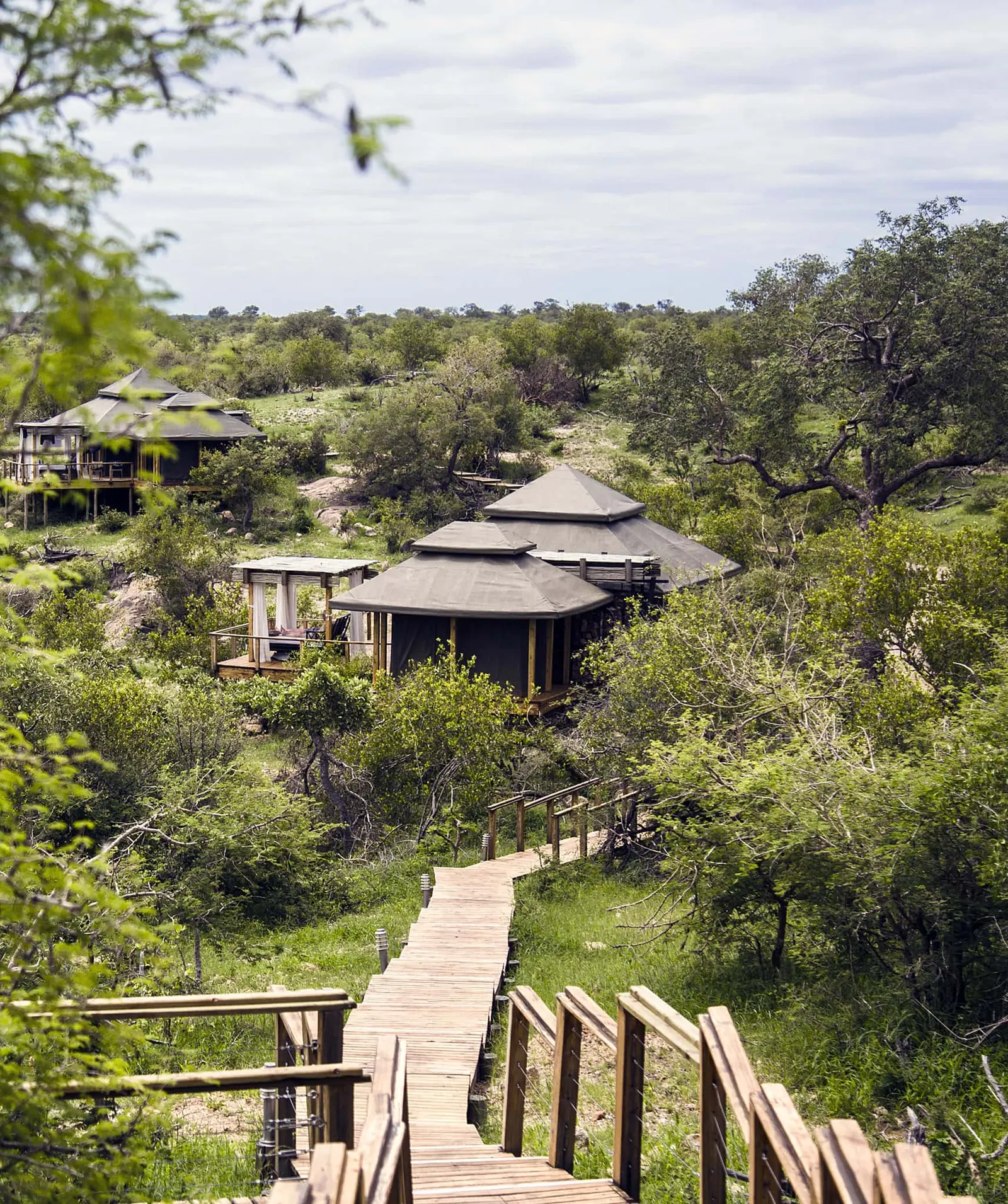
Particularly exclusive experiences are offered by the neighbouring private game reserves such as Sabi Sands, Timbavati and Manyeleti, which are known for their luxurious lodges and outstanding wildlife viewing.
- Madikwe Game Reserve: This malaria-free game reserve near the border with Botswana is an insider tip for exclusive safaris.
Madikwe offers an impressive diversity of wildlife, including the Big Five, African wild dogs and cheetahs. As only lodge guests have access, the safari here is particularly private and relaxed.
- Hluhluwe-iMfolozi Park: This park in KwaZulu-Natal is the oldest game reserve in Africa and a real insider tip for a safari in South Africa.
The park is particularly known for its successful rhino conservation initiative – both black and white rhinos live here in large numbers.
- Addo Elephant National Park: Addo Elephant Park is ideal for self-drive safaris and famous for its large elephant populations. The park also extends to the coast, where whales and great white sharks can be spotted – a perfect combination of safari and sea experience.
Addo Elephant Park lies at the end of the Garden Route and combines wonderfully with a trip along the picturesque coastal region.
- Pilanesberg National Park: Only 2–3 hours from Johannesburg, it is perfect for a safari weekend or a day trip.
Thanks to its malaria-free location it is ideal for families and first-time visitors. Enjoy breathtaking wildlife viewing, exciting night drives or a hot-air balloon safari – set in the unique landscape of an extinct volcanic crater.
Garden Route & other beaches
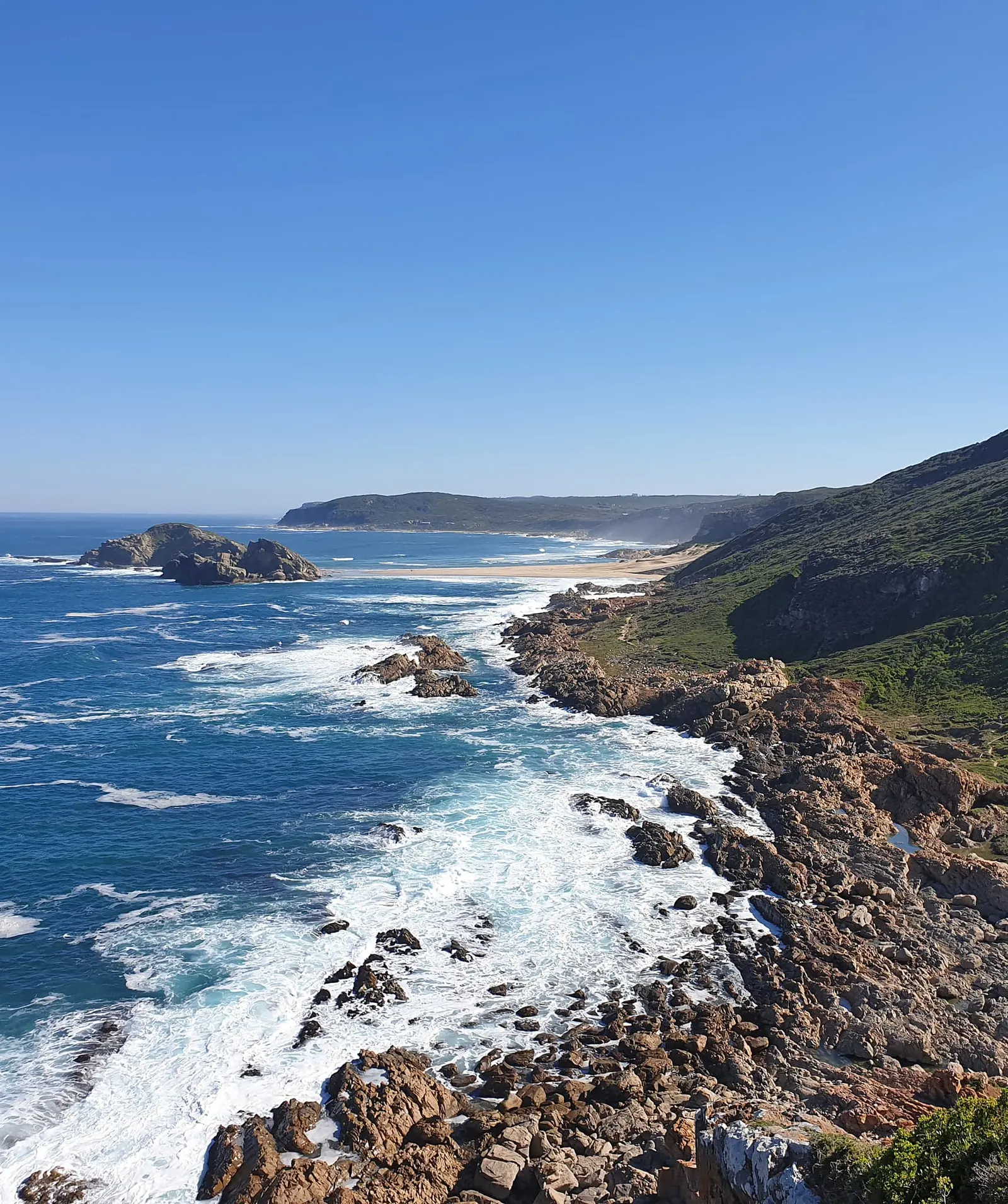
- Garden Route: This stretches along South Africa’s south coast and is one of the most beautiful scenic routes in the world.
It links dense forests, picturesque lagoons and dreamy beaches with coastal towns such as Knysna and Plettenberg Bay. Perfect for a mix of adventure, relaxation and impressive experiences of nature.
If you would like some safari afterwards, you can visit Addo Elephant Park.
- Camps Bay Beach (Cape Town): With its breathtaking view of the Twelve Apostles mountains and white sandy beach, Camps Bay Beach is one of Cape Town’s most popular beaches.
The beach promenade is lined with restaurants and cafés, perfect for a relaxed sundowner after a dip in the refreshing Atlantic.
Cape Town has many more beaches, however, including the popular Clifton beaches, or more secluded spots such as Blouberg Beach with panoramic views of Table Mountain or Long Beach in Noordhoek, which invite long walks.
- Umhlanga Rocks Beach (Durban): This golden sandy beach on the east coast offers warm water and great conditions for swimming, surfing and snorkelling.
The striking red Umhlanga Lighthouse makes it especially photogenic, and thanks to the pleasant water temperatures it is a bathing paradise all year round.
South Africa stands for pure indulgence:
- Outstanding wines and first-class cuisine: This makes every gourmet’s heart beat faster. South Africa offers not only fantastic value for money but also a high quality of service.
This puts the country at the top of the list of Africa’s most popular destinations.
As we are not just a South Africa travel agency but a tour operator with experts and a subsidiary on site, we can put together your ideal South Africa holiday with ease. Send us your enquiry here!
- Places on our tours
You might also like
Addo Elephant National Park: everything for your trip planning
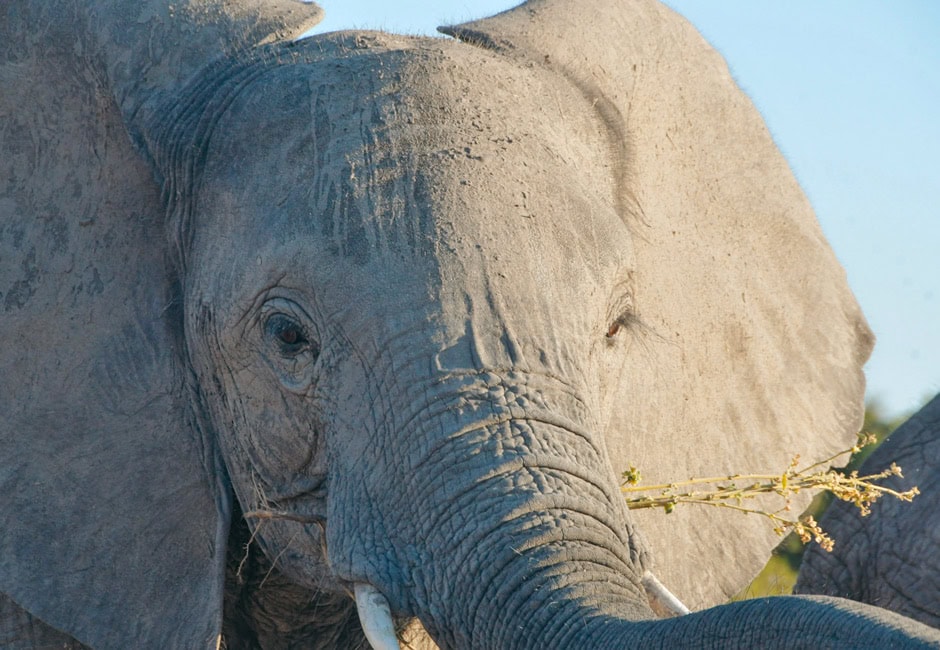
Elephants as far as the eye can see, plus lions, leopards, rhinos, buffalo and, with a little luck, even whales and great white sharks: Addo Elephant National Park in the Eastern Cape is a safari destination with a surprising number of aces up its sleeve. Here you will find out how to plan your Addo visit, which animals await you and when the safari is especially worthwhile.
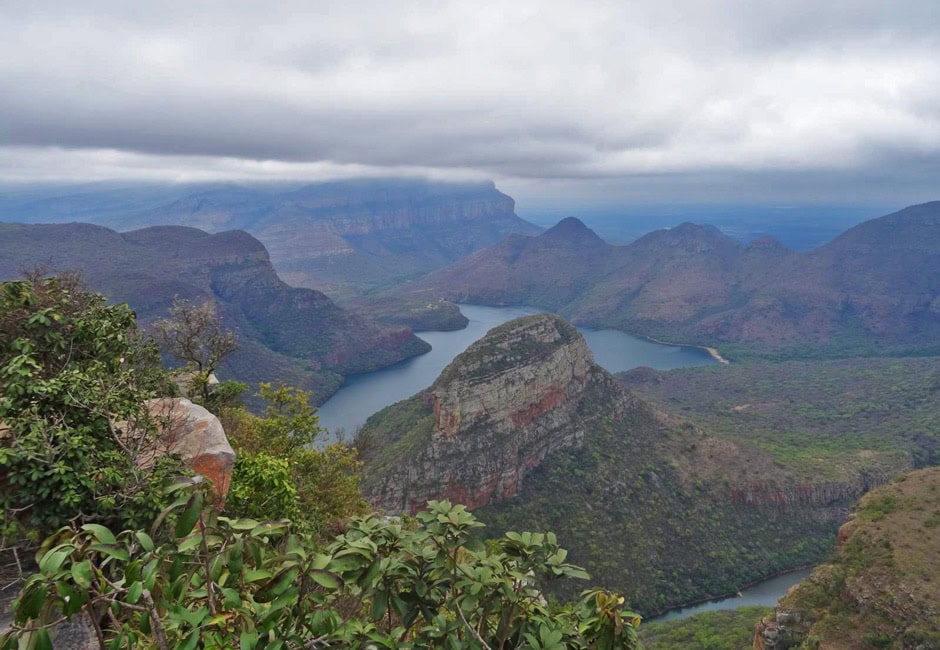
Panorama Route South Africa: All the Info, Tips & Sights
Close to the world-famous Kruger National Park, the Panorama Route in South Africa is a highlight for travellers.
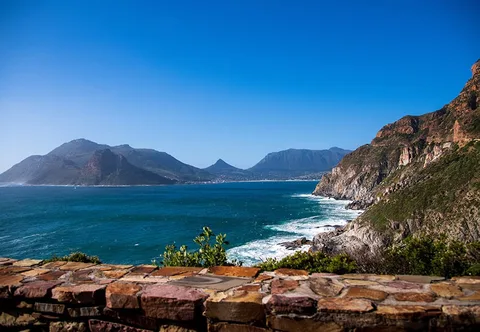
Length of stay: South Africa, how long should you stay?
One country, so many possibilities, so many exciting destinations – how long should you stay in South Africa to make it worthwhile? Our tips.
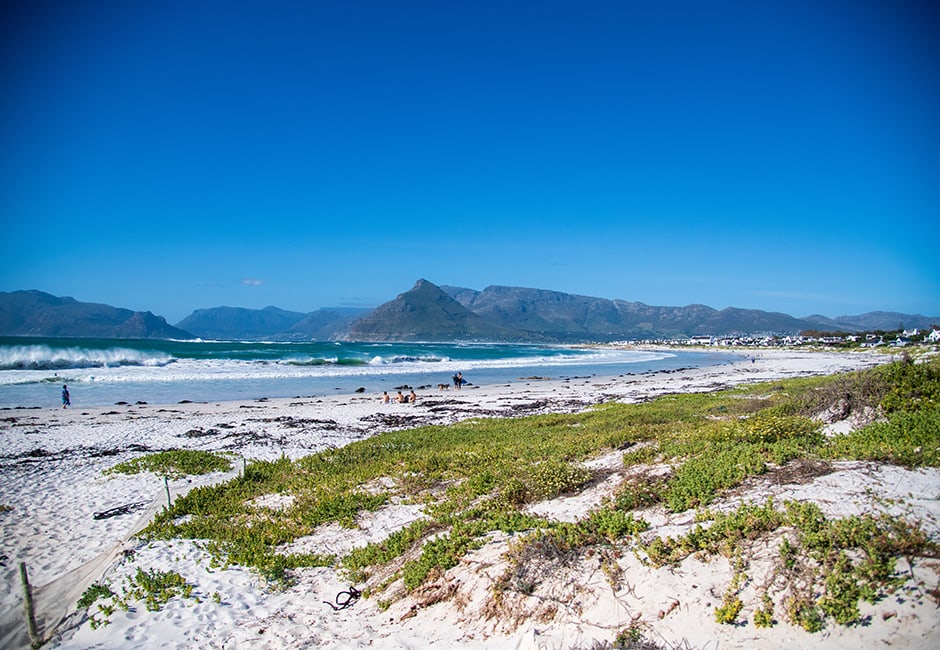
Where is South Africa most beautiful? 8 favourites
Safari, mountains & beach – South Africa is a diverse travel destination. But where is South Africa most beautiful? 8 personal favourites here on the blog.
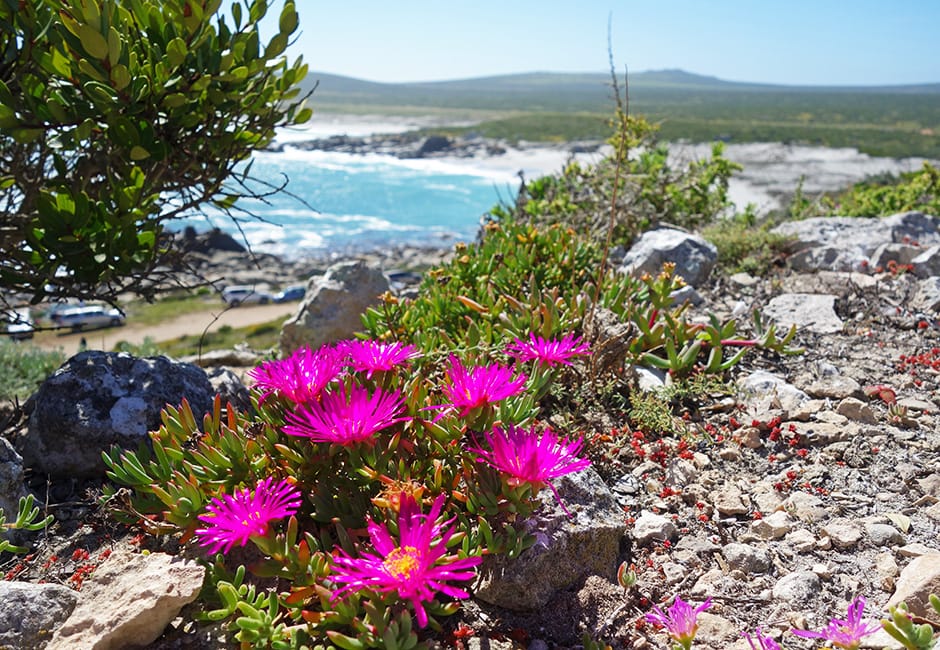
Travel month: South Africa in September
Where South Africa is especially beautiful in September and why it is a great time to explore the popular destination – on our blog!
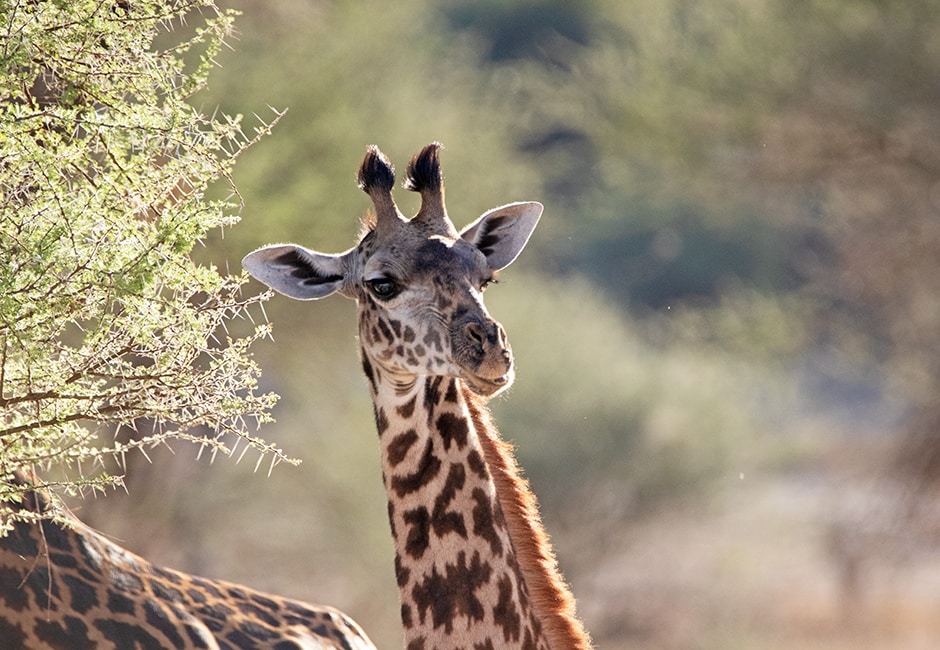
Tanzania or South Africa? Our comparison of the two safari destinations
Tanzania or South Africa? Both countries are dream safari destinations that make it hard to decide where to go. Today's comparison aims to help.