Addo Elephant National Park: everything for your trip planning
 by Juan Proll· September 7, 2026· 12 min read· Updated September 10, 2026
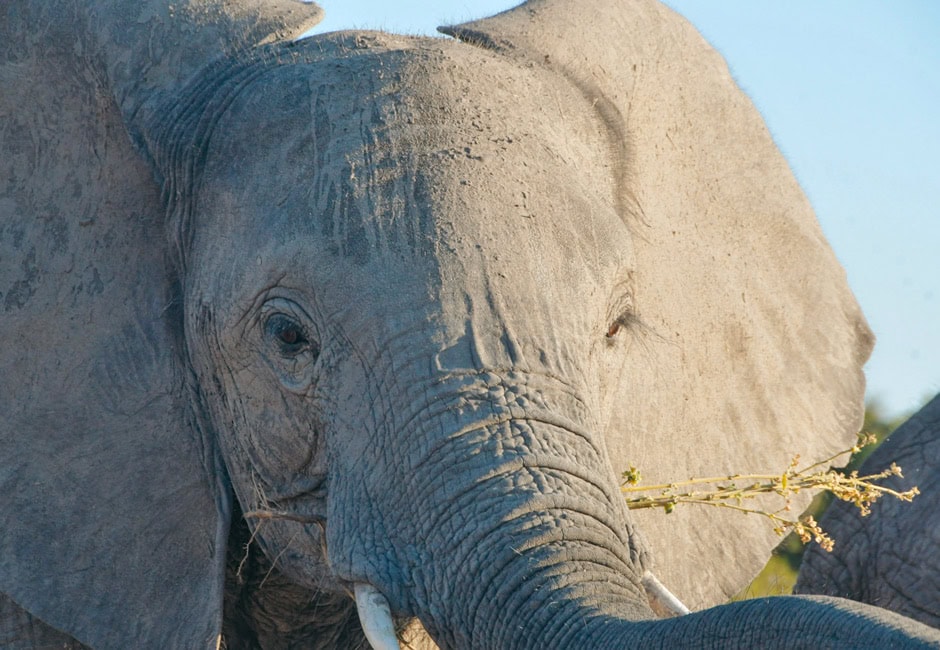
Elephants as far as the eye can see, plus lions, leopards, rhinos, buffalo and, with a little luck, even whales and great white sharks: Addo Elephant National Park in the Eastern Cape is a safari destination with a surprising number of aces up its sleeve.
Here you will find out how to plan your visit to Addo, which animals await you and when a safari is particularly worthwhile.
Where is Addo Elephant National Park?
Location in the Eastern Cape and getting there via Gqeberha
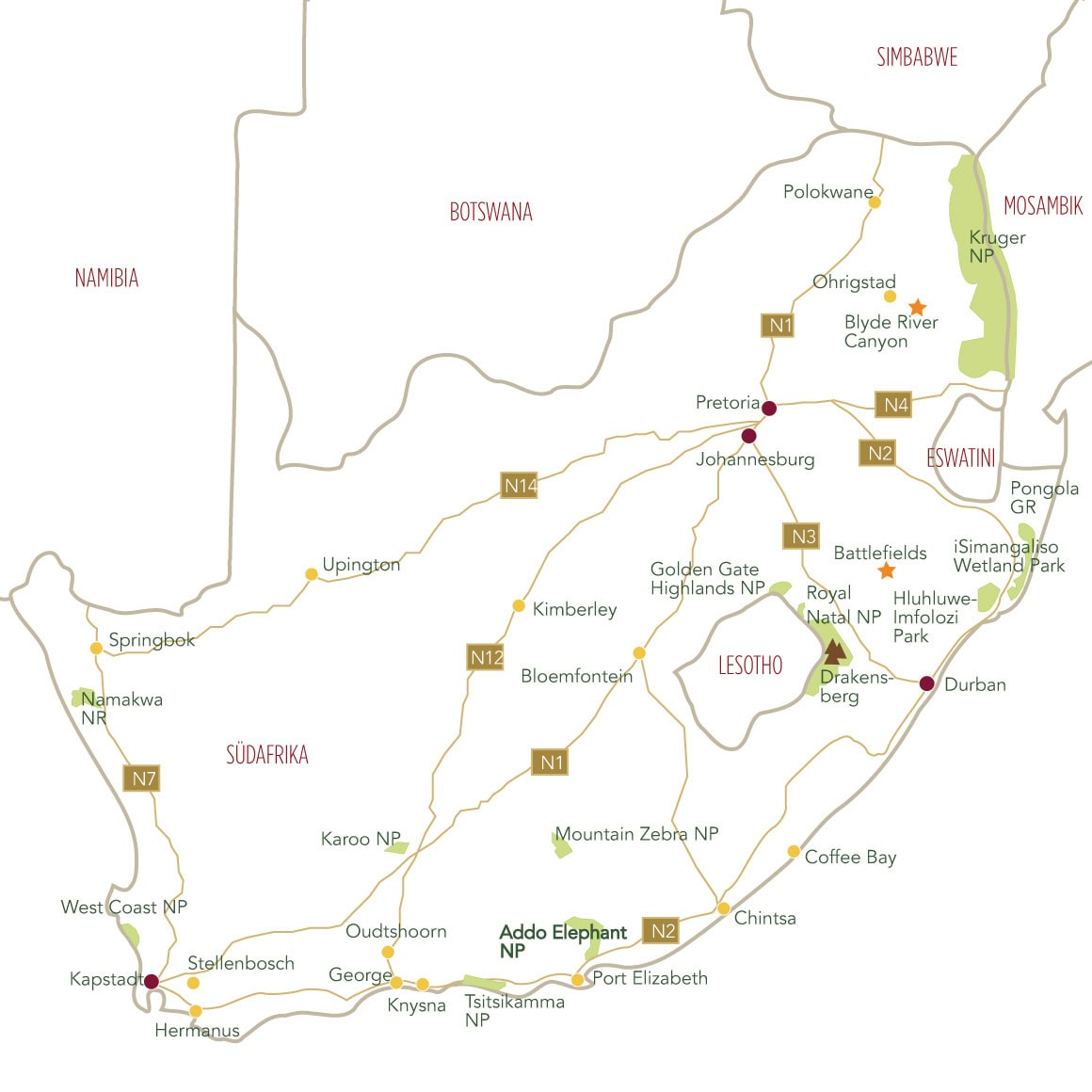
Addo Elephant National Park lies in the Eastern Cape, north-east of Gqeberha, formerly Port Elizabeth. Gqeberha's international airport is therefore the ideal starting point for a safari. From the airport you reach the park's Addo South Gate in about 35 minutes, and the Main Gate in the north in around 75 minutes, taking the safest roads.
If you are travelling by rental car, you can therefore easily include Addo in a round trip along the Garden Route. Coming from Cape Town, too, the national park is an excellent final highlight of a South Africa trip.
Addo Main Camp or Addo South Gate (Matyholweni): which entrance is right for you?
For the classic safari visit, Addo Main Camp is usually the first choice. This is where the main visitor centre is located, where many of the accommodations are found and where numerous activities start. Matyholweni Rest Camp is a self-catering-only camp. It lies in the south near Addo South Gate and the supply town of Colchester.
The southern entrance gate of Addo Elephant National Park is particularly convenient if you are coming from the Garden Route or Gqeberha, or continuing in that direction. However, the southern park road between Matyholweni and the main area is not open to buses or to vehicles with a caravan or trailer.
Would you like to find out more about South Africa trips?
We are happy to advise you. Get in touch with us!
What makes Addo Elephant National Park so special?
From eleven elephants to one of South Africa's most important conservation areas
The history of Addo Elephant National Park is a true conservation success story. When the park was founded in 1931, it was meant to protect just eleven remaining Addo elephants. Hunting and conflicts with farmers had previously almost wiped out the population.
From this tiny remnant developed one of South Africa's most significant elephant sanctuaries. Today several hundred elephants live in the park. Watching a herd feed therefore gives you not only a safari experience, but also a living piece of successful conservation history.
Five biomes and the Big Seven
Addo is far more than an “elephant park with a bit of bush around it”. The national park covers five of South Africa's nine biomes: Albany Thicket, Fynbos, Forest, Nama-Karoo and the Indian Ocean Coastal Belt. The landscape and wildlife are correspondingly varied.
And then there are the famous Big Seven: in addition to the classic Big Five – elephant, lion, leopard, rhino and buffalo – Addo's marine protected area adds the southern right whale and the great white shark. That makes Addo one of South Africa's most extraordinary safari destinations: lions in the bush in the morning, perhaps whales in the sea later on.
The different regions of Addo Elephant National Park
The main area between Addo Main Camp and Matyholweni
You will find the classic safari experience in the central Addo area between Addo Main Camp and Matyholweni. Dense Albany Thicket, open areas and numerous waterholes dominate here. It is precisely this mix that makes the area so exciting for wildlife viewing.
The famous waterholes are real hotspots. Elephants, buffalo, warthogs and antelope drop by regularly – and if you wait patiently, you are often rewarded with surprising encounters. The area can be explored with a normal rental car on a network of tarred and well-maintained gravel roads.
Zuurberg, Darlington, Kabouga, Woody Cape and the coastal area
With the Big Five core area and all its outlying sections, we are long since talking about Greater Addo Elephant National Park, which shows enormous diversity in both wildlife and landscape. In the Zuurberg mountains you will find fynbos, mountains and forests, while Darlington feels much drier and more Karoo-like.
Kabouga is the starting point for the challenging Bedrogfontein 4×4 Trail. At Woody Cape, forest, dunes and coast meet, including the Alexandria Dunefields, the largest and least damaged coastal dune field in the southern hemisphere. Add to that the marine protected areas off the coast.
Which animals live in Addo Elephant National Park?
The famous elephants of Addo
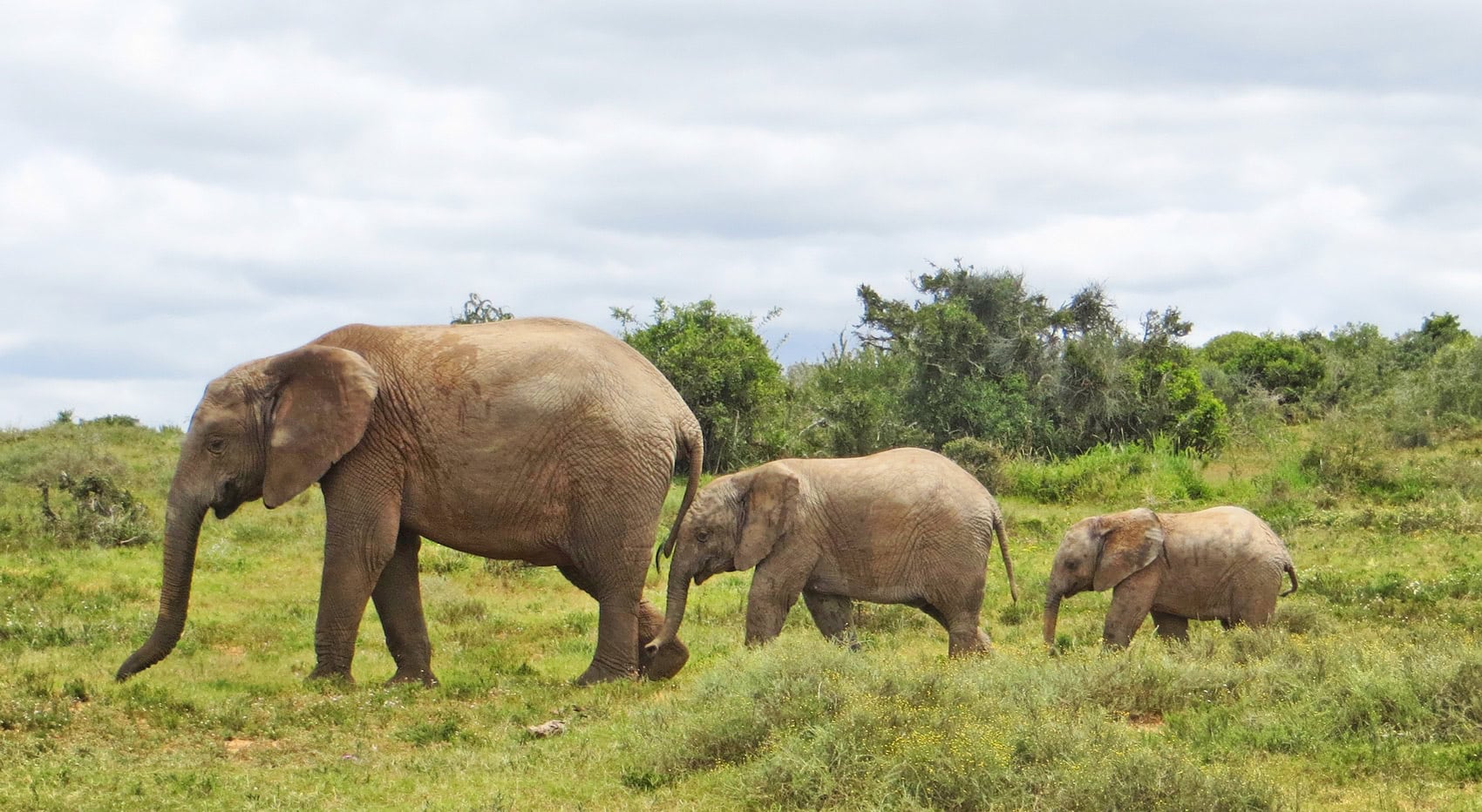
Of course they are the stars of the show: the elephants of Addo. In its 2024/25 Annual Report, SANParks states a population of 779 animals currently living in Addo Elephant National Park. The chances of elephant sightings are correspondingly excellent. It gets especially exciting at the waterholes when whole family groups gather. On warm days it is worth bringing a little patience, especially around midday.
By the way – did you know that Addo Elephant National Park has by far the highest density of tuskless female elephants in Africa?
The natural rate of tuskless cows is around 2–5%, but in Addo Elephant National Park it reached 98% in the 2000s!
Scientists suspect this is not only a consequence of earlier generations' experiences with poaching, but also a change in the gene pool triggered by chance.
Big Five and other mammals
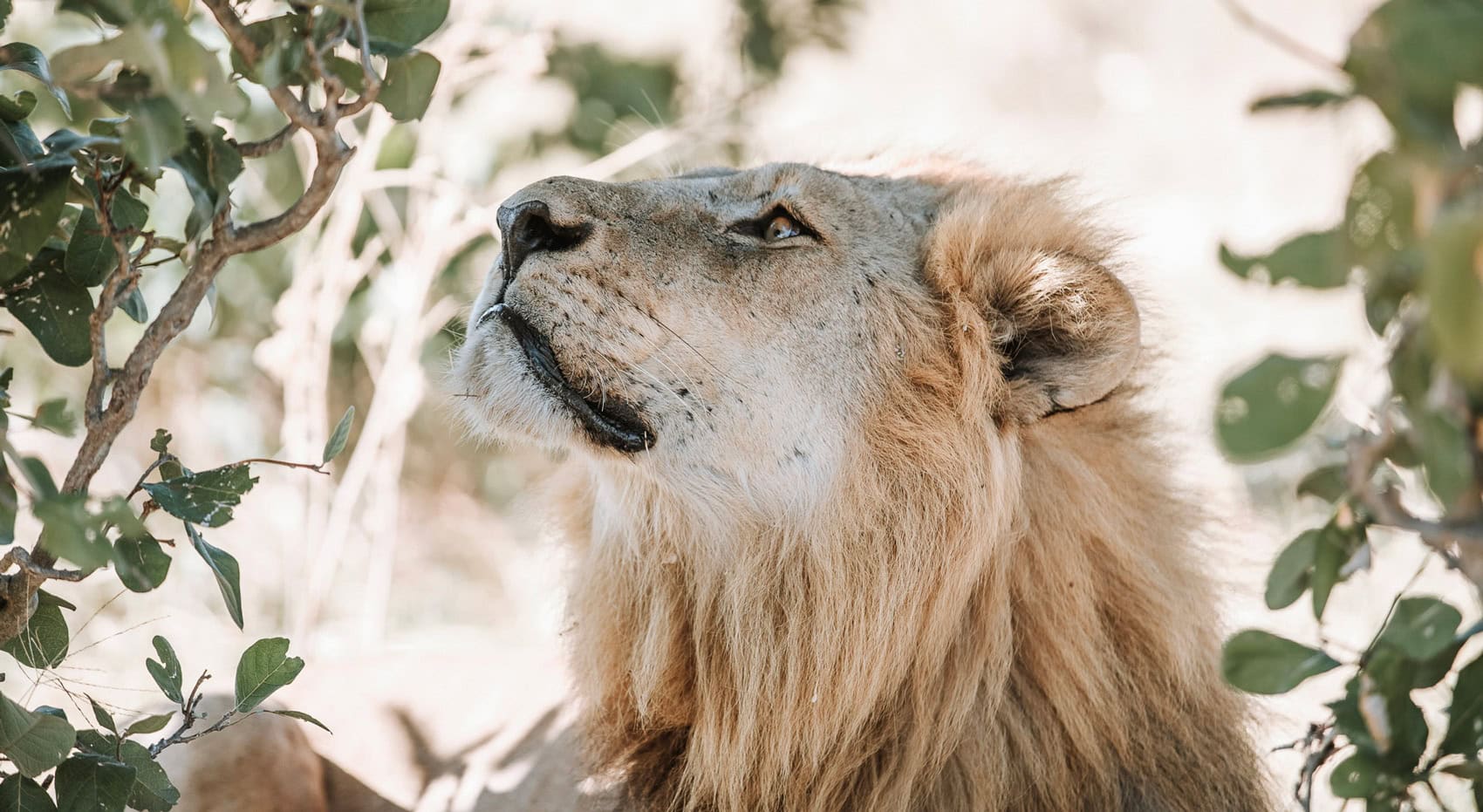
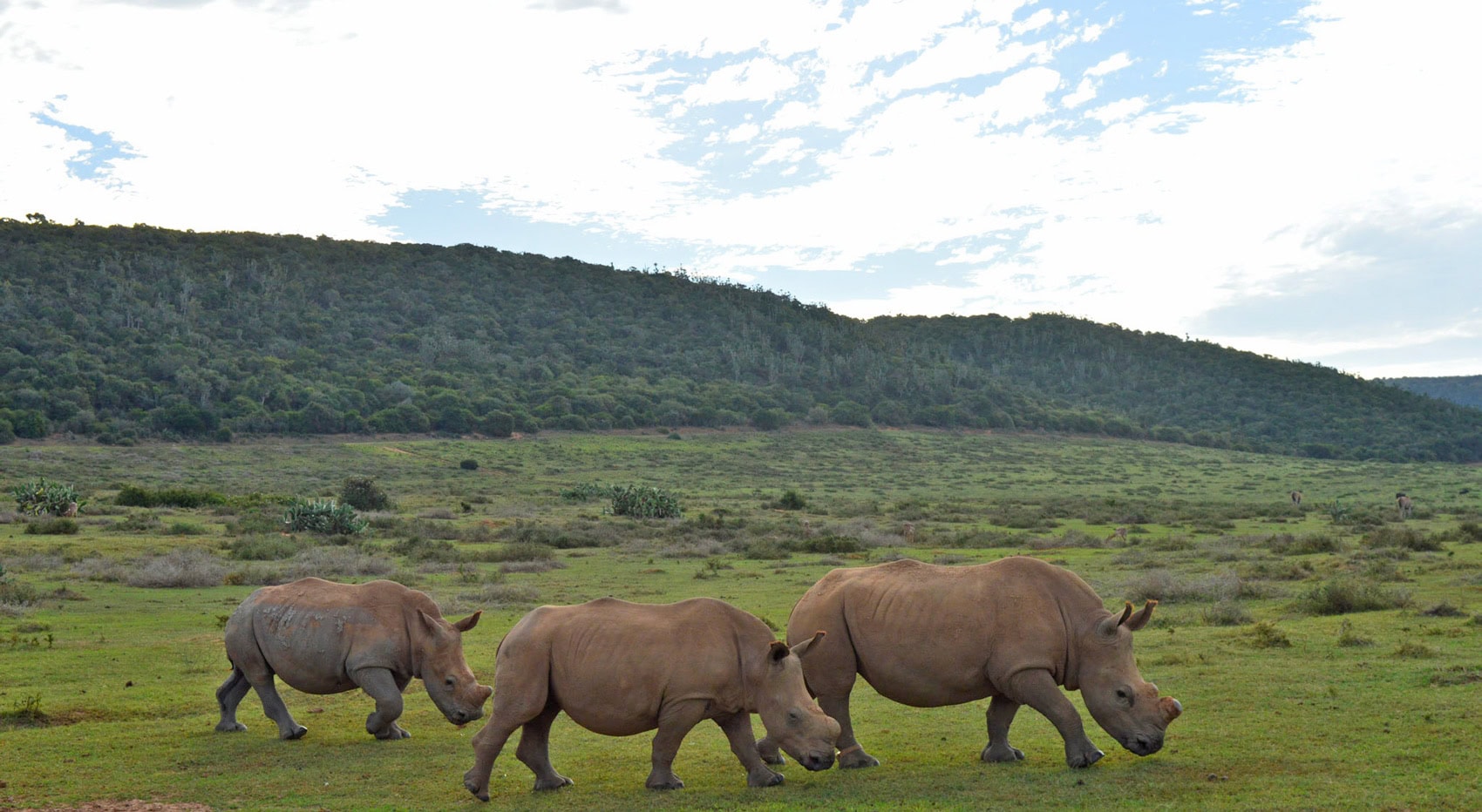
Besides elephants, the other Big Five are also present in Addo Elephant National Park: lion, leopard, rhino and buffalo. There are also zebra, kudu, eland, red hartebeest, warthog, hyena and numerous smaller mammals such as the particularly popular meerkats, among others. Only giraffes are not found here. The mix of species changes noticeably across the different park regions. In total, SANParks currently lists 91 mammal species.
Flightless dung beetles and birdlife
A small star with a surprisingly big personality is the flightless Addo dung beetle. It even has right of way in the park – traffic signs remind you of it.
If, besides the ostriches that live here, you like other birds too, you are in for a treat: the varied habitats offer an impressive number of winged residents paradisiacal living conditions; the current SANParks list includes 418 bird species. So pack your binoculars! You can find a checklist here.
Which safari experiences are there in Addo Elephant National Park?
Exploring Addo as a self-driver
Addo Elephant National Park is excellently suited to self-drivers. The tourist roads can mostly be driven in an ordinary car too; you only need a 4×4 for special routes such as the Bedrogfontein Trail. That way you can decide for yourself whether you want to spend five minutes, half an hour or what feels like a whole small lifetime at the waterhole. Important: in the wildlife area you generally stay in your vehicle – after all, this is not a petting zoo.
Guided game drives by day and night
If you would rather be driven, so you can concentrate fully on the views and the wonderful wildlife, you can book a guided game drive. The classic game drives start from Main Camp and are offered at different times of day – from sunrise drives to night drives.
At night in particular, your chances change: lions and hyenas are often seen in the early evening and night hours. Booking in advance is advisable for organised drives. Children under six are not allowed to take part in SANParks game drives.
Hiking, horse riding, 4×4 tours and coastal experiences
In Addo, a safari doesn't always have to have four wheels. Depending on the region, you can hike, ride or tackle more challenging 4×4 routes. The Bedrogfontein 4×4 Trail in particular leads through several vegetation types from Kabouga to Darlington. On the coast, a completely different world awaits, with dunes, forests and marine life.
When is the best time to travel to Addo Elephant National Park?
Addo can be visited all year round. The months from May to September are usually pleasant for classic safaris, while October to April is warmer and, in many places, greener. Because rain falls relatively evenly throughout the year, there is no completely “wrong” time to travel.
October to April: warmer days and greener landscapes
From October to April it gets warmer in Addo, and the landscape changes with the seasonal rainfall. Despite the relatively even distribution of rainfall, there are slight rain peaks in October and November as well as February and March. The vegetation then looks fresher and denser, and animals spread out more across the terrain.
For photographers and bird lovers, this time of year can be particularly appealing. Warm days are also ideal for waiting for elephants at waterholes. Don't forget sunscreen – the African sun takes no prisoners.
May to September: cooler safari months
The South African winter months are especially pleasant for many travellers. The days are milder, the nights usually more comfortable. They can, however, also turn quite chilly. In the Addo main area, average daytime highs in July are around 18 °C, dropping at night to about 5 °C.
The vegetation is often less dense, which can make it easier to spot animals. For early-morning and night game drives you should therefore definitely pack warm clothing – safari jacket rather than beach shirt.
Popular tours:
How do I plan a safari in Addo Elephant National Park?
How many days should you plan for Addo?
For a first impression, one full day is enough, but two to three days are better. That leaves time for several self-drive loops, different times of day and perhaps a guided game drive. If you also want to discover Zuurberg, Woody Cape or other outlying areas, you should plan a further two to three days.
Combining Addo with Gqeberha and the Garden Route
Addo Elephant National Park combines wonderfully with a trip along the Garden Route. This is precisely where one of its greatest strengths lies: after Cape Town, the wine region and the coast, a complete change of scenery follows at the end of the trip – into the bush and the exotic African wildlife.
A typical route leads, for example, from Cape Town via Hermanus, Mossel Bay, Wilderness, Knysna and Tsitsikamma to Gqeberha and then on to Addo Elephant National Park. Instead of slowly slipping into “return-flight mode” after days of coastal roads, Addo puts one more real highlight on top.
That also makes the park an ideal safari finale to a South Africa round trip. If you want to organise as little as possible, you can experience this, for example, on our guided small-group tour “Southern South Africa in Depth”.
Self-drivers can likewise plan Addo as the grand finale with the “Self-drive round trip: Southern South Africa & Garden Route”. And the timing works: Gqeberha is close to the park, so after your safari you can continue comfortably to the airport.
Accommodation in and around Addo Elephant National Park
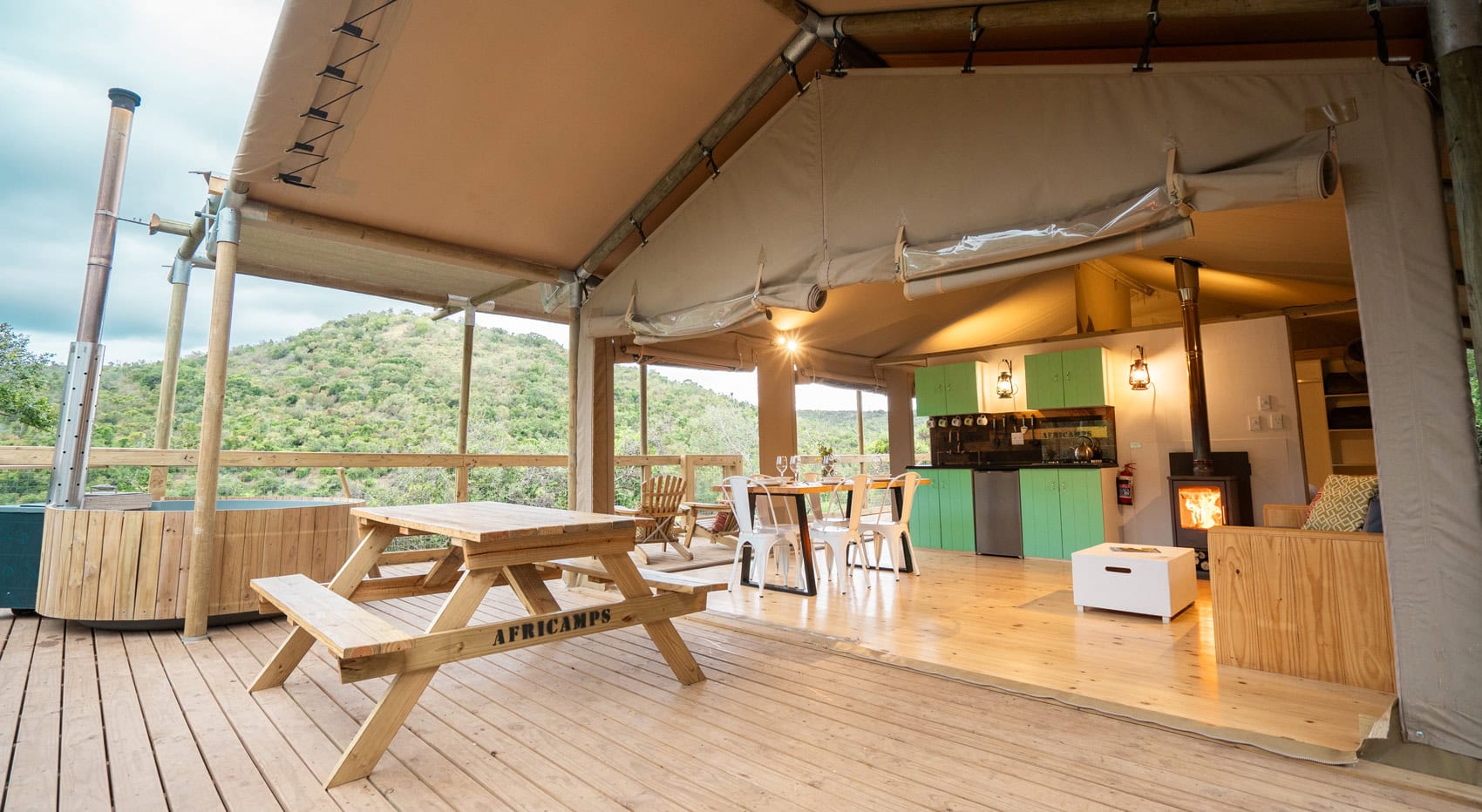
When it comes to accommodation in Addo, you can choose between practical, close to nature and quite luxurious. Addo Main Camp offers chalets, cottages, safari tents and campsites, among other things. A particular advantage is the floodlit waterhole with its underground hide – wildlife cinema without the blockbuster ticket price.
If you want to stay overnight in the middle of the safari area, you will find tents near a waterhole at Spekboom Tented Rest Camp. There are also other accommodations such as Nyathi Rest Camp as well as luxury lodges and concessions.
Around the park there are also numerous private lodges and guesthouses in Colchester and in Addo village. Tip: book as early as possible for popular accommodation and holiday periods.
Please note that Nyathi is currently closed for renovation work from 1 September 2026 to 31 March 2027.
Practical information for your visit to Addo
Malaria-free safari and the right equipment
A big plus: Addo Elephant National Park lies in a malaria-free area. Malaria prophylaxis is therefore not necessary. There are still annoying mosquitoes, though. Insect protection can therefore be sensible, especially in summer. You should also pack binoculars, a camera, sun protection, comfortable clothing and sturdy shoes. A torch or head torch is handy for walking around camp in the evening.
Roads, opening times and important park rules
The tourist roads can for the most part be driven in a normal car. The speed limit is 40 km/h; for relaxed wildlife viewing, 20 to 30 km/h is better. In the wildlife area you may only leave your vehicle at designated places.
The seasonal gate times also apply. If you arrive too late, you will be stranded outside the gate at Addo South Gate, and at the Main Gate in the north you will only get as far as the camp restaurant. If you are travelling within the park, you must, by gate closing time, either leave the park or have reached your overnight accommodation in the park.
Frequently asked questions about Addo Elephant National Park
Can you see the Big Five in Addo Elephant National Park?
Yes. Elephant, lion, leopard, rhino and buffalo all live in Addo. Sightings are of course never guaranteed – wild animals don't have an employment contract here. Elephants in particular, however, are usually very easy to observe. Lions are very active in the early morning, evening and night hours. Rhinos like to graze or browse outside the midday heat, and buffalo often stay close to water.
Can you really see the Big Seven in Addo?
Yes – at least in theory. The Big Seven consist of the classic Big Five plus the southern right whale and the great white shark. The term refers to the entire park including its marine protected areas. For the two marine animals, though, you will need a bit more luck, as well as time and a suitable activity on the water.
Is Addo Elephant National Park suitable for self-drivers?
Absolutely. Most tourist roads can be driven with a normal rental car. A 4×4 is only required for special routes such as the Bedrogfontein Trail. For beginners especially, Addo is therefore a comparatively straightforward way to experience a safari on your own.
Is Addo a good choice for families with children?
Yes, especially because of its malaria-free location and good accessibility. Self-drivers can flexibly adapt the pace to the family, and elephants can often be observed even without hours-long game drives. It is important, however, to observe the age rules for individual activities: children under six, for example, may not take part in the regular SANParks game drives.
Addo or Kruger National Park: which park suits you better?
That depends on your priorities. Addo scores with its proximity to the Garden Route, its malaria-free location, high elephant density and the combination of land and marine life. Kruger National Park is considerably larger and offers a different, more expansive safari experience. For a South Africa round trip along the Garden Route, Addo is often the more practical choice.
Conclusion
Addo Elephant National Park is small enough to fit relatively easily into a South Africa round trip, and big enough to deliver real safari adventures. Its special mix of abundant elephants, Big Five, varied landscapes and marine habitat makes it unique.
Addo is particularly attractive for self-drivers, families and anyone who wants to end their trip along the Garden Route with a safari highlight. Two to three days give you enough time to enjoy different routes and safari times.
And if you actually do meet an elephant calmly blocking the road, you will quickly understand: in Addo, it is not the rental car that has right of way, but the elephant.
We are happy to help with any questions and support in planning and booking your South Africa trip – whether you travel on a guided group safari, a guided private safari or a self-drive tour. Thanks to our close contact with our subsidiary in South Africa we are always well informed about the current situation. So get in touch with us! Your dream, our expertise – your very own South Africa experience.
Juan Proll has lived in southern Africa since 2011 and works as a certified nature and cultural guide in South Africa, Botswana and Namibia for Elefant-Tours and its subsidiaries. After an earlier career as an adult education teacher in Germany, he swapped the classroom for the wilderness. Alongside his work as a guide, he writes for the Elefant-Tours blogs about nature, culture and sustainable travel. Juan is a member of the Field Guides Association of Southern Africa (FGASA) and author of the books “Ich werd’ dann mal Ranger” and “Das Safari-Lesebuch”. The magazine DER SPIEGEL reported on his training.