Climbing Kilimanjaro: trekking tours to the summit
Kilimanjaro climb 2026: professional guides, high-quality equipment, our own agency on site. Fulfil your dream!
Mountain hike up Kilimanjaro
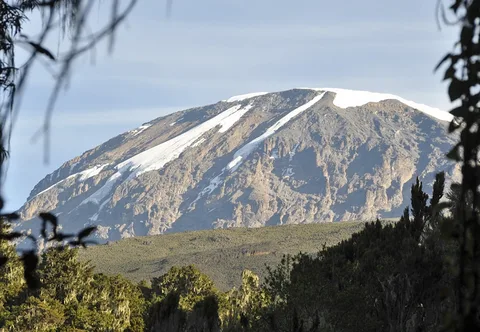
Fulfil your dream in Tanzania with a Kilimanjaro tour. At 5,895 metres, the highest mountain in Africa is world-famous.
The remarkable thing about this trekking tour: just about anyone who is healthy can take on the challenge. A Kilimanjaro climb requires no special mountaineering skills.
And yet a Kilimanjaro tour is an achievement you can be more than proud of.
Good to know
On site, the team of our own subsidiary makes sure that you not only get safely to the summit, but also safely back down again.
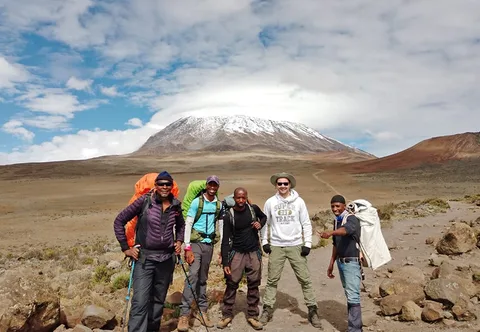
After a detailed briefing with our operations manager, our professional, permanently employed guides accompany you on the hike of your life.
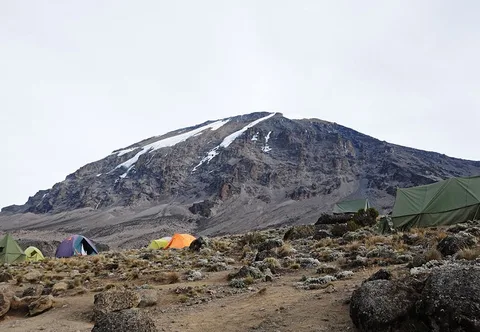
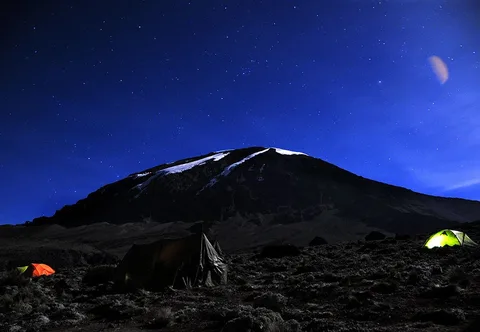
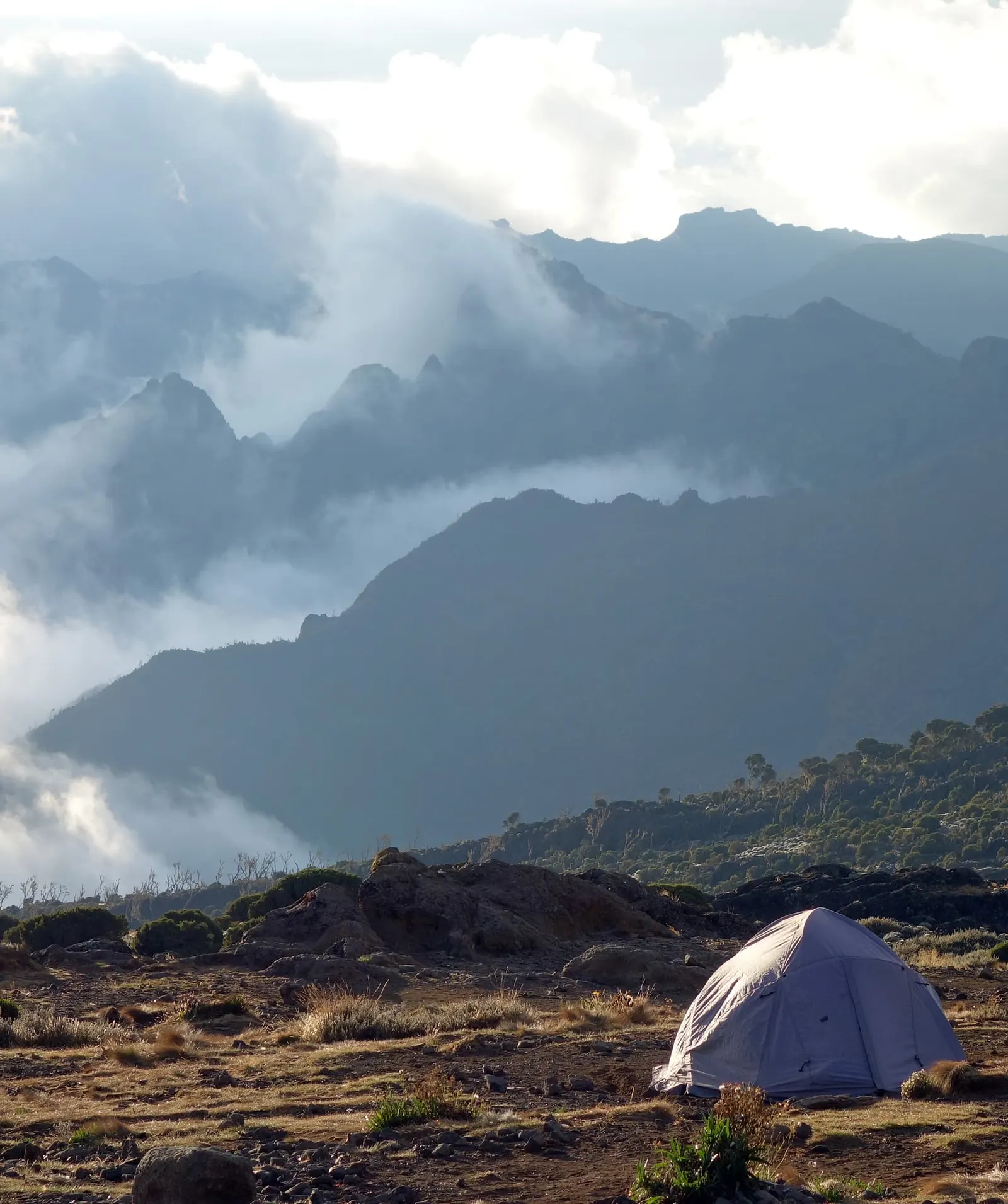
In the mountain tents imported from Germany, you sleep comfortably on your Kilimanjaro climb even at altitude, protected from wind and weather.
Our most popular trekking tours on Kilimanjaro
 Tanzania
9 days
Kilimanjaro climb: Lemosho Route
from 2.480 € per person
 Tanzania
8 days
Kilimanjaro Trekking: Machame Route
from 2.000 € per person
 Tanzania
8 days
Kilimanjaro trekking: Marangu Route
from 1.760 € per person
All prices exclude international flights.
Trekking highlights
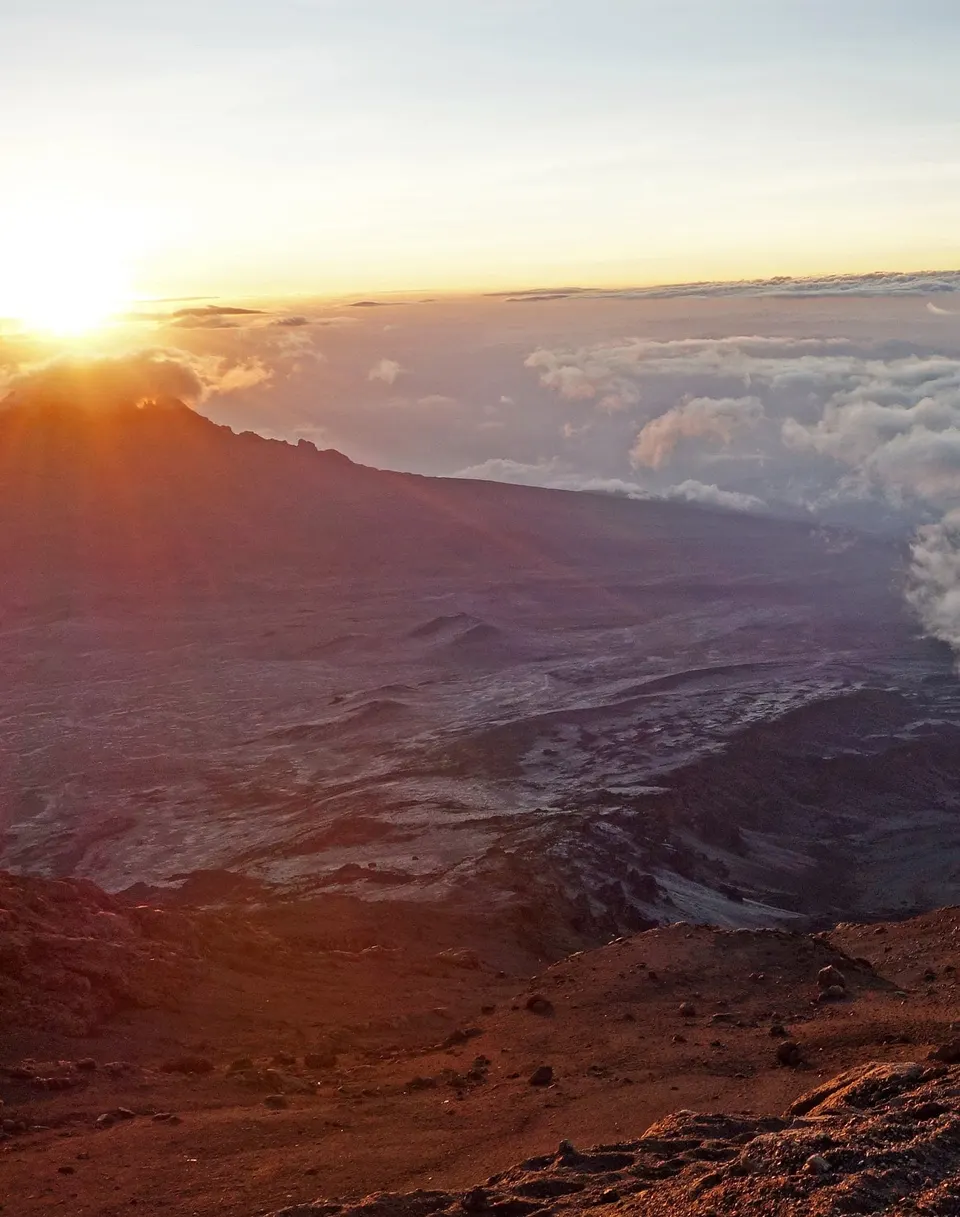
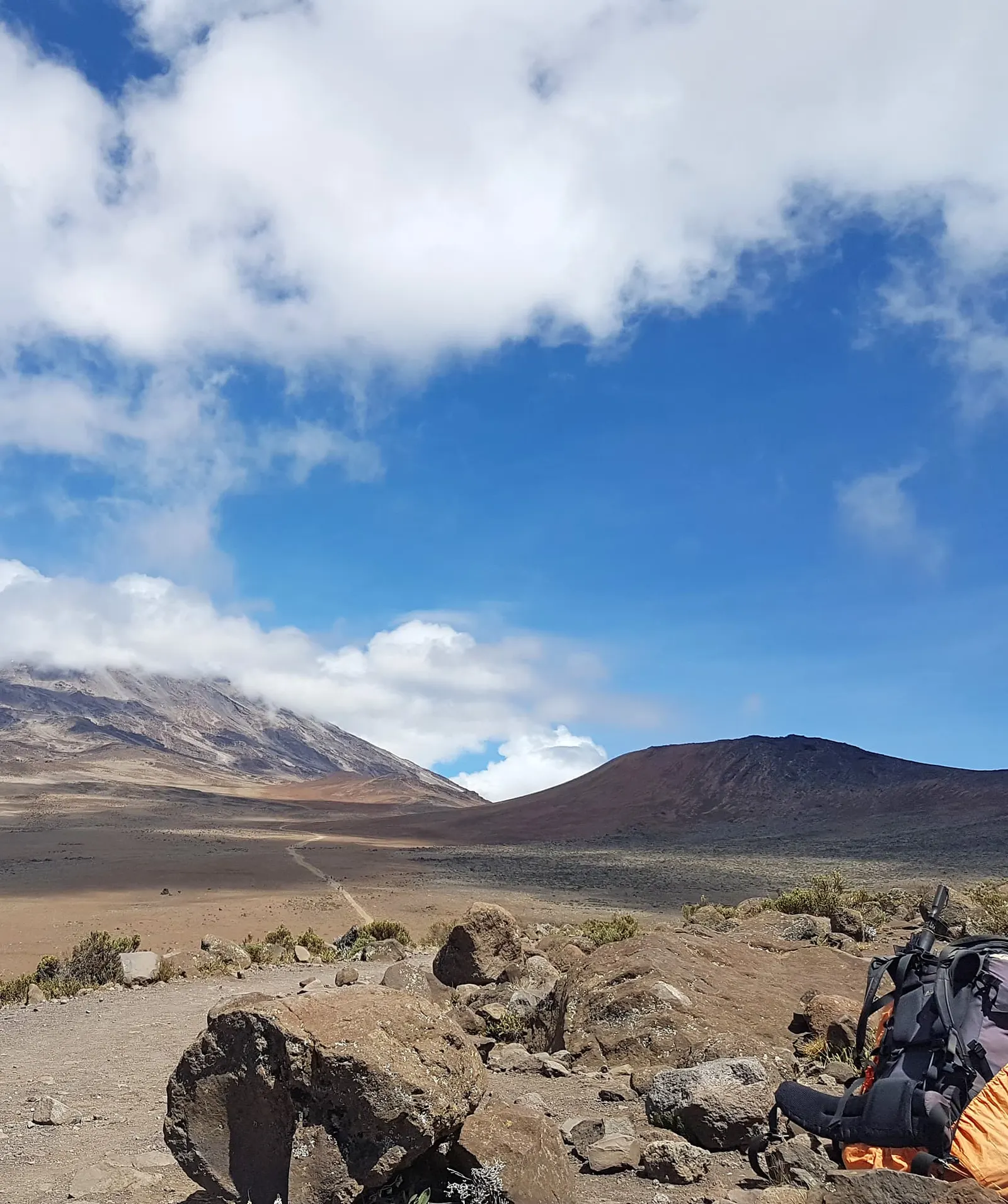
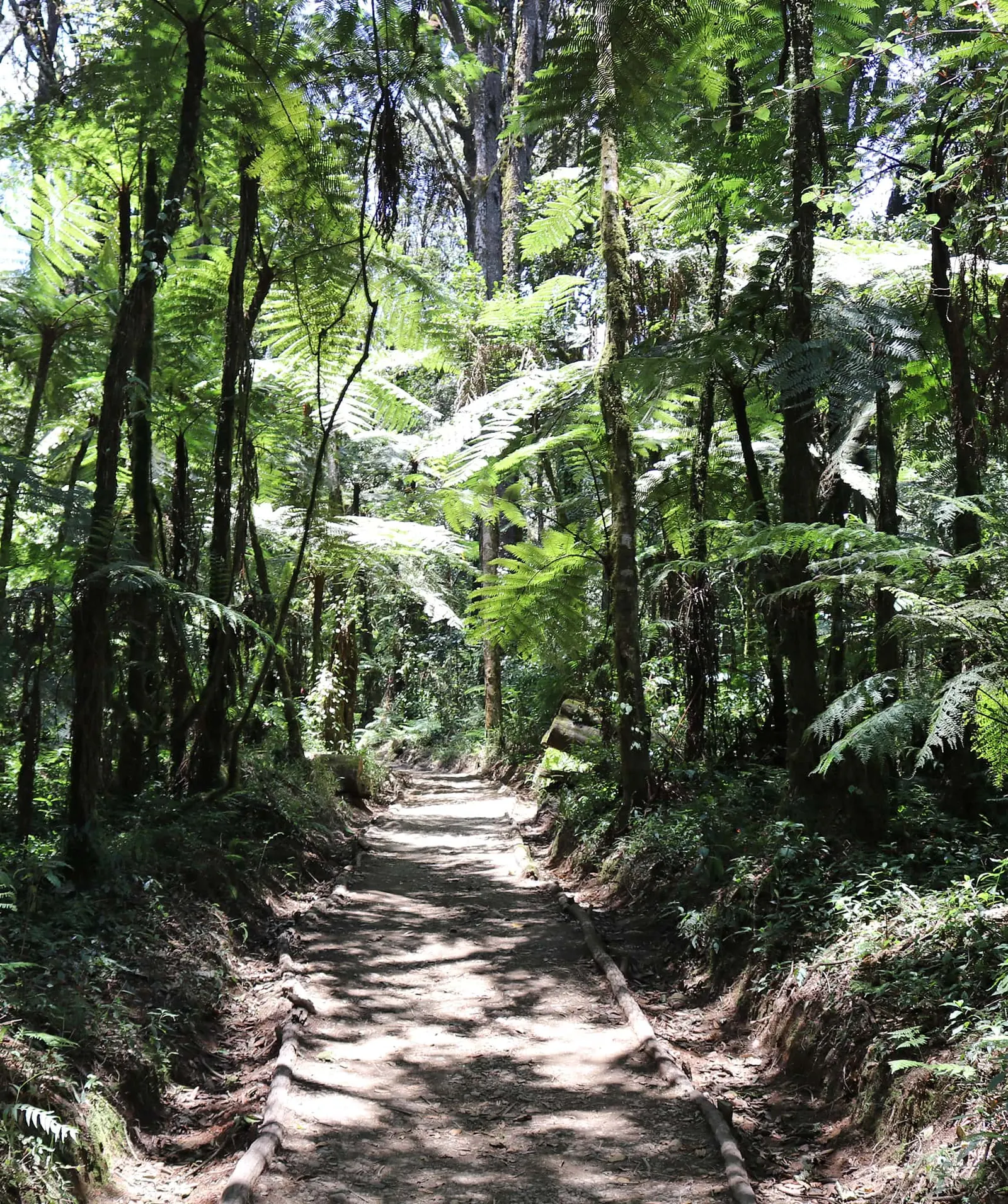
Five different vegetation zones make the routes on a Kilimanjaro tour something very special: from tropical rainforest through alpine desert to glacier ice, you experience something different every day.
Once you arrive at the top, at Uhuru Peak, you have climbed the highest free-standing mountain in the world – an emotional experience!
Climbing Kilimanjaro combines extraordinary landscapes and physical challenges. Here is what awaits you:
Individual tour planning
Good summit chances
Professional mountain crew
Impressive landscapes
The most popular routes
— Thomas and Betty
When is the best time to climb Kilimanjaro?
The best time for Kilimanjaro trekking is the months of January and February or June to October. In these months it is generally dry. November is rainy season, but the rainfall is usually less heavy and shorter.
As April and May are the long rainy season in Tanzania, we advise against this period. Multi-day hikes in the rain can be unpleasant, and the descent on slippery trails in particular can be difficult.
In our blog we have summarised detailed information on the best time to travel for a Kilimanjaro climb.
Remember that you hike through five different climate zones, i.e. you should be prepared for everything from tropical, humid temperatures in the lower rainforest to snow and ice at the summit.
The weather can change at any time. Waterproof trousers and jacket, waterproof hiking boots and warm clothing are part of the basic kit. As a leading provider of Kilimanjaro tours, we have our own subsidiary on site; here you can hire equipment such as snow trousers and walking poles.
Climbing Kilimanjaro can also be combined very well with a safari in Tanzania or a beach holiday in Zanzibar. Similar seasonal recommendations apply to these trips.
If you have questions about the best routes and the Kilimanjaro climb costs to expect, our experienced Elefant-Tours team will be happy to help.
How high is the risk of altitude sickness?
The risk of altitude sickness differs from person to person. People who are not in good physical condition have a higher risk of suffering from altitude sickness. However, the likelihood cannot be predicted exactly. Even experienced mountaineers and very athletic people can suddenly suffer from altitude sickness.
It is important to eat enough while climbing Kilimanjaro and above all to drink enough water, even if you do not feel like it at times.
Altitude sickness often cannot be avoided entirely, and the risk of developing mild symptoms such as tiredness, headaches or nausea is quite high. Listen to your body and, if necessary, decide on a descent.
Your experienced guide keeps a close eye on your state of health and will advise you to abandon the Kilimanjaro tour in an emergency. Your health and safety are the top priority.
Longer routes, on which an additional acclimatisation day gives you more time for the ascent, can be a better option for preventing altitude sickness, as the body can adapt better.
How do you prepare for a Kilimanjaro climb and how difficult is it?
In principle, no special mountaineering skills are required to climb Kilimanjaro. However, the differences in altitude and the long days place high demands on body and mind.
All participants on such a summit tour should therefore be in good physical and mental condition.
To prepare optimally for the ascent, we recommend regular endurance training such as jogging, cycling or hiking. These sports help you improve your fitness.
A good tip is also to hike often with a heavy rucksack before the tour to get used to the weight. Because although you do not carry your luggage up the mountain yourself, you do still carry your daypack, filled with everything you might need on each day's stage, including several litres of drinking water, rain clothing and a packed lunch.
Well broken-in hiking boots are also essential for a successful Kilimanjaro climb. New or barely worn shoes can cause blisters and pressure points that make the ascent needlessly difficult. Wear your boots on longer hikes – or even at home – for several weeks beforehand to get used to the fit and support. This way you avoid painful surprises.
In the following blog our travel expert Henning Meyer reports on how he prepared for his Kilimanjaro climb
How long do the ascent and descent take?
Climbing Kilimanjaro usually takes 5 to 9 days, with the length of your trekking tour depending on the chosen route and your physical condition.
We generally recommend 6 days on the mountain plus a night before and a night after. A Kilimanjaro climb therefore usually takes 8 days in total. The ascent takes 3 to 4 days, the descent 2 days.
You should have enough time to acclimatise in order to reduce the risk of altitude sickness and reach the summit successfully. A slow and steady ascent also gives you the chance to enjoy the impressive views and the unique flora and fauna.
The descent from Kilimanjaro usually takes place on the day after the summit ascent. That means: after you have successfully reached the summit, you begin the descent straight away, but spend one more night on the mountain. The remaining descent the next morning then usually takes only a few hours.
The entire return journey is therefore much shorter than the ascent, as the body has already acclimatised and the descent can be faster.
Depending on the route, you can also add an extra day. In our blog we help you decide which route to choose for your Kilimanjaro tour.
How large are the groups that climb the mountain?
The size of your group depends on which option you choose.
You can choose to join a group tour or book a private Kilimanjaro tour.
If you opt for a group tour, you will be travelling with other climbers you do not know beforehand. These tours have fixed dates and are ideal for travellers who want to experience the ascent together with like-minded people.
The group size remains manageable (maximum 10 people), so that every participant receives the support they need and can enjoy the experience. These group Kilimanjaro tours have a minimum group size of 2 people.
Alternatively, you can book a private tour organised exclusively for your private travel group. This gives you maximum flexibility, as you choose the travel date yourself.
A private tour is particularly suitable for families, groups of friends or teams and clubs who want to shape the ascent individually.
Whichever option you choose, the experienced team of our subsidiary in Tanzania makes sure that your mountain climb is a safe and unforgettable experience.
As an experienced provider of Kilimanjaro climbs, our Elefant-Tours team supports you with all the planning details.
What meals are provided on the mountain hike?
Full board is included during your hike, and every group is accompanied by a cook who prepares fresh meals on the mountain. It is truly impressive what delicious dishes can be conjured up on a hike like this.
The typical daily meals can look like this:
- Breakfast: fresh fruit, scrambled eggs or omelette, toast, margarine, peanut butter, jam, porridge
- Lunch: fresh fruit or vegetables, sandwiches, boiled eggs, chicken
- Dinner: soup, bread, main course with meat or poultry, side dishes e.g. chips, mashed potato, pasta, rice, vegetables, fresh fruit for dessert.
In addition, we recommend taking snacks such as muesli bars, energy bars, protein snacks, nut mixes or chocolate. A bag of Haribo can also help your blood sugar level and mindset.
If you have allergies, intolerances or dietary restrictions, please let us know in advance. Every Kilimanjaro trekking provider has a different menu up their sleeve. Our subsidiary on site and its team shy away from no challenge in conjuring up the perfect menu for you and your specific requirements.
Do you have to carry your own things up Kilimanjaro?
During your Kilimanjaro climb, your equipment and luggage are carried by porters. You yourself carry only a daypack with the most important things such as water, snacks, personal medication, rain protection and your packed lunch.
This lets you concentrate fully on the ascent without carrying heavy luggage.
The porters usually hike separately from the group and go ahead to prepare the camp as well. When you arrive at your destination for the day, your tent is already set up and your luggage is ready. This way you can rest straight away and gather new energy for the next day.
To ensure the transport runs smoothly, your luggage should be packed in a soft travel bag, a trekking rucksack or a duffel bag. The weight is limited to a maximum of 12 kg per person. Suitcases or bags with wheels cannot be taken, as the porters cannot carry them.
Porters are experienced mountain climbers who cope well with carrying luggage, tents and camp equipment. Our subsidiary on site makes sure that they too are well looked after on every trek and lack for nothing.
With the help of our experienced team you can therefore concentrate fully on the unique experience and climb Kilimanjaro with your daypack on your back.
How much should you tip the local team on a Kilimanjaro tour?
After the descent, it is customary on a Kilimanjaro trekking tour to tip all crew members. Many people have worked together to make the tour an unforgettable experience for you.
As a rule, each group gives the tip together. This means: the more participants there are in a group, the lower the amount for each individual participant. You should therefore expect a tip of between 170 USD and 450 USD per person for the entire tour – depending on how many participants are in your group.
The total amount is divided by your head guide among the porters, cook and assistant guides.
We are happy to advise you on all the costs you can expect on a Kilimanjaro climb, and when you book your Kilimanjaro trekking tour with us, you will also receive detailed information from us on the tipping structure.
Can you combine a Kilimanjaro climb with a safari and beach holiday?
Yes, the combination of Kilimanjaro trekking, safari and/or beach holiday is very popular and a fantastic way to make your trip to Tanzania unforgettable.
After a demanding Kilimanjaro tour you can relax on Zanzibar's dreamy beaches or experience the fascinating wildlife up close on a safari. A perfect mix of adventure, nature and relaxation.
You can therefore continue your trip after your Kilimanjaro trekking in a completely individual way. Of course, a lot of logistical planning lies behind such a combination trip. Transfers, intermediate overnight stays and possible domestic flights must be precisely coordinated.
At Elefant-Tours you have a personal contact who discusses and plans every detail of your Kilimanjaro climb with safari and beach holiday with you.
The team of our subsidiary in Tanzania makes sure that your trip, including all transfers, runs smoothly.
As a leading provider of Kilimanjaro climbs and Tanzania trips, we have been organising tailor-made tours for many years that are matched exactly to your wishes.