Your trip
Travel to the highlights of southern Africa on our Namibia and Botswana photo safari.
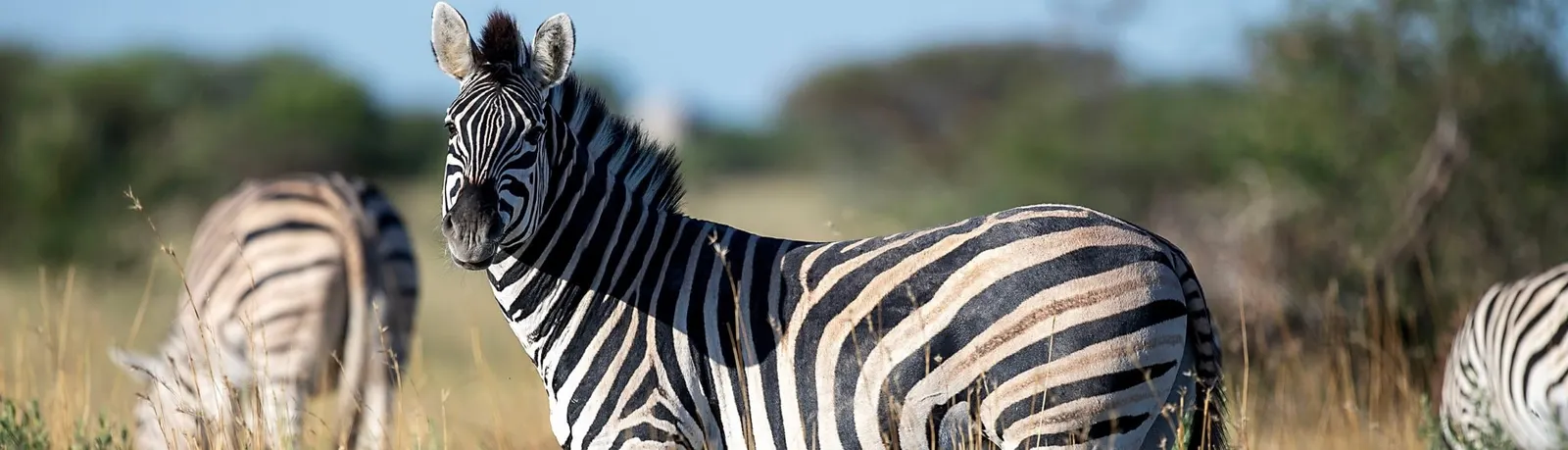
Watch wildlife in Etosha and Chobe National Parks, explore the Okavango and Kwando rivers on boat trips and let yourself be enchanted by Africa's dreamlike landscapes. The crowning finale is the imposing Victoria Falls in Zimbabwe.
You experience all these highlights with German-speaking guidance from our experienced photo guide Wolfgang Bauer.
This trip is ideal for
Safari lovers
Game drives in Etosha, Bwabwata & Chobe National Parks
German-speaking hobby photographers
Accompanied by our experienced German-speaking photo guide
Nature lovers
Spectacular landscapes & unique wildlife
Connoisseurs
Leave the organisation to your guide & concentrate on photography
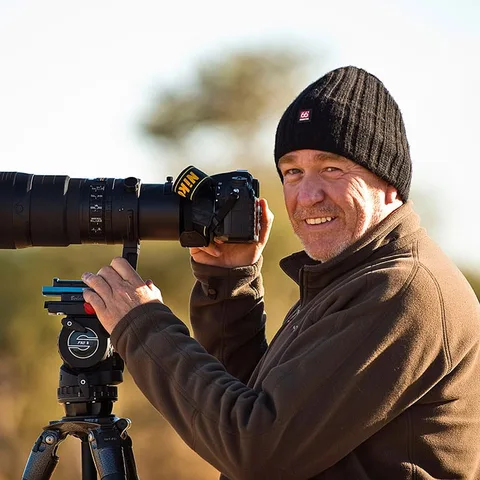
With an off-road vehicle and rooftop tent, he has been exploring the remote regions of Namibia and Botswana for years, always in search of special photo subjects.
The wide plains, the varied landscapes and the unique wildlife of Namibia have left a lasting mark on him both as a photographer and as a tour guide.”
Your Africa travel expert: Wolfgang Bauer
— Andrea und Joachim Wick
Gallery
Highlights
Itinerary
Tip: open a day – the map jumps to that place.
Day 1Windhoek
Driving distance approx. 50 km; pure driving time approx. 1 hour
Learn more ↓
Windhoek
After your arrival at the airport in Windhoek and once you have completed entry formalities, you are picked up and taken to Elegant Guesthouse, where, after checking in, you have time to rest a little and freshen up.
Day 2Windhoek – Waterberg region
Driving distance approx. 260 km; pure driving time approx. 3 hours
Learn more ↓
Windhoek – Waterberg region
Your Namibia and Botswana photo safari starts after breakfast towards the Waterberg Plateau. The mighty table mountain, with its nature and wildlife reserve of over 45,500 hectares, is not only an important water reservoir for Namibia but also offers rich flora and fauna.
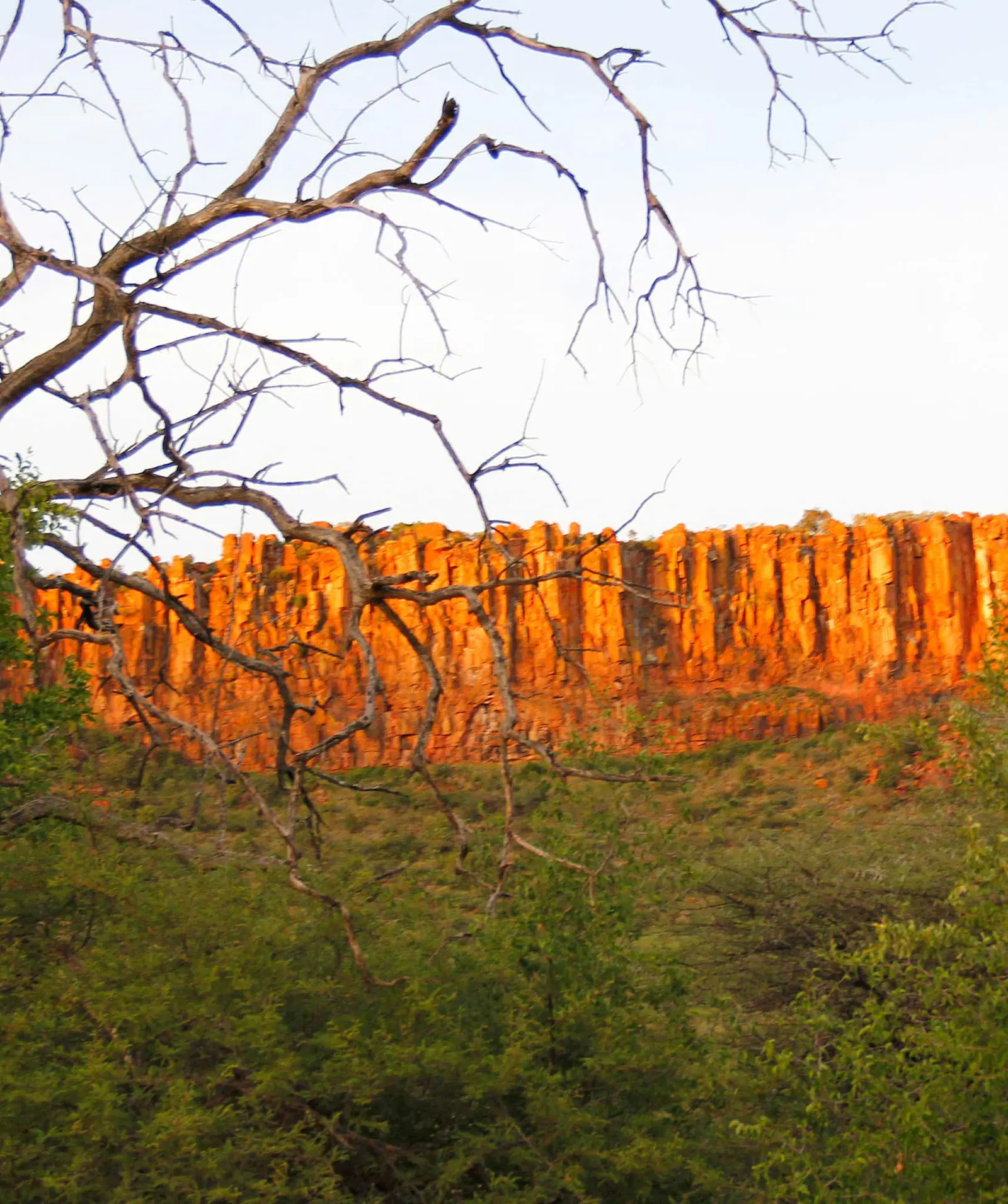
After your arrival, you go on an approximately two-hour hike to the top of Klein Waterberg. Here you are rewarded with fantastic opportunities for landscape shots and an impressive view of the Waterberg Plateau.
Towards evening, from the comfort of your lodge, you can photograph the steeply rising cliffs in the warm light of the setting sun.
Day 3-4Waterberg region – Etosha National Park
Day 3 driving distance: approx. 350 km, pure driving time approx. 4 hours (excl. game drive in the park)
Learn more ↓
Waterberg region – Etosha National Park
You leave the Waterberg region and drive via Lake Otjikoto on to Etosha National Park. The mysterious Lake Otjikoto impresses above all with its clear, emerald-green water and offers a fascinating subject for atmospheric landscape shots.
You then drive through Von Lindequist Gate on the eastern side into Etosha National Park. Founded in 1907, the park is among the most attractive National Parks in southern Africa.
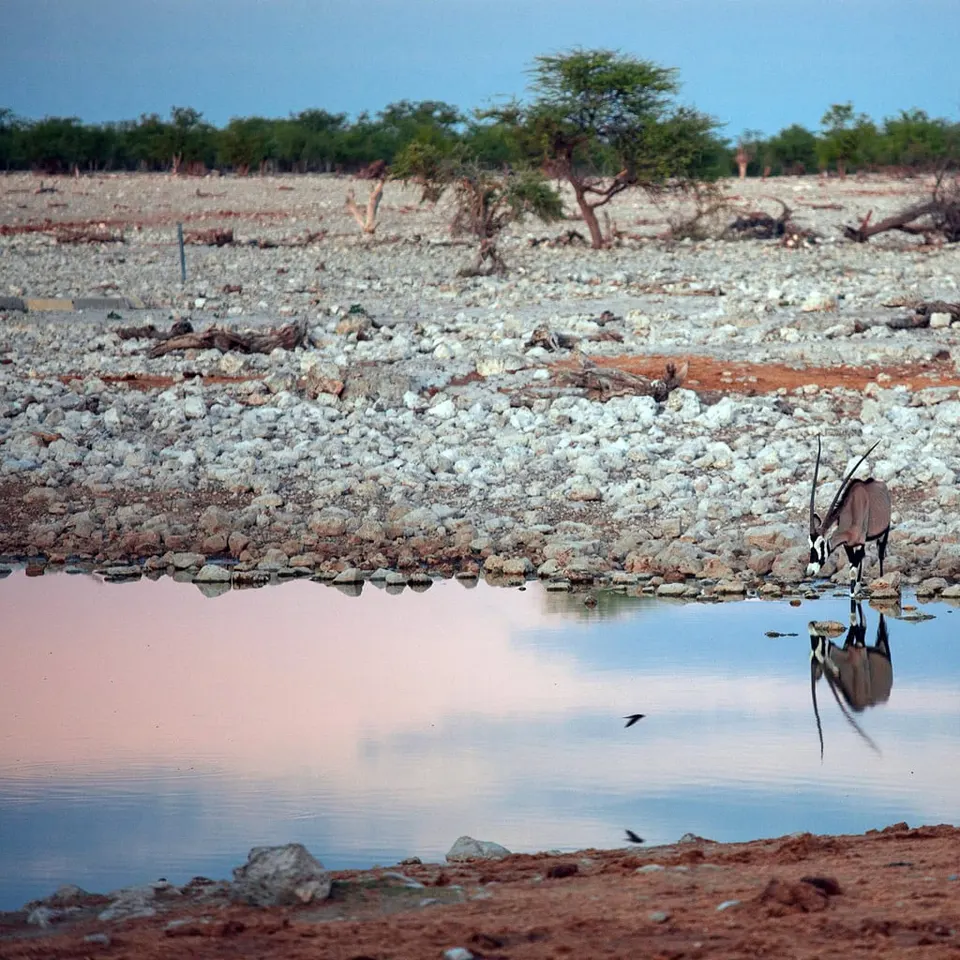
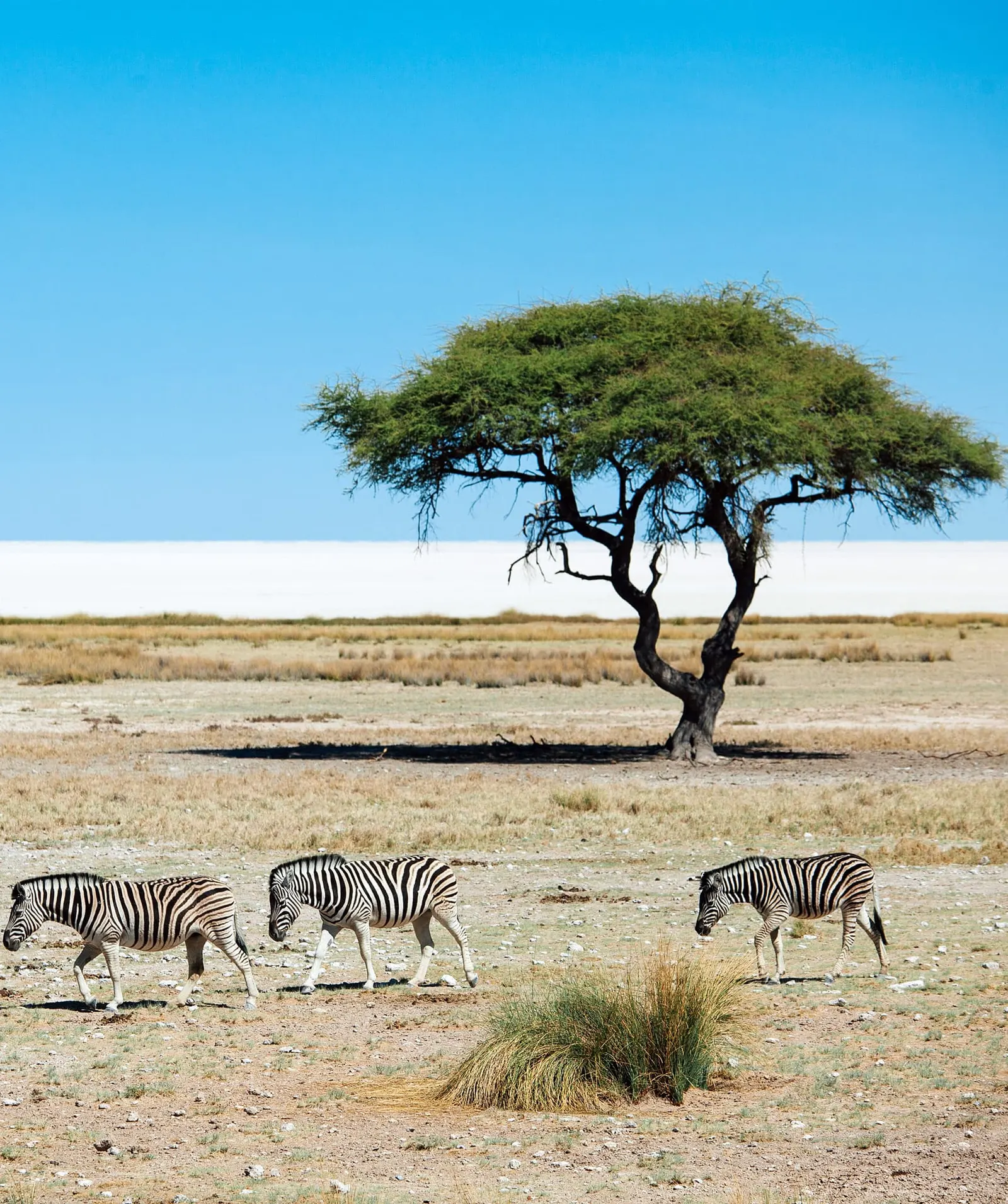
In the afternoon and the next day, wildlife viewing and animal photography take centre stage: you look out for elephants, rhinos, giraffes, various antelope species, lions and – with a little luck – leopards too.
You stay two nights at Mushara Bush Camp, just outside the National Park.
Day 5Etosha National Park – Grootfontein region
Driving distance approx. 250 km, pure driving time approx. 3 hours (excl. game drive in the park)
Learn more ↓
Etosha National Park – Grootfontein region
Getting up early is worthwhile again today. After an early breakfast, a final game drive in Etosha National Park awaits you. Make the most of the opportunity to watch animals you may not have encountered in recent days – every safari day is unique and often holds surprises.
You then leave the Etosha region and drive to Roy's Rest Camp, a simple, rustic accommodation on the private farmland “Elandslaagte”. On the way, you pass the Hoba meteorite, the largest known meteorite mass on Earth, made of solid iron.
In the afternoon, a short walk offers the chance to go birdwatching, and in clear conditions, after dark, the starry sky can be photographed. Overnight at Roy's Rest Camp.
Day 6Grootfontein region – Kavango region
Driving distance approx. 380 km; pure driving time approx. 4–5 hours
Learn more ↓
Grootfontein region – Kavango region
Today you travel into the Caprivi Strip. You stop in Rundu, the economic centre of the Kavango region, for a little shopping. There is a lively market life there, and local fishermen and farmers offer their produce for sale.
The Caprivi Strip is a relic of the “crazy” colonial border architecture that was meant to create a continuous link between German South West Africa and German East Africa. For many years this region was inaccessible to visitors, as border disputes between Namibia, Angola and Botswana prevented a safe visit.
It is precisely this decades-long state of being untouched that gives this area its special appeal today.
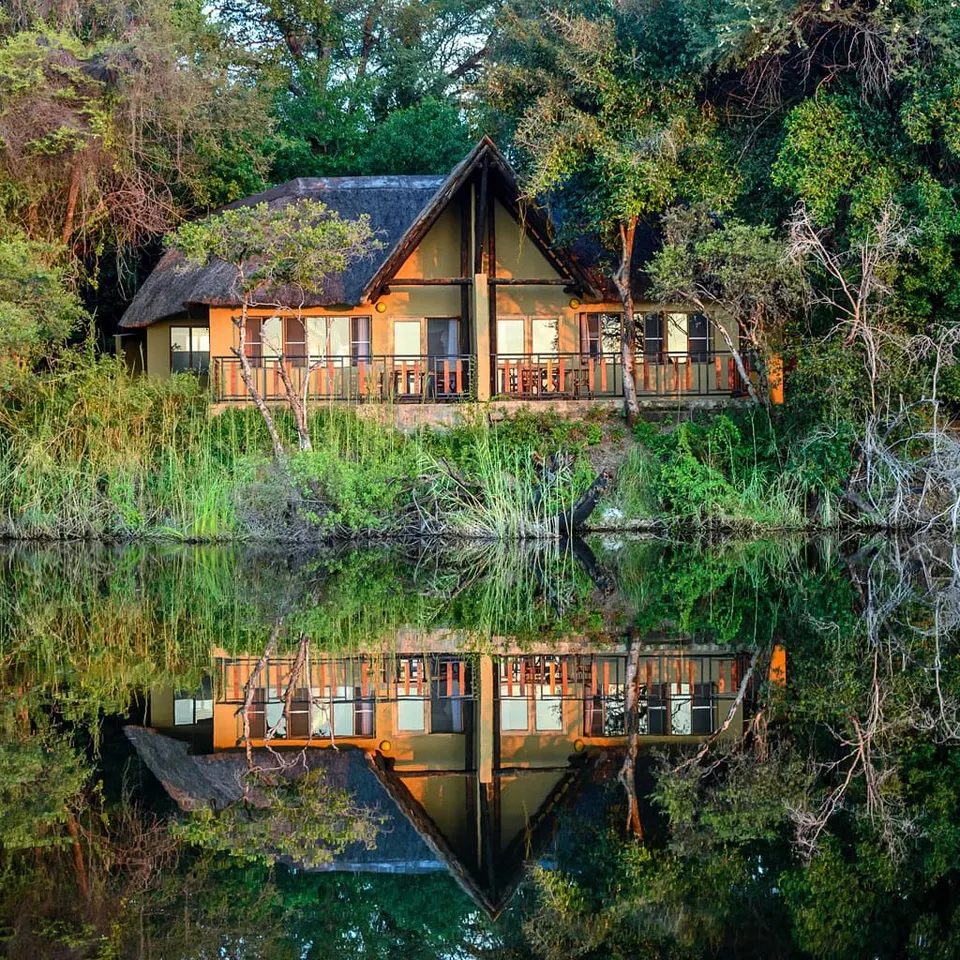
Your destination for the day is Mobola Island Lodge right on the Okavango River. Here you can recover from the long drive and enjoy an ice-cold Rock Shandy at the island bar .
Day 7Kavango region, Mahango National Park
Driving distance depending on route choice
Learn more ↓
Kavango region, Mahango National Park
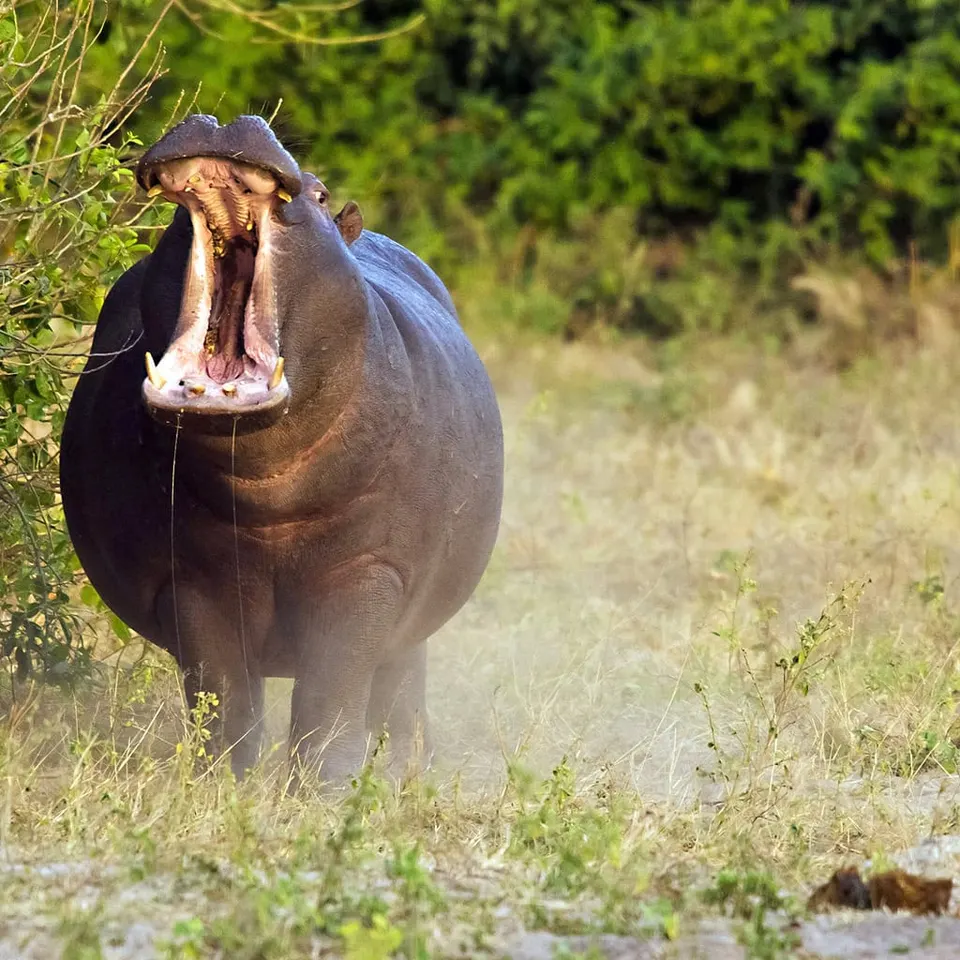
Today, after breakfast, you set off for Mahango National Park, a fascinating part of Bwabwata National Park. Here you can watch the diverse wildlife, including elephants, buffalo, hippos and various antelope species, and capture the scenery on camera in the early morning hours.
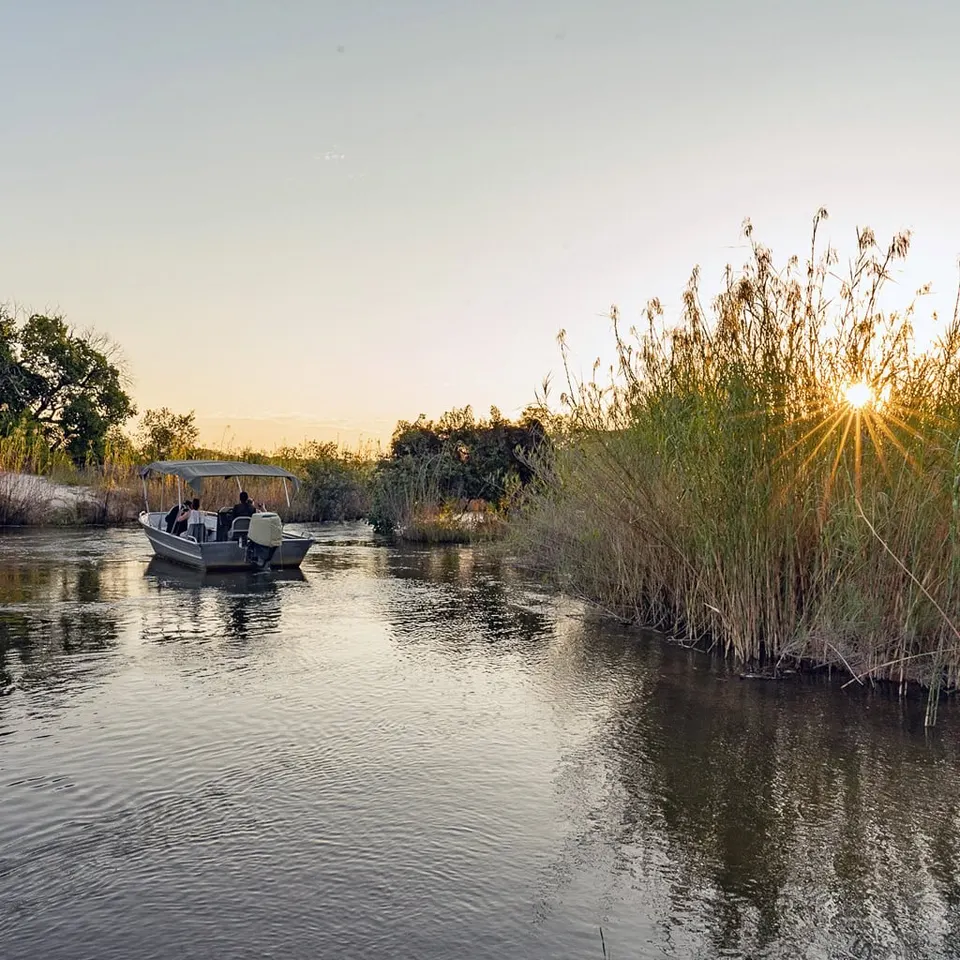
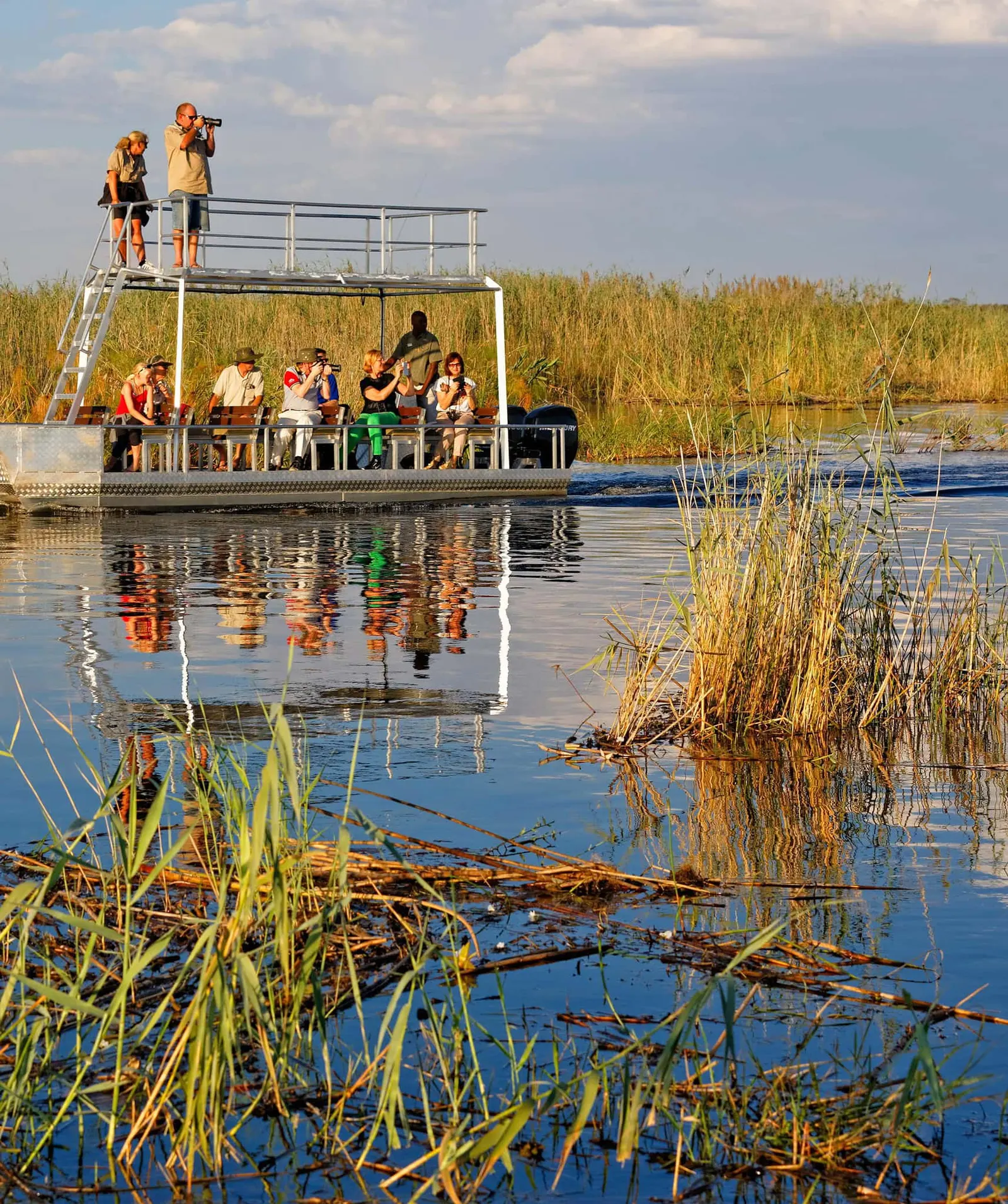
In the late afternoon, you go on a boat trip on the Okavango River, enjoy the warm light of the setting sun and have the chance to photograph the river landscape up close. You spend your second night at Mobola Island Lodge again, where you enjoy the idyllic river view and let the day come to a relaxed close.
Day 8-9Kavango region – Zambezi Region
Day 8 driving distance: approx. 260 km; pure driving time approx. 3–3.5 hours
Learn more ↓
Kavango region – Zambezi Region
Your Namibia and Botswana photo safari takes you on into the Zambezi Region. Along the way, you pass small villages whose residents live from fishing and farming.
Your destination is the idyllically situated Namushasha River Lodge, a magical place where you first arrive and can treat yourself to a short break.
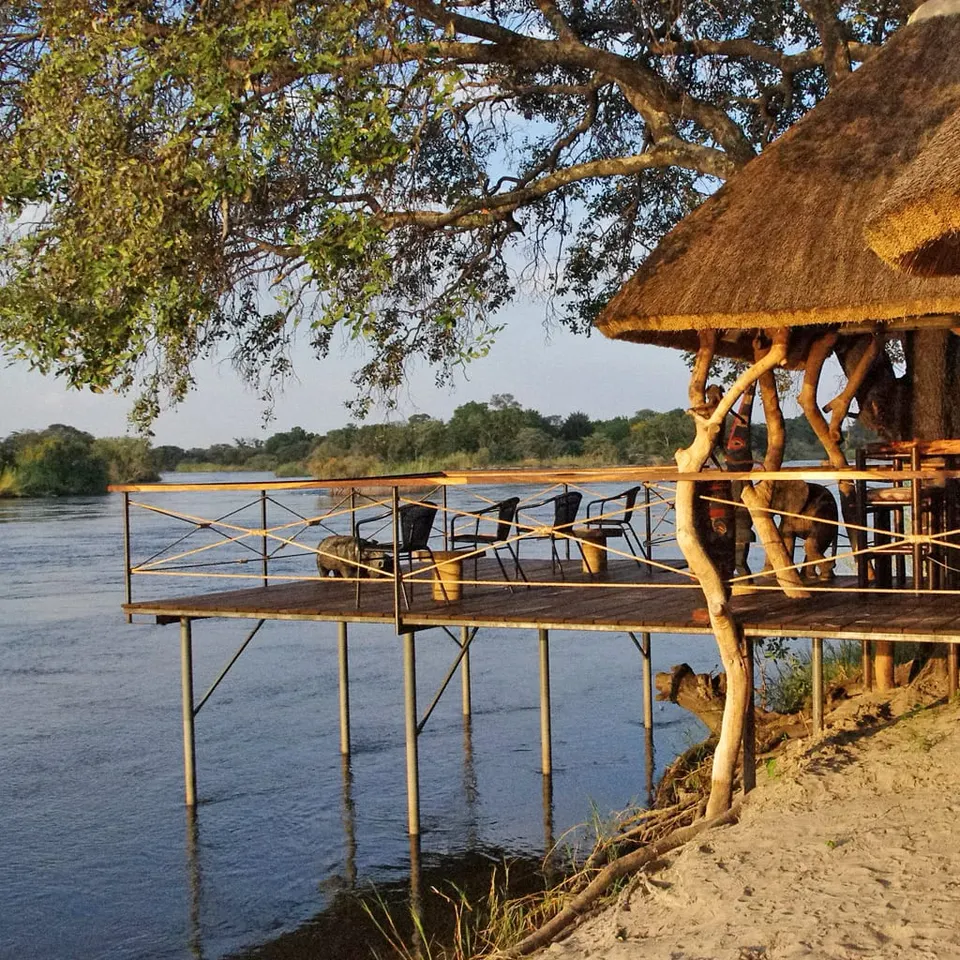
In the afternoon, you explore the surroundings on a boat trip on the gently flowing Kwando River, whose riverbanks and channels offer excellent subjects for nature and landscape photography. The rich birdlife also opens up numerous further perspectives.
The next morning, you go on an exciting game drive in Bwabwata or Mudumu National Park (which park you visit is decided together with your guide on site).
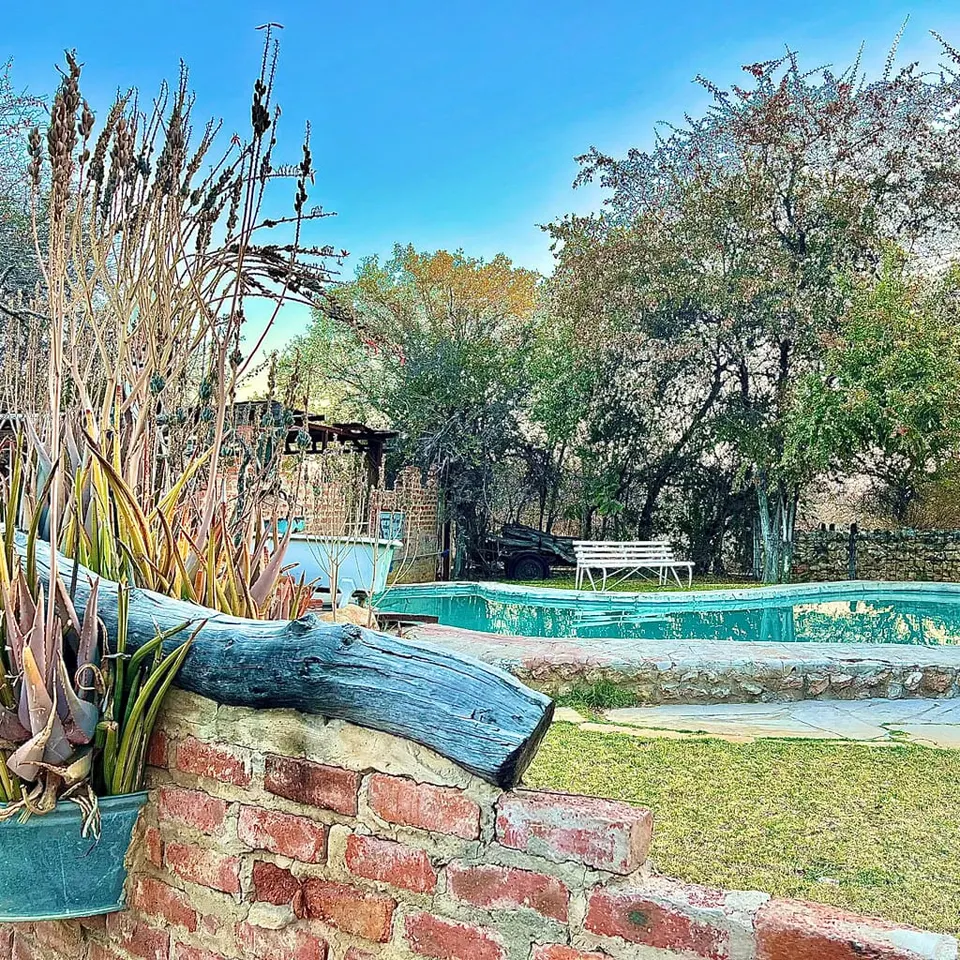
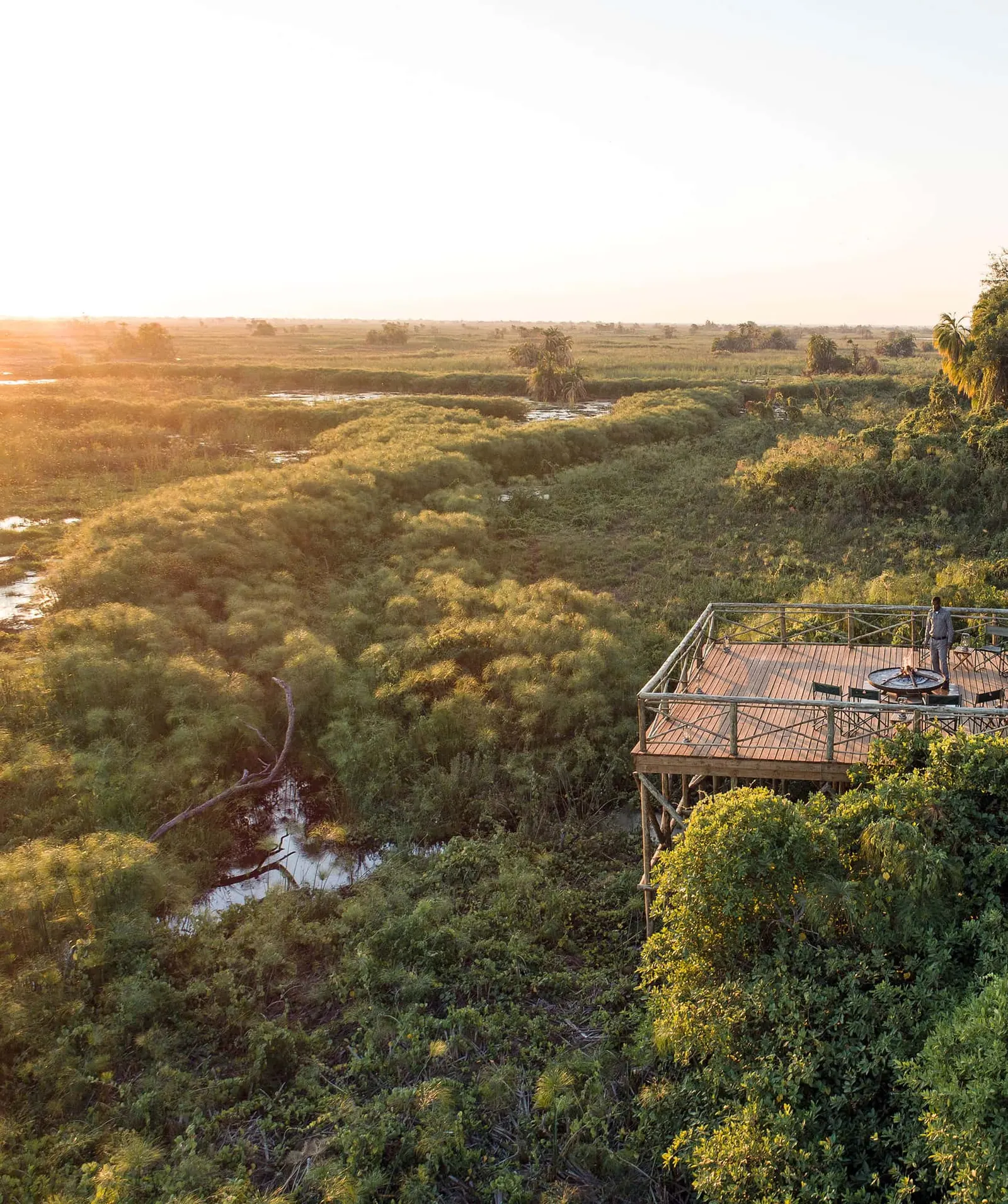
In the afternoon, you have time to relax at the lodge – whether by the pool or on the viewing deck right on the river, always with a view of the wildlife and the enchanting river landscape. You stay two nights at Namushasha River Lodge.
Day 10-11Zambezi Region – Kasane, Chobe National Park
Day 10 driving distance: approx. 260 km; pure driving time approx. 3–4 hours
Learn more ↓
Zambezi Region – Kasane, Chobe National Park
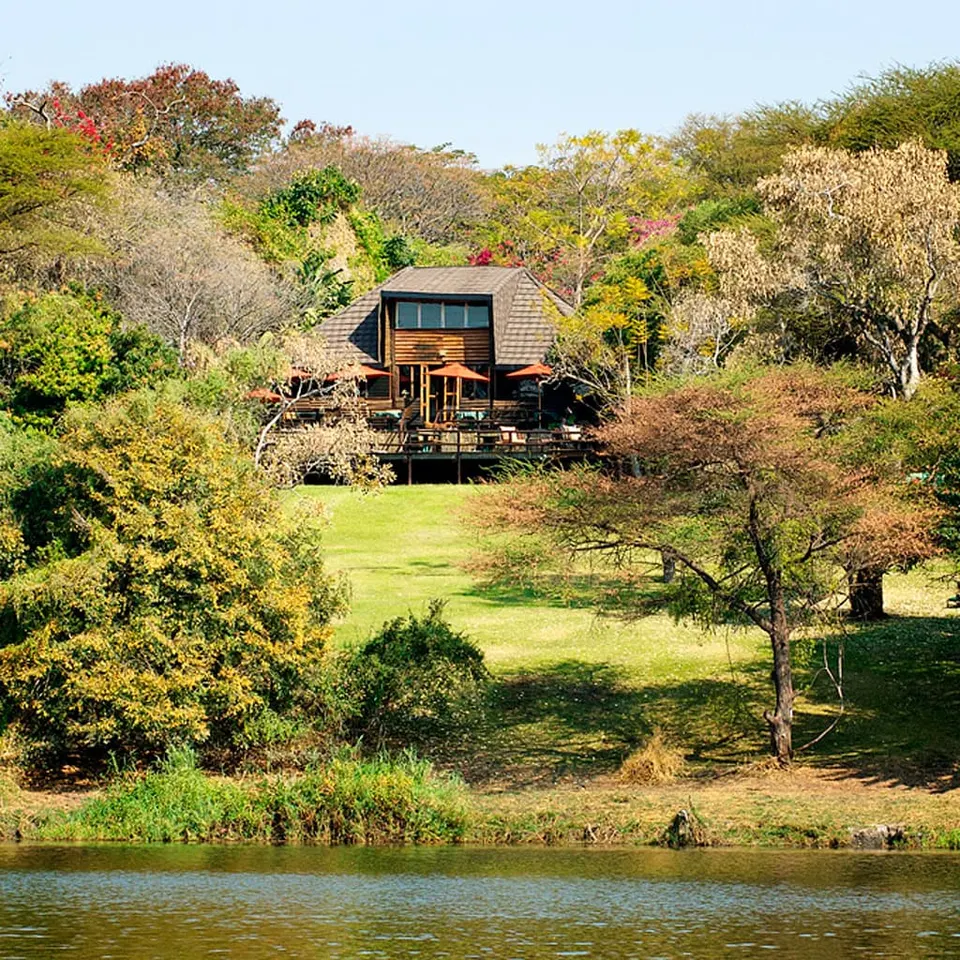
You leave Namibia and cross the border into Botswana. On the banks of the Chobe River, you check in to Kubu Lodge.
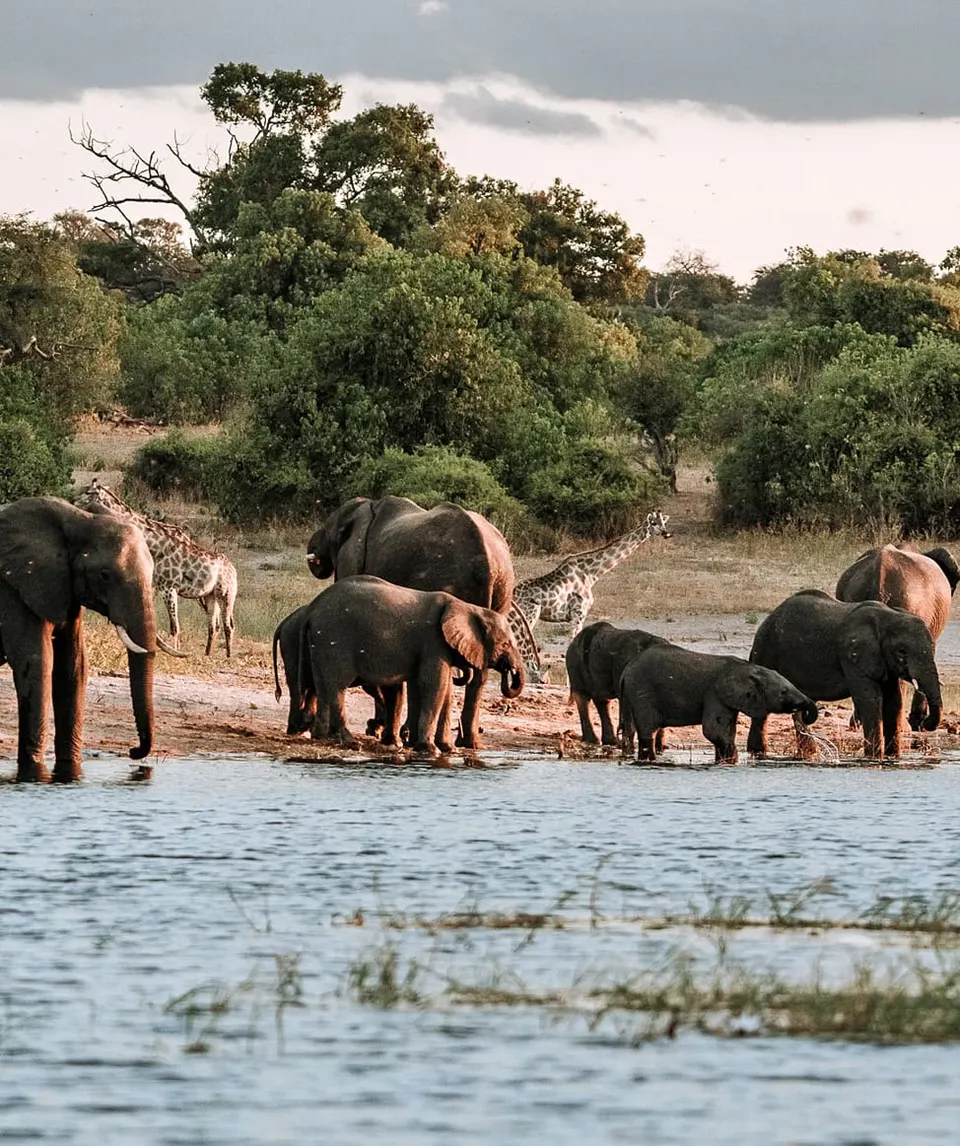
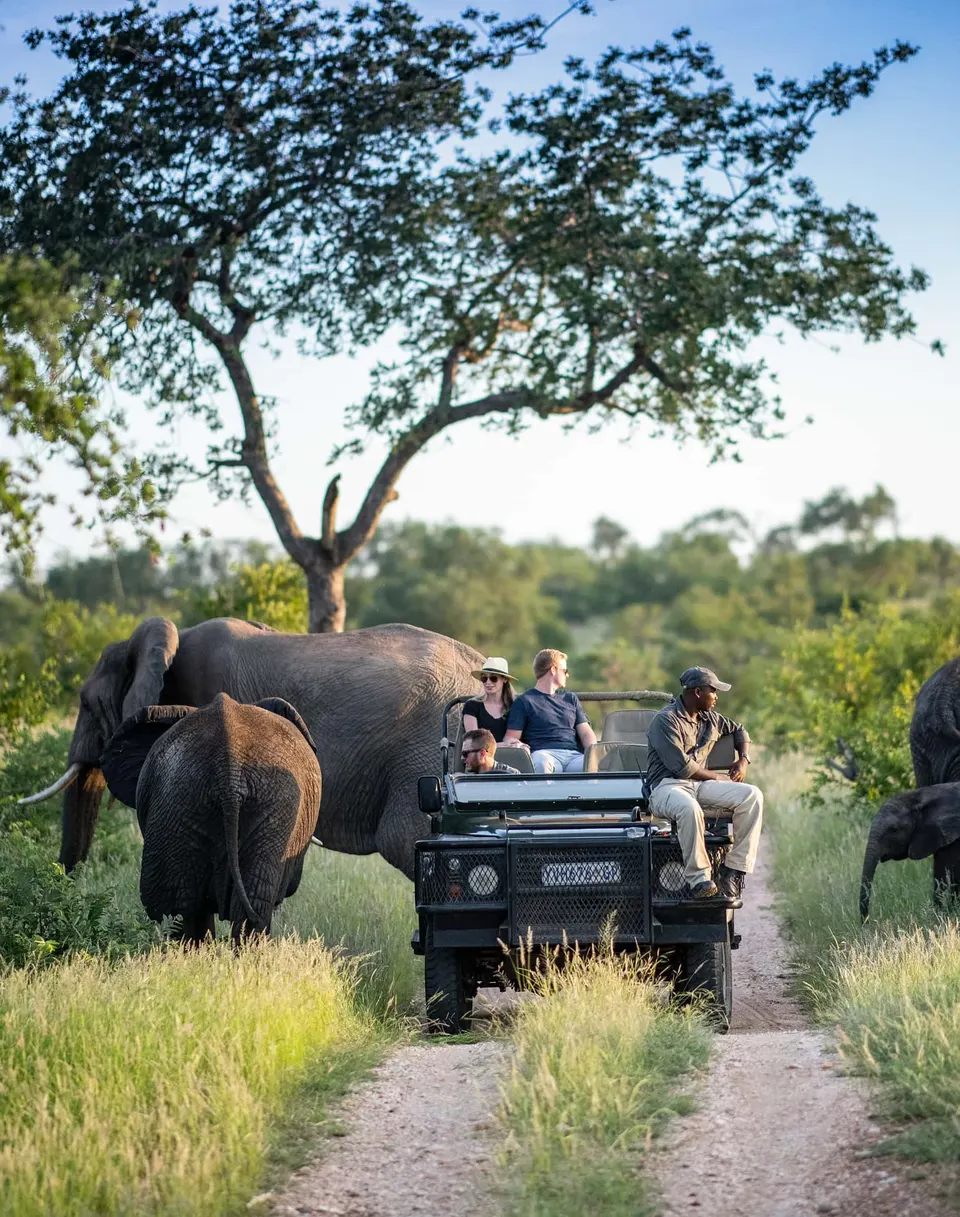
After a light lunch snack, wildlife viewing is once again the focus. In the afternoon and on the following day, you explore the wildlife of Chobe National Park both by boat and on extended game drives in an open 4×4 safari vehicle.
With more than 40,000 pachyderms, the park is home to the largest elephant population in southern Africa, and the Big Five can often be seen. Look out for large buffalo herds, lion prides, leopards and other big game, while impressive photo subjects keep presenting themselves.
From the boat, you can also watch herds of animals coming to the riverbank to drink, a unique moment for nature photography. Two nights at Kubu Lodge.
Day 12-13Kasane – Victoria Falls
Day 12 transfer: Kasane – Victoria Falls; pure driving time approx. 2 hours
Learn more ↓
Kasane – Victoria Falls
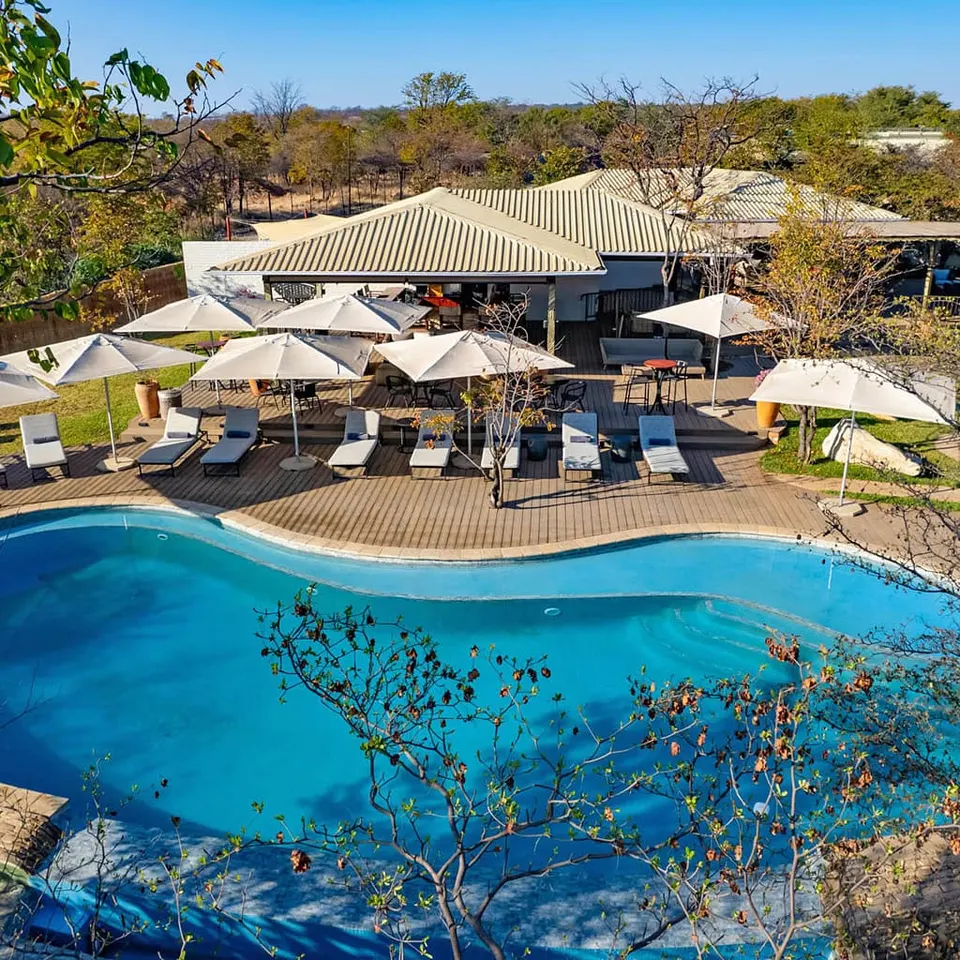
After breakfast, you cross the border into Zimbabwe and reach the town of Victoria Falls, where you spend the last two nights of your Namibia and Botswana photo safari at Insika Lodge, a quiet retreat on the edge of town.
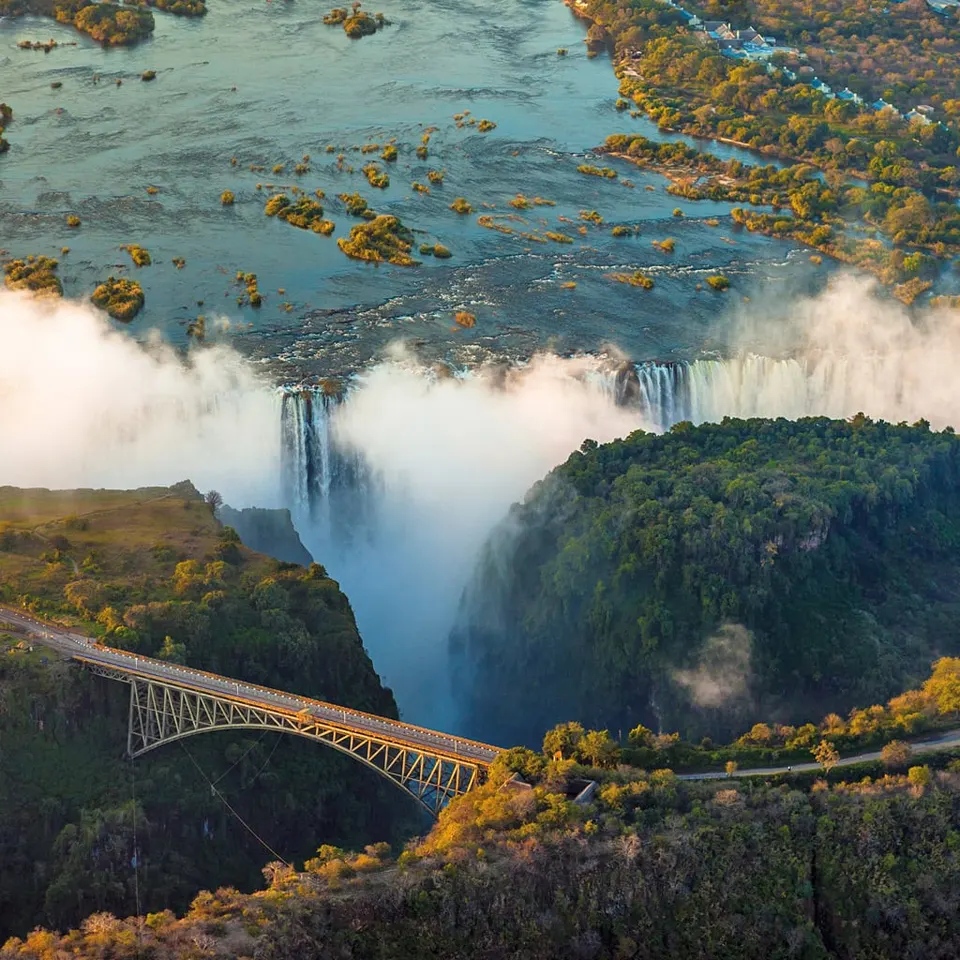
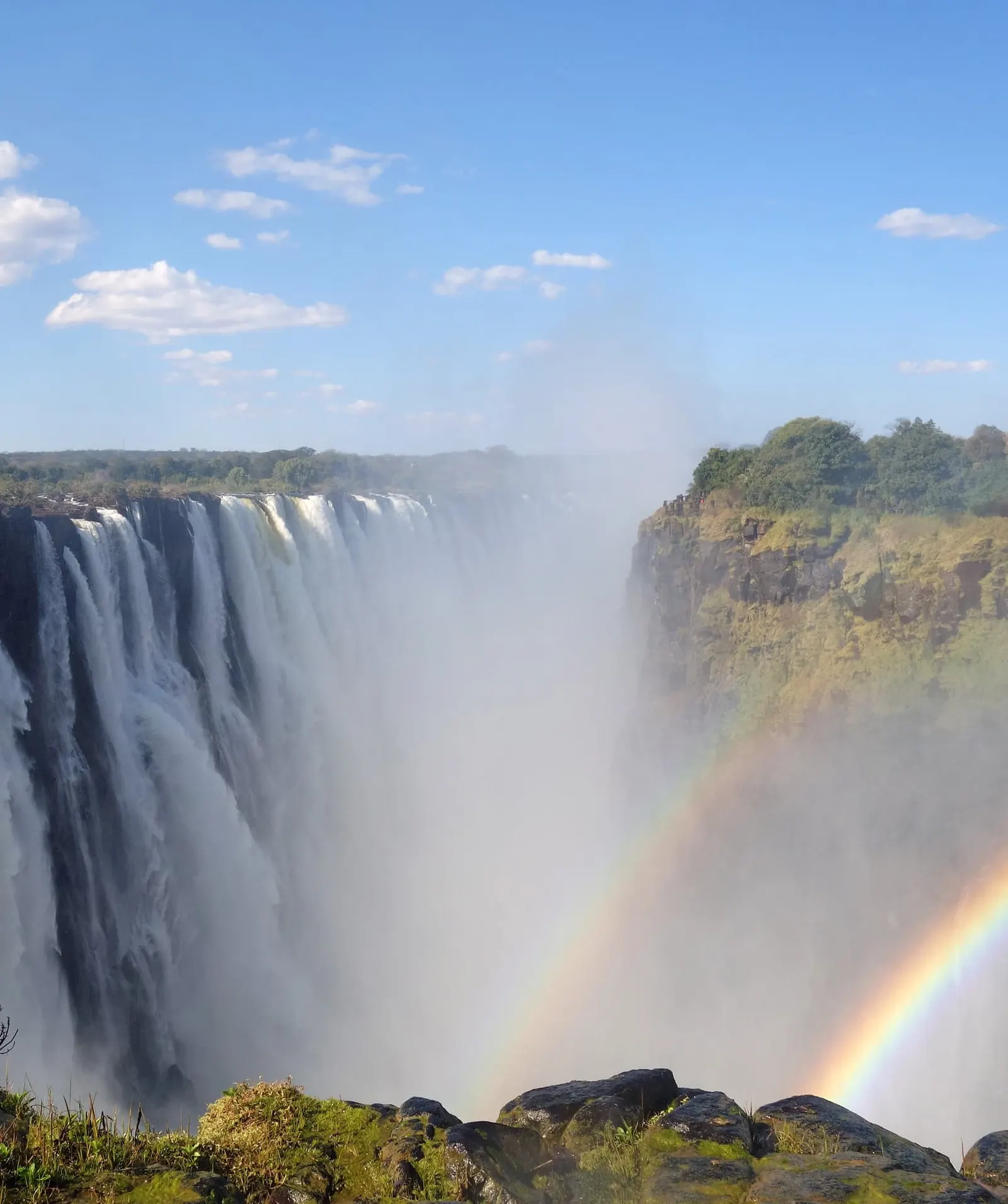
On a leisurely walk, you visit “Mosi-oa-Tunya” – “the smoke that thunders”. Victoria Falls are the second-largest waterfalls in the world: across a width of almost two kilometres, the mighty Zambezi plunges more than 100 metres – an impressive natural spectacle that is superb to capture on camera.
Afterwards, you can stroll across the large souvenir market or wander through town. In the evening, a visit to one of the local restaurants is a good idea (at your own expense).
The following day is available for optional activities, including scenic flights over Victoria Falls, a several-hour sunset boat trip, white-water rafting or bungee jumping.
Day 14Victoria Falls
Transfer Insika Lodge – Victoria Falls airport; pure driving time approx. 30 minutes
Learn more ↓
Victoria Falls
Your trip now comes to an end – with many varied impressions and unforgettable experiences in your luggage. You say goodbye to your guide and fellow travellers before being taken to Victoria Falls airport to begin your journey home or onward.
We would be happy to help you arrange a follow-on stay.
Accommodation
Dates & prices
| Start | End | Price per person, double room | Single supplement | Tour language | |
|---|---|---|---|---|---|
| 07.06.2027 | 20.06.2027 | 7.290 € | 690 € | Enquire | |
| 07.06.2028 | 20.06.2028 | 7.790 € | 690 € | Enquire |
All prices exclude international flights. If you are unsure of your travel dates, simply send us a non-binding enquiry .
Included
- Itinerary as described
13 nights in lodges, tented camps or guesthouses
Transport during the tour in a 4×4 tour vehicle
Guaranteed window seat
Professional, German-speaking guide
Meals as specified
Activities as specified
All National Park fees
Not included
- Flights (domestic and international)
Visas
Drinks and meals not specified
Optional activities, tips, personal expenses
Private travel insurance
Group size
4 to 10 people
You might also like
Tipping in Namibia: what is customary and appropriate?
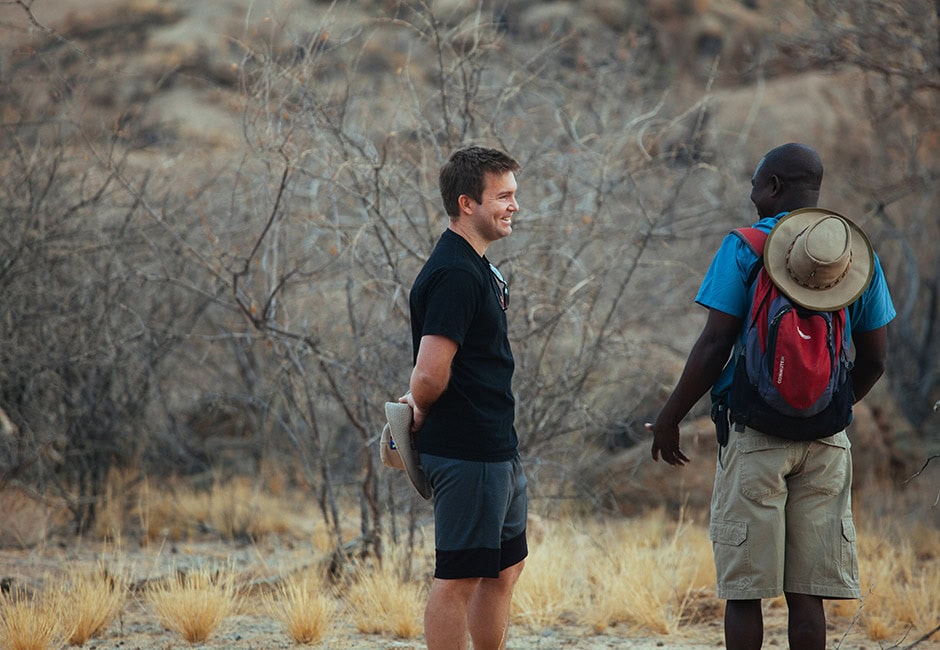
Whether in restaurants or hotels, or after guided tours with local guides, many tourists ask themselves: “What about tipping in Namibia: what is customary and appropriate?” Today's blog has the answers. Why tipping matters in Namibia First of all: tipping in Namibia is not compulsory but voluntary. At the same time,
Honeymoon in Namibia: unforgettable honeymoon in Africa
Honeymoon in Namibia: between breathtaking landscapes, unforgettable wildlife encounters, vibrant cultures and exciting experiences – a trip that brings you even closer together as a couple.
Damaraland in Namibia – Your Guide to Nature, Culture & Adventure
Discover fascinating Damaraland in Namibia – a place full of breathtaking nature, rich culture and exciting adventures!