Group tours in Uganda
Explore Uganda on group tours: gorilla trekking, authentic safari experiences, professional guides. Book now with the experts!
Uganda group tours
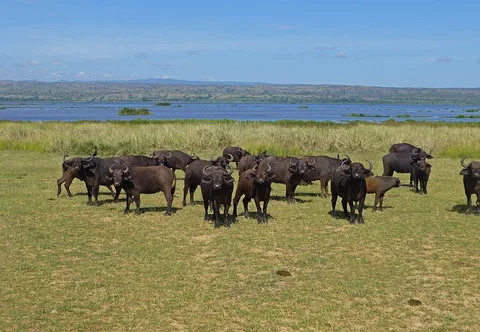
On our guided Uganda group tours you discover unspoilt National Parks, go on game drives and boat trips and encounter elephants, lions and many other wild animals.
Together with international fellow travellers you experience varied safari days and impressive landscapes.
On guided small-group tours through Uganda you travel in a relaxed way through varied regions.
Your guide takes care of navigation, accommodation and meals, while you concentrate fully on wildlife viewing, nature experiences and encounters with the local culture.
Our most popular group tour in Uganda
All prices exclude international flights.
Highlights of group tours in Uganda
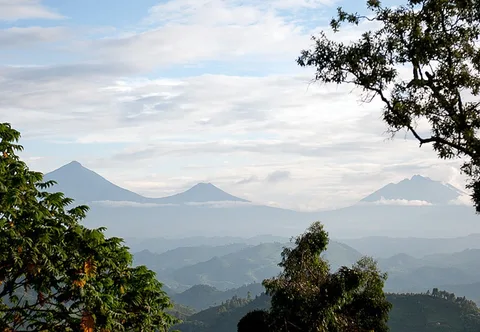
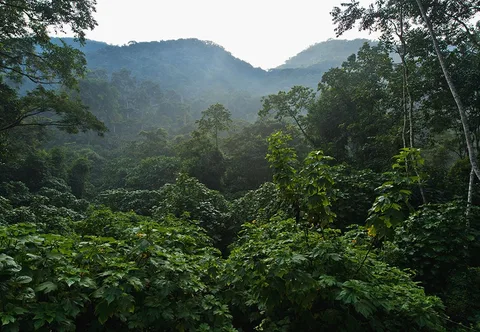
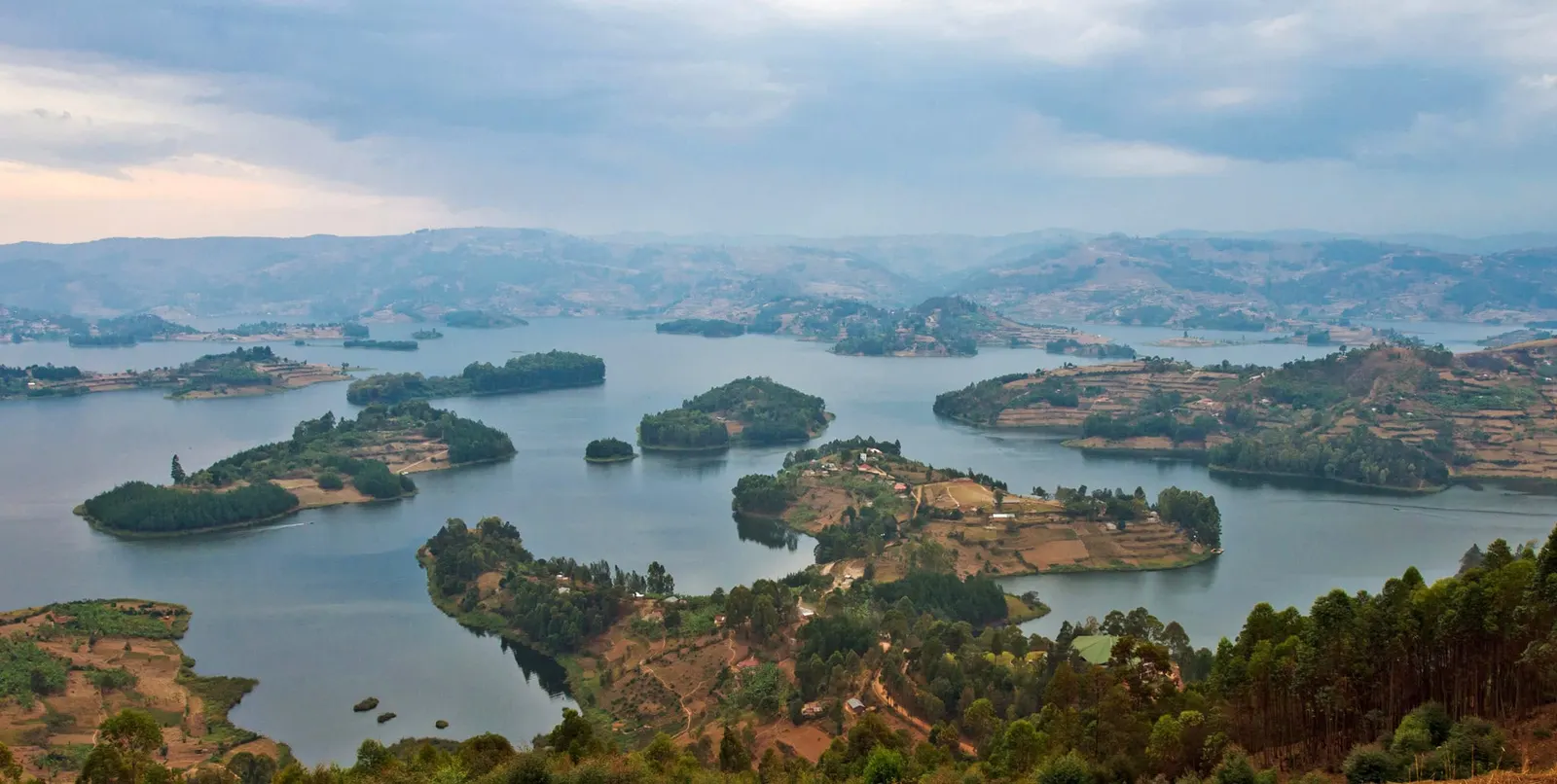
Uganda inspires with dense rainforest vegetation, wide savannahs and impressive lake landscapes.
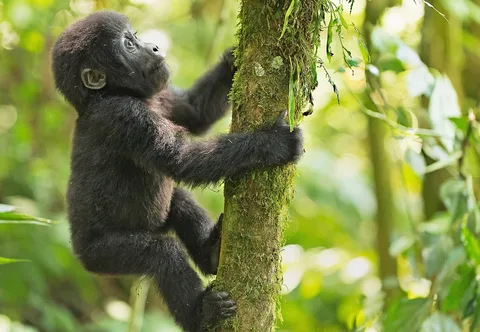
In Bwindi Impenetrable National Park you experience gorilla trekking, while game drives and boat trips on the Kazinga Channel await you in Queen Elizabeth National Park. Chimpanzee tracking in Kibale Forest is also among the special experiences.
On a group tour through Uganda, the following highlights await you, among others:
Mountain gorilla & chimpanzee trekking
Authentic safari experiences
Professional, experienced guides
Varied safari activities
Sights on group tours in Uganda
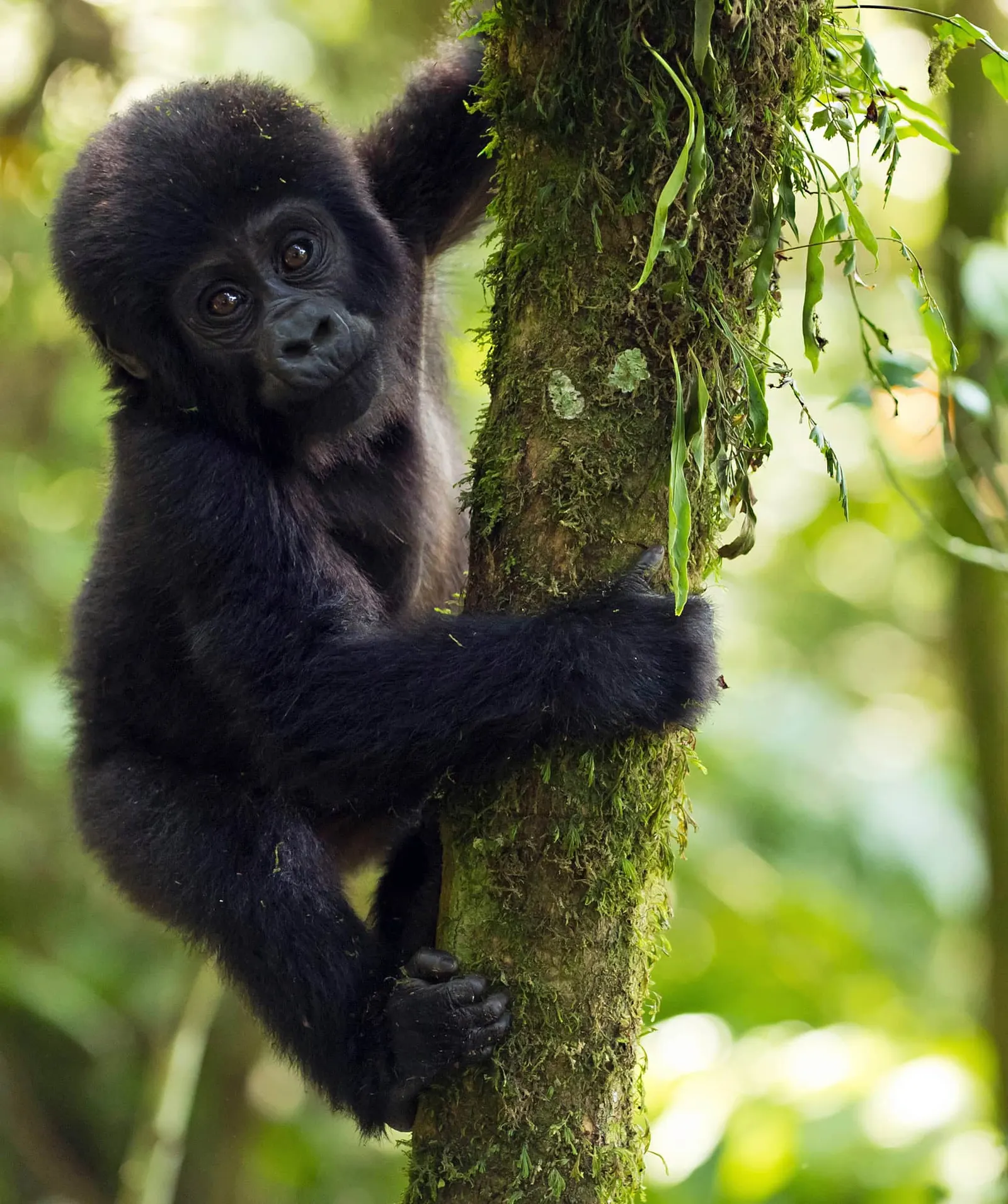
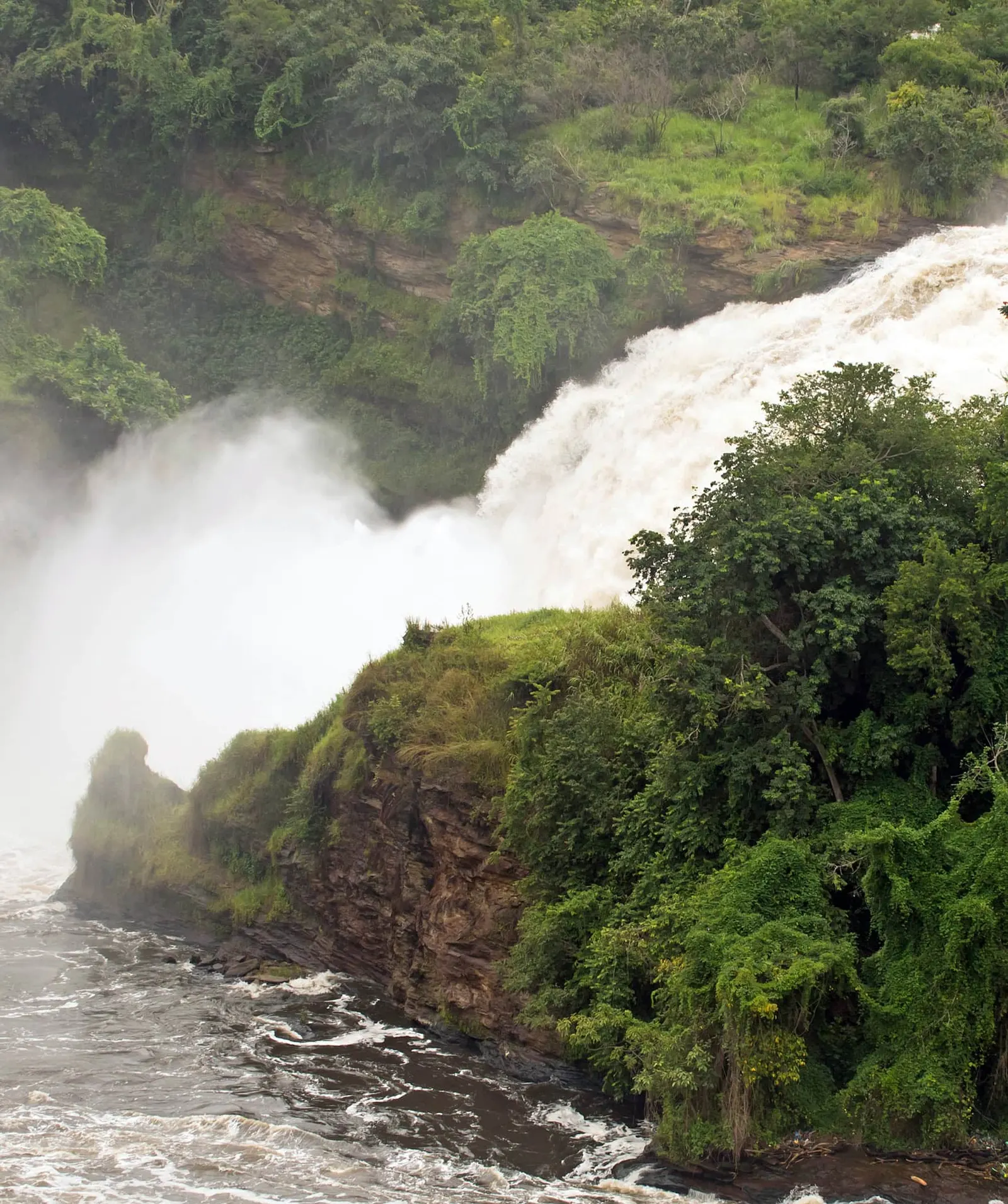
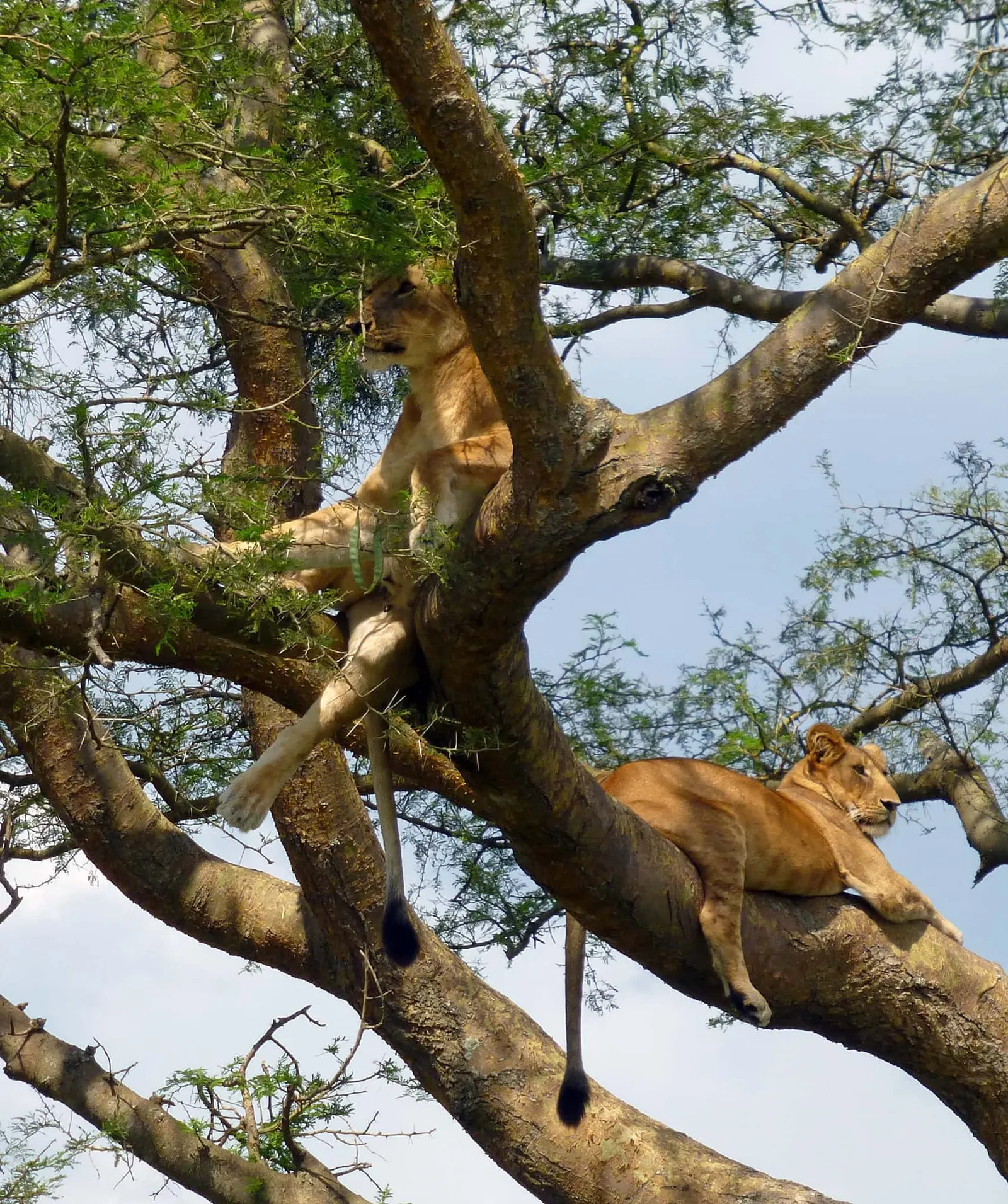
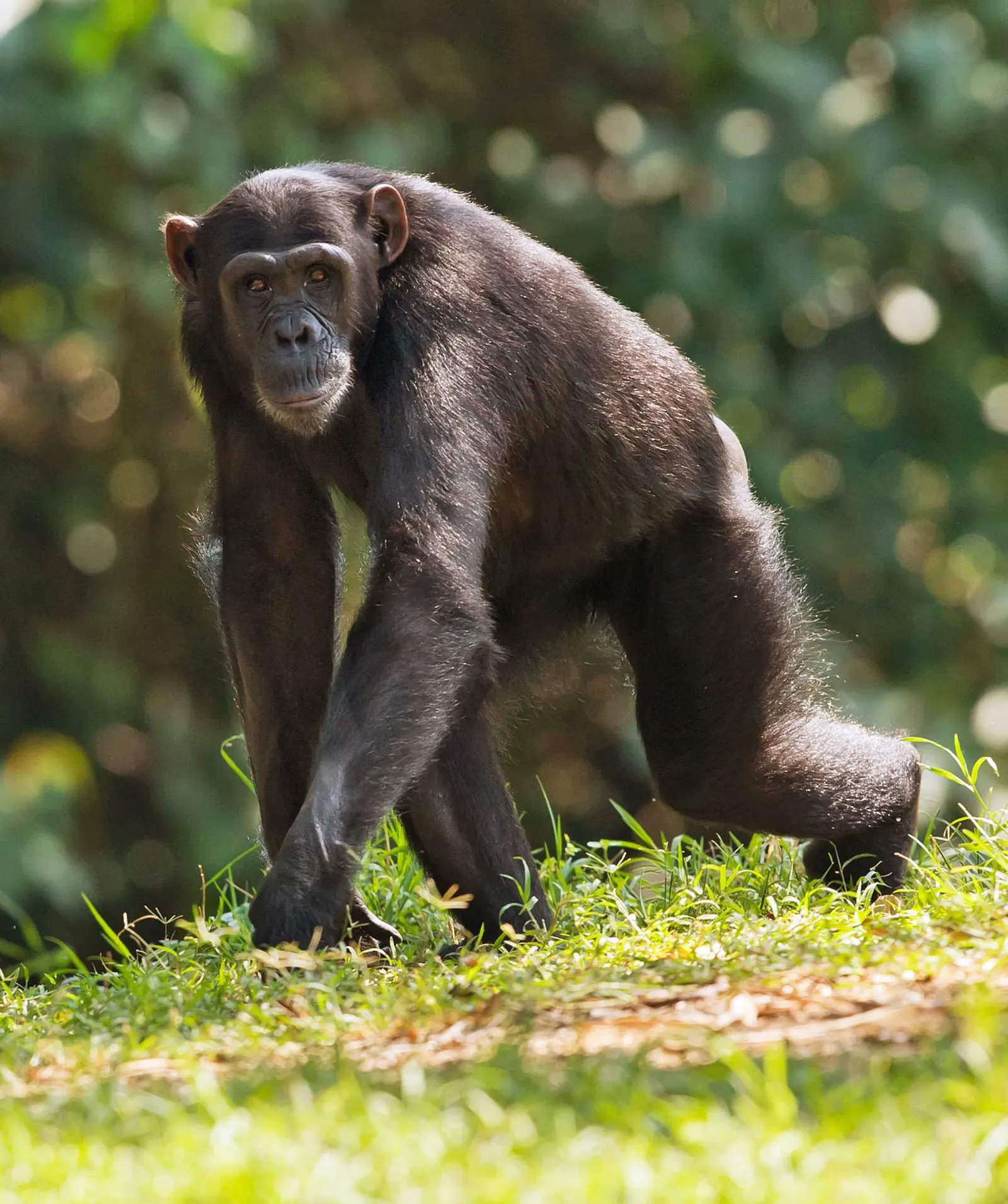
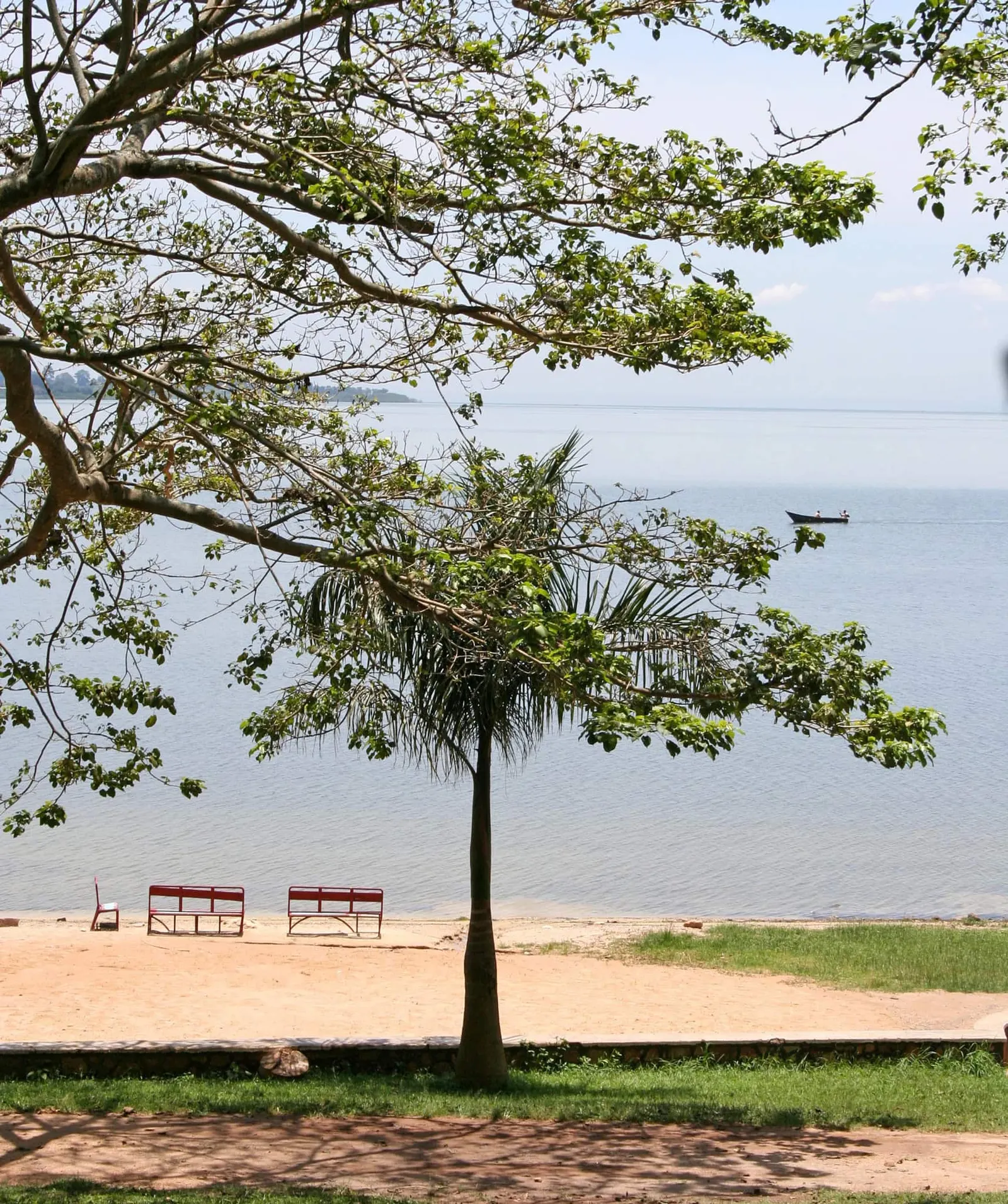
— Günther and Susanne
When is the best time to travel for a Uganda round trip?
The best time to travel for a Uganda round trip depends on which experiences are the focus – whether safari, gorilla trekking or birdwatching.
Because of its position on the equator, temperatures barely vary through the year, but Uganda has two dry seasons and two rainy seasons.
Dry seasons: June to August & December to February
These months are considered the best time to travel to Uganda. They offer:
- Ideal conditions for safaris in Uganda, e.g. in Queen Elizabeth National Park, Murchison Falls National Park or Kidepo Valley
- The best conditions for gorilla trekking in Bwindi Impenetrable Forest or Mgahinga Gorilla National Park. You can find more details on the best time to travel for gorilla trekking here.
- Animals gathering more often at waterholes – better visibility
- Mostly roads that are easy to drive
- Pleasant climate for longer stages.
This time is particularly suitable for travellers who travel in comfort, combine many National Parks and value predictable schedules.
Rainy seasons: March to May & September to November
The rainy seasons also have appealing aspects, including:
- Lush green landscapes, especially in the highlands and around Lake Victoria
- Excellent birdwatching in Uganda, as many migratory birds are present
- Fewer tourists and in some cases more attractive prices
- Gorilla trekking with the challenge of a higher likelihood of rain and wet, slippery trails
Limitations can arise from poorer road conditions, especially in remote regions, and the less flexible route planning that goes with them. The transitional months could therefore be a good compromise.
Highlands & mountains in Uganda
If you visit regions with differences in altitude – such as the Rwenzori Mountains, Bwindi Impenetrable Forest or south-western Uganda – you should expect changeable weather all year round and plan for suitable equipment.
How much time do you need for a group tour in Uganda?
The ideal length of a group tour in Uganda depends on the highlights you want, the route and the pace of travel. The more highlights you want to combine, the more important it is to allow enough time to enjoy an intense but relaxed travel experience.
A Uganda group tour such as our 13-day round trip Uganda – the Pearl of Africa offers the best balance of adventure and relaxation. Besides gorilla trekking and the Kibale, Queen Elizabeth and Lake Mburo National Parks, it also includes the Rwenzori Mountains and Murchison Falls.
This length is ideal for travellers who want to experience Uganda comprehensively, but without overload.
Can Uganda round trips be combined with Tanzania or Kenya?
Yes, Uganda round trips can be combined very well with Kenya or Tanzania and are among the most popular East Africa combination trips. Uganda–Kenya safaris and Uganda–Tanzania round trips, which bring together different landscapes, wildlife and cultural highlights, are particularly in demand.
However, cross-border Africa round trips require careful planning. Important points are:
- Visa regulations (the East African Tourist Visa is valid for Uganda, Kenya and Rwanda, but not for Tanzania),
- well-coordinated transfers and flights
- and experienced tour operators and local guides.
We do not currently offer continuous combination trips with Uganda. However, we can organise a group tour in Uganda, a subsequent group tour in Tanzania or Kenya, and all the transfers you need.
Well-thought-out Uganda combination trips reward travellers with one of the most varied safari experiences in East Africa. If you have enough time, budget and flexibility, you can combine gorilla trekking, classic Big Five safaris and spectacular natural landscapes.
Contact our travel experts to find out more about the best Uganda round trips and group tours as well as Uganda combination trips. Thanks to our local sister companies in East Africa, we can support you exceptionally well on combination trips.
How many people are usually in a group on a Uganda group tour?
Uganda group tour: round trips
A Uganda group tour with us usually consists of 4 to 16 people. This group size has proven its worth on safaris, round trips and gorilla trekking combinations, as it offers a good balance between organisation, cost and an individual travel experience.
Uganda group tour: gorilla trekking
For gorilla trekking in Uganda, it is important to note that trekking groups are limited by law to a maximum of 8 people per gorilla family. Larger travel groups are split up automatically and each accompanied by licensed guides. This ensures a controlled and sustainable nature experience in Bwindi Impenetrable National Park or Mgahinga Gorilla National Park.
What kind of vehicle will I travel in on a Uganda group tour?
On group tours in Uganda you usually travel in specially equipped overland vehicles. These trucks were developed for longer distances and the varied road conditions in East Africa.
These robust vehicles are ideal for reliably reaching even the more remote regions of the country while providing a pleasant travel experience.
Inside, you will find practical and comfortable equipment with individual seats, seat belts and plenty of legroom.
Large windows mean you can always get a good view of Uganda's passing landscapes, perfect for wildlife viewing and photography on the move. In addition, roof hatches offer extra views while driving.
The vehicles also offer ample storage space for luggage and travel equipment. The equipment includes a drinking water tank, interior lighting, a small fridge and cooking facilities in the form of a gas stove, which is used outside the vehicle.
The driver's area is open, so that direct conversation with the driver is possible while driving. A pull-out step makes it easy to climb into the passenger area.
What travel styles are there in Uganda apart from group tours?
Besides guided group tours, Uganda offers a wide choice of alternative ways to travel that can be flexibly adapted to personal interests, budget and travel style.
Private trips
Many travellers opt for a tailor-made or private Uganda round trip with a driver-guide. This style of travel is ideal for couples, families or groups of friends who value flexibility, an individual pace and a private atmosphere.
Fly-in safaris
Our comfort and luxury trips offer high-quality safari lodges, exclusive camps and private activities in National Parks such as Queen Elizabeth or Murchison Falls. Fly-in safaris take travellers by light aircraft quickly and comfortably to different National Parks and reserves, without long drives.
These trips offer breathtaking views of the landscape and exclusive safari experiences in unique natural surroundings. The advantage – time saved and spectacular views from the air.
What are the meals like on a group tour in Uganda?
On a Uganda group tour, a lot is done together. For many travellers, that is exactly what makes this style of travel so appealing. You are not just a guest, but part of the travel group and of everyday life on the road.
Typically the group is divided into small “duty groups” who take turns with certain tasks. These mainly include cooking, washing up and tidying the kitchen area. The tour leader and driver coordinate everything and give clear instructions, so nobody needs any prior experience of outdoor cooking.
Cooking is mostly done on gas burners or mobile cooking stoves that belong to the overland truck. The meals are deliberately planned to be simple and practical, for example pasta, rice dishes, stews, salads or barbecue dishes. The food needed is organised by the tour operator and is included in the trip price. Drinks such as soft drinks, beer, wine or spirits are not included in the trip price.
For travellers with a vegetarian diet or special dietary requirements (vegan, gluten-free, allergies): these requests must be reported to us when booking, before the trip begins.
How much does a Uganda group tour cost?
The cost of a Uganda group tour is generally around 210 EUR per person per day. This price includes nights as described in the itinerary, transport in the overland truck,
camping equipment (except sleeping bag and pillow), a professional guide, meals, activities, 1 chimpanzee permit per person, a boat trip on the Nile and all National Park fees.
Not included: international flights, visas, drinks and meals not stated in the itinerary, optional activities, tips, personal expenses, private travel insurance and the gorilla permit (800 USD per person, as of January 2026).
You might also be interested in: