Your trip
This 16-day round trip through northern Namibia is for Namibia connoisseurs who like to travel off the beaten track and get to know the unfamiliar. Picturesque landscapes in the Erongo Mountains, the wild wildlife of Damaraland, the idyllic nature on the Kunene River, the ancient culture of the Himba and the unique Okonjima Nature Reserve are waiting to be discovered by you. A visit to the famous Etosha National Park is of course also a must on this trip.
This trip is ideal for
Namibia connoisseurs
Focus on northern Namibia
Tailor-made travellers
Travel at your own pace by rental car
Culture enthusiasts
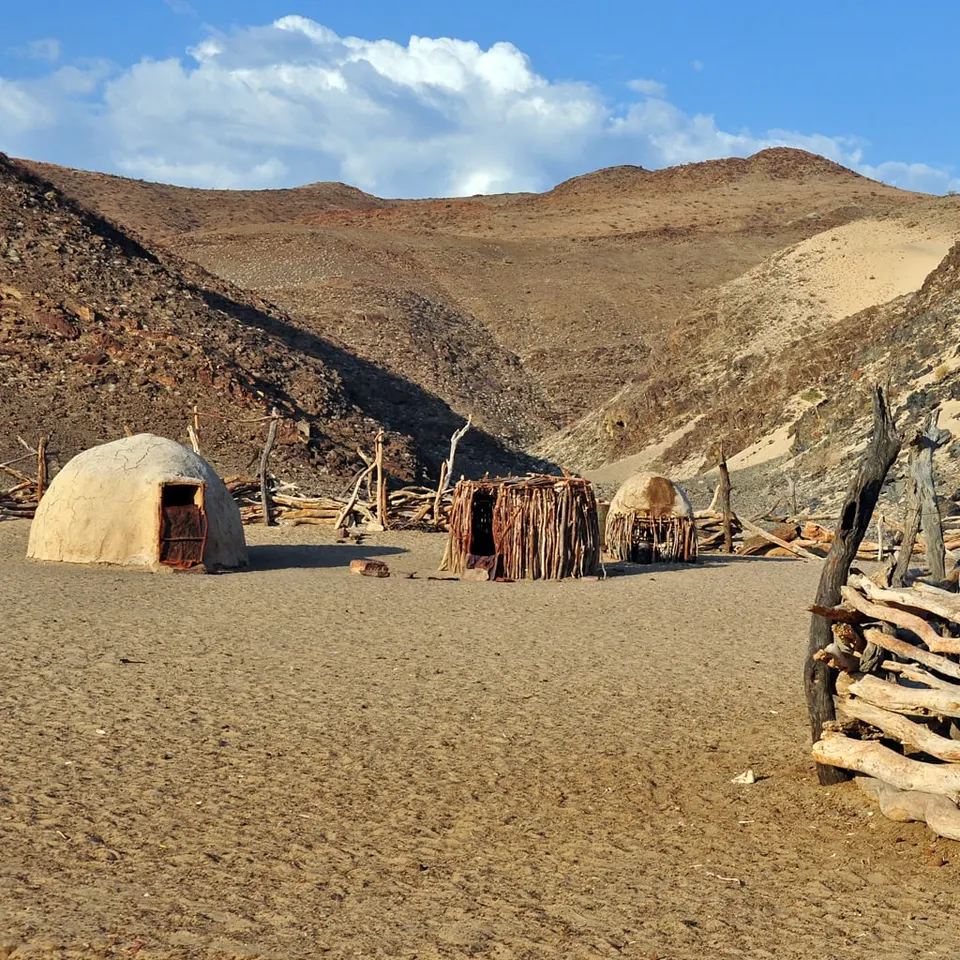
Get to know the culture of the Himba
Nature lovers
Beautiful landscapes & unique wildlife
Your Africa travel expert: Verena Brode
— Gerd
Gallery
Highlights
Itinerary
Tip: open a day – the map jumps to that place.
Day 1Windhoek
Driving distance approx. 50 km; pure driving time approx. 1 hour
Learn more ↓
Windhoek
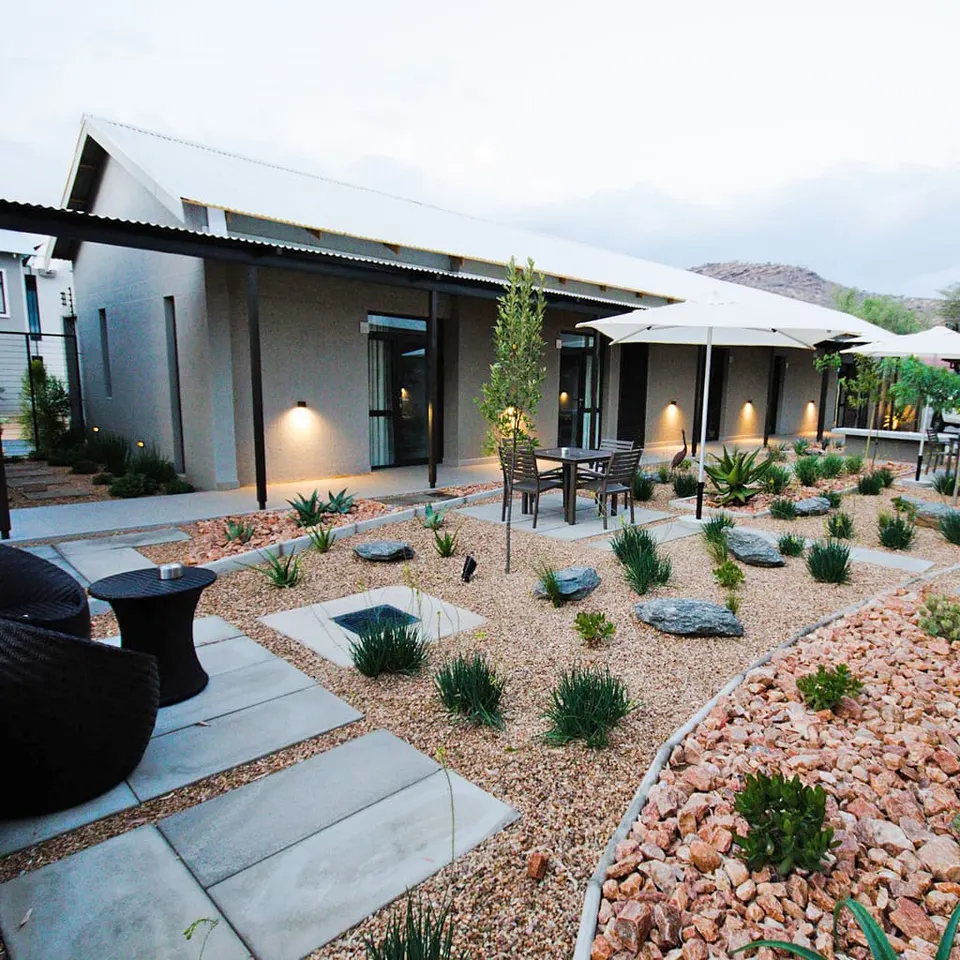
After your arrival at Windhoek airport, you pick up your rental car and drive to your booked accommodation. You can spend the rest of the day recovering from the long flight at your accommodation or visiting the city’s sights, such as the National Art Gallery with works by local artists or the National Museum with interesting details on Namibia’s history. You stay at Elegant Guesthouse. Windhoek has a varied selection of restaurants.
Day 2-3Windhoek – Erongo Mountains
Driving distance day 2: approx. 400 km; pure driving time approx. 5–6 hours
Learn more ↓
Windhoek – Erongo Mountains
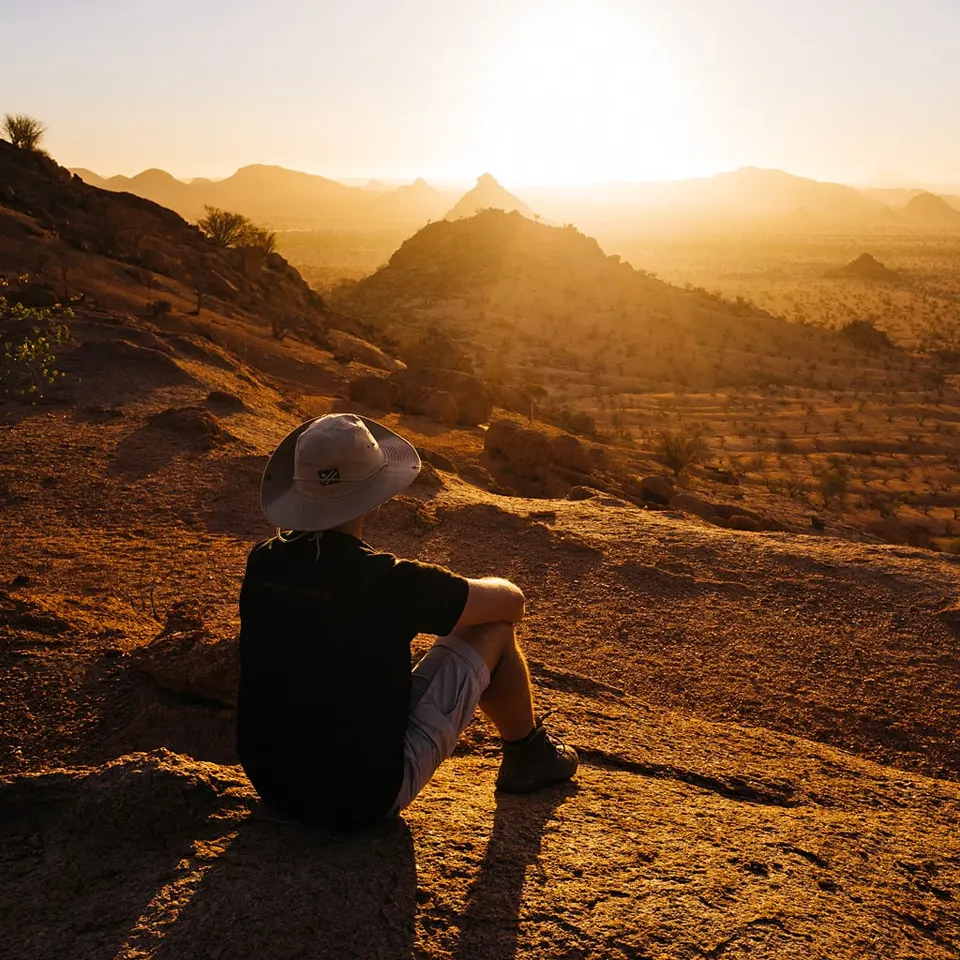
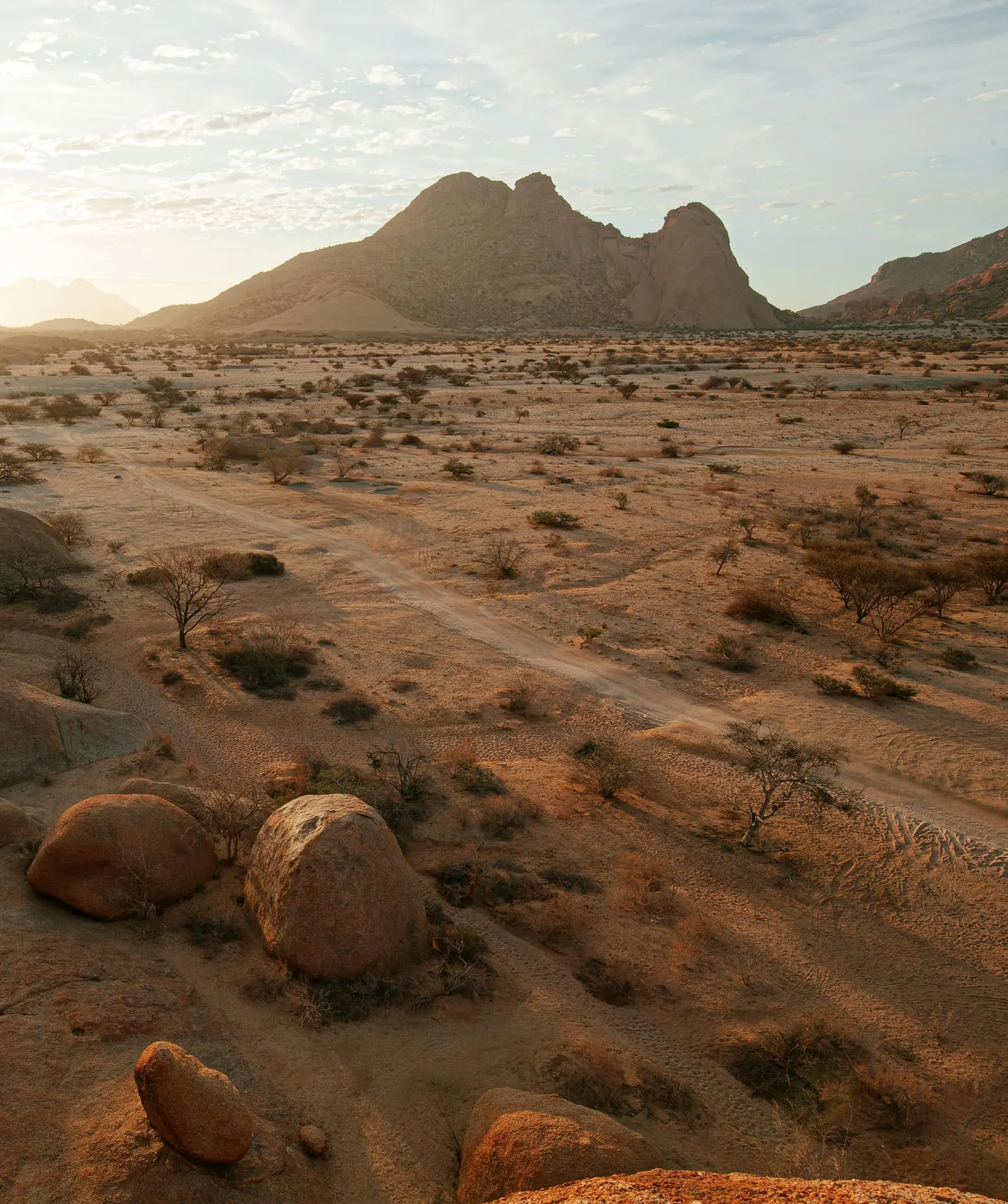
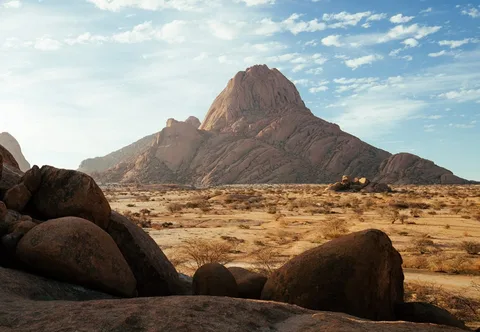
You leave Namibia’s capital and drive north-west. Visit the Spitzkoppe, which is visible from far away at a height of approx. 1,730 metres. Climb one of the gigantic granite rocks; the view from the top will amaze you. On site, join a local guide to see the impressive rock paintings (optional). Then you drive into the Erongo Mountains. Today’s destination is Otjohotozu Guest Farm. On optional game drives and along well-marked hiking trails you can explore the grounds of the guest farm or relax in the unique surroundings. Alternatively, an excursion to the nearby San open-air museum is also an option. There you can take part in a guided bush walk and learn more about the way of life and traditions of the San.
Day 4Erongo Mountains – Twyfelfontein
Driving distance approx. 260 km; pure driving time approx. 4 hours
Learn more ↓
Erongo Mountains – Twyfelfontein
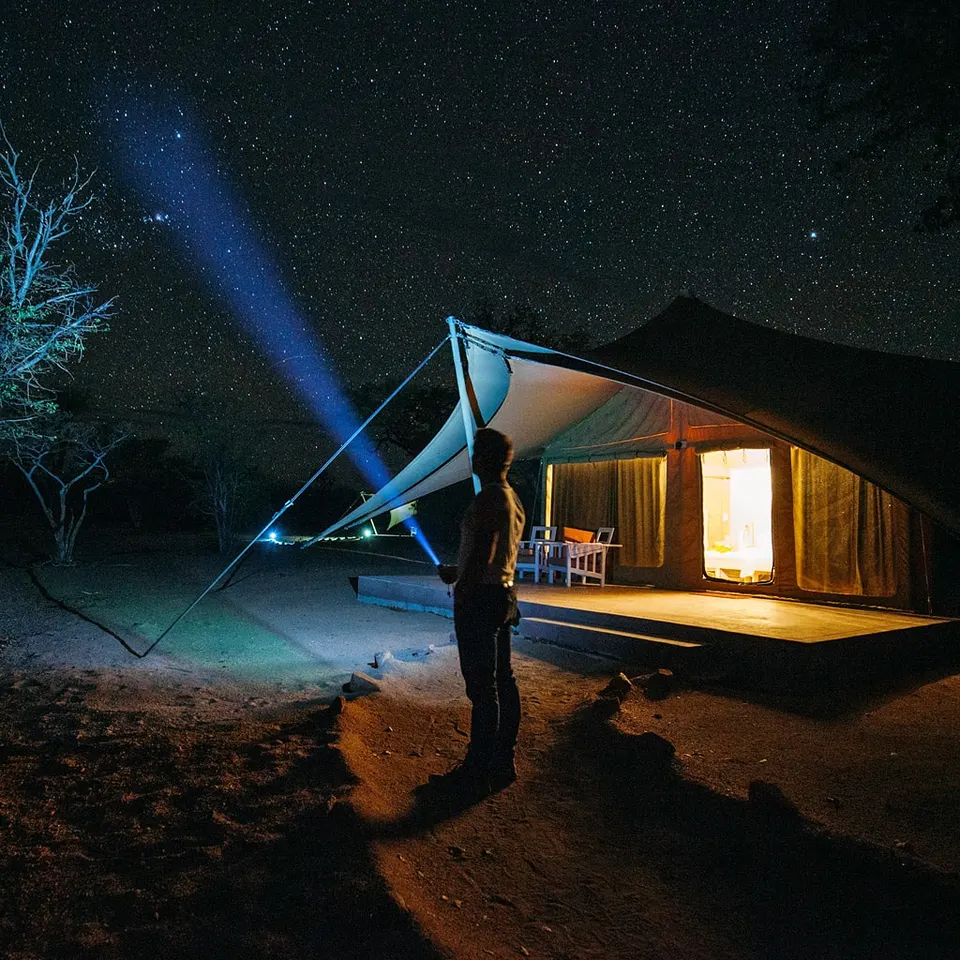
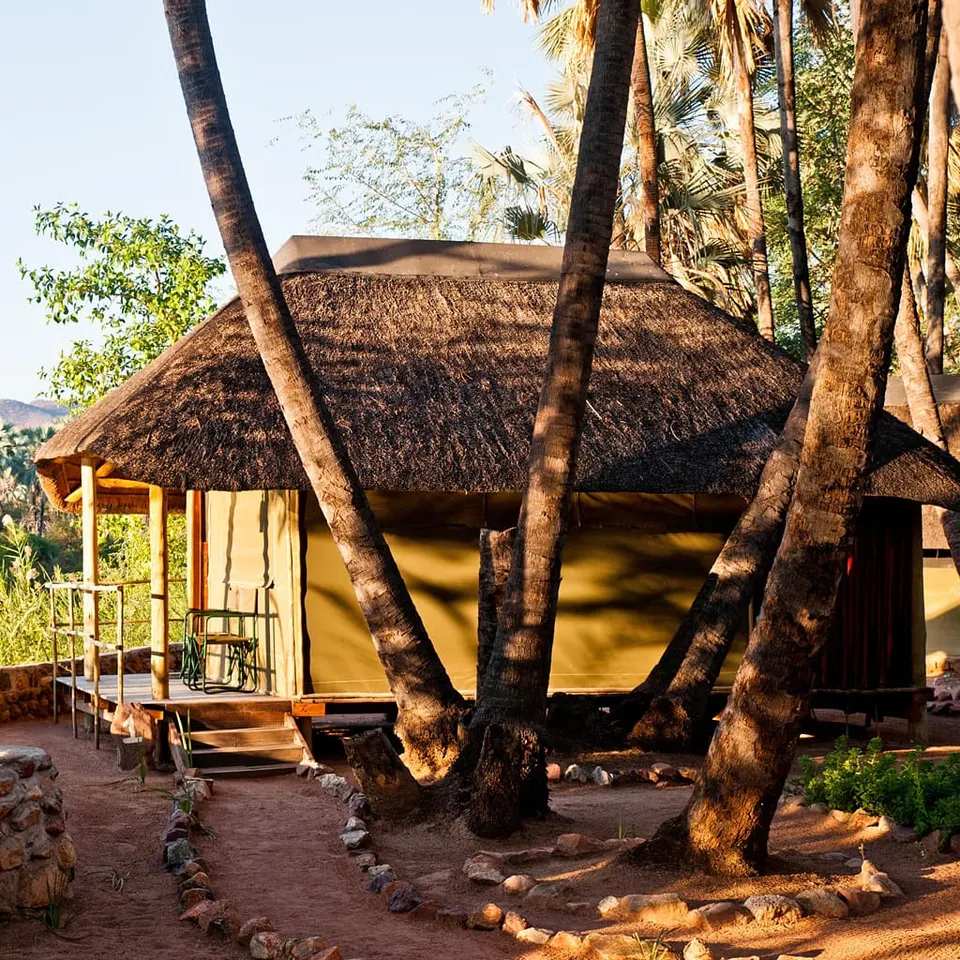
Via the Brandberg, at approx. 2,580 metres Namibia’s highest massif, you drive towards Khorixas. Your destination is Malansrus Tented Camp, beautifully situated on a side arm of the Aba Huab. Settle into your room at leisure before setting off in the afternoon for Namibia’s only UNESCO World Heritage Site, Twyfelfontein (optional). The countless rock engravings are estimated to be 2,000 years old and older, and will amaze you. Nearby you can also visit the Damara Living Museum and look forward to an insight into the ancient traditions and customs of the Damara. Back at camp you can sit back and enjoy the magnificent nature as the day slowly draws to a close.
Day 5-6Twyfelfontein – Grootberg
Driving distance day 5: approx. 150 km; driving time approx. 2–3 hours
Learn more ↓
Twyfelfontein – Grootberg
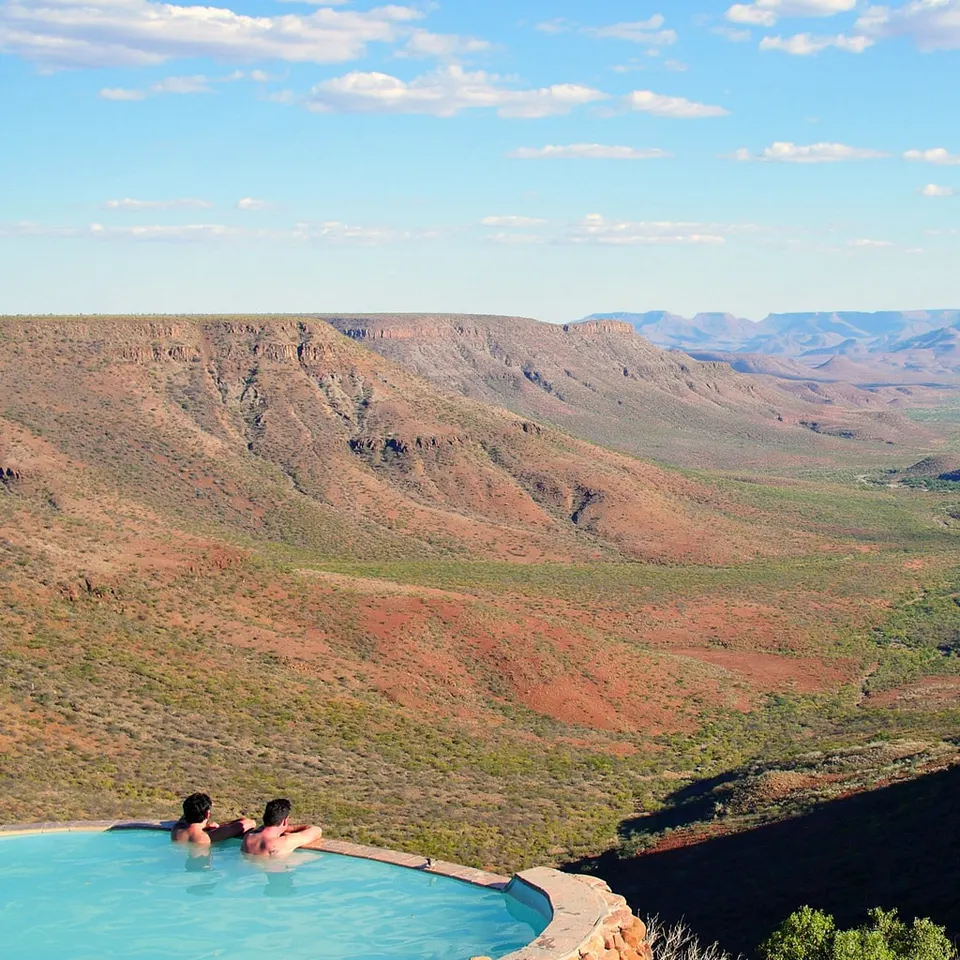
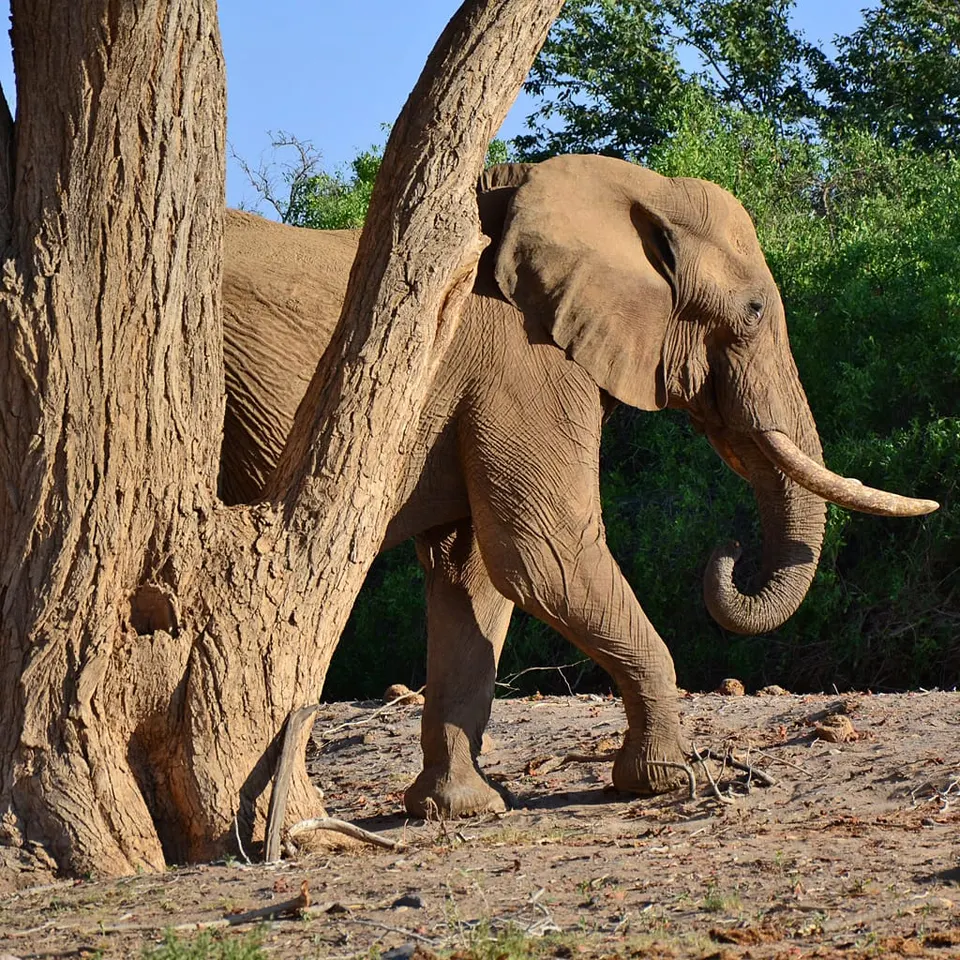
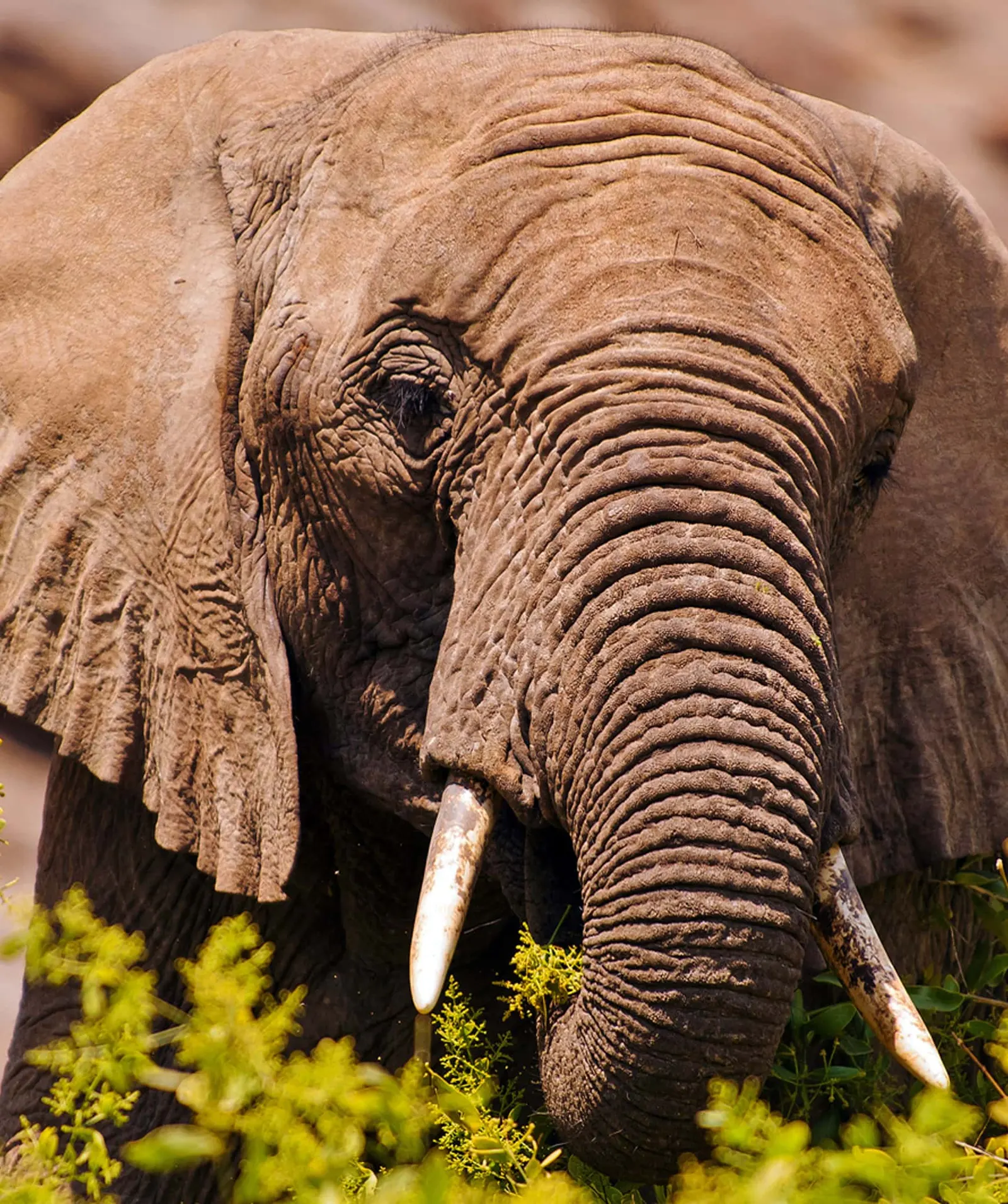
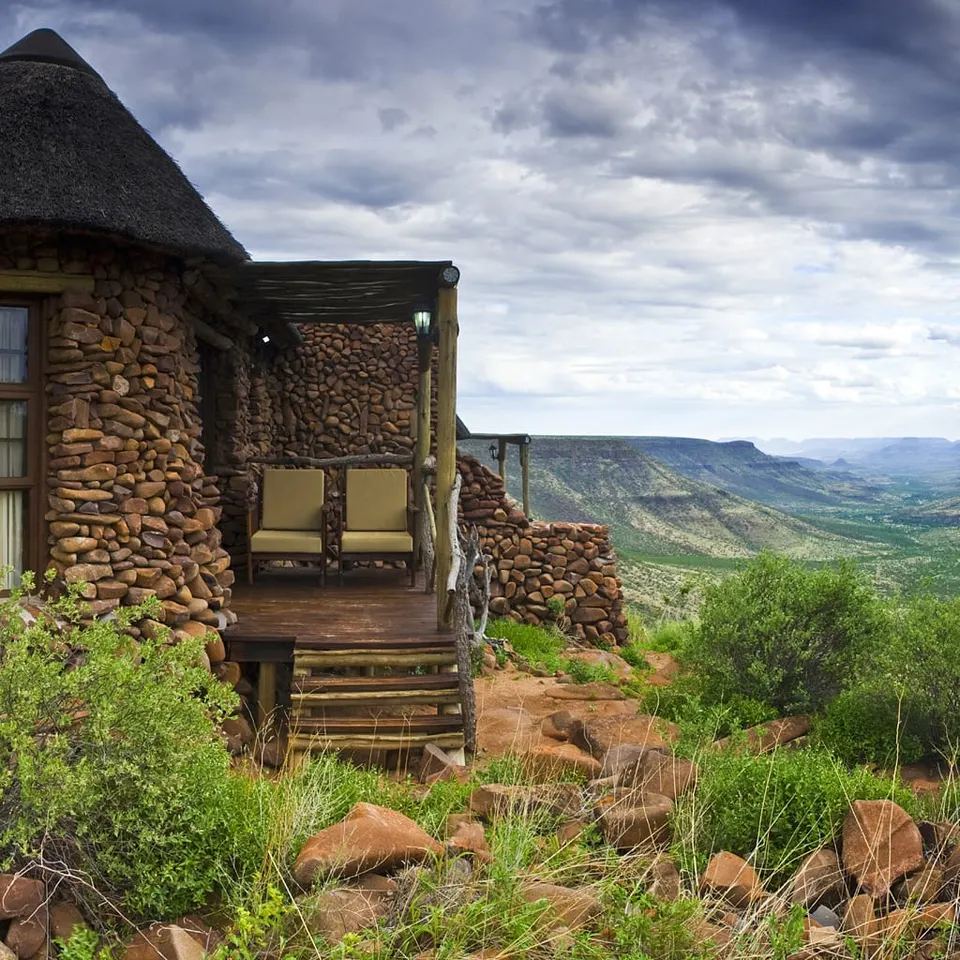
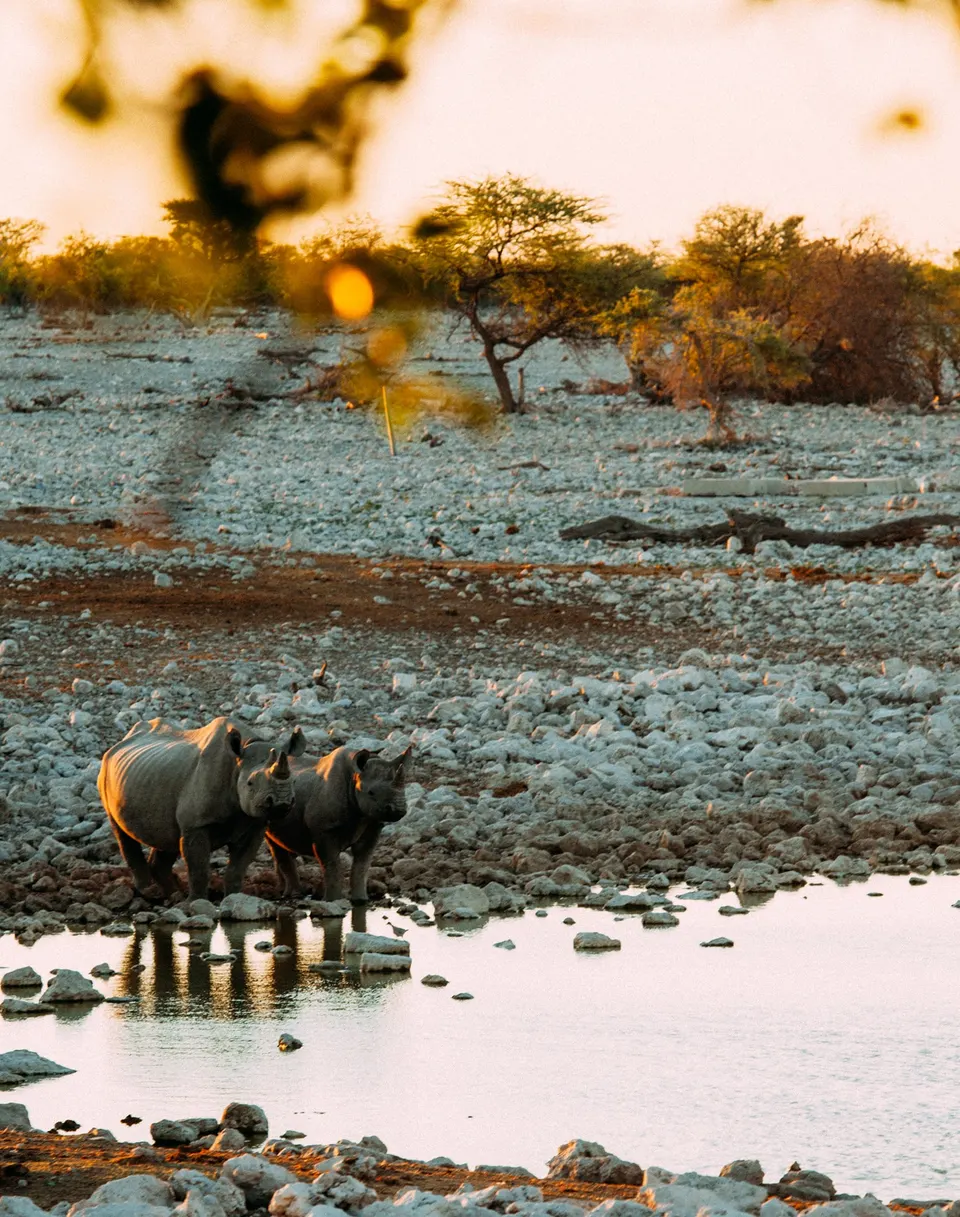
Today your journey takes you via Palmwag and the beautiful Grootberg Pass to your next accommodation, Grootberg Lodge. You leave your rental car in the lodge car park below the plateau, and continue up in the lodge’s off-road vehicle. At the top, a magnificent view over the whole Klip River Valley awaits you. Let your gaze wander and enjoy the moment. During your stay you can take part in guided hikes or game drives (optional). Rhino and elephant tracking are also offered, and with a little luck you can track down black rhinos or the rare desert elephants. Two nights at Grootberg Lodge.
Day 7Grootberg – Opuwo
Driving distance approx. 270 km; driving time approx. 4–5 hours
Learn more ↓
Grootberg – Opuwo
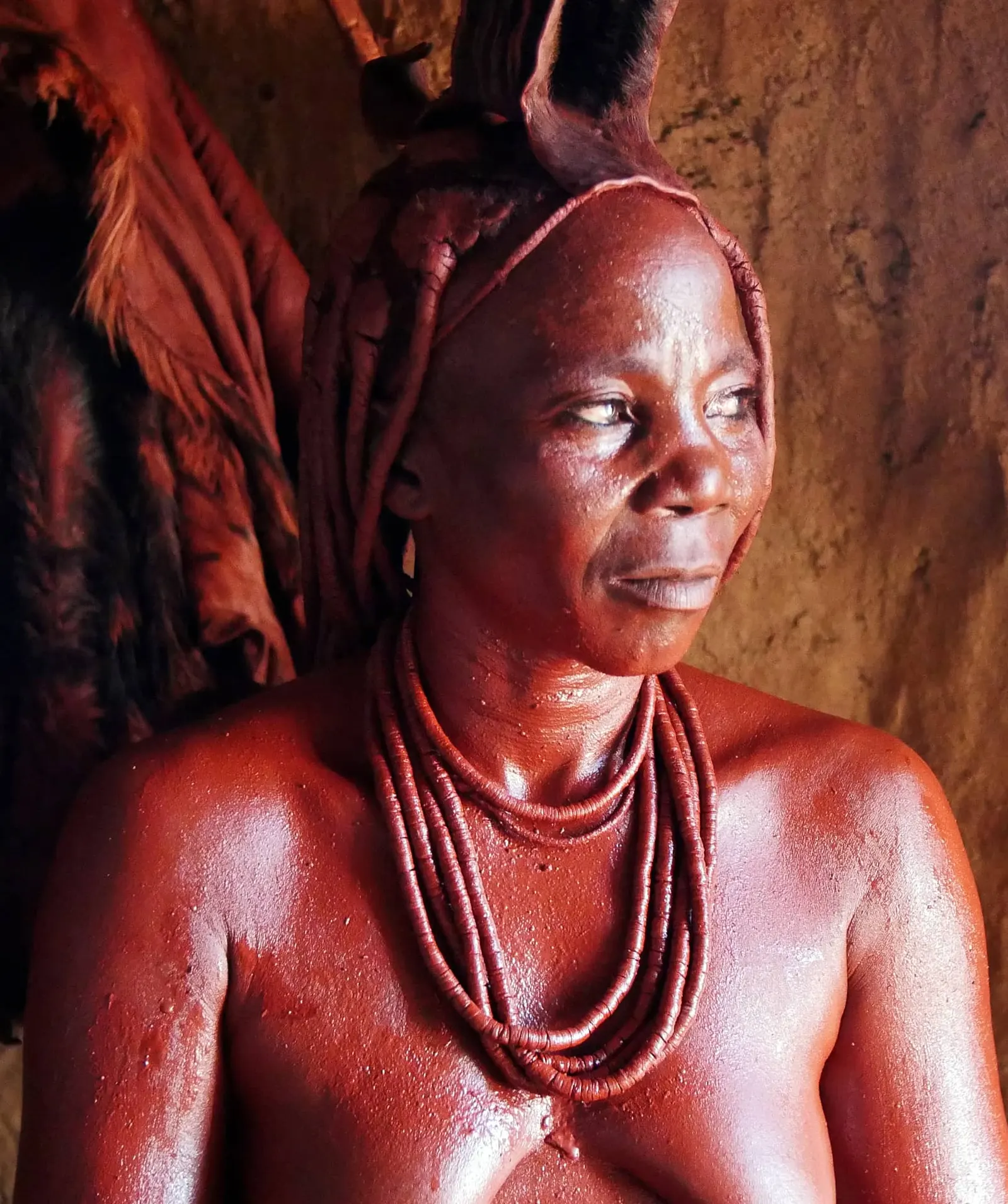
Past Fort Sesfontein you drive today to Opuwo, the district capital of the Kunene Region. Opuwo is the gateway to the Kaokoveld, the home of the Himba. In the seclusion of the Kaokoveld they have preserved their ethnic identity and culture largely to this day. On the streets you will meet many Himba, but also Herero and people of other ethnic groups. Opuwo is the last chance to stock up on fuel, cash and the like before heading to Epupa Falls. You stay at Opuwo Country Lodge.
Day 8-9Opuwo – Epupa Falls
Driving distance day 8: approx. 200 km; pure driving time approx. 3–4 hours
Learn more ↓
Opuwo – Epupa Falls
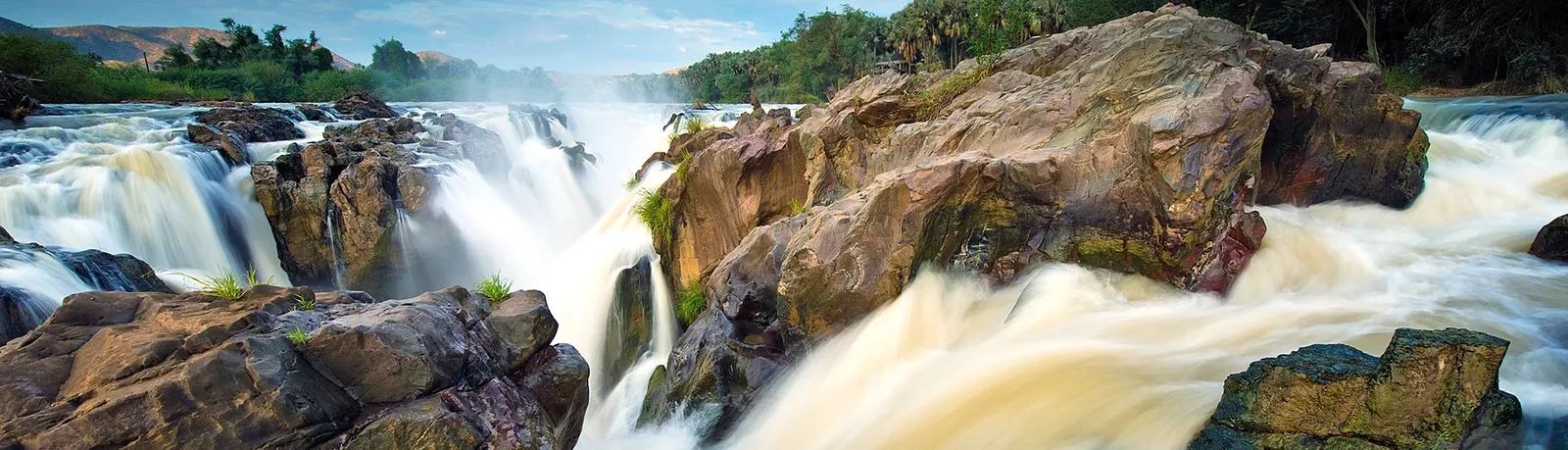
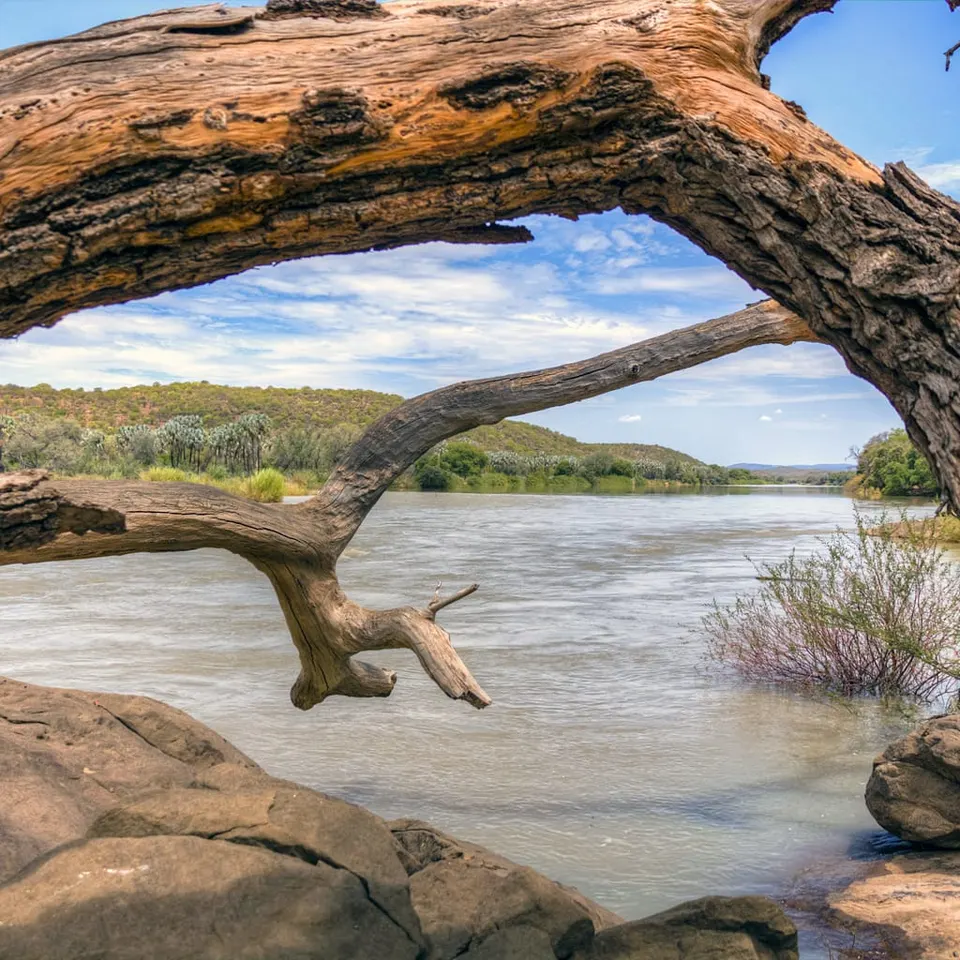
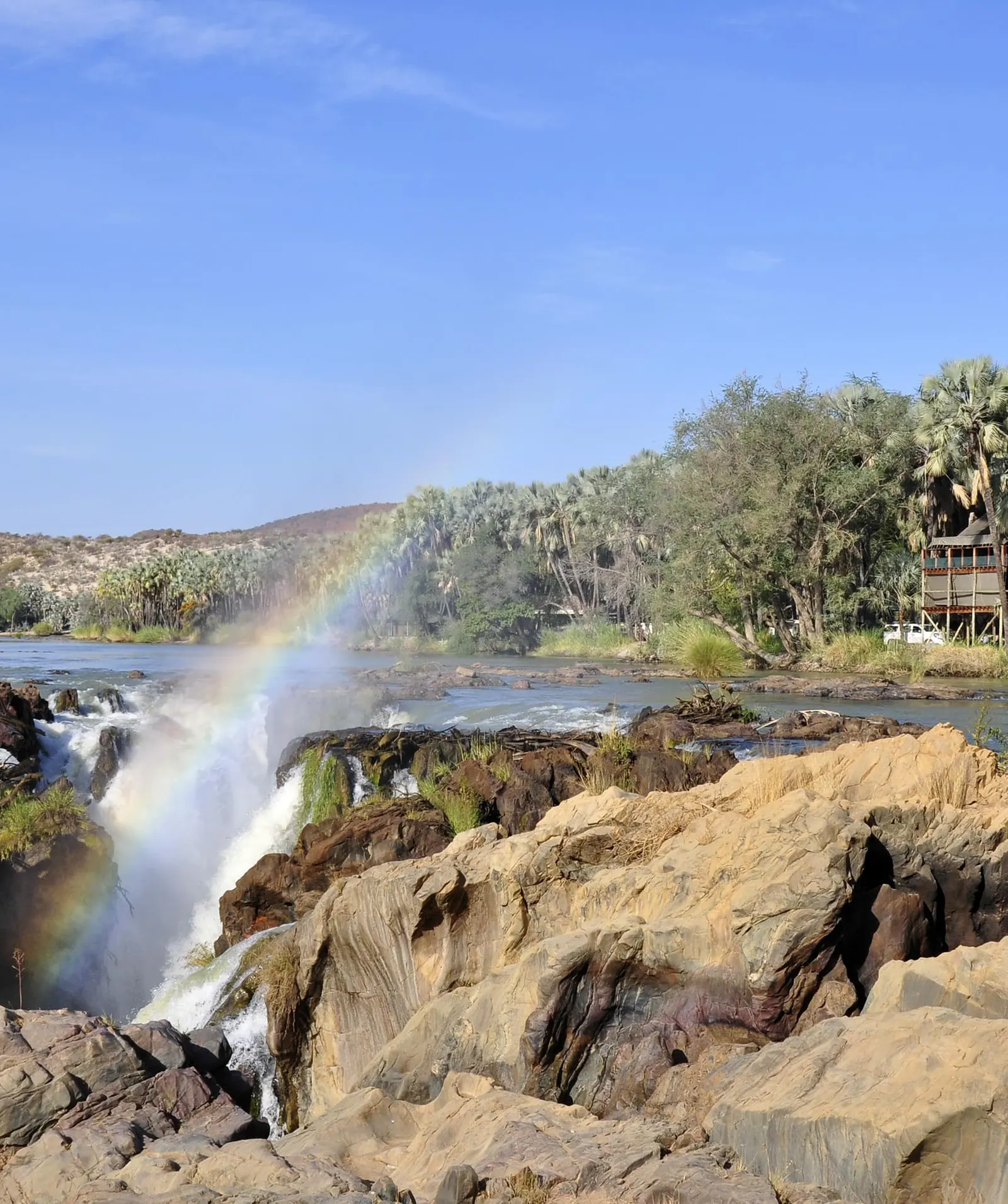
After breakfast, you drive up north to Epupa Falls. The Kunene, the natural border between Namibia and Angola, plunges here in a series of cascades into a narrow gorge 40 metres deep – an impressive natural spectacle. At midday you reach Omarunga Epupa Falls Camp, located right on the Kunene River. Arrive at your leisure and relax with a cool drink. After the dry landscape of the past few days, the Kunene river valley feels like a green oasis. From a hill near the camp, you are treated to a wonderful view over the lush vegetation with makalani palms and baobabs. The next day you have the opportunity to marvel at Epupa Falls with a local guide and to go hiking along the river (optional). You can also visit a Himba village to learn more about the life of the Himba and their culture. You spend the night at Omarunga Epupa Falls Camp.
Day 10-11Epupa Falls – Hobatere
Driving distance day 10: approx. 380 km; pure driving time approx. 5–6 hours
Learn more ↓
Epupa Falls – Hobatere
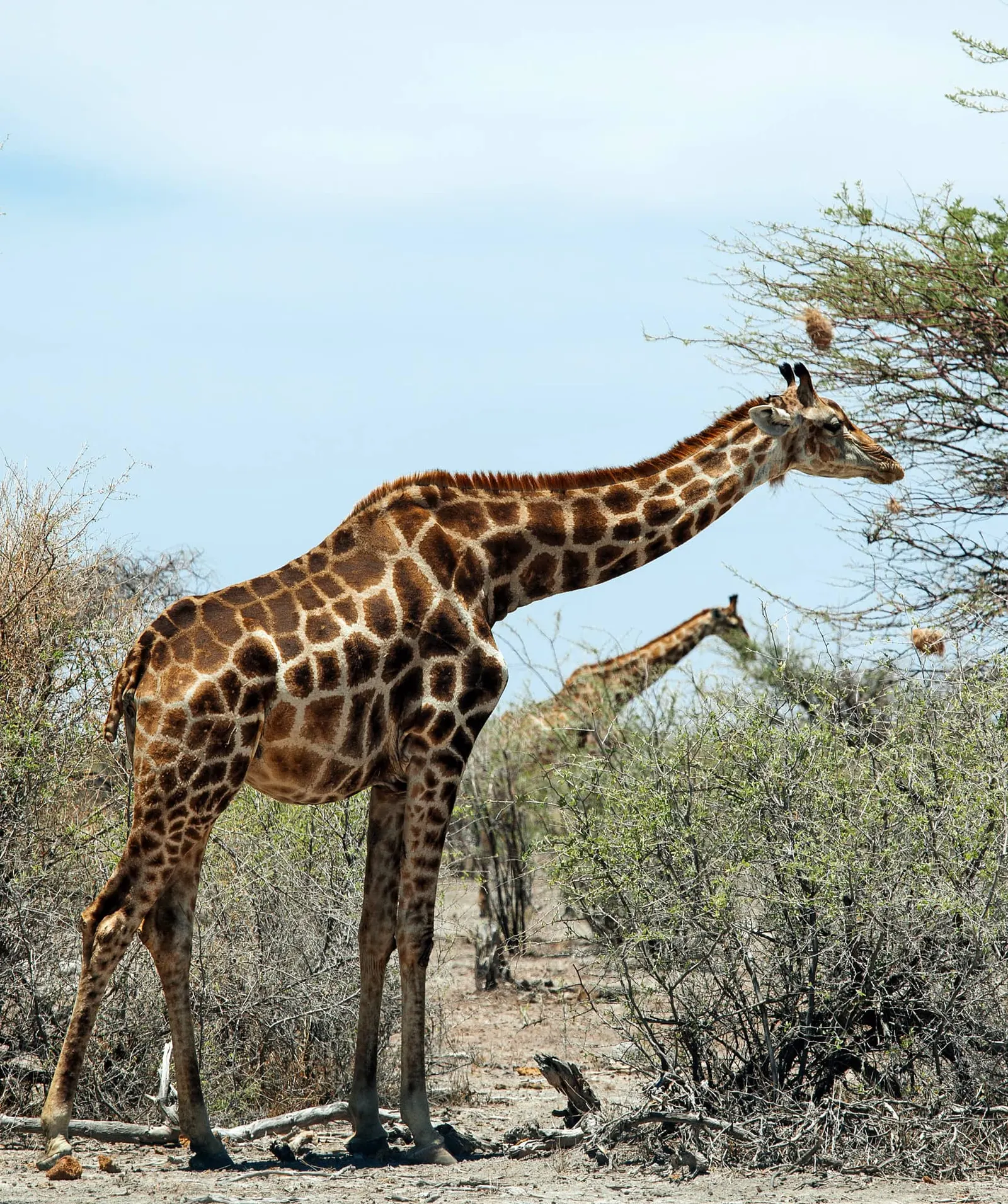
After breakfast you set off and drive eastwards along a beautiful route beside the Kunene River. The landscape is spectacular and almost uninhabited, and the green riverbank forms a strong contrast to the dry mountains. From Ruacana you continue south along the western border of Etosha National Park into the private Hobatere concession area, which covers around 8,800 hectares. The roughly 15-kilometre approach to the lodge alone, which leads through the concession area, is a highlight! Hobatere is home to various large game animals such as giraffes, elephants, lions and antelopes. The next day, take a guided game drive or a night safari after dinner (optional). You spend two nights at Hobatere Lodge.
Day 12Hobatere – Etosha National Park
Driving distance: game drives
Learn more ↓
Hobatere – Etosha National Park
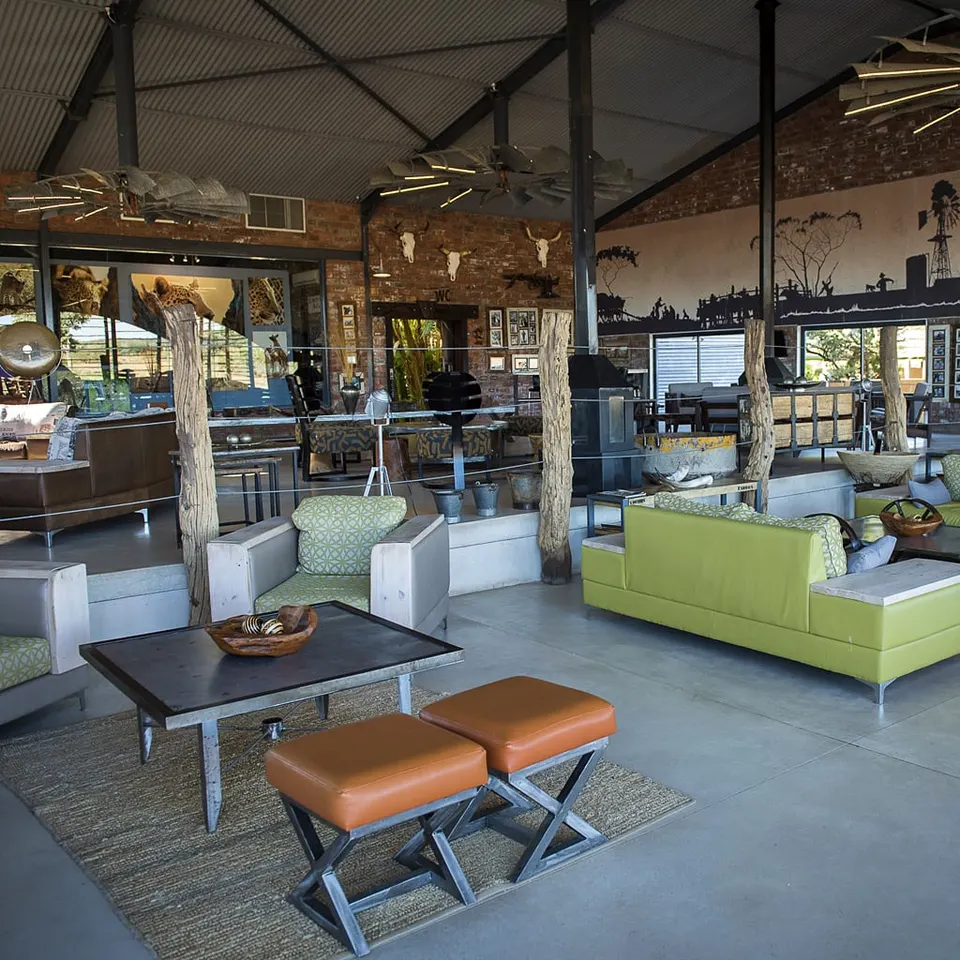
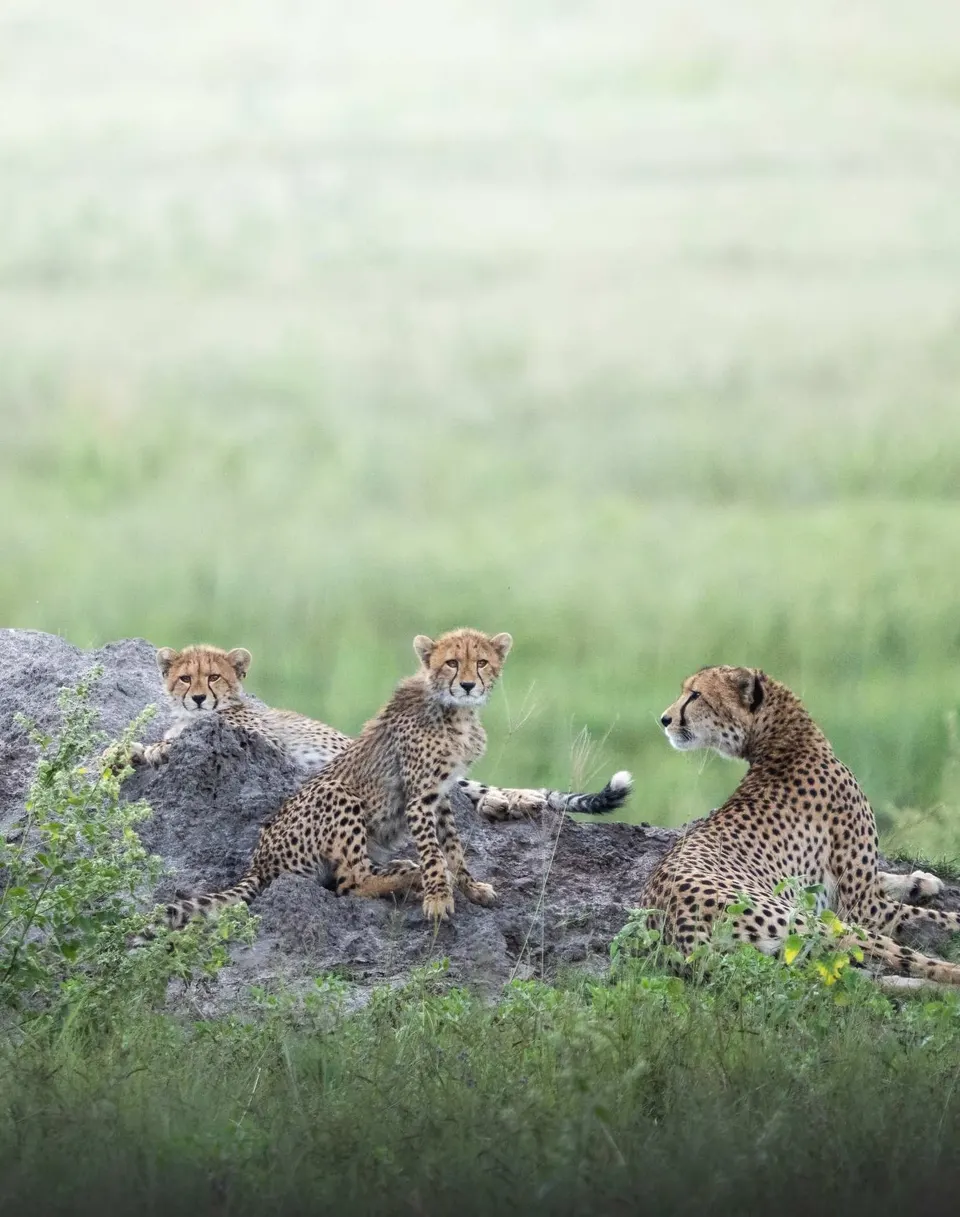
You drive through Galton Gate into Etosha National Park. Etosha National Park was founded in 1907 and is one of the most attractive national parks in southern Africa. On your drive through the western part of the park, you stop again and again at the waterholes along the way. Elephants, rhinos, giraffes, various antelope species and, with a little luck, lions and leopards too like to quench their thirst here and can be observed in peace. In the late afternoon you leave the park through Anderson Gate and drive to Etosha Safari Lodge, just a few minutes from the park entrance. Enjoy a delicious dinner and spend the night in one of the chalets.
Day 13-14Etosha National Park
Driving distance: game drives
Learn more ↓
Etosha National Park
After sunrise and a hearty breakfast, you set off on another game drive. You drive right along the salt pan, which stretches for kilometres to the east. Herds of impala, wildebeest, oryx and zebra can often be seen peacefully roaming the open savannah. Along the way you stop again and again at the waterholes. In the evening you leave the park through Von Lindequist Gate, hopefully with many wonderful safari impressions, and drive to the lovely Mushara Lodge for the night. The next day you can explore the eastern part of Etosha National Park on game drives from the lodge.
Day 15Etosha Region – Okonjima Nature Reserve
Driving distance approx. 350 km; pure driving time approx. 4 hours
Learn more ↓
Etosha Region – Okonjima Nature Reserve
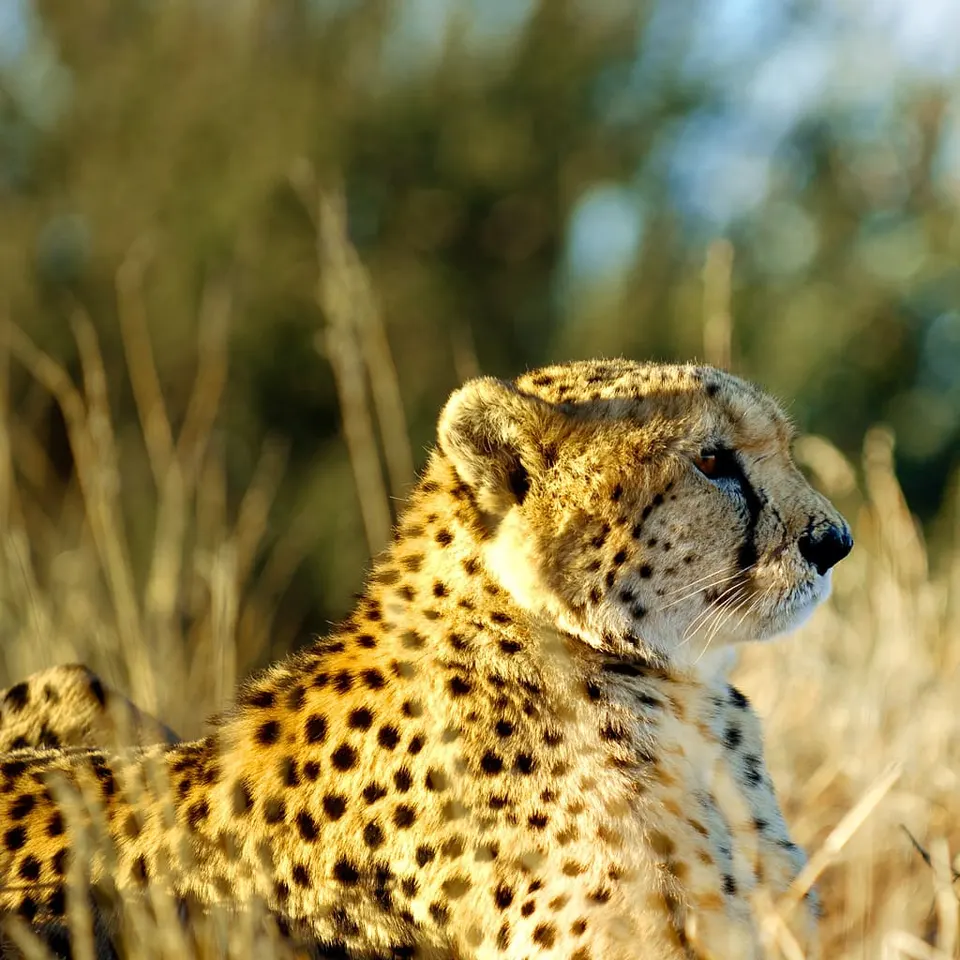
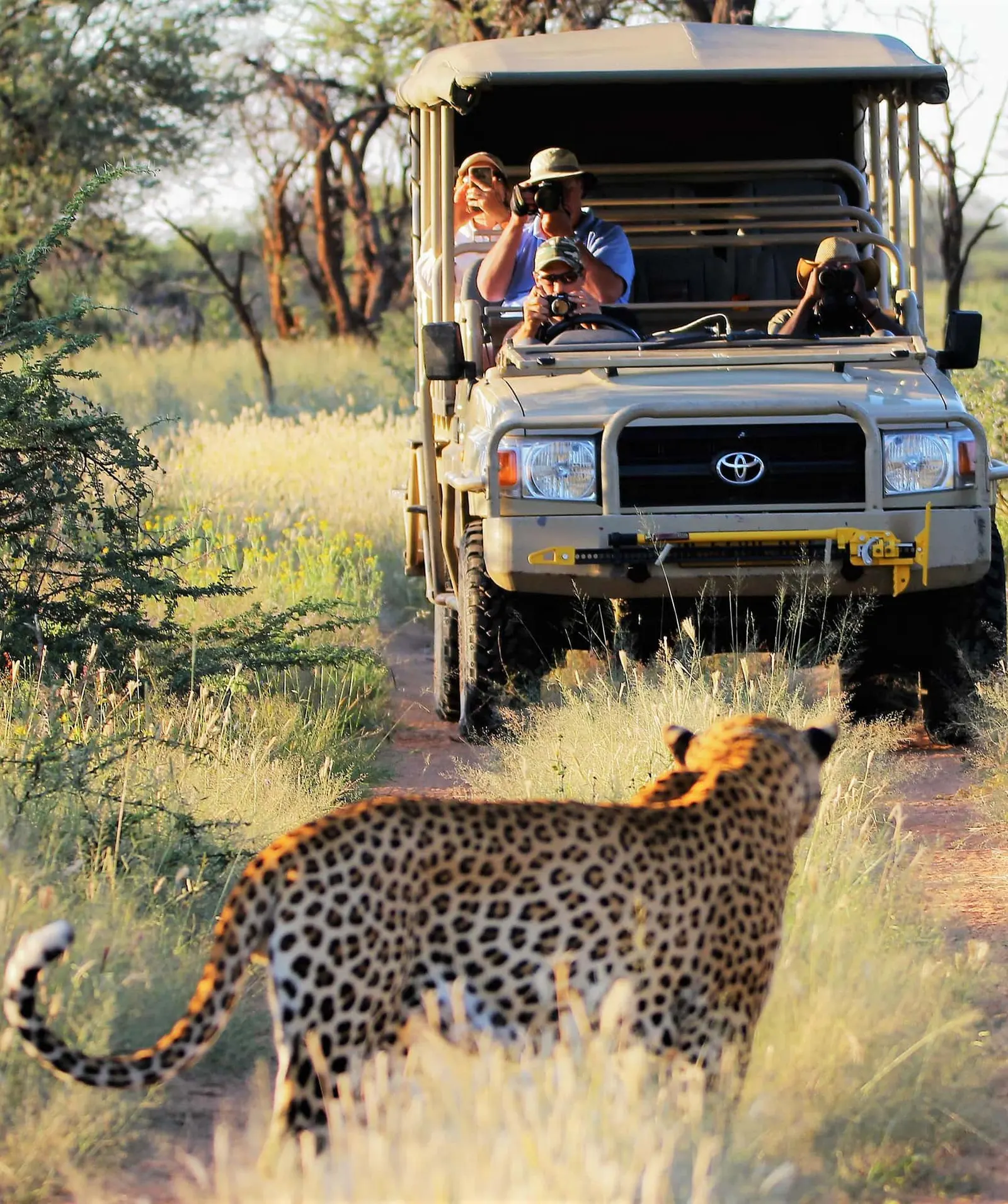
After an early breakfast you drive south via Tsumeb and Otjiwarongo. Your destination is Okonjima Nature Reserve, beautifully framed by the Omboroko Mountains. Okonjima is home to the AfriCat Foundation, where captive big cats are taken in, examined and rehabilitated with the aim of releasing them back into the wild. Visitors can learn about various projects and take part in interesting activities. Use the afternoon and the following morning for guided safaris (optional). You spend the night in a standard room at Okonjima Plains Camp.
Day 16Okonjima Nature Reserve – Windhoek
Driving distance approx. 270 km; pure driving time approx. 3–4 hours
Learn more ↓
Okonjima Nature Reserve – Windhoek
After a morning activity (optional), you leave Okonjima and drive towards Windhoek. Stop at the large souvenir market in Okahandja to buy beautiful hand-carved art, basketwork or jewellery. Then continue to Windhoek. Return your rental car at the airport and begin your journey home.
Accommodation
Dates & prices
| Season | Double room per person | Single room per person | Triple room per person | Children < 12 (in extra bed) | |
|---|---|---|---|---|---|
| 01.11.2026 – 30.11.2026 | 2.890 € | 3.790 € | 2.960 € | 1.750 € | Enquire |
| 01.12.2026 – 31.12.2026 | 2.820 € | 3.720 € | 2.990 € | 1.720 € | Enquire |
| 01.01.2027 – 31.03.2027 | 2.640 € | 3.480 € | 2.780 € | 1.630 € | Enquire |
| 01.04.2027 – 31.05.2027 | 2.820 € | 3.730 € | 2.990 € | 1.690 € | Enquire |
| 01.06.2027 – 30.06.2027 | 2.770 € | 3.660 € | 2.930 € | 1.660 € | Enquire |
| 01.07.2027 – 31.10.2027 | 3.000 € | 3.950 € | 3.180 € | 1.790 € | Enquire |
| 01.11.2027 – 30.11.2027 | 3.090 € | 4.070 € | 3.280 € | 1.840 € | Enquire |
All prices exclude international flights. If you are unsure about your travel dates, simply send us a non-binding enquiry .
Included
- Itinerary as described
15 nights in lodges, tented camps, guest farms and guesthouses
Meals as indicated
Not included
- Flights (domestic and international)
Visas
Rental car, fuel, any toll, repatriation and border-crossing fees
Drinks and meals not indicated
National park fees
Optional activities, tips, personal expenses
Private travel insurance
Group size
individual
You might also like
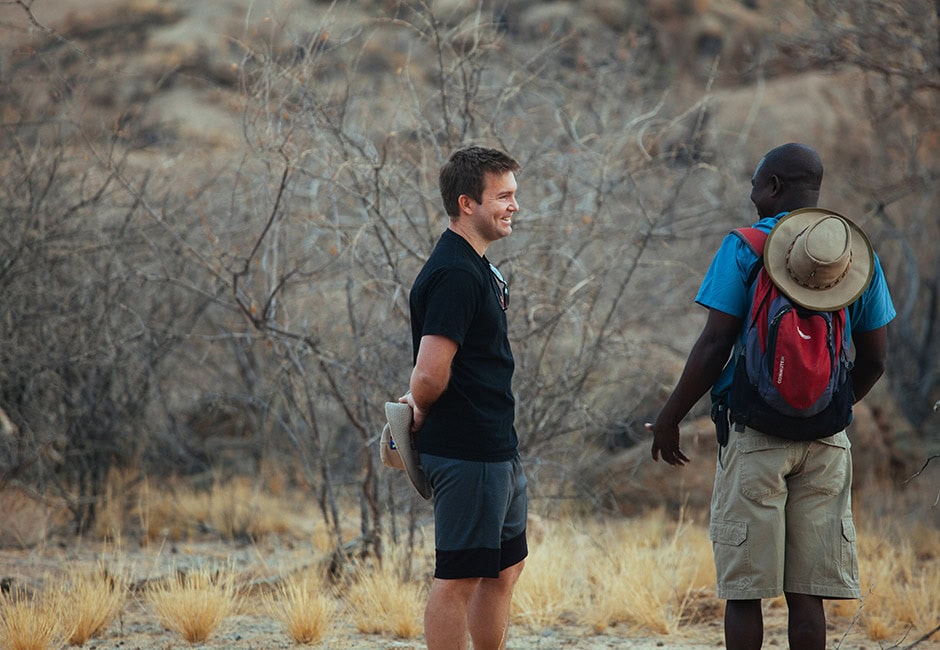
Tipping in Namibia: what is customary and appropriate?
Whether in restaurants or hotels, or after guided tours with local guides, many tourists ask themselves: “What about tipping in Namibia: what is customary and appropriate?” Today's blog has the answers. Why tipping matters in Namibia First of all: tipping in Namibia is not compulsory but voluntary. At the same time,
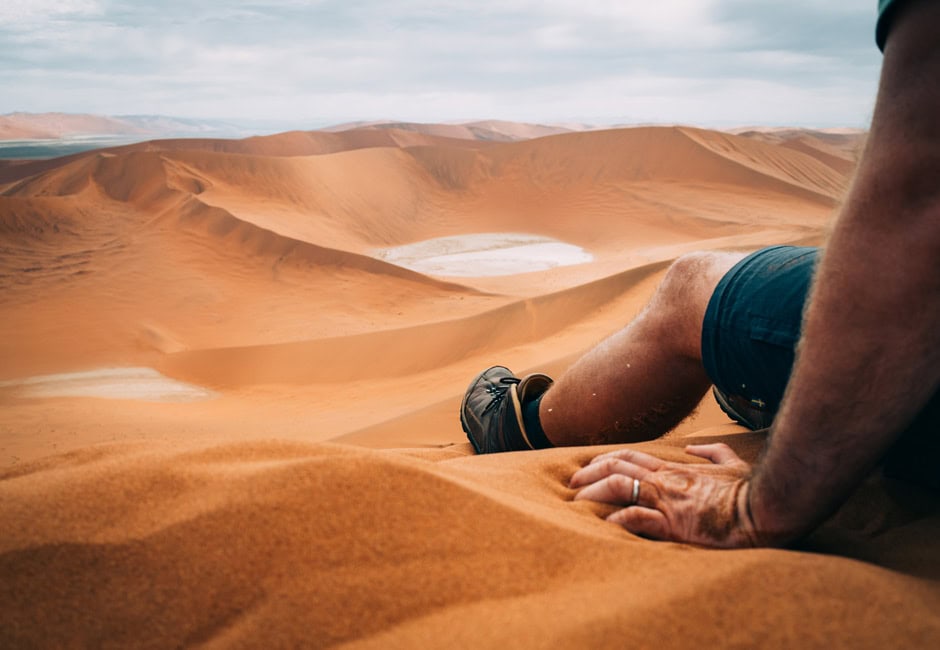
Honeymoon in Namibia: unforgettable honeymoon in Africa
Honeymoon in Namibia: between breathtaking landscapes, unforgettable wildlife encounters, vibrant cultures and exciting experiences – a trip that brings you even closer together as a couple.
Damaraland in Namibia – Your Guide to Nature, Culture & Adventure
Discover fascinating Damaraland in Namibia – a place full of breathtaking nature, rich culture and exciting adventures!