Trekking tours in Africa
Trekking in Africa: various countries & fitness levels. With a guide or as independent travellers. Book here with the expert!
Trekking tours in Africa
Whether on Kilimanjaro, Mount Kenya or in search of the last mountain gorillas in Uganda and Rwanda – trekking tours in Africa offer intense nature experiences and unforgettable encounters.
With us you experience Africa's most impressive trekking regions – carefully planned, reliably organised and together with experienced mountain and trekking guides.
Whether as a group tour or a tailor-made trip – our trekking tours cater to different fitness levels and interests.
From relaxed hiking tours in Namibia to demanding summit climbs on Kilimanjaro or gorilla trekking in Uganda and Rwanda, we find the right trip for you.
Our most popular trekking tours in Africa
 Tanzania
8 days
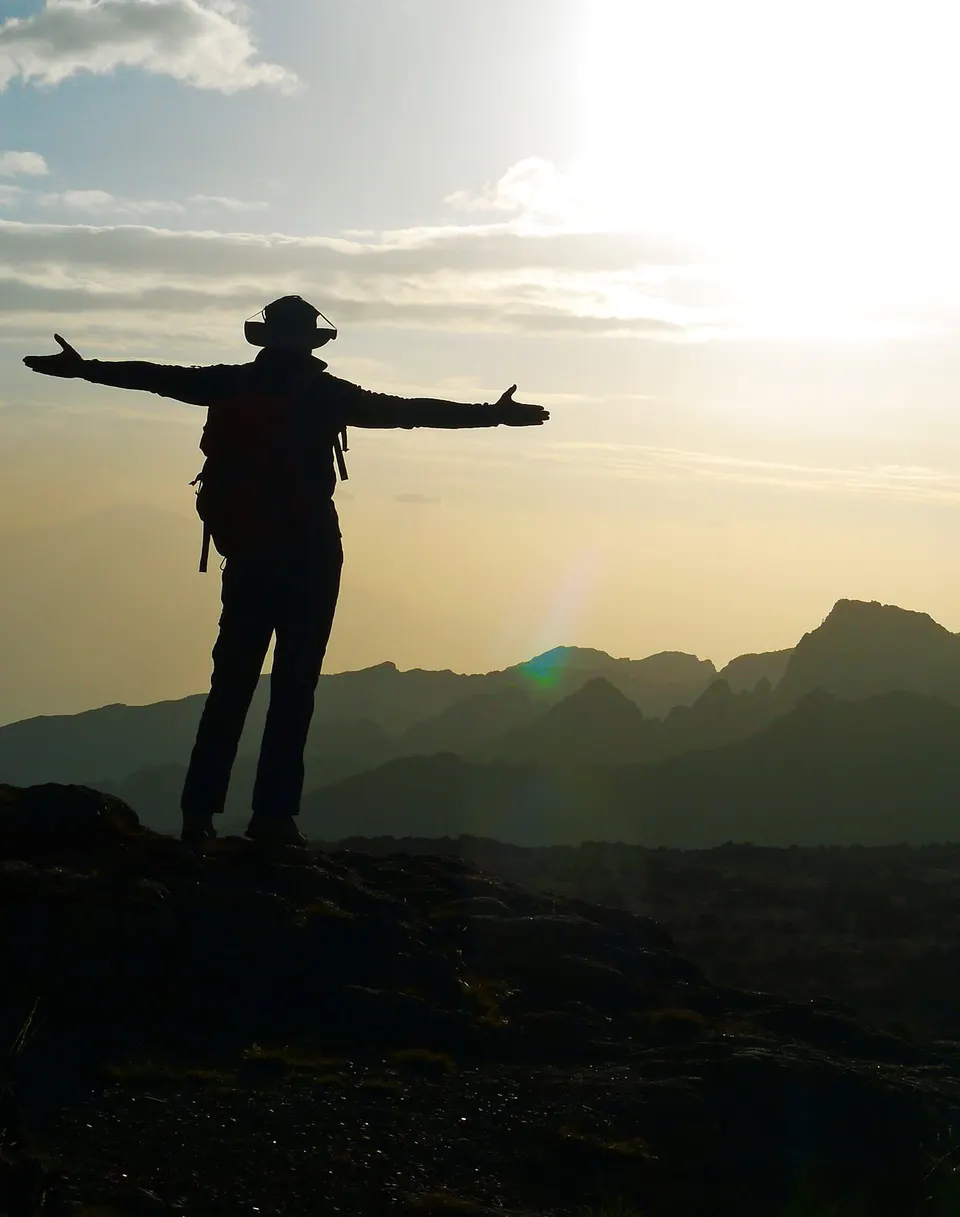
Kilimanjaro Trekking: Machame Route
from 2.000 € per person
 Namibia
14 days
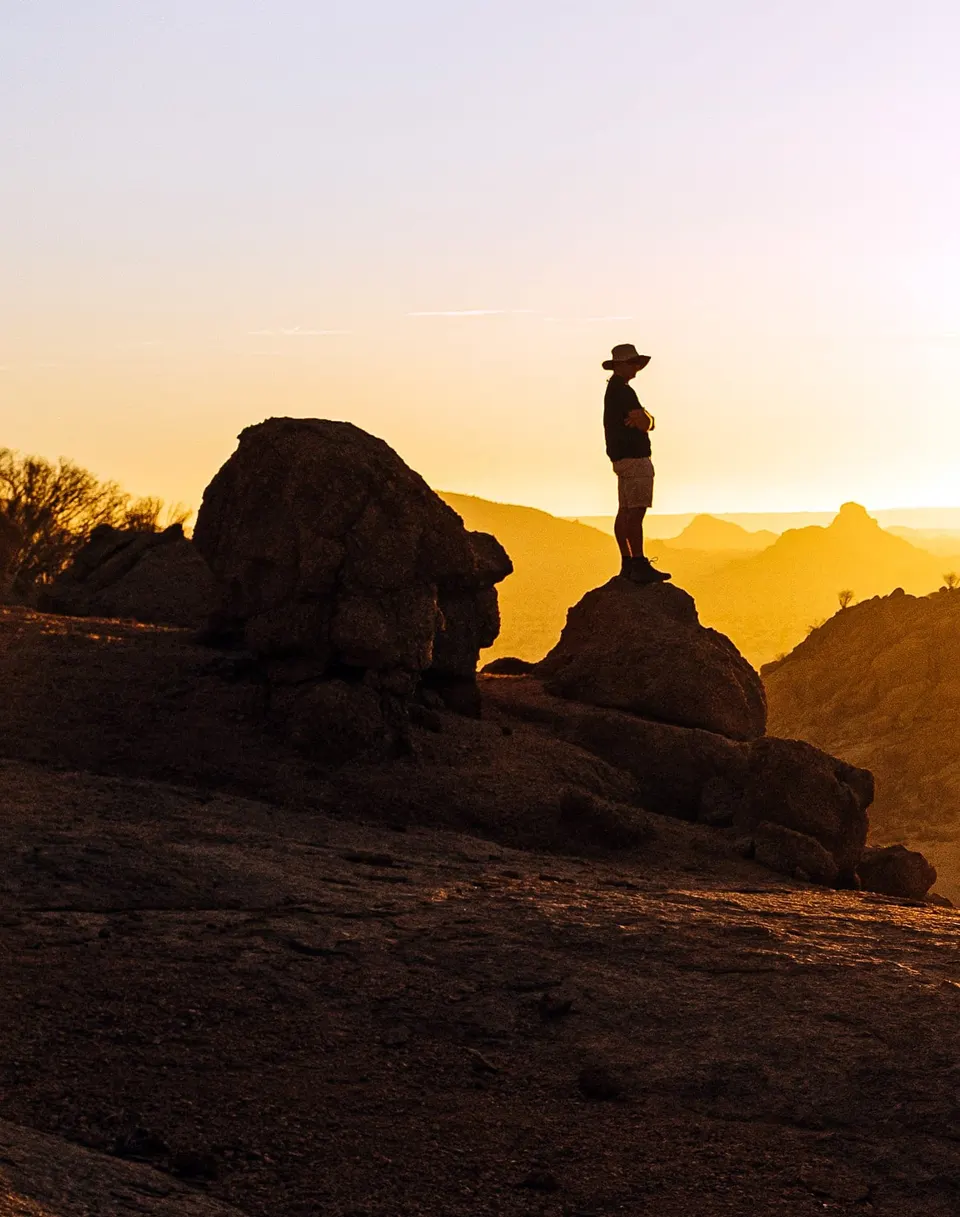
Namibia Hiking Tour
from 4.080 € per person
 South Africa
11 days
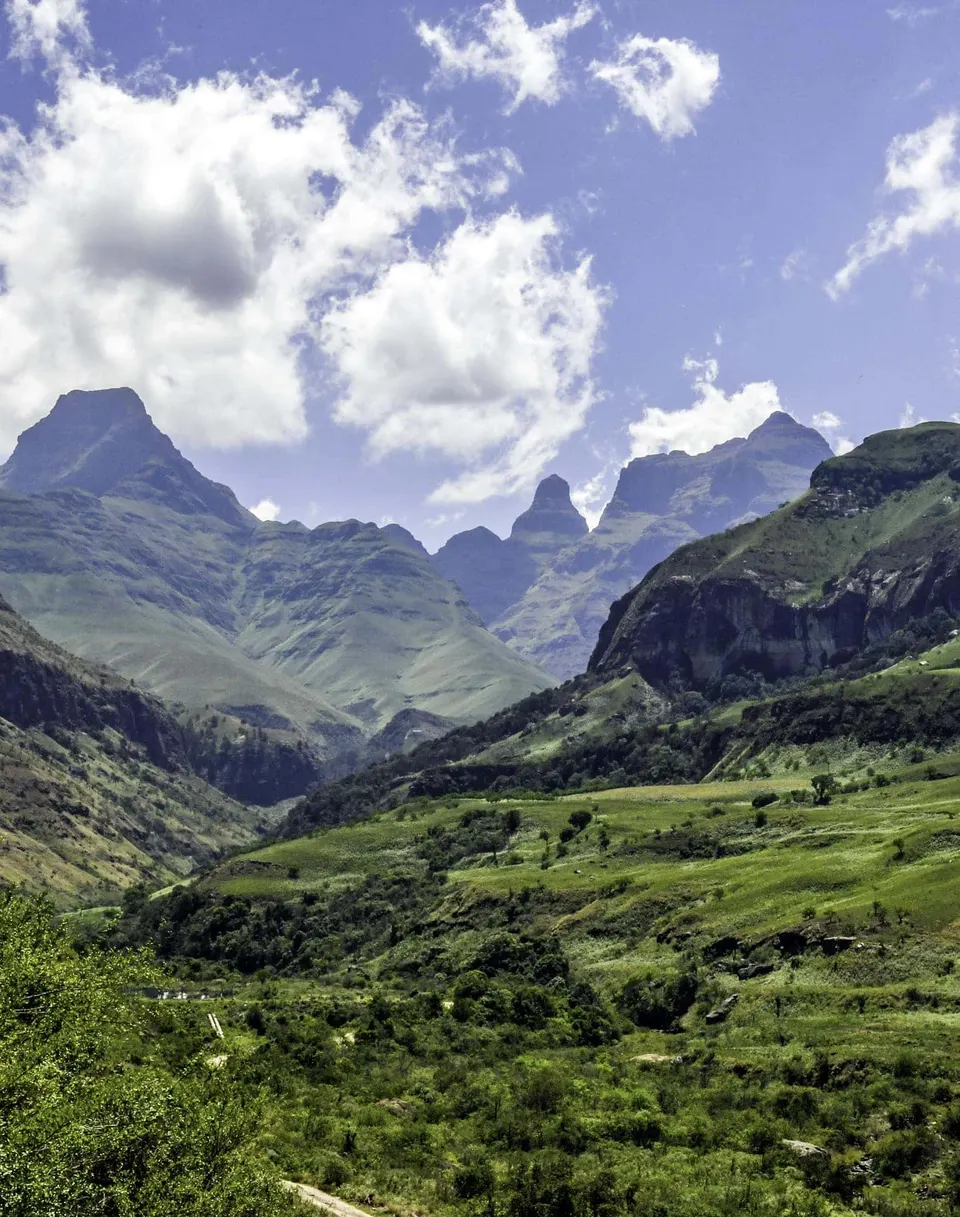
South Africa Hiking Tour: Mountains & Wildlife
Price: on request
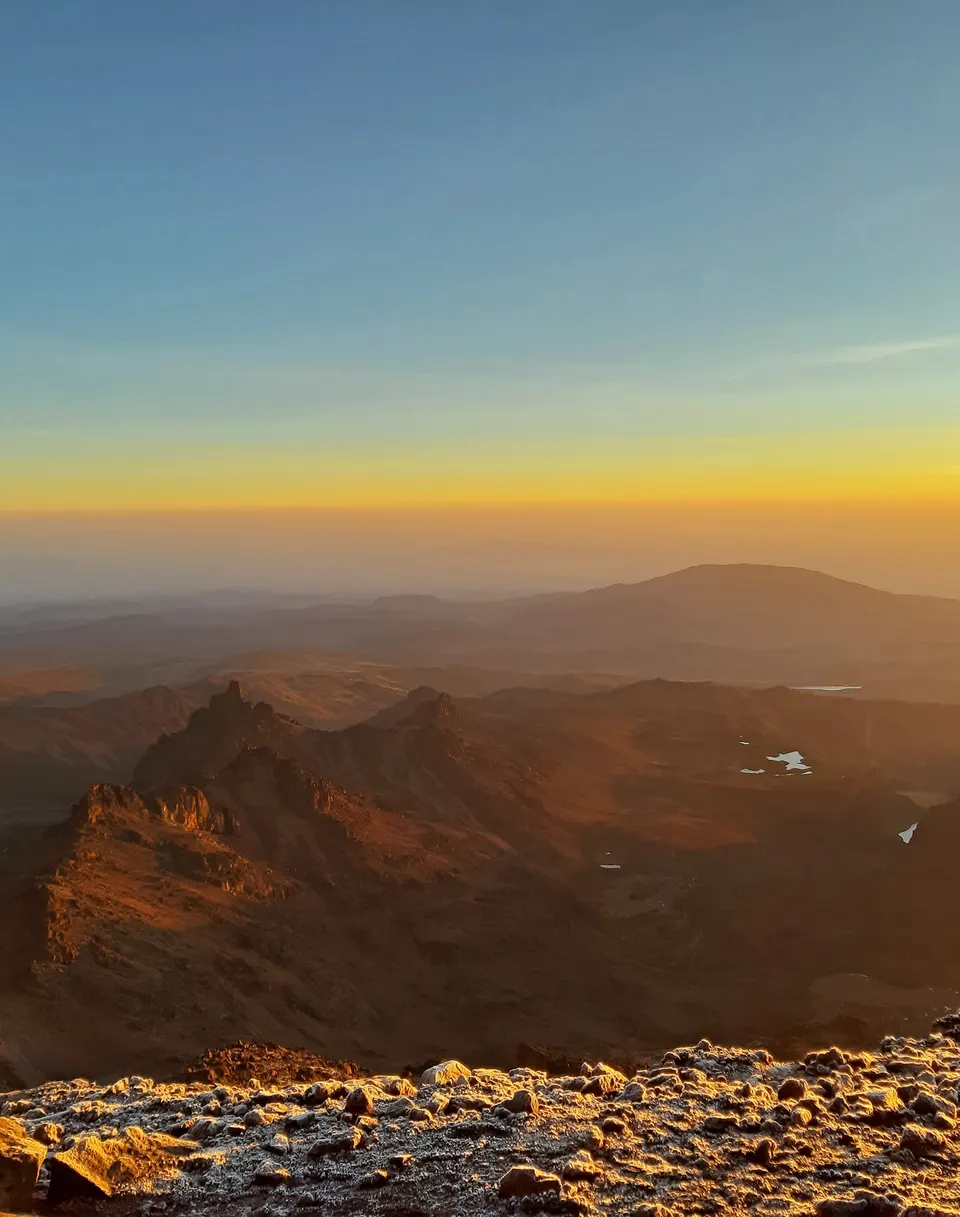 Kenya
4 days
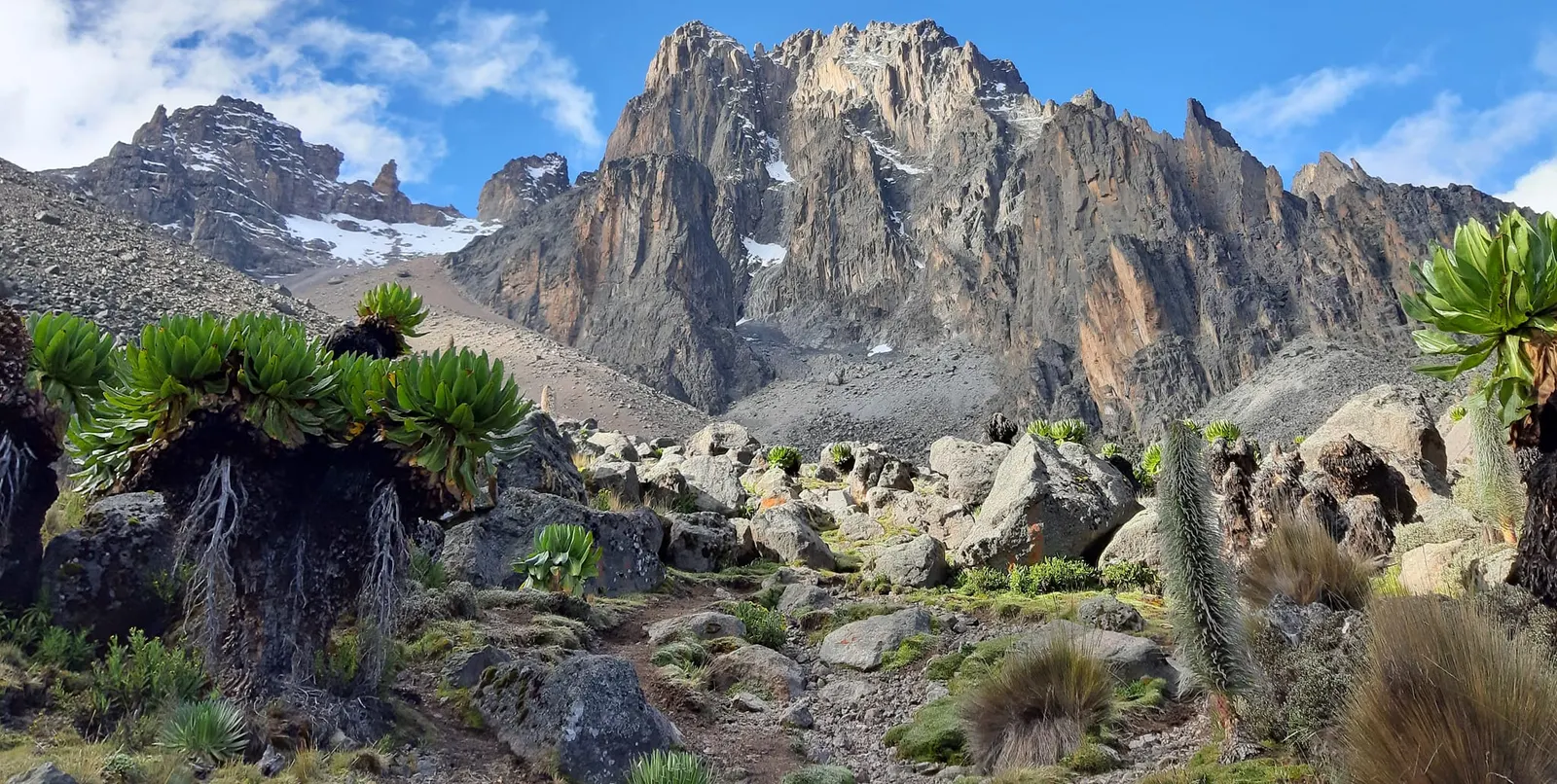
Mt Kenya Trekking: Sirimon Route
from 980 € per person
All prices are stated excluding international flights.
Different types of trekking
The best-known and highest mountain in Africa is the 5,895-metre Mt Kilimanjaro with its often snow-capped summit. Every year it attracts numerous trekking and mountain enthusiasts.
Less well known but just as impressive are Mt Meru in Tanzania, Mt Kenya and the Rwenzori Mountains in Uganda.
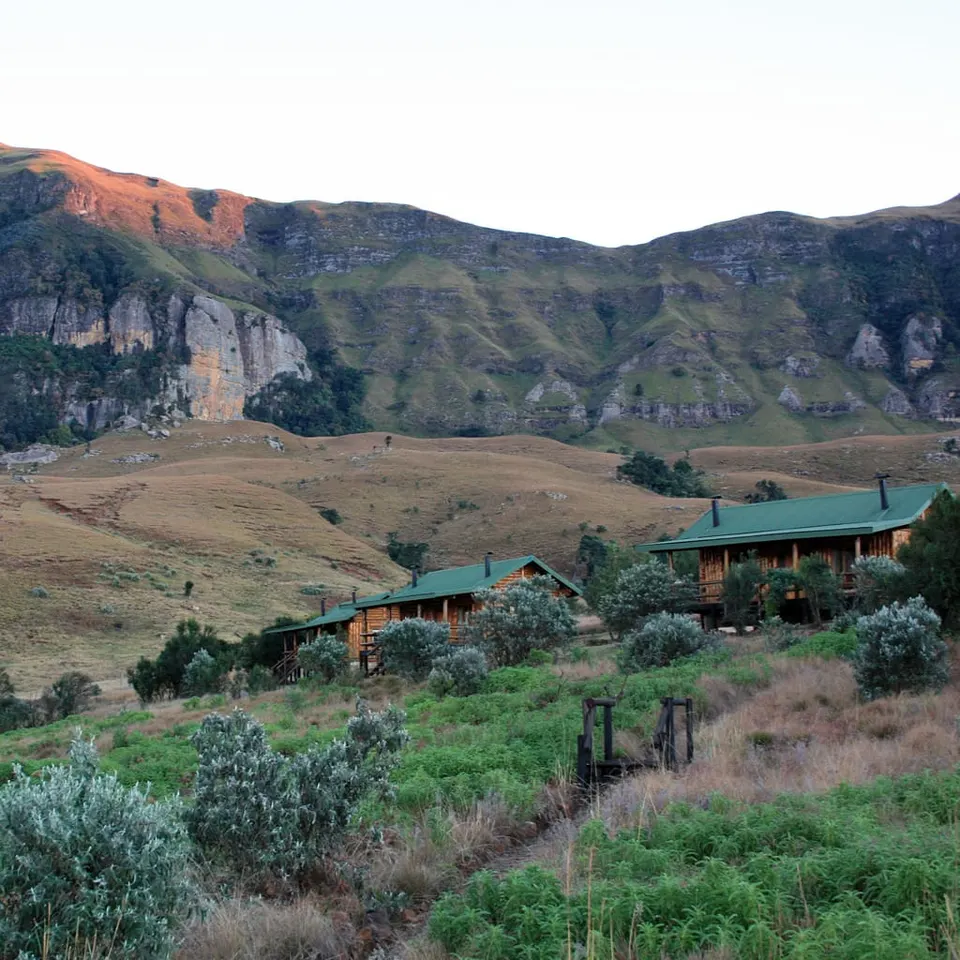
The Ngorongoro Highlands, gorilla trekking in Uganda and Rwanda, and hiking tours in South Africa's Drakensberg or along the Wild Coast also offer unforgettable nature experiences.
If you have so far mainly got to know Namibia from the car window, you will experience on foot a very special journey. Our trekking tours at a glance:
Mountain climbs
Gorilla trekking
Guided hiking tours
Self-guided hiking tours
On foot through Africa. Experience the impressive nature step by step, right in the middle of it and up close.
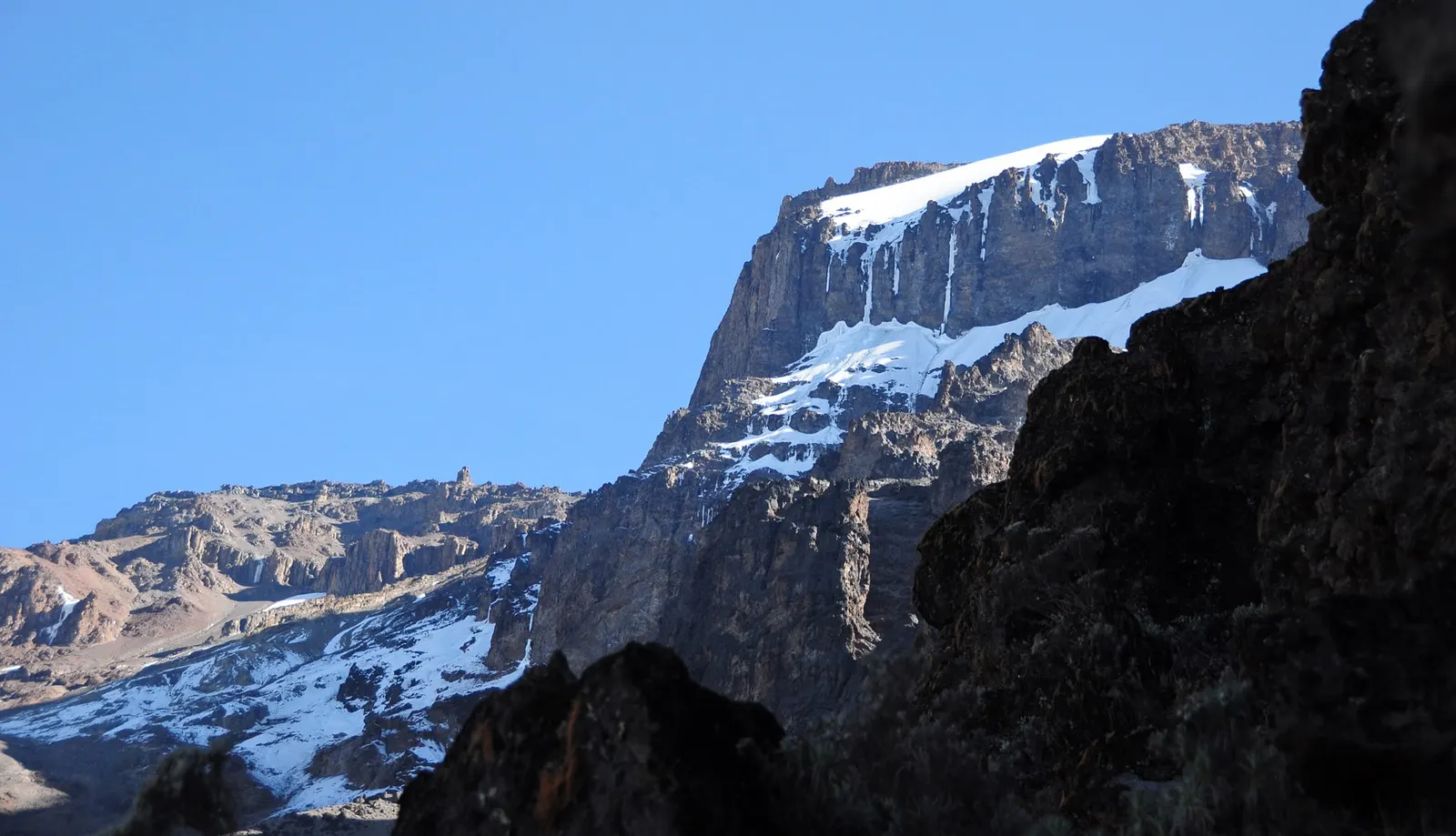
Kilimanjaro climb
It is in human nature to take on ever greater challenges. Trekking in Tanzania is just...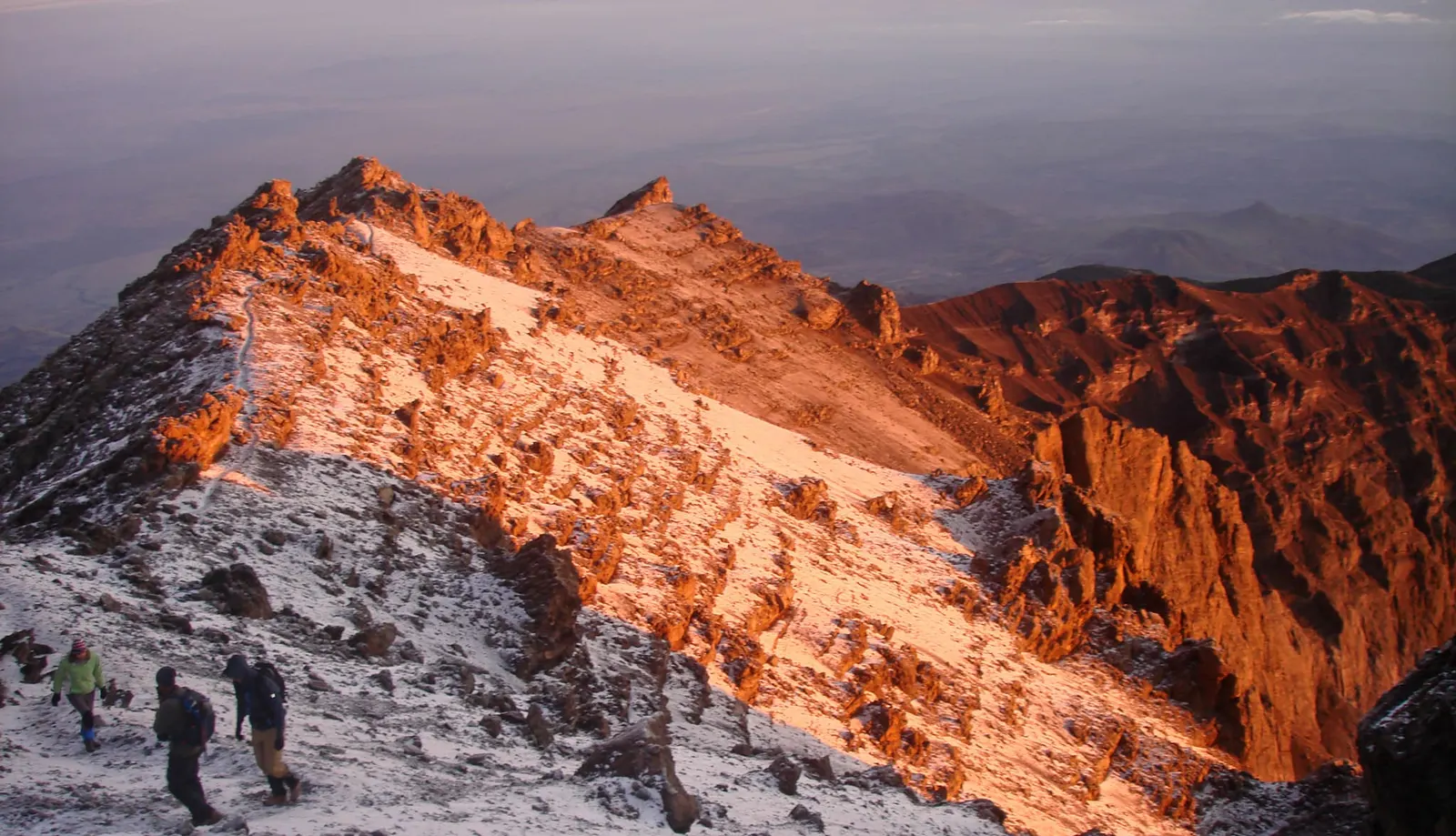
Mt Meru climb
At 4,566 metres, Mt Meru is regarded as the little brother of Mt Kilimanjaro and is...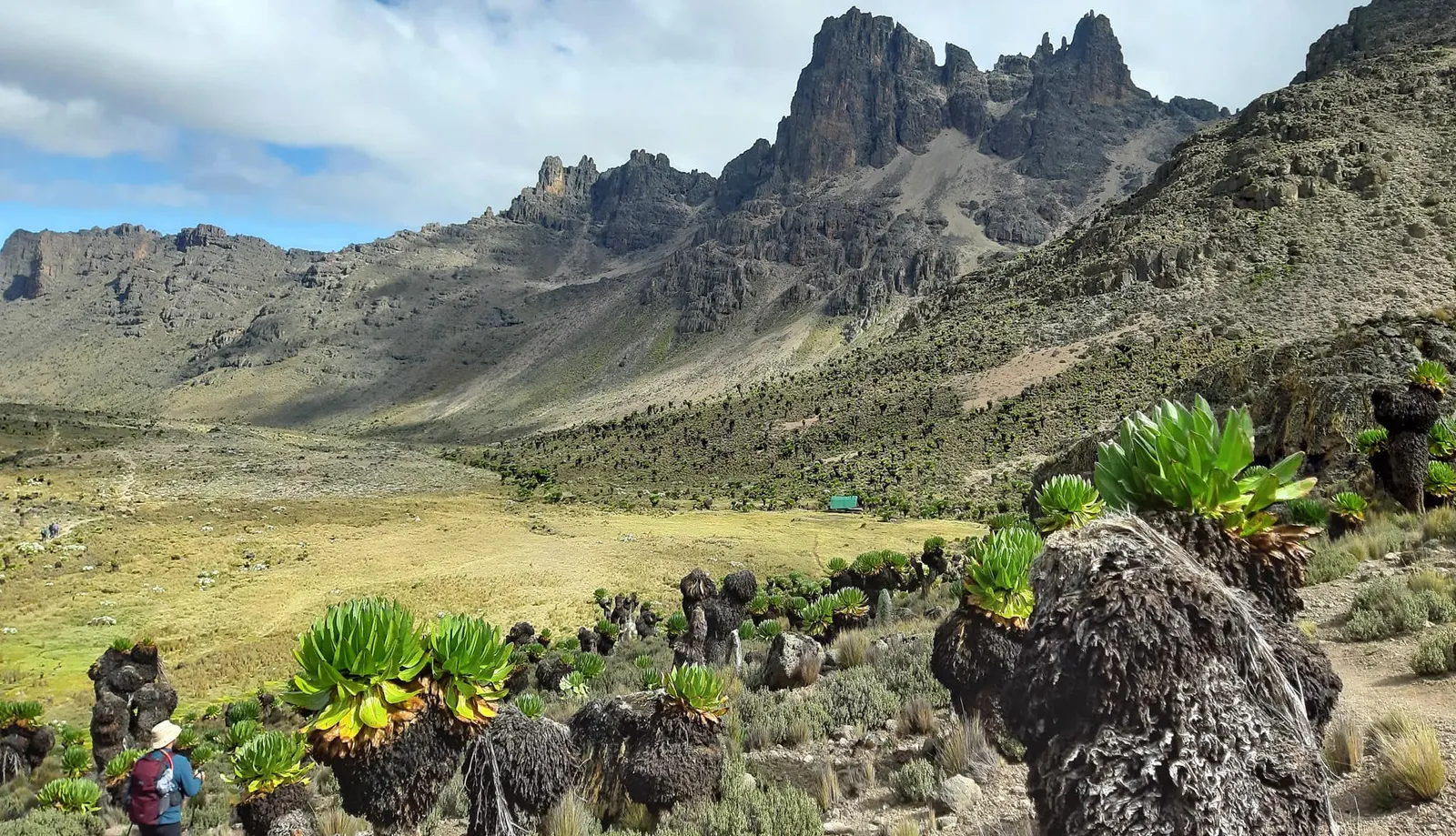
Mt Kenya climb
Kenya's highest mountain impresses above all with its scenic beauty. Bubbling mountain...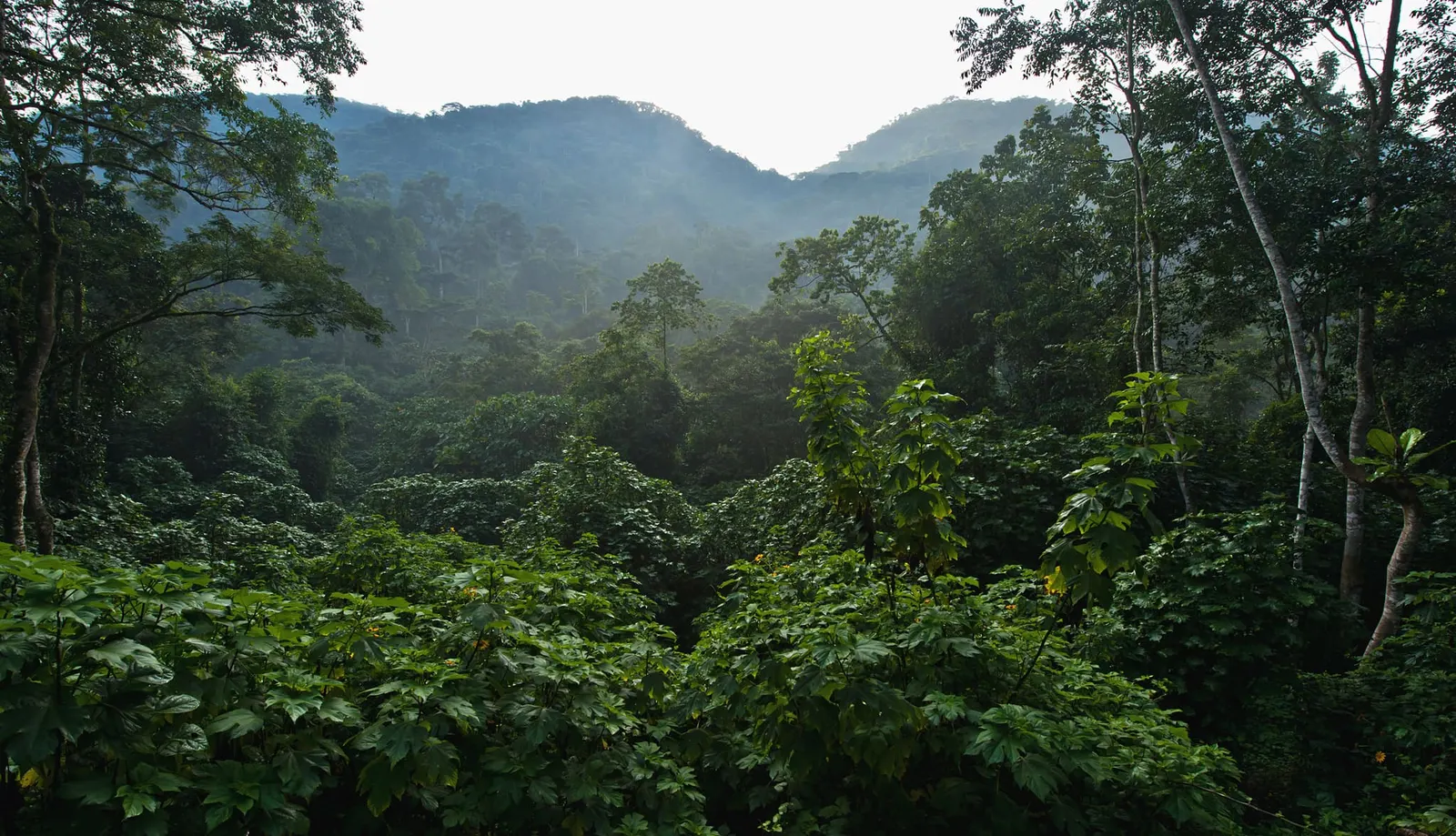
Gorilla trekking
In the dense mountain rainforest of Uganda and Rwanda live some of the last...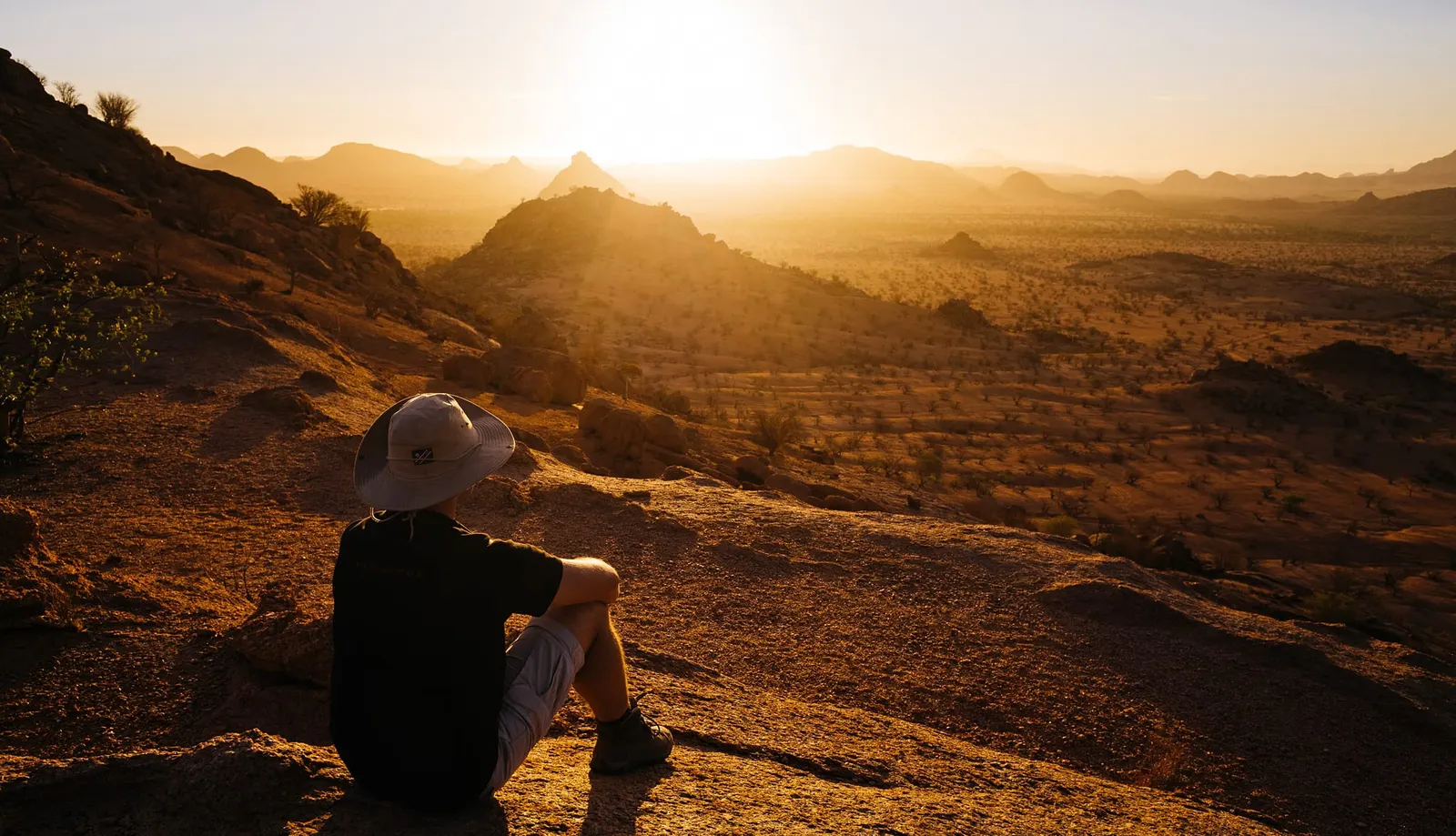
Namibia
Many people associate Namibia with long car journeys and hot dune landscapes. But you...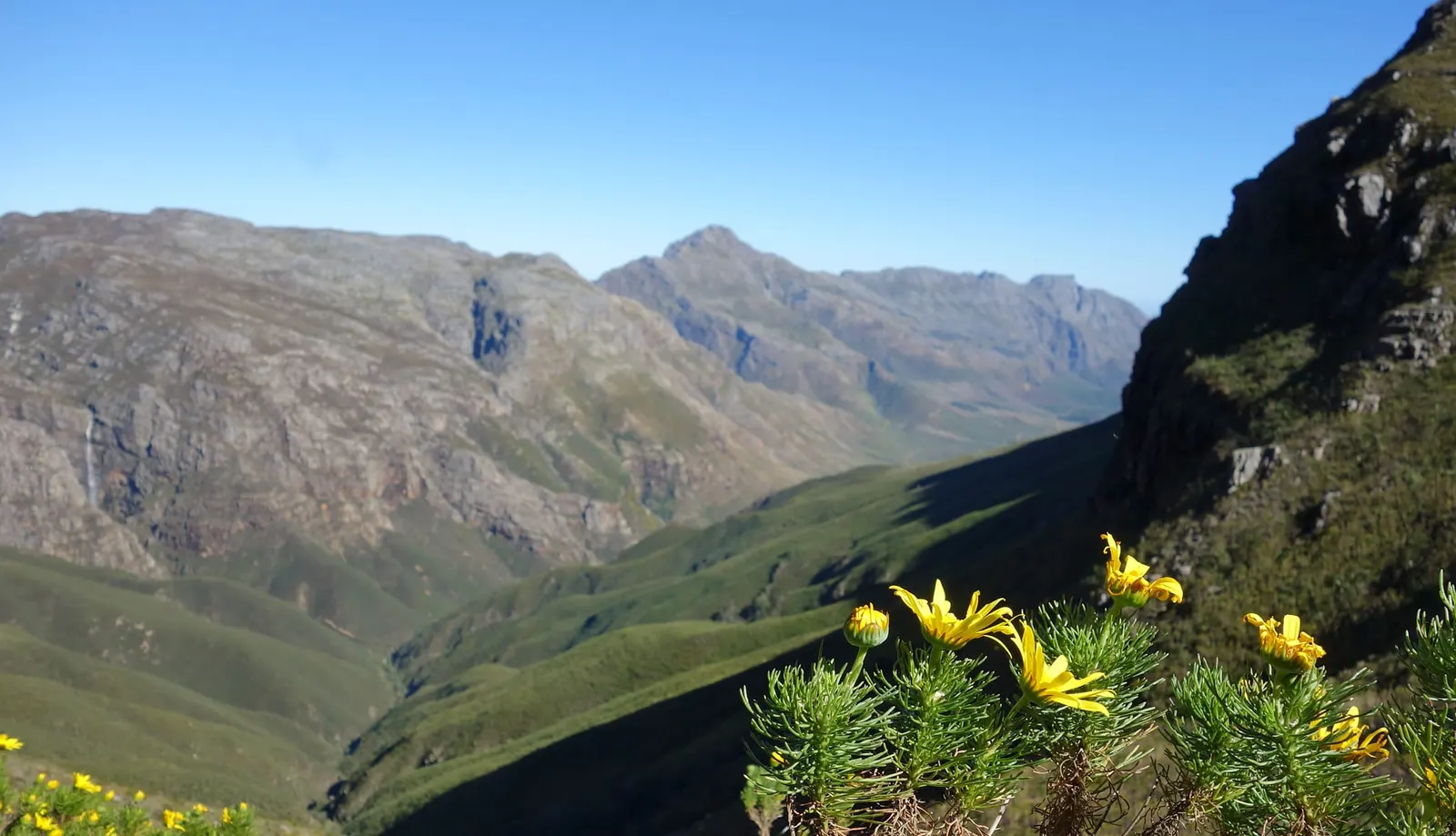
South Africa
The country where, as a traveller, you always find what you are looking for naturally...— Matthias Büttner and friends
Travel impressions
When is the best time to travel for trekking in Africa?
The best time to travel for trekking in Africa varies by region – yet there is a common denominator: hiking tours are usually most pleasant during the respective dry season. Then you can expect clear visibility, stable weather conditions, more pleasant temperatures and trails that are easy to walk.
In East Africa, for example on Kilimanjaro in Tanzania or on Mount Kenya, the months from January to March and from June to October are considered the ideal trekking time. During the rainy seasons in April, May, November and December the trails are often slippery, visibility is limited and the weather is changeable.
In southern Africa, too, the best time to travel is largely based on the drier months. For regions such as the Drakensberg in South Africa or the Ugab Valley in Namibia, the months from May to September are particularly suitable, when clear air and pleasantly cool temperatures create the best conditions for hiking.
An exception is South Africa's Western Cape province: there the rainy season does not end until September. The wildflower bloom then marks the start of the ideal season for trekking in the Cederberg mountains. Until April, the mountains around Cape Town and the coastal paths along the Garden Route also offer excellent conditions for hiking tours.
You can find detailed information on the best season for gorilla trekking in our blog.
Which mountains can I climb in Africa?
In eastern and southern Africa there are a number of impressive mountains – from technically easy trekking destinations to demanding expeditions. East Africa is home to Africa's highest mountains, while southern Africa delights with impressive mountain landscapes. Here is a small selection by region and difficulty:
East Africa
Tanzania
- Kilimanjaro (5,895 m) is Africa's highest mountain. Technical climbing is not required, but very good fitness and altitude adaptation are important.
E.g. on our Kilimanjaro trekking: Machame Route - Mount Meru (4,566 m) is less crowded and has great views of Kilimanjaro. Well suited as an acclimatisation tour for "Kili".
E.g. on our Mt Meru trekking
Kenya
- Mount Kenya (5,199 m) is Africa's second-highest mountain. Simple trekking is possible to Point Lenana. Technical climbing is required to reach the Batian summit.
E.g. on our Mt Kenya trekking: Chogoria Route
Southern Africa
South Africa
- The Drakensberg (3,482 m) is the highest mountain range in southern Africa and delights with dramatic rock faces and countless trekking possibilities. The summit is usually not the goal, but rather some of the fascinating rock paintings, of which there are several thousand here.
E.g. on our Hiking tour South Africa: mountains & wild animals
Namibia
Brandberg (2,573 m) is Namibia's highest mountain
Is trekking in Africa dangerous?
Trekking in eastern and southern Africa is generally considered safe if you travel well prepared and trust experienced guides. Every year numerous travellers successfully complete hikes and mountain tours – for example on Kilimanjaro, Mount Kenya or in the Drakensberg. Nevertheless, some risks should not be underestimated.
On higher mountains such as Kilimanjaro or Mount Kenya, altitude sickness is the most common challenge. A slow ascent and enough time to acclimatise reduce the risk considerably.
Weather and terrain also play an important role: intense heat can make hikes physically very demanding, while rain quickly makes trails slippery, muddy and harder to walk.
Wildlife is rarely a problem on guided tours, as long as you follow the guides' instructions and keep a sufficient distance.
Of greater importance in remote regions is the often limited rescue and healthcare infrastructure. Medical help or ambulance transport can take considerably longer than in Europe. Good travel insurance with rescue and repatriation cover is therefore particularly important.
How do you prepare for trekking in Africa?
The preparation for trekking in East and southern Africa depends greatly on the challenge. In many cases average fitness is enough. But for mountains such as Kilimanjaro or Mount Kenya you should be organised, as they require good physical preparation, slow acclimatisation, appropriate equipment and mental strength. If you would like to read more about preparing for a Kilimanjaro climb, you can find out more here.
Physical preparation
- Fitness: train your stamina for multi-day hikes by regularly walking long distances (with a loaded daypack on your back), getting used to differences in altitude in the mountains and doing some strength training for your legs and core.
- Acclimatisation: for the slow adaptation to altitude on demanding mountains, plan an extra day on site for acclimatisation at around 3,500–4,000 m.
Equipment and clothing
- Wear light, breathable clothing in layers so you can put it on and take it off according to the weather conditions. Make sure you have a waterproof layer and also bring warm clothing for cold nights. Don't forget sun protection (sun cream, hat, sunglasses).
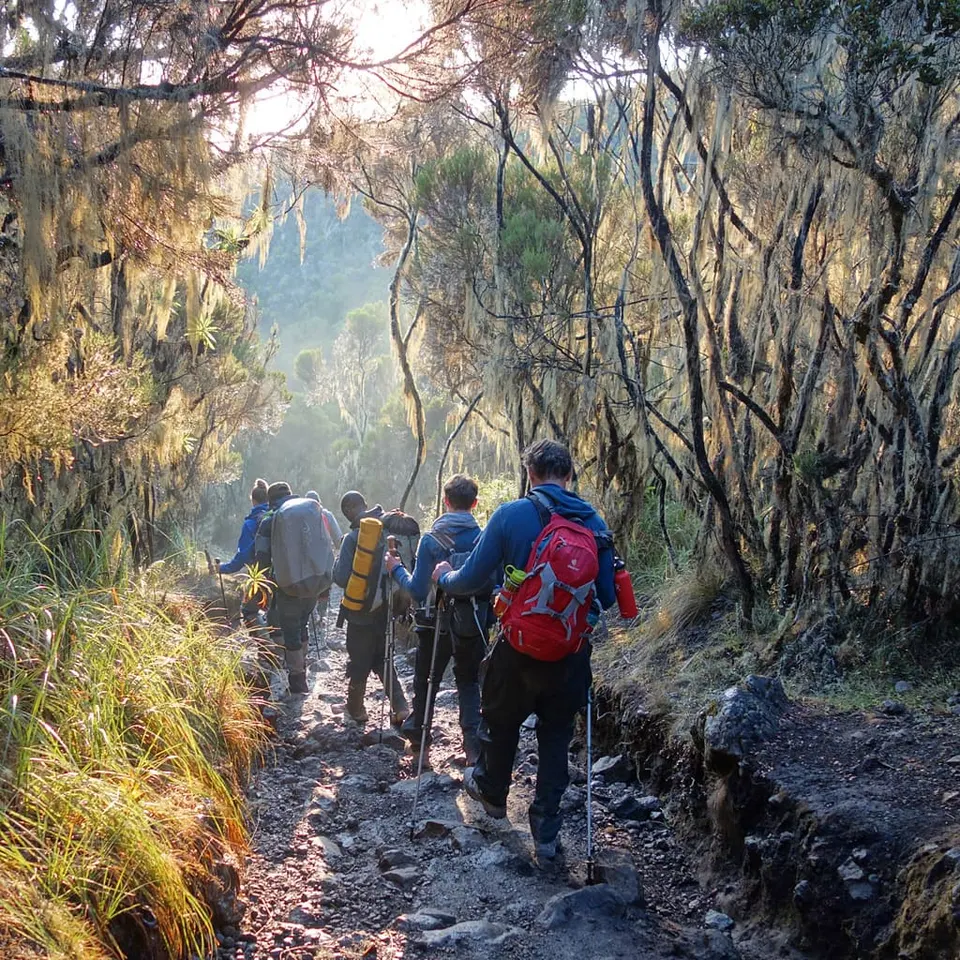
- For your equipment, look for good hiking boots, ideally sturdy and waterproof. Your rucksack should be packed light and functionally. Think of trekking poles, which can help on steep sections and slippery trails. In some cases you can also hire these on site.
Mental preparation
- You need self-motivation & patience for long, strenuous and mentally demanding days at altitude. Prepare yourself mentally for challenges such as rain, wind and cold. Accept that the ascent is slow and tiring. Go at your own pace and listen to your body.
How many hours a day do you hike?
On trekking and safari tours in eastern and southern Africa (in countries such as Tanzania, Kenya, Uganda, South Africa or Namibia), the daily hiking time depends greatly on the type of tour. There are, however, typical guide values:
On classic trekking or walking safaris you usually walk 4–7 hours per day, interrupted by a lunch break. On more demanding treks, e.g. mountain tours, it can average 6 to 8 hours per day and on summit days, e.g. on Kilimanjaro, even 10–14 hours.
On safari walks (bush walks) the walking times are rather shorter at 2–4 hours per day . The focus is on the nature experience and wildlife viewing, not so much on distance.
What food is provided on hiking tours?
The catering on hiking and trekking tours in Africa (e.g. in Tanzania, Kenya or Namibia) is well organised and varied. Exactly what you get depends on the comfort level of the tour – from simple camp cooking to multi-course safari menus.
On our trekking tours we are happy to cater for special diets such as vegetarian or vegan meals as well as individual allergies and intolerances.
Guests with special dietary requirements can also look forward to varied, nutritious and fortifying meals during their trekking tour in Africa – please inform your travel expert of your requirements as early as possible.
How much does a hiking tour in Africa cost?
The cost of a hiking or trekking tour in eastern and southern Africa varies depending on trip length, season, group size and the comfort you want.
As a general rule: the more exclusive the accommodation, the more private the trip arrangements and the closer to peak season you travel, the higher the trip price.
Simple trekking tours in a group, such as our trip "Hiking in South Africa, Eswatini & more", start at around 175 euros per person per day. More demanding tours, such as a Kilimanjaro climb, are usually around 220 euros per person per day. Particularly exclusive nature experiences such as gorilla trekking in Uganda or Rwanda start from roughly 390 euros per person per day.
Many offers already include accommodation, most meals, local guides, transfers and national park fees. In addition there are usually international flights, drinks, optional meals, tips, insurance, visas and any activities not included.
Where can I combine a safari with a trekking tour?
Safaris and trekking tours can be combined excellently in eastern and southern Africa – especially in countries such as Tanzania, Kenya, Uganda, Namibia and South Africa.
In Tanzania many travellers combine the climb of Kilimanjaro with a safari in the Serengeti or the Ngorongoro Crater.
In Kenya, trekking tours on Mount Kenya go ideally with safaris and even a subsequent beach holiday on the country's tropical beaches.
Uganda delights with a unique mix of gorilla and chimpanzee trekking as well as classic safari experiences in species-rich national parks.
Namibia offers spectacular desert and canyon hikes, for example in Fish River Canyon or the Ugab Valley, combined with wildlife viewing in Etosha National Park.
South Africa, in turn, with its good infrastructure, is particularly well suited to varied combinations of trekking and safari – from the Drakensberg via the Garden Route to Kruger National Park.
Which combination suits you best depends on your interests, your travel time and the comfort you want.
Our travel experts will be happy to advise you personally and work with you to find the ideal combination of trekking, safari, nature experience and relaxation for your individual Africa trip.
Can you also see wildlife while trekking?
Yes, on trekking tours in eastern and southern Africa there are many places where you can watch animals in the wild.
However, a trekking experience differs considerably from a classic safari: wildlife viewing is usually more subtle yet more intense, as you experience nature on foot. Which animals you can see depends very much on the region and the type of hike.
Particularly good opportunities are offered by some trekking areas in East Africa. On Mount Meru in Tanzania, giraffes, buffalo, baboons, colobus monkeys and antelopes can often be seen from the very first days of hiking.
In Kenya, too, the lower regions of Mount Kenya as well as areas such as Hell’s Gate National Park and Lake Naivasha offer wonderful encounters with nature and wildlife.
In Uganda, encounters with primates take centre stage – for example gorilla and chimpanzee trekking in Bwindi Impenetrable National Park.
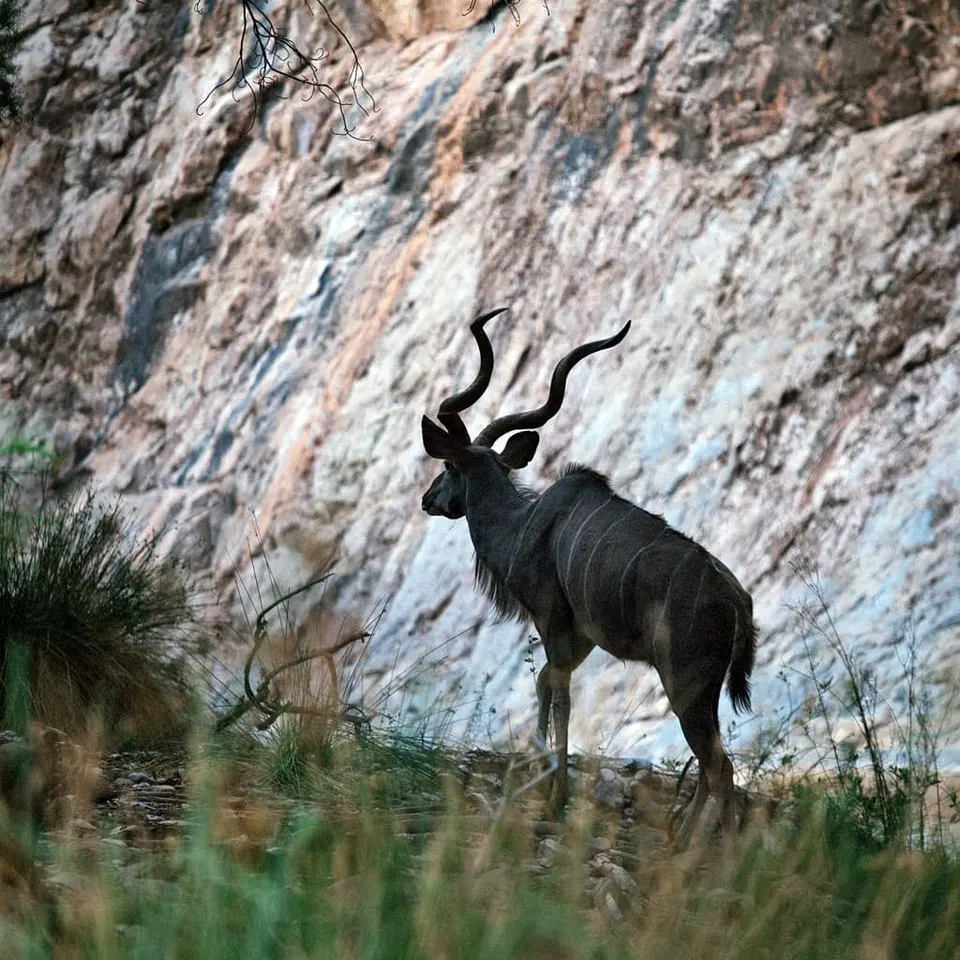
In southern Africa, wildlife sightings on hikes are usually somewhat rarer, but the scenery is especially impressive. In South Africa, hikes at the Cape of Good Hope may give you the chance to see ostriches, baboons and various antelope species, among others.
In Namibia, in the desert landscapes around Sossusvlei, with a little luck you may encounter springbok, jackals, ostriches or other desert animals.
In addition, there are also special guided trekking tours – for example in Kruger National Park – on which you spend several days on foot through the African wilderness together with experienced rangers.
Contact our travel experts for individual advice and planning, and turn your trekking adventure in Africa into an unforgettable experience full of nature, wildlife and culture.