The best time to travel to the Caprivi Strip (Zambezi Region)
 by Juan Proll· March 9, 2026· 12 min read· Updated March 7, 2026
The Caprivi Strip is one of the most unique and fascinating regions of Namibia, a geographical curiosity with an exciting history and impressive biodiversity.
In today’s blog you will find out when the best time to travel to the Caprivi Strip is.
Where is the Caprivi Strip and why is it so special?
Geographical location of the Zambezi Region
The Zambezi Region lies in the far north-east of Namibia and, at over 450 kilometres long and 30 to 120 kilometres wide, forms a narrow, landlocked corridor between Angola, Zambia and Botswana.
Named after the Zambezi River, it is part of a unique quadripoint (even though Zimbabwe does not directly border it) in southern Africa and is exceptionally situated both strategically and scenically.
Differences from other regions of Namibia
In contrast to the dry desert landscapes such as the Namib Desert or the barren expanse of the Kalahari, the Zambezi Region is much wetter and greener. Numerous rivers shape the landscape, including the Zambezi and the Okavango (Kwando).
Instead of endless dunes, floodplains, wetlands and dense vegetation dominate here – a rarity in Namibia and a strong contrast to the rest of the country.
Wildlife, rivers and vegetation at a glance
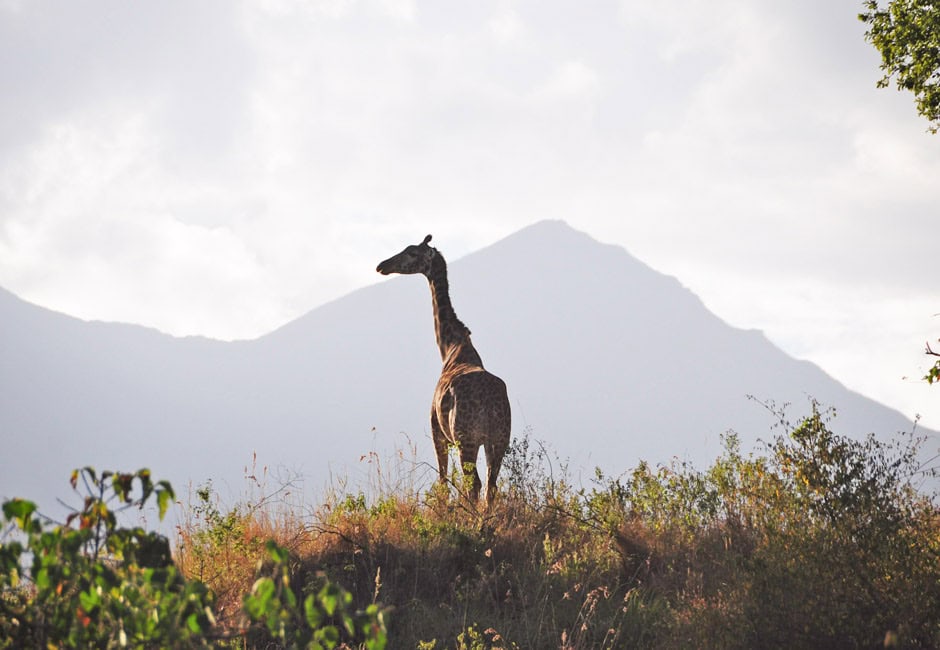
The region is known for its rich wildlife, including elephants, buffalo, zebras, antelopes, giraffes, hippos, lions and other predators. National parks such as Bwabwata National Park and Nkasa Rupara National Park protect important habitats along the rivers.
Lush vegetation, flood areas and riverine forests make the Zambezi Region a paradise for nature and bird lovers.

Climate in the Caprivi Strip – seasons explained simply
The Caprivi Strip, now known as the Zambezi Region, has a clearly pronounced seasonal climate with a dry and a rainy season. Unlike the rest of Namibia, it is more humid, more subtropical and generally wetter here – shaped by rivers, flood areas and high humidity in the hot months.
Dry season (May to October)
The dry season is considered the best time to travel to the Zambezi Region. Between May and October there is hardly any rainfall, the air is pleasantly dry and daytime temperatures are mostly between 20 and 30 degrees. At night it can cool down noticeably, especially in June, July and August.
As water sources become scarcer, many animals gather at the large rivers such as the Zambezi or Okavango. At the same time the vegetation thins out, which further improves visibility. As a result, wildlife viewing becomes increasingly easy and successful. Road conditions are also mostly good at this time.
Rainy season (November to April)
In the rainy season the region turns into a lushly green landscape. Regular, sometimes heavy showers – often in the afternoon – cause rising water levels and flooded plains, especially in January and February. Temperatures often climb above 30 degrees, accompanied by higher humidity.
Nature now shows its liveliest side: plants grow quickly, many animals give birth to young and the birdlife is especially active. However, some tracks can be difficult or impossible to pass.
For adventurers, photographers and nature lovers, this season therefore offers exciting experiences, impressive lighting moods and spectacular cloud formations.

Best time to travel to the Caprivi Strip for safaris
Wildlife viewing in the dry season
The months May to October are considered the ideal time for safaris in the Zambezi Region. The hot months of the rainy season are over, the roads are more car-friendly and the animals more active.
During the dry season the elephants roam through the corridor and many animals retreat to permanent water sources, especially the Zambezi, the Kwando and the Chobe. This significantly increases the chances of impressive wildlife encounters.
In Bwabwata National Park, Mudumu National Park and Nkasa Rupara National Park, large herds of elephants, buffalo and antelopes gather along the riverbanks. The vegetation thins out and animals become more visible. In addition, road conditions are more stable, making game drives more pleasant and easier to plan.
Birdwatching in the rainy season
Between November and April the region is a paradise for bird lovers. With the start of the rainy season, numerous migratory birds arrive and many resident species show off their colourful breeding plumage.
Flood areas and wetlands offer ideal conditions for waterbirds. Rare and spectacular species can be seen especially along the Kwando.
When are the chances best for elephants, buffalo & big cats?
The highest chances of seeing large herds of elephants and buffalo generally occur during the dry season. As a corridor, the Zambezi Region allows migratory movements, which elephants in particular use to move between Zambia and the Okavango Delta.
Ultimately it is about balance: finding good feeding grounds as close to water as possible. In the later dry season from August to October, finding water becomes more difficult. Then the animals concentrate heavily at the remaining waterholes.
Big cats such as lions and leopards are also more active and easier to track, as prey animals use more predictable migration routes.

Caprivi Strip best time to travel by travel style
The best time to travel to the Caprivi Strip varies depending on your travel style. Climate, water levels, animal movements and road conditions influence the ideal months for safaris, road trips or boat tours.
For classic safari trips
For classic safari trips, the dry season from May to October is ideal. As the waterholes created by the rainy season disappear more and more, wildlife gathers at the remaining, permanent water sources such as the Zambezi, Chobe or Kwando in Bwabwata National Park.
At the same time the vegetation decreases – elephants, buffalo and antelopes are now easier to spot. Predators also benefit, getting to their prey more easily – all of which increases the chances of exciting wildlife viewing. In addition, pleasant temperatures and well-drivable tracks ensure relaxed safari conditions.
For self-drivers and road trips
Self-drivers benefit greatly from the stable dry season. Between May and October most gravel and sand tracks are easily drivable, with little risk of getting stuck in sand or mud. The rental car should still be a 4x4 four-wheel-drive vehicle. Clear visibility and stable weather make for relaxed road trips.
It is different in the rainy season from December to March: flooded roads and deep sand can be demanding or even impassable. However, anyone looking for adventure, lush green landscapes and high-contrast photo subjects will find especially appealing conditions then.
For boat and river safaris
Boat and river safaris in the Caprivi Strip are particularly appealing in the dry season. Buffalo, hippos, crocodiles and large herds of elephants can be watched superbly from the boat.
With every additional dry month, animals gather in ever greater numbers on the banks, while the water level is usually still high enough for relaxed trips.
It is different in the rainy season – the animals spread out and lush vegetation blocks the view. Besides, who wants to get wet? Many boat and river safaris therefore do not take place at all. That said, the landscape looks especially dramatic and alive at this time.
For photographers and birdwatchers
For bird lovers, the rainy season from November to April is ideal. In a lush green landscape, migratory birds in colourful breeding plumage join the resident birds. Especially along the riverbanks, impressive photo subjects arise with dramatic cloud formations and soft light after rain showers.
Wildlife viewing is more challenging than in the dry season, but the variety of bird species and landscape scenery makes these months especially attractive. With over 450 bird species in the Caprivi Strip, though, it matters little in the dry season if the migratory birds are missing. In return, the options for animal and starry-sky subjects increase.

The months in detail – when is a trip really worthwhile?
May & June – start of the ideal travel period
With the end of the rainy season, a particularly pleasant phase begins in May. The landscape is still green, roads dry out and temperatures are mild.
Wildlife viewing becomes increasingly easier: elephants use the corridor on their way to the Okavango Delta, wildlife slowly retreats to rivers and waterholes – ideal conditions for relaxed safaris.
July to September – high season for wildlife viewing
These months are considered the best time to travel for intensive wildlife viewing in Bwabwata National Park, Mudumu National Park and Nkasa Rupara National Park. The dryness forces elephants, buffalo and antelopes to the permanent water sources. The vegetation is thinned out, making animals easier to spot.
At the same time, daytime temperatures are pleasant, but can be cool in the morning and evening. The roads and tracks are also in the best possible condition. Because of the optimal conditions it is now high season – booking accommodation and guided tours early is recommended.
Would you like to find out more about Namibia trips?
We will gladly advise you. Get in touch with us!
October – heat, but spectacular safari chances
October is one of the hottest months. The dryness reaches its peak and brings about exceptional concentrations of animals at the remaining waterholes – dramatic safari scenes follow. If you can handle the heat, you will now experience especially intense animal encounters and impressive photo subjects in the dusty wilderness.
The high season ends and flexibility with accommodation and tours increases again.
November & December – transition to the rainy season
With the first rainfalls the landscape changes noticeably. Short, sometimes heavy showers bring fresh greenery back, and many animals spread out into the surrounding area again. It is the time of new births and young animals.
Temperatures remain very high, and humidity increases. The first spectacular cloud formations and intense lighting moods appear – especially appealing for photographers. Visitor numbers fall further, which makes travel at this time quieter and often cheaper.
January to March – green landscape & bird paradise
Now the Caprivi Strip shows its lushest side: rich colours, high water levels and an impressive variety of birds shape the picture. Migratory birds are present, and many species wear their finest plumage colours for the coming mating season.
Wildlife viewing is more challenging, but nature lovers enjoy a particularly lively and varied atmosphere.
April – insider tip for travellers
April is considered an underrated month to travel. The rainfall eases off, the landscape is still green and road conditions improve noticeably. At the same time, humidity and temperatures slowly fall. Wildlife becomes more active again and more visible at rivers and in open areas.
As the main season has not yet begun, travellers benefit from quieter camps, good availability and often more attractive prices with nearly optimal conditions.

Pros and cons of the dry season vs. rainy season
Advantages of the dry season
The dry season from May to October offers the best conditions for wildlife viewing. Wildlife gathers at rivers and waterholes, the vegetation is thinned out and visibility is correspondingly good. Roads are easily drivable, rain is rare and the climate is pleasantly dry – ideal for classic safaris and self-drivers.
Advantages of the rainy season
In the rainy season from November to April, the region turns into a lushly green natural landscape. Bird species are especially numerous, many animals have young and dramatic cloud constellations create unique photo subjects. In addition, fewer visitors travel – accommodation is often cheaper and quieter.
Which season suits you better?
If you want to see as many large animals as possible on game drives and value predictable road conditions, the dry season is the best choice. Especially in regions such as Bwabwata National Park, the chances of spectacular encounters rise significantly.
If, on the other hand, you love rich colours, bird diversity and impressive sky moods, the rainy season might suit you better. It offers more intense nature experiences, but requires some flexibility with weather, wildlife viewing and adverse road conditions. The demands on your driving skills in a four-wheel-drive vehicle increase.
Ultimately your travel style decides: comfort and maximum visibility, or atmosphere, peace and scenic drama.
Popular tours:
FAQ on the best time to travel to the Caprivi Strip
When is the best time to travel to the Caprivi Strip in general?
In general, the dry season from May to October is considered the best time to travel to the Caprivi Strip. In these months temperatures are pleasant, humidity is low and rain is rare. Wildlife concentrates at rivers such as the Zambezi and Kwando, which makes wildlife viewing much easier.
Especially in protected areas such as Bwabwata National Park, the chances of elephant and buffalo sightings are now very high. At the same time, road conditions are stable, which offers self-drivers additional security.
Is the rainy season in the Caprivi Strip recommended?
Yes, the rainy season from November to April can be very appealing – especially for nature lovers, photographers and adventure seekers. The landscape turns into a lush green paradise, many animals give birth, and numerous migratory birds come to visit.
However, wildlife spreads out more across the terrain, which makes sightings somewhat more challenging . In addition, individual tracks can be difficult to pass at times. If you have flexible travel plans and appreciate lush nature, you will experience an atmospherically special side of the region at this time.
When do you see the most elephants in the Caprivi Strip?
The largest elephant concentrations are seen in the dry season from May to October. Then water scarcity and dried-out vegetation cause large herds to gather along permanent rivers.
Impressive encounters are possible especially along the Chobe and Kwando rivers as well as in Bwabwata National Park and Mudumu National Park. In this phase, spectacular scenes often arise with hundreds of animals drinking, bathing or crossing rivers together – a true safari highlight.
Is there a risk of malaria in the Caprivi Strip?
Yes, the Caprivi Strip is considered a malaria area all year round, although the risk is higher in the rainy season. Between November and April in particular, mosquito activity increases due to standing water and higher humidity.
An individual travel-medicine consultation before departure is recommended. Protective measures such as long clothing at dusk, insect repellent and mosquito nets are standard precautions. Many lodges are well prepared, but you should not rely on that.
When is the cheapest time to travel to the Zambezi Region?
The lowest prices are usually found in the rainy season from January to March and in part from November to mid-December. In these months demand falls, so lodges and camps often offer attractive discounts.
At the same time the landscape is especially green and photogenic. There may be limitations with road conditions or animal density. However, anyone who plans flexibly and values nature experiences over maximum wildlife sightings benefits both financially and atmospherically.
Is the Caprivi Strip suitable for a Namibia round trip in every season?
Basically yes – the Caprivi Strip can be integrated into a Namibia round trip all year round. In the dry season it scores with excellent wildlife viewing and good road conditions. In the rainy season it impresses with tropical-looking vegetation and rich birdlife.
What matters is realistic planning: in wet months, time buffers should be built in, accommodation chosen carefully and guided tours preferred. If you align travel time, expectations and activities, you can experience the region intensely in any season.

Conclusion: the best time to travel to the Caprivi Strip depends on your expectations
The optimal time to travel to the Caprivi Strip – now known as the Zambezi Region – is above all a question of your priorities. If you want to see as many elephants, buffalo and antelopes as possible, the dry months from May to October are ideal.
In parks such as Bwabwata National Park, animals gather at rivers and waterholes, which allows spectacular encounters.
If, on the other hand, you prefer lush green landscapes, dramatic cloud moods and an extraordinary variety of birds, the rainy season can unfold its very own appeal. Then the Caprivi shows itself wilder, more secluded and more original.
Whether a classic game drive, a boat safari or a self-drive adventure – anyone who knows their expectations and chooses the time to travel consciously will experience one of the most varied safari regions in southern Africa here.
If you find yourself flirting with the Zambezi Region after this blog, I understand only too well. We are happy to help with any questions and further support with planning your Namibia trip, whether on a guided group tour, a guided private tour or a self-drive tour.
The Zambezi Region is definitely worth it. And thanks to our close contact with our subsidiary in Namibia, we are always well informed about the current situation. So get in touch with us! Your dream, our expertise – your very own individual Namibia experience.
Juan Proll has lived in southern Africa since 2011 and works as a certified nature and cultural guide in South Africa, Botswana and Namibia for Elefant-Tours and its subsidiaries. After an earlier career as an adult-education teacher in Germany, he swapped the classroom for the wilderness. Alongside his work as a guide, he writes for the Elefant-Tours blogs about nature, culture and sustainable travel. Juan is a member of the Field Guides Association of Southern Africa (FGASA) and the author of the books “Ich werd’ dann mal Ranger” and “Das Safari-Lesebuch”. The magazine DER SPIEGEL reported on his training.