Lake Nakuru National Park: rhinos, flamingos and safari in the Great Rift Valley
 by Juan Proll· September 28, 2026· 12 min read· Updated October 5, 2026
A lake whose shores seem to glow completely pink – that is how many people know Lake Nakuru from pictures. But this flamingo postcard scene, at least in that form, largely belongs to the past. The lake is nonetheless by no means any less spectacular.
Today the focus is above all on rhinos, buffalo, giraffes, predators and an impressive birdlife. Add to that acacia woodlands, grassland, rocks and viewpoints in the middle of the Great Rift Valley. Lake Nakuru National Park is therefore a small but surprisingly versatile safari package.
What is special about Lake Nakuru National Park?
Lake Nakuru National Park combines an alkaline Rift Valley lake with varied scenery and remarkable wildlife. Today it is particularly well known for its rhinos and around 450 bird species.
A compact national park around a soda lake
What does Lake Nakuru National Park have in common with cities like Nuremberg or Potsdam? Its size! At 188 km² Lake Nakuru National Park is not one of Kenya's huge safari areas, but unlike those German cities it is a true natural wonder.
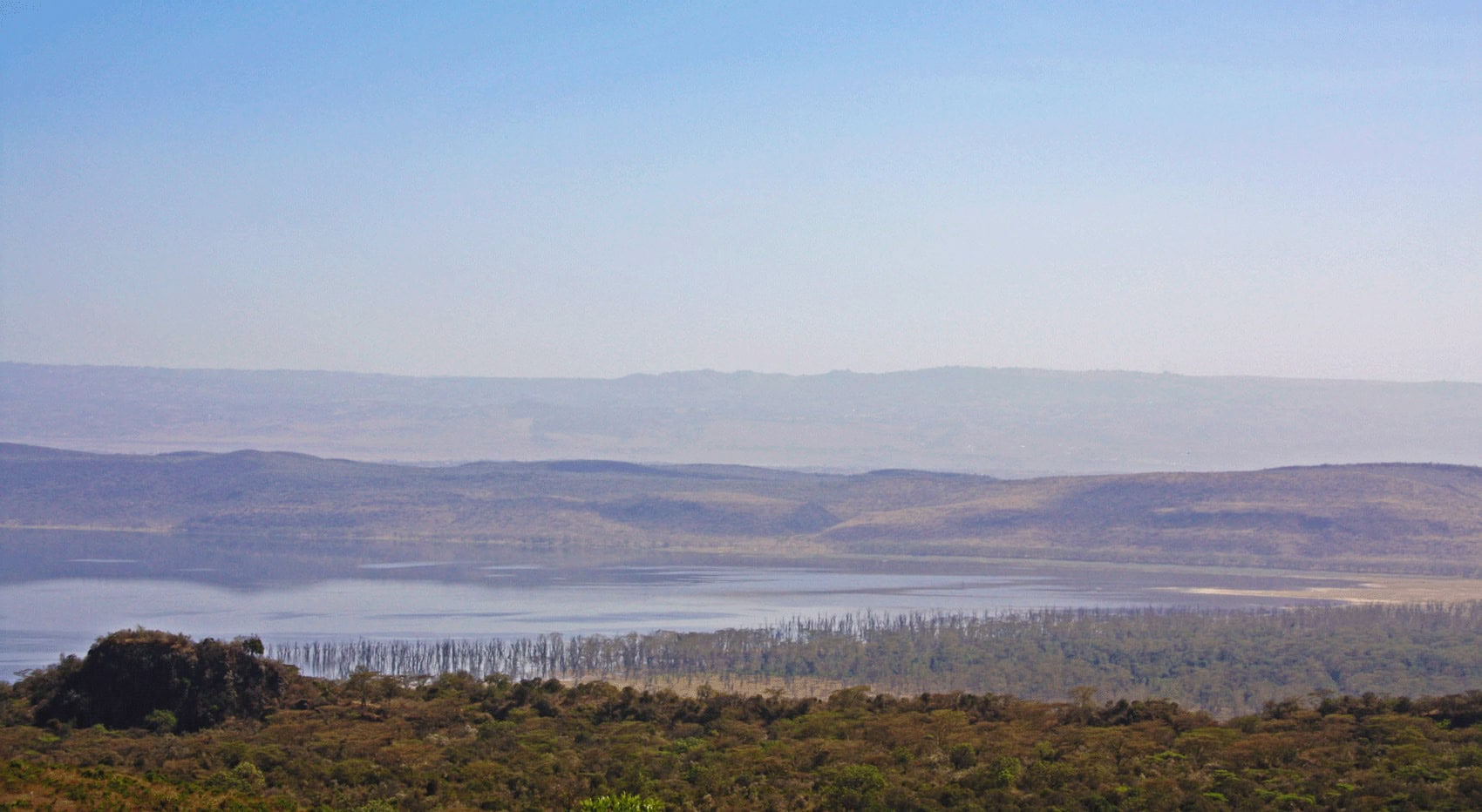
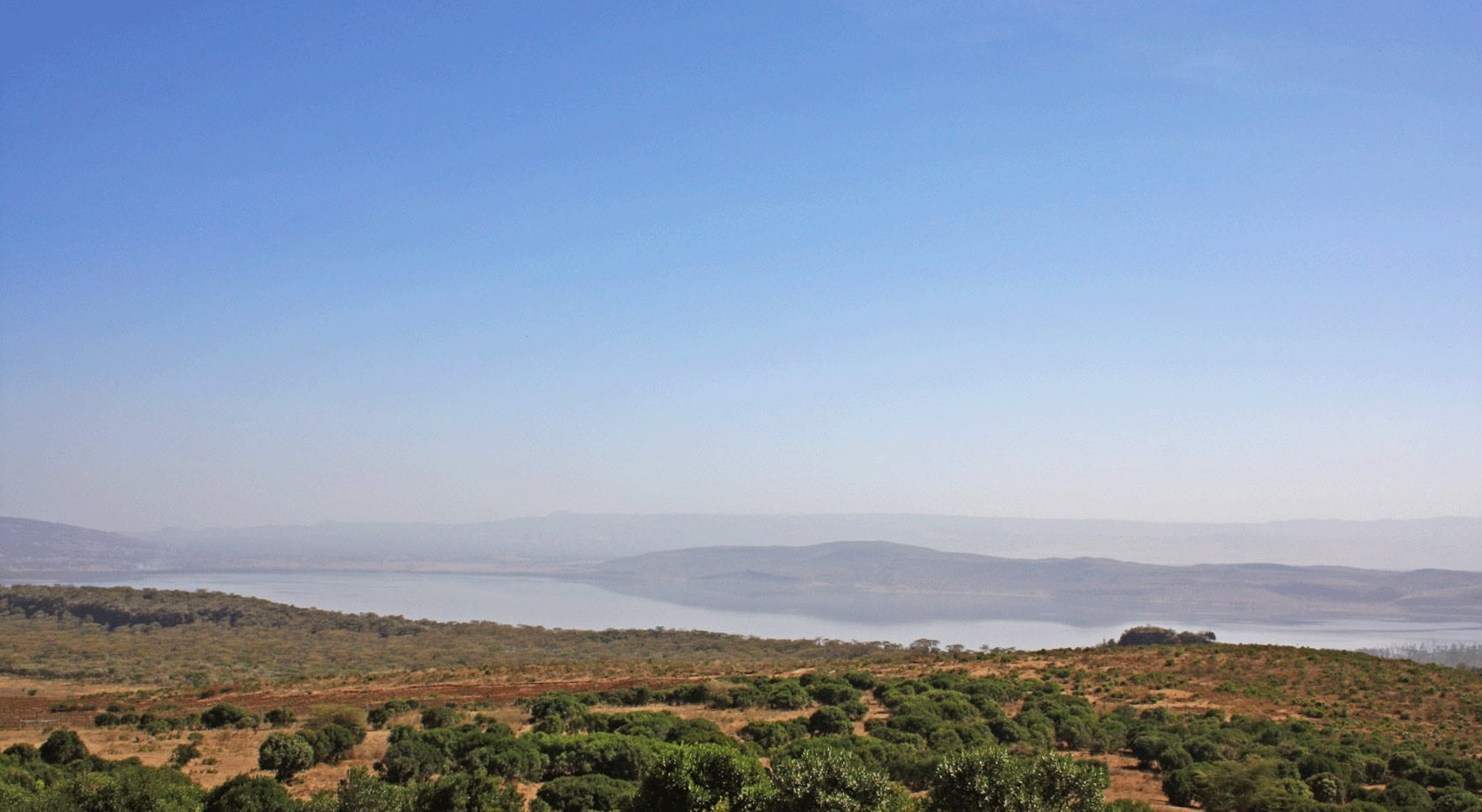
The size is also one of its advantages: the distances between the different habitats are comparatively short. At the centre lies Lake Nakuru, a shallow, alkaline lake in the Great Rift Valley. All around, grassland, acacia woodlands, rocky slopes and hills alternate.
For safari fans, this means: plenty of variety over short distances: one moment lakeshore and waterbirds, a little later acacias and giraffes, then a bit higher up to a viewpoint.
From bird sanctuary to important rhino sanctuary
The history of Lake Nakuru National Park begins with the birds. In 1961 the southern tip of the lake was first designated a bird sanctuary, followed in 1964 by an extension to the entire lake. In 1968 Lake Nakuru was officially declared a national park. In 1974 additional land was added, giving the park its present area of 188 km².
In the years that followed, the rhinos moved more into focus: in 1987 Lake Nakuru National Park was declared Kenya's first state-run rhino sanctuary. The park thus changed from a famous bird paradise into an important rhino sanctuary. That is why binoculars and large telephoto lenses are standard luggage for many travellers today.
Which animals live in Lake Nakuru National Park?
Buffalo, giraffes, zebras and predators
For its manageable size, Lake Nakuru puts an astonishing amount of big game on stage. Residents include buffalo, hippos, zebras, giraffes, impalas, waterbuck and warthogs. Elands, Grant's gazelles and baboons live here too. With such a menu on offer, lions, leopards and hyenas naturally also feel at home in the park.
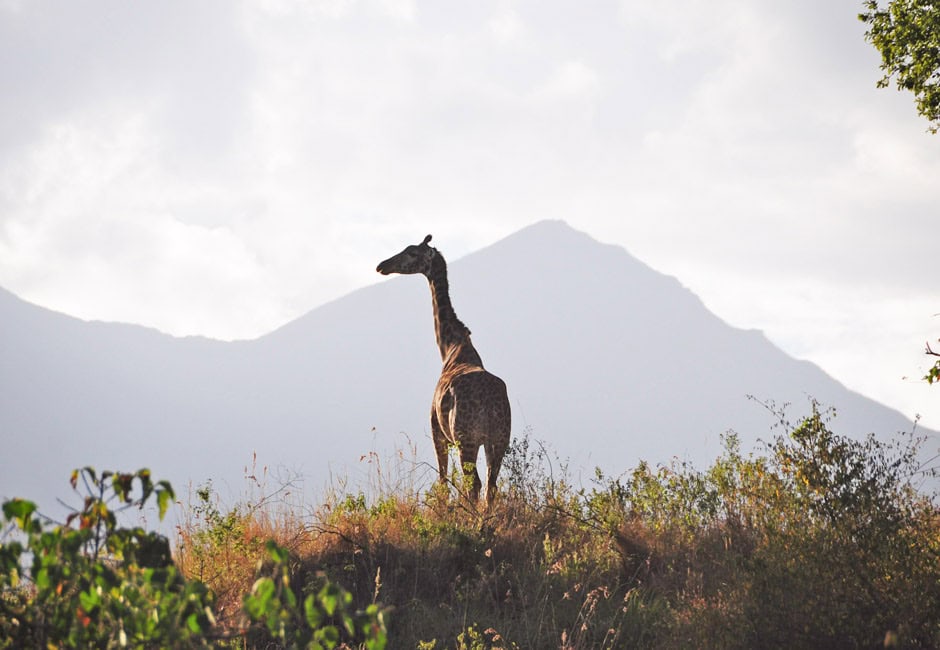
What is especially lovely is the mix of habitats: very rare Rothschild's giraffes stand among acacias, zebras roam across open areas, buffalo can often be seen in grassland or near water, and waterbirds embellish the already spectacular lake backdrop – after all, Lake Nakuru is a wildlife paradise for good reason.
Rhinos – one of the park's great success stories
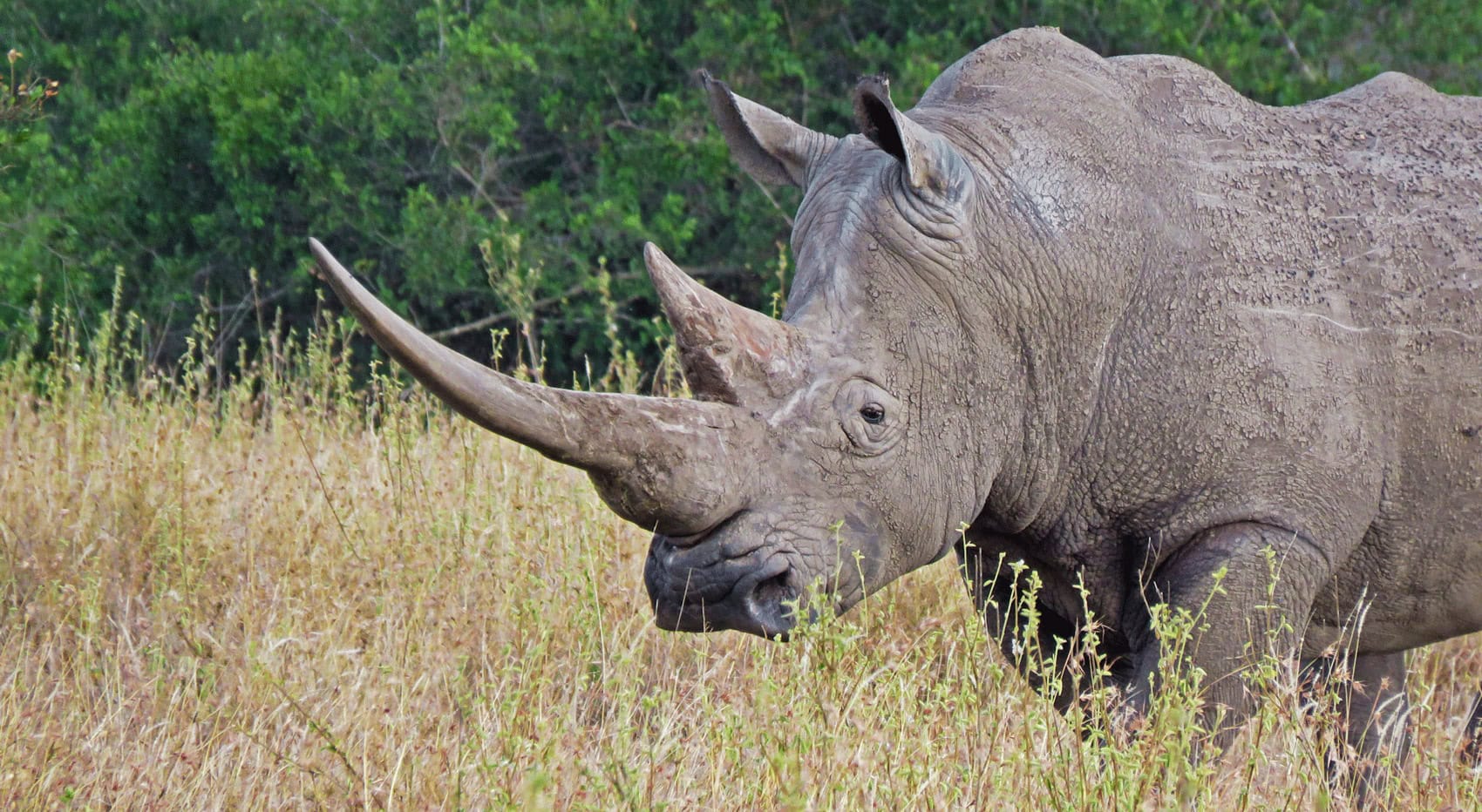
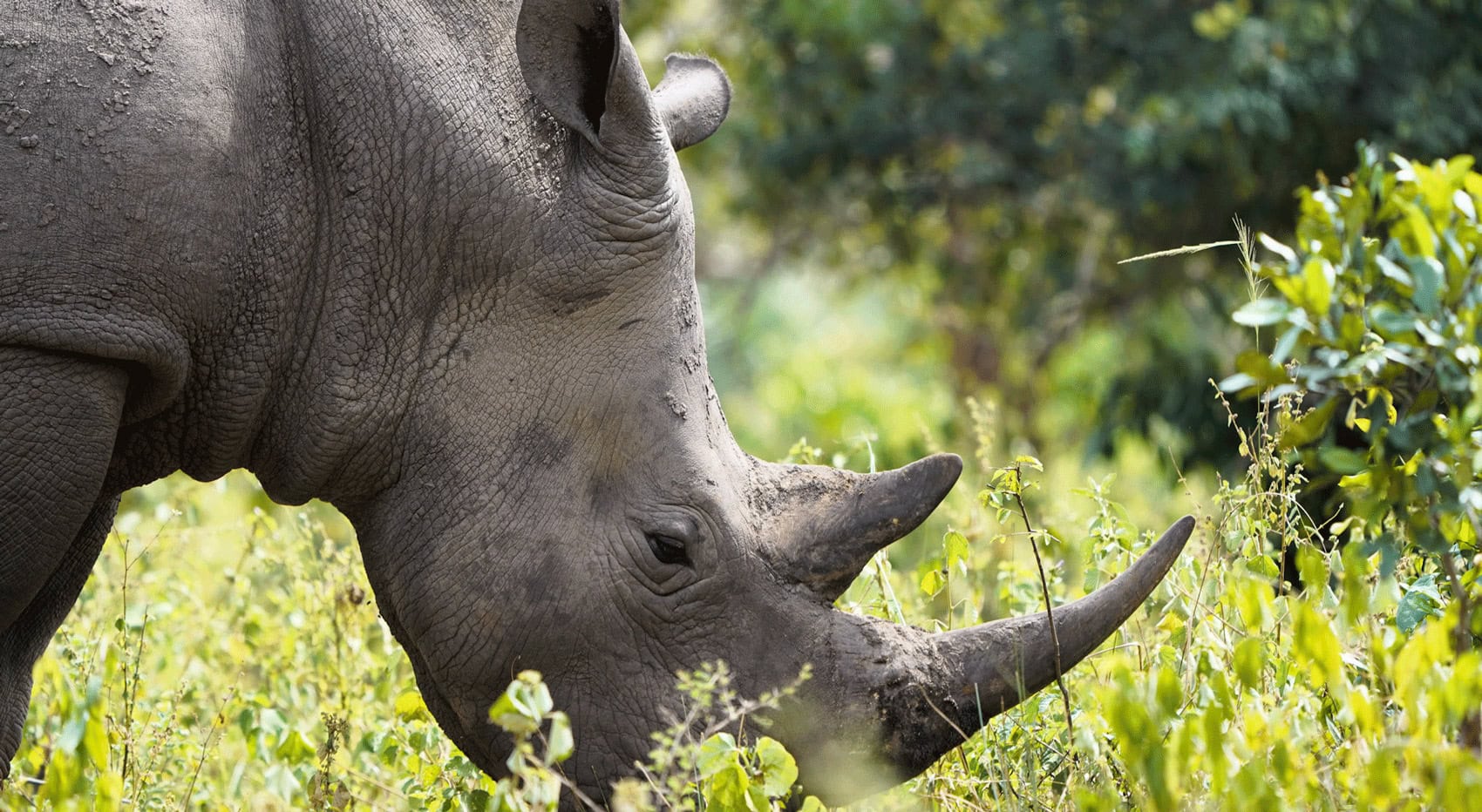
With its status as a state-managed rhino sanctuary, protecting Lake Nakuru's rhinos is one of the park's central tasks. Today the black rhinos and white rhinos in the wildlife sanctuary form one of Kenya's largest rhino populations – with the best chances of watching them in a small area.
The two species are easy to tell apart: white rhinos have the typically wide mouth for grazing, while black rhinos, with their more pointed upper lip, tend to eat leaves, twigs or buds. On safari, though, you had better not try to check this difference up close.
Decades of protection measures for the rhinos in Lake Nakuru National Park mean these animals are long past being a chance safari bonus – on the contrary: you don't see them by chance, you rather fail to see them by chance.
Are the Big Five found in Lake Nakuru National Park?
No, Lake Nakuru National Park is not a complete Big Five destination, as elephants are not part of the park's typical wildlife. But the Big Four of lions, leopards, buffalo and rhinos can be seen. If you absolutely want to see all five species on a Kenya safari, it is best to combine Lake Nakuru with other reserves such as the Masai Mara, Amboseli or Tsavo.
Want to find out more about trips to Kenya?
We are happy to advise you. Get in touch with us!
Are there still flamingos at Lake Nakuru?
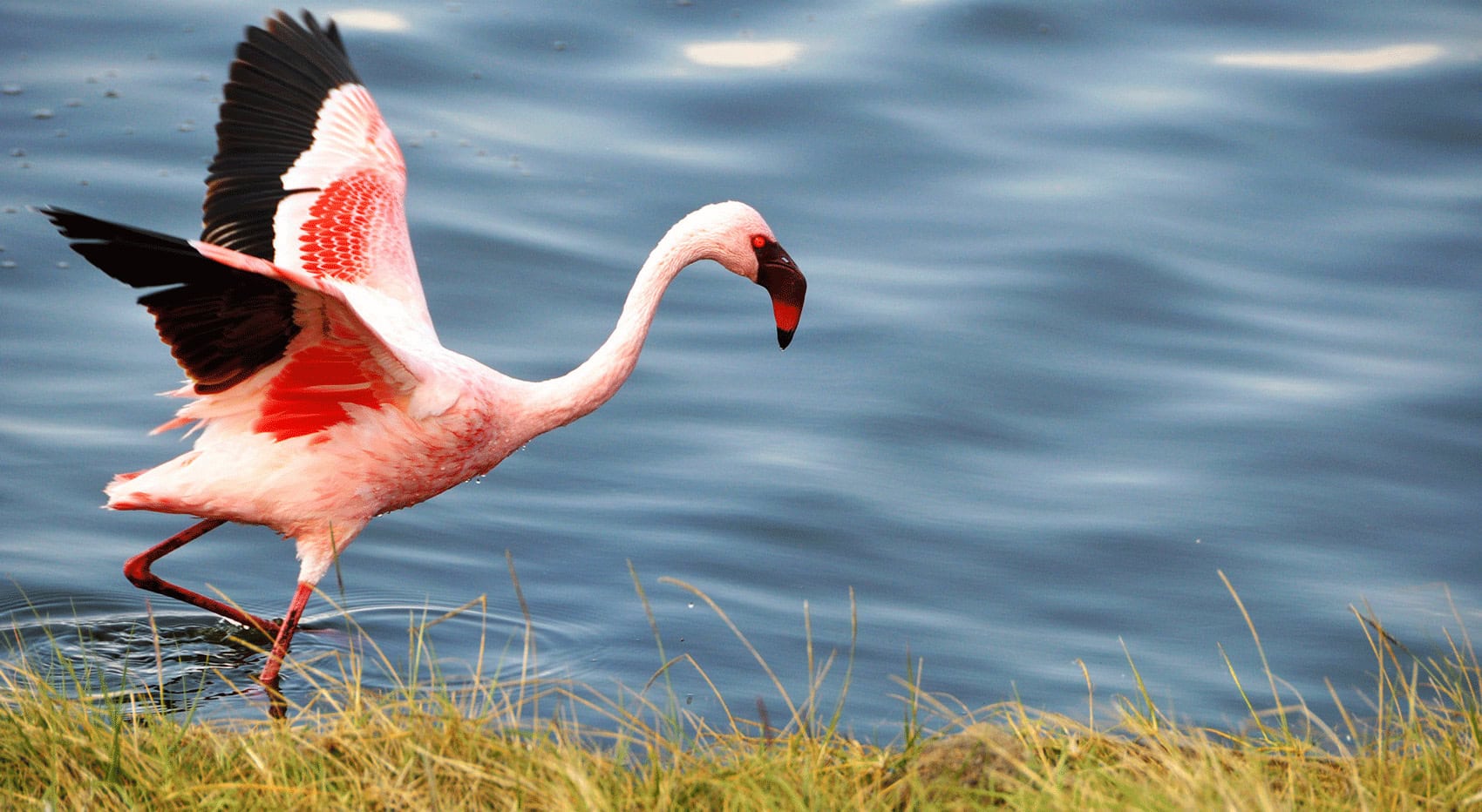
Yes – but the famous pink flamingo sea is no longer guaranteed today. Lake Nakuru National Park was once world-famous mainly for its huge flocks of flamingos. The Kenya Wildlife Service (KWS) reports that as recently as January 2006, surveys there counted 1,347,063 flamingos. Unfortunately, by January 2025 this figure had fallen to around 500 birds.
Why are there fewer flamingos at Lake Nakuru today?
Flamingos are rather picky when it comes to food. Lesser flamingos feed, among other things, on the microalga or cyanobacterium Arthrospira fusiformis, often called spirulina. For that they need suitable conditions in the water.
Since around 2010, however, rising water levels have changed the lake's ecology. According to KWS, its surface area has grown by approx. 70% compared with the average of 1984 to 2009. As a result the water is diluted and is less salty and alkaline. This in turn affects the viability of the important food source spirulina.
The consequence: when the spirulina disappears, the flamingos disappear too. So there are still flamingos at Lake Nakuru, but their numbers and distribution fluctuate more. The famous postcard scene with millions of pink birds completely covering the lakeshore should therefore be regarded as a historical image.
Is Lake Nakuru still good for birdwatching?
Definitely. Lake Nakuru National Park remains an ornithological paradise with around 450 bird species. Besides flamingos, numerous water and land birds are part of the park's birdlife. For bird lovers, Lake Nakuru is therefore by no means "flamingos or nothing". On the contrary: if you arrive with binoculars rather than just flamingo expectations, you are offered an impressive diversity of species.
Between lake, acacia woodland and viewpoints: what does Lake Nakuru look like?
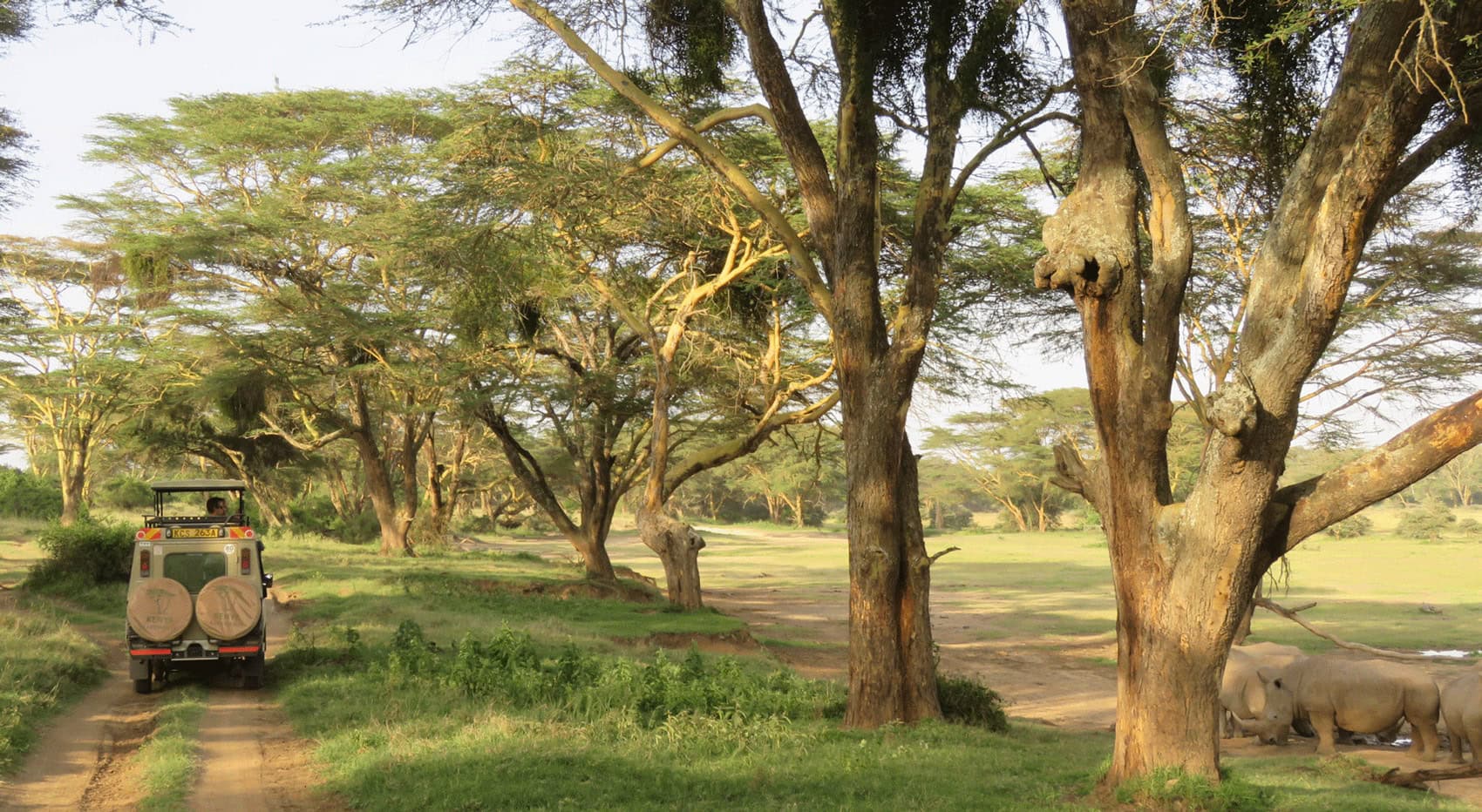
Lake Nakuru National Park surprises above all with its variety. At the water the landscape feels wide and open, while further out yellowish acacia woodlands, grassy areas and bushland define the picture. Add to that rocky slopes and hills from which new perspectives on the lake keep opening up.
And that is exactly what makes the game drive here so varied: the lake remains the visual centrepiece, but Lake Nakuru is far more than water and flamingos. You drive into a landscape that comes across almost like a little safari lucky dip.
Baboon Cliff and the view over the lake
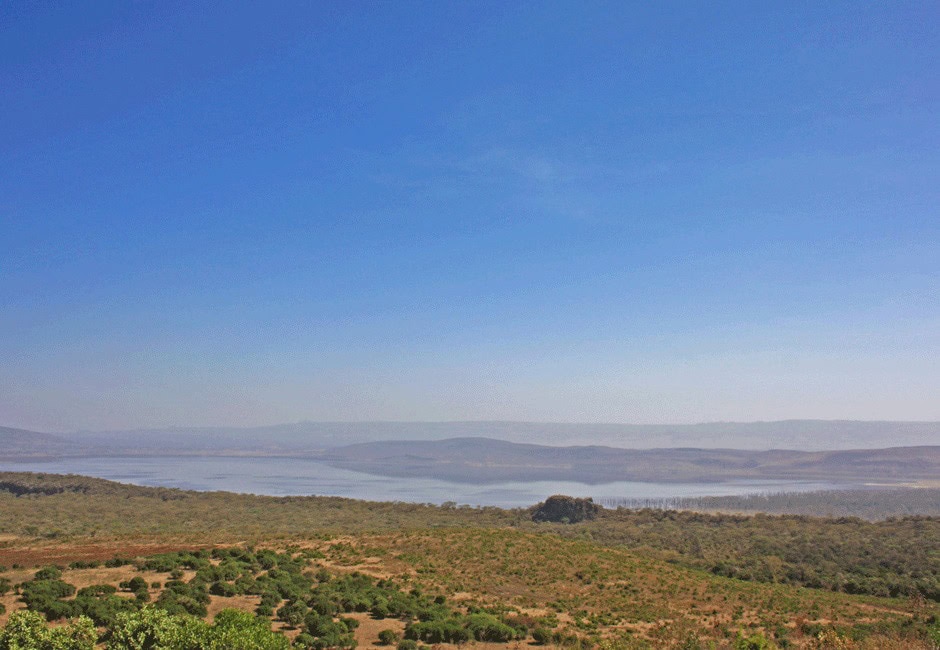
Baboon Cliff Viewpoint is one of the national park's well-known viewpoints. From above, the view opens over Lake Nakuru and the surrounding landscape. The name is quite fitting: baboons may be about in the area and are sometimes at least as interested in visitors as the visitors are in them.
For photographers the viewpoint is especially exciting, because lake, shore, vegetation and the hills of the Rift Valley merge into one great landscape picture.
Makalia Falls and the landscape away from the lake
The Makalia Falls show another side of the national park. Instead of wide lakeshores and flamingos, here there is water, rock and a landscape shaped more by the terrain. Especially after rainfall, the waterfall can look more impressive.
The route there is also worthwhile because it turns your gaze away from the familiar lakeshore. Lake Nakuru is not just a lake with animals around it, but a varied national park with different habitats.
Tours in Kenya
What can you do in Lake Nakuru National Park?
Game drives around the lake
The classic activity is of course the game drive. And it has a somewhat different character here than, for example, in the vast Masai Mara, Amboseli or Tsavo. Lake Nakuru National Park is more compact, so different habitats can be reached relatively quickly.
A drive can begin at the lake, lead through acacia woodlands and then continue over grassland or to a viewpoint. Rhinos are one of the big highlights, but giraffes, buffalo, zebras, antelopes and predators can also provide surprises.
Birdwatching, photography and viewpoints
If you want to watch or photograph birds, you will find particularly many subjects at Lake Nakuru. Around 450 bird species make the park a rewarding destination for bird lovers. Add to that landscape photography, animal portraits and viewpoints such as Baboon Cliff Viewpoint or the Out of Africa Lookout.
Little tip: don't just pack the long telephoto lens. The landscape with its lake, rocks and acacias in particular occasionally calls for a wide-angle lens.
Boat trip, bush walk, hike
A boat trip on Lake Nakuru can be taken above all by guests of the luxury tented camp "The Cliff" on the edge of the escarpment. But non-guests too have the option of reserving a place there.
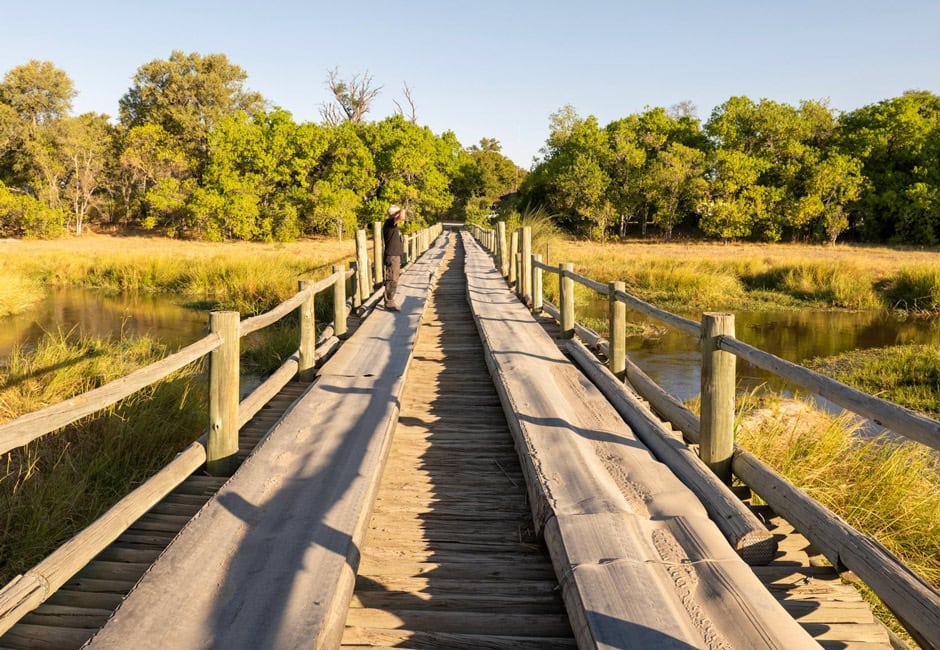
Bush walks suit anyone seeking a closer connection to nature. The park offers guided nature walks in selected safe zones. A 2 km circular trail at Makalia Falls also invites you on a short hike.
When is the best time to travel to Lake Nakuru National Park?
Lake Nakuru can in principle be visited all year round. For classic wildlife viewing, the drier months are often especially pleasant, because the grass is shorter and you can spot animals more easily. In general, July to February are considered favourable travel periods in the national park.
April and May, on the other hand, fall in the long rainy season, when park roads can be harder to drive. March and June are transitional months.
For Lake Nakuru it is also worth considering your own interests. If you mainly want to see rhinos and other big game, you often benefit from drier conditions and better visibility. For birdwatchers, the wetter season can also be interesting.
And what about the flamingos? There is no simple "best flamingo week" here. The number and distribution of the birds depends heavily on water conditions and food availability. Precisely for this reason, you should not visit Lake Nakuru National Park today solely for a particular flamingo scene.
So: for classic safari conditions the drier months are especially attractive, while for birdwatchers Lake Nakuru is worthwhile all year round.
How many days do you need for Lake Nakuru National Park?
For many travellers, one night with one safari day is entirely enough. At 188 km² the park is relatively compact, so different landscapes and animal habitats can already be discovered during a single game drive.
If you are planning Lake Nakuru as a stopover on a Kenya round trip, you can quite well work with one day. If, on the other hand, you want to photograph particularly intensively, watch birds or allow as much time as possible for rhino encounters, you are better off staying longer.
A combination of an afternoon and an early-morning game drive can also make sense. Sometimes dense mist envelops the lake and the fever trees there seem to glow in the early morning. Many animals are also especially active in the morning and afternoon – a safari is not just a question of time, but of the right timing.
How can you fit Lake Nakuru into a Kenya round trip?
Lake Nakuru National Park can be integrated superbly into a round trip through Kenya, because the lake landscape lies relatively centrally in the Great Rift Valley. From Nairobi it is around 156 kilometres by road. From the capital, Lake Nakuru is therefore an easily reached first or second safari stop.
A classic route leads, for example, from Nairobi via Lake Naivasha and Lake Nakuru on towards the Masai Mara. This gives particularly scenic variety: Rift Valley lakes, different landscapes and then the wide savannahs of the Mara. Lake Nakuru can also be sensibly included as part of a larger Kenya safari with Amboseli, Tsavo or the Masai Mara.
If you are planning a trip with Elefant-Tours, you will find, for example, our safari tour "Fascination East Africa: Kenya &Tanzania", which combines Lake Nakuru with the Masai Mara and other safari destinations. But our Africa experts will help you in general with any individual planning of a Kenya holiday – gladly with, but otherwise also without Lake Nakuru National Park.
Frequently asked questions about Lake Nakuru National Park
Is Lake Nakuru National Park worth visiting?
Yes, Lake Nakuru is of interest above all for travellers who want to combine rhinos, a diverse birdlife and different landscapes. The park is compact and can therefore be integrated well into a Kenya round trip. The flamingos are fewer today and distributed more unpredictably than before, but the park has far more to offer than its famous pink residents.
Can you see rhinos at Lake Nakuru?
Lake Nakuru is one of Kenya's important rhino sanctuaries and offers good opportunities to watch both black and white rhinos. In 1987 the park was declared Kenya's first state-run rhino sanctuary. A rhino sighting is of course never guaranteed – after all, they have no employment contracts with the country's safari operators.
Are there still flamingos at Lake Nakuru?
Yes, flamingos still occur at Lake Nakuru. Their numbers and distribution have, however, changed significantly. Rising water levels have affected the chemistry of the lake and with it the availability of the food on which lesser flamingos depend. The former picture of a completely pink lakeshore should therefore not be understood as a current guarantee.
Are there elephants in Lake Nakuru National Park?
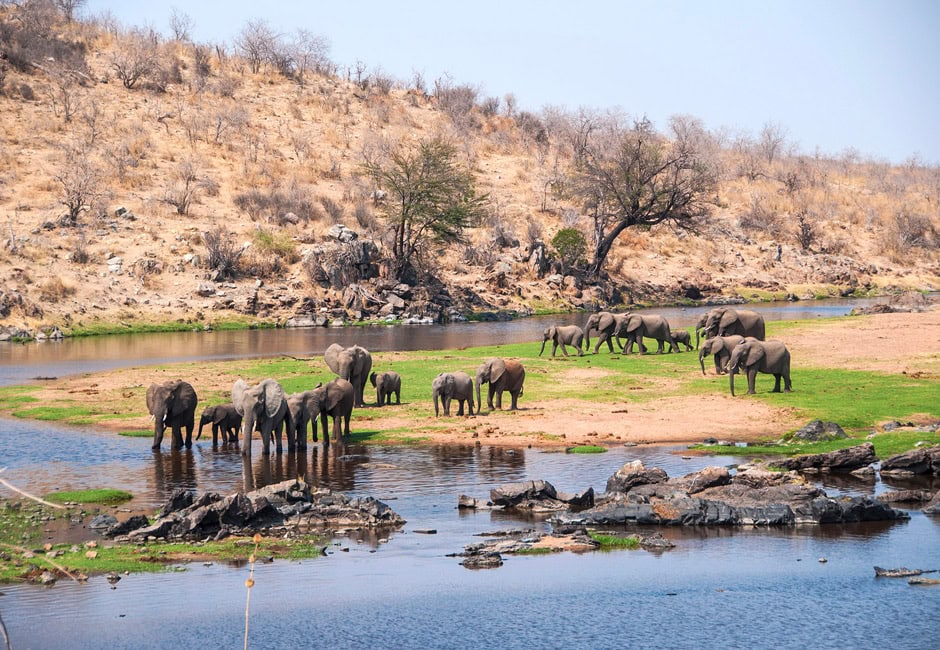
No, elephants are not part of the typical wildlife of Lake Nakuru National Park. If you want to see elephants, you should therefore plan other destinations in Kenya such as the Masai Mara, Amboseli or Tsavo. Lake Nakuru instead concentrates on other large mammals: rhinos, buffalo, giraffes, zebras and various antelope species in particular make the game drives exciting.
How far is Lake Nakuru from Nairobi?
Lake Nakuru National Park is about 156 kilometres north-west of Nairobi. The approach is via the Nairobi–Nakuru road A104. The park is accessible through several gates. For those coming from Nairobi, KWS particularly recommends Lanet Gate, to avoid the city traffic of the nearby town of Nakuru.
Experience Lake Nakuru – your Kenya safari with Elefant-Tours
Lake Nakuru is exactly the kind of safari destination that cannot be reduced to a single postcard scene. The flamingos may be fewer than before – but rhinos, giraffes, buffalo, predators and around 450 bird species are waiting to be discovered. Add to that the varied landscape of the Great Rift Valley, the lake and viewpoints such as Baboon Cliff or Out of Africa.
Elefant-Tours offers Lake Nakuru as part of various Kenya and East Africa tours and round trips, among others. The national park can, for example, be combined with the Masai Mara and other safari destinations.
And perhaps that is the loveliest insight for planning your trip: you don't have to hope for millions of flamingos for Lake Nakuru to become a safari highlight. Sometimes a single rhino suddenly appearing between the acacias is enough.
We are ready to answer questions and give additional support with planning your Kenya trip. Get in touch with us! Your dream, our expertise – your very own Kenya experience.
Juan Proll has lived in southern Africa since 2011 and works as a certified nature and cultural guide in South Africa, Botswana and Namibia for Elefant-Tours and its subsidiaries. After an earlier career as an adult education teacher in Germany, he swapped the classroom for the wilderness. Alongside his work as a guide, he writes for the Elefant-Tours blogs about nature, culture and sustainable travel. Juan is a member of the Field Guides Association of Southern Africa (FGASA) and the author of the books "Ich werd' dann mal Ranger" and "Das Safari-Lesebuch". The magazine DER SPIEGEL reported on his training.