Arusha National Park: everything you need to know for your trip planning
 by Juan Proll· November 3, 2026· 10 min read· Updated November 2, 2026
Not far from Arusha, Tanzania's safari capital in the north, lies an impressive stretch of nature – Arusha National Park. Fascinating wildlife and impressive landscapes await you here, which you can explore not only from a safari vehicle but also on foot. But is a visit worthwhile alongside the Serengeti, Tarangire National Park and Ngorongoro Crater? If you love natural diversity and variety, the answer is: absolutely!
Where is Arusha National Park?
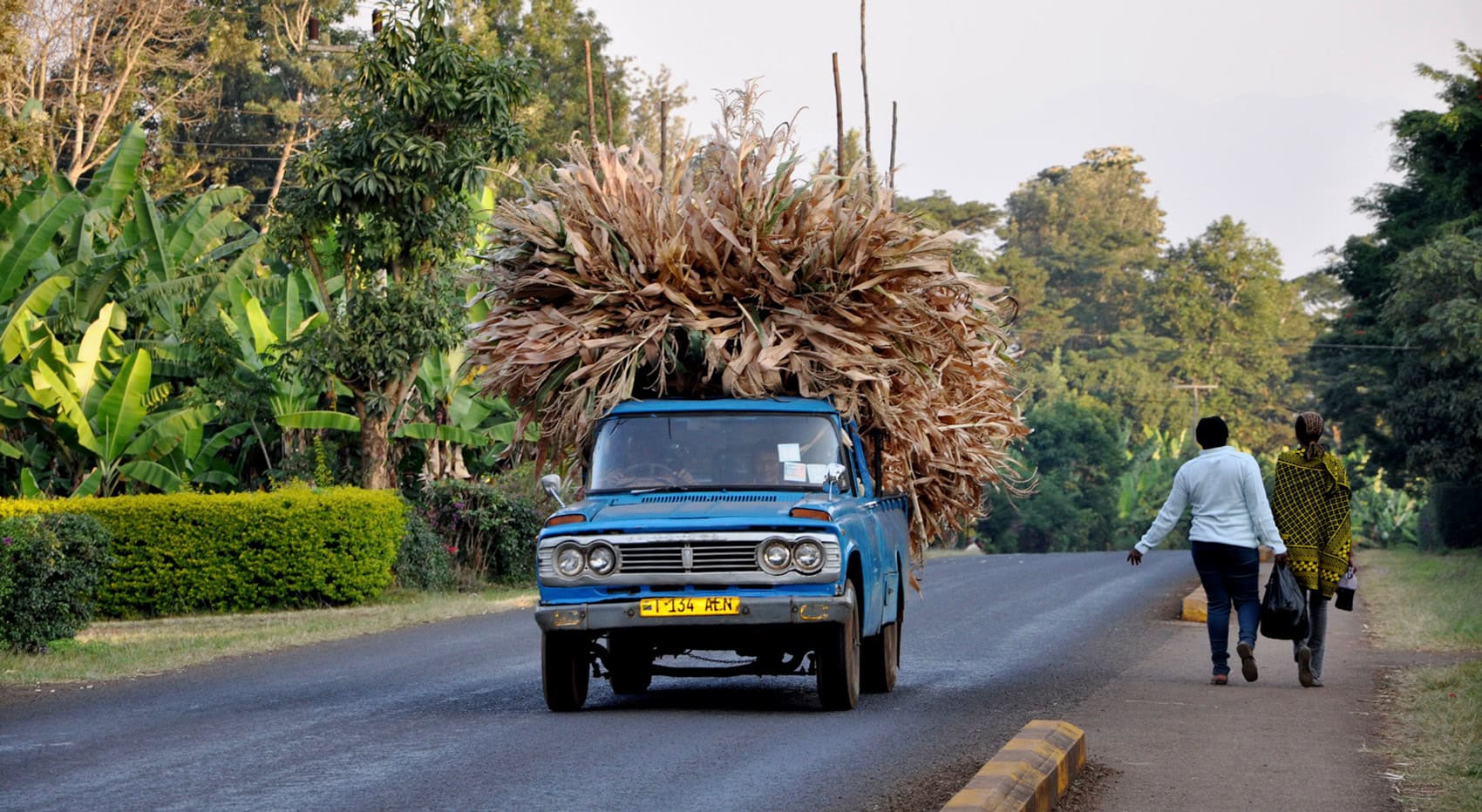
Arusha National Park is in northern Tanzania, north-east of the city of Arusha and on the slopes of Mount Meru. That puts it right in the heart of the northern safari region – and makes it pleasantly easy to reach.
From Arusha, it takes about 60 minutes by car to reach the park entrance. If you start from accommodation in Usa River, the journey is considerably shorter, depending on location and the entrance chosen. The location is also convenient if you are arriving by air. Kilimanjaro International Airport (JRO) is about 36 kilometres, or roughly one to one and a half hours, from the national park entrance.
That makes Arusha National Park an excellent introduction to a Tanzania safari – for example after arrival, or as a first nature excursion before continuing to the great safari classics in the north.
What makes Arusha National Park special?
No other national park on the Northern Circuit offers as many alternative ways to experience safari as Arusha National Park. Besides the classic game drive, there are also walking safaris, horse-riding safaris, cycling safaris and canoe safaris.
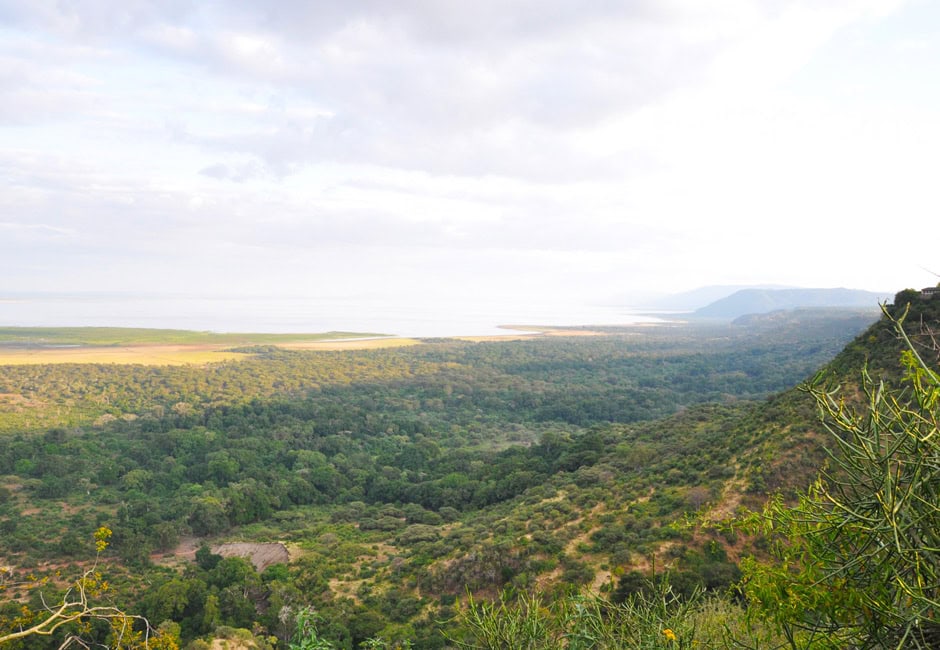
The park's particular strength is also its natural diversity in a comparatively small area. During a single visit you move from lush mountain forest to open grassland and a lake landscape. Add to that impressive volcanic scenery, which gives the park a setting all of its own.
Mountain forest and the backdrop of Mount Meru
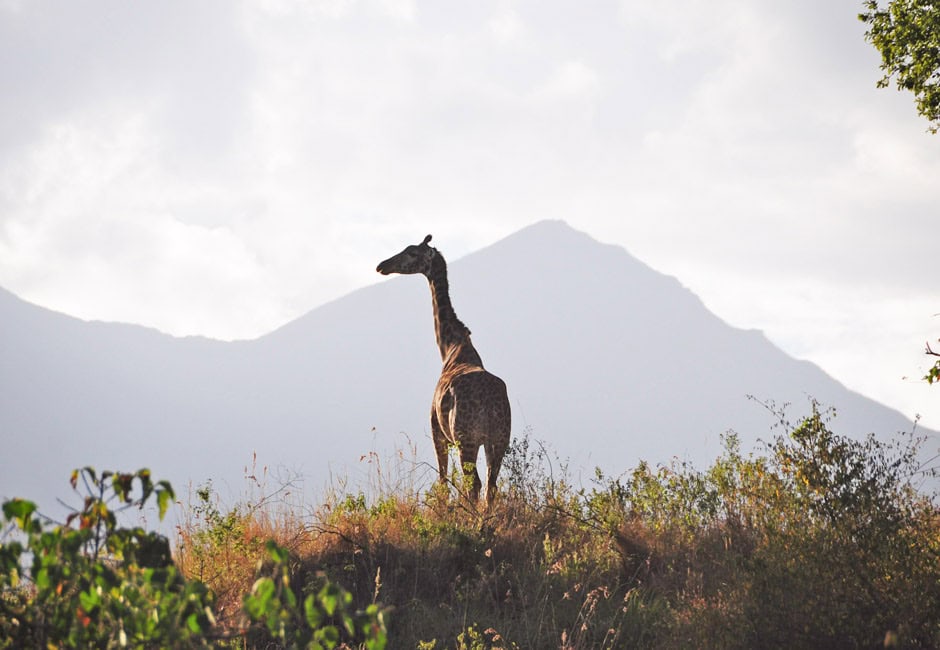
Mount Meru shapes the landscape of Arusha National Park like a mighty stage backdrop. On its slopes grow dense mountain forests where lichens hang from the branches and monkeys move through the treetops. In between, grassy clearings open up again and again, where giraffes, zebras and buffalo may be roaming.
What makes it special is this constant alternation between shady forest and wide views. In clear weather, Mount Meru, at around 4,562 metres, stands out impressively in the landscape. It is the second-highest mountain in the country, behind Kilimanjaro, which is visible in the distance. And Mount Meru can be climbed too.
Sometimes, though, it hides behind clouds and reminds us that the view of the summit is a gift of nature – and not an add-on you can order.
The Momella Lakes
The Momella Lakes bring a completely different mood to the park. Instead of dense trees and wide grasslands, you will find shallow lakes in different colours, with varying water levels and salinity. They are an important habitat for hippos and numerous waterbirds.
With a little luck you will spot flamingos wading on their long legs through the shallow water. How many there are depends on factors including water levels and food supply. Sometimes they add pink accents to the landscape, sometimes they remain more subtle touches of colour. Other waterbirds also make the lakes a rewarding destination for nature and photography fans.
Ngurdoto Crater
Ngurdoto Crater is another scenic highlight. Its steep, wooded crater rims enclose a green, swampy crater floor where elephants, buffalo and warthogs, among others, may be found.
On safari, the crater landscape is experienced mainly from designated viewpoints on the rim. To protect the ecosystem, you cannot descend into the crater. But a circular trail along the crater rim lets you take a walk and gain some special insights into its depths.
It is important to have the right expectations: although some like to call Ngurdoto Crater "Little Ngorongoro", the focus here is on the distinctive vegetation, the views and the interplay of landscape and wildlife – not a spectacular drive down onto an open crater floor.
Which animals can you see in Arusha National Park?
Arusha National Park is especially appealing for anyone who wants to watch animals in different habitats.
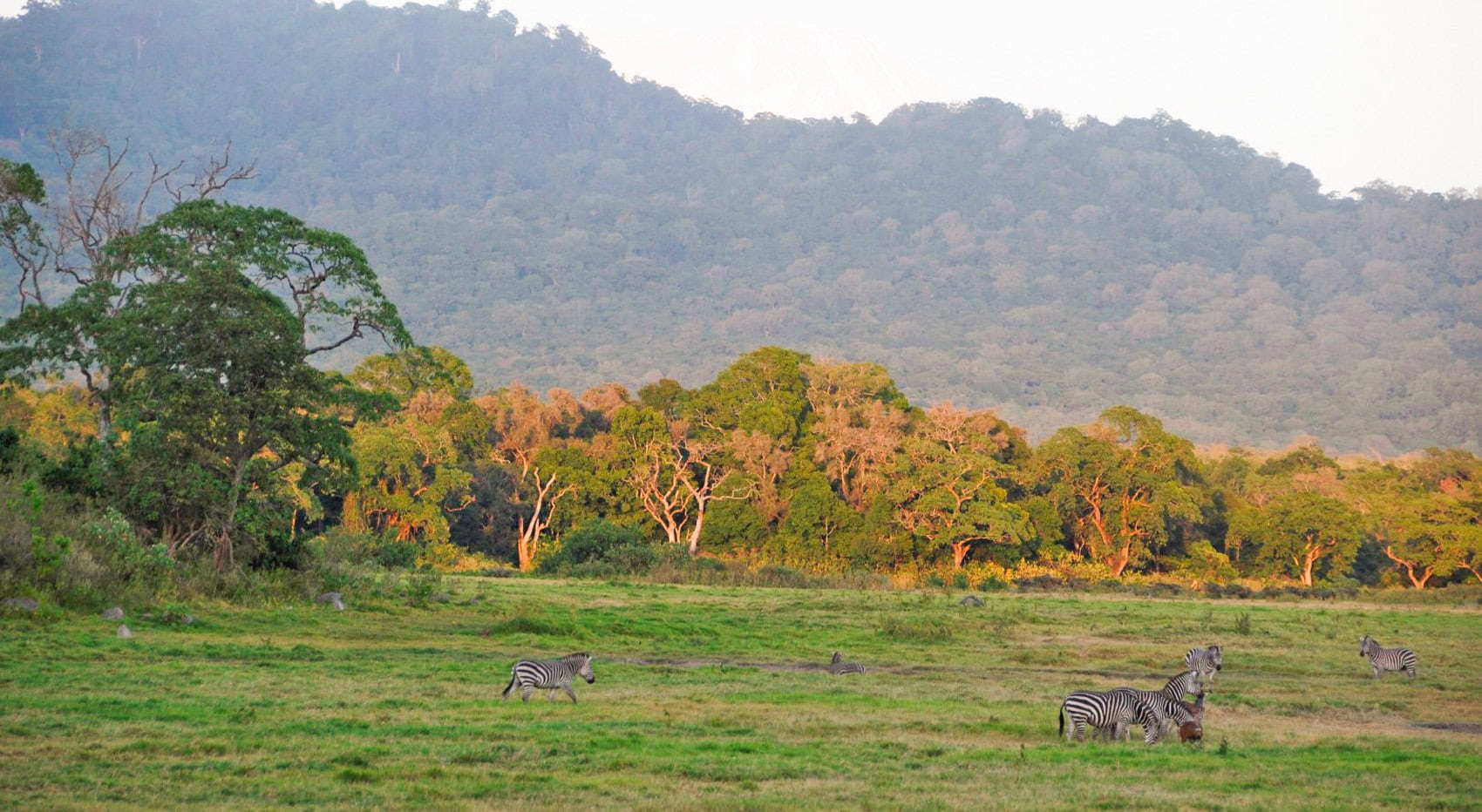
In the open grasslands you have good chances of encountering elephants, giraffes and zebras. Buffalo are also typical residents of the park. Hippos, monitor lizards and waterbirds live at the lakes. You can also discover warthogs, various antelopes including waterbuck, reedbuck and wildebeest, with luck hyenas, and very probably some primates.
A real highlight are the black-and-white colobus monkeys. With their dark fur, white fringes and long, bushy tails, they look as if they had dressed up for a particularly elegant appearance. In the treetops of the mountain forest they can be observed far better than in other national parks in the country – provided, of course, that they play along and want to be seen.
A visit is also worthwhile for bird lovers. Numerous waterbirds live at the Momella Lakes, while in the forest you can discover colourful turacos, hornbills and trogons, among others – so don't forget your binoculars.
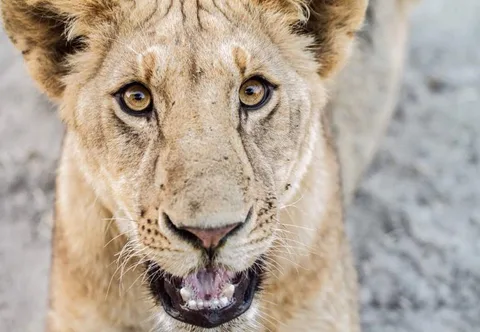
What should you not expect, on the other hand? A safari where the Big Five can reliably be ticked off a list – elephants and buffalo yes, leopards hardly, lions and rhinos no.
The appeal of Arusha National Park lies not in as many big-game sightings as possible, but in its variety of landscapes, its primates and its birdlife. Those who embrace this will find plenty of excitement beyond the famous safari scenes.
Which safari activities are possible in Arusha National Park?
Game drives through different landscapes
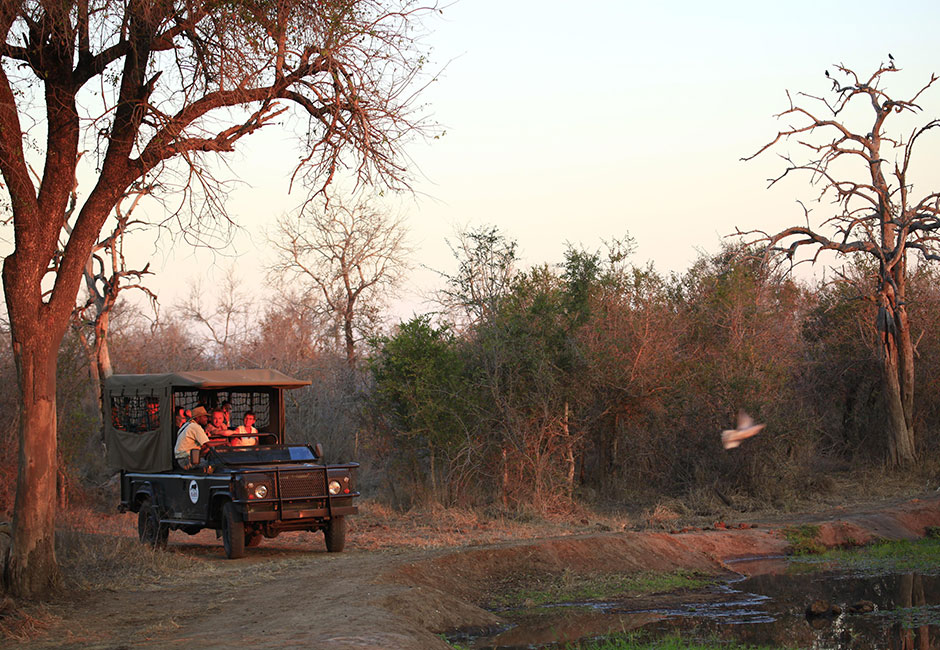
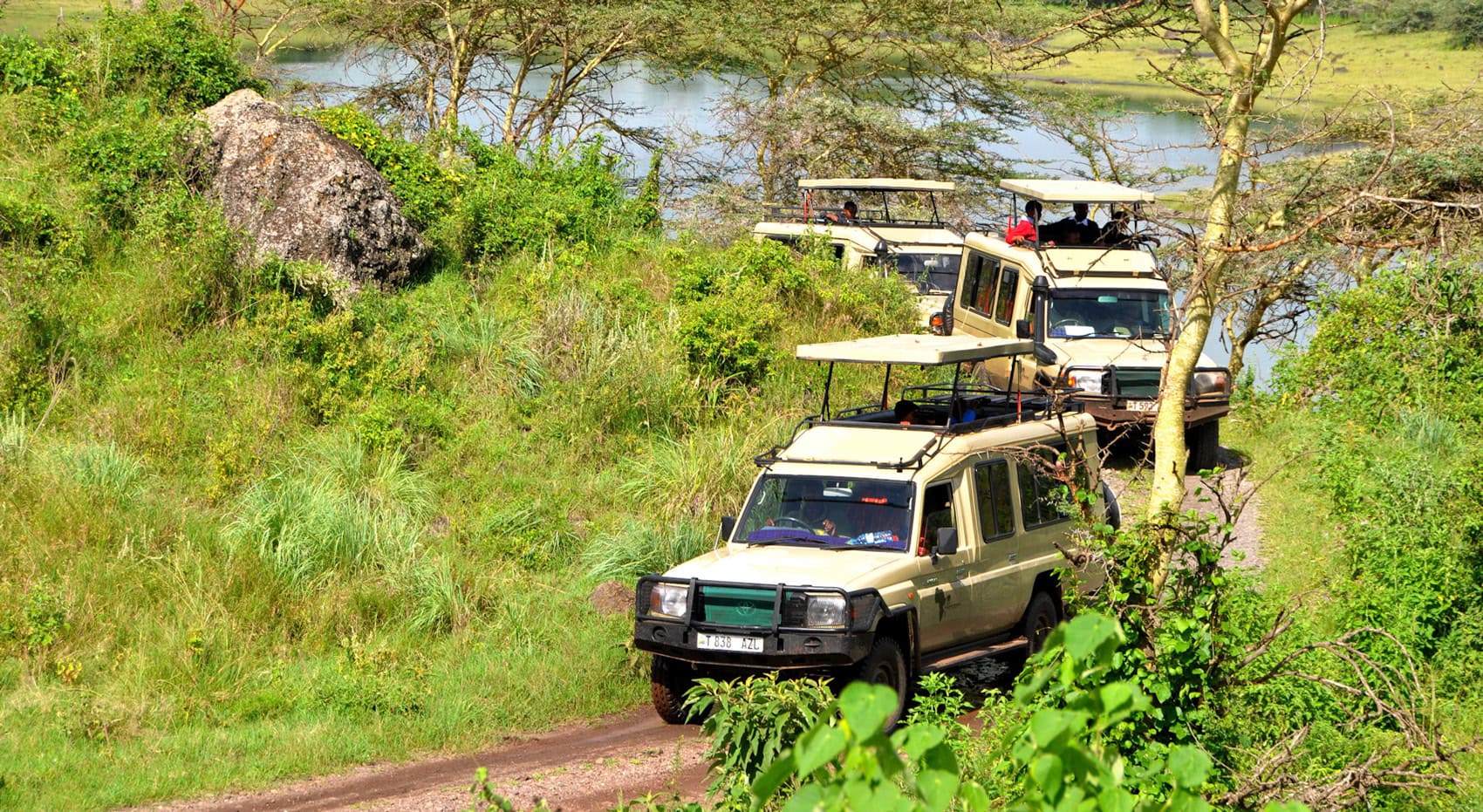
The classic Arusha National Park safari takes place in a 4x4 vehicle. With an experienced guide, you explore open grasslands, woodland areas and the surroundings of the Momella Lakes. Along the way you look out for elephants, giraffes, buffalo, zebras and other wildlife. Your guide helps you spot animals that are well camouflaged among the trees and tall grass.
The big advantage: the drive combines wildlife viewing with impressive landscape scenes. Sometimes an animal takes centre stage, sometimes a photo stop is worthwhile for the special vegetation or the mountain backdrop: Mount Meru here and Kilimanjaro in the distance.
For a first visit, the game drive is an excellent foundation for getting to know the different habitats. And of course you don't have to photograph constantly. Sometimes it is nicer to rest the camera in your lap and simply enjoy.
Walking safari with a ranger
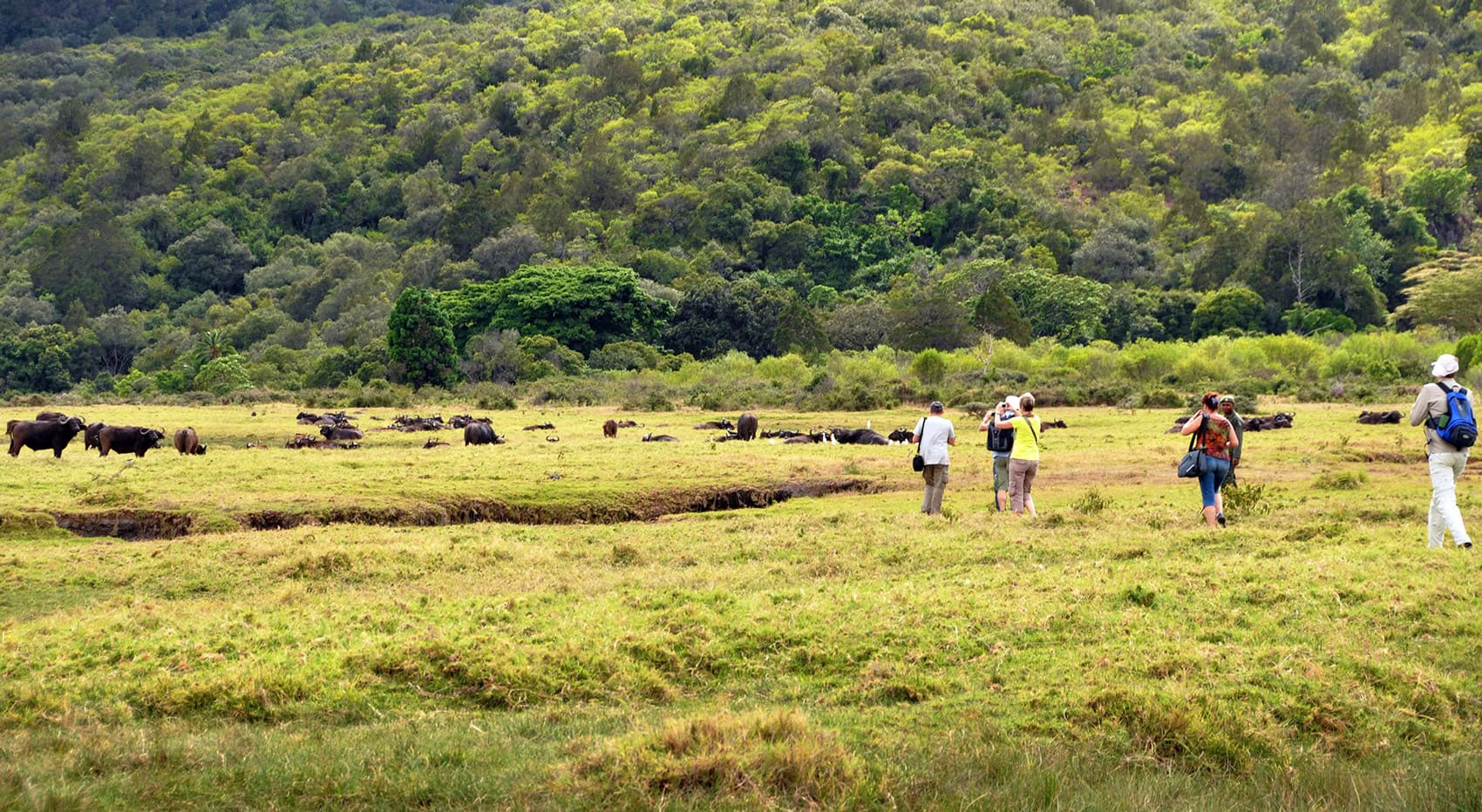
On an Arusha National Park walking safari you change perspective: instead of sitting behind the car window, you explore nature on foot. Suddenly things become important that are easily lost on a game drive – animal tracks in the ground, unusual plants, rustling in the bushes or bird calls from the treetops.
Trained, armed rangers accompany the bush walks. Their job is to assess the surroundings, point out possible dangers and lead the group safely. The rule is: keep your distance and follow the ranger's instructions. A walking safari is not an attempt to get as close as possible to buffalo or giraffes.
Depending on the route, walks can vary in length and difficulty. A hike often leads through varied nature to the vicinity of the Tululusia Falls.
The reward is a more intense experience of nature: you hear, smell and discover the wilderness in a way that is hardly possible from a safari vehicle. And if you have even more time, you can even go on a horse-riding safari or cycling safari, or take a canoe safari on one of the lakes.
When is the best time to travel to Arusha National Park?
Arusha National Park is a rewarding destination all year round. Which time to travel suits you best depends on whether you mainly want to watch wildlife, hike or enjoy the green landscape.
The drier months from June to September are considered a particularly good time for wildlife viewing. The grass is shorter in many places, the vegetation more open, animals are easier to spot and conditions for walking safaris are often pleasant. However, it can get cool at higher altitudes – so an extra jacket belongs in your luggage.
The months of December to February, with reduced rainfall, can also offer good conditions. In the greener months the park looks especially lush. More vegetation, fresh colours and interesting birdlife make this time attractive for nature lovers. However, rain showers can affect trails and make it harder to see animals.
The longer rainy season typically falls in the months of March to May; shorter rainy spells often occur towards the end of the year.
Our tip: Don't base your travel time on Arusha National Park alone, but on your entire Tanzania route. For a safari through Tarangire, Ngorongoro and the Serengeti, other seasonal factors may be decisive.
How much time should you allow for Arusha National Park?
For a first visit, one full day in Arusha National Park is a sensible guideline. That leaves enough time to get to know several landscapes, watch animals and fit in an additional activity. The combination of a game drive and a walking safari is especially appealing.
In the morning, for example, you explore the open areas and look out for giraffes, zebras and buffalo. Later you continue on foot: with a ranger and guide you discover tracks, plants and the smaller wonders of the forest. Depending on the tour, the Momella Lakes and viewpoints at Ngurdoto Crater can also be included. The exact order depends on the route and accessibility.
A second day is worthwhile if you want to take things more slowly, are particularly interested in birds, or want to plan additional activities such as a canoe trip on one of the Momella Lakes – provided these are offered at the time and conditions allow.
Half a day is also possible, but remains a shortened version. You have to concentrate more on individual areas and have less room for spontaneous wildlife viewing.
To be distinguished from this is the multi-day ascent of Mount Meru. It is a trekking tour in its own right, with preparation, altitude gain and nights spent along the way – not an extended walk as part of an ordinary safari.
Where can you stay in or near Arusha National Park?
For accommodation you basically have three options: Arusha, Usa River or a lodge in or near the park region. Which option suits you best depends on where you arrive, how long you want to stay and where your trip continues afterwards.
Arusha is suitable if you want to get to know the city or your safari starts or ends there. You will find different accommodation categories and are well set up for transfers and further excursions. For an early start into the park, however, you have to allow for the additional journey.
Usa River is an attractive alternative for anyone who would like to stay somewhere a little quieter and still reach Arusha National Park conveniently. The location can be especially practical if you want to relax before the safari or spend several nights in the area.
Examples of accommodation in Usa River:
- Rivertrees: The accommodation lies in green, spacious gardens on the Usa River, where you can stroll along the water and watch monkeys. You can sit very pleasantly on the lawn or on the patio, eat well here or in the à la carte restaurant – and enjoy a leisurely breakfast. A lovely option for anyone who wants to dine in a relaxed way after a day on safari.
- The Safari House: The smaller boutique hotel focuses on a personal atmosphere and is located next to a golf course. It offers guests the perfect balance of comfort, luxury and privacy. Meals are served in classic lodge style with a set menu.
Accommodation closer to the park can also make sense, especially for a short stay or an early start to activities. What matters is not just comfort, but also the time you gain from a convenient location. Let your route guide your choice – and not just the prettiest pool photo.
Who is Arusha National Park right for?
Arusha National Park is especially worthwhile for nature enthusiasts, bird lovers and active safari travellers. If you don't just want to sit in a 4x4 but also experience nature on foot, you will find an exciting complement here to Tanzania's classic safari areas.
For first-time safari-goers, the park is a varied introduction: you get to know different habitats and, with a little luck, can watch many typical animals of Africa. Returning Tanzania travellers, on the other hand, often appreciate the special perspectives, the colobus monkeys and the chance to complement a safari with a walking safari or canoe trip.
If time is short, an honest assessment is worthwhile. If your priority is large herds of elephants, lions or the famous migration, Tarangire, Ngorongoro and the Serengeti may deserve more of the focus. Arusha National Park is then a deliberate addition – not a must-see stop.
It fits particularly well at the start of a trip in northern Tanzania. Depending on your route, you can then continue to Tarangire National Park, Lake Manyara, the Ngorongoro Conservation Area or on to the Serengeti.
Would you like to find out whether Arusha National Park fits your Tanzania trip? Our travel experts at Elefant-Tours will help you combine activities, accommodation and safari stops sensibly. Get individual advice and plan a trip that suits your interests and your time budget.
Thanks to our close contact with our subsidiary in Tanzania, we are always well informed about the current situation. So get in touch with us! Your dream, our expertise – your very own Tanzania experience.
Juan Proll has lived in southern Africa since 2011 and works as a certified nature and cultural guide in South Africa, Botswana and Namibia for Elefant-Tours and its subsidiaries. After an earlier career as an adult education teacher in Germany, he swapped the classroom for the wilderness. Alongside his work as a guide, he writes for the Elefant-Tours blogs about nature, culture and sustainable travel. Juan is a member of the Field Guides Association of Southern Africa (FGASA) and the author of the books "Ich werd' dann mal Ranger" and "Das Safari-Lesebuch". The magazine DER SPIEGEL reported on his training.