Lake Manyara National Park: everything you need to know for your trip planning
 by Juan Proll· September 14, 2026· 12 min read· Updated September 17, 2026
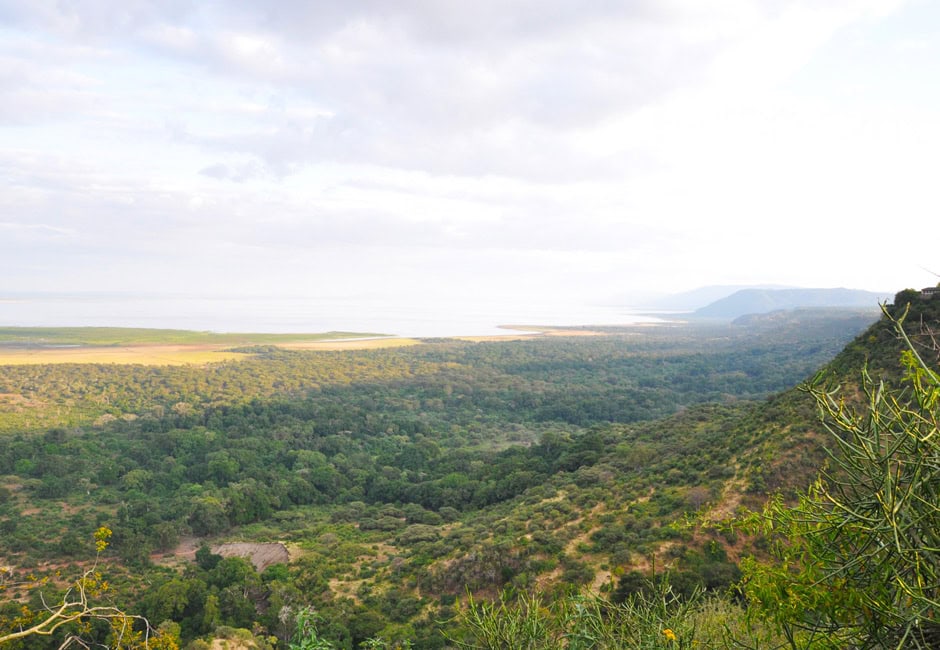
Between the steep escarpment of the Great Rift Valley and Lake Manyara lies one of the most unusual national parks in northern Tanzania. Lush groundwater forest, large troops of baboons, elephants and, with a great deal of luck, even the famous tree-climbing lions await you.
At the same time, the park has changed visibly in recent years. The water level of Lake Manyara has risen sharply and flooded parts of the former shoreline and grassland. This affects habitats, birdlife and also the possibilities for game drives. What you can experience in Lake Manyara National Park today, and what you should know before your visit, you will find out in this guide.
Where is Lake Manyara National Park?
Location on the Great Rift Valley
Lake Manyara National Park is in northern Tanzania at the foot of the imposing escarpment of the Great African Rift, the Great Rift Valley. The park extends around the alkaline Lake Manyara and lies immediately south of the town of Mto wa Mbu.
With an area of around 649 km², it is almost as large as the cities of Vienna and Frankfurt combined, but relatively compact compared with other African national parks. That is exactly part of its appeal: over a short distance, groundwater forest, savannah, wetlands, the constantly changing lake and the dramatic Rift Valley backdrop come together.
How do you get to Lake Manyara National Park?
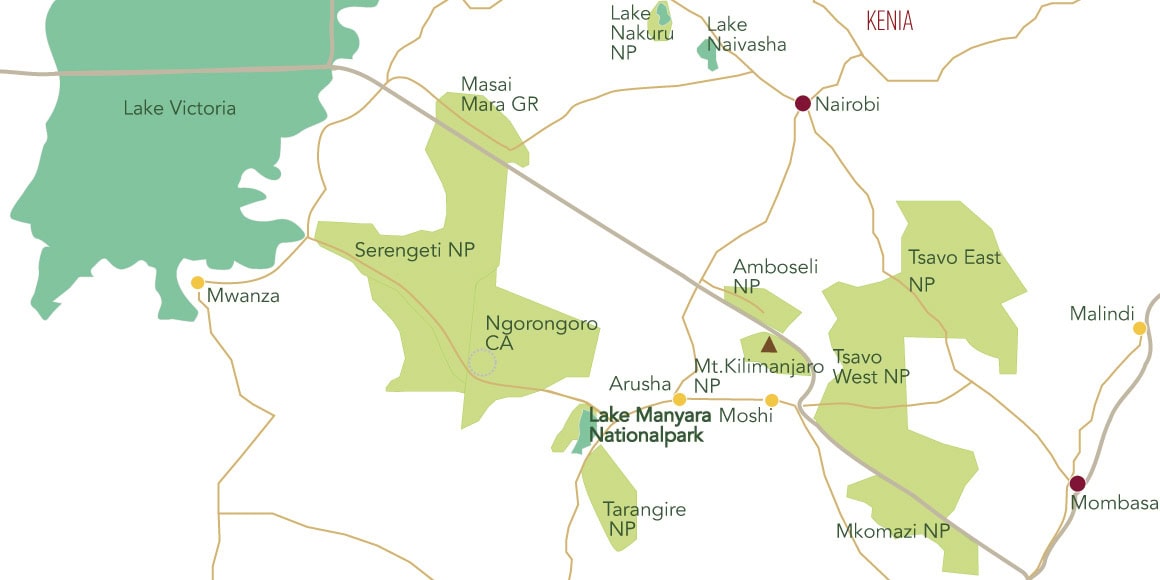
The classic way to arrive is by safari vehicle. Lake Manyara National Park lies on the Northern Circuit route. From Arusha it is about 126 kilometres, or a good two to two and a half hours of driving to the park, depending on the roads. The main entrance is near Mto wa Mbu, right at the foot of the Rift Valley escarpment.
The reserve can easily be combined with a visit to its south-eastern neighbour, Tarangire National Park. And from here the safari can conveniently continue towards Karatu, Ngorongoro Crater and on to Serengeti National Park. If you want to save time, you can also fly to Manyara Airstrip.
Want to find out more about trips to Tanzania?
We are happy to advise you. Get in touch with us!
What is special about Lake Manyara National Park?
From groundwater forest to soda lake
Lake Manyara National Park is a bit like a safari lucky dip: around every bend the landscape can suddenly look completely different. At the park entrance a lush groundwater forest welcomes you. Its vegetation is supplied by near-surface groundwater and year-round springs fed by water from the slopes of the Rift Valley.
This creates, in an otherwise partly dry landscape, an unusually lush, green forest zone where fig and mahogany trees, among others, grow. Behind it follow acacia woodland, grassy areas and wetlands all the way to the alkaline Lake Manyara.
In the south, hot springs add to the picture. The sharply risen water level has, however, flooded parts of the former shoreline, grassland and woodland in recent years and visibly changed the landscape.
This exceptional diversity of landscapes in a small space sets Lake Manyara National Park clearly apart from the more expansive Serengeti and the drier Tarangire National Park.
Lake Manyara shapes life in the park
What does Lake Manyara National Park have that Serengeti National Park doesn't? A lake! Lake Manyara is a shallow lake with no natural outflow and therefore reacts particularly strongly to changes in rainfall and inflow.
Lake Manyara is not a static blue blob on the map. In recent years its water level has risen markedly, flooding parts of the former shoreline zones and other habitats.
The changes now go beyond normal seasonal fluctuations. The higher water level has reduced the usable land area in the park and at the same time changed conditions in the lake.
Flamingos, pelicans and other waterbirds can still be watched at Lake Manyara. The large gatherings for which the lake was once known are, however, much less reliable today. For flamingos in particular, changed water levels and water conditions can affect their food supply.
Maji Moto, escarpment and surprisingly green landscapes
"Maji Moto" simply means "hot water" in Swahili – and that is exactly what you find in the south of the park. Hot springs are a reminder here that the region is anything but geologically sleepy. Add to that the mighty Rift Valley escarpment, which frames the park in a beautiful natural backdrop.
Particularly interesting is the contrast between drier acacia landscapes, hot springs, green forests and the lake, which today reaches much further into the former land areas in many places than it did a few years ago.
Which animals live in Lake Manyara National Park?
Elephants, buffalo, giraffes, baboons and other mammals
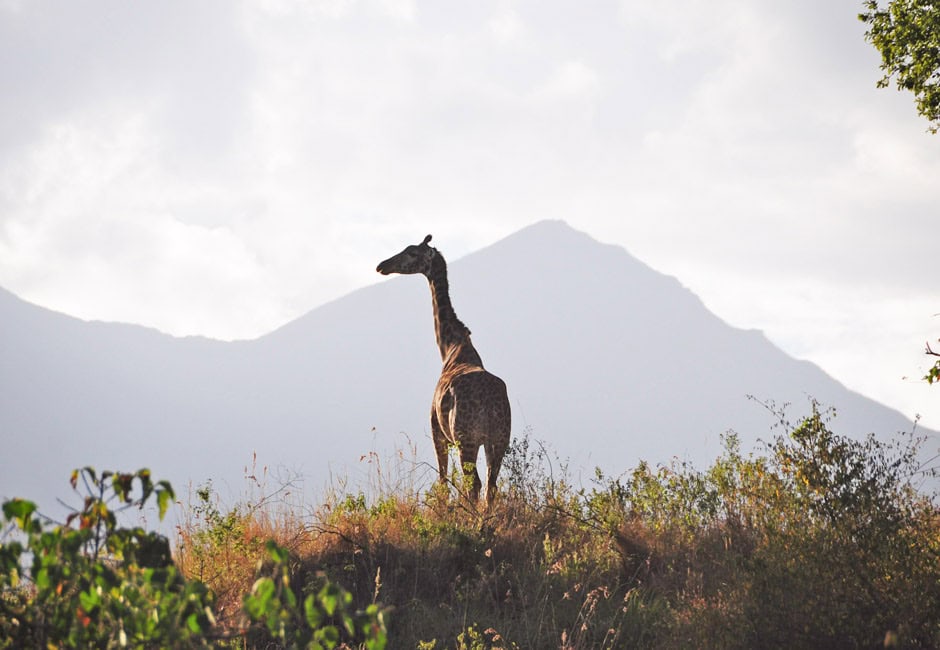
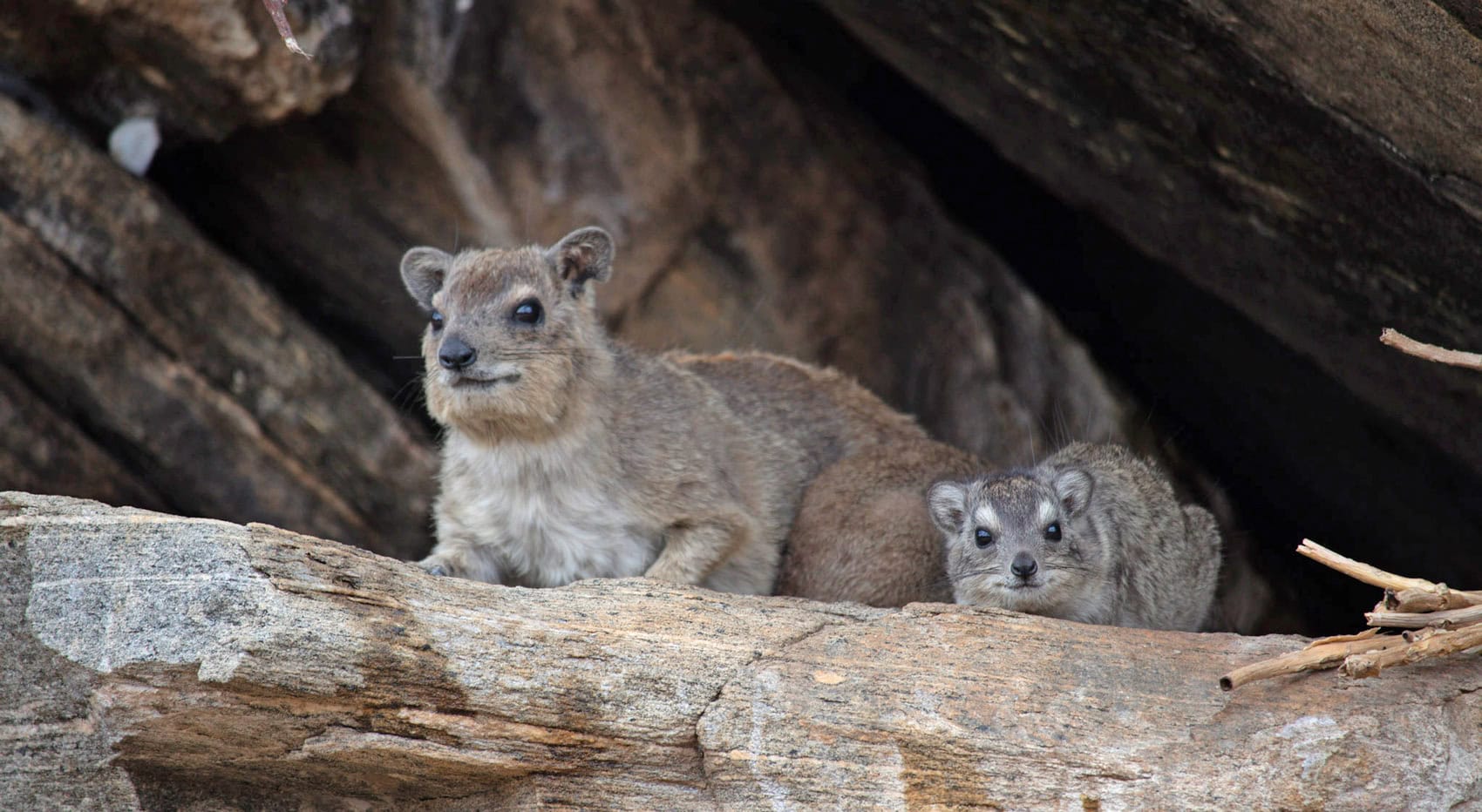
Lake Manyara is best known for its herds of elephants, buffalo and giraffes. Add to that zebras, wildebeest, hippos and various antelope species. In the groundwater forest, baboons often line the way and, with a little luck, blue monkeys. Where open grass and savannah areas remain, you have good chances of seeing giraffes and other savannah residents.
Predators also occur, such as lions, hyenas, with luck leopards and with even more luck even wild dogs. It is precisely the mix of groundwater forest, acacia woodland, wetlands and remaining open areas that makes the wildlife so varied.
Are there tree-climbing lions in Lake Manyara National Park?
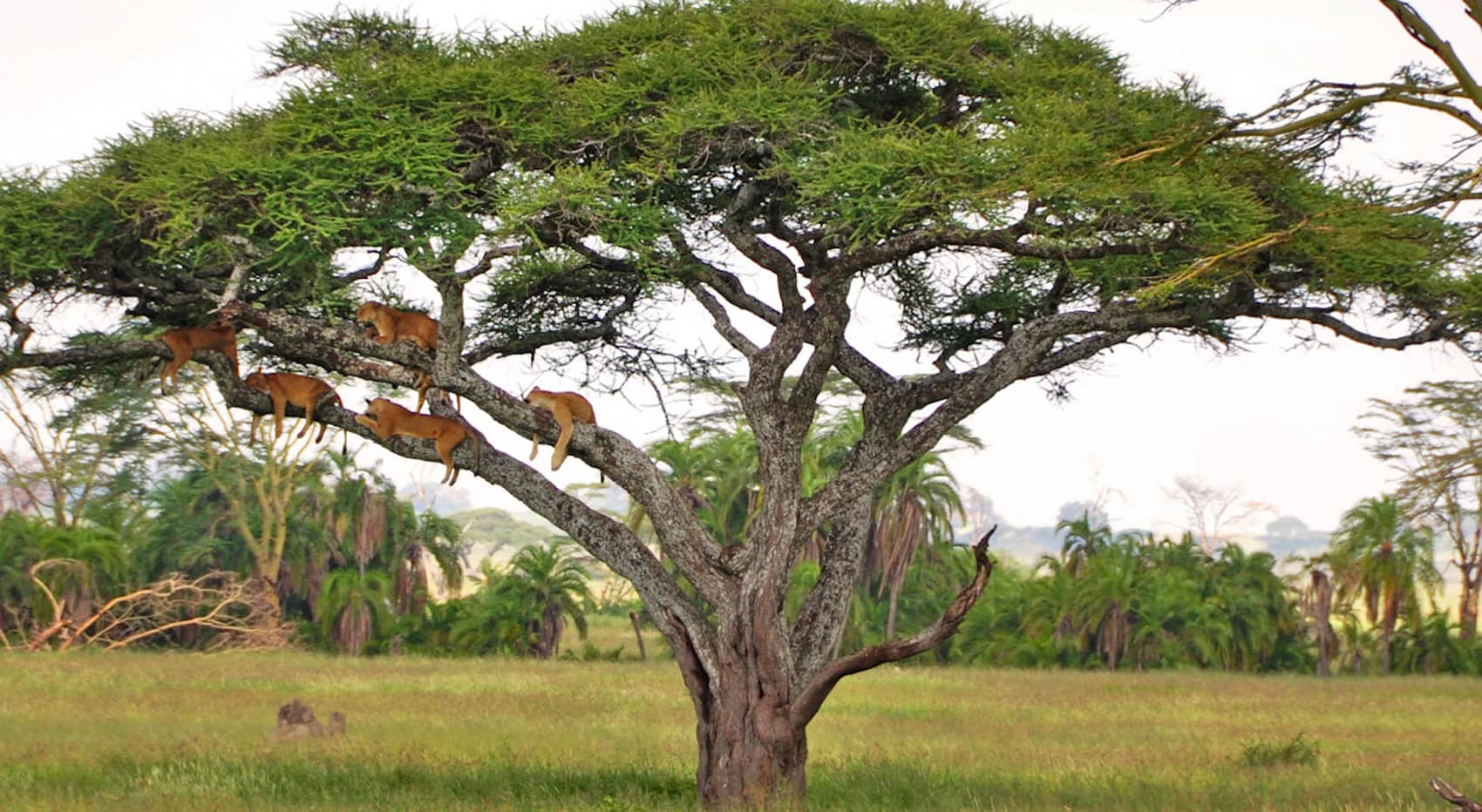
Yes, Lake Manyara National Park is famous for its tree-climbing lions. Today, however, you need a great deal of luck for such a sighting. The rising water level has also changed parts of their former habitat, and lions in trees are by no means part of the safari experience on every visit. An encounter is all the more special when it does happen.
Some lions in the park nevertheless use the broad branches of acacias and other suitable trees as a resting place. The sight of lions high up in the branches is unforgettable, and should you see them there, you can enjoy a true safari moment of good fortune.
Can you see flamingos at Lake Manyara?
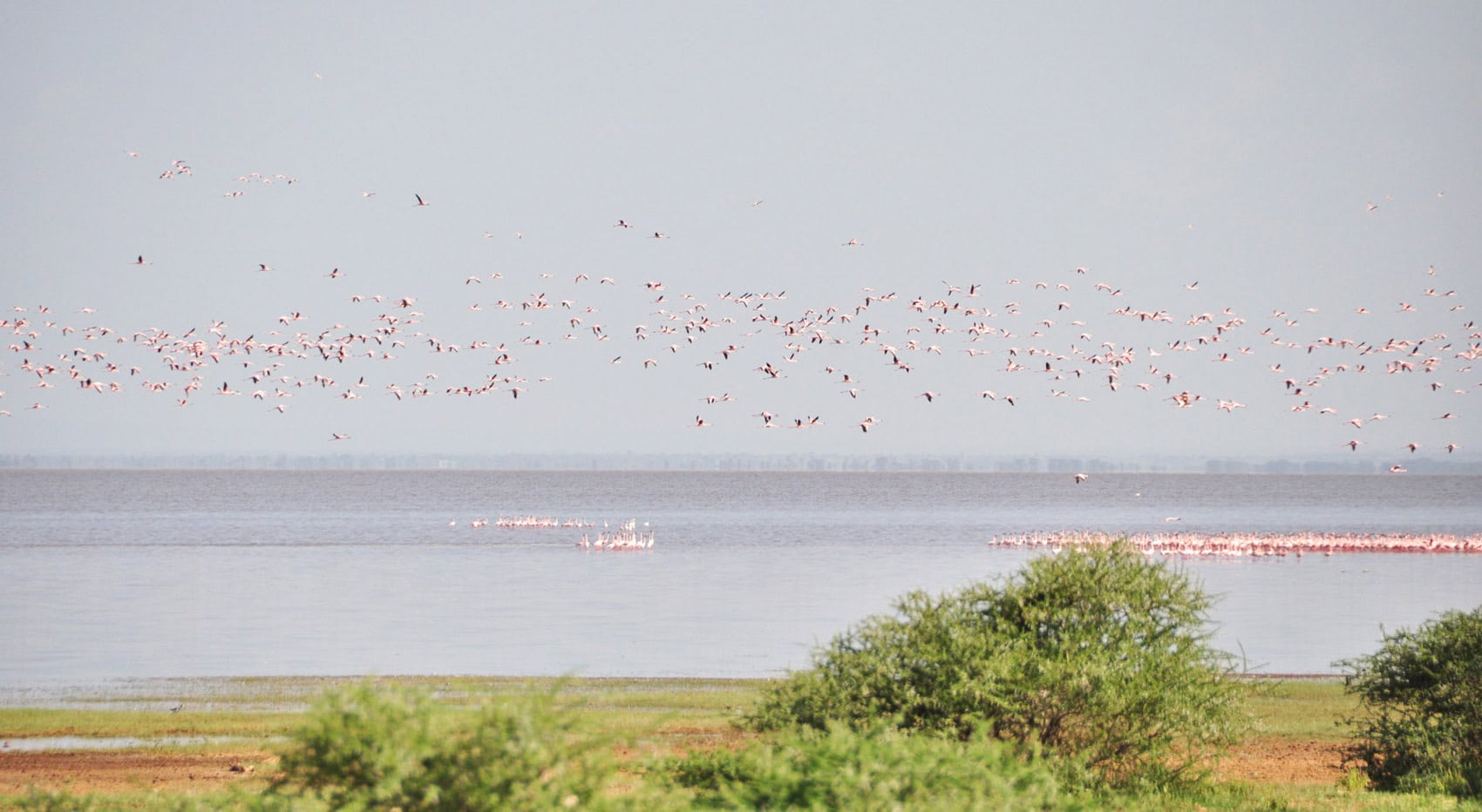
Flamingos are historically among the best-known images of Lake Manyara, but the large flocks for which the lake was once famous are much less reliable today. The sharply risen water level has changed conditions in the lake. More water does not automatically mean better conditions for waterbirds: changes in water depth, salinity and alkalinity can also affect the algae and micro-organisms on which lesser flamingos in particular depend.
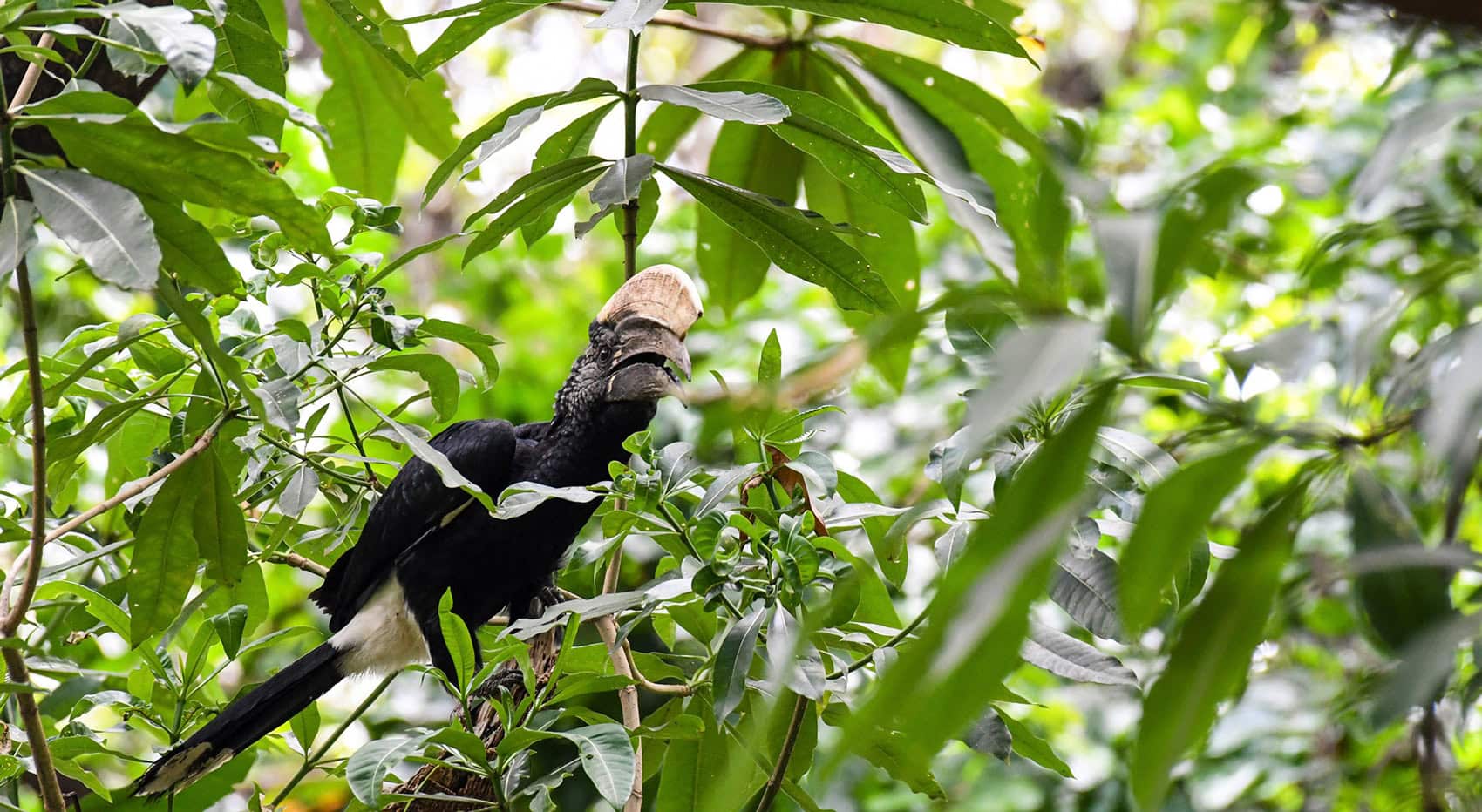
Flamingos can still occur at Lake Manyara, but their numbers fluctuate strongly. If you visit the park, you should therefore not count on large pink flocks as a fixed part of the safari. Lake Manyara nevertheless remains a species-rich habitat for birds, with more than 400 recorded species. Which species and how many waterbirds you actually see, however, now depends heavily on current conditions at the lake.
Which safari activities are there in Lake Manyara National Park?
Game drives between forest, lake and open plains
The classic game drive is also the most important safari activity in Lake Manyara National Park. The drive first leads through the dense groundwater forest and on through acacia woodland and other habitats along the lake. However, the high water level has considerably restricted the drivable road network in recent years.
Former tracks along the lakeshore and through areas now flooded are in part no longer passable today, so game drives concentrate more on the remaining routes between the Rift Valley escarpment and the lake.
Which animals you spot therefore also depends on which habitats and routes are currently accessible. The early hours and late afternoon are especially exciting, when many animals are more active and the light is pleasantly soft for photos.
Canopy walk and other experiences
Canopy walk and other experiences
If you want to get out of the vehicle seat and enjoy a change of perspective, the canopy walk in Lake Manyara National Park is an exciting addition. The treetop walkway, around 370 m long, leads through the groundwater forest and reaches heights of about 18 m. From the swaying suspension bridges and platforms, unusual views open up over the forest, birds, butterflies and monkeys such as baboons and blue monkeys.
Guided birdwatching and walking safaris can also complement the Lake Manyara experience. Which routes are currently possible, however, depends on conditions in the park.
Night game drives are also offered in Lake Manyara National Park and give a completely different view of the wildlife after dark.
When is the best time to travel to Lake Manyara National Park?
The best time to travel to Lake Manyara depends on what you want to experience. In principle the park can be visited all year round. The dry season usually offers more favourable conditions for game drives, while the greener months score with lush vegetation and additional migratory birds. The high water level of the lake, however, influences which roads, shore areas and habitats are accessible, regardless of the season.
June to October: good conditions for wildlife viewing
From June to October Lake Manyara is especially attractive for travellers who prefer classic safari conditions. Outside the forests the vegetation is less dense in many places, there is less rain and the existing tracks are usually easier to drive. Because of the high water level, however, the road network remains more limited than before, even in the dry season.
In return, the landscape can look drier than during the green months. If you want to combine Lake Manyara with a round trip through the Northern Circuit, you will usually find good travel conditions at this time.
November to May: green landscapes and birdlife
During the greener months Lake Manyara shows another side: the vegetation looks lusher and the landscape fresher. At the same time, migratory birds add to the year-round species-rich birdlife.
For birdwatchers these months can remain interesting. For flamingos, pelicans and other waterbirds in particular, however, you should not expect specific numbers or large gatherings, as their presence depends heavily on current conditions at the lake. Heavier rainfall can further affect the already limited driveability and cause individual routes to be temporarily inaccessible.
How many days should you allow for Lake Manyara National Park?
Is one day enough for Lake Manyara National Park?
Yes, one day is enough for many travellers. Lake Manyara National Park is relatively compact and can be visited well as part of an extended game drive. Because of the higher water level, however, the drivable road network is more limited today than before. A day visit makes particular sense if you are planning to continue afterwards towards Karatu or Ngorongoro Crater. If you also want to fit in the canopy walk, birdwatching or other activities, on the other hand, you will benefit from a night in the region.
Combining Lake Manyara with Tarangire, Ngorongoro and the Serengeti
Lake Manyara National Park has its great strength as a building block of a Tanzania round trip. A classic route can, for example, link Tarangire, Lake Manyara, Karatu or Ngorongoro Crater and then the Serengeti. Each park has its own distinctly noticeable character:
Tarangire scores with large herds of elephants and baobab trees, Manyara with its groundwater forest, the lake and, with a lot of luck, tree-climbing lions, Ngorongoro with the spectacular crater and its high wildlife density, and the Serengeti with its vast plains. That is exactly why Manyara does not have to be a multi-day destination on its own.
Our 6-day "Untouched Wilderness" private safari shows you specifically how such a tour can run for safari lovers and (hobby) photographers.
Practical information for your Lake Manyara safari
Where can you stay near Lake Manyara National Park?
You can stay overnight within the park or in its immediate surroundings. Accommodation in Mto wa Mbu and Karatu is practical, as both places fit well into typical Northern Circuit routes. The choice of accommodation therefore depends heavily on the itinerary:
If you want to be in the park early, you benefit from the shortest possible approach; if you continue towards Ngorongoro after the game drive, you can use Karatu as a stopover. The right location can therefore matter more than the view of the pool.
What should you take on a Lake Manyara safari?
Binoculars absolutely belong in your luggage – especially given the enormous variety of birds. Add to that a camera with battery and charger, sun cream, sunglasses and a hat. Light, breathable clothing is comfortable during the day; for early game drives and cooler hours you should pack an additional warmer layer. Also important: sufficient drinking water, insect repellent, malaria protection and comfortable shoes.

Frequently asked questions about Lake Manyara National Park
Can you see the Big Five in Lake Manyara National Park?
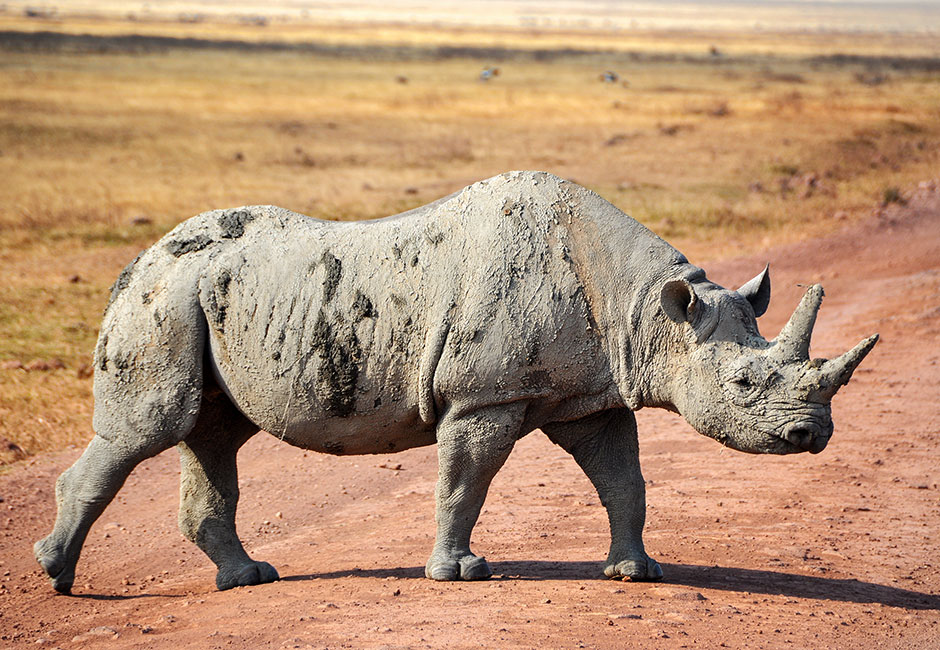
Four of the Big Five occur in the park: elephants, buffalo, lions and leopards. While elephants and buffalo can be seen regularly, you need considerably more luck for lions and above all leopards. There are no rhinos in Lake Manyara National Park. The park is in any case less a classic Big Five destination than a place for varied landscapes, primates, elephants and a diverse birdlife.
Lake Manyara or Tarangire – which park is more worthwhile?
It is less a question of "better" than of "different". Lake Manyara National Park is more compact and strongly shaped by groundwater forest, the Rift Valley escarpment and the lake. Because of the risen water level, however, the drivable area is more limited today than before. Tree-climbing lions and large flocks of flamingos are possible, but should not be planned on as certain sightings.
Tarangire, on the other hand, offers wide, drier landscapes, characteristic baobabs and very good chances of watching elephants. If time allows, it is worth including both parks in a Northern Circuit safari.
Can you visit Lake Manyara as a day trip from Arusha?
Yes, in principle that is possible. The park is around 125 kilometres and about 2 to 2.5 hours' drive from Arusha. For a single day trip, however, the driving distance is not insignificant. Lake Manyara usually makes even more sense as part of a Northern Circuit safari, where the visit can be combined with other destinations such as Tarangire or Ngorongoro.
Is Lake Manyara National Park worth it?
Yes, especially as a varied stop on a Northern Circuit safari. The mix of groundwater forest, soda lake, Rift Valley escarpment, wetlands and acacia landscape sets Lake Manyara clearly apart from the surrounding safari areas. Elephants, buffalo, giraffes, primates and numerous bird species can still be watched.
Conclusion: is Lake Manyara National Park worth it?
Lake Manyara National Park may not be the biggest star among Tanzania's safari destinations – even if it has something the Serengeti doesn't: a lake in the middle. Its special character lies in the combination of groundwater forest, acacia landscape, wetlands, the alkaline Lake Manyara and the mighty Rift Valley escarpment.
However, the park has changed visibly in recent years. The risen water level has flooded former land areas, restricted the drivable road network and also changed conditions for the birdlife. You can still watch elephants, buffalo, giraffes, baboons and numerous bird species. For the famous tree-climbing lions, however, you now need a lot of luck, and you should not take the large flocks of flamingos of earlier years for granted either.
For a Tanzania round trip on the Northern Circuit, Manyara can nevertheless be an interesting building block, especially between Tarangire and Ngorongoro.
In short: Lake Manyara is a national park in transition. If you come with realistic expectations, you will experience an unusual landscape here and at the same time gain an impressive insight into how strongly water can change entire habitats.
For further questions and support with planning your Tanzania trip, we are happy to help. Thanks to our close contact with our subsidiary in Tanzania, we are always well informed about the current situation. So get in touch with us! Your dream, our expertise – your very own Tanzania experience.
Juan Proll has lived in southern Africa since 2011 and works as a certified nature and cultural guide in South Africa, Botswana and Namibia for Elefant-Tours and its subsidiaries. After an earlier career as an adult education teacher in Germany, he swapped the classroom for the wilderness. Alongside his work as a guide, he writes for the Elefant-Tours blogs about nature, culture and sustainable travel. Juan is a member of the Field Guides Association of Southern Africa (FGASA) and the author of the books "Ich werd' dann mal Ranger" and "Das Safari-Lesebuch". The magazine DER SPIEGEL reported on his training.