When is the best time to travel to Tarangire National Park?
 by Juan Proll· February 4, 2025· 10 min read
On the northern safari route in Tanzania, Tarangire National Park is regarded as one of the country's most worthwhile conservation areas. When the best time to travel to Tarangire National Park is is what I describe for you in today's blog.
The best time to travel to Tarangire National Park at a glance
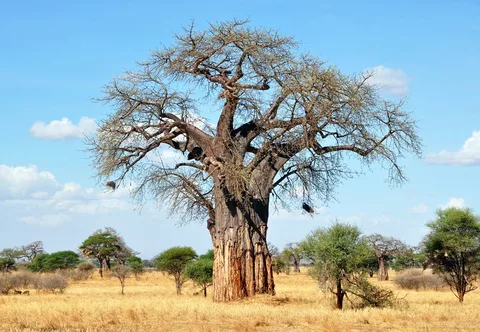
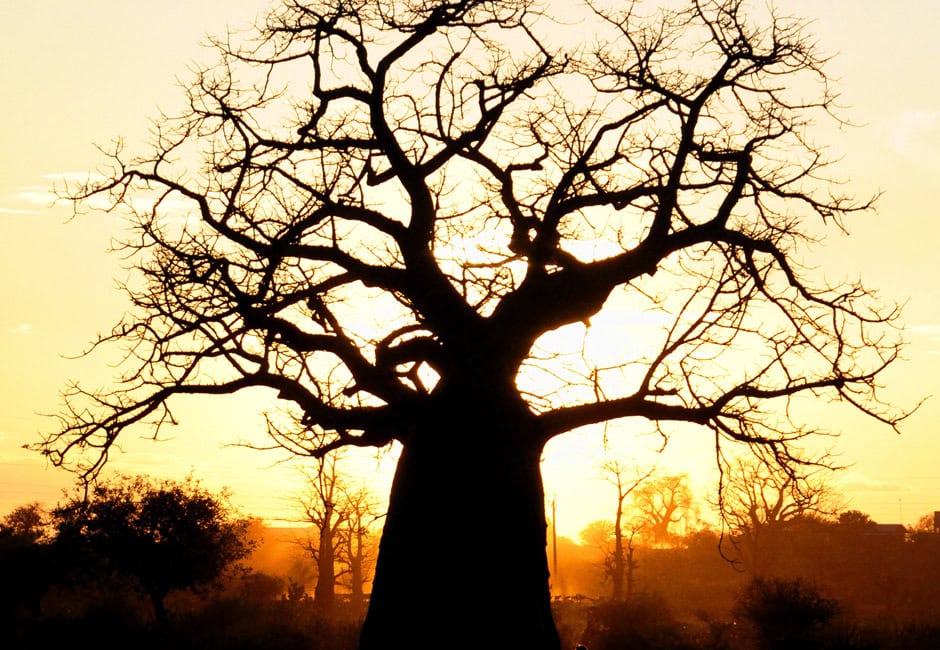
A safari in Tanzania is one of the highlights for all safari enthusiasts. On the northern safari route, on the way to the Ngorongoro Crater and Serengeti National Park, lies Tarangire National Park, known for its huge elephant populations, beautiful landscapes and remarkable baobab trees.
The best time to travel to Tarangire National Park is considered to be the dry season from mid-June until the start of the rainy season in November.
Especially towards the end of a long dry season, the Tarangire River, which carries water all year round, offers one of the last good drinking sources in the region. Elephants and other big game therefore come here in droves.
What is the climate like in Tarangire National Park?
Tanzania's location in East Africa on the Indian Ocean, close to the equator, also determines the climate in Tarangire National Park. A tropical savannah climate prevails here, which, thanks to the altitude of between 900 and 1,250 metres, is not too hot and is characterised by two main seasons: a dry season and a rainy season.

The dry season (June to October)
In the dry season there is hardly any rainfall. Humidity is low and daytime temperatures are generally between 25° and 30° C. At night, however, it can get considerably cooler, and the thermometer can drop to 10° C, especially in the higher parts of the park.
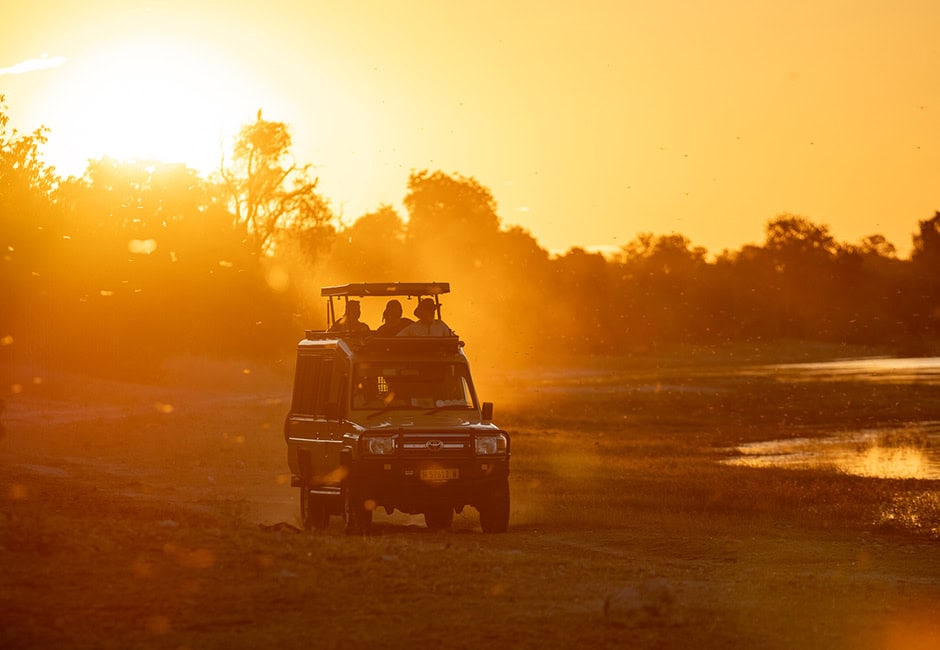
These months are particularly popular with tourists, and not only because of the climate, which is perceived as pleasant. The conditions are also ideal for safaris in other ways. Many waterholes dry up and the wildlife gathers around the remaining drinking sources. At the same time, the vegetation is less dense. Overall, this improves the chances of very good wildlife viewing.
The rainy season (November to May)
The rainy season begins with a short rainy season from November to December, pauses in January and February, and then makes up for everything between March and May during the main rainy season.
The short rainy season is characterised by sporadic but often heavy rainfall. The landscape begins to turn green and the vegetation thickens. Even so, wildlife viewing at this time is much better than in the main rainy season.

The latter runs from March to May and brings the heaviest rainfall. It often leads to flooding, which makes many roads impassable and can make access to the park very difficult. In these months water can be found everywhere, so the animals disperse and the vegetation is particularly lush. These factors make spotting big game increasingly difficult.
Safari conditions are also less pleasant for tourists in the main rainy season. Temperatures are higher during the rainy season, often reaching between 25° and 35° C.
Humidity is also high at this time, making the climate muggy. At least the rainfall is often experienced as a refreshing cool-down.
Want to find out more about Tanzania tours?
We'd be happy to advise you. Get in touch!
The best time to travel to Tarangire National Park – high season
High season in Tarangire National Park coincides with the dry season in the months from June to October. The roads are easily passable, the climate is pleasant, temperatures are between 25° and 30° C and humidity is low.
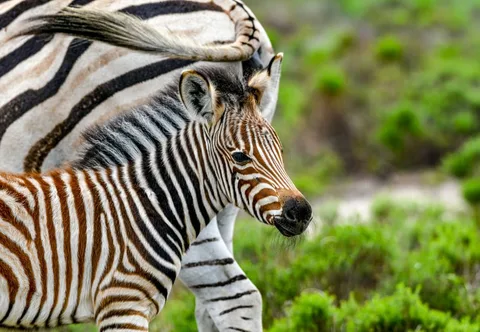
Wildlife viewing is very good at this time. The vegetation withers, thins out and opens up views of the wildlife. In addition, many waterholes dry up. Animals such as elephants, lions, giraffes, zebras, antelopes and many other species therefore gather at the few remaining waterholes.
It goes without saying that big-game photographers get their money's worth here. Plenty of animals, clear visibility and good light in the morning and evening.
However, it is also the time of the highest number of tourists. The park is therefore busier. Prices are high. Lodges and camps are often fully booked. Booking well in advance is therefore advisable to secure the best accommodation.

The best time to travel to Tarangire National Park – low season
Low season in Tarangire National Park coincides with the rainy season in the months from November to April. More frequent rainfall makes wildlife viewing harder, as many animals now retreat to other areas or are not so easy to spot behind the lush vegetation.
However, from a safari point of view you can be very lucky in November, because the rain sometimes comes late and mostly in the afternoon or evening. This means many animals have not yet moved away from the year-round waterholes; it is slowly turning green, but the vegetation is not yet too dense to enjoy excellent wildlife viewing.
In addition, you can enjoy low-season prices, with fewer tourists around. The advantages of this time are clear: fewer tourists, lower prices and more flexible booking options for accommodation and safaris. The landscape is also green and lush, allowing landscape photographers in particular to take great shots.
Bird lovers can also see a wider range of winged species now, as many migratory birds arrive in this hotter and rainy season.
In the less rainy months of January and February, you can also experience much of the main calving season and spot many young animals in the savannahs.
Our favourite safaris including Tarangire National Park in every season:
When do you see the most animals in Tarangire National Park?
Generally, the best months for big-game viewing in Tarangire are June to October. During this time the drought forces them to gather in ever larger numbers around ever fewer remaining waterholes.
Because of its year-round flowing river, elephants in particular are now frequently seen, which is why Tarangire National Park is also known for its large elephant population.
With so much wildlife, predators such as lions and cheetahs are also more active hunters, as they can now find prey more easily.

The best months for young animals, birds, snakes, scorpions and spiders are November to May. The warmer and rainy conditions attract them.
When is the best time to travel for a Tanzania safari and a Zanzibar beach holiday?
If you want to visit other parks beyond Tarangire National Park, such as Serengeti National Park or the Ngorongoro Crater, and combine this tour with a beach holiday on Zanzibar, the best time to travel for such a combination also falls in the high season from June to October. At least if, besides the better wildlife viewing opportunities in the conservation areas, sunny, rain-free days on Zanzibar matter to you too.
Otherwise, the low-season months of January to March can also be interesting for this combination. In these months, in the Serengeti and the Ngorongoro Conservation Area, the Great Migration of millions of wildebeest, zebras and other grazers stops in the south and south-east of the conservation area to give birth to their young.
At the same time, the rain on Zanzibar's main island, Unguja, takes a tourist-friendly break, and in season you can dive with manta rays off Pemba Island and with whale sharks off Mafia Island.
In the dry season, the Great Migration moves in the border region of Tanzania and Kenya and, especially between July and September, gives you unforgettable experiences during its death-defying river crossings through crocodile-infested waters.
Meanwhile, the weather in Zanzibar is ideal in the months from June to October. It is dry and pleasant with temperatures between 25° and 30° C – perfect for beach activities and exploring the islands.

The best time to travel to Tarangire National Park – month by month
Tarangire National Park in Tanzania is known for its fascinating wildlife, impressive savannah and swamp landscapes and its characteristic baobab trees. The best time to travel can vary from person to person and depends on various factors, including weather, the migration behaviour of the animals and personal preferences. The following month-by-month overview is intended to give you a few aids for making your decision:
November
The dry season is over, the short two-month rainy season is officially imminent and temperatures drop slightly. The rain mostly comes as afternoon showers. This still allows safari fun in the morning and around midday.
With the start of the rain, the first animals withdraw, but many stay until there is no longer any doubt that water and fresh vegetation are now available everywhere.
It is also the time of the first migratory birds, which now arrive from the colder regions of the world to enjoy warmer climes. A good time, then, for bird lovers, but also for fans of the now-starting low season with fewer travellers and often lower prices.

December
The weather becomes more changeable and less predictable. Temperatures hardly change and fluctuate between 20° and 32° C.
Activity among the wildlife increases, and the many heavily pregnant females among the big game prepare for their births.
It is already turning green and vegetation increases. Animal sightings become more challenging, but there are more birds. Tourist numbers, on the other hand, continue to fall, apart from the Christmas holiday period.
January
The rain takes a quiet month off. It stays warm and relatively dry with temperatures between 20° and 32° C.
The vegetation is now green and lush. An ideal time for birdwatching. Even though the wildlife is now more dispersed overall and watching animals is therefore more challenging, the large number of newborns stands out, bringing life from this month onwards to both the more open and the more covered areas of the park.
Everything looks fresh and young. A good time for safaris with few tourists around you.
February
The weather is similar to January, with only occasional rain showers. However, temperatures rise slightly once more, making February the hottest month of the year on average.

The wildlife is still very active. There is enough food and water, and the stream of antelope and zebra young shows no sign of ending.
It is an excellent time for birdwatching and encounters with young animals, while still only a few visitors are around.
March
Weather-wise, the intense phase of the rainy season now begins. Rainfall increases noticeably, temperatures fall minimally.
So much rain motivates quite a few animals to keep active. Some now migrate to other regions.
It is still a good time for birdwatching. But road conditions become difficult, and from this month on, many a safari threatens to be washed out.
April
It is the main rainy season and many roads may be impassable.
Even the wildlife has had enough here now. They shelter in the dense vegetation or move to other areas.
Not a time that can really be recommended for safaris. Lots of rain, poor road and visibility conditions. Some accommodation is closed at this time.
May
The end of the rainy season is approaching, but it is still unpredictable. Road conditions can still be unpleasant and some access routes difficult.
As the rain eases, the wildlife begins to recover. There is still enough greenery to eat and water to drink.
May, too, is a time that is only slightly recommended for safaris. Continuing rain and poor road and visibility conditions can make travel difficult. Some accommodation is still closed.
But the spontaneous, with an eye on a current weather map, could try their luck. If it is already dry, you could benefit from low-season prices on every level and have the national park practically to yourself.

June
The weather is once again mostly rain-free. The dry season begins, and temperatures fall to approx. 15° to 25° C.
In the second half of the month, the animals begin to move more and more towards the remaining water sources and gather there.
Few tourists are around yet. But the good time for wildlife viewing begins. However, the migratory birds are already moving on again.
July
The weather is now dry and cool. The coldest season is approaching. During the day it can still reach slightly above 25° C, but at night it cools down to an uncomfortable 15° C.
This marks the start of the ideal time for safaris. The vegetation thins out and the waterholes become fewer. At the remaining ones, gatherings of animals pile up. Elephants in particular stream in.
July also marks the start of the peak travel season, though. Tourist numbers increase and prices rise. Accommodation and safaris should be booked early.
August
Weather-wise, it remains dry and warm. Temperatures rise slightly.
The drought leaves its mark more and more clearly. Even fewer waterholes and further declining vegetation. This makes the animals more visible and gives you outstanding viewing experiences.
However, it also means a great many tourists, all hoping to spot as much wildlife as possible in the dry season.

September
The weather continues to be dry with slightly rising temperatures.
The advanced drought thins out the vegetation and waterholes further. As a result, more and more animals migrate, easy to observe, towards the Tarangire River.
It is therefore still a very good time to travel on safari, with plenty of potentially excellent animal sightings.
October
It is very warm to hot again and still largely dry. Temperatures reach 25° to 35° C. The first small rain showers may already appear.
Otherwise, the advanced dryness shows clear signs of drought.
The very good wildlife viewing still continues. Even the first small showers make little difference, although the odd extra puddle can, on a small scale, lead the animals to start dispersing more around the park.
At least the number of tourists now falls noticeably.
The best time to travel to Tarangire National Park – a summary
The best time to visit Tarangire National Park is from June to October. In these months, the dry season offers ideal conditions for wildlife viewing.
The months of January and February also have their appeal. During this time the rain eases off, offering good opportunities to watch young animals in a green landscape.
April and May, on the other hand, are less recommended. This is the main rainy season, when road conditions and wildlife viewing suffer badly and deteriorate.
We are happy to answer any further questions and support you in planning your Tanzania trip. With our own subsidiary on the ground, we are always well informed about the current situation.
So, get in touch! Your dream, our expertise – your very own individual Tanzania experience.
Juan Proll has lived in southern Africa since 2011 and works as a certified Nature and Cultural Guide in South Africa, Botswana and Namibia for Elefant-Tours and its subsidiaries. After an earlier career as an adult-education teacher in Germany, he swapped the classroom for the wilderness. Alongside his work as a guide, he writes for the Elefant-Tours blogs about nature, culture and sustainable travel. Juan is a member of the Field Guides Association of Southern Africa (FGASA) and the author of the books “Ich werd’ dann mal Ranger” and “Das Safari-Lesebuch”. The magazine DER SPIEGEL reported on his training.