Travelling alone as a woman in South Africa: how to plan your trip safely
 by Juan Proll· August 26, 2025· 12 min read
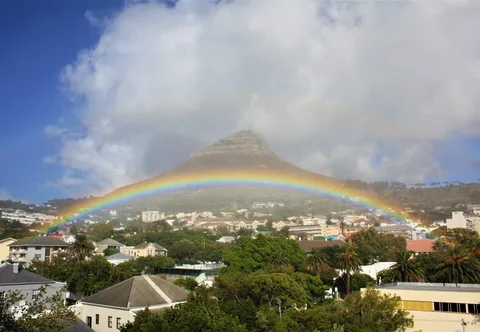
Travelling alone as a woman in South Africa? Why not? South Africa is a unique travel destination with breathtaking landscapes, fascinating wildlife and inspiring human and cultural encounters – for solo women travellers too. Here is how to plan your trip safely:
Why South Africa is a rewarding destination for women travelling alone
South Africa's breathtaking nature, with its seas and bays, mountains and valleys, forests and savannahs, its spectacular wildlife and diverse culture, make the country a great travel destination for all travellers in general.
The warm hospitality, the good tourist infrastructure with easy arrival and easy travel through the country, the good value for money and the exemplary medical care in the cities, as well as travel safety that has improved over the years, also make South Africa a rewarding destination for women travelling alone.
Of course, generally applicable precautions must be observed. Given that, the country at the Cape offers, within the worldwide growing trend of solo women travellers, very good conditions and the necessary safety to travel here alone.

How safe is South Africa for women travelling alone?
Anyone who leaves the safety of Germany, Austria or Switzerland for Africa will almost inevitably feel unsure at first in unfamiliar surroundings. South Africa is no exception. It is, as is well known, not as safe there as it is here in central Europe.
A realistic assessment of safety
After the end of apartheid in the early 1990s, South Africa experienced profound social change. During this period crime also rose sharply, which posed great challenges for many people in the country.
An important boost to improving the security situation came from the 2010 FIFA World Cup, which brought numerous investments in infrastructure and security measures.
Crime is still high. But that particularly affects the townships and dark districts in the big cities, which as a tourist you mostly don't come across or, if you want to visit them, should only visit with a guide.
The popular tourist routes are less affected. The exceptions at present are the following:
- In the area around Numbi Gate in the south-western part of Kruger National Park there were repeated robberies of tourists, until security here could finally be largely restored.
- Hikes in Cape Town up Table Mountain and along Signal Hill, in the immediate vicinity of urban settlements, should not be undertaken alone.
- The area around the Castle of Good Hope in Cape Town, especially towards Strand Street (train station), has recently had to be treated with caution. Travelling to and from the Castle of Good Hope by vehicle is currently still recommended. The tent city that had formed there has since been cleared, which has improved security again.
- When travelling from Port Elizabeth (Gqeberha) to Addo Elephant National Park, it is advised not to use the R335 via Motherwell; the N2 via Colchester (south entrance) and onwards via the N10 and R400 (north entrance) is recommended instead.
Would you like to find out more about South Africa trips?
We are happy to advise you. Get in touch!
Everyday safety tips – travelling alone as a woman in South Africa
In general, as in every travel destination in the world, the usual safety precautions apply, as described for example on the German Federal Foreign Office's website about South Africa in the “Safety” subsection.
But I would like to emphasise a few tips that I urge women travelling alone to take to heart:
- Travel during the day wherever possible and avoid driving outside the cities after dark. On foot, too, it can easily get late even in well-protected nightlife districts such as Long Street, Kloof Street and V&A Waterfront in Cape Town or Maboneng in Johannesburg.
- Use Uber in the cities to get from A to B. Activate the safety PIN, so that the driver has to enter a PIN with you on every ride for safety. The ride is also recorded this way. You might also stay in contact with someone you trust via a messenger service during the ride.
- For road trips use Google Maps, which by now no longer shows unsafe areas as route options.
- Wherever you are, radiate self-confidence, listen to your gut feeling and turn around or order an Uber if you feel uncomfortable in an area.
- If someone approaches you, be friendly but firm in declining.
- In some situations a wedding ring on your finger also helps. That way you can still pretend to have a husband waiting for you at the hotel or whom you are about to meet.
- If you don't want to be alone on certain sections of your trip, for example not go hiking alone, well-chosen accommodation can give you not only safe lodging but possibly fellow travellers too. Recommended backpacker hostels are good “contact exchanges”.
Popular tours:
What to do in an emergency?
Of course you should also be prepared for emergencies. I have the following recommendations in particular:
- Keep your original documents safe, for example in the hotel safe. Carry copies with you instead and also keep them as an electronic version on your phone, laptop or in a Dropbox.
- Have a mobile phone with you during your stay in South Africa, but don't carry it visibly in inner-city areas. Make sure it is charged and has enough data when you are out and about.
- It is best to use a South African SIM card, which you can get on arrival at the airport. Save important emergency numbers in your phone, including:
Police 10 111, ambulance 10 177 or 112, Mountain Rescue 021 948 9900. - Before your trip, also get hold of the contact details of your embassy in South Africa.
The best regions for solo travellers in South Africa
Especially if you are coming to South Africa for the first time as a woman travelling alone, certain areas are very well suited for a safe start. I would like to briefly explain why some destinations in the country are particularly suitable:
Cape Town – urban flair and natural beauty
The Cape Town region – including Table Mountain, the Cape of Good Hope and beach resorts such as Camps Bay or Simon's Town – is well suited to solo travellers because of its good infrastructure, the many organised tour offers, the wide range of possible activities, fascinating natural and cultural landscapes and easily accessible sights.
In the city you can stroll, shop and do sports, experience the glittering sea and rugged rocks, or visit Africa's largest botanical garden. With Uber or regular taxis you can get around very well, or travel with your own rental car.
The Winelands with Stellenbosch, Franschhoek, Paarl and so on also offer solo travellers relaxed travel moments and cultural experiences with their calm, friendly atmosphere, exciting wine tours and hilly landscapes.
As for accommodation, find out about the safety of individual districts before booking and choose a well-rated place to stay in an area considered safe and with security. In Cape Town there is even women-only accommodation, if you like.

The Garden Route – ideal for women self-drivers
The Garden Route leads through Wilderness, Knysna, Plettenberg Bay and, with a detour, Oudtshoorn, among others. Scenically it is breathtaking, the towns are well connected and there are many outdoor activities you can do alone or guided.
Here green rainforest, deep gorges, rushing rivers and beautiful swimming beaches provide an unforgettable setting for hiking, boating and relaxing.
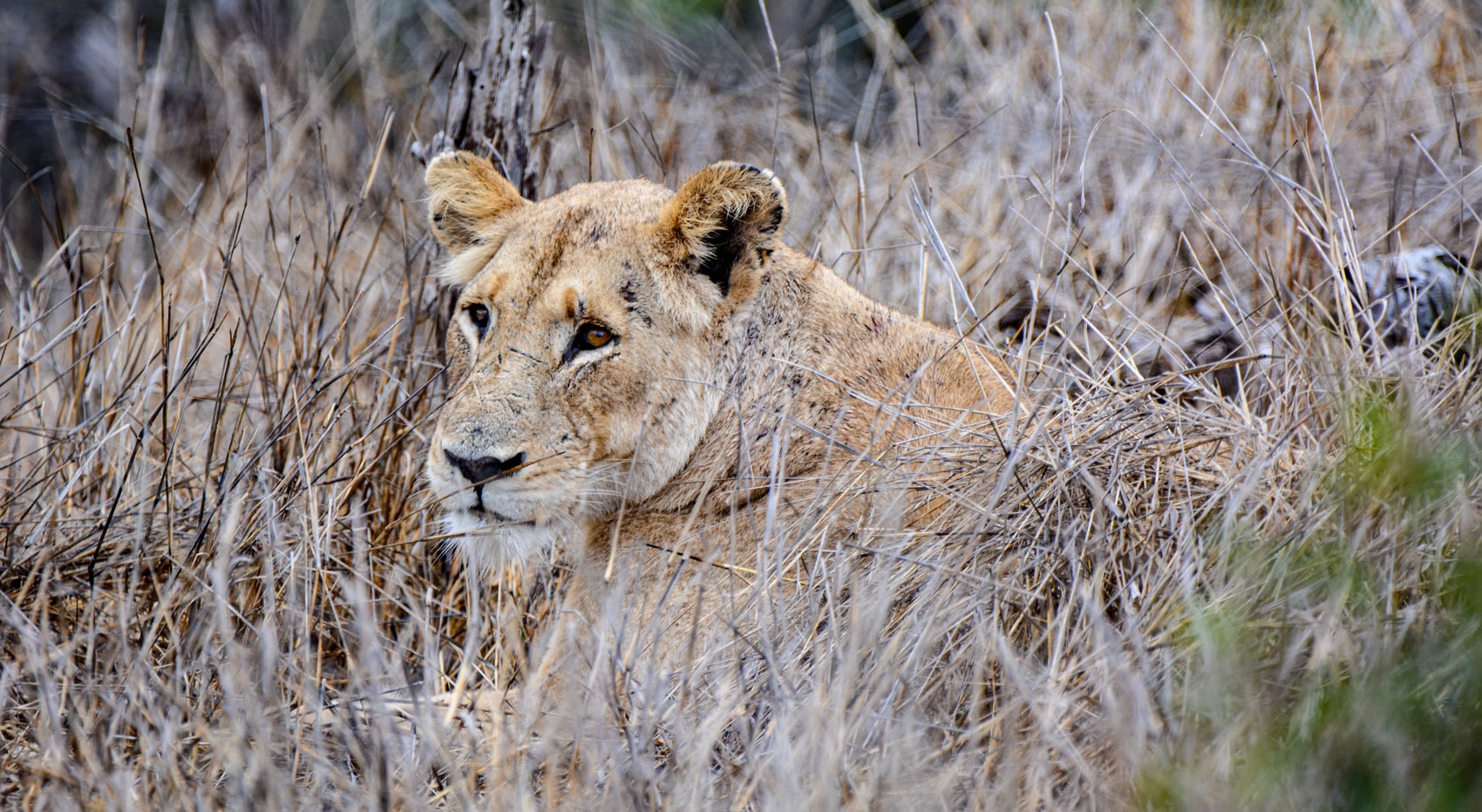
Beyond the Garden Route, a safari in Addo Elephant National Park can easily be included. Of the country's largest national parks with the Big Five of lion, elephant, leopard, buffalo and rhino, it lies furthest south and thus closest to the Garden Route.
On road trips you must be sure to remember that South Africa drives on the left. Don't let anyone lure you out of the car under the pretext of an accident, don't pick up hitchhikers and leave no valuables visible inside.
Where possible, park and leave your car only where a parking attendant can keep watch for a small tip.
Other recommended regions
You will find more recommended regions for solo travellers …
- in Durban and the KwaZulu-Natal coastal strip thanks to its tropical climate, colourful culture, good beaches and interesting coastal towns with many hotels and tour operators.
- in the uKhahlamba-Drakensberg, where outdoor adventures, clear nature and small-group or private tours await you away from the crowds.
- also in Kruger National Park and not far from it on the Panorama Route. Both are real highlights and easily and safely reached by women travelling alone.
The unique Big Five wildlife in the world-famous Kruger National Park and the breathtaking canyon landscape along the Panorama Route are not only unforgettably impressive but also easy to book via guided local tours.
Practical tips for preparing your trip
Women travelling alone may place additional emphasis on safety when preparing for the trip.
Besides the usual preparations with route planning, hotel bookings, vaccination protection, insurance and documents, this includes compiling local emergency numbers and sharing emergency contacts.
Alone, but well prepared
Travelling alone should not mean feeling alone.
When preparing at home you will find a reliable travel partner at Elefant-Tours in my colleagues. Here you not only get helpful tips, but can also book as a woman self-driver. Simply contact them for non-binding advice.
That way you can plan the route in advance even better and fix details such as highlights, distances and breaks. For accommodation, you should check reviews beforehand, check the location and ultimately prefer safe neighbourhoods.
All of this also with the aim of being able to leave the entire plan with family or friends as additional security.
Also important is communication on the road. You can get a local SIM card right at the arrival airport or use roaming. Save emergency numbers on the ground and emergency contacts at home. Plan regular check-ins with family/friends.
In addition, we have a subsidiary on the ground, which is a further back-up during your trip and increases your safety.

Transport & getting around
You can also conveniently book a rental car for more flexibility with the help of Elefant-Tours.
Have the Google Maps app on your phone, which can guide you through the country offline and online and deliberately leaves out supposedly dangerous route suggestions. It will not, however, constantly remind you that traffic drives on the left here. You have to remember that yourself.
Prefer parking options in safe areas. Research alternative activities for bad weather or in case of safety concerns. Stay flexible but informed on the road.
If you rely on bus services or taxis, choose safe and reputable ones. Avoid remote stops and check timetables in advance. For longer distances use vetted shuttle options or transfer services, stick to recommended routes and avoid detours through unsafe areas.
Clothing & behaviour
Choosing clothing for the road is not only a pragmatic matter of climate and weather, but also about increasing your personal safety with cultural sensitivity.
Adapt your clothing to local customs, especially in rural regions, where covered shoulders and knees allow a more inconspicuous and respectful appearance. Depending on the region – coast, rural or urban – you can vary your clothing accordingly.
In cities moderate, comfortable, practical; on safari or in rural areas long trousers and closed shoes. In coastal areas airy outfits with a sun hat and sun cream.
Behave “visibly confident”: avoid risky night-time walks, keep headphone volume low, store valuables securely. Stay polite, set clear boundaries, respect local customs and seek a local escort if you feel unsure.
Group tours – a sociable way to increase safety
Group tours are a wonderful option for women travelling alone in South Africa, as they combine safety with a love of adventure. Guided tours offer structured routes, experienced guides and reliable transport.
Even the clear planning with all the details creates safety. Accommodation, tickets and transfers are organised in advance. That reduces stress and eases safety concerns. And incidentally, you get to know new people.
Even so, as a solo traveller you can stay independent, for example by choosing a group tour for certain sections of your trip only and otherwise travelling alone. That leaves you room for your own explorations and spontaneous encounters with locals.
For beginners, group tours in South Africa are also ideal because guides give cultural insights, lower language barriers and provide tips on local behaviour. You learn safe habits and receive immediate support when you feel unsure.
That builds your confidence in your own ability to travel. Group tours therefore offer a safe way in, where you gain independence step by step, make new friends and experience the diversity of the country with like-minded people.

Frequently asked questions about “travelling alone as a woman in South Africa”
Is South Africa safe for women travelling alone?
With good preparation – from planning the route and accommodation to researching emergency numbers and security situations – plus the necessary vigilance on the ground, South Africa offers safe conditions for women travelling alone.
Should I be out alone at night?
As a rule, the recommendation is to plan activities in daylight. But of course you also want to get to know the nightlife here and there. The nightlife districts around Long Street and Kloof Street in Cape Town or the Maboneng Precinct in Johannesburg offer good safety.
If your accommodation is not right in the middle of it, choose an Uber for the journey there and back.
What is the best time to travel to South Africa?
The best time to travel to South Africa depends on the region and your preferences. In general, the dry season from May to September in the north-eastern half of the country is ideal for wildlife viewing in the Kalahari and Kruger National Park.
Cape Town, the wine-growing regions and the Garden Route enjoy mild, sunny weather especially between September and November, before it can get seriously hot from December to March.
How do I meet people as a woman travelling alone?
Even your choice of accommodation, for example a backpacker hostel, can give you first contacts. But in South Africa there are generally very many tour operators offering group activities and guided tours. You can also book group tours with us.
Do I need special travel insurance as a woman?
No, there is no separate insurance just for women travelling alone. The same recommendations apply to you as to all travellers: international health, accident and luggage insurance make sense.

Conclusion – travelling alone as a woman in South Africa: it works great!
Sure, travelling alone as a woman brings challenges. But don't let the myth “South Africa is far too dangerous” put you off. If you plan consciously in advance, follow our recommendations and travel attentively through the country, your safety is fine.
Plan your route and accommodation carefully, use safe neighbourhoods, arrange regular check-ins with family/friends and use reputable tour and transfer providers via local services. As a South Africa beginner, organised activities help.
Keep emergency numbers and contacts ready and find out about local security situations. Stay flexible but alert, avoid night-time journeys in remote areas and use reliable means of transport.
With clear planning, secure communication and conscious behaviour you can travel independently, relaxed and safely.
We are happy to answer questions and support you with planning and booking your South Africa trip – whether on a guided group safari, a guided private safari or a self-drive tour.
Thanks to our close contact with our subsidiary in South Africa we are always well informed about the current situation. So get in touch! Your dream, our expertise – your very own individual South Africa experience.
Juan Proll has lived in southern Africa since 2011 and works as a certified nature and cultural guide in South Africa, Botswana and Namibia for Elefant-Tours and its subsidiaries. After an earlier career as an adult education teacher in Germany, he swapped the classroom for the wilderness. Alongside his work as a guide, he writes about nature, culture and sustainable travel for the Elefant-Tours blogs. Juan is a member of the Field Guides Association of Southern Africa (FGASA) and the author of the books “Ich werd’ dann mal Ranger” and “Das Safari-Lesebuch”. The magazine DER SPIEGEL reported on his training.