Safe travel destinations in Africa for your dream holiday
 by Juan Proll· October 20, 2025· 11 min read· Updated October 22, 2025
Safe travel destinations in Africa offer fascinating adventures, rich culture and breathtaking natural wonders. When planning your Africa holiday, safety plays an important role. Here you will find out which African countries are particularly safe and offer ideal conditions for your unforgettable dream holiday.
Why safety is crucial on an Africa trip
Africa is a continent full of diversity – from deserts to tropical rainforest, from majestic savannahs to breathtaking coastlines. Yet despite its many treasures, safety is one of travellers' biggest concerns.
Media reports about political unrest, crime and health risks often give a distorted view of Africa. In fact, many African countries have stable political systems, good medical care and exemplary tourist infrastructure.
Safety when travelling depends on various factors . These include political stability, a well-functioning healthcare system and well-developed infrastructure to minimise risk during your trip.
The more “tourist-friendly” countries are in this sense, the lower the likelihood of getting into unsafe situations. Knowing which are the safe travel destinations in Africa helps you enjoy your trip stress-free and with peace of mind.

How do you measure the safety of a travel destination?
The safety of a travel destination can be assessed using various criteria. These include political stability, crime rates, healthcare and recommendations or warnings from official bodies such as the German Federal Foreign Office. Indicators exist for every country that help travellers make informed decisions. This is how you recognise safe travel destinations in Africa:
Criteria for safe travel destinations in Africa
A safe holiday starts with choosing the right country. Several factors influence safety:
Political stability: Countries with stable governments pose little risk of unrest for travellers. Democratically elected governments also minimise the risk of being imprisoned for “ill-considered” remarks, e.g. about a king or dictator.
Political and social conflicts are usually an indication of a higher risk for tourists.
Healthcare & medical care: Good medical infrastructure is essential. A country with well-trained doctors, modern hospitals and reliable emergency care offers a higher level of safety for travellers and also allows reliable planning for travellers with special conditions, e.g. with a heart transplant.
Crime rate & tourist-friendliness: Countries with a reputation for a high crime rate can nevertheless feel very safe from a tourist perspective.
The reason is the efforts of local governments and private operators in tourist-relevant areas to pay greater attention to the safety of travellers. This often leads to significantly lower crime rates than in districts of little interest to tourists.
Travel warnings from the German Federal Foreign Office: Official advice and warnings are an important indicator of travellers' safety. You can obtain this information before your trip from the Federal Foreign Office, for example.

Medical care & health on Africa trips
Healthcare in many African countries has improved significantly in recent years. Nevertheless, it is important to inform yourself thoroughly before your trip and take the necessary precautions.
Vaccination recommendations & malaria prophylaxis: Depending on the country, travellers should receive certain vaccinations, including hepatitis A, typhoid, diphtheria and yellow fever.
Malaria protection is particularly important for countries in tropical regions. Find out more in our blog: Malaria protection on Africa trips: how can you control the travel disease?
The importance of good travel insurance: Comprehensive travel insurance that covers medical emergencies is essential. This insurance should also cover the cost of repatriation in the event of illness or an accident.
Safety tips for your Africa trip
Travelling safely starts with thorough preparation. Here are some valuable safety tips:
If you have a particular destination in mind, it is extremely helpful before booking to find out about the current security situation there and to check the German Federal Foreign Office's travel warnings. Local news sources are also helpful, provided you at least speak or understand English.
Once in the country, you should stick to the designated tourist routes. Be sure to behave respectfully towards the culture and local laws.
Particular caution is required with drinking water and hygiene – make sure you only drink boiled or bottled water.
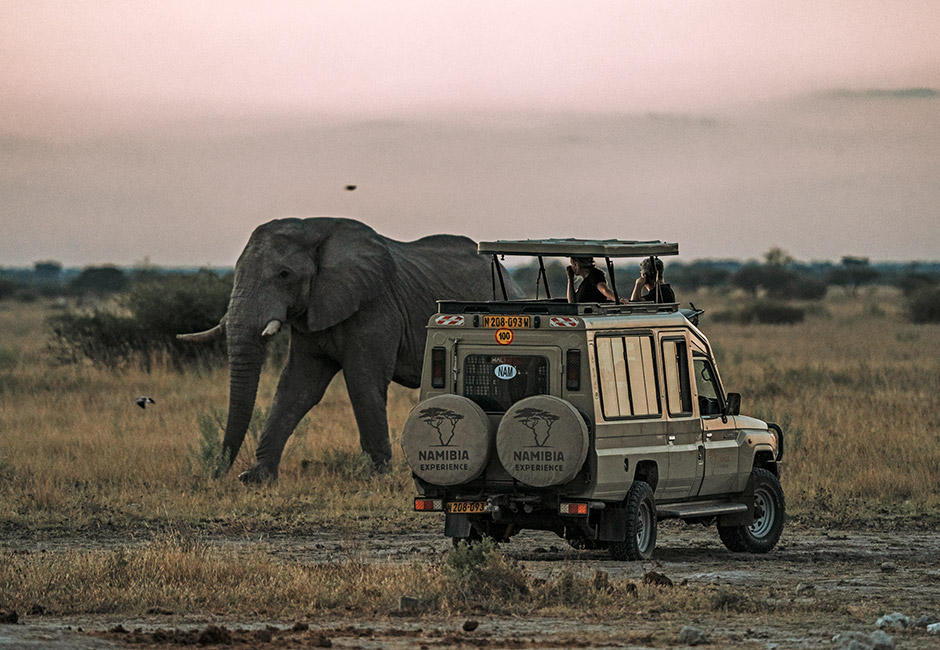
To minimise the risk during your trip and be able to sit back and enjoy, you can book guided tours offered by reputable providers. Travel providers such as “Elefant-Tours” specialise in safe and responsible travel.
Often underestimated but extremely helpful: familiarise yourself with the country's emergency numbers and also save important contacts such as those of your embassy and your travel insurance.
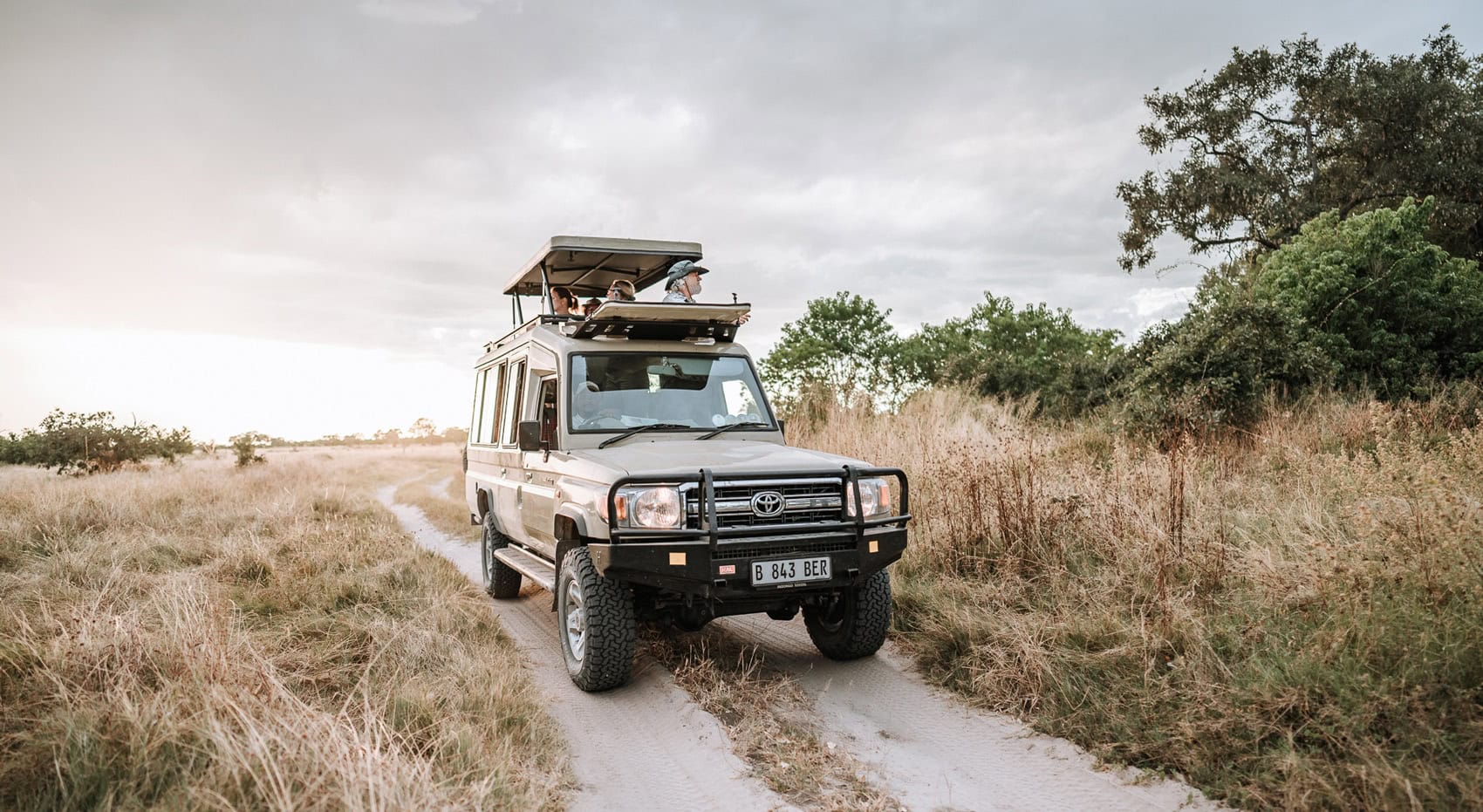
Our top 5 safe travel destinations in Africa
In view of the safety criteria mentioned above, it is above all the following five African countries that are suitable for travellers thanks to their high safety standards: Namibia, Botswana, Tanzania, Kenya and South Africa.
1. Namibia – Africa's safest travel destination?
Namibia is known for its breathtaking landscapes and its political stability. With a population of just approx. 3 million and a very low crime rate, it is considered one of Africa's safest travel destinations.
The people are warm and hospitable. They add an extra touch of enjoyment to the country's special sights, such as Etosha National Park, the sea of sand and dunes at Sossusvlei or the old German colonial town of Swakopmund.
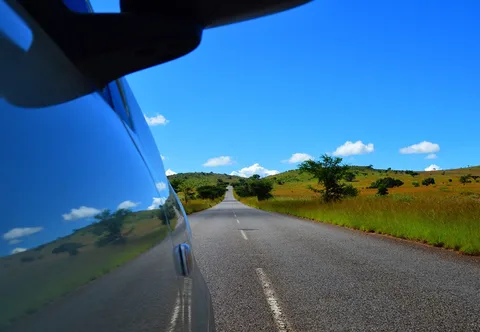
Although the country is huge at around 850,000 km2, the existing tourist infrastructure nevertheless allows very good access to all the country's highlights. This also gives self-drivers the best conditions for exploring the desert nation independently.
One challenge for the country is providing nationwide healthcare of equal quality. Here the few larger cities have the advantage. For example the capital Windhoek, where the private Lady Pohamba Hospital promises the best medical care, or the Katutura State Hospital, which recently received the country's first whole-body X-ray scanner for its emergency department. Conditions are steadily improving.
If you are looking for a guided tour through Namibia for extra safety, where you can also sit back and relax and admire the beauty of the country, I recommend our Fascination Namibia round trip to get you started.
Discover Africa and the wilderness with us.
Get in touch!
2. Botswana – safari paradise with the highest stability
Botswana is one of the politically most stable and safest countries in Africa and has established itself as a paradise for safari lovers. Overall, the country has a very low crime rate. Not least because the government places great importance on protecting tourists and on environmental sustainability.
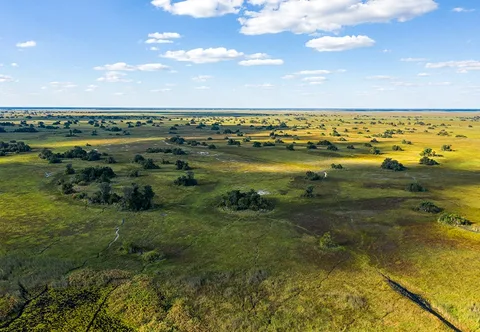
Botswana is also known for its exceptional wildlife and high environmental standards. The Okavango Delta and Chobe National Park are among the best safari destinations in Africa. Here you can expect top-class luxury lodges with the highest ecological standards for themselves and the environment. The wildlife is very grateful for it.
Our Fascination Botswana round trip is ideal for an exceptional experience in what is probably the richest country in wildlife in southern Africa . A fly-in safari such as our Stylish Botswana experience is also exciting, in which travellers are flown in small, private aircraft directly to the remote, exclusive camps – in the middle of the wilderness, yet safe.
Particular caution is recommended if you are a self-driver in the midst of free-roaming wildlife, where elephants may block your way on the main road.
3. Tanzania – travelling safely in the land of the Serengeti
Tanzania is one of the most popular destinations for safari enthusiasts and trekking fans, and for good reason: the vast Serengeti, majestic Kilimanjaro and the breathtaking Ngorongoro Crater offer nature experiences that are unique worldwide.
For tourists who want to embark on these adventures, the country's tourist regions are safe and well developed. The national parks and protected areas in particular are known for their high safety standards. Regular checks by well-trained rangers ensure the protection of travellers and animals.
However, Tanzania is currently not suitable for self-drivers. Road conditions in remote regions can be challenging, and navigating unfamiliar areas without local knowledge is risky.
For a worry-free trip, we recommend taking part in guided tours. Our Best of Tanzania tour offers excellent insights into a wonderful country.
Even though the country presents many challenges for independent travellers , its strong tourist infrastructure means it remains one of the safer travel destinations in Africa.
Another advantage: medical care in the larger cities and in some national parks is adequate, so tourists can rely on good healthcare in an emergency.

4. Kenya – travelling safely with good preparation
Kenya is a land of contrasts: the vast plains of the Masai Mara, the exotic life of Nairobi and the beautiful coastal regions with their white sandy beaches such as Diani Beach.
But while tourist hotspots such as the Masai Mara and Amboseli National Park offer excellent safety, the security situation in other parts of the country is somewhat more complex.
Uncertainty can arise especially in the remote rural areas of the far north. You should simply avoid the far north. In the capital Nairobi, too, it is as in many big cities around the world – certain areas should be avoided.
In the tourist regions, however, crime and political instability are far less of a problem. A strong tourist infrastructure creates additional safety.
Kenya, too, is still not suitable for a self-drive tour. It is many times more modern than Tanzania, but not designed for self-drivers. It is better to go on a guided safari, where experienced guides bring the fascinating wildlife closer to you while also looking after your safety. For example on our Best of Kenya trip.
Medical care in Kenya is very good in the large cities and most tourist regions. There are a number of international hospitals and clinics that can help quickly in an emergency.
5. South Africa – travelling safely with preparation
South Africa, too, is a land of diversity – from the world-famous wine estates in Stellenbosch to the impressive wildlife viewing in Kruger National Park. The country attracts millions of tourists every year, but there are also regional differences in the security situation that travellers should be aware of.
While cities such as Cape Town and Durban are known for their well-developed tourism and offer comparatively high safety standards in the areas of interest to tourists, cities such as Johannesburg can feel significantly less safe, at least in some central districts.
So if you are still drawn there, do your research before the trip and take appropriate precautions.
The country's political stability is a given, and the tourist infrastructure is excellent. Self-drivers are very well looked after here in this respect. If you want to feel safer, choose a guided tour in South Africa too, for example the South Africa Highlights round trip, which also takes you to Kruger National Park and along the Garden Route.
South Africa offers excellent medical care, in tourist areas in general and in the Western Cape province around Cape Town in particular.
Safe trips in Africa:
More safe destinations in Africa
Morocco:
Morocco is considered a safe travel destination, especially in tourist areas such as Marrakech, Fez and Casablanca. The crime rate is low, but travellers should be wary of pickpockets and scammers in busy markets and larger cities. The political situation is stable and the infrastructure well developed.
Rwanda:
Rwanda is one of the safest countries in Africa, known for its political stability and low crime. However, the German Federal Foreign Office warns against non-essential travel to the border regions with the Democratic Republic of the Congo, as civil-war-like conditions prevail in the neighbouring country.
Rwanda has developed strongly in recent years and offers tourists a safe environment. Attractions such as Volcanoes National Park with its mountain gorillas are well secured, and travel through the country is unproblematic.
Zambia:
Zambia is considered relatively safe, especially in tourist areas such as Victoria Falls or South Luangwa National Park. Petty crime is possible in urban areas, so travellers should stay alert. The political situation is stable, and the tourist infrastructure is growing steadily, which makes for a safe trip.

Frequently asked questions
Are Africa trips safe?
Africa trips can be safe if you are well informed, heed current travel warnings, travel with safety in mind and take the right precautions. Many countries, including Namibia, Botswana, Tanzania, Kenya and South Africa, offer a high level of safety.
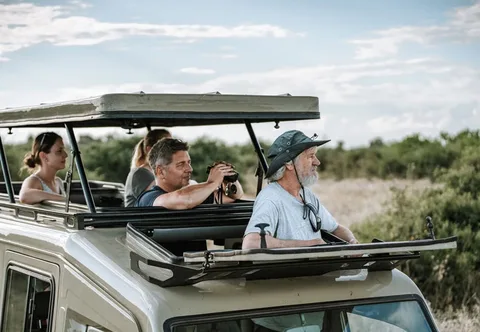
You can gain additional safety with a guided tour, with an experienced guide by your side. Guides know the country and its people and are aware of the current situation in their home country.
How dangerous is a safari?
A safari is generally not dangerous, especially if you choose a guided tour with an experienced guide. Guides are experts who know their wildlife and how to deal with it safely.
Safety precautions and respectful behaviour towards nature and the animals are crucial to minimising risks. This also includes following your guide's instructions.
Is a beach holiday in Kenya safe?
Yes, beach holidays in Kenya, particularly in places such as Diani Beach and large parts of the coast, are generally safe. An exception is the Lamu Archipelago. Here you should follow the advice of the German Federal Foreign Office in advance.
As with any trip, you should also pay attention to local safety and your surroundings once you are there. Ask your hotel reception about the current security situation and choose established providers for tours.
How can I make my Africa trip safer?
To make your Africa trip safer, you should inform yourself thoroughly before departure, save local emergency numbers and use guided tours. Good travel insurance and following safety guidelines on the ground are also essential.

Conclusion: Africa offers many safe destinations
According to the Global Peace Index 2024, the countries presented in this blog are among the 15 safest travel destinations in Africa. They stand out not only for their political stability and low crime rates, but also for excellent medical care and infrastructure, which make a worry-free trip possible.
With the right preparation and a reliable tour operator you can experience Africa in all its splendour while always keeping your safety in view.
The experienced guides of our local subsidiaries contribute further to your safety. With their excellent driving skills, local knowledge and feel for the country and its people, they make sure you feel completely at ease.
They also share their expertise with you, look after their guests attentively and make every safari an unforgettable experience.
In addition, our travel experts are happy to help you even before your trip begins to shape the perfect holiday to your wishes.
So if you have any further questions, we are happy to help, support you with planning and accompany you throughout the tour, whether on a privately guided round trip, a group tour or a self-drive tour.
Thanks to our close contact with our subsidiaries in Africa we are always well informed about the current situation. So get in touch! Your dream, our expertise – your very own individual Africa experience.
Juan Proll has lived in southern Africa since 2011 and works as a certified nature and cultural guide in South Africa, Botswana and Namibia for Elefant-Tours and its subsidiaries. After an earlier career as an adult education teacher in Germany, he swapped the classroom for the wilderness. Alongside his work as a guide, he writes about nature, culture and sustainable travel for the Elefant-Tours blogs. Juan is a member of the Field Guides Association of Southern Africa (FGASA) and the author of the books “Ich werd’ dann mal Ranger” and “Das Safari-Lesebuch”. The magazine DER SPIEGEL reported on his training.