De Hoop Nature Reserve: Breathtaking Coastal Landscapes
 by Juan Proll· December 1, 2025· 15 min read· Updated November 29, 2025
The De Hoop Nature Reserve in South Africa is no longer a secret tip. Close to the metropolis of Cape Town, you will find a true natural paradise on the Indian Ocean with sprawling dunes, unique vegetation and fascinating wildlife.
You can find all the information in today's blog.
What makes De Hoop Nature Reserve so special?
The roughly 360 km2 De Hoop Nature Reserve is part of one of the world's most important centres of terrestrial biodiversity and has therefore been honoured as a UNESCO World Heritage Site.
The native, largely endemic fynbos vegetation plays a particular part in this – a fine-leaved, thin-stemmed and flower-rich shrubland. It is adapted both to the Mediterranean climate and to periodic fires and is unique in the Cape Floral Region.
De Hoop is also a real highlight on South Africa's southern coast because it is an untouched mix of dune-shaped landscape, impressive rocks and fascinating wildlife.
The nature reserve offers snow-white sandy beaches, dramatic cliffs above vast dunes and gentle hills inland. It is also a paradise for more than 80 land mammals and more than 260 bird species, as well as a hotspot for whales and dolphins.
The reserve invites you to enjoy activities such as hiking, mountain biking or swimming and snorkelling. But it also offers a place of peace and seclusion – an authentic nature experience far from the hustle and bustle of the city.

Location & getting there – how to reach De Hoop Nature Reserve
- Distance from Cape Town: It takes about 3.5 to 4 hours from Cape Town to the reception of De Hoop Nature Reserve, around 240 kilometres south-east along the N2 and R319.
- Best route: Take the N2 from Cape Town to Caledon and continue onto the R316 towards Bredasdorp. There, take the R319 towards Swellendam until you reach the brown sign saying “De Hoop”.
Turn right here onto the gravel road that leads to Wydgeleë (Ouplaas), Malgas and De Hoop. After about 40 km straight ahead (to Potberg), turn right at the sign “De Hoop Melkkammer Morukuru”. This gravel road takes you directly to the main gate of De Hoop. - Road condition: Until you reach the gravel road, the roads are in good, paved condition. The reserve, by contrast, is largely crossed by gravel roads. A 4×4 vehicle is not strictly necessary, but is certainly an advantage for comfort and safety, especially in a heavy rainy season.
- Notes for self-drivers: If you are driving yourself, please make sure you have enough petrol, water and provisions, as there are no petrol stations or larger shops within the reserve. Watch your speed, especially on the unpaved roads.
- Gate opening times: De Hoop Nature Reserve is open daily from 7:00 to 18:00. Access is via the main entrance, which is well signposted.
- National park fees / conservation fees: Entry to the reserve currently costs 50 ZAR per adult and 30 ZAR per child. For special activities (e.g. guided tours) you pay extra.
Would you like to find out more about trips to South Africa?
We are happy to advise you. Get in touch with us!
Weather in De Hoop Nature Reserve – the best time to travel
The weather in De Hoop Nature Reserve varies with the season, which makes it a year-round destination for nature lovers who enjoy variety.
- Summer (December to February): The summer months are mild to warm, with temperatures between 20°C and 30°C. It can be windy, especially on the coast. This time is well suited to hiking, wildlife and birdwatching. However, it is high season and it can get a little busier.
- Autumn (March to May): Autumn is a very pleasant time to visit, as the weather is mild and agreeable, with less rain and pleasant temperatures of around 15°C to 25°C. Good for hikes and other sweat-inducing activities. The number of birds is now increasing.
- Winter (June to August): Winter is cooler, with temperatures between 10°C and 20°C, and there is more rain, which makes the landscape even lusher and greener. This time is ideal for early whale watching, as southern right whales calve off the coast between June and November. Wind and rain can be a nuisance, but it is a quiet and less crowded time to travel.
- Spring (September to November): Spring is an ideal time to travel to visit the reserve. Temperatures rise slowly and are around 15°C to 25°C. It is also the perfect time to experience the flower bloom in the fynbos area and to enjoy whale and dolphin watching from land.
Animals & birds in De Hoop Nature Reserve
De Hoop Nature Reserve is a true paradise for animal lovers. From majestic whales and rare bird species to fascinating land mammals, you will find an impressive selection of South African wildlife here.
Mammals
De Hoop Nature Reserve is home to more than 80 mammal species. Look out for the rare bontebok and Cape mountain zebra, but also for eland antelopes, grey rhebok, baboons and yellow mongooses.
De Hoop Nature Reserve is also a home for shy caracals and leopards.
Marine life
The coastal region of De Hoop Nature Reserve offers an impressive maritime world. It belongs to the De Hoop Marine Protected Area and is, among other things, a breeding ground for southern right whales.
Every year from June to November around 120 of them return to these waters to give birth to their calves and then mate again. The high dunes at Koppie Alleen offer an excellent vantage point for whale watching.
But dolphins and seals can also be admired here regularly.
Birdlife
The birdlife in De Hoop Nature Reserve is particularly diverse. Currently (2025), 272 species of resident and migratory birds are documented, which you can see here depending on the season.
Among them you will find flamingos, cormorants, buzzards, African fish eagles and also ostriches. In the Potberg section of the park is the only remaining breeding colony of the rare Cape vulture in the Western Cape province.
Reptiles & insects
What would South Africa be without its diverse reptile and insect life? Snakes such as the puff adder, colourful lizards and tortoises can therefore also be discovered in De Hoop Nature Reserve.
The reserve is also rich in insect species, including numerous butterflies and colourful beetles, which make up an important part of the ecosystem.

The most beautiful sights in De Hoop Nature Reserve
De Hoop Nature Reserve is known not only for its spectacular landscapes and wildlife, but also for its historic sites. From sprawling dunes to picturesque lagoons and old buildings – there is plenty to discover here!
The sea of dunes at Koppie Alleen
The sea of dunes at Koppie Alleen is one of the most fascinating natural wonders in De Hoop Nature Reserve. With its white sand dunes arching gently over the land, this place offers an almost surreal landscape.
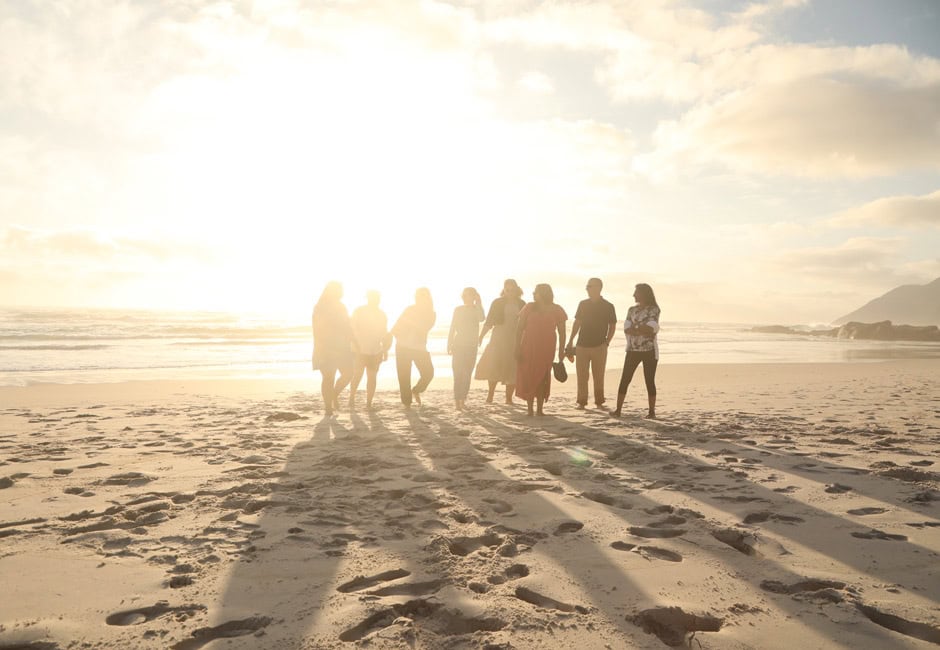
The dunes stretch for kilometres along the coast and offer breathtaking views of the Indian Ocean. At sunset in particular, the sea of dunes glows in golden light, making it a popular photo spot and an ideal place for romantic walks.
De Hoop Vlei (lagoon)
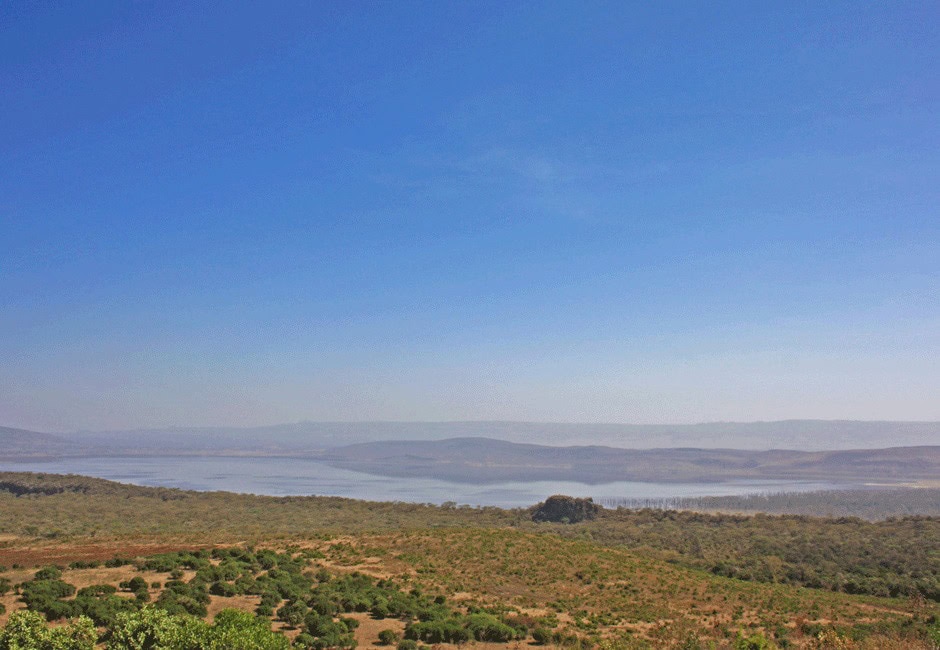
De Hoop Vlei is a shallow brackish lagoon that – though not in the geographical sense – forms the heart of the reserve and is over 19 kilometres long. It is a hotspot for birdwatching, especially for migratory birds that rest here in the summer months.
The vlei is surrounded by gentle hills and fynbos vegetation and is fed by a complex system of rivers. This idyllic spot is perfect for canoe trips and boat rides, on which visitors can experience nature from a unique perspective.
Historic buildings
De Hoop Nature Reserve also has historic buildings that give an insight into the region's past. Particularly worth highlighting is the old Melkkammer Manor House, a former 19th-century farmhouse that now serves as guest accommodation.
The building has been lovingly restored and conveys a sense of history and traditional South African charm.
And anyone thinking of the long sea voyages of olden times might also think of the old shipwrecks as historic sites; they lie nearby and bear witness to the maritime history of the coast.
Coastal trails and viewpoints
De Hoop Nature Reserve offers numerous hiking and coastal trails. The trails run along dramatic cliffs or unique fynbos vegetation and offer fantastic views of the ocean, the coast and the hilly landscape.
They lead to some of the best viewpoints for whale watching or to a spectacular experience of one of the last Cape vulture breeding colonies in southern Africa.
The hiking trails vary in length and are suitable for beginners as well as experienced hikers – an absolute must for nature lovers.

Activities – what you can experience in De Hoop Nature Reserve
De Hoop Nature Reserve offers a wide variety of activities that allow visitors to enjoy the breathtaking nature to the full.
Hiking
Among the many well-marked hiking trails of varying length, the following are especially popular:
De Hoop Coastal Trail: This starts at Koppie Alleen – a great viewpoint for whale watching. From here you can either stroll along the beach or take a more adventurous route over the rocky coast.
De Hoop Klipspringer Trail: This circular hiking trail winds through the Potberg Mountains in the north-eastern part of the reserve. The view of the Breede River Valley is breathtaking. And a special viewing platform offers the best views of the Cape vulture colony – the only remaining breeding colony in the Western Cape.
Mountain biking
De Hoop Nature Reserve is also a great destination for mountain bikers. There are several routes that lead through the reserve and offer an exciting experience on both flat and hilly stretches.
The routes offer breathtaking views of the landscape and lead you along wild mountain paths, through lush fynbos areas and along the coast. Mountain biking here is not only a sporting challenge but also an excellent way to enjoy the reserve at your leisure.
Beach & dunes
The coast of De Hoop is famous for its unspoilt beaches and impressive dune landscapes. You can spend the day strolling along the quiet beaches, watching the waves or hiking in the white sand dunes.
The dunes also offer a great view of the sea and are an excellent place for a picnic. The beach is also suitable for swimming, but be careful, as the currents can be strong. A real highlight is the sunset over the ocean.
Whale watching
De Hoop is one of the best destinations in South Africa for watching whales. From June to November, the southern right whales come into the bay to calve.
During this time, with a little luck, you can see the giant whales up close as they surface from the water or even play with their calves. The sight of the whales is particularly spectacular when they pass in front of the dramatic cliffs of the coast.
Guided walks & nature drives
For an even more intense nature experience, you can take part in guided walks or nature drives on land and on water. These tours give you the chance to learn more about the flora, fauna and geology of De Hoop Nature Reserve.
Experienced guides show you hidden corners of the park, explain the importance of the various ecosystems and take you to the best viewpoints. The guided activities are an excellent way to discover the reserve in all its diversity and to learn more about nature.

What should I bear in mind when visiting De Hoop Nature Reserve
With all the enjoyment, you should note the following:
- Wasps and annoying horseflies can give you unpleasant and painful moments. If you are allergic to wasp stings, be sure to carry an antihistamine.
- Snake bites and scorpion stings are the dangers on the ground. Watch your step, or better still: stay on the path.
- In the hot summer months, please take even more care to have enough drinking water to prevent dehydration.
- Appropriate sun protection with cream, lotions and clothing (sun hat, sunglasses) goes hand in hand with this, to avoid heatstroke or at least sunburn.
- Beware, too, of dangerous sea currents on the coast. As inviting as the water can be in the heat, you can just as quickly become the plaything of the waters.
- The wind can also knock you off your feet, it can get that strong. In general, you should be prepared for wind. In poor or cooler weather there is a quick risk of hypothermia if you are not dressed appropriately. Otherwise, protect yourself and your electronic devices against the sand dust blown up by the wind.
Accommodation in De Hoop Nature Reserve
De Hoop Nature Reserve offers a wide range of accommodation to suit different needs and budgets. For nature lovers who want to experience the authentic charm of the wilderness, there are tented camps and rustic huts.
This accommodation offers a simple but comfortable base for discovering the reserve and is perfect for an adventure close to nature.
Those who like it a little more luxurious can stay in the exclusive “De Hoop Collection”, which offers a selection of well-equipped lodges and cottages in the midst of nature. These mostly historic properties offer modern amenities and wonderful views of the surrounding landscape.
For couples or families there is also De Hoop Village with its charming, restored farmhouses, which offer a particularly homely stay.
Whether you are looking for an adventure or simply want to enjoy nature in peace, the accommodation in De Hoop Nature Reserve has something for everyone – in the midst of a spectacular setting.

De Hoop Nature Reserve as a day trip from Cape Town
De Hoop Nature Reserve is a worthwhile destination for a day trip from Cape Town. In just 3.5 to 4 hours' drive (approx. 240 km) you reach the reserve and can spend a whole day in the midst of unspoilt nature.
The journey leads along picturesque country roads, which are an experience in themselves. In the reserve, impressive coastal landscapes, hikes along the dunes and the chance to go birdwatching or even whale watching (depending on the season) await you.
For a day trip, a visit to De Hoop Vlei and the coastal trails is especially recommended, giving you an impressive overview of the reserve. You can also take a short hike to Koppie Alleen to marvel at the white sand dunes.
However, a day trip is only recommended if you are an early riser. Bear in mind that you have to be back out of the gate by 6 pm. So if you have more time, you should combine De Hoop Nature Reserve with an overnight stay in order to enjoy all the activities in a relaxed way.
Frequently asked questions about De Hoop Nature Reserve
How far is De Hoop Nature Reserve from Cape Town?
The reception of De Hoop Nature Reserve is about 240 kilometres from Cape Town and can be reached in approx. 3.5 to 4 hours by car.
If you pay online beforehand, you save yourself the trip to the office and get into the park faster. The drive to De Hoop leads through beautiful landscapes and picturesque small towns, making the journey a pleasant experience.
Can you see whales in De Hoop Nature Reserve?
Yes, De Hoop Nature Reserve is one of the best destinations in South Africa for whale watching. From June to November in particular you can watch the southern right whales coming into the bay to calve. Dolphins and seals can also often be seen along the coast.
Which animals can I expect here?
In De Hoop Nature Reserve you can see a variety of animals, including bontebok, Cape mountain zebra, eland antelopes, grey rhebok, baboons, yellow mongooses and, with a bit of luck, also caracals and leopards. Rare bird species such as the Cape vulture are at home here too.
In the coastal waters you will find seals, dolphins and whales – a true paradise for wildlife viewing.
Is the nature reserve suitable for children?
Yes, De Hoop Nature Reserve is ideal for families with children. The hikes are child-friendly, and the flat stretches of coast are perfect for a safe outing.
There is also a kind of tidal pool, which is more sheltered than the sea itself and safer for swimming expeditions.
In addition, the child-friendly accommodation and the quiet, safe surroundings give little explorers plenty of space to enjoy nature. There is no shortage of exciting activities either.
Do you need a 4×4 vehicle?
No, a 4×4 vehicle is not strictly necessary to visit De Hoop Nature Reserve, as most roads are easy to drive. But a 4×4 can be an advantage if you are travelling on unpaved roads or in bad weather and want more comfort and safety.
What accommodation is there?
In De Hoop Nature Reserve there is a wide range of accommodation, from rustic huts and tented camps to comfortable lodges and cottages.
The De Hoop Collection offers luxurious accommodation with modern comforts, while De Hoop Village exudes authentic, historic charm. There is something for every budget.
Is a day trip worthwhile?
A day trip to De Hoop Nature Reserve is definitely worthwhile! But only for early risers. The drive from Cape Town takes about 3.5–4 hours, and in a single day you can see the impressive nature, the coastal landscapes and perhaps even whales.
Even so, the reserve offers enough to spend several days there – especially if you want to set aside more time for activities such as hiking or birdwatching.
Popular tours in South Africa
Conclusion – De Hoop Nature Reserve: a natural paradise far from the crowds
De Hoop Nature Reserve is a true jewel on South Africa's coast and offers a perfect break for nature and animal lovers. With its breathtaking landscape of vast dunes, deep blue lagoons and impressive cliffs, the reserve is an ideal place to immerse yourself in unspoilt nature.
Here you can not only watch whales but also experience diverse wildlife, including bontebok, Cape zebras, antelopes and rare bird species.
The well-developed hiking and cycling trails and the peaceful atmosphere make De Hoop Nature Reserve a perfect destination for a restful stay away from the usual tourist flows.
Whether as a day trip from Cape Town or as a multi-day adventure – this natural paradise has something for everyone. If you are looking for a place that promises both peace and adventure, you will definitely find it in De Hoop Nature Reserve. I can only recommend it.
We are happy to be available for questions and support with planning and booking your trip to South Africa – whether you travel on a guided group safari, a guided private safari or a self-drive tour.
Thanks to our close contact with our subsidiary in South Africa we always know exactly what the current situation is. So get in touch with us! Your dream, our expertise – your very own individual South Africa experience.
Juan Proll has lived in southern Africa since 2011 and works as a certified nature and cultural guide in South Africa, Botswana and Namibia for Elefant-Tours and its subsidiaries. After an earlier career as an adult education teacher in Germany, he swapped the classroom for the wilderness. Alongside his work as a guide, he writes for the Elefant-Tours blogs about nature, culture and sustainable travel. Juan is a member of the Field Guides Association of Southern Africa (FGASA) and the author of the books “Ich werd’ dann mal Ranger” and “Das Safari-Lesebuch”. His training was covered by the magazine DER SPIEGEL.