Serengeti – everything you need to know to plan your trip
 by Juan Proll· April 20, 2026· 16 min read· Updated June 15, 2026
The Serengeti, a byword for untouched wilderness and unique beauty, is one of the world’s best-known safari destinations and a UNESCO World Heritage Site. Together with the Masai Mara in Kenya, it forms a vast, continuous ecosystem where breathtaking landscapes, wild wildlife and authentic safari experiences merge into an unforgettable adventure – a paradise for nature and animal lovers!
Today you will find out everything you need to know for planning your trip.
Where is the Serengeti?
The Serengeti lies in northern Tanzania and stretches to the border with Kenya, where it merges into the Masai Mara reserve. The region covers a huge area of around 30,000 km2, extending between Lake Victoria in the west and the Ngorongoro Crater, another UNESCO World Heritage Site, in the south-east.
In the middle of it lies Serengeti National Park, which, at 14,763 km2, is one of the largest national parks of its kind on the continent.

What makes the Serengeti so special?
The Serengeti is famous for its endless savannahs, impressive wildlife migrations and the breathtaking diversity of flora and fauna.
The Serengeti is a true natural wonder that captivates all year round with extraordinary wildlife viewing across varied landscapes – from the legendary Great Migration of the wildebeest to the high density of predators such as lions, leopards, hyenas and cheetahs.
The absence of fences allows an authentic Africa experience in which animals go about their lives undisturbed in their natural habitat. This untouched wilderness lets visitors experience original Africa up close and shows the raw beauty of nature in its purest form – wild, untamed and full of life.

The different regions of the Serengeti
The Serengeti consists of different regions, each with unique landscapes and animal movements. Combining them offers especially rewarding experiences, from dense forests to wide plains, from dry savannahs to water-rich river courses.
Central Serengeti
The central Serengeti around Seronera is the heart of the National Park and known for its consistently high density of animals all year round. Predators such as lions, leopards, hyenas and cheetahs are frequently encountered here, as the region is home to rich wildlife and promises plenty of prey.
Thanks to its well-developed infrastructure, Seronera is easily accessible, with comfortable lodges and camps as well as numerous roads that also lead into the more remote areas.
This region gives travellers the chance to enjoy spectacular safaris. Whether across the wide savannahs or along the Seronera River, which attract animal life. An unforgettable safari experience!
Northern Serengeti
The northern Serengeti, especially the areas around Kogatende and the Lamai Wedge, is distinguished by its exclusive character. Less visited than other parts of the Serengeti, it offers a quieter safari experience.
The region is particularly known for the spectacular Mara River crossings of the wildebeest migration, but is rewarding all year round outside that season too. The varied landscape, ranging from wide plains through hilly foothills to dense forests, is an ideal place for leopard sightings.
The northern part is less developed for tourism, promises even more privacy than other regions and captivates with an authentic, undisturbed experience of the African wilderness.
Southern Serengeti
In the wide, open plains of the southern Serengeti, such as Ndutu, the Serengeti Plains and the quiet Kusini in the south-east, striking rocky hills, the so-called Gold Kopjes, form fascinating dots in the landscape. Above all, though, fantastic wildlife sightings make for breathtaking safaris.
The southern Serengeti is particularly known for the annual wildebeest calving season from January to March. During this time hundreds of thousands of young animals come into the world, which does not go unnoticed by the carnivores and drives predator activity up.
Ndutu is especially known for cheetah sightings, and in less frequented regions such as Kusini you experience the Serengeti in its undisturbed splendour, away from the larger tourist flows.
Western Corridor
The Serengeti’s Western Corridor, made up of regions such as Grumeti, Kirawira and Nyasarori, is shaped above all by its rivers and riverine forests.
During the Great Migration, when the animals move through the Serengeti, this part plays a central role. Especially along the Grumeti River, where the animals often have to make dangerous crossings. Quite a few animals drown, break bones or are eaten by crocodiles.
Along the Grumeti River you have excellent chances of watching hippos and crocodiles in their natural habitat, as these animals are frequently found in the river courses and swamps. The landscape is varied and attracts many animal species, ensuring fascinating safari experiences.

Which animals can you see in the Serengeti?
The Serengeti is home to over 100 mammal species and more than 500 bird species, offering impressive biodiversity. Besides the famous “Big Five” (lion, leopard, elephant, buffalo, rhino), you will also meet the wonderful “Big Others” such as giraffes, zebras, antelopes, warthogs or hippos. And beware: crocodiles …
The complex ecosystem thrives on close predator–prey relationships that control the balance of nature: predators regulate the populations of herbivores, which in turn keep the grassland in check.
If you are interested in the wildlife of the Serengeti, you can also take a look at our blog “Which animals live in the Serengeti”.
Experiencing the “Big Five” up close
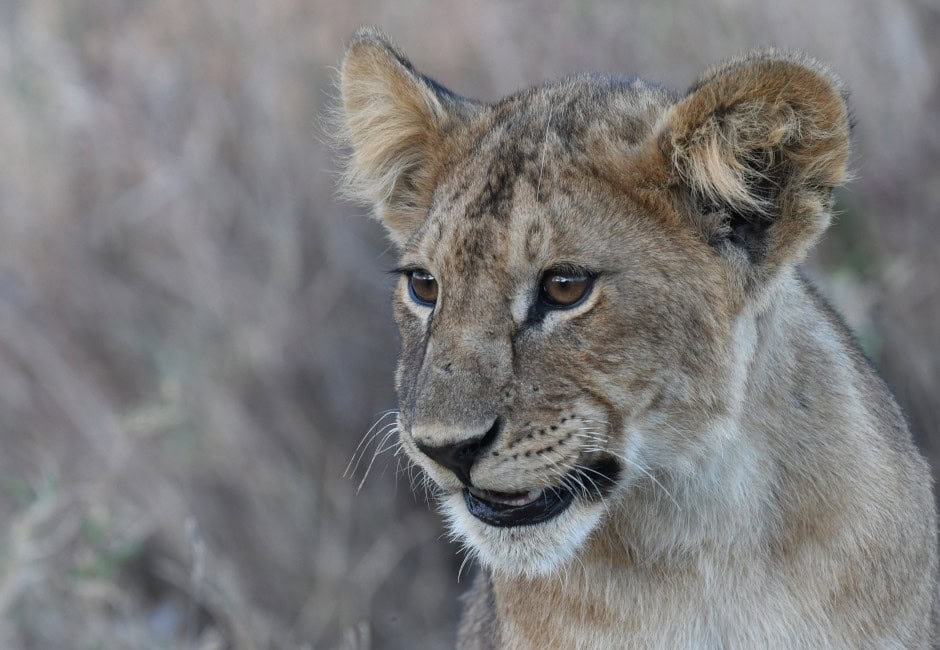
Experiencing the “Big Five” up close in the Serengeti is an unforgettable adventure. Lions occur in high numbers, especially on the central plains. Leopards are easy to find in the river regions, but especially in the north near Kogatende.
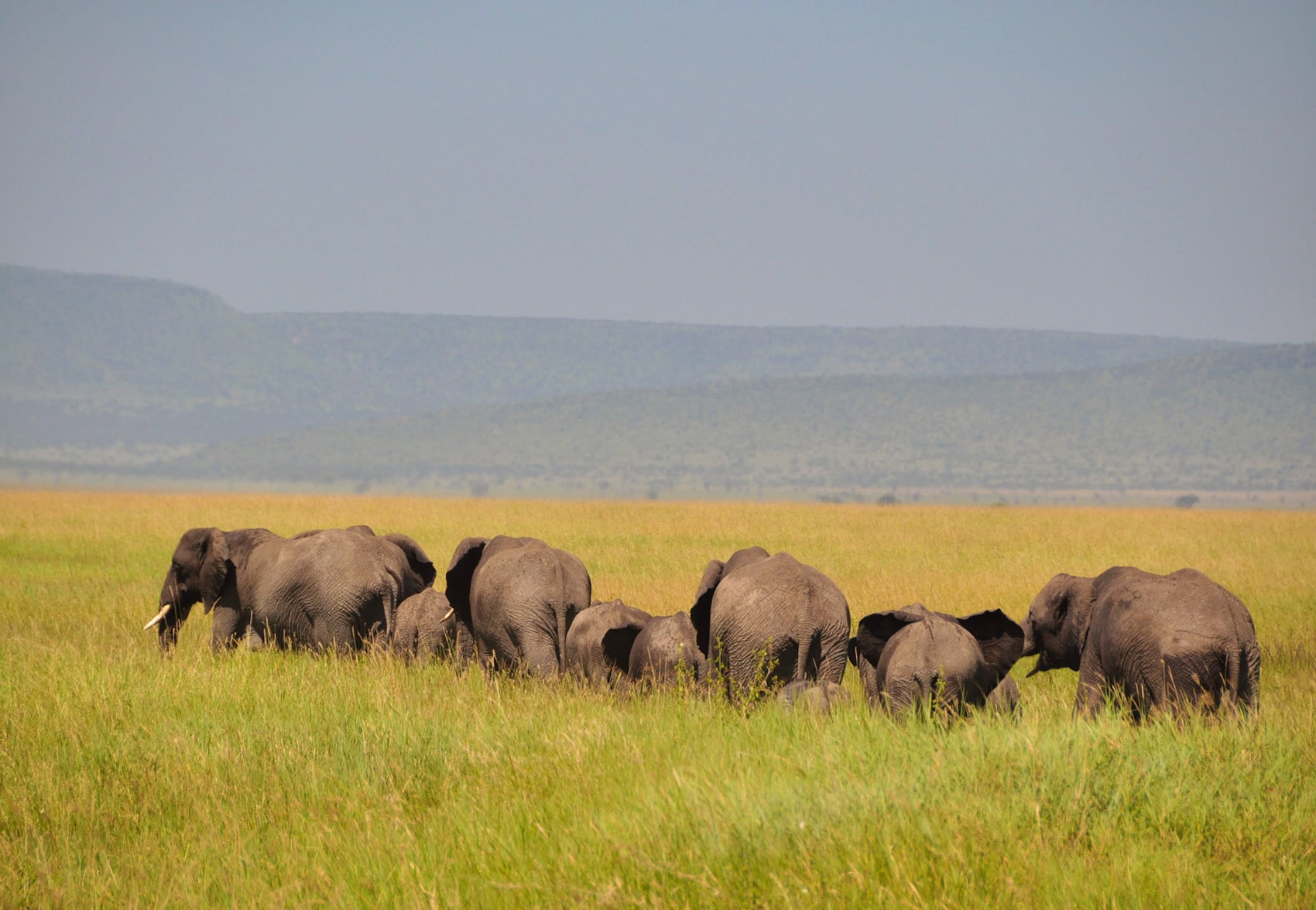
Herds of elephants move through different parts of the park, while buffalo are often found in large, impressive herds. Rhinos are rarer, but can still be seen in certain areas, such as the southern part of the Serengeti. Each of these majestic animals offers a unique safari experience.
The Great Migration – a natural wonder
The Great Migration is one of the greatest animal events and one of the most impressive natural wonders in the world, in which over a million wildebeest, together with zebras and gazelles, travel around 1,000 km through the Serengeti and Masai Mara ecosystem in search of fresh grass and water.
This epic journey depends heavily on rainfall and the time of year and includes dangerous river crossings, which, especially at the Mara River, are among the most spectacular moments. Here the migrating community defies not only the predators but also the forces of nature to reach the fertile pastures.
Besides numerous predators sharpening their teeth, this fascinating natural spectacle also attracts safari enthusiasts from all over the world.
More fascinating animal species of the Serengeti
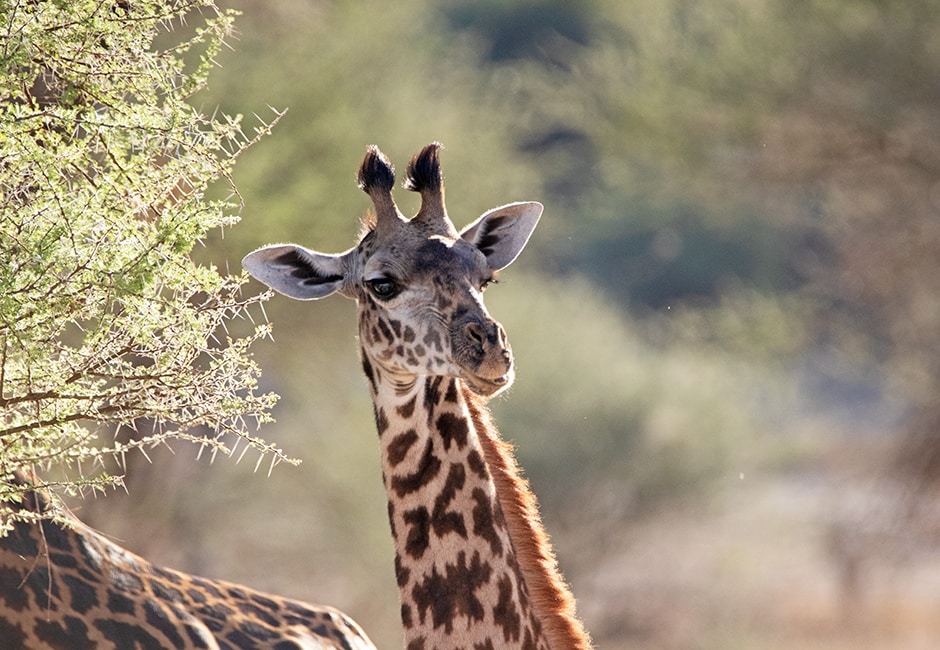
Besides the “Big Five”, the Serengeti offers a wide range of fascinating animal species. Cheetahs are especially easy to observe on the open plains, hyenas stabilise the ecosystem as important scavengers. Giraffes gaze down at you curiously. Hippos and crocodiles are frequently found along the waterways.
Various antelope species such as topi, eland, Grant’s and Thomson’s gazelles characterise the savannah scene. With a little luck, you may also discover rare species such as the serval, the caracal or the endangered African wild dog. This diversity makes the Serengeti a mecca for nature enthusiasts and safari lovers.

Best time to travel to the Serengeti
The best time to travel to the Serengeti depends greatly on your personal interests, because the National Park is a year-round destination – there is always something special going on somewhere.
Considerations include weather conditions, tourist numbers, wildlife sightings or costs: do you want to save money, see the Great Migration, have quieter conditions or take exciting photos in rain or sunshine?
In the dry season from around June to October wildlife viewing is especially easy, as more and more animals gather at fewer and fewer remaining waterholes and the vegetation is sparser. If you are looking for spectacular sightings, these months are just right.
The rainy season, on the other hand – above all from March to May and in November/December – turns the landscape a lush green. Now the Serengeti shows its quieter side: fewer visitors, dramatic cloud moods and ideal conditions for photographers. The wildlife is active too, if somewhat more scattered.
Would you like to find out more about Tanzania trips?
We will gladly advise you. Get in touch with us!
You can read more about the best time to travel in Tanzania on our blog.
Safari experiences in the Serengeti
The Serengeti offers many ways to experience nature. We recommend combining different activities to enjoy intensive wildlife viewing up close together with experienced guides.
Game drives
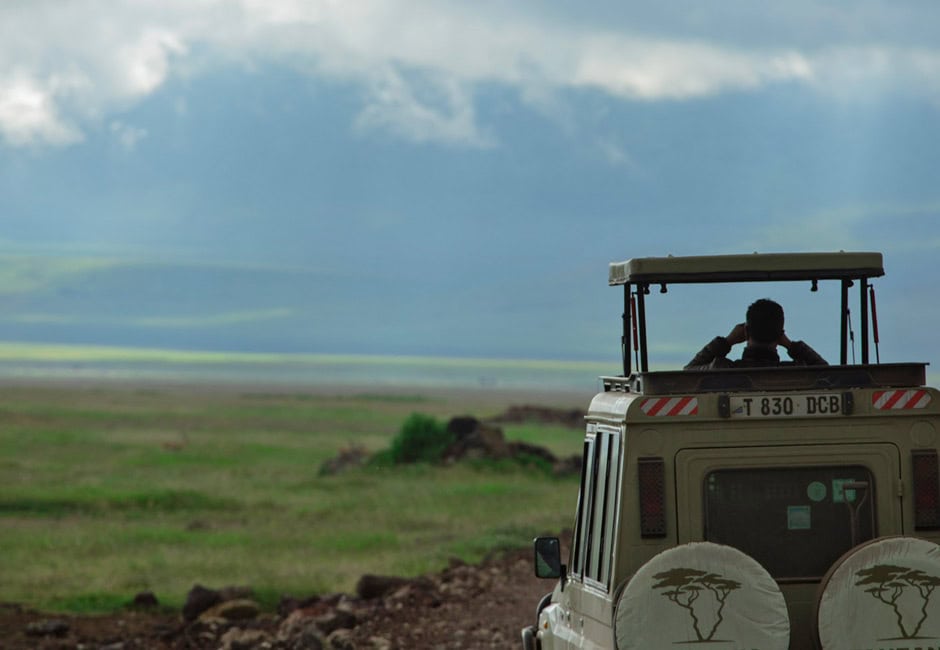
In the Serengeti, game drives are part of the classic safari experience and, for many travellers, the highlight of their stay. In a 4x4 vehicle you drive across the wide plains, always with an eye on the illustrious African wildlife.
The animals are especially active in the early morning hours and in the late afternoon, which gives the best chances of impressive sightings. Experienced guides know exactly where the animals are and make every drive an unforgettable nature experience.
Balloon safari
A balloon safari over the Serengeti gives you a unique change of perspective from the air. Silently you float into the spectacular sunrise over the savannah. This special experience is ideal for photographers who want to capture breathtaking landscapes and herds of animals from an unusual perspective.
Walking safaris
In the Serengeti, walking safaris let you discover nature up close. Instead of large herds of animals, the focus is on small details, tracks and plants, developing an intense understanding of nature. Accompanied by experienced guides, you learn to see your surroundings with different eyes.
However, these safaris are only permitted in certain areas and are not possible at every lodge or in every season – so it is advisable to consult one of our helpful travel experts beforehand.

Serengeti safaris – how to experience the National Park
Serengeti National Park can be discovered in many ways: from comfortable lodge safaris to adventurous camping tours. You can find a small selection of different safari options here.
Different safari styles can be combined flexibly. So, depending on time, budget and the experience you want, you choose your very own way of exploring the impressive wildlife.
Fly-in safaris
Fly-in safaris allow a quick and convenient journey by light aircraft to remote regions of the Serengeti. Even from the air you get spectacular views of the wide plains and the wildlife.
This style of safari is ideal when travel time is limited and opens up access to exclusive lodges as well as remote areas. Fly-in safaris are considered particularly comfortable and time-saving and offer an intense yet relaxed nature experience.
Contact our travel experts for individual advice and planning of a fly-in safari in Tanzania’s Serengeti National Park!
Guided group tours through the Serengeti
Guided group tours through the Serengeti, such as our 7-day mini-group safari Best of Tanzania Safari: Serengeti, Ngorongoro Crater & more, offer a very well-organised safari experience in small groups with a fixed itinerary. Experienced guides share fascinating knowledge about the animals, nature and culture of the region.
A maximum of 6 other travellers accompany you in the 4x4 vehicle with a pop-up panoramic roof. And besides Serengeti National Park, you also visit the Ngorongoro Crater and Tarangire National Park as a bonus – it’s pure safari.
This style of travel convinces with good value for money and is ideal for solo travellers or couples. At the same time, it allows a shared safari experience with like-minded people, where impressions and experiences can be shared.
Private safaris with a guide in the Serengeti
Private safaris with a guide in the Serengeti allow individually planned itineraries tailored exactly to personal wishes. Travellers enjoy maximum flexibility in their daily schedule and stops, as well as a private vehicle with their own guide.
The result is a particularly intense nature experience. This exclusive style of safari is ideal for families or travellers with special interests such as photography, wildlife viewing or other particular themes.
Contact our travel experts for individual advice and planning of a private safari in Tanzania’s Serengeti National Park!
Or choose one of the private safari tours already suggested in our programme, such as our 6-day comfort camping safari Untouched Wilderness. Here you are in the middle of the action as soon as you wake up, listen to the sounds of the night by the campfire in the evening and sleep in comfortable tents.
Cross-border safaris
On cross-border safaris you can combine the Serengeti with neighbouring protected areas such as the Masai Mara in Kenya. This combination allows you to follow the Great Migration of wildebeest, zebras and gazelles across national borders.
In general, cross-border safaris offer particularly varied wildlife viewing in diverse landscapes and different ecosystems. They are perfect for longer Africa trips and allow an even more comprehensive safari experience.
If you want to discover and compare the impressive diversity of East Africa in depth, take a look at our Tanzania & Kenya Highlights tour, for example.
On this 10-day guided mini-group tour with a maximum of 7 participants you admire the wildlife-rich plains of the Serengeti (Tanzania) and Masai Mara (Kenya) by day, visit Africa’s largest lake, Lake Victoria, and spend the nights in exceptional tented camps & lodges.
Popular tours
Accommodation in the Serengeti
The Serengeti offers an impressive variety of accommodation to suit every travel style. From simple tented camps in the middle of nature to luxurious lodges with a pool and panoramic views, everything is represented.
Particularly popular are so-called mobile camps, which change location depending on the season and so are always close to the action of the animal migrations. The location of the accommodation plays a decisive role in the safari experience.
If you can set off straight into a wildlife area early in the morning, you have significantly better chances of seeing lions, elephants or even cheetahs. Some camps are located in remote regions and therefore offer a particularly intense nature experience far from large visitor flows.
Many travellers therefore deliberately choose a combination of several camps in different regions of the Serengeti. This way you can discover different landscapes and significantly increase the chances of unforgettable animal encounters.
How do I plan a Serengeti safari?
Planning a safari in the Serengeti ideally begins with a personal consultation. In an initial conversation you can clarify wishes, expectations and destinations with our travel experts – because every safari is as individual as its travellers.
Together you then determine the best time to travel, the ideal route and the right duration, depending on whether, for example, you want to experience the great animal migration.
Another important step is clarifying your personal priorities: is the focus on intensive wildlife viewing, impressive photography, or rather relaxing in exclusive lodges?
Based on this, the suitable style of safari is chosen – from guided group tours and private safaris to comfortable fly-in experiences.
The experience of our travel experts is especially valuable, as they know the various regions and accommodation personally. They help you put together the perfect itinerary for you and offer complete organisation and booking from a single source for smooth trip planning.
The result is a tailor-made trip on which you can look forward to unforgettable nature experiences with peace of mind.
Tips for your Serengeti trip
- Good preparation is crucial: with the right preparation, a trip to the Serengeti becomes an unforgettable experience. Find out early about climate, travel seasons and necessary vaccinations so that you are perfectly prepared.
- The right safari equipment: equally important is suitable equipment – light, neutral clothing, binoculars, sun protection and a good camera are part of the basic kit for every safari.
- Respect for nature and animals comes first. Follow the guides’ instructions and always keep an appropriate distance from wildlife.
- Book early where possible: as demand is high, especially in peak season, it is advisable to book accommodation and safaris as early as possible. That way you secure the best spots and can set off on your trip with peace of mind.

Serengeti FAQ
When is the best time for the migration?
The best time to experience the famous Great Migration in the Serengeti depends on which part of the natural spectacle you want to see. The Great Migration takes place all year round, as millions of wildebeest, zebras and gazelles travel in a circle.
Particularly spectacular, however, are the river crossings in the north between July and October and the calving season in the south-east in the months from January to March – ideal for wildlife viewing and predator action.
Is the Serengeti suitable for self-drivers?
No, the Serengeti is not suitable for self-drivers, although it may be visited by them. Finding your way around the vast park can be challenging, as most tracks are not signposted and GPS does not work reliably.
In addition, road conditions require a robust four-wheel-drive vehicle as well as experience of driving off paved roads.
As a rule, a guided safari is the better choice, especially if you want to concentrate fully on wildlife viewing. Experienced guides know the best spots and significantly increase the chances of extraordinary sightings.
How many days should you allow?
For a safari in the Serengeti, we recommend allowing at least three to four days to get a good first impression. In this time you can already take several game drives and observe various animal species.
If, however, you want to immerse yourself more deeply in the fascinating wildlife and explore different regions, you should stay five to seven days or longer. This increases the chances of experiencing special moments such as hunting scenes or parts of the Great Migration – relaxed, intense and without time pressure.
Which animals do you see most often?
In the Serengeti you encounter an impressive variety of wildlife. Most commonly you see large herds of wildebeest, zebras and gazelles moving across the wide plains. Elephants and giraffes can also be seen regularly, often along waterholes.
Of the predators, you see lions most, which occur in comparatively high numbers in the Serengeti. Leopards are not uncommon either. Hyenas can often be seen here even in the daytime.
Is a safari also suitable for families?
Yes, a safari in the Serengeti is also suitable for families, with every chance of an unforgettable experience. Every child is different, and for a safari children should bring some travel experience and an interest in nature.
What matters is good planning: the route should not be too strenuous, and long driving times should be avoided. In addition, some accommodation has age restrictions for children, which should be taken into account beforehand.
With the right preparation, a safari becomes not only educational but also a great adventure that delights children and adults alike. But be careful, dear parents: it is pure wilderness and certainly requires heightened attention to your children and your surroundings.
Which country is the Serengeti in?
The Serengeti lies in Tanzania and is one of Africa’s best-known national parks. A small part of this vast ecosystem, however, also extends across the border into Kenya.
There it is known as the Masai Mara and, together with the Serengeti, forms a continuous natural area.
Both regions are especially famous for their impressive wildlife and the annual migration of millions of wildebeest and zebras.
How much does a safari in the Serengeti cost?
Our safaris in Serengeti National Park cost between €280 – 600 per person per day. Our camping and group tours are in the lower price segment. In the mid-price segment with high-quality, comfortable lodges, you should budget from approx. €350. If you want it exclusively luxurious, it can also exceed €600.
Typical total prices of our Serengeti tours:
- 5 – 7 days: €1,770 – 3,490
- 10 – 13 days: €3,400 – 5,350
Price factors are accommodation, season, duration and private vs. group. Much is included on site (guide, park fees, large parts of the meals). International flights, a few meals, tips, souvenirs and so on are extra and must be added to the tour prices.

Conclusion – is a Serengeti safari worth it?
Yes – a safari in Serengeti National Park is absolutely worthwhile, especially if you love animals and adventure – for many, a genuine, once-in-a-lifetime experience.
The biggest highlights are the incredible wildlife, with the Big Five and the Big Others, including giraffes, ostriches, warthogs, hyenas or crocodiles.
You will also experience the famous Great Migration here, in which millions of wildebeest, zebras and gazelles cross the savannah. As a bonus, the vast, untouched landscapes make the experience unique.
It is not a classic relaxing holiday, but rather active and nature-focused. You experience many beautiful moments in the 4x4 vehicle, which with its roof raised also gives you a 360° panoramic view.
We are happy to help with any questions and support with planning your Tanzania trip.
Thanks to our close contact with our subsidiary in Tanzania, we are always well informed about the current situation. So get in touch with us! Your dream, our expertise – your very own individual Tanzania experience.
Juan Proll has lived in southern Africa since 2011 and works as a certified nature and cultural guide in South Africa, Botswana and Namibia for Elefant-Tours and its subsidiaries. After an earlier career as an adult-education teacher in Germany, he swapped the classroom for the wilderness. Alongside his work as a guide, he writes for the Elefant-Tours blogs about nature, culture and sustainable travel. Juan is a member of the Field Guides Association of Southern Africa (FGASA) and the author of the books “Ich werd’ dann mal Ranger” and “Das Safari-Lesebuch”. The magazine DER SPIEGEL reported on his training.