Ngorongoro Crater & Ngorongoro Conservation Area: everything you need to know for your trip
 by Juan Proll· May 4, 2026· 15 min read· Updated June 15, 2026
Dive into the Ngorongoro Crater in Tanzania: experience Africa’s wild beauty, from majestic animals to breathtaking landscapes. In today’s blog, you will find everything you need to know for your unforgettable adventure.
What are the Ngorongoro Crater and the Ngorongoro Conservation Area?
Location and overview
The Ngorongoro Crater is the largest unflooded caldera (collapsed volcanic crater) in the world and a spectacular natural wonder in Tanzania. With a diameter of around 20 km and a depth of up to 610 m, it is home to a dense concentration of wildlife, including the Big Five of lions, leopards, elephants, rhinos and buffalo.
The crater lies roughly 190 km west of Tanzania’s safari capital Arusha, in the Ngorongoro Conservation Area, a UNESCO World Heritage Site that provides protected areas both for wildlife and for the indigenous Maasai population.
The region combines fascinating landscapes, from wide grass savannahs to densely forested slopes, and offers unique safari and cultural experiences in one of Africa’s most impressive natural areas.

The difference between the Ngorongoro Crater and the Ngorongoro Conservation Area
The Ngorongoro Crater is a natural wonder in its own right: a huge, almost perfectly circular collapsed crater that looks like a gigantic arena and is famous for its dense wildlife population. Here you can go on safaris where you observe Africa’s iconic wildlife in a natural, enclosed ecosystem.
The Ngorongoro Conservation Area (NCA), by contrast, is a much larger protected area of more than 8,000 km² that encloses the crater. The NCA protects not only the wildlife, but also the landscapes, forests, lakes and habitats of the Maasai, who live in traditional villages within the area.
While the crater is a safari highlight, the Conservation Area offers a varied mix of nature, culture and activities.

Why is the Ngorongoro Crater so unique?
The largest intact caldera in the world
The Ngorongoro Crater is the largest intact caldera on Earth and impresses with its sheer size: around 20 km in diameter and up to 610 m deep. Formed about two to three million years ago when a huge volcano collapsed, it forms a closed ecosystem.
This geological feature allows a high density of wildlife in a confined space, which is unique worldwide. The steep crater walls protect the flora and fauna and create different habitats – from grasslands and forests to freshwater lakes.
The crater is a unique example of volcanic forces, a Noah’s Ark for wildlife and a paradise for safari fans, photographers and scientists.
UNESCO World Heritage Site and protected area
The Ngorongoro Crater is part of the Ngorongoro Conservation Area, a UNESCO World Heritage Site that unites the protection of nature and culture. The area preserves not only the extraordinary wildlife, including rare species such as black rhinos, but also the habitats of the Maasai, who have traditionally lived here.
As a protected area, the crater is closely monitored in order to preserve biodiversity and enable sustainable tourism. A combination of nature conservation, cultural appreciation and scientific research makes the crater unique in the world and a model for inclusive conservation.
An animal paradise in a small space
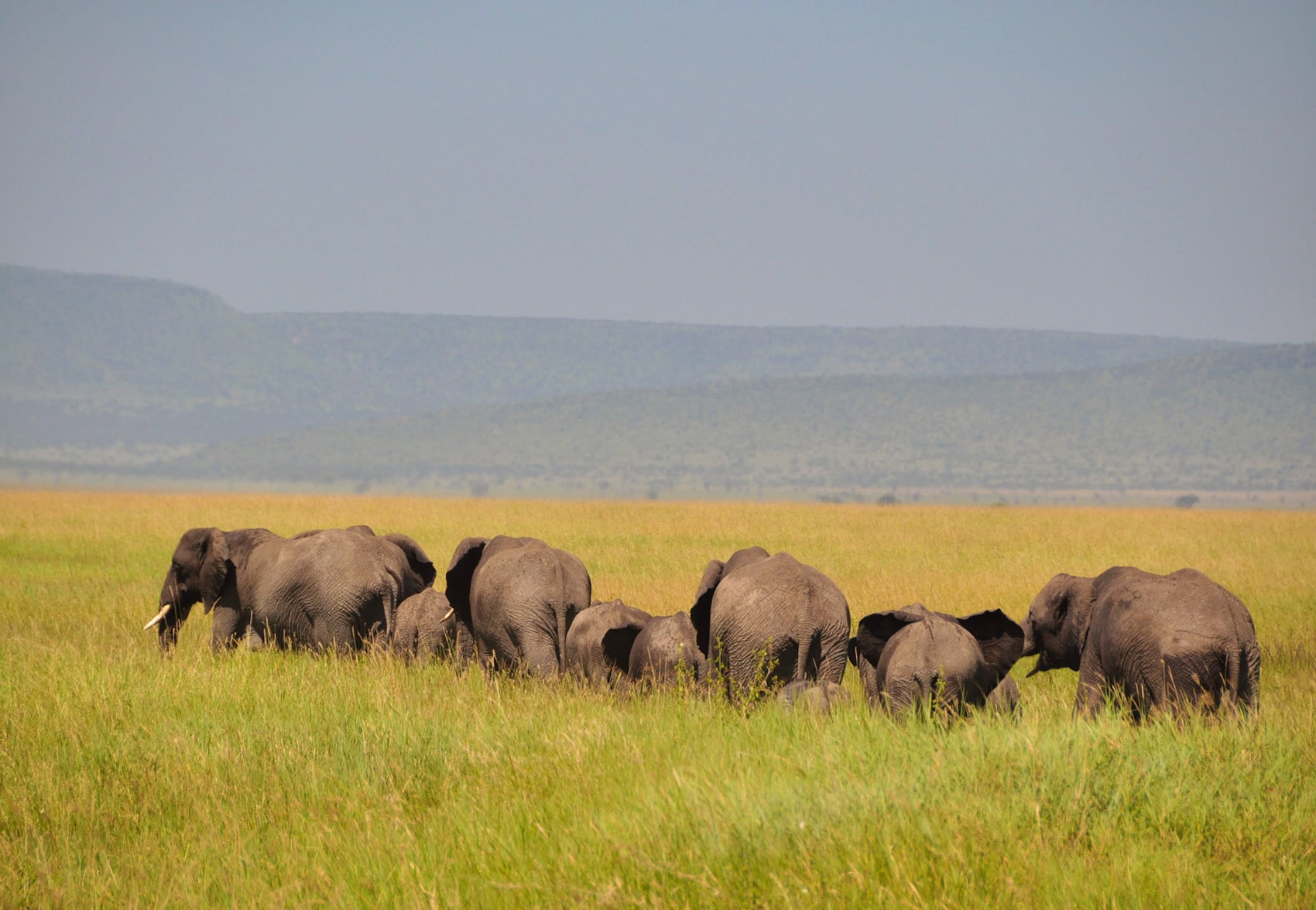
The Ngorongoro Crater is considered an animal paradise in a small space: on just around 264 km², thousands of animals, including almost all of Africa’s well-known large species, share the ecosystem – the Big Five, zebras, hippos, crocodiles, aardvarks, hyenas and numerous antelope species, all protected by the steep crater walls.
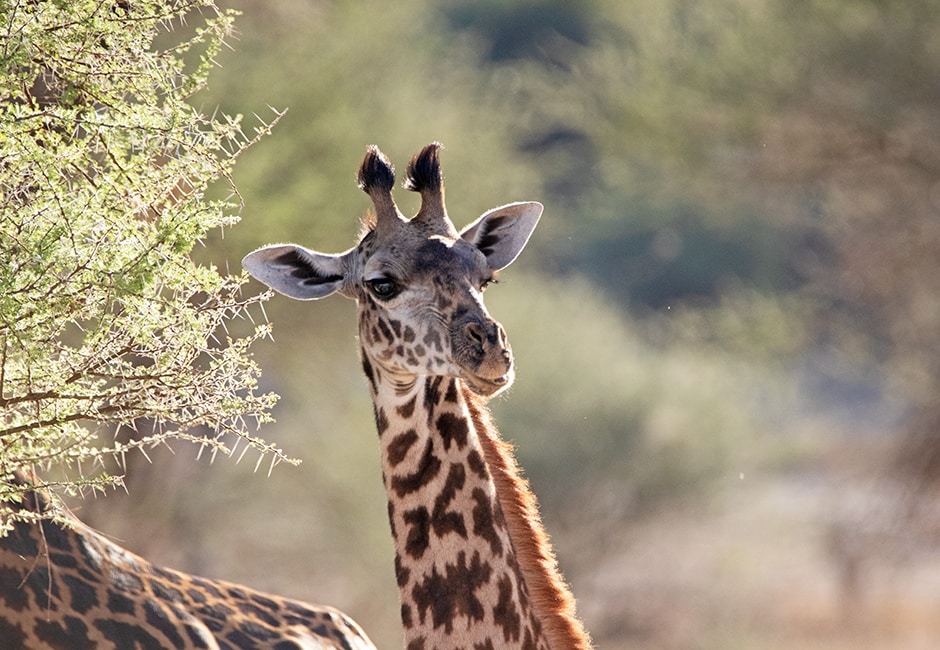
Although the way down into the caldera may be too steep for giraffes, according to the Ngorongoro Conservation Area Authority around 26,000 – 28,000 animals of various species still roam the crater floor.
This high density of wildlife makes safaris especially spectacular, as you get to see many animals within just a few hours. Birdlife is rich too. The combination of a limited, protected habitat and diverse ecosystems makes the crater unique in the world for wildlife viewing.

Wildlife in the Ngorongoro Crater
The Big Five in the Ngorongoro Crater
The Ngorongoro Crater is famous for hosting Africa’s Big Five – lion, leopard, elephant, rhino and buffalo – in a comparatively confined space. The protected caldera offers them and many other animals ideal living conditions: open grasslands, wooded slopes and waterholes – it is Africa’s garden of paradise.
Safari visitors here have a unique chance to see all five of the Big Five in just one day, which is rare anywhere in the world. The black rhino in particular, an endangered species, finds a safe refuge in the crater.
The high density of wildlife and the manageable area make the crater one of the best places in Africa for authentic Big Five safaris.
Rare and endangered animals
The Ngorongoro Crater is a refuge for rare and endangered species. Particularly noteworthy are the black rhinos, which live here protected from poachers, and wild dogs.
Numerous bird species, including the rare crowned crane, also find ideal living conditions in the crater. The caldera’s closed ecosystem ensures a balanced food web and stable populations.
Thanks to the strict protection measures of the Ngorongoro Conservation Area, the crater is an area of global importance for biodiversity and conservation, offering scientists valuable insights into endangered species and giving you, as a visitor, the chance to experience these rare animals in their natural environment.
Birdlife in and around the Ngorongoro Crater
The birdlife in and around the Ngorongoro Crater is impressively diverse and makes the area a paradise for ornithologists. More than 500 bird species have been recorded here, including flamingos on Lake Magadi, majestic raptors such as eagles, picnic-spoilers such as black kites, and colourful species such as the crowned crane.
Among the special sightings are the white-eyed slaty flycatcher, Schalow’s turaco and several high-altitude sunbird species.
The different habitats – from open grassland and swamps to forests on the crater rim – offer ideal conditions for the widest variety of winged residents. Lake Magadi in the crater in particular attracts numerous waterbirds – a dream for bird lovers.

Best time to travel to the Ngorongoro Crater
Dry season vs. rainy season
Generally, the best time to travel to the Ngorongoro Crater is during the dry season from June to October – temperatures are mild, the likelihood of rain is low and wildlife viewing is especially impressive. However, it is also high season, with rising prices and more travellers around.
The long rainy season blankets northern Tanzania in the months of April and May. Besides heavy rainfall, there are often violent thunderstorms, which noticeably reduce visitor numbers and usher in the low season with falling prices.
If you prefer it a little quieter, as rain-free as possible and outside the main season, choose the shoulder season for a visit to the crater, when the short rainy season from November to mid-December shows itself in passing afternoon thunderstorms, or a short dry spell sets in from January to mid-March.
In the end, though, every season in the Ngorongoro Crater has its very own appeal and excellent prospects for unique safari experiences – from a breathtaking abundance of wildlife in the dry season to the green, revived landscapes of the rainy season.
When is wildlife viewing at its best?
The best time for wildlife viewing in the Ngorongoro Crater is usually during the dry season from June to October. The landscape dries out, the vegetation thins and waterholes become scarcer. So the animals become more visible and gather in greater numbers at the remaining waterholes.
By contrast, the months from November to May are more strongly marked by the rainy season. It brings lush, tall vegetation behind which animals are harder to see. It also brings plenty of water, so many animals spread out more widely across the crater. Wildlife sightings are more difficult at this time.
But what does that mean given the spectacular density of wildlife here? Especially as, in the wetter months, the birthing season for the young animals is a fantastic experience for nature photographers and safari fans.

Safari in the Ngorongoro Crater: what to expect
Game drives in the crater
Game drives in the Ngorongoro Crater are among the most intense safari experiences in Africa. The crater floor is comparatively small, resulting in an exceptionally high density of animals. After just a short time you can often see prides of lions, elephants, buffalo and, with a little luck, even rhinos.
The drives usually start early in the morning and in the late afternoon, when animals are especially active and the light is ideal for photos. Experienced guides know the best spots and share fascinating knowledge about behaviour and the ecosystem.
The drive down into the crater offers great views and, for many, the feeling of driving into a huge stadium where a one-of-a-kind event is about to take place. The tracks are well developed, yet every game drive remains unpredictable and full of breathtaking encounters in a spectacular setting.
The best safaris
The best safaris in the Ngorongoro Crater are characterised by good planning and experienced guides. Full-day safaris are particularly popular, as they give you enough time to experience the diverse wildlife in depth. Many tours start early to make the most of the animals’ most active hours.
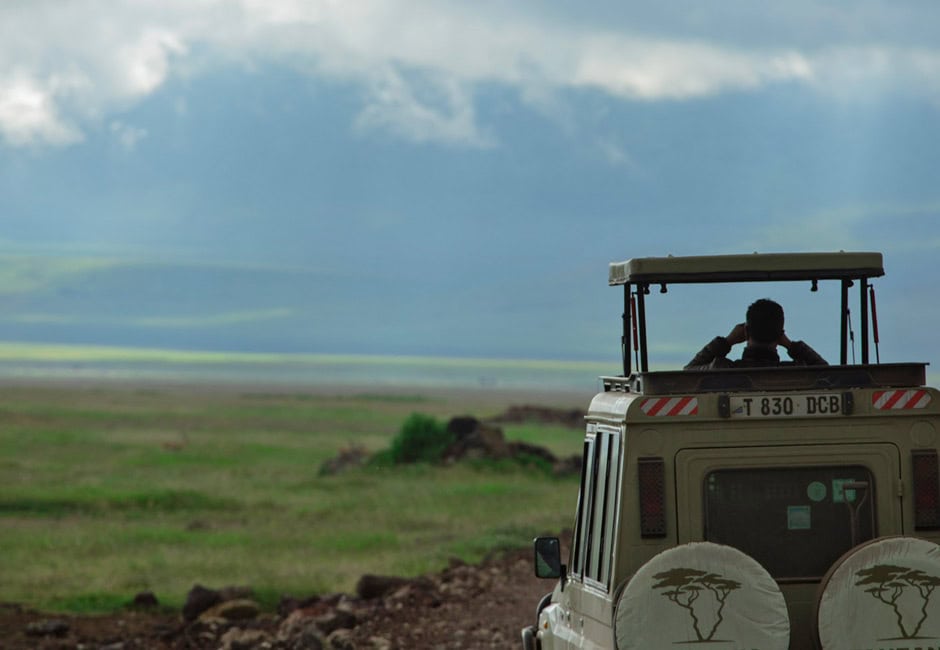
As a high-quality operator, we provide well-equipped 4x4 vehicles with pop-up roofs for optimal views. We often combine the safari with visits to neighbouring protected areas such as Serengeti National Park to broaden the experience.
The choice of the right lodge on the crater rim is also important, offering spectacular views and short journeys into the crater. That way, every safari delivers impressive nature and unforgettable encounters, as the following two example tours show.
Best of Tanzania
Our 7-day Best of Tanzania Safari through northern Tanzania brings together the absolute highlights of Africa in one unforgettable trip. From elephant-rich Tarangire National Park through the endless plains of the Serengeti to the spectacular Ngorongoro Crater, you will experience an impressive variety of landscapes and wildlife.
In a small group of no more than 7 people, you travel in a comfortable 4x4 vehicle with an experienced guide who shares his knowledge of animals and nature.
Game drives, comfortable lodges and intensive wildlife viewing make this trip special. Ideal for first-timers and safari fans who want to discover as much of Tanzania as possible in a short time.
Tailor-made safari
A private safari with Elefant Tours gives you the freedom to experience Africa entirely the way you imagine it. Instead of fixed schedules, you set the pace, route and activities yourself – whether a game drive at sunrise, relaxed enjoyment of nature, or waiting for hours for the perfect photo moment.
An experienced private guide accompanies you and shares his first-hand knowledge. Accommodation and vehicle are also exclusively yours. Every trip is planned individually – tailored to budget, occasion and personal wishes – for a bespoke and intense safari experience.
Popular safaris:
Accommodation in the Ngorongoro Conservation Area
The Ngorongoro Conservation Area offers a wide variety of accommodation – from luxurious lodges to rustic camps. Many lodges are located on the crater rim and offer spectacular views over the savannah and the crater floor, ideal for sunrises and sunsets.
Tented camps offer a safari experience close to nature, often with open safari tents that combine comfort and adventure. Some accommodation is located in small villages, which allows cultural encounters with the Maasai. The choice depends on budget, desired level of comfort and proximity to the crater.
Booking early is recommended, especially in high season. The combination of good service, an ambience close to nature and a strategic location makes the accommodation the perfect base for game drives.
Culture and people in the Ngorongoro Conservation Area
The Ngorongoro region is not only a spectacular natural paradise but also home to the Maasai. Their centuries-old traditions, close bond with nature and colourful customs shape the cultural experience.
Visitors gain unique insights into everyday life, rituals and the harmonious interplay of people and landscape.
The Maasai and their way of life
The Maasai are the best-known inhabitants of the Ngorongoro Conservation Area and have lived in close connection with nature for centuries. They are known above all for their cattle farming, which forms the centre of their life and culture.
Their characteristic colourful clothing, artful bead necklaces and traditional settlements, known as bomas, shape the landscape. Visitors have the opportunity to visit villages, experience traditional dances and learn more about rituals, festivals and everyday life.
Despite increasing modernisation, many Maasai preserve their customs and show how harmonious coexistence with nature is possible.
People and nature in harmony
In the Ngorongoro Conservation Area, people live in harmony with the unique nature. The Maasai and other communities use the land sustainably, gather their firewood with care for resources, look after the protection of waterholes and graze their cattle in a controlled way in order to preserve the vegetation.
On village tours, visitors can see how closely cultural practices are tied to the ecosystem. Insights into everyday life convey their practical and respectful use of resources in crafts, in traditional medicine or in their cooking techniques.
These experiences promote sustainable tourism, support the local population and show how people and nature can maintain a balance together.

Ngorongoro Crater or Serengeti – which is better?
When you think of Tanzania, two names immediately come to mind: the majestic Ngorongoro Crater and the endless plains of the Serengeti. Both are spectacular safari destinations, but what are the differences, and why does a combination of both regions promise the ultimate safari experience?
Differences at a glance
The Ngorongoro Crater and the Serengeti both offer impressive safari experiences, but they differ greatly.
The Ngorongoro Crater is a huge volcanic crater with densely concentrated wildlife in a comparatively small area – lions, elephants, rhinos and zebras are often easy to spot here. The landscape is varied, from wetlands to steep crater slopes.
The Serengeti, on the other hand, is an endless grassland of open savannah, ideal for watching the great herds during the migration of wildebeest and zebras. While the crater is best suited to concentrated wildlife viewing, the Serengeti scores with its vastness, animal migrations and classic African panorama safaris.
Why a combination is worthwhile
A combination of the Ngorongoro Crater and the Serengeti is ideal for safari lovers, because it, like our 5-day Tanzania Fascination safari, unites the best of both worlds.
In the crater you experience intensive wildlife viewing in a confined space, while the Serengeti offers spectacular vastness, endless grasslands and the chance to follow the great migration. So you can see prides of lions, rhinos and elephants in the crater and at the same time watch the dynamics of the herds in the Serengeti.
Each region offers different photo opportunities, landscapes and daily rhythms, from early-morning game drives to sundowner experiences. Anyone who combines both destinations gets a complete picture of the wildlife and natural diversity of northern Tanzania.

Tips for your trip to the Ngorongoro Crater
A safari in the Ngorongoro Crater is an unforgettable adventure that rewards good preparation. Below we give practical advice that will make your stay safe, comfortable and especially memorable – from the right equipment to respectful behaviour in the protected area and a few insider tips:
Safari packing list
For a safari in the Ngorongoro Crater you should pack functional clothing: light, breathable shirts, long trousers and a warm jacket for cool mornings. Avoid bright colours so as not to disturb the animals.
Comfortable, preferably closed shoes are advisable, as are a sun hat, sunglasses and sun cream for sun protection. Binoculars and a camera with a telephoto lens ensure optimal wildlife viewing. Don’t forget the right plug adapter.
Remember insect repellent, a torch, a small first-aid kit (including malaria prophylaxis) and a reusable water bottle. A daypack is handy for game drives.
Behaviour in the protected area
In the Ngorongoro Crater the rule is: keep your distance from the animals!
Approach wildlife respectfully. Visitors stay on the designated roads and only get out at permitted points. You should avoid noise so as not to disturb the animals. Litter belongs in bins, and making fires is strictly forbidden.
Please follow the instructions of the experienced guides, as they know about safety and animal behaviour. Photos are allowed, but flash can frighten animals – so use it only very sparingly and carefully. That way the safari stays safe and sustainable for people and animals alike.
Insider tips
For an unforgettable Ngorongoro experience, it is worth knowing a few little tricks. Start early in the morning. Then the animals are active and the light is perfect for photos.
Accommodation on the crater rim offers spectacular views and short travel distances. Trust the experienced guides. They lead you to hidden animal spots – special encounters often await here.
The dry season means better sightings, the rainy season lush landscapes and many young animals.
Keep your binoculars and camera always within reach and have water and snacks with you. With patience and flexibility, every game drive becomes a one-of-a-kind adventure you won’t forget any time soon.

Frequently asked questions about the Ngorongoro Crater
How big is the Ngorongoro Crater?
With a maximum diameter of around 20 km but an area of about 264 km2, the Ngorongoro Crater is even larger than Frankfurt am Main. The crater is one of the largest intact volcanic craters in the world and forms a natural basin up to 610 metres deep.
How much time should you allow?
For a safari in the Ngorongoro Crater you should allow at least half a day to a full day, but preferably one to two days to experience the wildlife at a relaxed pace. Early-morning game drives are ideal, as the animals are particularly active then, while the late afternoon offers spectacular lighting moods for photos.
If you include the surroundings of the crater rim, viewpoints or short walks, you should allow extra time. Two days allow several game drives, breaks and ample opportunity to enjoy the landscape and wildlife viewing to the full.
Is the Ngorongoro Crater overcrowded?
The Ngorongoro Crater can be relatively busy, especially in high season (June to October and around Christmas), as it is easily accessible and offers a high density of animals.
Compared with remote parts of the Serengeti, it can therefore sometimes feel a little crowded, especially at popular viewpoints or when entering the crater. Early in the morning or late in the afternoon, visitor numbers are significantly lower.
Can you visit the crater all year round?
Yes, the Ngorongoro Crater is accessible all year round, as it has no extreme climatic restrictions.
The dry season from June to October offers better road conditions, easier wildlife viewing and more pleasant temperatures, while the rainy seasons between November and May make the landscape lush green and alive.
Some roads can become temporarily muddy or difficult to pass during heavy rain, but most main tracks remain drivable. Every season has its advantages: the dry season for concentrated wildlife viewing, the rainy season for young animals and spectacular landscape photos.

Conclusion: is the Ngorongoro Crater worth it?
Absolutely! The Ngorongoro Crater combines breathtaking scenery, dense wildlife and unique geological features in a compact space. Prides of lions, elephants, buffalo, zebras and even rhinos can often be watched here from close quarters, while the view from the crater rim is unforgettable.
The combination of wildlife viewing, cultural insights with the Maasai and spectacular photo opportunities makes every safari an intense experience. Anyone who allows enough time, picks the season that suits them best and treats nature and people with respect will be rewarded with unique moments.
For every traveller to Africa, the Ngorongoro Crater is a highlight that offers adventure, nature and culture in perfect balance.
We are happy to help with any questions and support with planning your Tanzania trip. Thanks to our close contact with our subsidiary in Tanzania, we are always well informed about the current situation. So get in touch with us! Your dream, our expertise – your very own individual Tanzania experience.
Juan Proll has lived in southern Africa since 2011 and works as a certified nature and cultural guide in South Africa, Botswana and Namibia for Elefant-Tours and its subsidiaries. After an earlier career as an adult-education teacher in Germany, he swapped the classroom for the wilderness. Alongside his work as a guide, he writes for the Elefant-Tours blogs about nature, culture and sustainable travel. Juan is a member of the Field Guides Association of Southern Africa (FGASA) and the author of the books “Ich werd’ dann mal Ranger” and “Das Safari-Lesebuch”. The magazine DER SPIEGEL reported on his training.