Kenya for returning travellers: rediscover Kenya beyond the classics
 by Juan Proll· May 25, 2026· 13 min read· Updated September 4, 2026
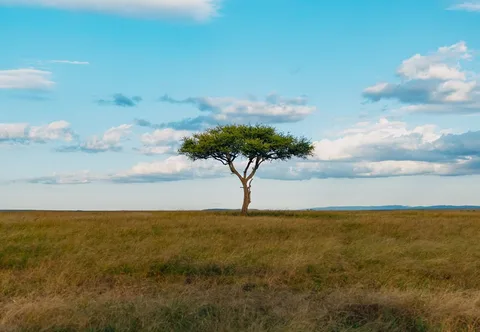
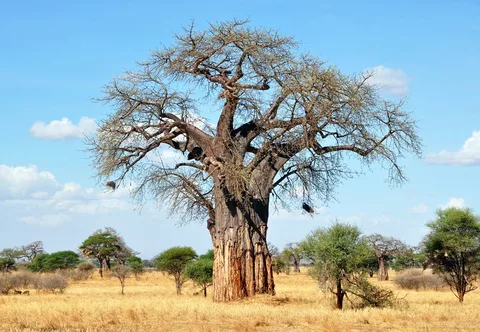
Kenya is far more than the Masai Mara, elephants in Amboseli against the majestic backdrop of Kilimanjaro and dreamy beaches. This guide is for anyone who already knows the country – and is now looking for hidden places, extraordinary nature experiences and the ultimate “khaki fever”.
Why Kenya is exciting even the second time round
Kenya is like a series with many good seasons. On the first visit you chase the Big Five; on the second you suddenly discover red deserts, little coastal towns, mountain worlds and people who make you forget every itinerary. In short: Kenya surprises repeat visitors with every new visit.
The first safari shows only a small part of Kenya
The first trip to Kenya is usually an unforgettable chase after highlights: safari, lions, elephants, sundowners, beach. Understandable – the classics are after all spectacular. But many travellers quickly realise: that was only the opening credits. Behind the famous safari backdrop lies a country that is far more varied than expected.
That is exactly why many return. The second time, it is no longer just about ticking off as many animals as possible or catching the perfect cheetah moment. Instead, the desire grows to dive deeper: discovering smaller National Parks, staying longer in one place or having conversations with the local people.
The difference is tangible: on the first visit you see the highlights. On the second you experience Africa more intensely – more slowly, more personally and often with the moments that appear in no travel brochure. And that is usually where the real love of Kenya begins.

Safari experience changes the way you look at travel
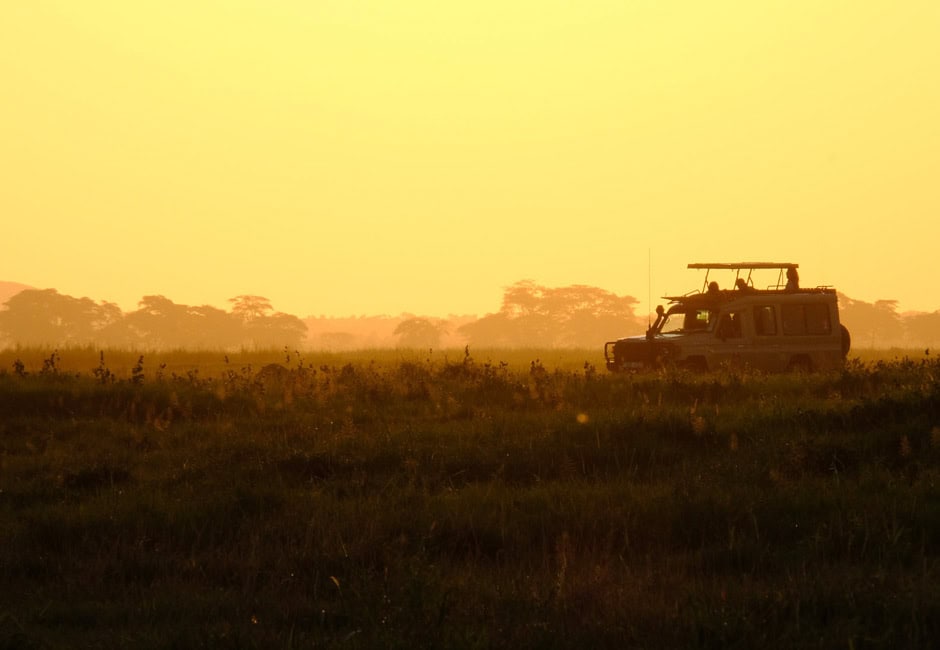
Anyone who has once sat in a safari vehicle in the morning while a lion roars somewhere in the mist often travels differently afterwards. Suddenly the classic “three places in five days” holiday loses its appeal. Kenya doesn't force anyone to slow down – but it simply happens.
Many repeat visitors plan their trips more consciously and more slowly. Instead of constantly changing accommodation, they prefer to stay longer in one place. Because the magic often lies not in the next item on the programme, but in between: the light in the evening, animal sounds at night or coffee with a view of the savannah.
Encounters also gain more meaning. You take time for conversations with rangers, drivers, hosts at your accommodation or people in the supermarket, and quickly realise that Kenya consists of more than spectacular nature.
It is precisely this mix of atmosphere, wilderness and human warmth that changes the way you look at travel for good – and suddenly turns a holiday into real experience.
Popular safaris in Kenya:
Discovering Kenya beyond the classic safari
If you already know Kenya, you quickly notice: the most exciting stories often begin where the tour buses have already moved on. Away from the well-known parks, quieter safaris, surprising landscapes and experiences await, where it is not the perfect photo that counts – but the feeling of truly having arrived.
Why experienced travellers go beyond the well-known highlights
On a first trip to Kenya you want to see as much as possible: lions? Check. Giraffes? Check. Sunset with an acacia tree? Of course. But at some point the way you look at travel changes. It is no longer about working through a safari checklist or visiting the same famous viewpoints as everyone else.
Experienced travellers instead look for places that are quieter, more original and less predictable. Because Kenya does not consist only of well-known highlights such as the Maasai Mara. The country surprises with dry semi-deserts, green mountain regions, remote lakes and safari areas that feel completely different.
Wildlife viewing changes too. Instead of as many sightings as possible, suddenly the quality of the experience counts: a single herd of elephants in complete silence, a night drive under the starry sky or the feeling of not meeting another vehicle for hours.
It is precisely these moments that make Kenya often even more exciting than on the first visit for repeat visitors.
Conservancies allow a more intense safari experience
Many experienced Kenya travellers now swear by conservancies – private or community-protected wildlife reserves around well-known National Parks. The big advantage: fewer vehicles, smaller lodges and much more personal safari experiences.
Game drives here are often more flexible than in National Parks. Night drives, walking safaris or longer wildlife viewing are possible in many places. As a result, the safari feels less like a drive-through programme and more like a real wilderness experience.
At the same time, many conservancies have a stronger conservation ethos behind them. Tourism, conservation and cooperation with local communities are more closely intertwined. For travellers, that means more intense nature experiences – with the good feeling of travelling more sustainably.

Where to go after the Masai Mara? Kenya's special safari regions
The Masai Mara is great – no argument. But Kenya has a few more aces up its safari sleeve. If, after your second or third visit, you feel like new landscapes, fewer vehicles and more intense nature experiences, you will find surprisingly varied alternatives beyond the classics.
Samburu – wild northern Kenya with a special atmosphere
Samburu feels like Kenya's rebellious little brother: drier, rougher and somehow wilder. Instead of endless green savannah, dusty plains, palms along the Ewaso Ng'iro River and dramatic lighting moods dominate here, making even hobby photographers suddenly look very professional.
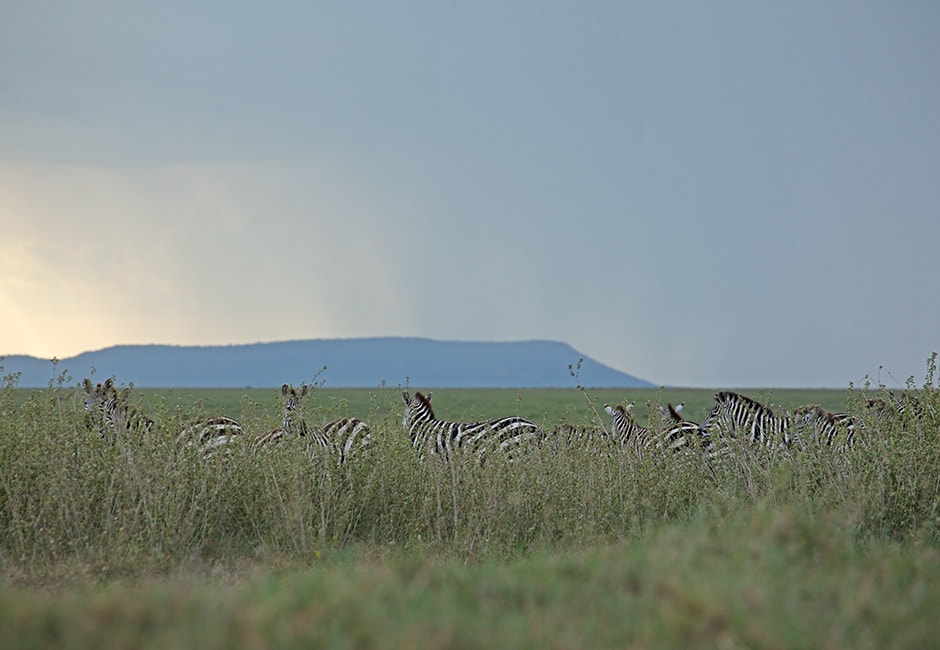
The wildlife also differs from many classic safari areas. Here you find the Samburu Special Five – animals you often search for in vain in the Masai Mara. That is exactly what makes the region so exciting for repeat visitors:
The Grevy's zebra is the largest of all zebra species and has the densest stripe pattern. The reticulated giraffe fascinates with its distinctive, net-like pattern of bright brown patches separated by white lines. The beisa oryx is a beautiful antelope species with long, pointed horns.
The gerenuk is a very gracefully built gazelle with an impressively long neck. And the Somali ostrich shows a lot of bare, blue-grey skin on the legs and neck of the males.
Added to this is a much calmer safari feeling. Fewer vehicles mean more time to truly enjoy wildlife viewing, rather than waiting in a jeep jam for the perfect lion photo. At the same time, the culture of the Samburu people leaves a lasting impression.
Many travellers experience Kenya here more directly, more personally and often more emotionally than in the country's better-known safari hotspots.
Lewa Conservancy – from cattle country to rhino sanctuary
Lewa Conservancy impressively shows how former farmland could become one of Kenya's most important protected areas.
Where cattle once grazed, today is the home of one of Kenya's most important rhino populations. Endangered black rhinos live here under strict protection – with remarkable success. For safari travellers, that means above all one thing: exceptionally good chances of experiencing rhinos in the wild.
At the same time, Lewa feels much more exclusive and relaxed than many well-known National Parks. Small camps, expansive landscapes and few vehicles provide an almost private safari experience.
Particularly exciting is the combination of high-quality travel and active conservation. Many lodges work closely with conservation projects and local communities. This creates not only a luxurious but also a conscious travel experience.
Lewa impressively proves that comfort, spectacular wildlife viewing and sustainable tourism can fit together astonishingly well in Kenya.
Ol Pejeta Conservancy – experiencing safari and species conservation in a special way
Ol Pejeta is proof that safari today can be far more than just wildlife viewing.
The conservancy is one of Kenya's best-known conservation projects and is particularly committed to protecting rhinos. One of East Africa's largest rhino populations lives here – including the last northern white rhinos in the world.
Despite the strong conservation focus, the classic safari experience is by no means neglected. The density of wildlife is impressive: lions, elephants, buffalo, cheetahs and countless antelope species share varied landscapes of savannah, bushland and open plains.
Also worth mentioning is the Chimpanzee Sanctuary, set up in close cooperation with the Kenya Wildlife Service (KWS) and the Jane Goodall Institute. In a wilderness created for them, orphaned and abused chimpanzees from West and Central Africa find a lifelong refuge.
For many travellers, the combination of safari and insights into concrete conservation work is therefore particularly exciting. You not only see animals but also better understand how modern conservation works in Kenya. That is exactly why Ol Pejeta is ideal for anyone who wants to travel more sustainably without giving up intense safari moments.

Why conservancies are the better choice for many safari veterans
Conservancies are the spectacular worlds of experience for repeat visitors: fewer people, more freedom and more intense nature moments. Here, safari merges with slowing down, personal attention and sustainability – exactly what many safari veterans look for on their second or third visit.
More than classic game drives
Conservancies open doors to safari experiences beyond the usual Land Cruiser trails. Walking safaris, for example, let travellers feel nature step by step: the ground, the smell of the savannah, the tracks of small and large animals. Suddenly every movement, every sound becomes a story.
Night drives broaden the spectrum even further. While other tourists are already asleep, you move quietly through the darkness and observe nocturnal animals that are otherwise hardly ever seen.
Smaller vehicles and few guests allow more intense encounters: herds of elephants, prides of lions or giraffes appear suddenly and seem much closer. The experience becomes more personal, slower and deeper. It is not about photos or checklists here, but about the pure feeling of being part of the wilderness – a true safari adventure off the beaten track.
Travelling more sustainably in Kenya
Conservancies combine adventure with responsibility, stand for conservation and sustainability and contribute to a peaceful coexistence of wildlife and people. Tourism serves as the economic link – a win-win situation for everyone involved.
Many lodges work closely with local communities, create jobs and support education projects. At the same time, endangered species are at the centre: rhinos, Grevy's zebras and other wild animals benefit directly from tourism.
Travellers thus experience a safari with long-term added value: enjoying nature, deepening knowledge and at the same time actively contributing to the protection of animals and their habitats.

Rediscovering Kenya – in other seasons too
Kenya doesn't only work during the Great Migration in the Masai Mara between June/July and October. If you travel outside the main season, you often experience the country as more relaxed, greener and surprisingly intense.
Fewer vehicles, dramatic light and completely different landscapes mean that even familiar regions suddenly feel completely new.
Why it is not only the main season that inspires
The main season undoubtedly has its highlights – but Kenya can fascinate all year round. In the quieter months, many safari areas feel more relaxed, more original and considerably less crowded.
Add to that completely different lighting moods and landscapes. Sometimes the savannah glows lush green after rainfall, sometimes golden dust lies over dry plains. Even familiar regions suddenly look completely different.
Wildlife viewing also remains exciting. Many animals can be observed all year round, often even more intensely because fewer vehicles are out and about. It is precisely this calmer travel feeling that makes travelling outside high season particularly appealing to many Kenya fans.
Every trip to Kenya feels different
The fascinating thing about Kenya: even the same route never feels the same. Nature changes constantly – depending on season, weather, light and animal movements.
A dry river can suddenly be full of life weeks later, while landscapes transform completely after rainfall. That is exactly why safari never gets boring.
On top of that: no safari day is like another. Sometimes nothing seems to happen for hours – and suddenly a leopard crosses the road right in front of the vehicle. This mix of unpredictability, nature and real moments of surprise makes every trip to Kenya unique.
FAQ – Frequently asked questions about Kenya for repeat visitors
Is a second trip to Kenya worth it?
Definitely – and often even more so than the first. On a first visit, many travellers concentrate on the well-known classics such as Masai Mara National Reserve, Amboseli National Park or Diani Beach.
After that, the exciting phase usually begins: smaller safari areas, more remote lodges and more intense nature experiences. The way you look at travel also changes. Instead of seeing as much as possible, it is suddenly about diving deeper. That is when Kenya shows how varied the country really is.
Which regions in Kenya are considered real insider tips?
Among the most exciting safari alternatives are Samburu in the dry north, Laikipia with its conservancies or the wilder area around Meru National Park, both in central Kenya. Tsavo National Park also feels much more original than many well-known safari regions.
If you are looking for the coast, you will find more relaxed alternatives to the classic beach resorts around Watamu or Lamu. Particularly appealing are regions where nature, culture and tranquillity take centre stage more than classic safari highlights.
What are conservancies in Kenya?
Conservancies are privately or community-managed protected areas, often around well-known National Parks. They combine conservation, sustainable tourism and cooperation with local communities. For travellers, this usually means fewer vehicles, smaller camps and much more intense safari experiences.
Many conservancies also allow activities that are often restricted or even prohibited in National Parks – such as walking safaris or night drives. That is why they are now almost considered secret favourites among experienced Africa travellers for more authentic safaris.
Which safari areas are suitable for experienced Africa travellers?
Many experienced safari fans are drawn to Samburu, Lewa, Ol Pejeta or the conservancies of the Laikipia region. These areas have fewer tourists and also offer varied landscapes and often more intense wildlife viewing.
The Tsavo West and Tsavo East National Parks or Meru National Park are also considered exciting for repeat visitors. There it is less about spectacular “Big Five in two hours” moments and more about atmosphere, peace and a real wilderness feeling.
When is the best time to travel for an alternative Kenya safari?
Surprisingly, not only during the classic main season from mid-June to the end of October. The quieter months outside the great migration of millions of wildebeest, zebras and other antelope species have their own appeal.
After rainfall, many landscapes glow an intense green, the lighting moods look more dramatic and far fewer vehicles are out. The short rains in November and December, with their rainfall limited to the afternoons, usually still spare safari-hungry tourists.
Not so the long rains, when it pours down mercilessly and continuously, especially from April to May. Popular, on the other hand, is the usually drier period from the end of December to February. Wildlife viewing is nevertheless possible all year round.
How can you experience Kenya more authentically and more intensely?
The most important trick: travel more slowly. Instead of constantly changing accommodation, it is better to stay longer in one place. Small camps or conservancies often create much more personal experiences than large lodges. Conversations with guides, rangers or local communities also make an enormous difference.
If you are open to spontaneous moments and are not just chasing a checklist of animals seen, you will usually experience Kenya more intensely. Often it is precisely these unplanned encounters that stay in the memory longest.

Inspiration for a second or third Kenya trip
If you already know Kenya, next time you should consciously take new paths. An exciting example is our trip “Northern Kenya – experiencing seclusion”.
Instead of classic safari routes, remote regions such as Samburu, Solio and the Ol Pejeta Conservancy await – with rhinos, rare animal species and far less hustle and bustle.
Northern Kenya in particular shows how intense a safari can be away from the well-known highlights: dry landscapes, special animal species and a real wilderness feeling instead of convoys of vehicles.
At the same time, you don't have to strike the Masai Mara off the list completely. Conservancies such as Naboisho allow a completely new safari experience there – quieter, more exclusive and much closer to nature.
It is best to plan such a trip together with our experienced Africa experts. They know the differences between regions, travel times and camps inside out and help put together a safari that is perfect for repeat visitors – individual, unhurried and full of new perspectives.

“In Ol Pejeta Conservancy I saw the Big Five within just 1.5 hours! A particular highlight, though, is Solio Game Reserve, an insider tip in Kenya: here you see herds of rhinos – not just individual rhinos, but large groups. A truly impressive experience. …” (Stefan S., travel expert at Elefant-Tours)
Conclusion: Kenya often only really begins after the first trip
The first trip to Kenya delights with big safari moments, spectacular wildlife viewing and the well-known classics. But many quickly realise: the real adventure often begins only afterwards. Repeat travellers discover a different, more intense Kenya – slower, quieter and more personal.
Instead of just ticking off highlights, atmosphere, nature and real encounters move to the centre. Conservancies in particular, and lesser-known regions such as Samburu, Lewa or Ol Pejeta, open up new perspectives on safari and sustainable travel.
That is exactly what makes Kenya so special: the country is constantly changing – and with every trip you discover not only new places but also experience Africa in a deeper way. Those who are ready to leave familiar paths will find quiet wilderness, committed conservation projects and hosts who share their homeland with passion.
It is precisely this mix of adventure, authenticity and slowing down that makes Kenya a destination for repeat visitors that never loses its magic and keeps surprising – even after many more safaris across the country.
We are ready to answer questions and provide additional support in planning your Kenya trip. Get in touch with us! Your dream, our expertise – your very own individual Kenya experience.
Juan Proll has lived in southern Africa since 2011 and works as a certified nature and cultural guide in South Africa, Botswana and Namibia for Elefant-Tours and its subsidiaries. After an earlier career as an adult-education teacher in Germany, he swapped the classroom for the wilderness. Alongside his work as a guide, he writes for the Elefant-Tours blogs about nature, culture and sustainable travel. Juan is a member of the Field Guides Association of Southern Africa (FGASA) and the author of the books “Ich werd’ dann mal Ranger” and “Das Safari-Lesebuch”. The magazine DER SPIEGEL reported on his training.