Self-drive round trips in Botswana
Botswana round trips: experience wildlife and landscapes as a self-driver in a rental car. Okavango Delta and much more. Book with the experts!
Self-drive tours in Botswana
A self-drive tour through Botswana is ideal for anyone who wants to experience the country independently and intensively. You set your own pace, choose your routes flexibly and discover remote regions in your own way.
While the main routes are well built, the deep-sand tracks in many National Parks require some driving experience.
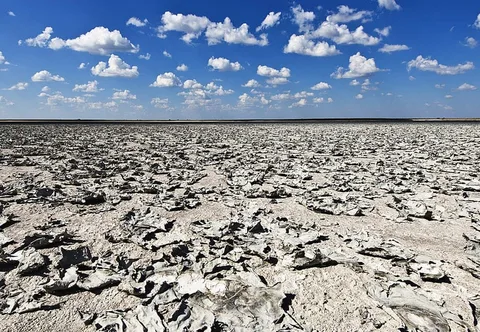
You will be rewarded with unique nature experiences: river landscapes teeming with wildlife, Big Five encounters and sprawling salt pans.
Individually selected lodges and camps provide comfort and relaxation along the way.
Particularly appealing is the combination with Namibia or South Africa, which results in varied routes and often cheaper rental car options.
Our most popular self-drive tours in Botswana
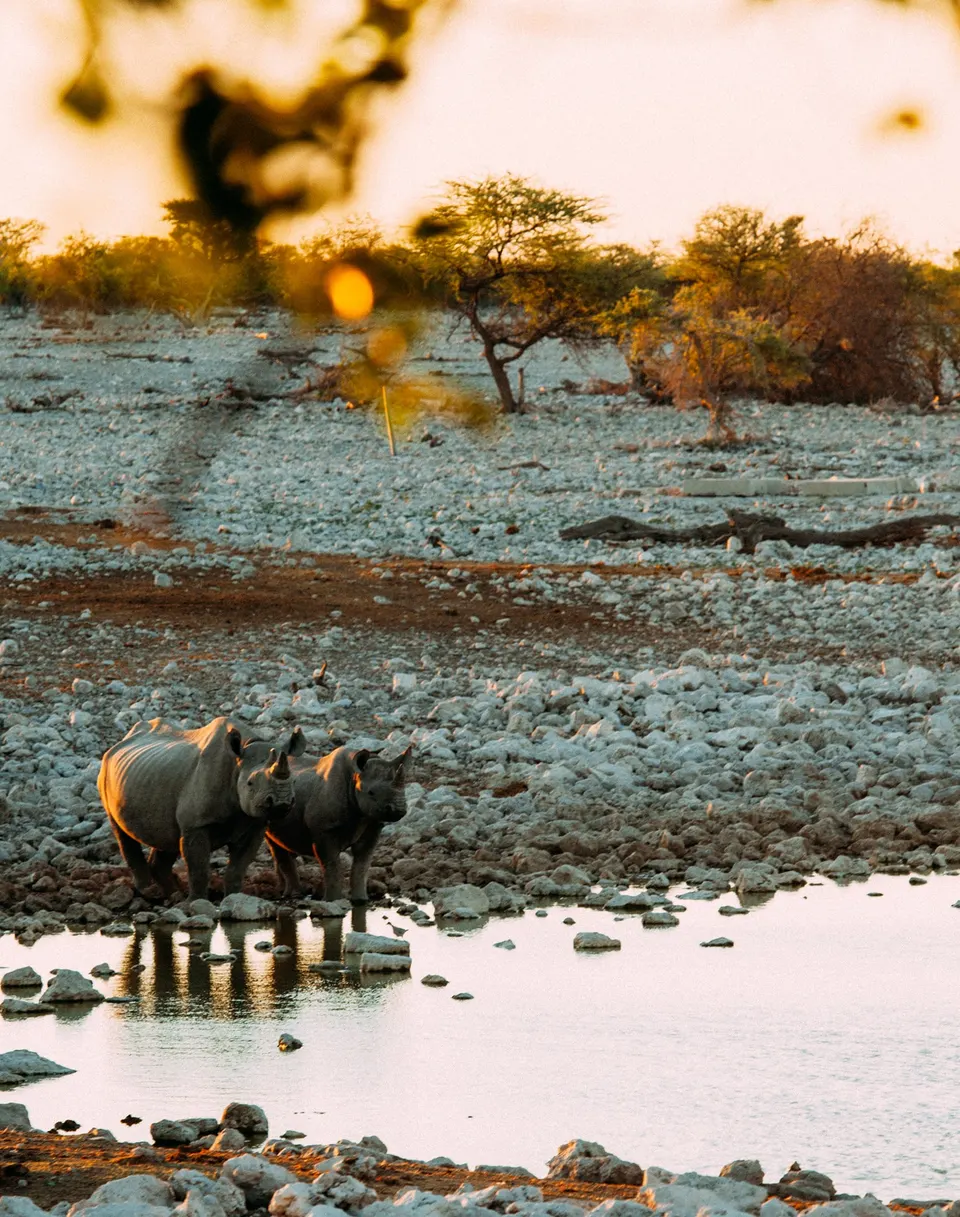 Botswana, Namibia, Zimbabwe
21 days
Highlights of Namibia and Botswana
from 5.980 € per person
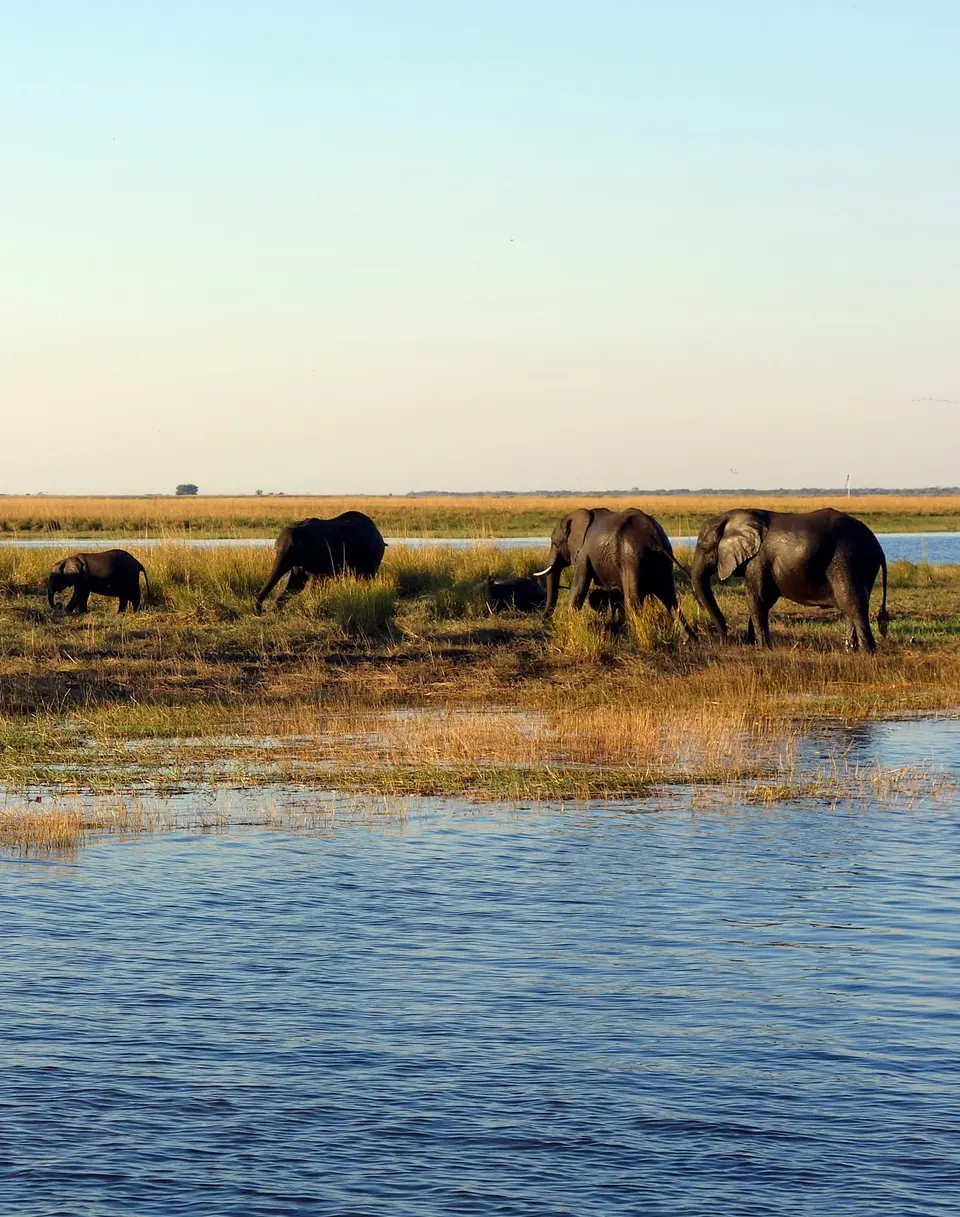 Namibia, Zimbabwe, Botswana
16 days
Highlights from Windhoek to Victoria Falls
from 3.110 € per person
All prices exclude international flights.
Highlights of rental car trips in Botswana
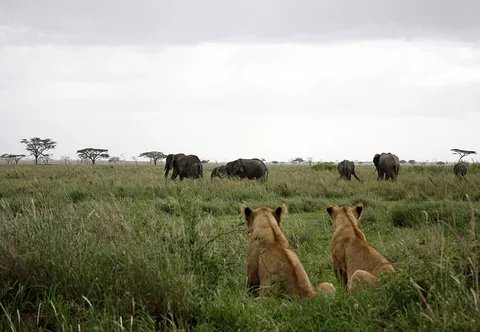
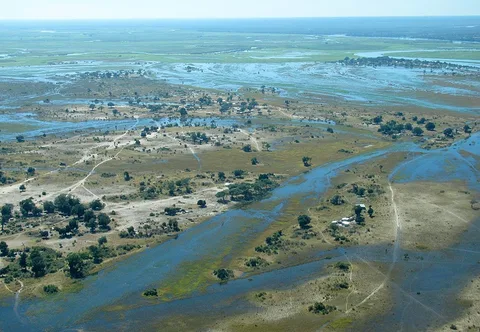
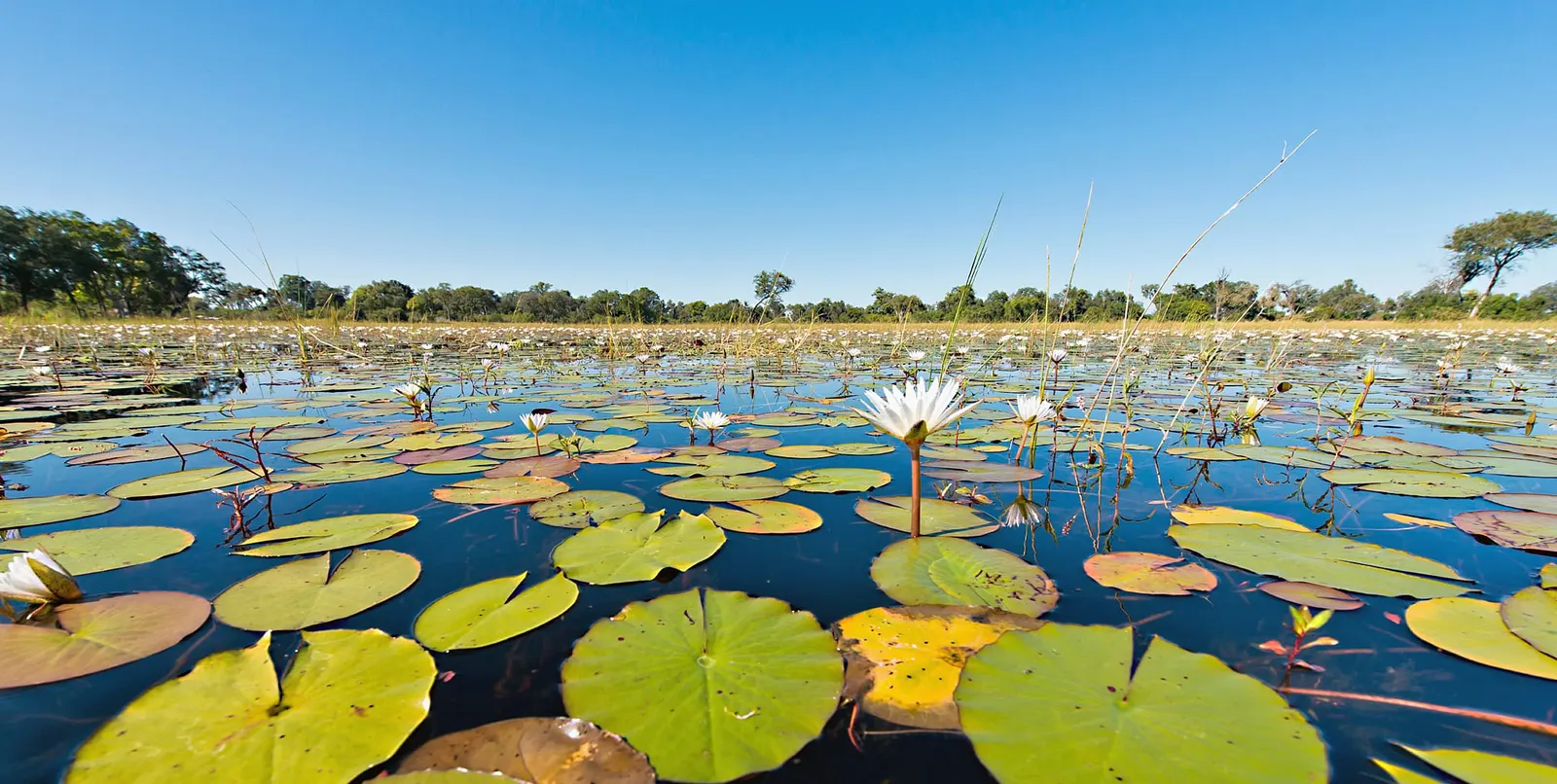
The highlights of a Botswana self-drive tour include unforgettable wildlife viewing in Chobe National Park, known for its large elephant herds. The Okavango Delta delights with its unique watery landscape, which you can experience by light aircraft or boat tour.
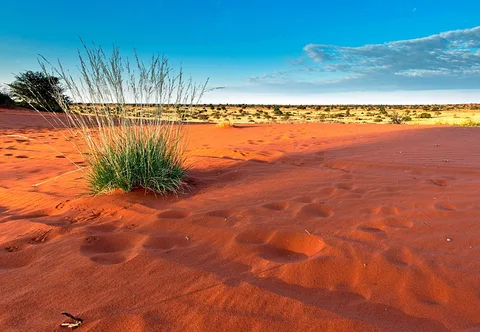
The endless expanses of the Kalahari also offer impressive nature experiences. Look forward to a real adventure: challenging self-drive routes, spectacular wildlife and remote camps in the middle of the wilderness.
On a self-drive tour through Botswana you can expect:
Impressive wildlife viewing
Individual safari experience
Three countries, one trip
Exclusivity
Sights on self-drive tours in Botswana
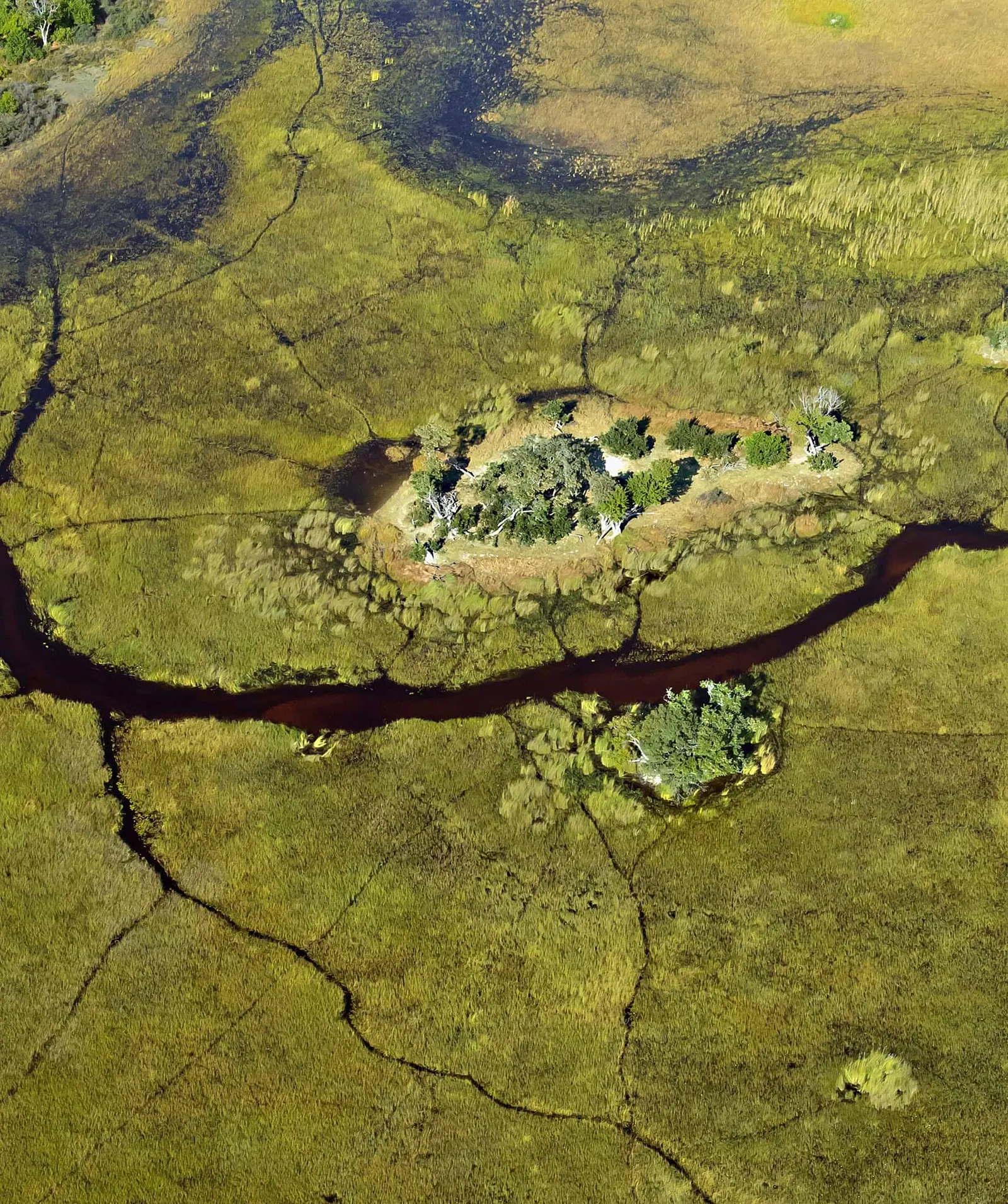
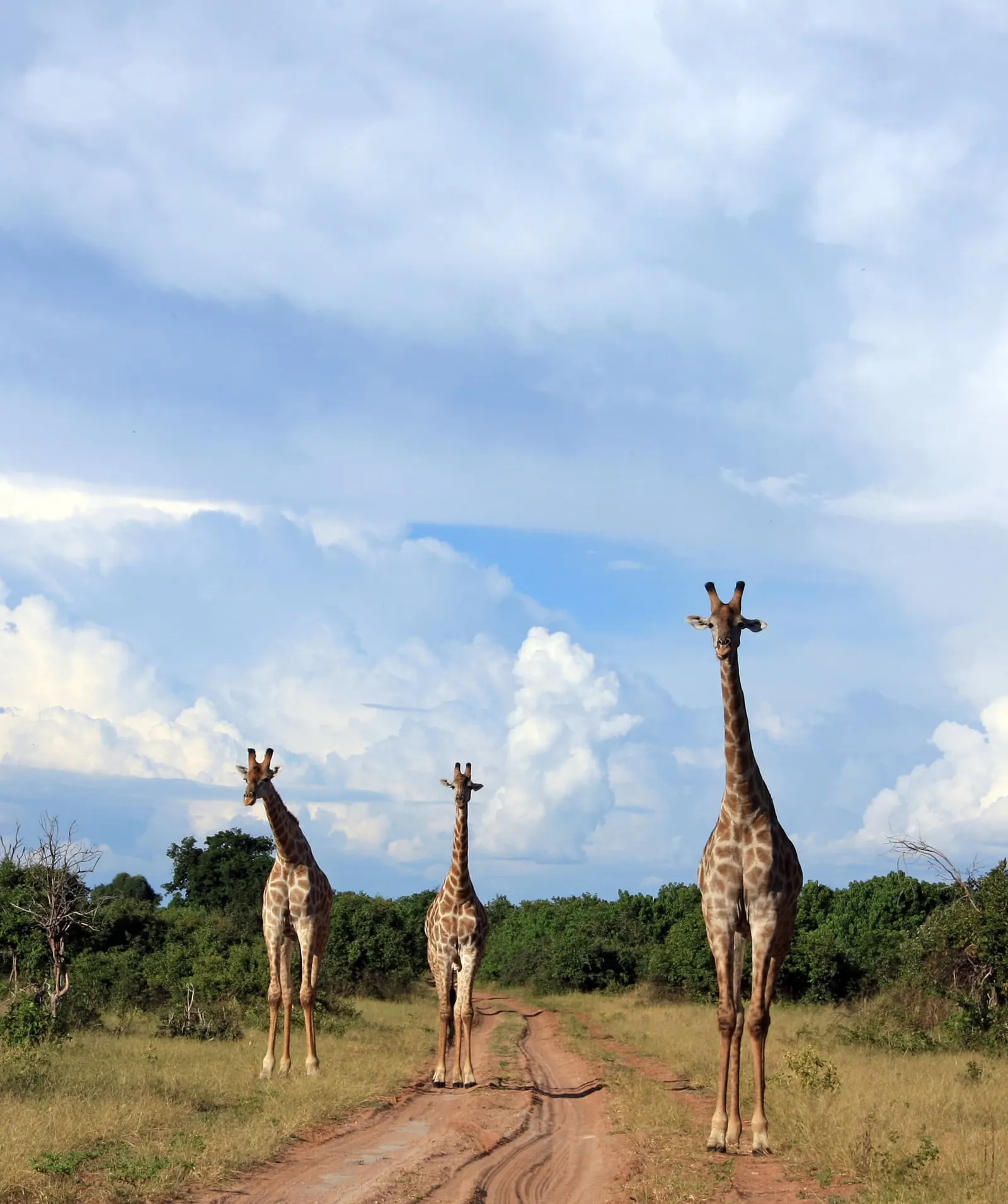
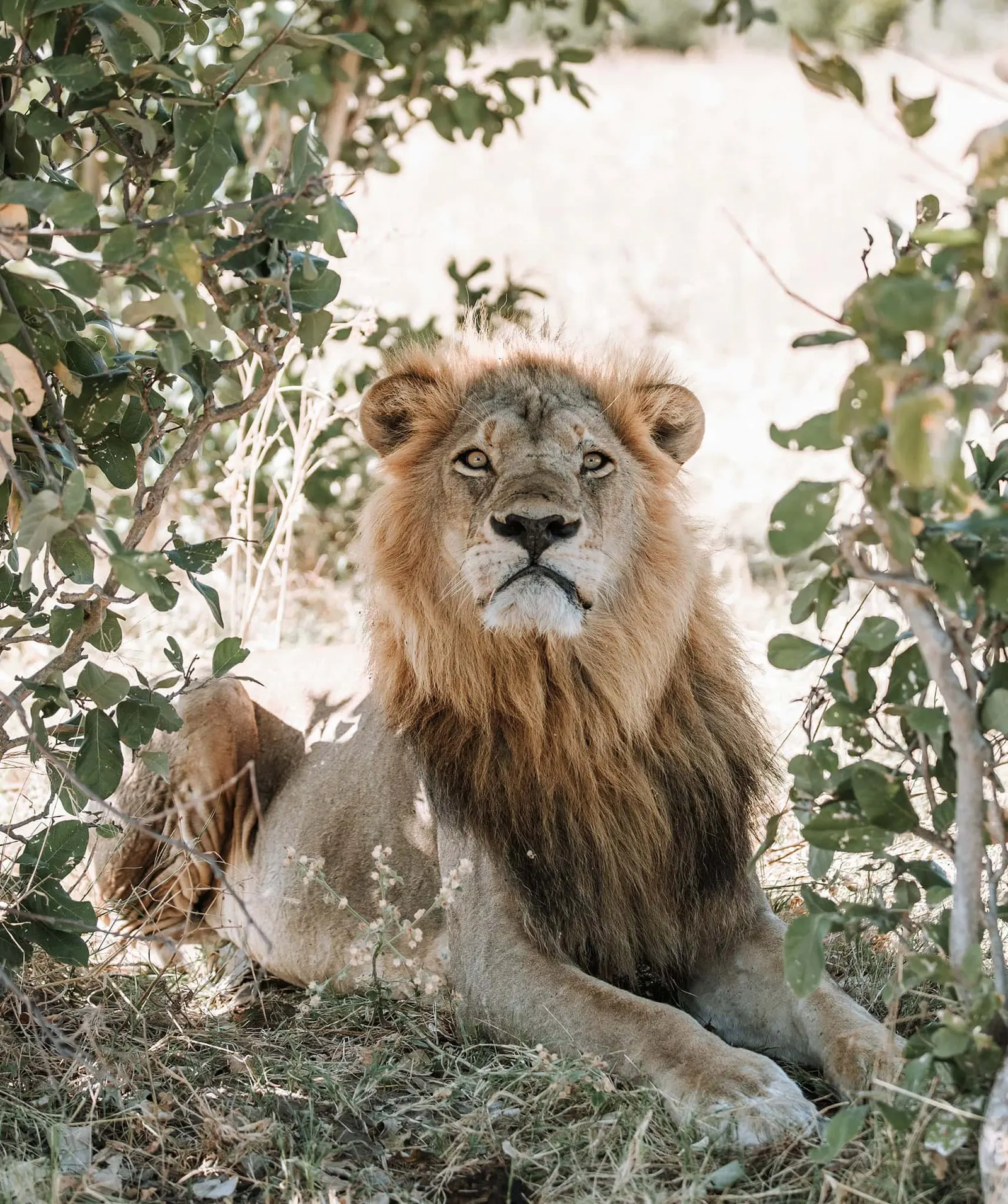
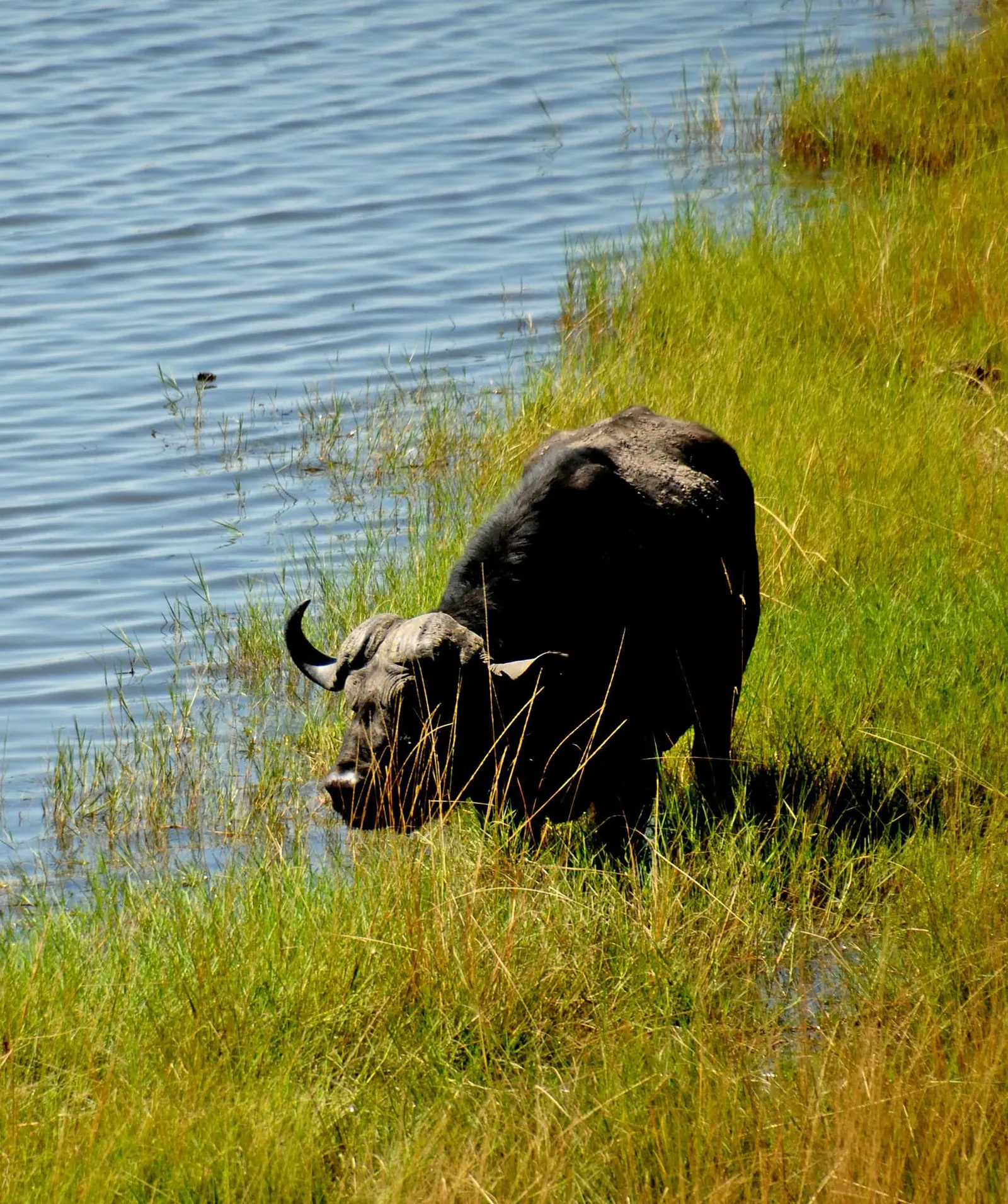
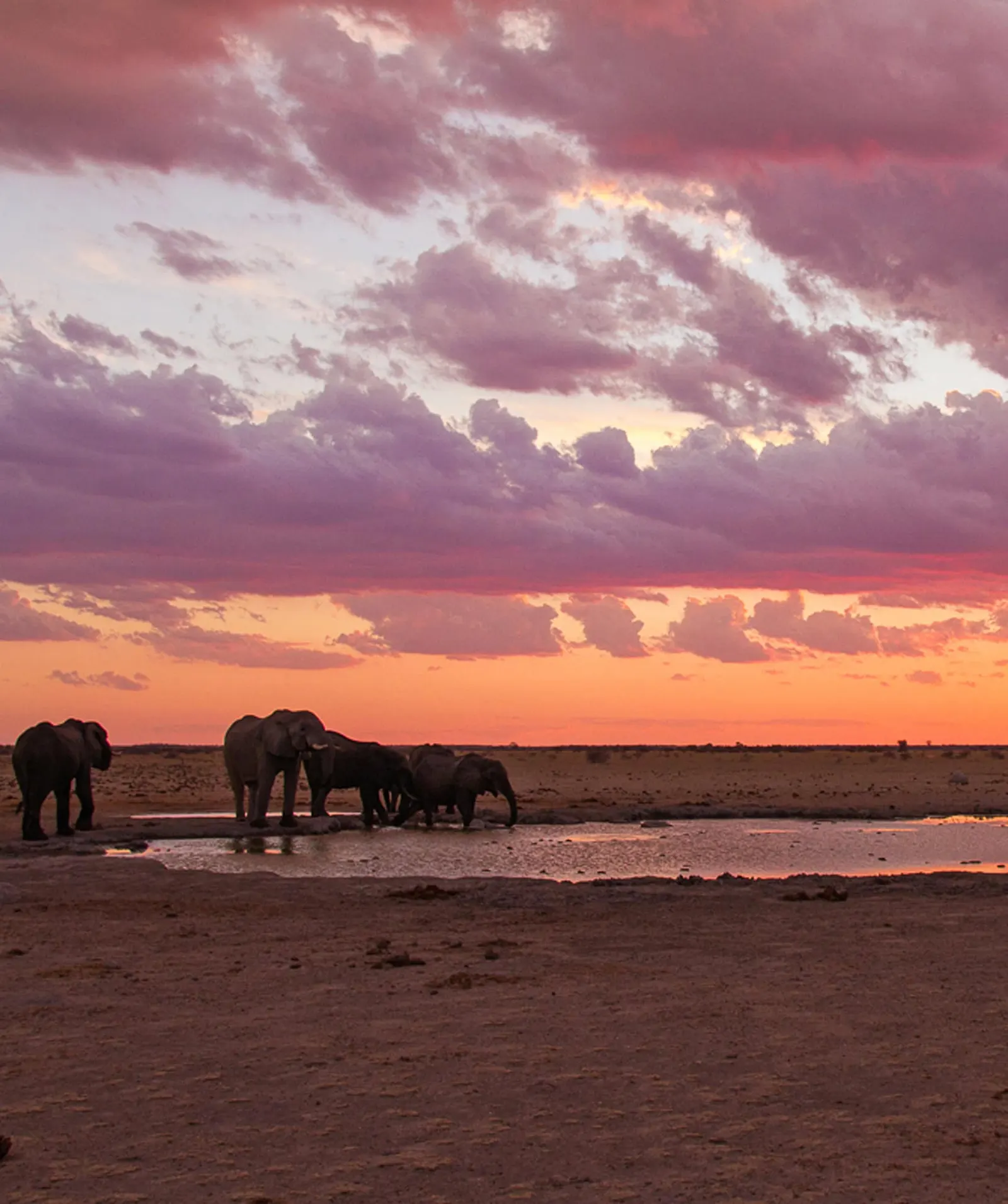
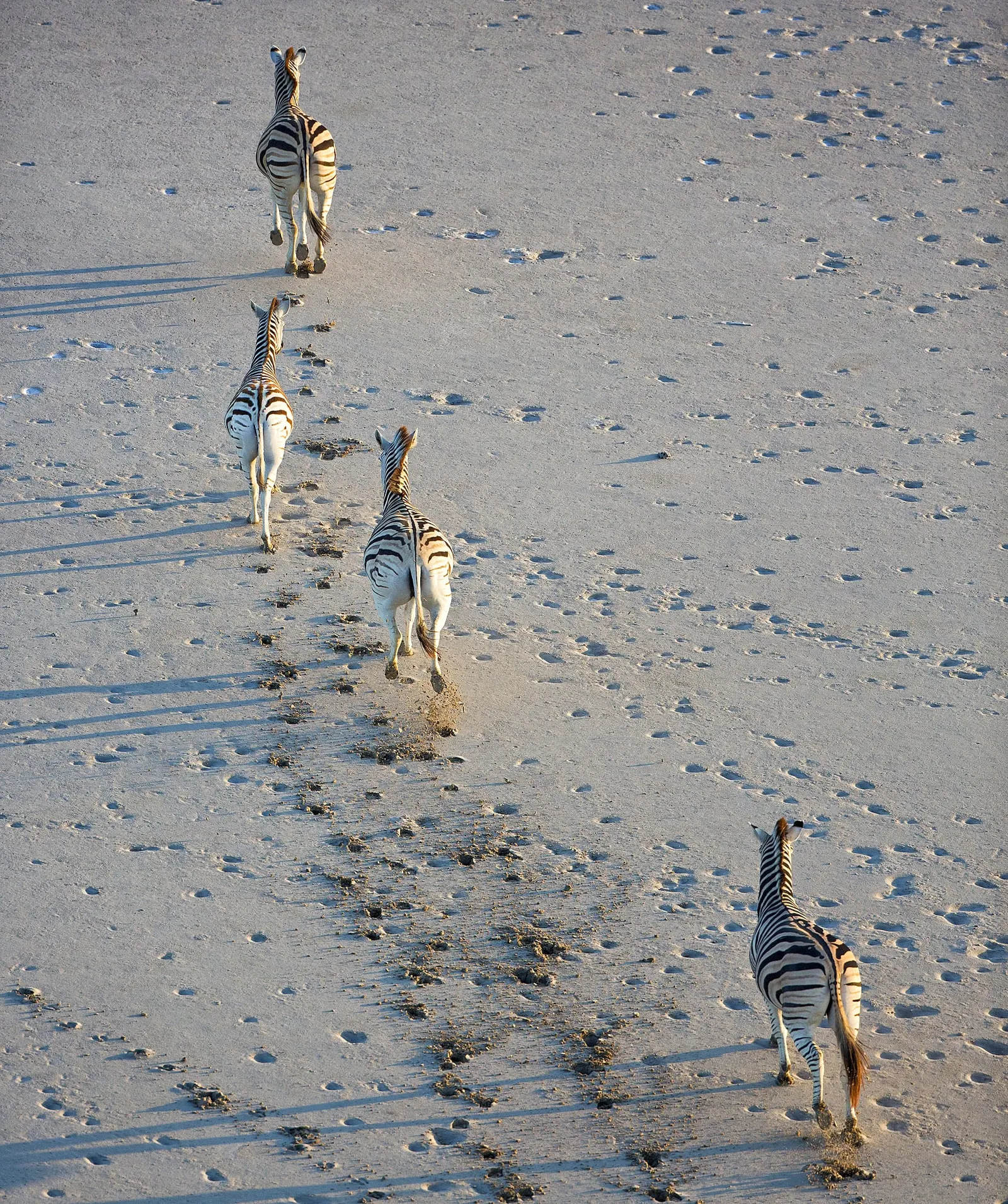
— Esther and Fritz Fahrni
When is the best season for a self-drive round trip through Botswana?
The best time to travel for a self-drive round trip through Botswana depends greatly on your experience and expectations.
The ideal time to travel for a self-drive tour through Botswana is considered to be the dry season from May to October, especially for beginners. In these months the roads and tracks are mostly dry and easy to drive, which makes travelling much easier and safer.
At the same time, the animals gather at the few remaining waterholes, making excellent wildlife viewing possible. The malaria risk is also lower at this time, as fewer mosquitoes are around – especially in the northern regions such as Chobe National Park, the Kwando and Linyanti area and the Okavango Delta.
The months June to August are particularly pleasant, with cooler temperatures and clear visibility, while it gets hotter in September and October and even more animals concentrate at the remaining water sources.
Bear in mind, however, that this period is the main season, so prices rise and accommodation is booked up early.
The rainy season from November to April, by contrast, offers a completely different, appealing perspective – but is mainly suitable for experienced self-drivers. The landscape turns into a green, lively backdrop, fewer tourists are around and prices are often lower.
This is also the best time for birdwatching, as numerous migratory birds come to the country.
However, the rains also bring challenges: many tracks become deep sand or mud, rivers can swell and certain routes can become impassable.
These conditions require good driving experience, suitable equipment and a high degree of flexibility.
While the dry season is therefore ideal for self-drivers, the rainy season is aimed more at adventurous and experienced travellers who can also cope with more demanding off-road conditions. You can read more about the best time to travel and the climate in Botswana in our blog.
How does planning a self-drive trip with Elefant-Tours work?
Planning your self-drive trip with Elefant-Tours is personal, individual and clearly structured. It begins with your enquiry – either by email or via the contact form on our website.
The more information you give us, the more precisely we can design your trip. This includes, for example, your preferred time of travel, trip length, interests (e.g. wildlife viewing, landscapes, particular regions), your budget and your experience with 4×4 vehicles.
On this basis and after a personal consultation, we either develop a tailor-made itinerary that is perfectly matched to your wishes or recommend one of our ready-made itineraries, all of which we can also adapt individually for you.
In doing so we consider not only the most beautiful highlights of Botswana but also practical factors such as road conditions, seasonal conditions and sensible stages for self-drivers.
You then receive an individual offer including accommodation and optional activities, which we can refine further together with you until everything fits perfectly.
How does a self-drive round trip through Botswana work?
A typical self-drive round trip through Botswana usually begins in Maun or Kasane with collection of your 4×4 vehicle and a detailed briefing from the rental car provider. The first night often serves for acclimatisation.
You drive mainly on sand tracks, and distances can take longer than expected. Driving days start early to make the most of the cooler temperatures and the active wildlife. On the way, wildlife viewing is already part of the experience.
In National Parks such as Moremi or Chobe, genuine wilderness without infrastructure awaits you – no fences, shops or reception. You stay in selected accommodation or lodges along the route.
The daily routine follows the typical safari rhythm, with game drives in the morning and afternoon. Challenges such as sand, heat and navigation come with the territory.
Because of this unspoilt wilderness and the sometimes demanding road conditions, Botswana is particularly suitable for experienced off-road self-drivers. If you have little experience of 4×4 driving, you should consider a guided safari instead. That way you can enjoy the country's highlights in a relaxed and safe way.
What is the ideal trip length for a self-drive trip through Botswana?
The ideal trip length for a self-drive trip through Botswana is around 10 to 14 days if you want to concentrate on the most important safari areas.
A good example is the trip “Highlights of Namibia and Botswana”, which lasts 21 days in total. The Botswana part takes around 10–12 days and includes central regions such as Chobe National Park and the Okavango Delta – enough time for intensive wildlife viewing and a relaxed pace of travel.
In general: Botswana is not a country for fast travel. Shorter periods are possible, but often lead to long driving distances and less time in the bush. More time means significantly more calm, flexibility and safari experience.
What other travel styles does Elefant-Tours offer in Botswana?
Besides self-drive tours, Elefant-Tours offers other travel styles in Botswana, depending on how comfortably you want to travel and whether you prefer to travel in a group or individually:
Guided group tours
Guided group tours are ideal for anyone who wants to discover Botswana together with others. You travel in a small group accompanied by an experienced guide who takes care of organisation and provides fascinating insights.
Accommodation ranges from lodges to tented camps, and game drives and activities are often already included. This option is especially suited to travellers who value planning certainty and exchange with like-minded people.
For example on our mini-group tour Fascinating Botswana.
Guided private safaris
On guided private trips you travel only with friends and family.
The route, pace and accommodation are adapted individually, while a personal guide accompanies you.
This style of travel offers maximum flexibility and privacy and is ideal especially for families or couples who want to experience Botswana at their own rhythm.
Fly-in safaris
Fly-in safaris make it possible to cover large distances quickly by light aircraft. This way you reach remote regions such as the Okavango Delta particularly comfortably.
This option is ideal for shorter trips and for anyone who wants to combine an intense safari experience with little driving time.
For example on our “Fly-in Safari Botswana” trip.
What driving licences do I need in Botswana?
For self-drive tours in Botswana you need a valid national driving licence, for example from the UK or the EU. This is generally accepted provided it is issued in English. Otherwise we recommend that you also bring an international driving permit (IDP) – especially if you also travel to neighbouring countries.
Age restrictions: depending on the vehicle category (standard, off-road, 4×4), most car rental companies require their rental car customers to be at least 21 to 25 years old and to have at least one year of driving experience.
Overall, similar rules apply at all the big rental car providers. If you are under 25, a young driver surcharge may apply.
Documents required: besides a valid driving licence, a rental car voucher proving that you have paid and proof of insurance (here we recommend comprehensive fully-inclusive cover), you must also present your passport and credit card.
Cross-border trips: if you plan to cross the border into Namibia, South Africa or Zimbabwe, you need the rental company's consent. It is best to apply for this permission together with the rental car reservation; we can take care of both for you.
In Botswana traffic drives on the left.
What are the road conditions like in Botswana?
Road conditions in Botswana vary greatly depending on region, type of road and season. In general the country is well developed, but conditions differ markedly between paved roads and remote tracks.
In urban areas and on the main connecting roads between larger towns you will mostly find well-built, tarmac roads. Away from these, especially in rural regions, gravel roads and sandy tracks dominate.
In National Parks and wildlife reserves these are often unpaved tracks that can be demanding to drive and in many cases require a 4×4 vehicle.
The season also plays an important role: during the dry season most tracks are easy to drive, although dust can impair visibility. In the rainy season, by contrast, many routes become muddy, slippery or even impassable.
On tarmac roads conditions are considered safe, but caution is still needed. Animals, especially in rural areas and National Parks, often cross the roads – above all at dusk and at night.
Night driving is therefore generally not recommended.
What kind of rental car do I need for a self-drive tour through Botswana?
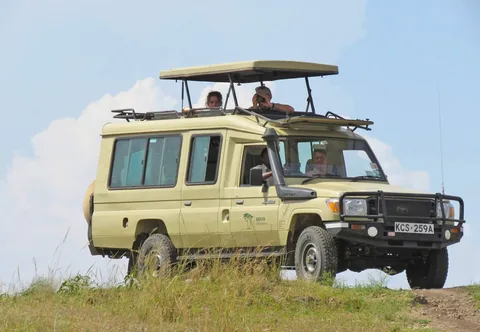
For a self-drive trip through Botswana, an off-road-capable 4×4 vehicle is indispensable in most cases. The paved main roads between larger towns can be driven in an ordinary car, but away from the tarmac conditions change quickly.
As soon as you drive into National Parks, game reserves or remote regions, travel on gravel tracks or sandy trails – or travel during the rainy season – conventional vehicles reach their limits.
A 4×4 offers decisive advantages here: higher ground clearance, better traction and more safety in changing road conditions. If you want to experience Botswana in all its diversity and also reach more remote areas, a four-wheel-drive vehicle is therefore strongly recommended.
For added safety, your rental vehicle should be well equipped. Ideally this includes two fuel tanks, sturdy tyres with at least two spare tyres, sufficient ground clearance and recovery equipment such as a shovel, traction mats and a tow rope. A first-aid kit is also part of the basic equipment for your adventure.
Our experienced travel experts will be happy to advise you on this.
Are there petrol stations in remote areas?
In remote areas of Botswana there are petrol stations, but very few, and you should not rely on them. Especially on longer stretches, you may have no opportunity to refuel for hundreds of kilometres.
While supplies in larger towns such as Gaborone, Francistown, Maun, Kasane, Nata or Ghanzi are good, petrol stations are almost completely absent in National Parks, game reserves and remote regions such as the Central Kalahari. On long gravel tracks between small settlements, too, the infrastructure is very limited.
Even where petrol stations exist, shortages can occur – for example when fuel is temporarily sold out or only limited opening hours apply.
Card payment is not always reliably possible, so cash is recommended as a backup.
For self-drivers the rule is therefore: refuel at every opportunity, avoid driving with less than half a tank, and ideally carry additional spare jerry cans to stay flexible on remote routes.
Can I combine a rental car round trip through Botswana with other countries?
Yes, a rental car round trip through Botswana can be combined well with other countries. Botswana is in fact quite well suited to this, but it needs careful planning because cross-border rental car trips in southern Africa are not automatically permitted.
Combination options
- Botswana and Namibia: besides the highlights in Botswana, in Namibia the special experience of the Namib Desert awaits you, with its fascinating sand dunes and unique desert elephants. For example on our Botswana rental car round trip Highlights of Namibia and Botswana.
- Botswana and Zimbabwe: just over an hour from Botswana's northern safari capital Kasane lie the breathtaking Victoria Falls in Zimbabwe. A real treat after you have experienced the natural wonders of Chobe National Park and the Okavango Delta. For example on our tour Highlights Windhoek to Victoria Falls.
- Botswana and South Africa: combine the highlights of Botswana with South Africa's special sights, including Kgalagadi Transfrontier Park, Cape Town, the Garden Route and Kruger National Park.
Please note:
- Border crossings must be expressly permitted
- Besides the car rental company's permission, you need a written cross-border permit, additional insurance and payment of a cross-border fee
- One-way rentals are possible but more expensive.
You might also be interested in: