When is the best time to travel to the Masai Mara in Kenya?
 by Juan Proll· January 13, 2025· 13 min read
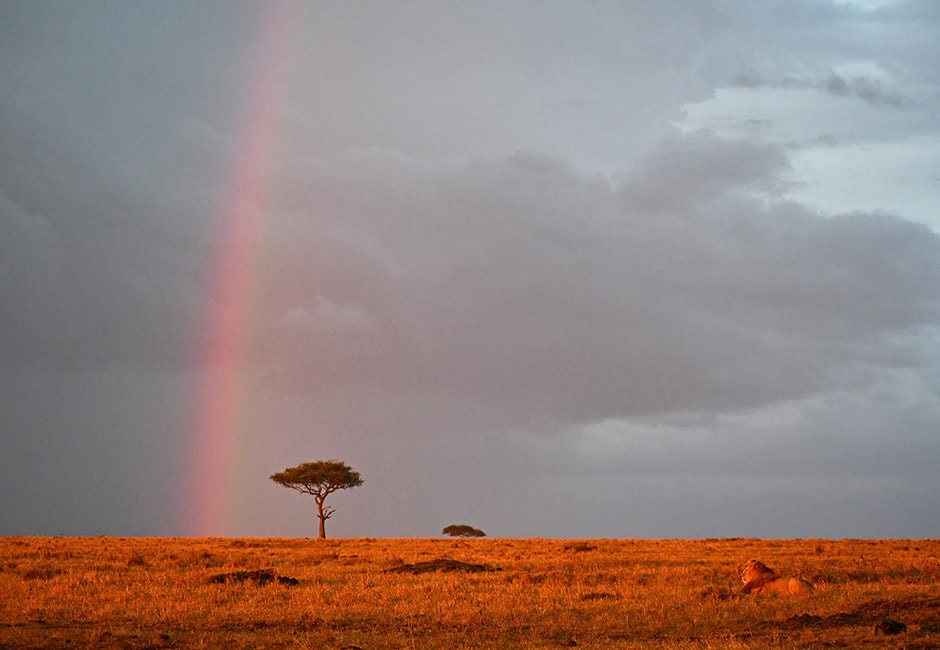
The Maasai Mara in Kenya is one of the top safari destinations in the world. Together with the Serengeti it forms a vast ecosystem and is home to the greatest animal migration of our time. Millions of wildebeest, as well as hundreds of thousands of other antelopes and zebras, roam through the area every year in search of fresh grass.
But many animals, and above all many different species, can be seen here all year round! So the question arises: when is the best time to travel to the Masai Mara? Today's blog has the answers.

The best time to travel to the Masai Mara at a glance
The best time to travel to the Masai Mara is generally January and February, June, or the period from July to October.
If you mainly want to see the Great Migration of the animals in Kenya, then for many people the period from July to October is the best time to travel to the Masai Mara.
Anyone who wants to save on costs, meet fewer people and still be in the Maasai Mara during the dry season can do so well in January and February.
If you would also like to see noticeably more of the effects of the dry season on animal behaviour and take a small chance of perhaps already experiencing the arrival of the Great Migration, then June may be the better choice.
Especially in the months from July to October, millions of wildebeest, as well as hundreds of thousands of other antelopes and zebras, roam through the conservation area, eat the delicious grasses and finally leave the region again in the direction of Serengeti National Park in Tanzania. The impressions are overwhelming.

But in these high-season months the spectator stands fill up enormously. Whether the raised conservation fees of USD 200 per day and person for the Maasai Mara will change anything about this not only gradually but significantly in the long term will surely become clear soon. Until then, however, booking early is absolutely essential.
The Maasai Mara does, however, also have great wildlife to offer all year round, independently of the Great Migration. So anyone looking for alternative times should keep two things in mind:
- Due to the equatorial climate, temperatures change only little. Even in the hottest months, the highest temperatures are around 28°C and the lowest 14°C.
The coldest range between 24°C during the day and 12°C at night.
However, in Kenya there is a short rainy season from the end of October to early December and a long rainy season from the end of March/April to May. - Conservation fees are USD 200 per person per day throughout July to December. From January to June they are USD 100.
So there is room here to consider alternative months for planning your Maasai Mara trip too.

The Maasai Mara geographically
The Maasai Mara Nature Reserve, covering around 1,510 km², lies in the south-west of Kenya. There it borders Tanzania and Serengeti National Park, with which it forms a shared ecosystem of over 16,000 km2. The animals are free to move back and forth here without any border formalities.
The Maasai Mara savannah, with its vast grasslands, lies at around 1,500 m to 1,650 m above sea level. Two mountains in the south-east of the conservation area rise a further 550 m to 700 m above the plains.
Here and there a few trees interrupt the seemingly endless grasslands. Untouched riverine forests are found only on the edge of the Maasai Mara and on the banks of the river that runs through here. It is the famous Mara River, the site of tragic and dramatic scenes when the Great Migration of wildebeest and zebras is awaited, as it crosses the waters, by the crocodiles living here with their freshly sharpened teeth.

What is the climate like in Kenya and in the Masai Mara?
The climate zones in Kenya and in the Masai Mara
Kenya is roughly influenced by three climate zones:
- It is tropical along the south-eastern coast.
- It is temperate in the highlands of the interior.
- Dryness characterises the north and north-east.
Like most of Kenya's safari destinations, the Masai Mara lies in the highlands and is accordingly influenced by a temperate highland climate.

The equatorial climate
As the equator runs through the country, it also has an important influence on the climate and thus on the best time to travel in Kenya. It creates tropical conditions and ensures – apart from considerably cooler conditions in the high mountains – consistently mild temperatures in every season. In the Maasai Mara these average between 28°C by day and 12°C by night over the year.
Classic seasonal differences, as we know them in central Europe, therefore do not exist. Instead, the equatorial climate brings a dry season and a rainy season. In Kenya and the Maasai Mara there is
- a “short” rainy season from the end of October to early December and
- a “long” rainy season from the end of March/April to the end of May.
The rainy seasons do not hit all regions of Kenya at the same time. The rain is reluctant to keep fixed dates. Sometimes it arrives on time, sometimes too early, sometimes too late – sometimes not at all. But the equatorially determined sun position, roughly equally high throughout the year, ensures constant cloud formation and reliable rainfall periods overall.
Want to find out more about Kenya tours?
We'd be happy to advise you. Get in touch!
The best time to travel to the Masai Mara – seasons
When is high season in the Masai Mara?
The raised conservation fees in the Maasai Mara in the second half of the year suggest that the months between July and December are also the high-season months and that the period between January and June is the low season.
But if you look at tourist numbers, weather conditions, the best times for wildlife viewing and prices in general, a more nuanced picture quickly emerges.
Then the high season in the Masai Mara is limited to the dry-season months between the end of June and October.
During this time, the Great Migration of the animals dominates events in the Masai Mara. As the previous stops on their route have been grazed bare, they now head for the Masai Mara.

After the end of the rainy season in May, even now, at the end of June / beginning of July, there is still so much grass here that it can supply this huge migrating company with enough food. This breathtaking sight of the masses and the dangerous river crossings past the starving crocodiles attract most tourists.
At the same time, the dry season with its pleasant temperatures provides excellent safari conditions beyond the Great Migration too. During the dry season you can best experience the impressive diversity of animals in the Masai Mara.

This is because the resident, non-migrating smaller and larger mammals also show themselves much more often now. This is due both to the thinning vegetation and to the decreasing waterholes. More and more, the animals concentrate on ever fewer remaining waterholes.
When the short rainy season then begins in November, this effect is quickly over.
When is low season in the Masai Mara?
The short rainy season
When the short rainy season arrives in November and December, the vegetation soon grows again and waterholes increase. The preferred safari conditions of the dry season are thereby lost. Wildlife viewing becomes more difficult.
The conservation fees for the Maasai Mara are deceptive in November and December. Only between January and June do they drop from USD 200 to USD 100 per person per day.
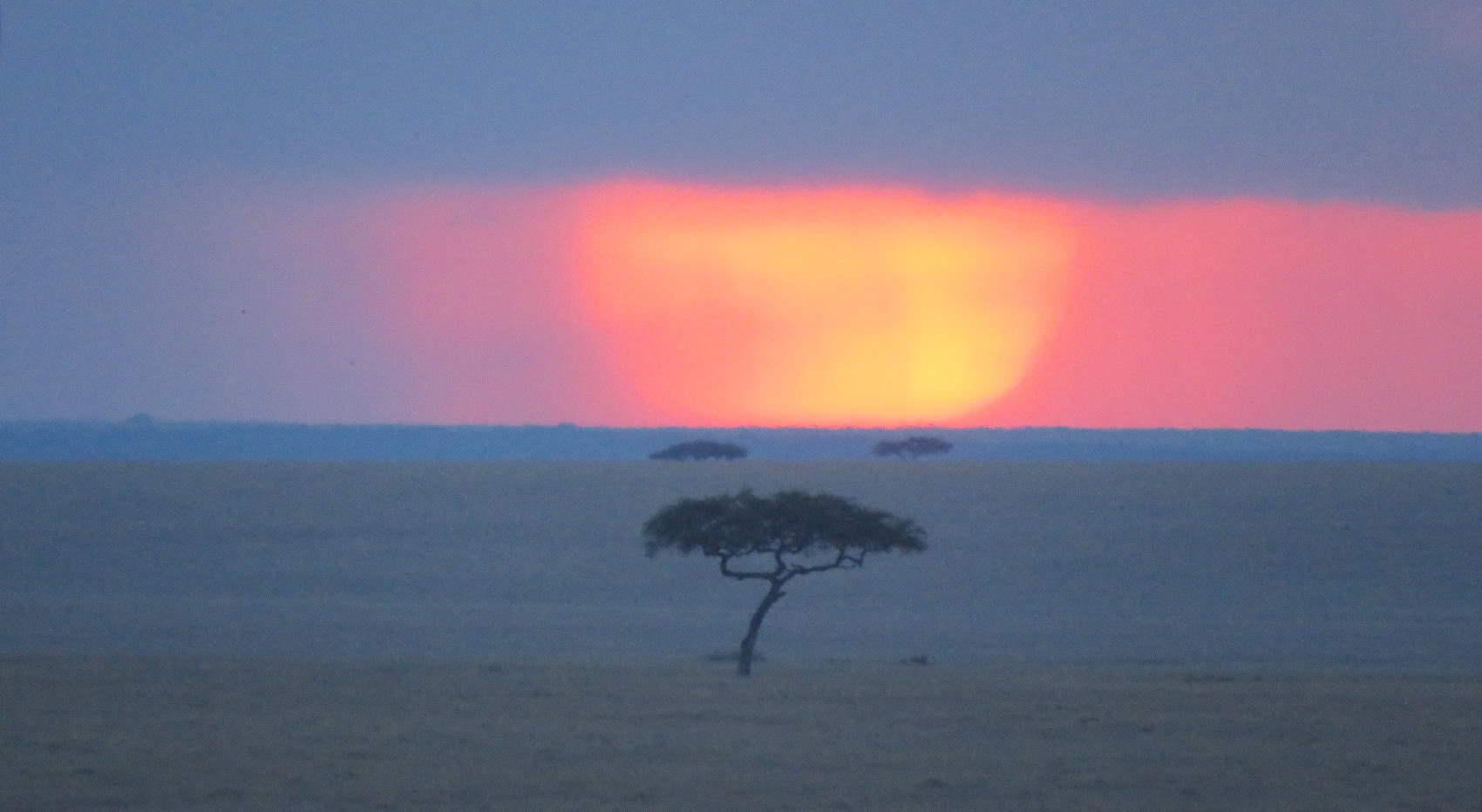
At least the short rainy season, with its showers limited to the afternoon, mostly still takes the safari-hungry tourists into consideration. Most of the day you can still have wonderful wildlife experiences. In addition, the season of newborns, especially antelopes, now begins. The migratory birds also return with the rain and set colourful accents against grey cloud banks.
The long rainy season
But in the long rainy season from the end of March to May the downpours can be relentlessly persistent. Some lodges and camps therefore close in April and May.
These rainy seasons are low-season periods. Travelling now is more unpredictable and more difficult. Tracks soften, are partly under water and can be impassable. At least fewer people are around and prices with tour operators and in accommodation fall.
The shoulder season – the best time to travel to the Masai Mara
However, from January to February / early March there is a dry period that gives the short and long rainy seasons a break in rainfall of just under three months, and therefore makes trips to the Maasai Mara interesting for many tourists. In these months a beautifully green and contrast-rich landscape opens up to you, with plenty of birdlife and young animals getting used to life in the wild.
A similar picture emerges in June. The long rainy season is over. The land and the dryness soak up the excess water. The landscape presents itself in lush vegetation. However, the migratory birds continue their journey. Perhaps on their flight they already see the first forerunners of the Great Migration, should it indeed set off towards the Maasai Mara as early as late June.
In January, February, March and June, not only cheaper entrance fees apply in the Masai Mara. At the same time there are also good conditions for safaris and fewer people are around. In my opinion, this makes the shoulder season one of the best times to travel to the Masai Mara.
Two of our favourite safaris in the Masai Mara in every season:
High season, low season and shoulder season at a glance
If you follow the explanations above, three main seasons emerge:
- A high season from the end of June to October, characterised by the Great Migration, the dry season, thinning vegetation and reducing waterholes, and larger streams of tourists.
- A low season in November and December and from the end of March to May, determined by rain, unpredictable travel conditions, temporarily closed accommodation, but also the return of migratory birds and many newborns in the animal world.
- A shoulder season from January to mid-March and in June, in which the vegetation is still dense and waterholes still plentiful, but conditions are dry, and in which the landscape is rich in contrast, birdlife is lush and the number of travellers modest.

What can I expect in the Maasai Mara month by month
January – mid-March: warm, green and rich in birds
It is the hottest time in the country. Daytime temperatures in the Maasai Mara average 28°C and fall to 14°C at night. The short rainy season has just ended. Fertile, green landscapes have remained, and few people come.
The water is still well distributed. The animals therefore still live very scattered. At least you see many young animals, because the start of the short rainy season is also the signal for many female antelopes to give birth to their young.
Particularly worth seeing at this time is also the number of colourful birds. Among them are the feathered visitors that flew over from Europe in flocks, for whom it had become too cold so far north.

End of March – May: under water
Start of the long rainy season. Dense banks of cloud darken the day menacingly – an impressive natural spectacle. At times it rains so hard it is “under water”. A camping holiday in these months is only for the particularly adventurous, who would even rather sleep on an air mattress in the pool at night. Campsites and roads soften, lakes and rivers fill. Out here, beyond civilisation, it feels especially elemental.
Tourists tend to stay away. For photographers it is an exciting time with many contrast-rich photos. Though not exactly with the dreamed-of sunset.
Temperatures drop slightly but, at up to 26°C, are still very pleasant.
If you are planning your first safari in Kenya, we particularly do not recommend April, as it is certainly not the best time to travel to the Masai Mara.
June – August: “the Great Migration” crosses the Mara River
Temperatures fall further, at night sometimes below 12°C. During the day, though, it stays at a comfortable 24°C. The dry season returns. But at first many “wild” water sources remain for the animals, which therefore find it easy to hide in the tall grasses and densely vegetated woodland.
Over the course of these months the land visibly dries out, the grass is eaten or trampled down, the vegetation thins. More and more, the wildlife meets in sociable gatherings at the remaining waterholes. Great prospects for safari lovers, who now come in ever greater numbers.
From July it is high season, prices are now at their peak everywhere, accommodation is scarce. Travellers from all over the world arrive. They come in the hope of seeing, with a little luck from the end of June, the large herds of zebras move into the Maasai Mara. They are the vanguard of one of the most spectacular natural spectacles the animal world has to offer: “The Great Migration”.

Behind the zebras come over a million wildebeest as well as countless Thomson's gazelles and other antelopes. They all follow the food-bringing magic of the rain, regardless of losses. Bravely, at some point in July and August, they cross the Mara River, where they leave large offerings for the starving crocodiles.
If you would like to experience this natural spectacle live yourself one day, you have good chances on our cross-border safaris in Kenya and Tanzania. Elefant-Tours has subsidiaries on the ground in Tanzania and Kenya – with our colleagues we know you are in the best hands.
September – mid-October: surviving the drought
Slowly temperatures rise again to daytime values of around 26°C. The dryness leaves clear traces: parched vegetation, fewer waterholes. By October at the latest, the land is longing for rain. The challenges to the animals' survival grow. Difficult times for the savannah's residents, good ones for safari lovers: for you, wildlife viewing on safari becomes ever more successful.
For the great migrating company of animals, it is now time to take fate into their own hands once more, to say goodbye to Kenya by October at the latest and turn to the lush grass in Tanzania's Serengeti National Park.
For many, these months count as the best time to travel to the Masai Mara in order to see as many animals as possible. You also see comparatively many people, though.

Mid-October – December: rain and many elephants
Temperatures reach the 28°C mark ever more easily. And finally the rain returns. The short rainy season reduces visitor numbers, brings colour back to the land and also welcomes the first winter-fleeing migratory birds. The Great Migration has left the Maasai Mara. In its place, large herds of elephants now fill the endless expanses that have been freed up.

Bargain hunters can be very lucky in November, especially if the rain has not yet really begun to pour. The conservation fee is admittedly still USD 200 per day and person even now. But accommodation and safari prices fall in many cases.
When is the best time to travel to see the Great Migration?
Without question, the Maasai Mara is a highlight in Kenya all year round. But the special attraction in high season is the Great Migration of the wildebeest, accompanied by hundreds of thousands of zebras, Thomson's gazelles and elands.
They come every year from Serengeti National Park, cross the Mara River in July/August without passport control into Kenya, eat their fill of the grasses here and disappear in September/October back into the neighbouring Serengeti. In terms of numbers, it is the most spectacular animal migration on our planet.

The best time to travel to see the Great Migration is therefore between July and October. The sight of these masses alone is overwhelming. With a little luck, the vanguard of this great migrating company arrives as early as the end of June. But most travellers prefer to come here in July or August, when the million grass-seekers throw themselves into the waters of the Mara River and hope to reach the other bank without ending up in the ready-to-eat jaws of monstrous crocodiles.
But note! The course of the Great Migration can never be predicted one hundred per cent! Depending on the weather and the onset of rain, the wildebeest and zebra herds like to deviate from their classic schedule. A portion of luck simply comes with the territory, as with all safaris.
Two of our favourite safaris for seeing the Great Migration:
The best time to travel to the Maasai Mara – my very personal recommendation
Admittedly: for every safari fan, witnessing the Great Migration, and especially its river crossing at the Mara River, is like making the journey to Mecca or the pilgrim route to Compostela once in a lifetime is for others. Who minds all the other people there? What do we not put up with for certain destinations?
But there are those who weigh things up, the “it would be nice, but not at any price” people, the willing to compromise and those who ask themselves how to have the best travel experience in the Maasai Mara despite high season.
When it is high season in the Maasai Mara, there is a lot going on there. Anyone who still wants an exclusive and secluded experience should opt for one of the surrounding private conservancies.
Their advantage: they limit their guest numbers. Only those who stay overnight in the private conservancy are allowed to go on game drives here. There is deliberately little accommodation and therefore fewer tourists. They also adapt more flexibly to your interests with offerings such as night drives, bush walks or similar. At the same time, wildlife sightings are very good here too.

True, they are not on the Mara River, so you cannot see the river crossings of the Great Migration here. But they border the Mara Game Reserve and Mara Triangle, where the river crossings take place. On a day trip you therefore have a chance of seeing a river crossing. Then you do pay the particularly high conservation fees for one day and are surrounded by many other people, but come back in the evening to the relaxed and quieter conservancy.
For further tips, ideas, questions and additional support with planning your Masai Mara safari, we are happy to help. We have our own subsidiary on the ground in Nairobi and so are always extremely well informed.
Get in touch! Your dream, our expertise – your very own individual Kenya experience.
Juan Proll has lived in southern Africa since 2011 and works as a certified Nature and Cultural Guide in South Africa, Botswana and Namibia for Elefant-Tours and its subsidiaries. After an earlier career as an adult-education teacher in Germany, he swapped the classroom for the wilderness. Alongside his work as a guide, he writes for the Elefant-Tours blogs about nature, culture and sustainable travel. Juan is a member of the Field Guides Association of Southern Africa (FGASA) and the author of the books “Ich werd’ dann mal Ranger” and “Das Safari-Lesebuch”. The magazine DER SPIEGEL reported on his training.