Best time to travel to Cape Town: your perfect holiday – at the right time
 by Juan Proll· November 7, 2025· 13 min read· Updated November 9, 2025

Cape Town is colourful, varied and lively. There is plenty to experience and discover all year round. But when is the best time to travel to Cape Town? Find the answers in today's blog.

Cape Town at a glance: climate, location and special features
Cape Town enjoys a unique location on the south-western tip of Africa, between fascinating mountain landscapes and spectacular coastlines, blessed with a Mediterranean climate.
Quick overview of the climate
Cape Town has a Mediterranean climate, which means that South African summers are warm and dry, while winters are mild and rainy.
The summer months from December to February are marked by hot temperatures, while winter from June to August tempts with cooler but still pleasant conditions.
The climate is shaped by different influences, such as the cold Benguela Current, which brings cool sea breezes, or the warm winds from the desert-like interior.
An interesting fact: the seasons in Cape Town are the reverse of Europe's – when it is winter in Europe, it is summer in Cape Town.
Why the time of travel matters so much in Cape Town
The different seasons make the choice of when to travel to Cape Town crucial, as they offer completely different kinds of experiences. So which time is best for Cape Town depends on what you want to experience.
In the hot and mostly dry months from November to March, the weather draws you above all to the beach and to wine tastings in the romantically landscaped gardens of the wine estates.
By contrast, the cooler and rainy winters from May to August offer ideal conditions for activities such as hiking, museum visits or shopping safaris.
In the transition to the South African spring, into October, you can enjoy the magnificent flower bloom or experience spectacular whale watching along the coast – especially in nearby Hermanus. If you choose the right time, you make the most of your holiday and can enjoy Cape Town at its most beautiful.

The climate in Cape Town through the year
Cape Town has four distinct seasons:
Summer (December – February) is hot and dry.
Autumn (March – May) is mild and pleasant.
Winter (June – August) is cool and rainy.
In spring (September – November) you can look forward to mild weather and blossoming flowers.
Cape Town climate table

Would you like to find out more about South Africa trips?
We are happy to advise you. Get in touch!
Summer season (November – March): sun, beach & surfing
Cape Town's summer months are hot and dry – perfect for a beach holiday. Beaches such as Camps Bay and Clifton Beach are ideal for sunbathing and swimming at this time. If you like to surf, you will find excellent conditions in Muizenberg and at other spots along the coast.
The water temperatures are still cool and more for the hardy, but the clear water and sunshine still make these months a popular time for water sports.
The beaches of Cape Town are also particularly inviting for families with children , as there are numerous child-friendly facilities and gently shelving coastlines. The city also offers a rich choice of indoor and outdoor activities: boat tours, kayaking, surf school, e-scooters, penguins, the Ocean aquarium, planetarium, “art jamming”, zip-lining, bike park or the Total Ninja Park.
Many of the wine estates are also geared towards families with children, offering petting zoos or playgrounds for the kids alongside wine tastings for adults. These include Chamonix Wine Farm, Spier Wine Estate and Villiera Wine Farm.
If you want to explore the Cape wine world without children, there are hundreds more options in romantically landscaped wine estates.
Winter season (May – September): mild, green and rich in wildlife
Cape Town in winter is milder than what we know from Germany, Austria or Switzerland – no snow, no endless grey skies, and temperatures well above those of central Europe.
This time of year is particularly suited to activities such as hiking, especially on the cool, clear days. The wine regions around Stellenbosch and Paarl are less crowded at this time, making it ideal for a relaxed wine tasting.
Whale watching along the coast is also a highlight, as thousands of whales come to the waters off Cape Town from June to November. A whale trip is especially worthwhile to Hermanus between August and October.
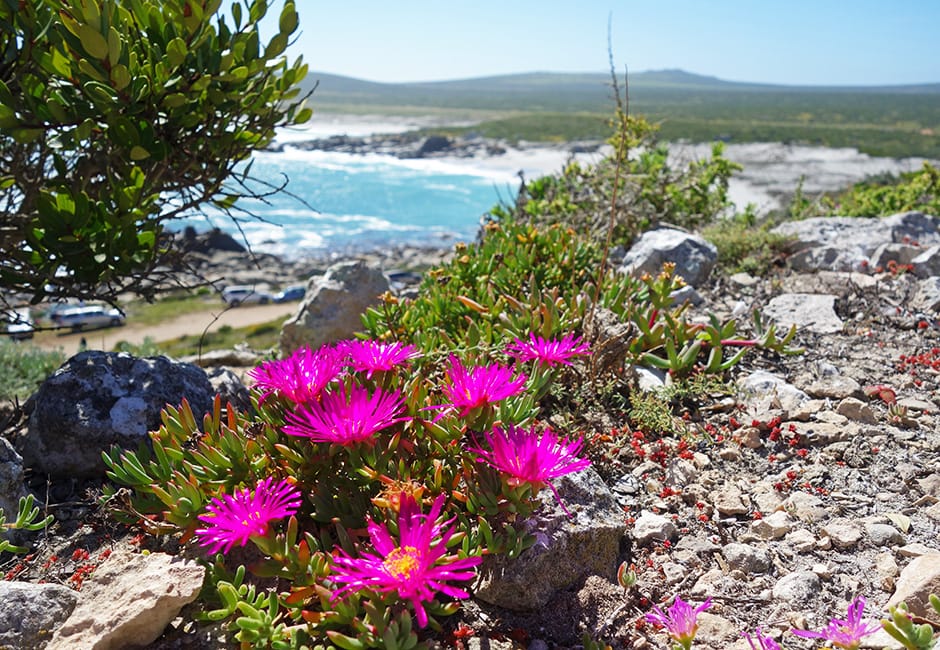
With spring, which often knocks on the door as early as the end of August, travellers experience the famous flower bloom especially from September into October – a riot of colour in the nature reserves and gardens around the city, and even better in West Coast National Park.
Even though it is a little rainier , the rain provides a lush green landscape and gives Cape Town a special atmosphere.

The best time to travel for different activities in Cape Town
Cape Town offers a wide variety of activities all year round. The best time to travel depends on your personal interests , whether it is a beach holiday, hiking or cultural experiences. If you choose the perfect time for your favourite activities, you make the most of the experience.
Beach holiday & soaking up the sun
The best months for a beach holiday in Cape Town are December to March. At this time, temperatures are warm and dry, ideal for sunbathing and swimming. Cape Town has many dreamy beaches, such as Camps Bay, Clifton Beach, Muizenberg and Bloubergstrand.
However, from as early as October it can also get very windy. Then the “Cape Doctor” sweeps over the city from the south-east with such force that it seems to want to blow away all the harmful exhaust fumes.
This makes the beach at Muizenberg particularly attractive for windsurfers. The beaches of Camps Bay and Clifton Beach are sheltered from the wind.
Whale watching & wildlife experiences
For whale watching, you should reserve the months between June and November. The best time is from August to October, especially around Hermanus and False Bay. In these months, southern right whales travel from the cold Antarctic waters to warmer climes to give birth to their calves.
Boulders Beach, known for its penguin colony, can be visited all year round, but in spring the penguins are especially active here. Temperatures become milder, the sun shows itself more often, so they happily head into the cool water, and the mating mood is triggered.
If you are looking for adventure, you can also go on a safari in the nearby Big 5 game reserves such as Aquila Game Reserve or Sanbona Wildlife Reserve, where you can see elephants, lions and other animals.
Hiking & enjoying nature
The best months for hiking in Cape Town are March to May and September to November. During this time the climate is mild and pleasant, making hikes to popular destinations such as Table Mountain in Table Mountain National Park or Lion’s Head particularly enjoyable.
These months also bring fewer tourists, which makes for quieter, more relaxing hiking experiences. Spring and autumn also bring a particularly green landscape and clear air. Hiking fans can also explore the spectacularly beautiful Cape Point Nature Reserve, which offers a great diversity of flora and fauna.
September in particular, usually into October , shows off plenty of its wildflower splendour. Along the coast you may also be lucky enough to spot whales.

Wine & food
The best time to enjoy wine and food in Cape Town is from March to May, right after the grape harvest. The milder weather makes trips to the wine regions around Stellenbosch, Franschhoek and Paarl particularly pleasant.
These months are also ideal for experiencing the authentic atmosphere of the wine estates without the summer tourist crowds.
Culinary festivals and wine festivals at this time, where you can enjoy regional specialities alongside good wine, are particularly enjoyable now, before things slowly head into winter.
But gastronomy is one of South Africa's strengths anyway. In Cape Town the choice is limitless. The local cuisine goes back to the specialities of the country's various ethnic groups, which have merged almost naturally over the centuries.
Cape Town by month – quick overview of the best time to travel
Cape Town is a fascinating destination all year round, and every season has its charm. Here is a quick overview of the best options in each month.
January & February
January and February are high summer months in Cape Town. Temperatures can rise to over 30°C – perfect conditions for a beach holiday. The sun blazes almost all day. It seems as if the Atlantic Ocean could not be refreshing enough right now.
It is high season. This means it can be very busy, especially at popular spots such as Camps Bay, on Table Mountain or at the Cape of Good Hope. If you travel at this time, you should book early to secure accommodation and activities.
March & April
In March and April it is still warm, but noticeably quieter – the perfect time for outdoor activities such as hiking or wine tastings. Temperatures are between 20 and 25°C and the beaches are less crowded.
Especially in April you can enjoy the last warm days while nature prepares for winter. These months offer a pleasant atmosphere for anyone who wants to avoid the hustle and bustle of high season.
May & June
With May and June, the cooler and rainy winter season begins in Cape Town. Temperatures drop to a mild 10–20°C. There are fewer and fewer tourists – perfect for a particularly pleasant, quieter time to travel.
Nature shines in lush green, especially in the mountains and nature reserves. It is also the time when the wine regions are especially picturesque and you can enjoy the wine estates without the summer crowds. A great experience for nature lovers and those seeking peace and quiet.
July & August
July and August are the coldest months, with temperatures between 8 and 18°C. The whales are already on their long journey from Antarctica towards Hermanus and False Bay – perfect for first whale watching along the coast.
Nature is in full bloom, and the rainfall makes the landscape particularly green and lively. If you want to enjoy the mild winter weather, this period also offers great conditions for hikes between Table Mountain and the Cape of Good Hope.
Popular tours:
September & October
In September and October, spring awakens in Cape Town. Temperatures rise to over 20°C – perfect for enjoying nature in its most colourful splendour. The wildflower bloom is a real highlight, especially in West Coast National Park.
The weather is now milder and more stable. These months are therefore ideal for outdoor activities such as hiking, cycling or boat trips. It is also less touristy than the coming summer months, which creates a relaxed atmosphere.
November & December
November and December mark the start of summer in Cape Town. Temperatures now rise to over 25°C, the sun has largely replaced the rain – perfect for trips to the beach and outdoor activities.
In mid-December the big school holidays in South Africa begin. Tourist hotspots such as the V&A Waterfront, Kirstenbosch Gardens and the city beaches become really lively. It is a festive time with many events and celebrations. Ideal for those who want to feel the energy of the city.

Cape Town with children: when is the best time to travel?
The best months for a family holiday in Cape Town are March to May and September to mid-December. During these periods the weather offers ideal conditions: it is warm and sunny, but not too hot, and there is less rain.
Family-friendly activities such as trips to the beach, boat trips, Table Mountain or a visit to the Two Oceans Aquarium are then particularly enjoyable.
During the high summer months from mid-December to February, popular beaches can get crowded. That is why March to May or September to December are also practical for escaping the crowds.
To plan weather-appropriate activities, it is worth switching to indoor activities such as the Rush Extreme Sports Park or the Science Centre when it rains, while outdoor adventures and beach trips are the best options in fine weather.
When is high season and when is low season worth it?
Cape Town's high season runs from December to February – perfect weather, lots of events, but high prices and big crowds.
The low season runs from May to September – fewer tourists, lower prices, but cooler weather and occasional showers.
High season (December – February)
In the high season from December to February, Cape Town is buzzing with life. The weather is Mediterranean summer: warm temperatures, plenty of sun and hardly any rain. These months offer numerous events such as music festivals and Christmas markets. There is something to experience everywhere.
However, high season also has its downsides – it is very expensive, and the most popular sights and beaches are often overcrowded.
If you want to travel at this time, you should definitely book early to secure accommodation and activities. But if you like plenty of action and a festive mood, this is exactly the right time for you.
Low season (May – September)
The low season from May to September is a quiet and affordable time for a visit to Cape Town. Prices for accommodation and guided tours are significantly lower, and there are fewer tourists. The whale season begins in June.
You can enjoy good whale watching, especially in August and September, around Hermanus. For safaris you need to travel a little further out. Hikes through the lush green landscape are also a great option.
However, it can get cool at this time , with temperatures between 8 and 18°C, and there is sometimes more and sometimes less rain, which can affect the planning of outdoor activities.

Frequently asked questions
What is the best month to visit Cape Town?
There are two best months to visit Cape Town. In March the weather is still pleasantly warm but not too hot, and the main tourist season is coming to an end.
In September, when spring begins, it is an excellent time as nature blossoms and temperatures are mild. Both months offer a good climate for outdoor activities and sightseeing without the city being overcrowded.
When can you swim in the sea in Cape Town?
In Cape Town you can swim in the sea mainly in the summer months December to February, when water temperatures can sometimes exceed 20 °C. For many people summer is the ideal time for swimming, because it can get so hot that the cold Atlantic water no longer bothers you.
When can you surf in Cape Town?
Cape Town is an excellent destination for surfers all year round. However, the best conditions are found from April to October, when the waves are higher and more consistent, especially on the west coast. Beaches such as Muizenberg offer ideal conditions for surfers of all levels, Misty Cliffs for advanced surfers.
In summer the waves can be smaller, but summer is particularly well suited to beginners because of the calmer conditions.
When are there the most tourists in Cape Town?
Most tourists visit Cape Town during the summer months from December to February. At this time the city is very lively, there are many events and festivals, and the weather is ideal for outdoor activities.
However, this also means that prices for accommodation and flights rise and the popular sights can get crowded.
What is the coldest month in Cape Town?
The coldest month in Cape Town is July. At this time temperatures typically fall to an average of 7–15°C. Even though it can be milder during the day, the nights are often cool and it can rain. So if you want to avoid colder and rainy weather, you should avoid July and also June and August.

Conclusion: the best time to travel to Cape Town is up to you
Cape Town is worth a trip all year round, but the best time to travel depends on your personal preferences. If you are looking for the perfect compromise between good weather and fewer tourists, the months March to May or September to November are ideal.
On balance, there is more in favour of September to October, because it is spring. The wildflowers bloom and you experience the best whale watching not far from Cape Town.
For a beach holiday and sunshine the summer months are perfect, while winter also has its charms if you prefer quiet days.
You now have a few pointers on when the best time to travel to Cape Town is.
We are happy to help with questions and support in planning and booking your South Africa trip – whether you travel on a guided group safari, a guided private safari or a self-drive tour.
Thanks to our close contact with our subsidiary in South Africa we are always well informed about the current situation. So get in touch! Your dream, our expertise – your very own individual South Africa experience.
Juan Proll has lived in southern Africa since 2011 and works as a certified nature and cultural guide in South Africa, Botswana and Namibia for Elefant-Tours and its subsidiaries. After an earlier career as an adult education teacher in Germany, he swapped the classroom for the wilderness. Alongside his work as a guide, he writes about nature, culture and sustainable travel for the Elefant-Tours blogs. Juan is a member of the Field Guides Association of Southern Africa (FGASA) and the author of the books “Ich werd’ dann mal Ranger” and “Das Safari-Lesebuch”. The magazine DER SPIEGEL reported on his training.